How Container Colour Affects Soil Temperature — Dark Vs Light Pots and Root Health Fast Fixes
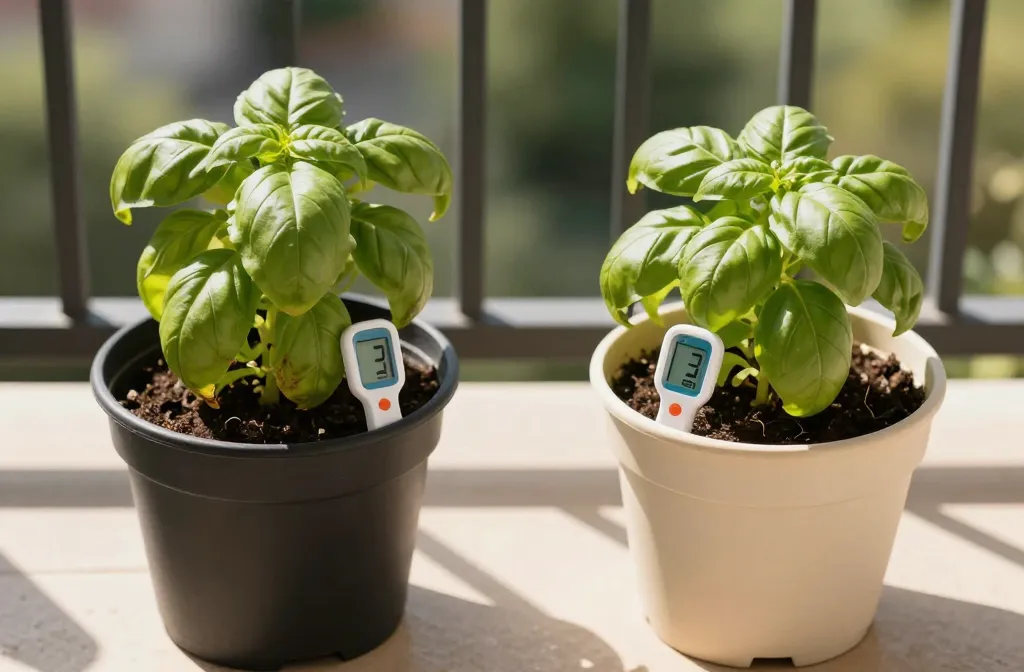
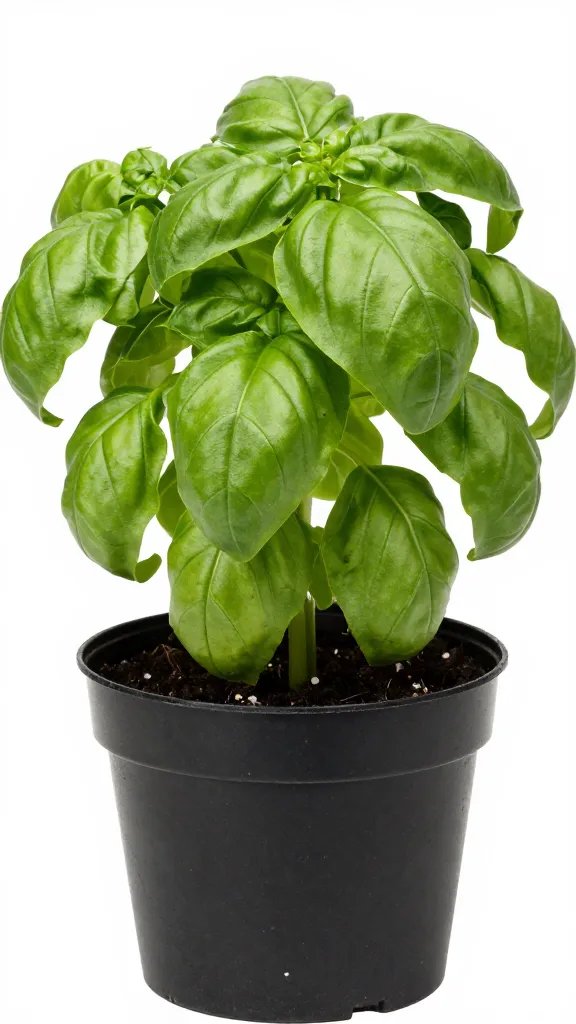
I learned the hard way that the same basil in two pots can grow at different speeds — my black pot wilted by midday while the cream pot stayed perky. If your balcony or patio gets real sun, you’ve probably seen this and blamed watering. The truth is simpler: pot colour changes soil temperature, and roots respond fast. In this guide, I’ll show you how colour shifts heat, which plants care, and exactly what to do to protect roots without fancy tools.
How Dark and Light Pots Change Soil Temperature
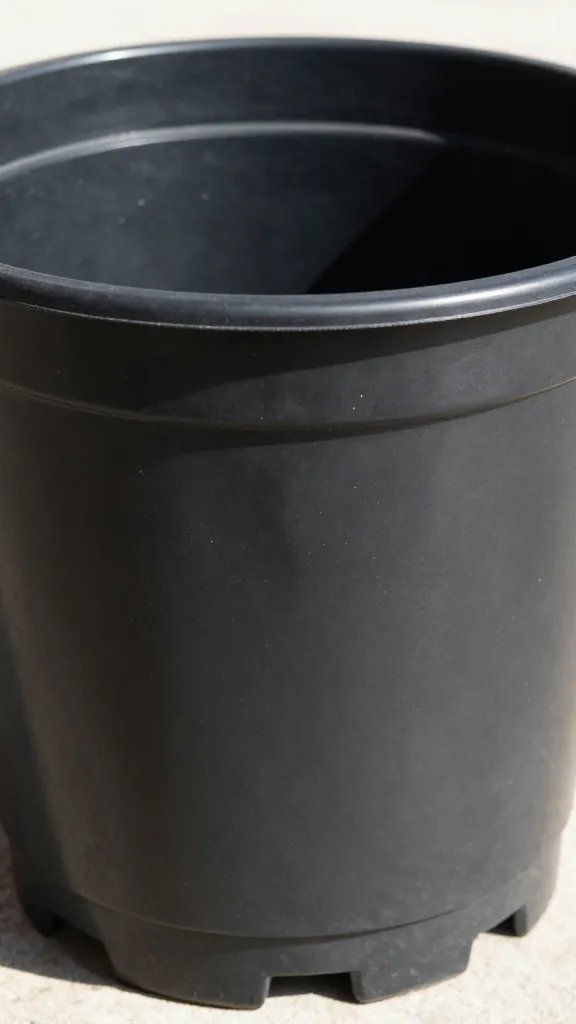
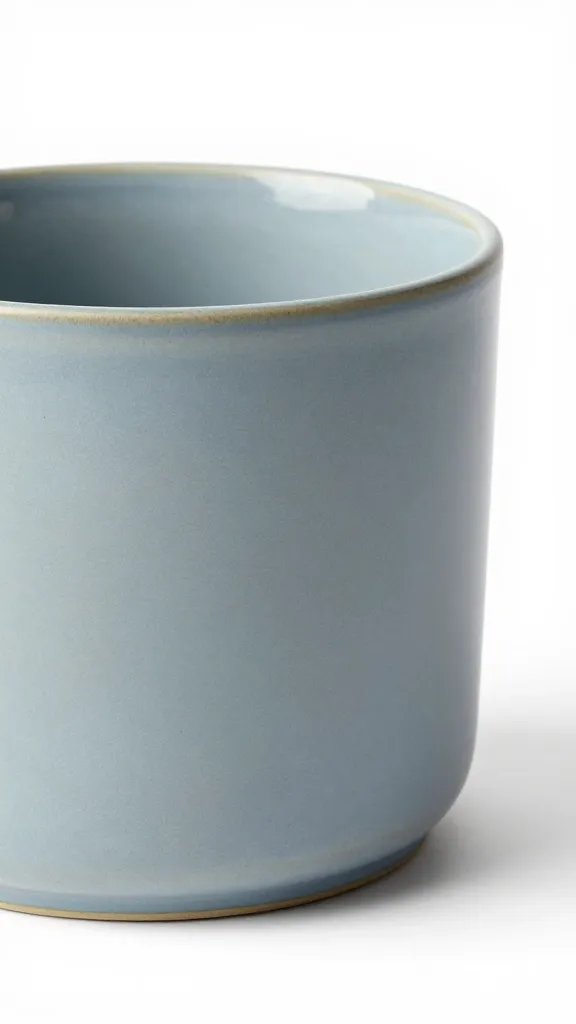
Dark pots absorb and store more sunlight as heat, warming the pot walls and the soil against them. Light pots reflect more light, so they heat up less and cool faster in shade. On a sunny summer day, a dark plastic pot can drive the outer soil layer 5–15°C hotter than a light pot of the same size.
Soil doesn’t heat evenly. The band of mix touching the pot wall runs hottest, and that’s where many fine roots live. When that band overheats, roots shut down, slowing water and nutrient uptake even if the center stays cooler.
Action today: Touch the sunny side of your pot at 2 pm — if the wall feels uncomfortably hot to your palm, switch that plant into a lighter pot or give it afternoon shade.
What Heat Does to Roots (And Why Growth Stalls)
Most edible and ornamental plants keep roots happiest between 15–24°C. Above ~30°C, fine roots lose function, and above ~35°C they suffer damage. In dark containers, the wall zone can hit those numbers even when the air feels pleasant.
Overheated roots drink less and stop exploring. You’ll see smaller leaves, pale new growth, and midday flagging that recovers at night — classic heat stress, not thirst. Keep roots cooler and growth rebounds without changing fertilizer.
Action today: If a plant droops at noon and perks up by sunset, treat it as heat stress: cool the container rather than adding extra water.
Material Matters: Plastic, Terracotta, Fabric, and Glazed Pots
Plastic: Holds heat, especially in dark colours. Lightweight walls mean fast temperature swings. Great in spring; punishing in peak summer sun.
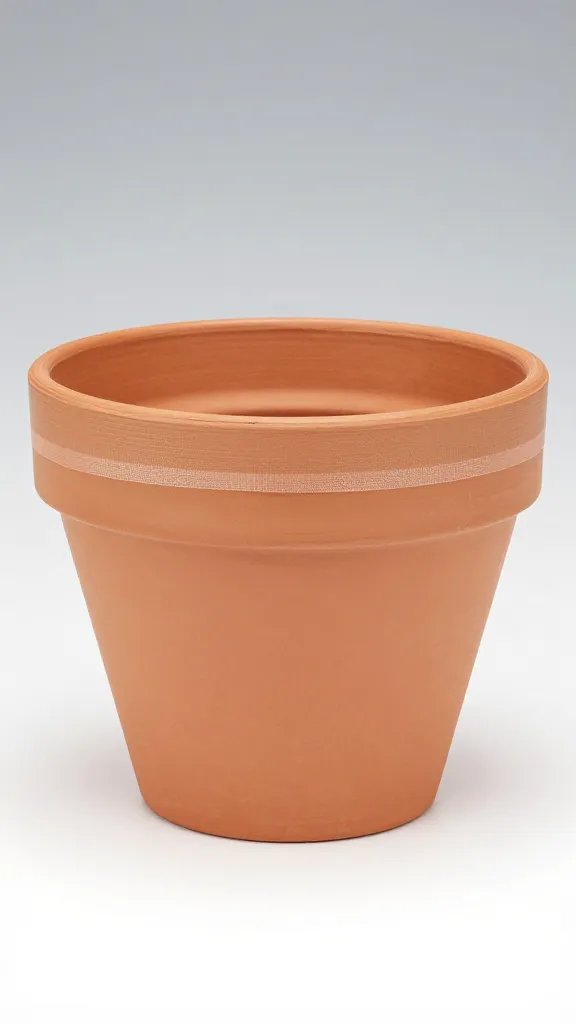
Terracotta (unglazed): Breathes and wicks moisture, which evaporatively cools the wall. Warms slower than plastic but still heats if dark-stained. Dries soil faster overall.
Fabric grow bags: Dark by default but air-permeable. Edges heat up, yet airflow sheds heat and prevents root spiraling. They dry quickest.
Glazed ceramic: Heavier and more insulating. Light glazes reflect sun well. Slower to heat, slower to cool.
Action today: If your sunniest spot fries plants, prioritize light-glazed ceramic or terracotta for summer and reserve dark plastic for spring and autumn crops.
Size and Shape: Why Small Dark Pots Overheat First
Small pots have more wall surface compared to soil volume. That ratio means heat from the wall penetrates deeper and faster. Tall, narrow pots overheat along the sunlit side; shallow, wide bowls overheat across the rim zone.
Large, thick-walled containers buffer temperature swings. A 30–40 cm diameter pot keeps a cooler core even when the outer band warms, giving roots a refuge and maintaining uptake.
Action today: Upsize heat-sensitive plants into at least a 30 cm light pot before summer arrives to reduce daily temperature spikes.
Plants That Care About Heat — And Those That Thrive
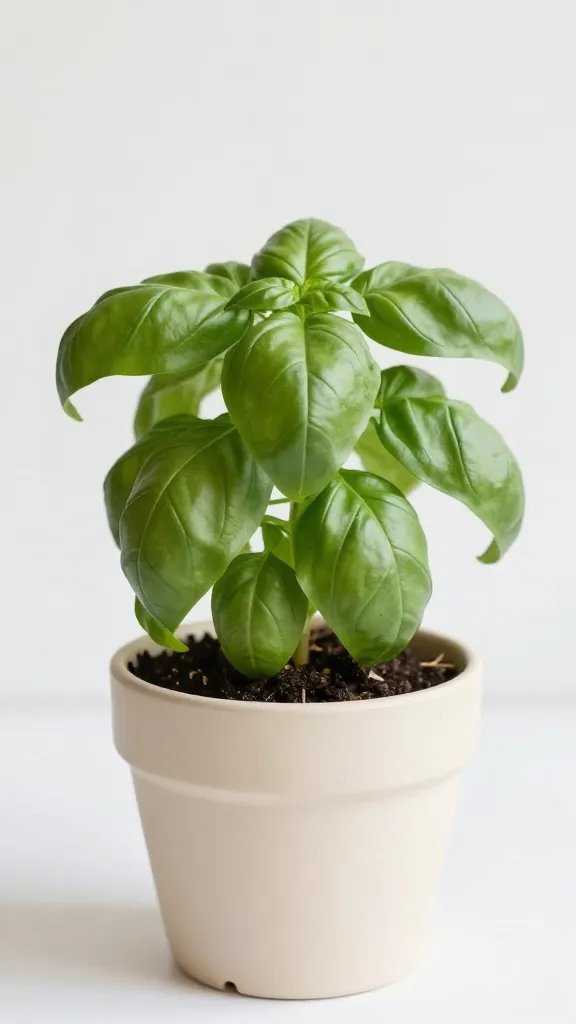
Heat-Sensitive Roots
- Leafy greens: Lettuce, spinach, arugula — quick to bolt above warm roots.
- Herbs: Basil and cilantro sulk in hot root zones; parsley tolerates more but still slows.
- Blueberries and hydrangeas: Prefer cool, evenly moist roots.
Heat-Tolerant or Heat-Loving Roots
- Tomatoes, peppers, eggplant: Enjoy warm roots but still stall if wall soil exceeds ~35°C.
- Rosemary, thyme, lavender: Tolerate warmer, drier conditions, especially in terracotta.
- Succulents: Cope with heat, but black pots can scorch roots on metal balconies.
Action today: Move greens and basil into light-coloured or terracotta containers and save darker pots for tomatoes and herbs like thyme.
Simple Ways to Keep Roots Cooler Without Special Gear
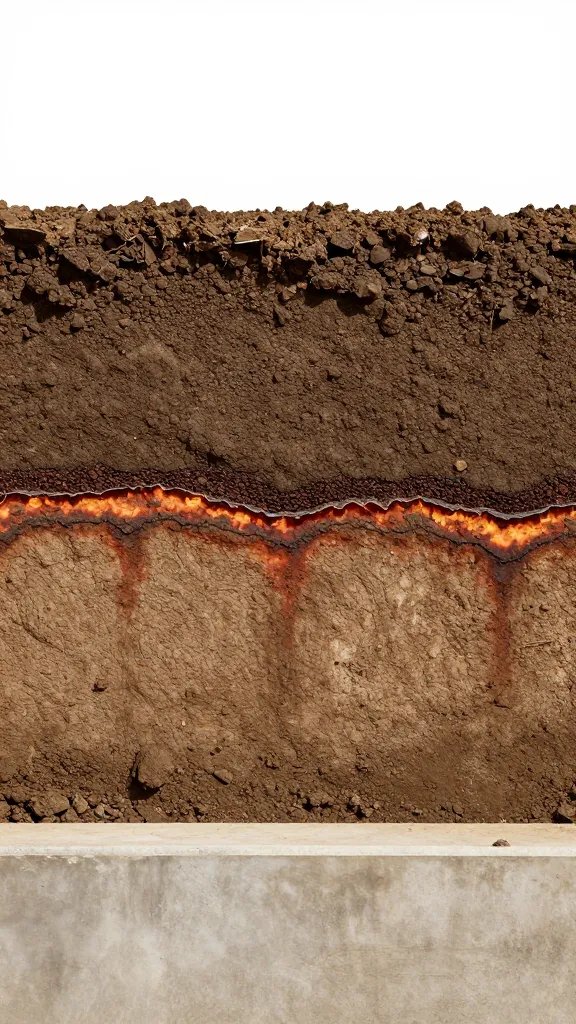
Step-by-Step Fixes
- Shield the sunny side: Tape a strip of white corrugated plastic, cardboard wrapped in foil, or a spare white plant label panel to the sun-facing wall. Leave a 1–2 cm gap for airflow.
- Lift the pot: Use pot feet, bricks, or an upside-down saucer to create airflow under the base and stop heat-soaking from concrete.
- Mulch 2–3 cm: Add light-coloured mulch — straw, small bark, or even light gravel — to block direct sun on the soil surface.
- Water by sunrise: Morning watering cools the mix before heat builds, and plants start the day hydrated.
- Nest a liner: Slip the dark nursery pot into a slightly larger light ceramic cachepot, leaving space between walls as an insulating air gap.
- Group for shade: Place taller plants on the sunward side to cast shade on smaller, heat-sensitive containers.
Action today: Add a 2–3 cm light mulch layer and raise the pot on bricks — fastest combo to drop root-zone temps.
Choosing the Right Pot Colour for Your Space and Season
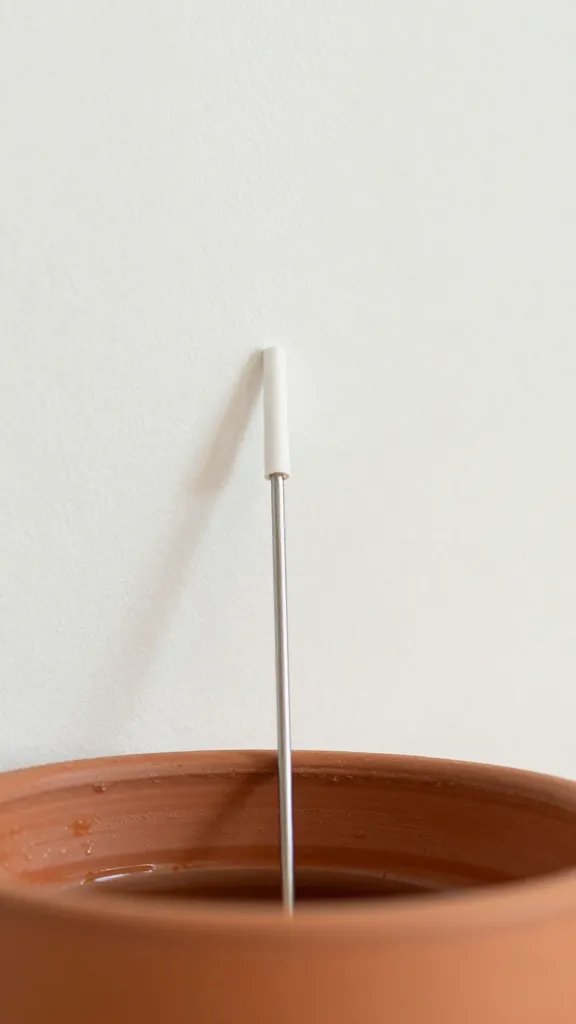
For south- or west-facing balconies with reflective surfaces, default to light-coloured or white pots from May through September. In cooler months or in a shaded courtyard, dark pots help extend the season and keep soil active.
Think plant by plant. I use dark plastic for spring peppers to warm early, then slide them into light cachepots once heat arrives. For lettuce, I never stray from light or terracotta, even in spring.
Action today: Label two “seasonal” pots in your stash — one dark, one light — and plan to swap heat-sensitive plants into the light pot before the first heatwave.
Warning Signs You’re Dealing With Hot Pots, Not Underwatering
What To Look For
- Midday wilt that reverses by evening even when soil feels moist 2–3 cm down.
- Brown, crispy leaf edges on the sunniest side while shaded leaves look fine.
- Stunted new growth and pale leaves despite regular feeding.
- Roots circling the pot wall are tan or brown instead of white when you slide the plant out.
Action today: Check moisture first knuckle deep; if it’s moist yet the plant droops at noon, shade the pot wall and water at dawn for three days — you should see steadier midday turgor.
Frequently Asked Questions
Do I need a soil thermometer to manage root temperatures?
No. Use touch and timing. If the pot wall feels hot to your palm at 2–3 pm and the plant droops despite moist soil, treat it as heat stress. Add light mulch, shade the sunny side, and water at dawn — these steps work without any instruments.
Are white pots always better?
White pots reflect heat well in summer, which protects cool-season crops and tender herbs. They’re not “better” for everything — in spring or cool climates, dark pots help warm the mix for peppers and tomatoes. Match pot colour to your season and plant rather than picking one colour for all.
Will a bigger dark pot still overheat?
Less so. Larger volumes buffer heat, and the core stays cooler, but the outer 2–5 cm can still run hot. If you stick with a dark pot, add mulch, elevate the base, and shield the sunny side to keep wall soil in a safe range.
Is terracotta actually cooler than plastic?
Often, yes. Unglazed terracotta breathes and sheds heat through evaporation, especially if you water in the morning. The trade-off is faster drying, so you must check moisture more often or add mulch to slow evaporation.
Can I paint my existing dark pots a lighter colour?
Yes. Clean the pot, lightly sand plastic for grip, and use an exterior-grade, light-coloured spray paint. Avoid painting the interior — keep coatings on the outside to prevent contact with the soil and roots.
Does saucer water heat the pot more?
Standing water in a dark saucer can act like a warm bath on hot afternoons. Empty saucers after watering and raise the pot on feet to avoid heat soaking from below. If you need a reservoir, keep it shaded and minimal.
Conclusion
You don’t need gadgets to control root temperature — just smart choices about pot colour, size, and simple shading. Pick light containers for summer greens and tender herbs, and reserve darker pots for shoulder seasons and heat-lovers. Today, adjust one sunniest pot with mulch and a shield, and you’ll see steadier leaves by the next warm spell. When you’re ready, plan a seasonal pot swap so your plants stay in their comfort zone all year.