
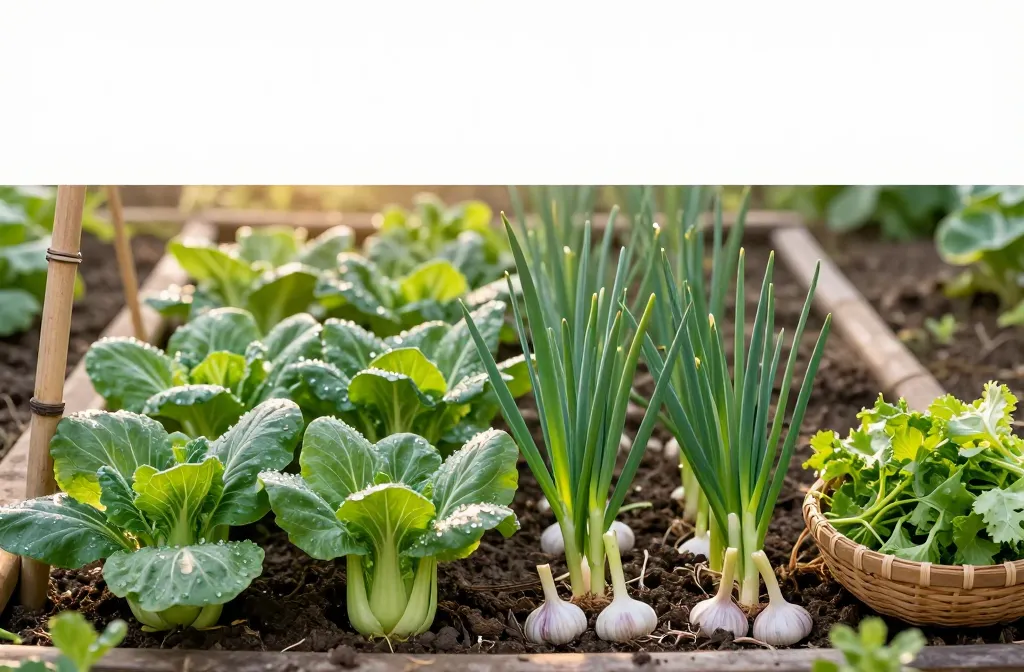
Want fresher, more flavorful Chinese dishes straight from your backyard? Pair your veggies and herbs like a pro and watch yields jump while pests peace out. These companion combos boost aroma, reduce chemicals, and make wok-night ridiculously easy. Ready to grow a pantry you can eat?
1. Scallions + Bok Choy = The Stir-Fry Dream Team
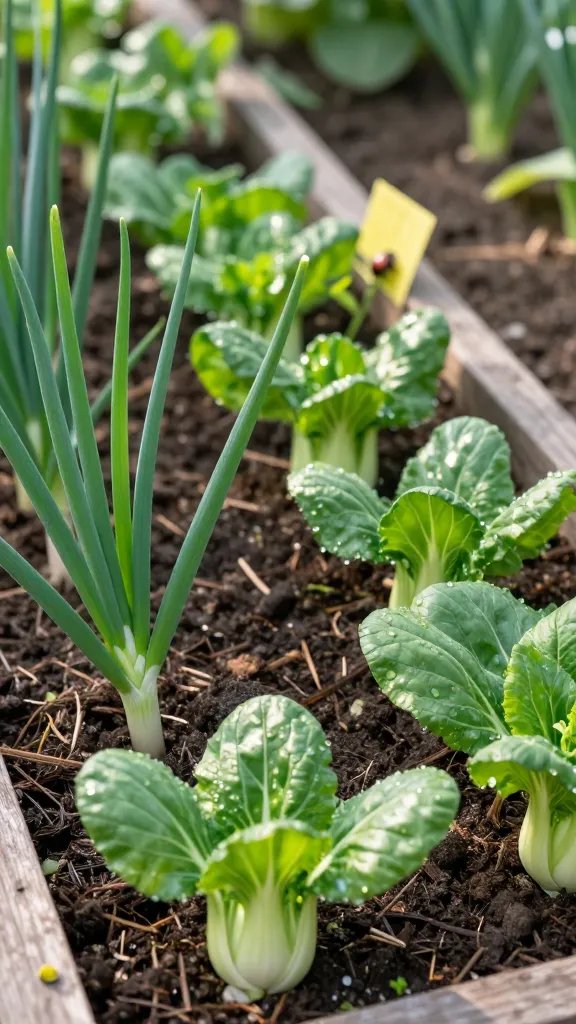
Scallions pull double duty: they flavor your meals and repel pests that love brassicas. Plant them alongside bok choy to keep flea beetles in check and add that signature oniony punch to your harvest. Plus, they mature at different times, so your bed stays productive.
Why It Works
- Scallions confuse pests with their scent.
- Bok choy grows fast and appreciates the mild shade scallions provide as they thicken.
- Both love rich soil and consistent moisture.
Harvest scallions as you thin them, then toss both into weeknight noodle bowls. Easy win.
2. Garlic + Chinese Kale (Gai Lan) For Pest Patrol With Bite
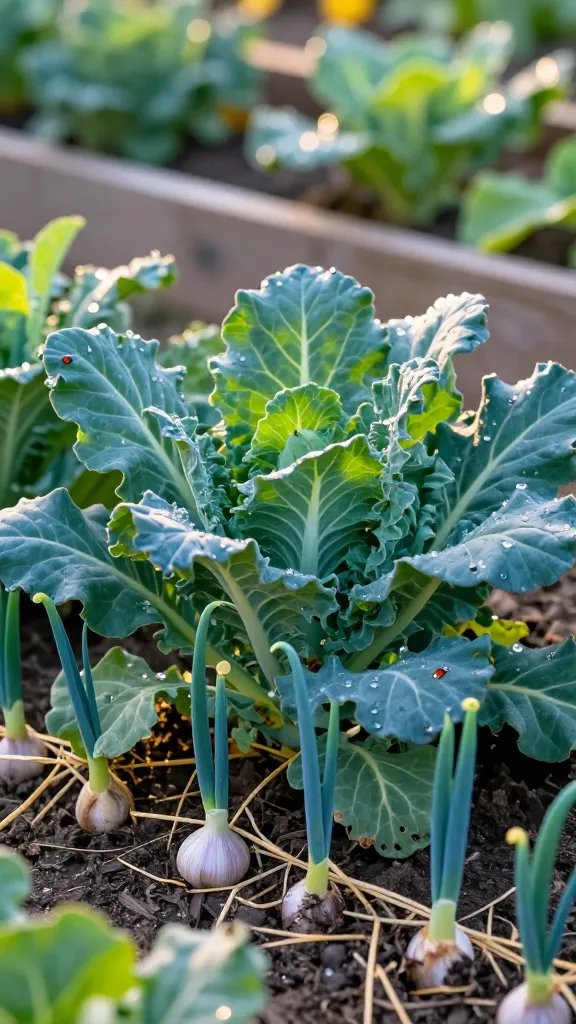
Garlic’s sulfur compounds deter aphids and cabbage worms—exactly the thugs that mob gai lan. Plant cloves around the base of your kale patch like a fragrant fence. You’ll get clean, tender stalks and slow-roasted cloves as a bonus.
Tips
- Plant garlic in fall for a head start; tuck gai lan between rows in spring.
- Mulch to hold moisture and suppress weeds.
- Snip garlic scapes early for stir-fries with a garlicky crunch.
Use this pair when you want crisp stems and fewer holes in your greens (seriously, the difference is obvious).
3. Chinese Chives (Jiucai) + Napa Cabbage For Sweet, Clean Heads
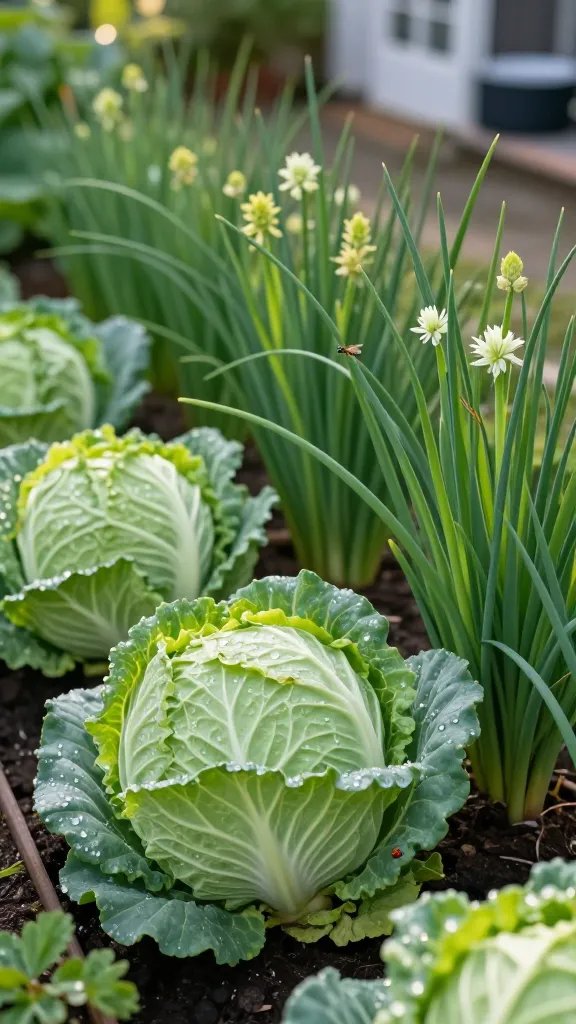
Chinese chives bring bold garlicky fragrance and attract beneficial insects. Napa cabbage needs help with pests like loopers and aphids—cue jiucai’s natural pest-clouding aroma. The low, strappy leaves of chives also fit neatly at the cabbage “dripline.”
Key Points
- Plant chives as a perennial border around cabbage beds.
- Split clumps every couple of years to keep them vigorous.
- Chives deter pests without overshadowing cabbage.
Cook the cabbage in hot pot and throw chopped chives into dumpling fillings—one bed, two kitchen staples.
4. Ginger + Turmeric Under Peppers For a Tropical Flavor Guild
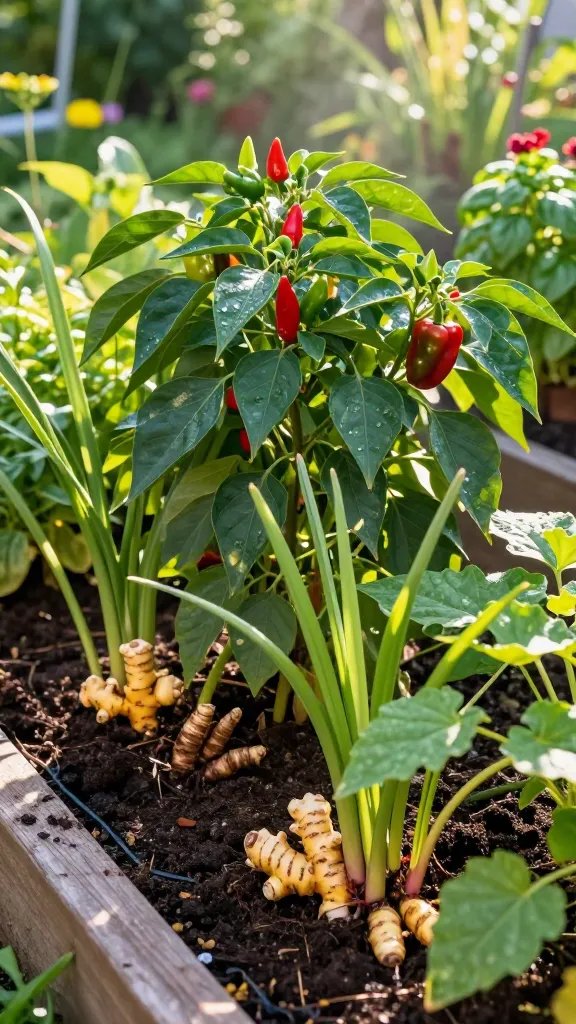
You want lush, juicy peppers for mapo or stir-fries? Pair them with ginger and turmeric in warm soil. The broad leaves of peppers give ginger and turmeric dappled shade, while the rhizomes enjoy the humid microclimate.
How To Set It Up
- Plant peppers in the center; tuck ginger and turmeric on the sunward side.
- Add compost and keep soil evenly moist.
- Harvest baby ginger early for milder flavor.
This trio maximizes space and delivers aromatics that scream flavor—IMO it’s the best use of a sunny bed.
5. Soybeans (Edamame) + Chinese Eggplant For Soil-Boosted Beauty
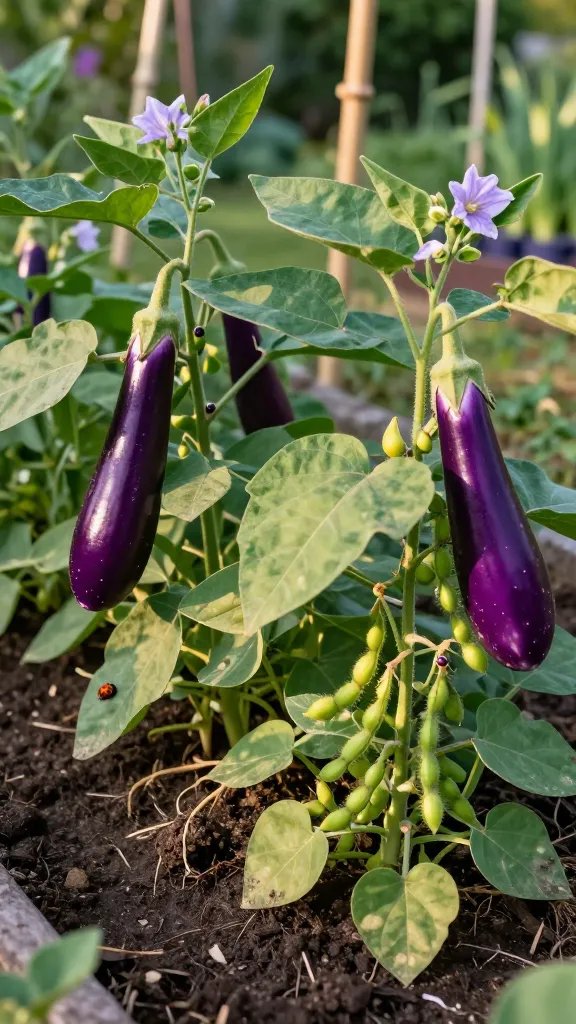
Legumes fix nitrogen, and eggplants are heavy feeders. Plant soybeans as an understory crop with slim, long Chinese eggplants. You’ll feed the soil, reduce synthetic fertilizer, and get buttery edamame to snack on while the eggplants ripen.
Benefits
- Soy roots host rhizobia that add bioavailable nitrogen.
- Eggplant foliage casts light shade that keeps soil cool.
- Encourage ladybugs—both plants attract beneficials.
Use this when your eggplants look hungry or growth stalls—nitrogen-fixing friends to the rescue.
6. Cilantro + Daikon Radish For Cool-Season Zen
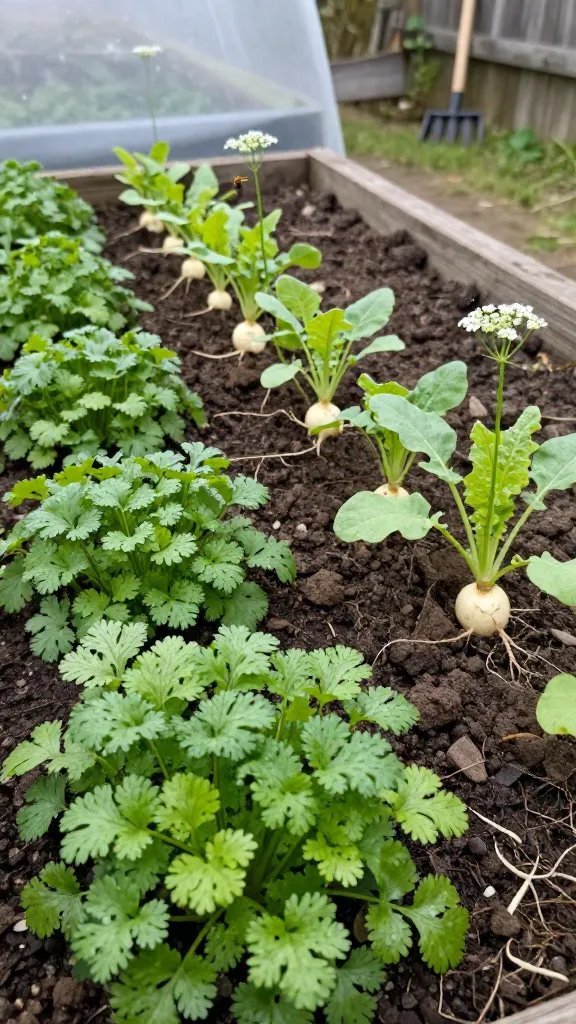
Cilantro bolts in heat, and daikon digs deep in cool weather—perfect timing for early spring and fall beds. Cilantro’s aroma repels some pests, while daikon loosens compacted soil for future crops. It’s like a seasonal spa day for your garden.
Planting Notes
- Sow cilantro thickly; scatter daikon seeds in rows between.
- Thin daikon to give roots room; keep cilantro trimmed to delay bolting.
- Let a few cilantro plants flower to draw hoverflies and lacewings.
Great for pickles, salads, and pho nights. FYI, the soil improvement lasts into your next planting.
7. Yardlong Beans + Chinese Cucumber On A Shared Trellis
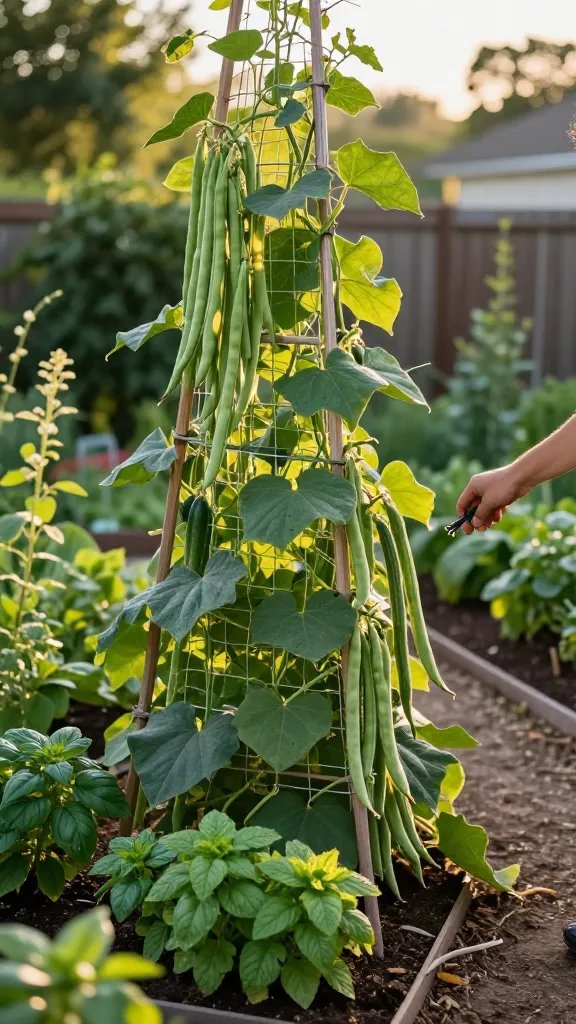
Vertical gardening for the win. Yardlong beans and slim Chinese cucumbers share a trellis like total pros, saving space and improving airflow so mildew has fewer places to crash. You also make harvesting painless—no more jungle crawling.
Trellis Tricks
- Plant cucumbers on the sunnier side; beans can handle a touch more shade.
- Encourage beans to climb high; keep cukes trained wide.
- Interplant with basil or mint nearby to deter aphids (not on the trellis).
Expect crunchy cukes and tender beans ideal for quick wok tosses and cold garlic-sesame sides.
8. Chinese Celery (Qin Cai) + Leeks For Aromatic Alleyways
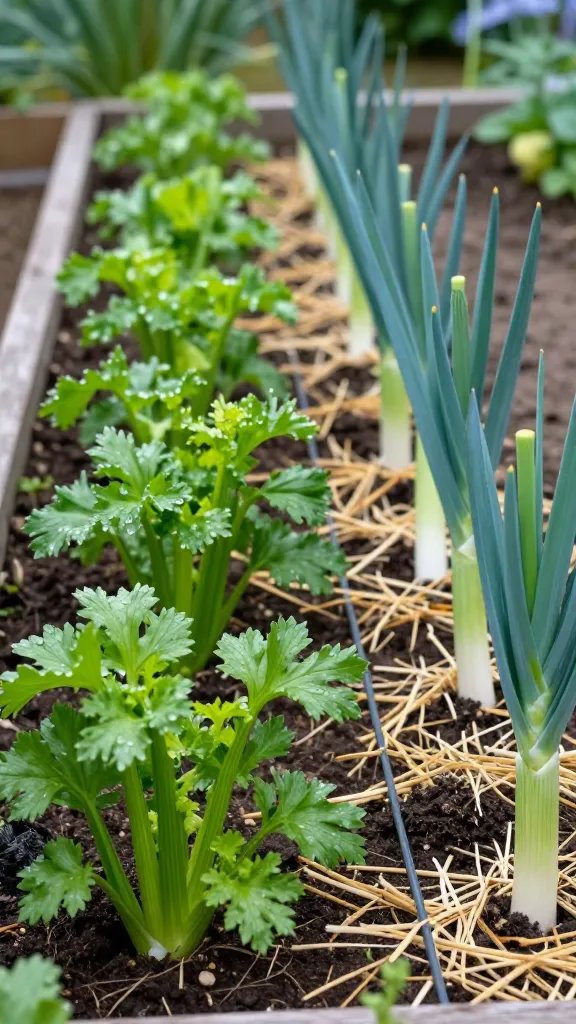
Chinese celery brings intense aroma in a slender package, and leeks stand tall with sweet onion notes. Together they confuse pests and create tidy rows that are easy to mulch and water. You get two umami-forward aromatics, perfect for braises and stir-fries.
Growing Tips
- Enrich soil with compost; both crave fertility.
- Plant in alternating rows for airflow and easy harvest.
- Blanch leeks by hilling soil around stems; keep celery well-watered.
Use this duo when you want deep flavor bases without heavy garlic breath—subtle but powerful.
9. Chinese Mustard Greens + Marigolds For Color And Control
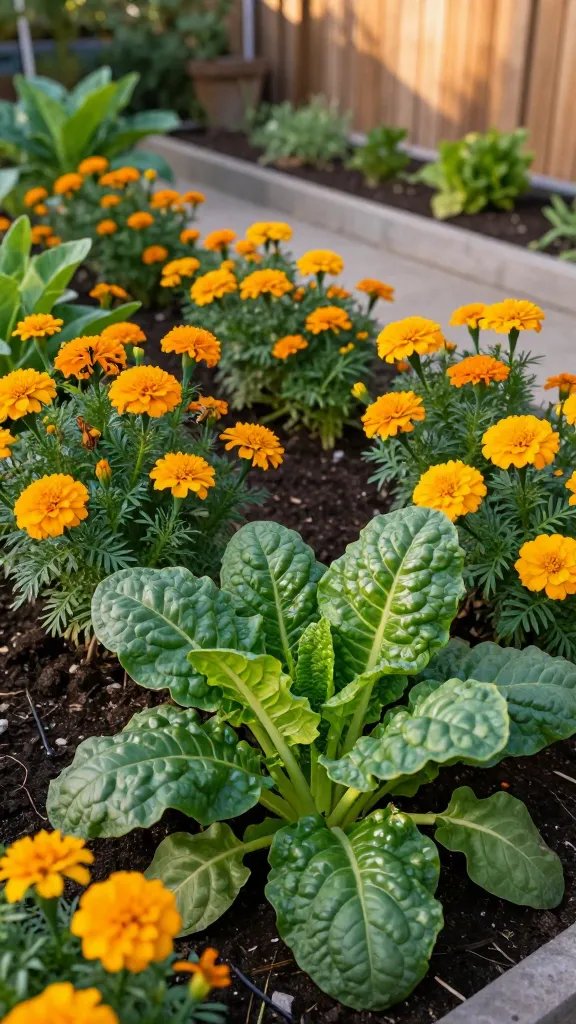
Marigolds don’t just look cute—they release compounds that disrupt root-knot nematodes. Plant them with Chinese mustard greens to protect those peppery leaves and lure pollinators. The splash of gold next to glossy greens makes your bed look like a magazine spread, too.
Key Points
- Choose tagetes varieties for stronger nematode suppression.
- Interplant every 12–18 inches around mustard clusters.
- Deadhead marigolds to keep blooms coming.
Great when your soil history includes root pests or when you want edible heat with fewer headaches.
10. Pea Shoots + Pak Choi With A Bonus Of Mint Nearby
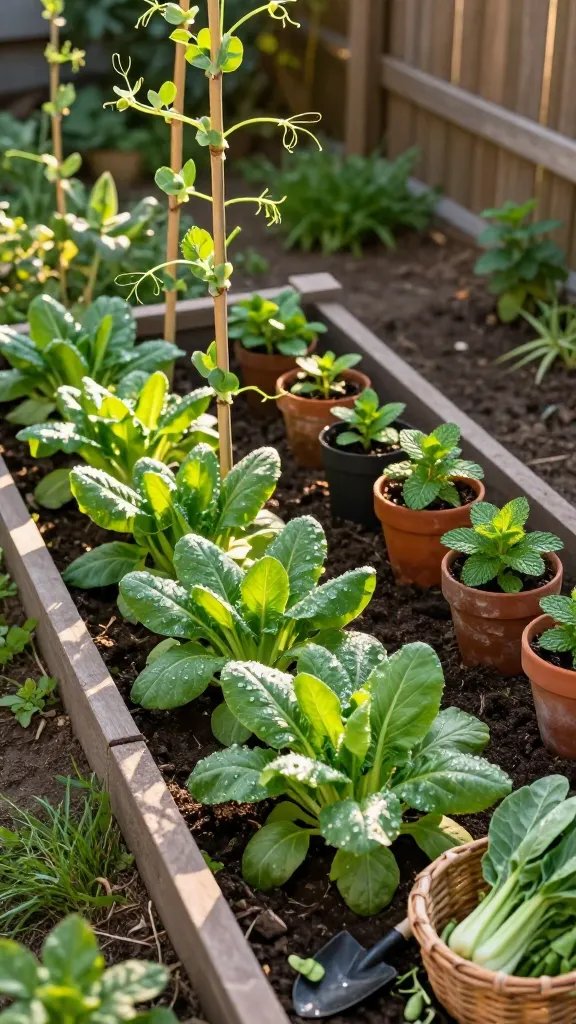
Peas and pak choi both love cool temps, and their timelines overlap beautifully. Peas climb and cast just enough shade to keep pak choi crisp, while mint (in a container, trust me) wards off aphids and ants. You’ll harvest pea tips and baby bok choy in waves.
How To Do It
- Install a mini trellis for peas; plant pak choi on the south side.
- Keep mint in pots near the bed to avoid takeover.
- Successively sow every 2–3 weeks for continuous harvests.
Ideal for quick garlic-pea tendril stir-fries and soy-slicked pak choi—fast, fresh, and flavorful.
General Companion Planting Tips
- Match watering needs: Pair drought-tolerant with drought-tolerant, moisture-lovers with moisture-lovers.
- Rotate crops: Don’t replant brassicas or nightshades in the same spot each season.
- Think canopy layers: Tall, medium, and groundcover plants share resources better.
- Invite allies: Let some herbs flower to attract predators that snack on pests.
- Mulch smart: Straw or leaf mold keeps soil cool and reduces splash-borne disease.
Ready to grow a wok-ready garden that basically cooks for you? Mix these pairings, keep soil happy, and harvest like a boss. Your dinners will taste brighter, your plants will look healthier, and your grocery bill might even breathe a sigh of relief.