
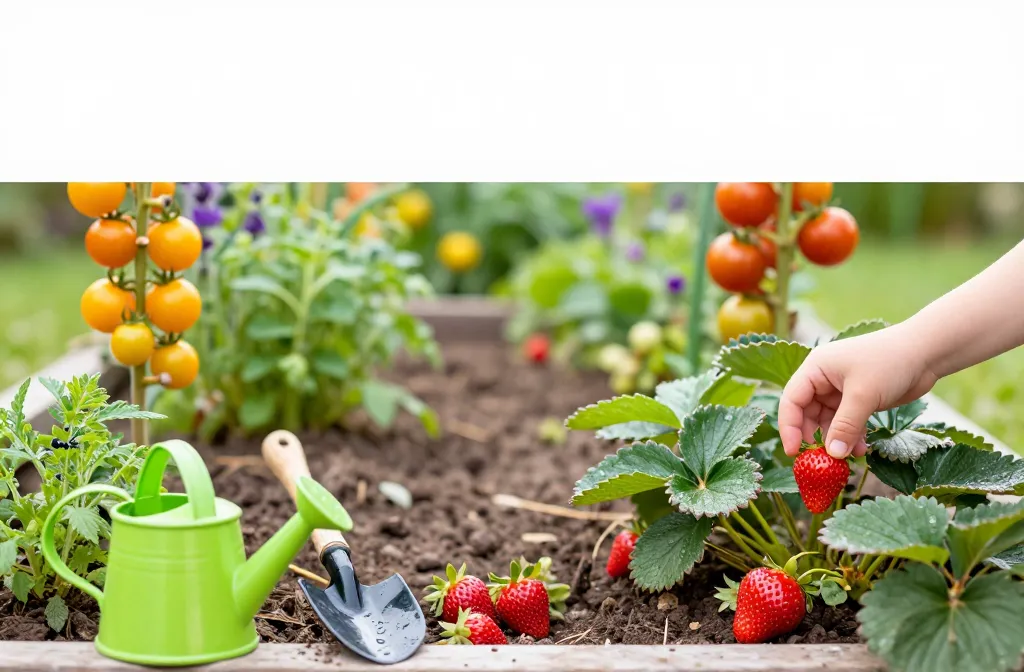
Want to turn your backyard into a hands-on science lab that snacks back? These sensory garden plants invite kids to touch, sniff, taste, and admire—while learning real gardening skills. They’re hardy, fast-growing, and delicious, so kids see quick wins and eat the results. Ready to grow tiny gardeners with big curiosity?
1. Strawberries: Sweet Rewards On Tiny Vines
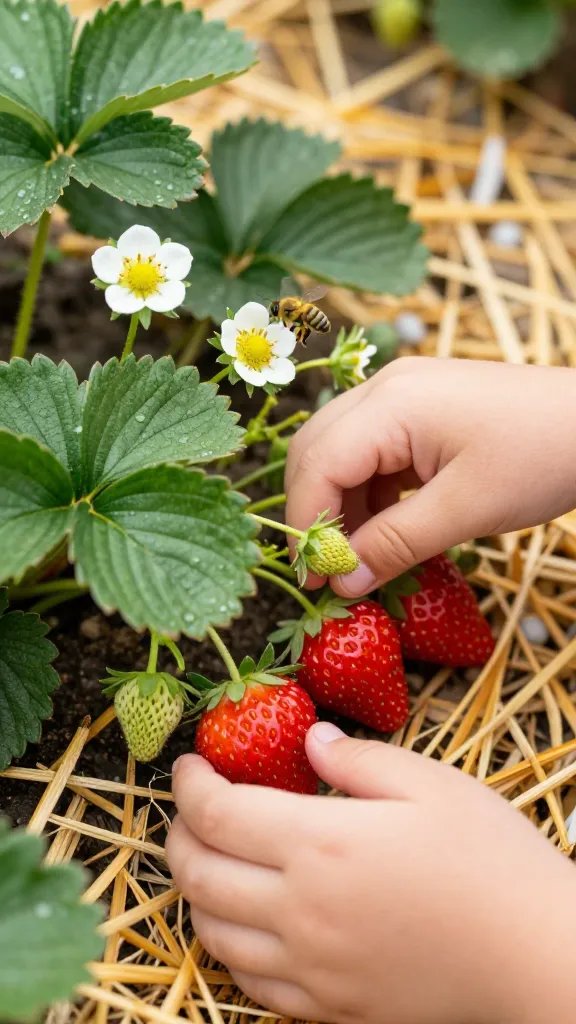
Nothing beats the thrill of spotting a red strawberry hiding under leaves. Strawberries deliver instant sensory feedback: soft leaves, delicate flowers, and juicy fruit that tastes like summer. Kids love the hunt, and honestly, so do adults.
Quick Tips
- Choose everbearing varieties for fruit across the season.
- Plant in full sun with well-drained soil or containers.
- Mulch with straw to keep berries clean and deter slugs.
Show kids how bees help pollinate the flowers. The reward? A sweet snack straight from the garden—seriously, nothing fresher.
2. Cherry Tomatoes: Pop-And-Eat Garden Candy
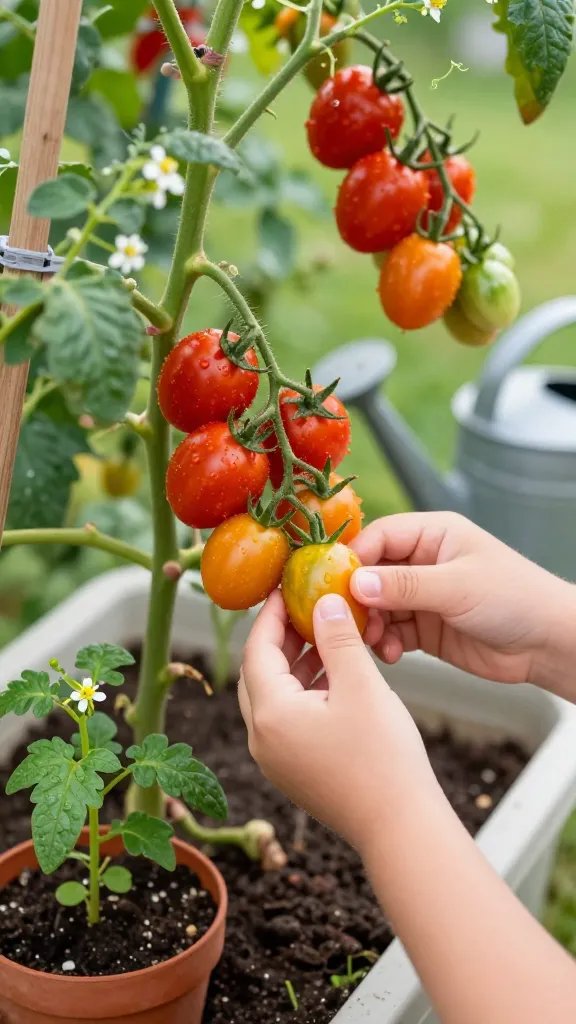
Cherry tomatoes grow fast, climb high, and burst with flavor. Kids can watch flowers turn to marble-sized fruit, then to little flavor bombs. They’re bright, tactile, and perfect for snacking while you water.
Kid-Friendly Varieties
- Sun Gold: Super sweet and golden.
- Sweet 100: Reliable clusters, tons of fruit.
- Tiny Tim: Compact for pots or patios.
Teach gentle harvesting—twist, don’t yank. Great for salads, lunchboxes, or, IMO, eating right off the vine like a garden rebel.
3. Snap Peas: Crunchy Climbers Kids Can’t Stop Munching
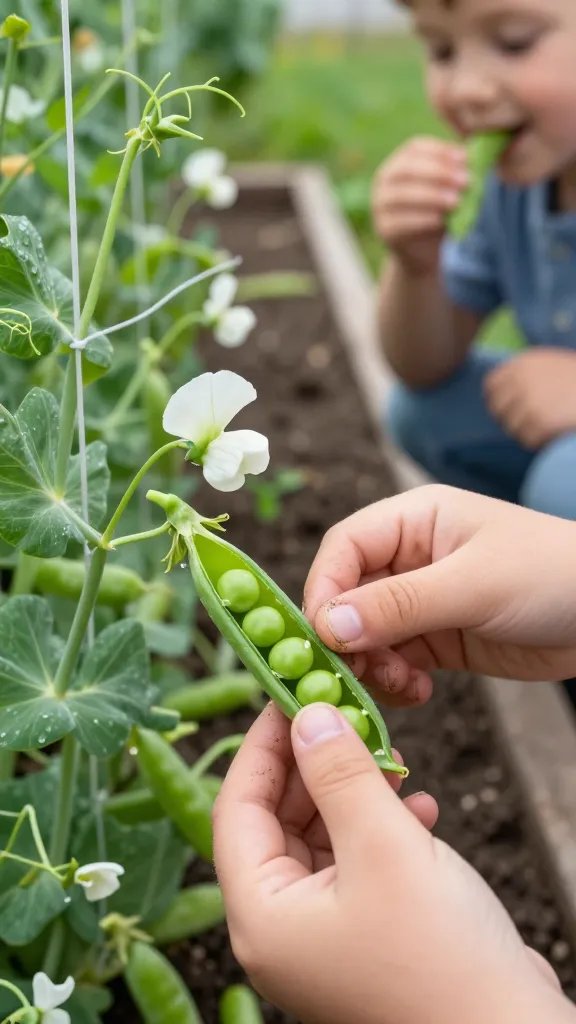
Snap peas check every sensory box: crunchy bite, sweet flavor, silky flowers, and climbing tendrils that look like green jewelry. They sprout quickly, which keeps kids excited early in the season.
How To Grow
- Plant in early spring—peas like cooler temps.
- Provide a simple trellis or string for climbing.
- Harvest when pods feel plump and crisp.
Show kids how the peas inside pop—gentle hand strength practice, built in. Use them in stir-fries or just munch them raw on the spot.
4. Rainbow Chard: Edible Leaves With Crayon-Box Stems
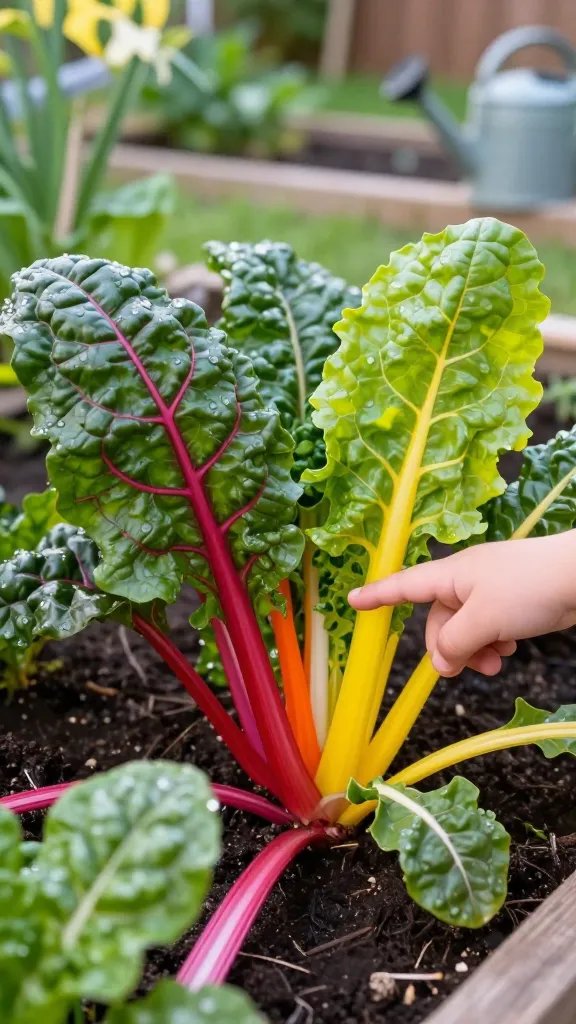
Rainbow chard looks like a veggie that escaped an art project—neon stems, glossy leaves, big garden presence. Kids love touching the thick, crinkly greens and calling out the stem colors like a game.
Why It’s Awesome
- Super productive and forgiving for beginners.
- Regrows after cutting—built-in “harvest again” moments.
- Mild flavor when young; sauté with garlic for an easy win.
Chard brings color, texture, and edible bragging rights. It’s a hero plant in salads, soups, and simple wraps.
5. Basil: The Scent That Screams “Pizza Night”
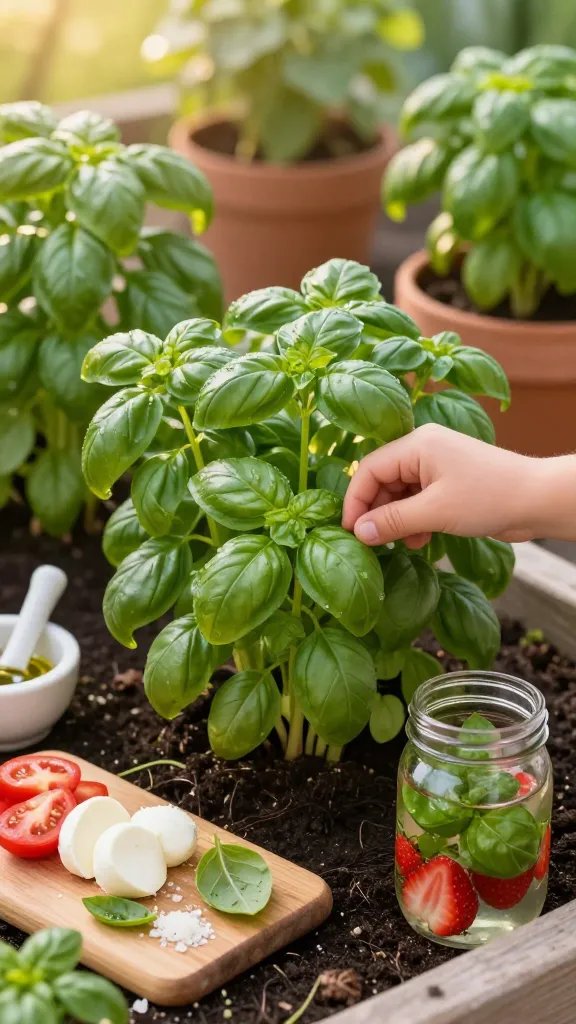
Basil perfumes the air the second you brush past it. Kids can pinch leaves and smell instant pesto vibes. It’s soft, bright green, and grows fast—basically the plant version of instant gratification.
Best Ways To Use
- Tear over tomatoes and mozzarella.
- Blend into pesto with olive oil and parmesan.
- Infuse water with strawberries and basil for a fancy kid mocktail.
Teach the “pinch above a pair of leaves” trick to make basil bushier. It’s a gateway herb—after basil, kids want to grow everything aromatic.
6. Mint: Tingly Leaves That Smell Like Summer
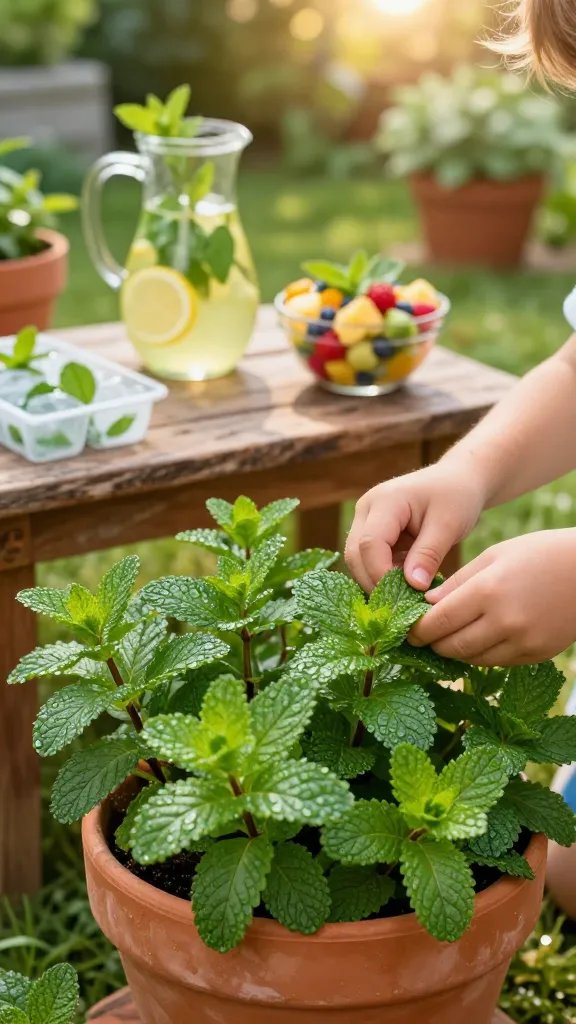
Mint feels cool, smells incredible, and comes in fun flavors like chocolate, orange, and spearmint. It thrives with minimal effort, which makes kids think they’re plant whisperers. FYI: it spreads aggressively, so containers are your friend.
Fun Mint Moments
- Rub a leaf between fingers—instant aromatherapy.
- Add to lemonade or fruit salad.
- Freeze mint leaves in ice cubes for fancy drinks.
Mint delivers huge sensory payoff with barely any maintenance. Keep it in a pot and you’ll avoid a mint takeover situation—trust me.
7. Calendula: Sunshine Petals You Can Sprinkle On Everything
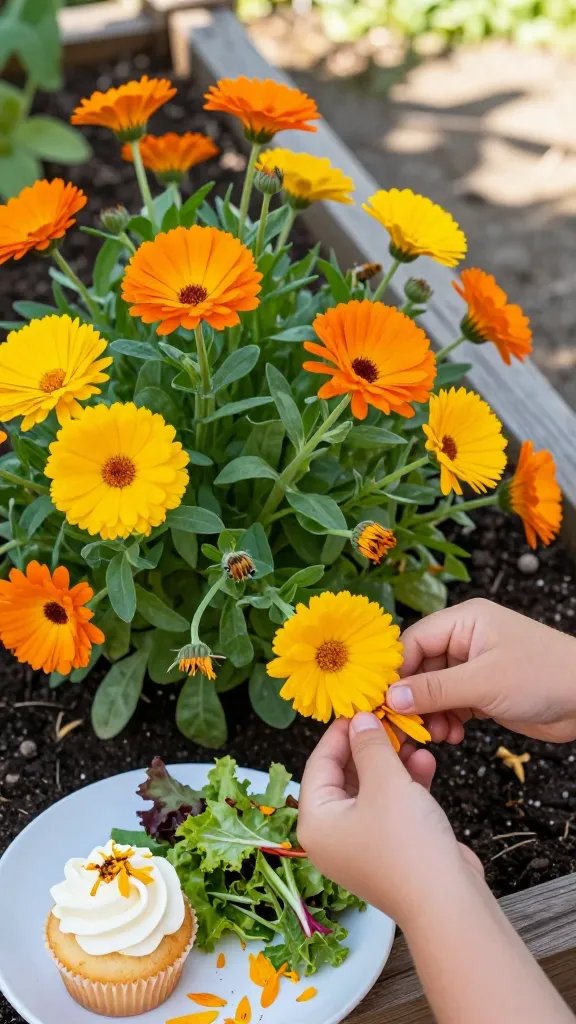
Calendula looks like cheerful, edible daisies—bright orange or yellow, with a resinous, earthy scent. The petals are edible and make kids feel like fancy chefs when they toss them on salads or cupcakes.
Growing And Using
- Plant in full sun; deadhead for more blooms.
- Pick petals and scatter on dishes for color.
- Dry petals for tea or homemade “boo-boo” salves.
Calendula attracts pollinators and toughens up in cooler weather. It teaches kids that flowers can be food—and that’s a game changer.
8. Lavender: Calming Scent, Crunchy Seeds, And Bee Ballet
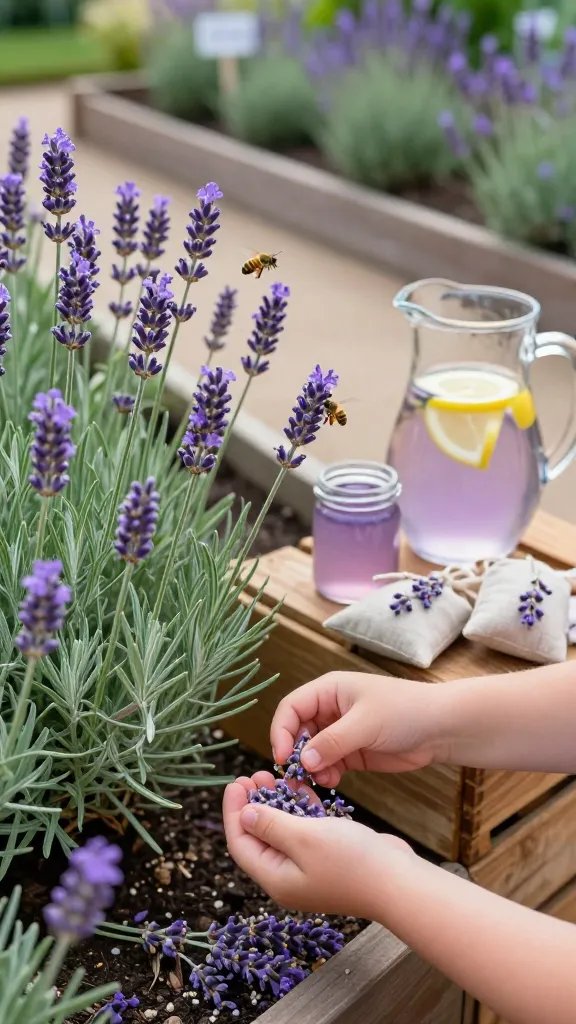
Lavender brings texture with its silvery leaves, soothing fragrance, and delicate purple spikes that hum with pollinators. Kids love rolling the buds between fingers to release the scent. It’s a sensory spa disguised as a plant.
Kid-Safe Ideas
- Make lavender lemonade with a light syrup infusion.
- Sew tiny sachets and tuck in drawers.
- Brush hands through the plant to calm pre-dinner chaos.
Choose culinary varieties like English lavender for the best flavor. Lavender makes the garden feel peaceful, even when the kids don’t.
9. Nasturtiums: Peppery Flowers That Double As Garden Guards
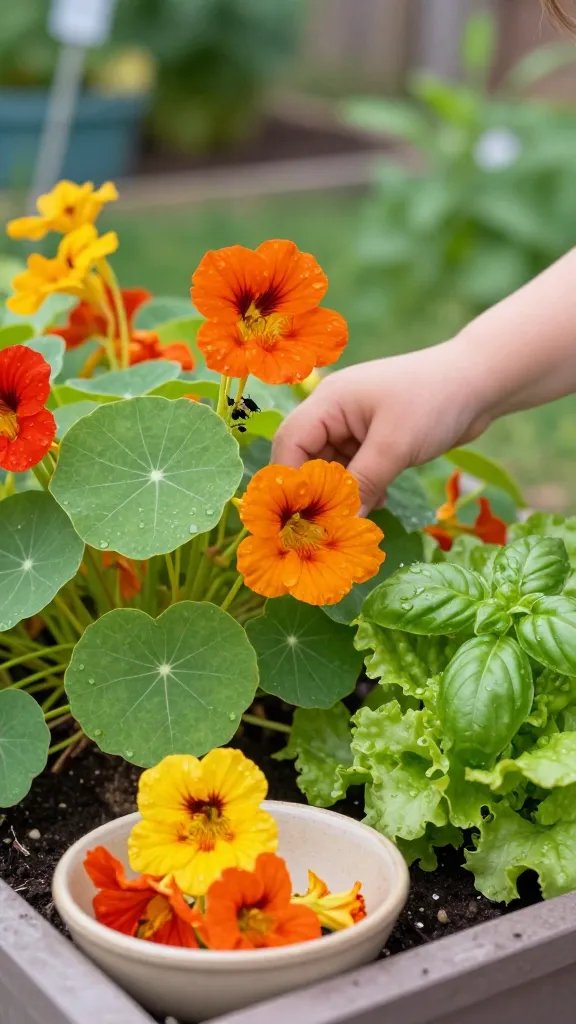
Nasturtiums pump out vibrant blooms and lily-pad leaves that feel almost rubbery. Every part tastes peppery—like gentle arugula—with a fun, surprising kick. They spill from pots and work as living mulch in beds.
Why Kids Love Them
- Fast germination—sprouts show up quick.
- Edible flowers make snack time dramatic in the best way.
- They attract aphids away from other plants (sacrificial heroes).
Scatter flowers on tacos or buttered noodles for instant gourmet. They teach cause-and-effect in pest control and reward kids with color and flavor.
Ready to plant a garden kids can touch, sniff, and taste without hearing “don’t” every five seconds? These nine plants bring big sensory experiences with minimal fuss. Start with two or three, keep it fun, and let curiosity lead—your mini gardeners will take it from there.