
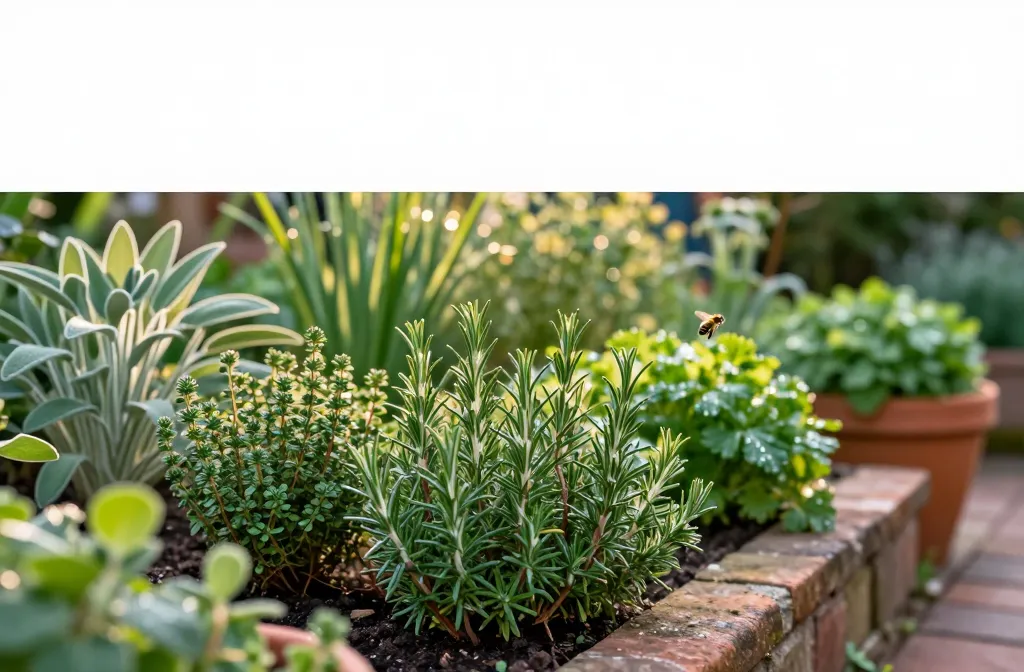
Ready to turn your herb patch into a tiny, fragrant powerhouse? Companion planting pairs herbs that boost each other’s growth, flavor, and pest resistance—while giving you delicious, ready-to-cook combos. We’re talking proper British classics, the kind your gran swore by and chefs steal for “rustic charm.” Grab a cuppa, because these pairings are simple, effective, and way more fun than spraying pesticides.
You’ll get garden hacks and kitchen wins in one go. FYI: we’ll stick to traditional UK-friendly herbs and easy tips, so you can plant today and feast soon.
1. Thyme & Rosemary: The Roast-Ready Dream Team
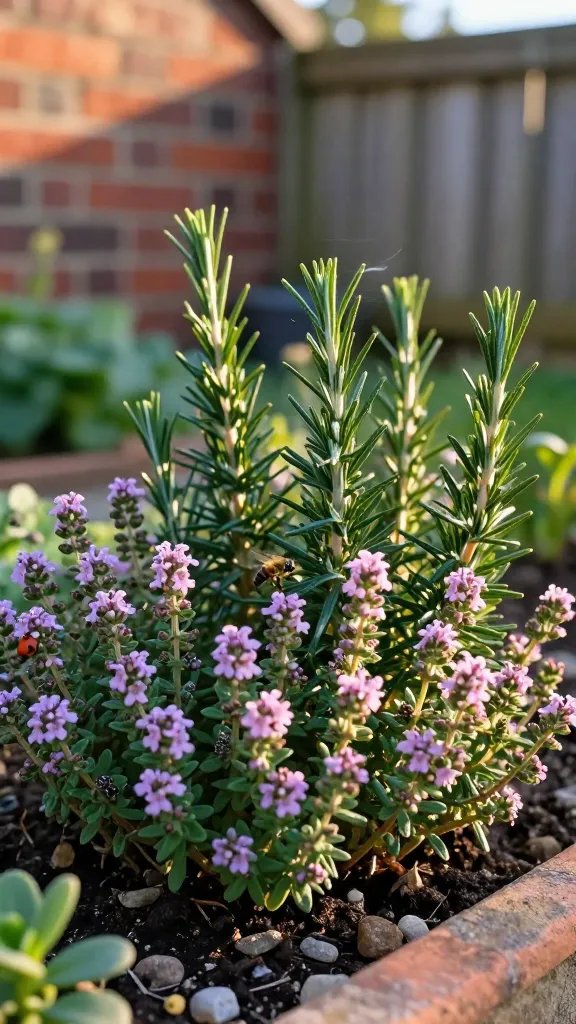
These Mediterranean icons thrive in British gardens when you give them sun and sharp drainage. They’re the ultimate partners: woody, drought-tolerant, and unbelievably aromatic. Together, they create a mini windbreak and a pollinator magnet that keeps pests second-guessing your patch.
Why They Work
- Shared needs: Full sun, lean soil, and infrequent watering means low-maintenance perfection.
- Pest deterrence: Their oils confuse aphids and whiteflies. No spray needed.
- Flavor synergy: Thyme lifts brightness; rosemary brings piney depth. Hello, roast potatoes.
How To Plant
- Spacing: Rosemary 60–90 cm apart; thyme 20–30 cm around the base as a living mulch.
- Soil: Add grit or horticultural sand; avoid rich compost, which dilutes flavor.
- Pruning: Trim thyme lightly after flowering; shape rosemary in late spring to prevent legginess.
Kitchen Uses
- Roast chicken & veg: Tuck sprigs under the skin and toss with root veg.
- Herby croutons: Olive oil, garlic, thyme, rosemary—toast till golden.
- Compound butter: Finely chopped thyme/rosemary with lemon zest and sea salt.
Plant when you want rock-solid structure in the garden and instant Sunday roast magic on your plate.
2. Sage & Onion (Plus Bay): The Classic Stuffing Trio That Doubles As Pest Control
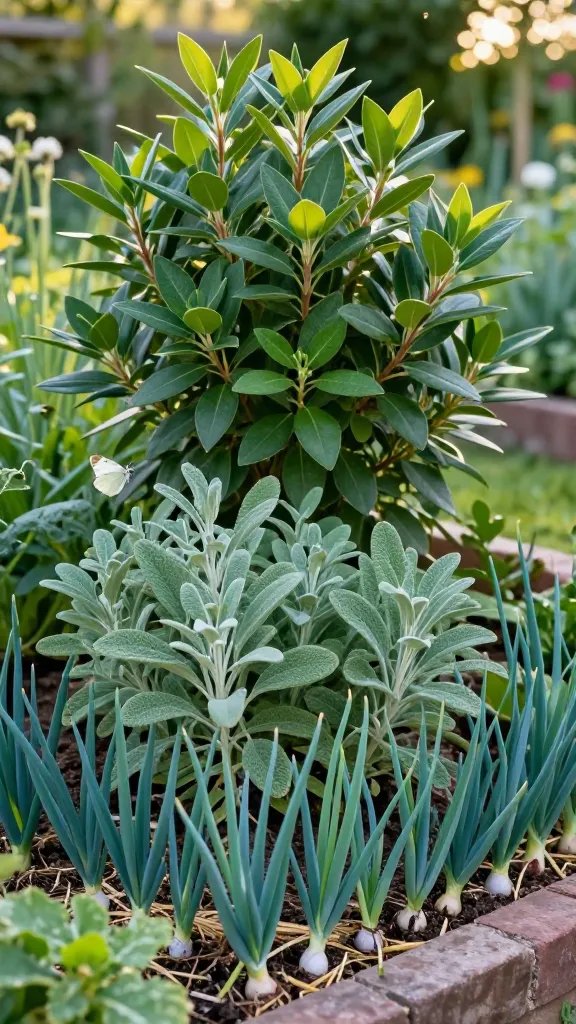
You know the taste. Sage and onion is peak British comfort, and adding bay takes it from familiar to chef-y. In the garden, sage’s potent oils deter pests, onions confuse carrot fly, and bay stands tall as a graceful backdrop.
Why They Work
- Companion defense: Sage discourages cabbage white butterflies; onions repel aphids and mites.
- Layered structure: Bay as a central shrub, sage as mid-height, onions as a neat edging.
- Flavor harmony: Earthy sage meets sweet onion; bay adds warm, savory perfume.
How To Plant
- Layout: Bay (in ground or large pot) at the back; sage 30–45 cm away; onions or shallots in rows 10–15 cm apart at the front.
- Sun & soil: Full sun, free-draining soil; keep bay slightly on the drier side.
- Maintenance: Pinch sage flowers for better leaf flavor; prune bay lightly after midsummer.
Kitchen Uses
- Proper stuffing: Sage and onion with breadcrumbs, butter, and stock.
- Bay-infused gravy: Add a leaf while simmering; remove before serving.
- Pan sauce: Butter, sage, shallots, splash of cider—pour over pork chops.
Choose this trio if you love Sunday roasts and you want a handsome, practical border that earns its keep.
3. Mint With Peas (And Lamb Nearby): The Freshness Hack That Basically Tastes Like Spring
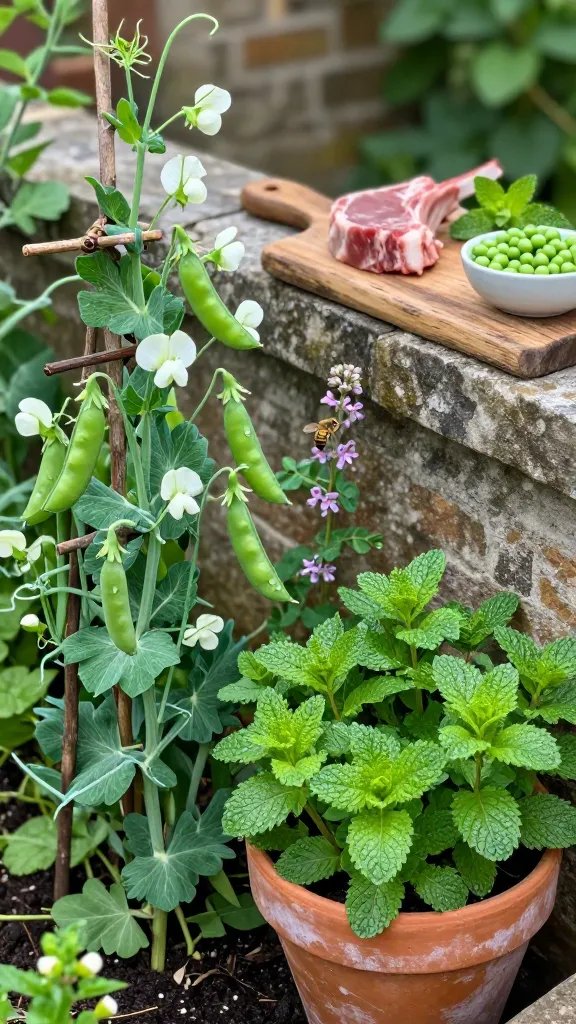
Mint gets wild if you let it, but it’s a British kitchen essential. Pair it with peas in the plot or potager, and you’ll taste the season in every bite. Bonus: mint masks scents that attract pests and perks up soil life with its dense canopy.
Why They Work
- Vigorous growth: Mint covers bare soil and suppresses weeds around pea rows.
- Beneficial insects: Mint flowers bring bees for pea pollination and overall garden health.
- Flavor pairing: Mint brightens peas and lamb, no contest.
Contain the Chaos
- Plant mint in pots sunk into the soil to stop runners invading everything.
- Position: Partial sun to full sun; keep evenly moist for the best aroma.
- Pea support: Use pea sticks or a short trellis; sow peas in successional rows.
Kitchen Uses
- Minted peas: Butter, mint, squeeze of lemon. Done in minutes.
- Chimichurri twist: Mint with parsley, garlic, olive oil for lamb cutlets.
- Mint tea: Fresh sprigs steeped 5 minutes—perfect digestion helper.
Grow this combo when you want quick wins and bright, green flavors—plus a bit of cheerful garden chaos, controlled (mostly).
4. Parsley, Chives & Tarragon: The British Bistro Set For Eggs, Fish, And Everything Creamy
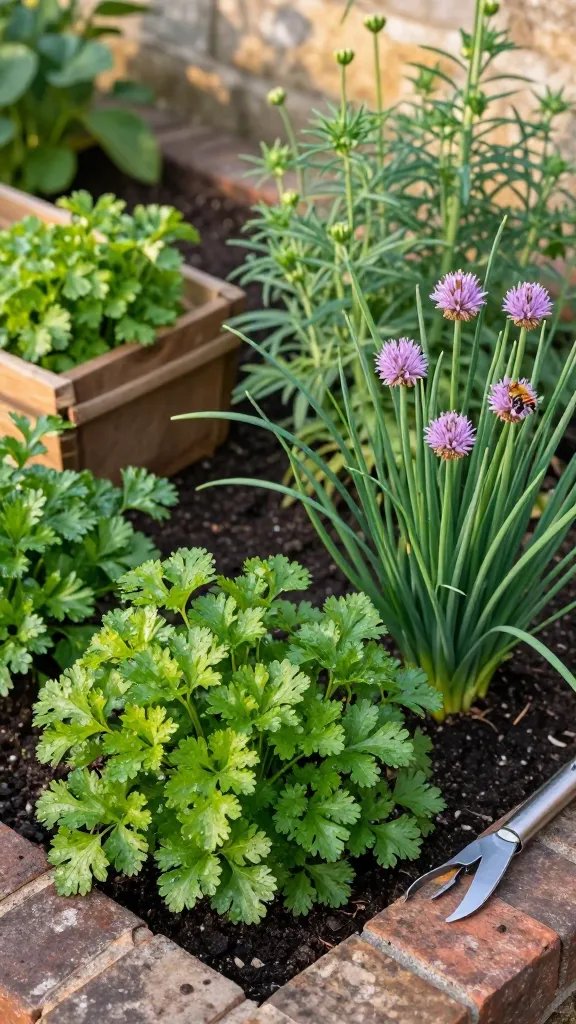
These three behave like polite neighbors: no drama, just great taste. Parsley roots strongly, chives clump neatly, and tarragon stretches upward with a gentle anise whisper. Together they make your omelettes, sauces, and fish dishes sing.
Why They Work
- Complementary growth: Parsley fills gaps; chives form tidy edging; tarragon gives vertical lift.
- Pest balance: Chive flowers draw pollinators; their onion scent helps deter aphids.
- Culinary range: From béarnaise to herby omelettes—endless weekday upgrades.
How To Plant
- Spacing: Parsley 25–30 cm; chives 20 cm; tarragon 45 cm with a small stake if floppy.
- Sun & water: Full sun to light shade; regular watering for lush leaves.
- Feeding: Light compost mulch in spring; avoid overfeeding tarragon or it loses punch.
Quick Harvest Tips
- Chives: Snip from the base; let some flower for bee candy and pretty salads.
- Parsley: Pick outer stems first; keep the crown intact.
- Tarragon: Harvest tender tips; divide every 3–4 years for vigor.
Kitchen Uses
- Béarnaise sauce: Tarragon and chives elevate steak night instantly.
- Green sauce: Parsley-forward salsa verde for roasted fish or potatoes.
- Egg magic: Chives and parsley in a soft omelette—simple and perfect.
Plant this set if you live for quick, classy meals and herbs that behave themselves. IMO, this trio delivers the best “everyday gourmet” vibe.
5. Basil & Tomatoes (With Oregano As Backup): The Anglo-Italian Plot That Actually Works In British Weather
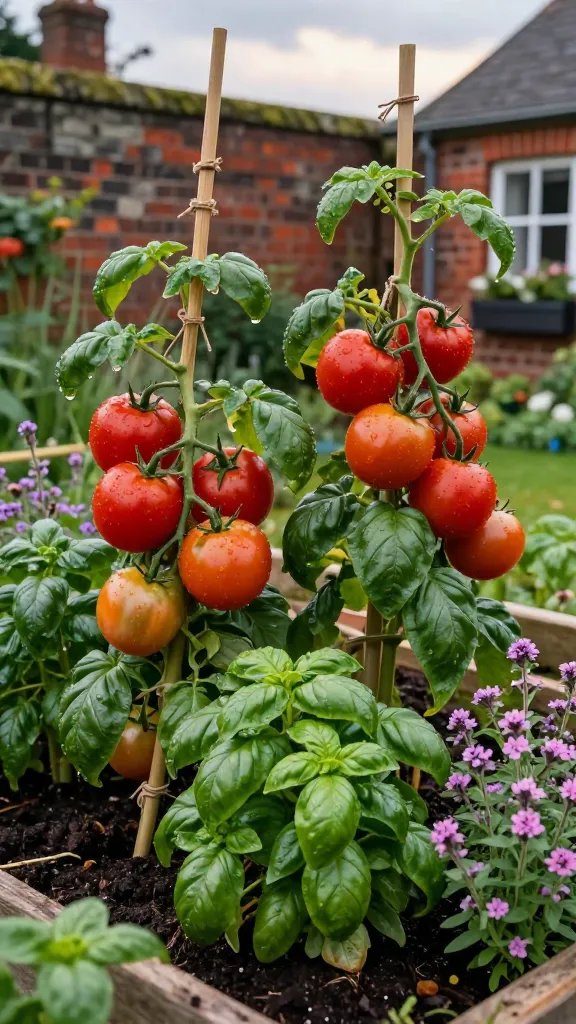
Yes, basil can be fussy in cooler summers—but pair it with tomatoes and it rewards you for every warm day. Oregano steps in with resilience and a peppery kick, making this combo a reliable flavor insurance policy. The scent alone screams late summer suppers.
Why They Work
- Mutual benefit: Basil can help repel whitefly on tomatoes; tomatoes shelter basil from wind.
- Oregano’s toughness: Handles dry spells, thrives near the tomato bed edge, and attracts pollinators.
- Culinary perfection: Caprese, pizza, sauces—these herbs basically wrote the menu.
How To Plant
- Position: Warmest, sunniest spot you’ve got; a south-facing wall or greenhouse is gold.
- Spacing: Tomatoes 45–60 cm; basil 20–25 cm around their base; oregano along the border.
- Watering: Deep water tomatoes at the roots; keep basil evenly moist, morning water preferred.
- Scent strategy: Pinch basil tops frequently to delay flowering and boost leaf production.
Kitchen Uses
- Tomato salad: Basil torn at the end (never chopped, trust me) with olive oil and flaky salt.
- Oregano oil: Warmed olive oil infused with oregano for roasting veg or drizzling on pizza.
- Fresh pasta sauce: Tomatoes, garlic, basil tossed right before serving to keep the aroma.
Go for this set when you crave summer-in-a-bowl flavors and you’ve got the warmest corner to coddle basil through the season. Seriously, it’s worth the fuss.
Bonus Traditional Pairings To Mix In
- Dill & New Potatoes: Dill fronds with buttered Jersey Royals = spring perfection.
- Marjoram & Mushrooms: Gentle sweet-oily notes that love creamy sauces.
- Fennel & Fish: Feathery fronds and seeds that make mackerel and salmon sing.
- Lovage & Broths: Big celery-like flavor—use sparingly for soups and gravies.
Rotate these through your beds or containers for extra flavor mileage and more pollinator action.
General Companion Planting Tips
- Drainage first: Most aromatics prefer lean, well-drained soil—add grit rather than rich compost.
- Sun math: Aim for 6–8 hours of light for woody herbs; 4–6 for leafy divas like parsley.
- Cut often: Regular harvesting keeps herbs bushy and flavorful.
- Water smart: Morning watering reduces mildew; soak roots, not leaves.
- Mulch lightly: Gravel or straw prevents splashback and slugs without smothering roots.
That’s your game plan for a British herb garden that tastes as good as it looks. Start with one combo, then layer in another as confidence grows. Before long, you’ll have a kitchen bursting with fresh flavors—and a garden that basically does security for itself.