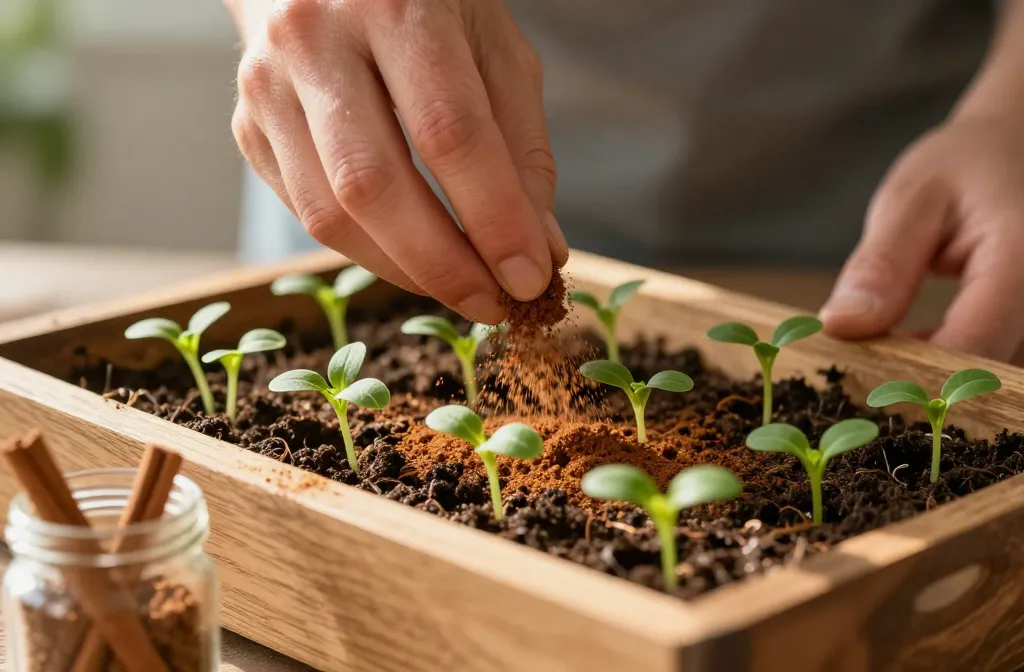
Discover 5 Secret Benefits of Adding Cinnamon to Your Soil
Your spice rack can moonlight as a garden toolkit—who knew? Cinnamon does more than make oatmeal taste like a hug. Sprinkled in the right spots, it helps protect seedlings, strengthen roots, and even keep pests from turning your plants into a buffet. Curious? Let’s dig into the five surprising ways this pantry MVP upgrades your soil and your harvest.
1. Stop Damping-Off Disease In Its Tracks
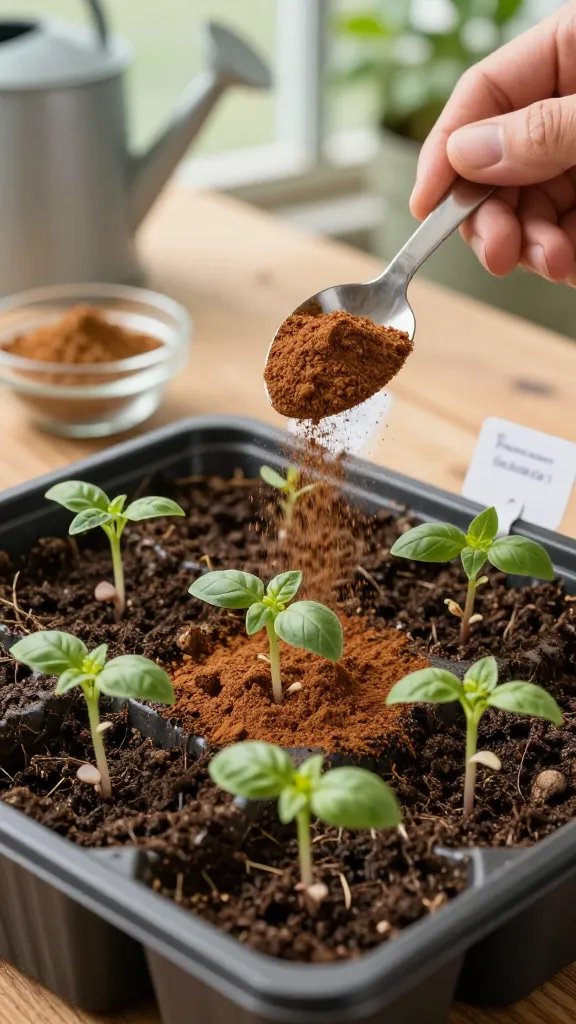
Damping-off hits seedlings like a sneaky villain—one day they look fine, the next they flop over like noodles. Cinnamon brings serious antifungal vibes that help suppress the fungi behind this heartbreak. It won’t fix a bad watering routine, but it gives your baby plants a fighting chance.
How To Use It
- Dust a light layer of ground cinnamon across seed-starting mix before sowing.
- After germination, re-dust around the stems if you notice pale, mushy spots.
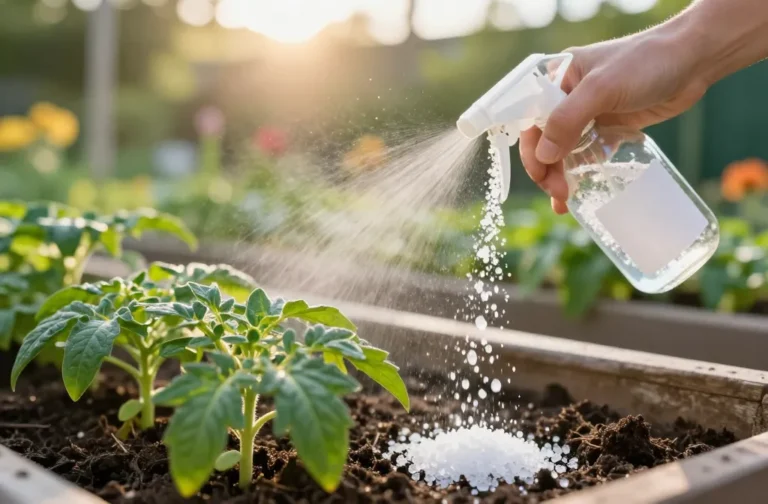
- Mix 1 teaspoon cinnamon into 1 cup warm water, steep 8–10 hours, then strain and mist the soil surface for broader coverage.
Keep your seed trays well-ventilated and avoid waterlogging, and cinnamon becomes your low-key bodyguard. Perfect for anyone who starts tomatoes, basil, or zinnias indoors and wants to see them actually make it outside.
2. Repel Pesky Ants And Gnats Without Harsh Chemicals
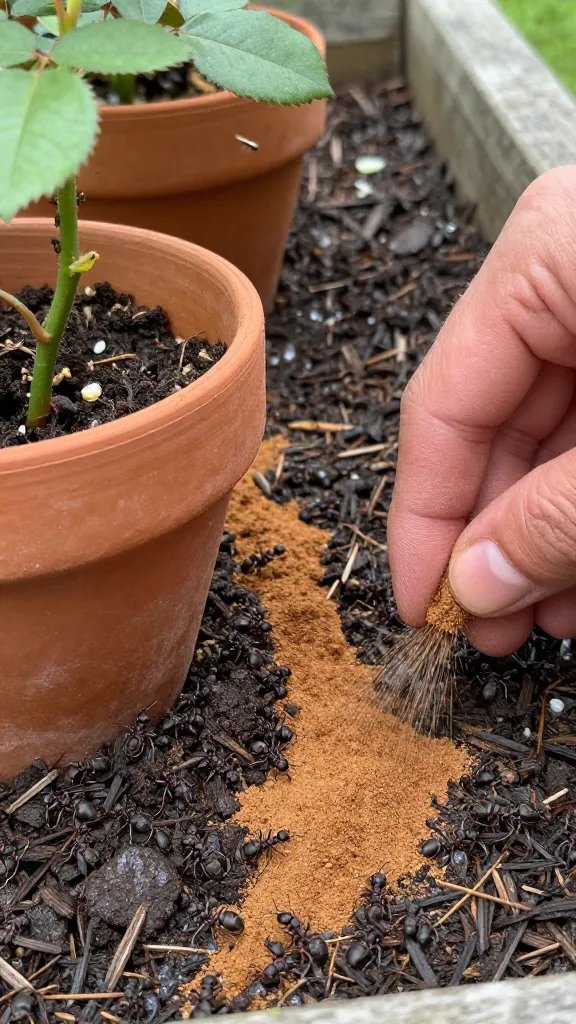
Ants farming aphids on your roses? Fungus gnats turning your houseplants into a daycare? Cinnamon’s strong scent and natural compounds make certain bugs peace out. You get fewer pests without dousing your soil in stuff that sounds like a chemistry quiz.
Quick Wins
- For ants: Sprinkle a barrier of cinnamon where they trail or around containers. They hate crossing it.
- For fungus gnats: Dust the top layer of moist potting soil. Reapply lightly after watering.
- For slug-adjacent trouble: Use cinnamon as a deterrent ring around delicate seedlings (not foolproof, but it helps).
Does cinnamon replace all pest control? Nope. But as a first line of defense—especially indoors—it’s clutch. Use it when you want fewer bites, better vibes, and no intense chemical smell, seriously.
3. Encourage Stronger Roots And Faster Recovery After Repotting
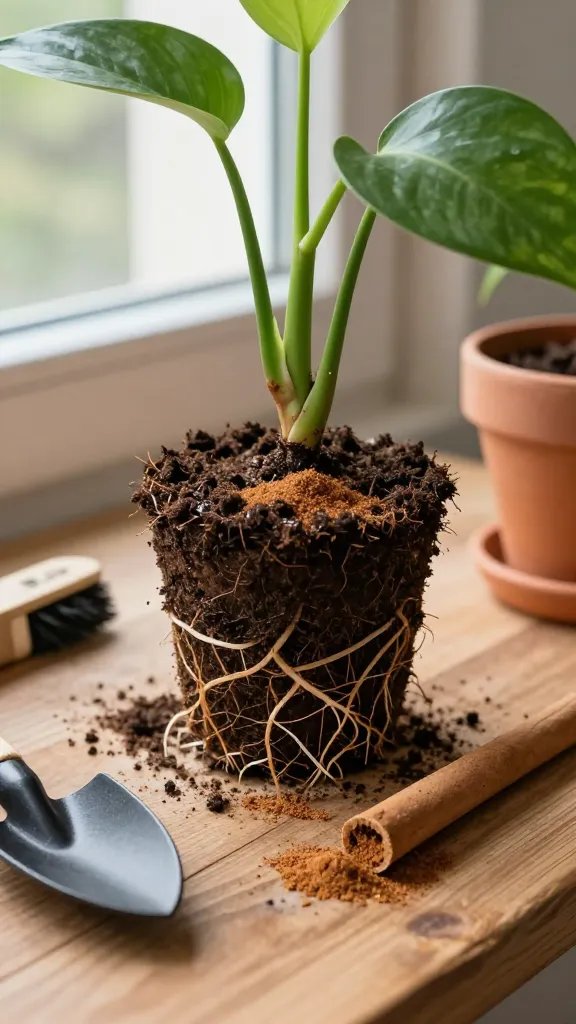
Transplant shock can make even tough plants sulk. Cinnamon helps reduce infection risk at the roots and stem base so plants settle in faster. Think of it as a gentle guardrail during stressful moves.
Best Ways To Apply
- For cuttings: Dip the cut end in cinnamon before sticking it into moist soil. It won’t act like a synthetic rooting hormone, but it helps keep rot at bay.
- For repotting: Dust a pinch at the base of the stem and the root ball’s outer layer right before backfilling with soil.
- For small wounds: If you nick a root or stem, dab a little cinnamon directly on the cut surface.
You’ll see sturdier starts and fewer mysterious die-offs. Use this when propagating pothos, philodendron, or succulents—and especially when upgrading pots for fussy herbs like rosemary.
4. Boost Soil Health With Gentle Antimicrobial Support
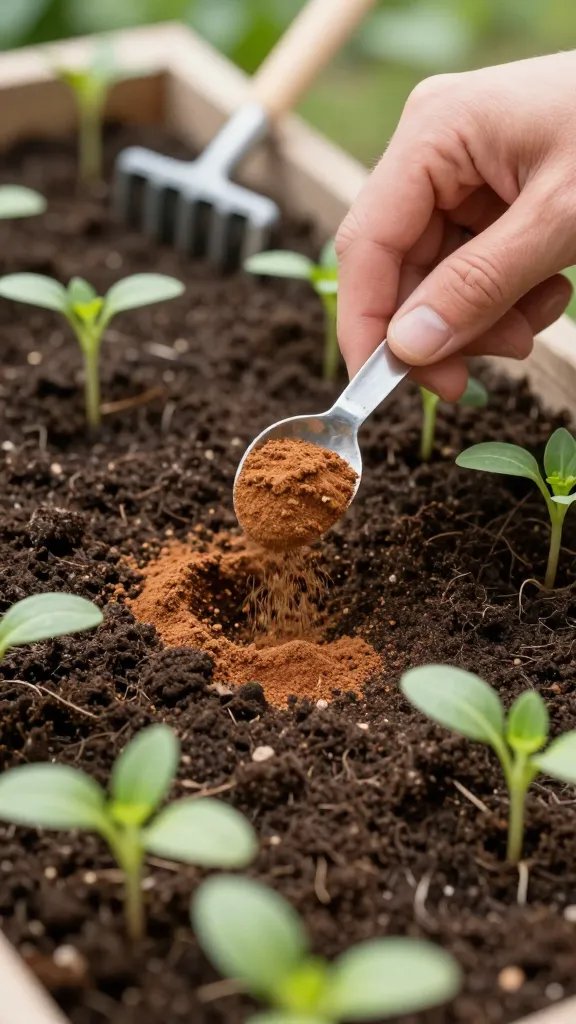
Soil thrives on a healthy microbiome, but certain pathogens party too hard. Cinnamon helps nudge the balance toward beneficial life by keeping problem fungi and bacteria in check. That means happier roots and fewer random “why is this yellowing?” moments.
Smart, Minimal Dosing
- Blend a teaspoon of cinnamon into a gallon of potting mix before planting seedlings.
- In garden beds, sprinkle a very light dusting over problem-prone areas and scratch it into the top inch of soil.
- Rotate where you use cinnamon—target damp corners, heavy-clay zones, and areas with past fungal flare-ups.
Go easy—more isn’t better. You want a nudge, not a microbiome meltdown. Use cinnamon when dealing with high humidity, dense soil, or plants that hate wet feet (hey, lavender lovers).
When It Shines
- Seed trays and propagation stations with limited airflow
- Indoor pots that stay moist longer
- Shaded garden patches prone to mildew
FYI: Pair this with good airflow, clean tools, and proper spacing. Cinnamon plays support, not superhero.
5. Heal Cuts, Grafts, And Pruning Wounds Faster
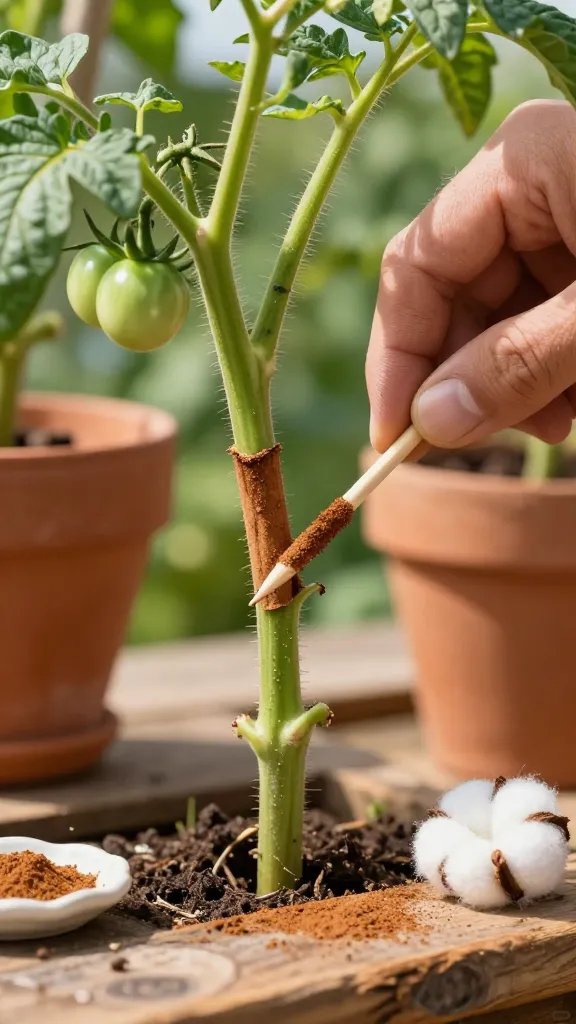
Every snip creates an entry point for disease, and nobody wants that. Cinnamon acts like a simple, natural seal—the powder clings to moist plant tissue and discourages pathogens. It buys time while your plant forms its own protective callus.
How To Apply On Wounds
- After pruning herbs or houseplants, tap a little cinnamon onto the fresh cut.
- For minor splits or scratches on stems, dab lightly with a cotton swab.
- For grafting on small fruit trees or tomatoes, dust the cut surfaces before securing the graft. Don’t replace proper grafting tape or sealant on larger wood, but cinnamon helps on the margins.
Use this trick after big trim days or when you accidentally go a bit Edward Scissorhands on your pothos. It supports cleaner healing and reduces the risk of rot.
Pro Tips For Best Results
- Use fresh ground cinnamon with a strong aroma. Stale spice won’t punch as hard.
- Store your cinnamon in a sealed jar away from heat and light.
- Avoid dumping heaps into the soil—light touch wins.
- Water from the base when possible, so you don’t wash off your cinnamon barrier instantly.
- Combine with basics that always work: clean tools, drainage, and airflow.
IMO, cinnamon shines as a quick fix when you can’t run to the nursery. It’s cheap, easy, and usually already in your kitchen.
Common Questions, Answered Fast
- Can I use cinnamon oil? Yes, diluted heavily (a few drops per quart of water), but ground cinnamon is easier and safer for beginners.
- Will cinnamon hurt earthworms? Not in light, sensible amounts. Overuse anything, and soil life complains.
- Does it replace fungicides? No. It’s a mild helper, not a cure-all.
- Can I mix it with compost tea? You can dust soil after watering with tea, but skip mixing directly to avoid weird microbial conflicts.
Bottom line: cinnamon supports garden hygiene without draining your wallet. Use it as your tidy-up sidekick, not your only tool.
Ready to test the spice magic? Start small—seed trays, a couple of houseplants, maybe that one garden bed that always gives you drama. You’ll see subtle but real improvements in survival rates and overall vigor. Trust me, your plants will spill the tea with how quickly they perk up.