12 Rudbeckia Goldsturm for Sunny Summer Fields That Wow
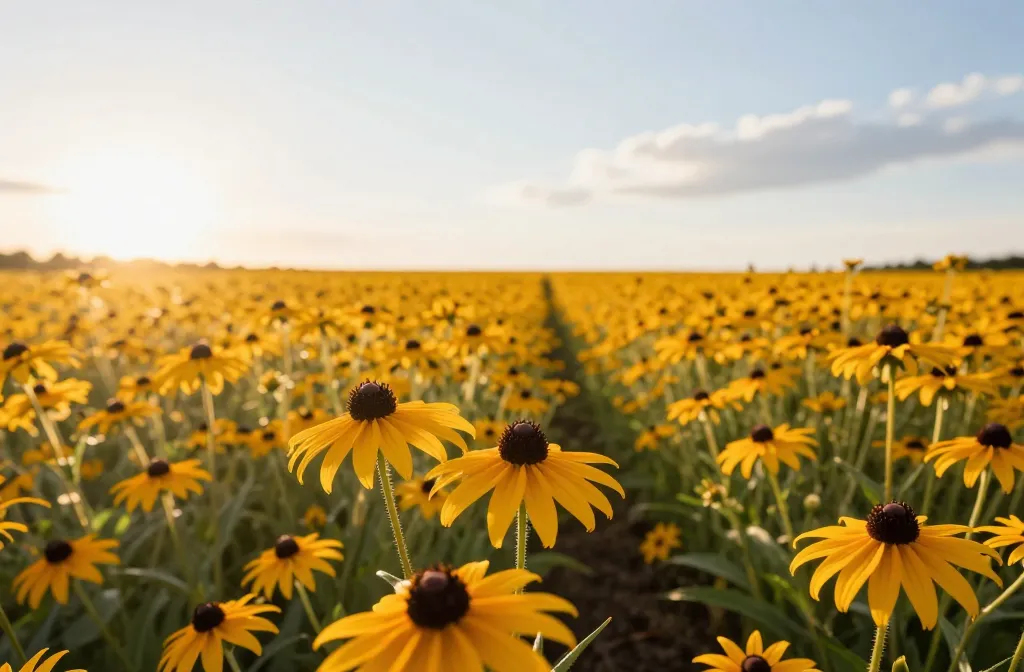
Craving a field that looks like a golden sunset exploded—in a good way? Rudbeckia ‘Goldsturm’ brings nonstop color, bees, and drama with almost zero fuss. These black-eyed beauties laugh at heat, handle drought like champs, and bloom for ages. Let’s turn your sunny patch into a gold-drenched paradise, fast.
1. Choose The Sunniest Spot You’ve Got
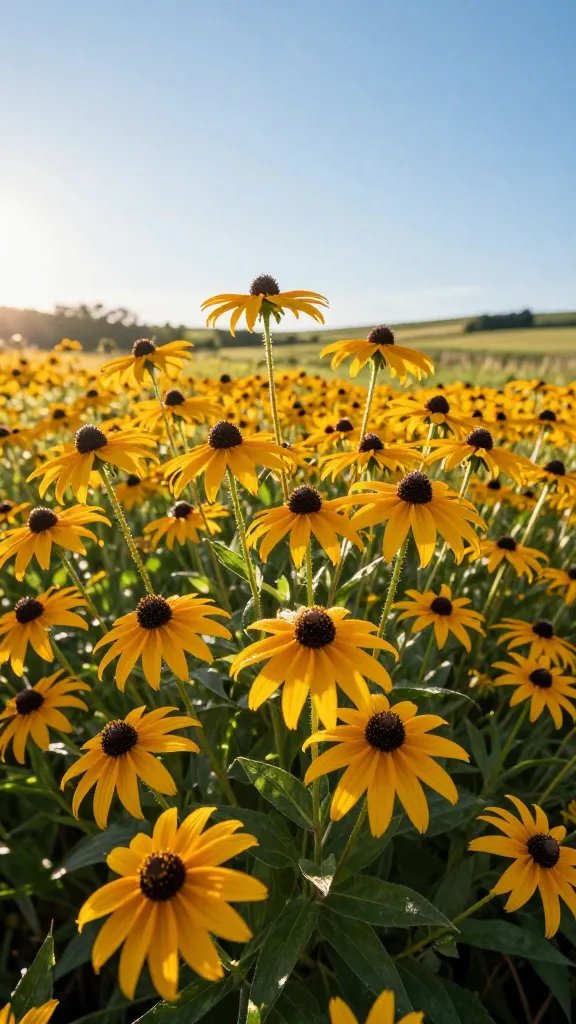
‘Goldsturm’ thrives in full sun—think 6 to 8 hours minimum. The more light, the taller the stems and the bigger the bloom show. Skimp on sun and you’ll get floppy plants and fewer flowers. Not the vibe.
Quick Sun Check Tips
- Track sunlight at 9 a.m., noon, and 3 p.m. for a real-world read.
- Avoid spots shaded by fences, trees, or sheds after lunch.
- South or west-facing fields deliver the fiercest blooms.
Install in the brightest zone and you’ll lock in color that hits like a highlight reel all summer.
2. Prep The Soil Like You Mean It
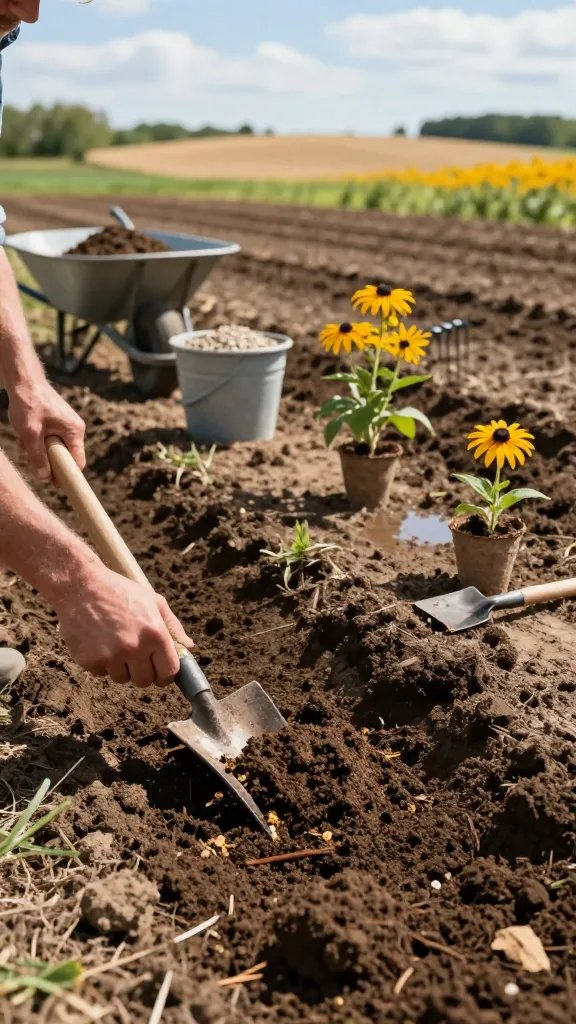
These plants aren’t divas, but great soil equals next-level flowers. Aim for well-drained loam with a touch of organic matter. Heavy clay? They’ll tolerate it, but they won’t love sitting in winter soup.
Soil Upgrade To-Do
- Work in 2 to 3 inches of compost across the field.
- Loosen the top 8 to 10 inches so roots can sprint.
- Fix drainage with coarse sand or fine gravel if water lingers after rain.
Prep once, reap all season. Better soil means stronger stems and less flopping—seriously.
3. Space Plants For Maximum Wow (And Airflow)
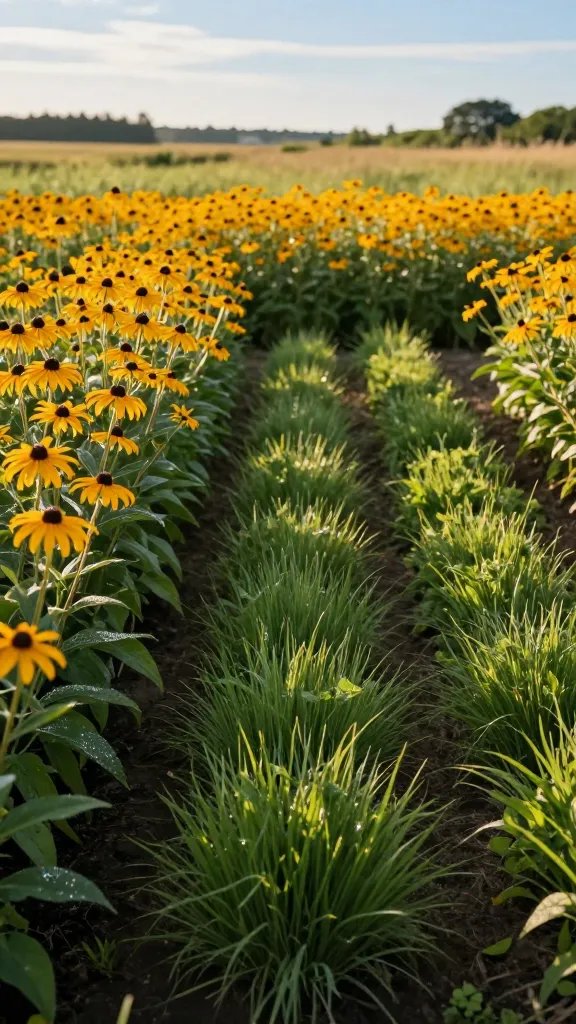
Rudbeckia ‘Goldsturm’ bulks up fast. Give each plant 18 to 24 inches to stretch, or go 12 inches for an instant meadow effect. Tight spacing looks lush but increases disease risk. Trade-offs, right?
Spacing Strategies
- Formal borders: 18–24 inches for tidy mounds.
- Meadow vibes: 12–16 inches for quick coverage.
- Mass drift: Plant in clusters of 5–9 for natural swaths.
Good spacing keeps leaves dry, reduces powdery mildew, and turns your field into a golden ocean.
4. Plant At The Right Time For Zero Stress
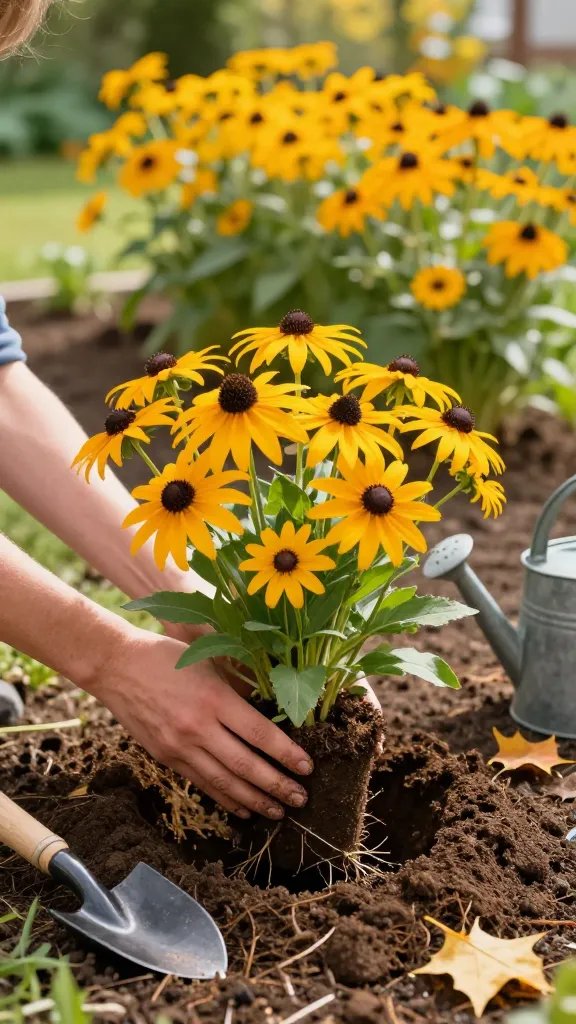
Plant in spring after frost or in early fall while soil’s still warm. Roots establish fast when temps stay mild. Mid-summer planting works too, but you’ll water more than you want to. FYI, it’s worth it.
Planting Steps
- Dig holes twice as wide as pots, same depth.
- Set crowns level with soil—no burying the neck.
- Backfill, firm gently, and water deeply.
Time it right and plants settle in quick, then sprint toward bloom mode when the heat hits.
5. Water Smart: Deep, Not Daily
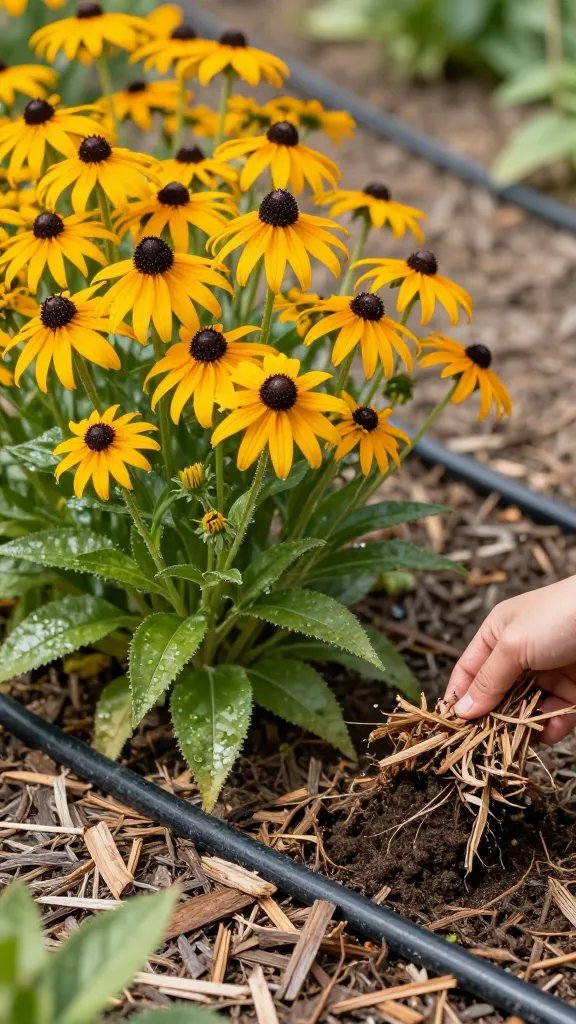
Once established, ‘Goldsturm’ handles drought like a pro. In year one, water deeply once a week in heat waves. Skip the daily sprinkle—that only spoils shallow roots.
Watering Rules
- Soak to 6–8 inches, then let the top 2 inches dry.
- Use drip or soaker hoses to keep leaves dry.
- Mulch 2 inches to lock in moisture (keep off the crown).
Smart watering builds tough plants that bloom hard in August when everything else taps out.
6. Feed Lightly For More Blooms, Fewer Flops
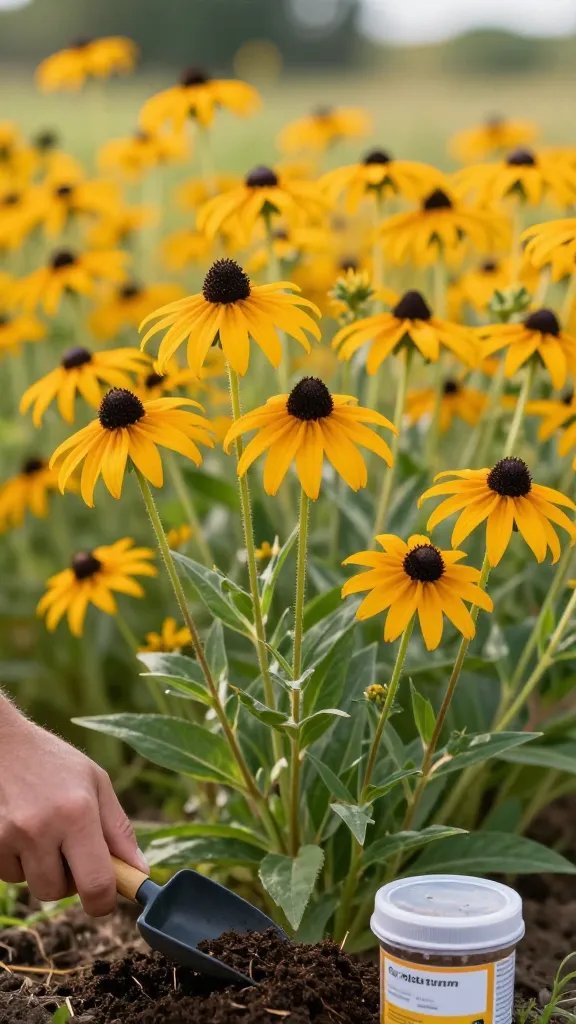
Overfeeding pushes lanky growth with fewer flowers. Keep it chill. A little compost in spring is plenty. If you must fertilize, go slow-release and low-nitrogen.
Feeding Options
- Compost top-dress: 1/2 inch in early spring.
- Balanced fertilizer: 5-5-5 once in spring.
- No midsummer feeding: Avoid stretch-and-flop syndrome.
Modest feeding equals sturdier stems, tighter form, and bloom power that doesn’t quit.
7. Mix With Pollinator BFFs For A Living Field
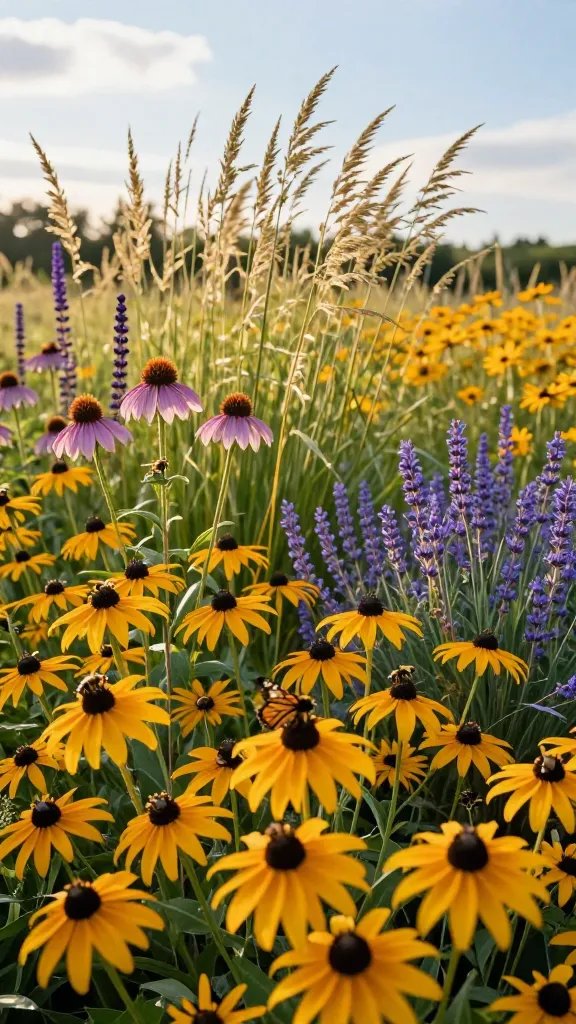
‘Goldsturm’ draws bees, butterflies, and beneficials like it’s a free buffet. Pair it with other nectar champs to keep traffic buzzing all season. More bugs, fewer pests—IMO the dream.
Top Companions
- Echinacea purpurea: Similar bloom time, taller accents.
- Salvia nemorosa: Purple spikes pop against gold.
- Panicum virgatum: Airy grasses add movement and structure.
- Coreopsis verticillata: Layer more yellow with a finer texture.
- Nepeta ‘Walker’s Low’: Cool lavender haze for contrast.
Companion plantings extend bloom windows and create a pollinator superhighway. Your field becomes the place to be.
8. Use Drifts, Waves, And Ribbons For Big-Field Drama
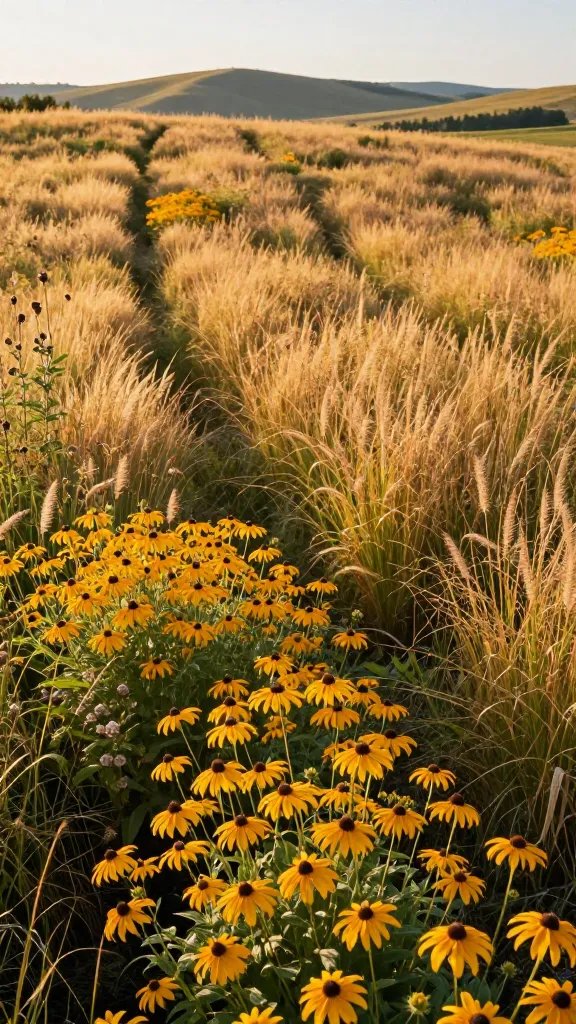
Single clumps look lonely in large spaces. Plant in sweeping drifts that echo the land’s curves. It reads natural, even if you staged every inch like a mastermind.
Design Moves
- Drifts: 3–6 feet wide, irregular edges.
- Waves: Repeat gold bands through grasses for rhythm.
- Ribbons: Long, narrow lines that lead the eye to a view.
These shapes create flow and keep your field from looking like a checkerboard of polka dots. Instant magazine spread energy.
9. Stagger Bloom Times For A Summer-Through-Fall Show
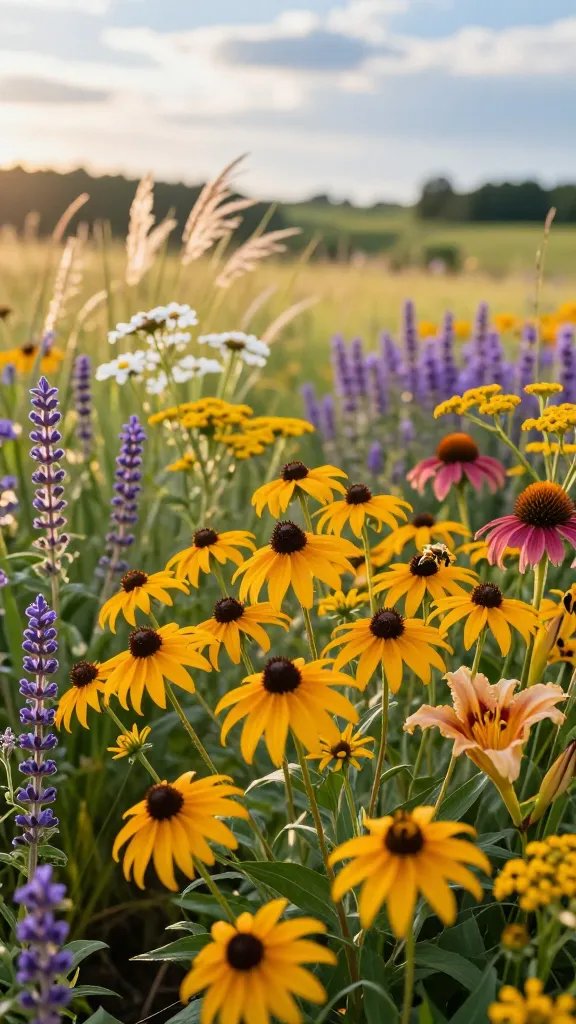
‘Goldsturm’ carries mid-to-late summer like a champ. Layer early and late partners to stretch the party. Planning bloom succession means zero dead zones—just vibes.
Bloom Calendar
- Early summer: Salvia, yarrow, catmint.
- Peak summer: Goldsturm, coneflowers, daylilies.
- Late summer to fall: Asters, boltonia, ornamental grasses.
With the right lineup, your field glows from June to frost. Bees will send thank-you notes.
10. Deadhead Or Don’t: Choose Your Adventure
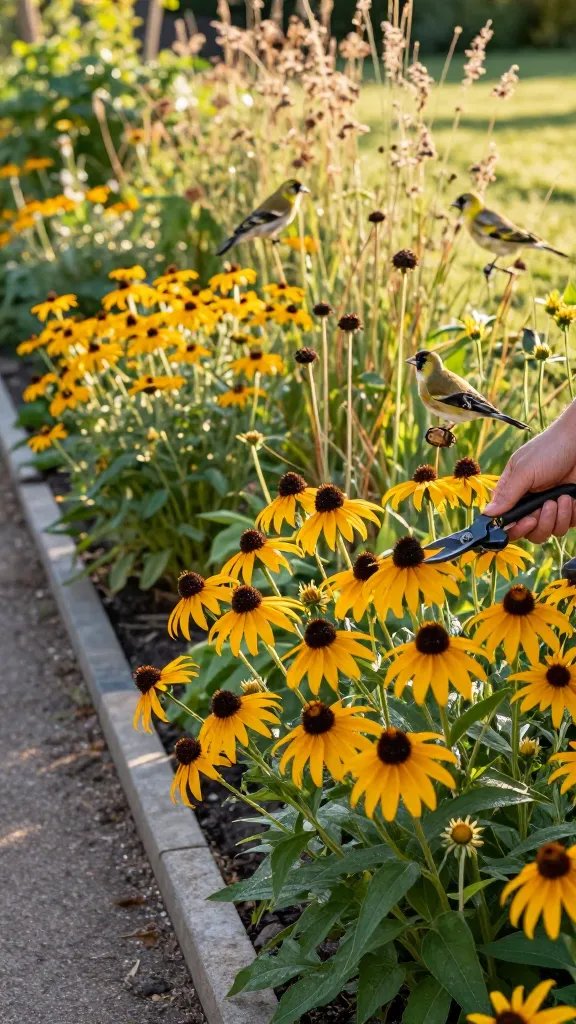
Want turbocharged rebloom? Snip spent flowers to push new buds. Prefer wildlife drama? Leave seedheads for birds and winter texture. Both routes win.
How To Decide
- For nonstop color: Shear lightly after first big flush.
- For habitat: Keep some seedheads; finches love them.
- For clean borders: Deadhead fronts, leave backs natural.
Balance beauty and ecology by mixing zones—polished near paths, wild in the distance. Best of both worlds, trust me.
11. Divide Every Few Years To Keep The Spark
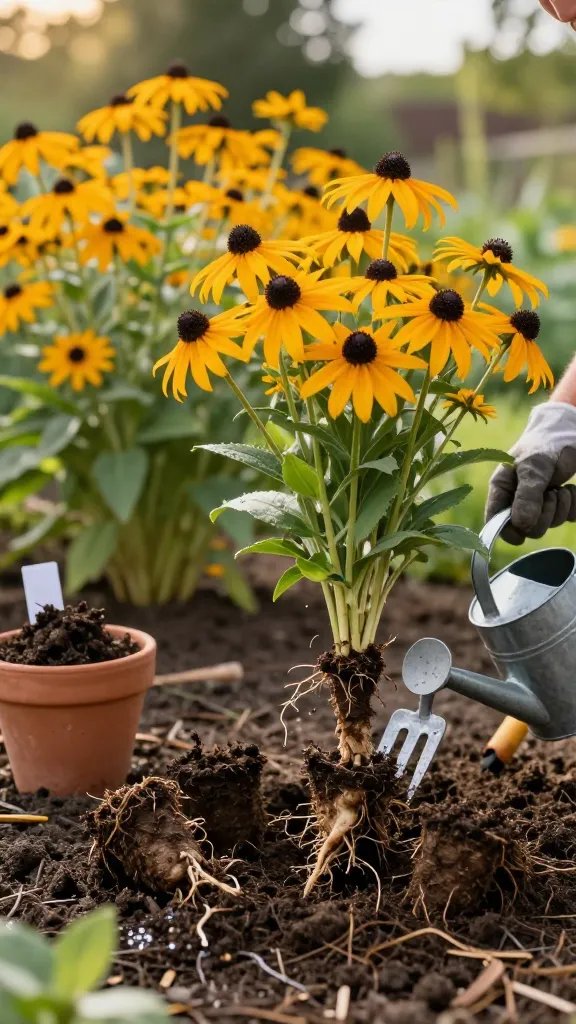
Clumps expand and may thin in the center over time. Divide every 3 to 5 years in spring or early fall to refresh vigor and multiply your gold stash. It’s the plant version of hitting reset.
Division Basics
- Water the day before for easy digging.
- Lift the clump, slice into wedges with strong roots.
- Replant divisions at original depth; water in well.
Division keeps bloom density high and lets you spread color to new corners—or trade with friends and be a hero.
12. Troubleshoot Like A Pro (So Nothing Kills Your Glow)
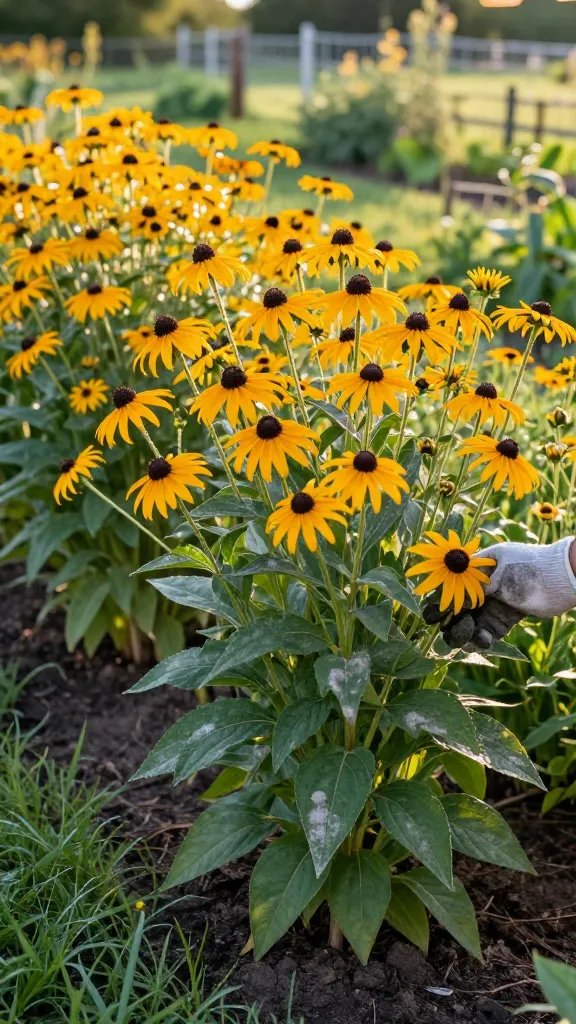
Good news: ‘Goldsturm’ shrugs off most issues. Still, a few hiccups pop up in humid spells or cramped plantings. Catch them early and your field stays camera-ready.
Common Issues And Fixes
- Powdery mildew: Increase airflow, water soil not leaves, thin crowded clumps.
- Flopping stems: More sun, less fertilizer, consider a discreet ring stake early.
- Root rot: Improve drainage; avoid soggy low spots.
- Rabbits/deer: Usually low on their menu, but use repellents if browsing starts.
Stay ahead with smart spacing and watering, and your Goldsturm will perform like a headliner, no drama.
Ready to paint your summer with gold? Plant a few drifts of Rudbeckia ‘Goldsturm’ and watch your field turn into a pollinator-packed, sunshine-drenched spectacle. Start small or go full send—either way, you’ll wonder why you didn’t do this sooner.