
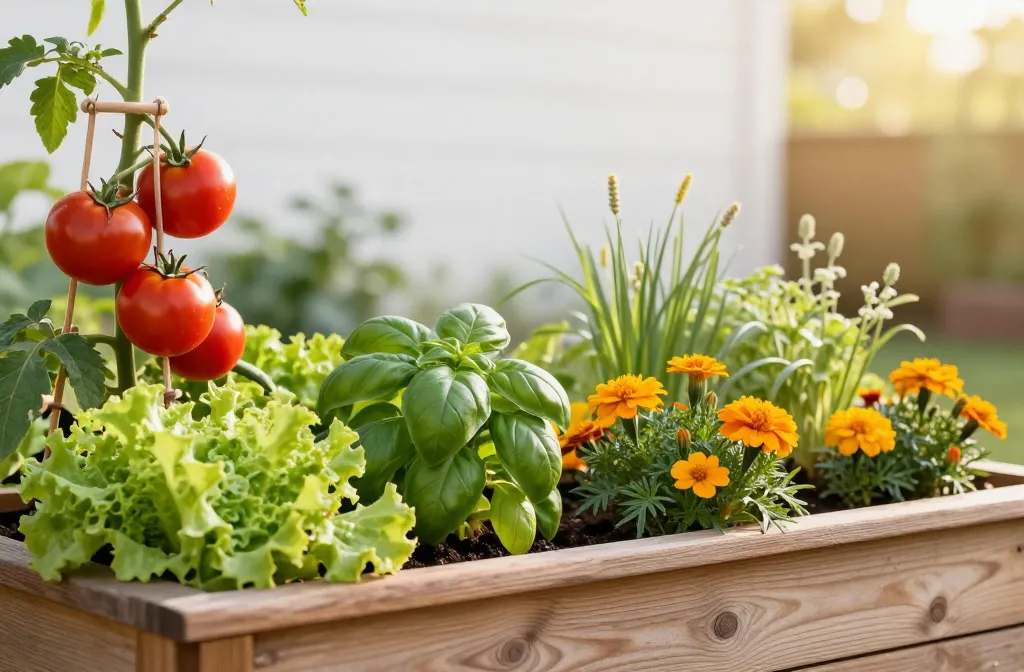
Your wooden planter box can do way more than look pretty. Pair the right plants and you’ll boost growth, deter pests, and harvest more without playing garden Tetris. These combos deliver flavor, color, and drama while keeping maintenance chill. Ready to squeeze serious magic out of a small box?
1. Tomatoes & Basil With Marigolds: The Classic That Never Quits
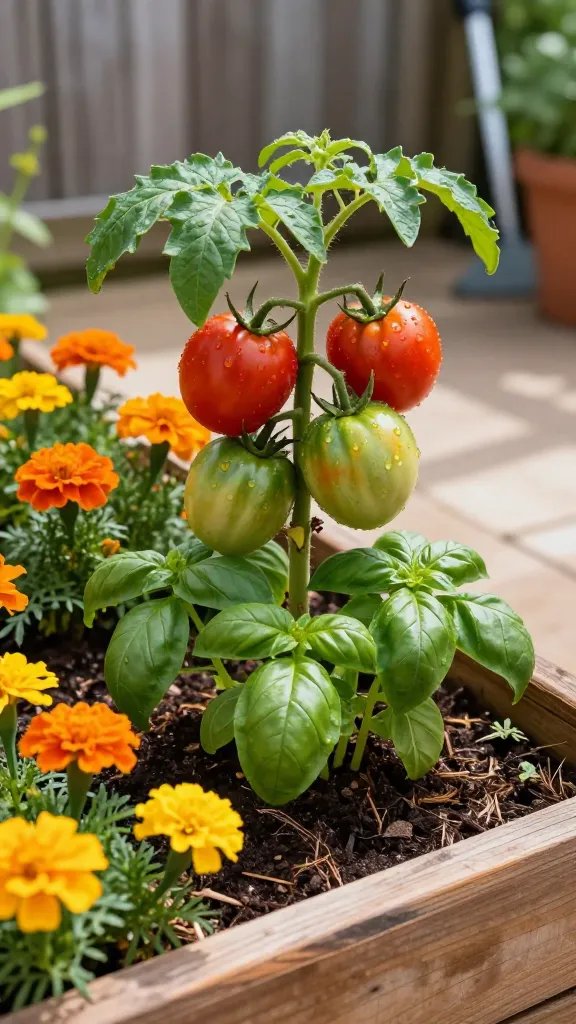
Some pairings just slap, and this one tops the list. Tomatoes soak up sun and hog nutrients, while basil boosts flavor and confuses pests. Add marigolds for extra pest defense and a pop of cheerful color.
Why It Works
- Tomatoes love full sun and consistent moisture.
- Basil can improve tomato growth and flavor; it also repels aphids and flies.
- Marigolds release compounds that deter nematodes and other pests.
Layout Tips
- Plant one determinate tomato in the center or back of the box.
- Tuck 2–3 basil plants around the tomato, spaced ~8–10 inches apart.
- Edge the front with 3–4 dwarf marigolds for color and pest control.
Keep everything pruned to improve airflow. Bonus: You’ll pick caprese salad straight from the box. IMO, hard to beat.
2. Lettuce, Radishes & Chives: Fast, Fresh, and Foolproof
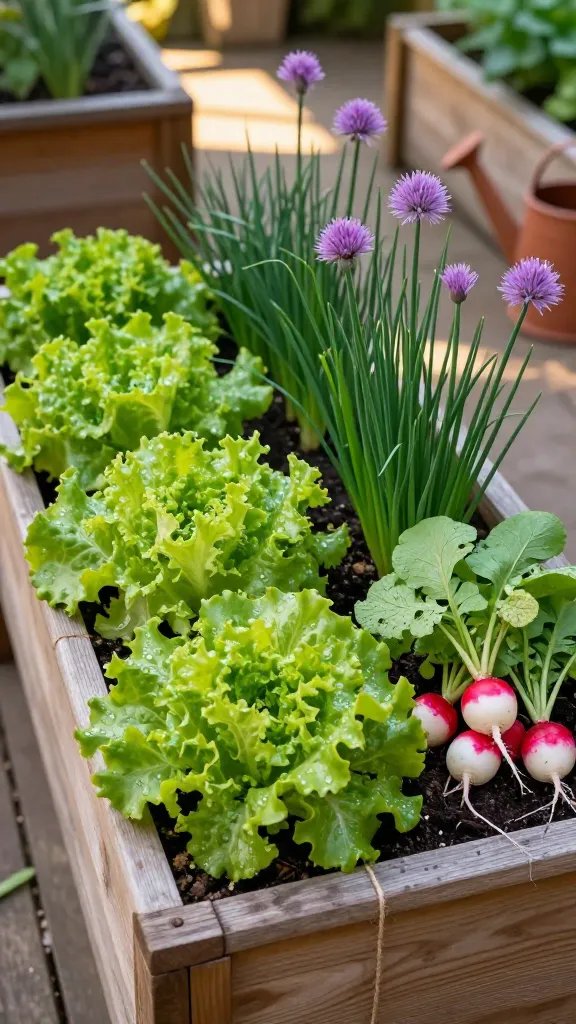
If you want quick wins, this trio delivers. Lettuce shades the soil, radishes zip from seed to snack in weeks, and chives repel pests while boosting flavor in, well, everything. It’s the salad bar that keeps on giving.
Why It Works
- Lettuces like cool roots and even moisture; they don’t mind partial shade.
- Radishes mature in 25–35 days and loosen soil with their roots.
- Chives deter aphids and add gentle onion notes to dishes.
Planting Plan
- Front row: a dense line of leaf lettuce (cut-and-come-again varieties work best).
- Middle: a grid of radish seeds, 2 inches apart—harvest and reseed all season.
- Back corners: 2 clumps of chives (they’re perennials if your winter is mild).
Use this setup early spring or fall when temps run cooler. You’ll harvest frequently without babying anything—seriously, it’s that easy.
3. Peppers, Oregano & Onions: The Sizzling Salsa Box
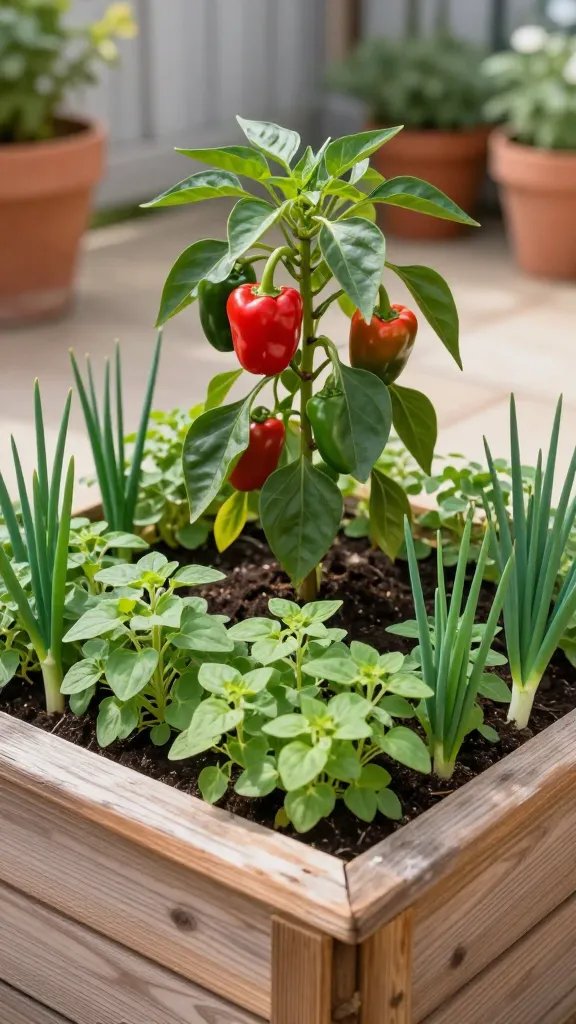
Love heat and aroma? Pair peppers with oregano’s savory scent and the subtle bite of onions or scallions. This combo not only tastes fantastic—it also keeps pests second-guessing your planter.
Why It Works
- Peppers thrive in heat and don’t mind sharing space with low, spreading herbs.
- Oregano acts as a living mulch, suppressing weeds and conserving moisture.
- Onions/Scallions discourage nibblers and fill vertical gaps with slender growth.
Setup & Care
- Center 1–2 pepper plants (sweet or hot) with 12–14 inches between them.
- Plant a ring of scallions or bunching onions around the peppers, 3–4 inches apart.
- Let oregano trail over the edges to shade soil and add rustic vibes.
Fertilize lightly with a balanced organic feed; too much nitrogen = leafy peppers with fewer fruits. Great for small patios that bake in afternoon sun.
4. Cucumbers, Dill & Nasturtiums: Crunch Meets Spice With Built-In Pest Patrol
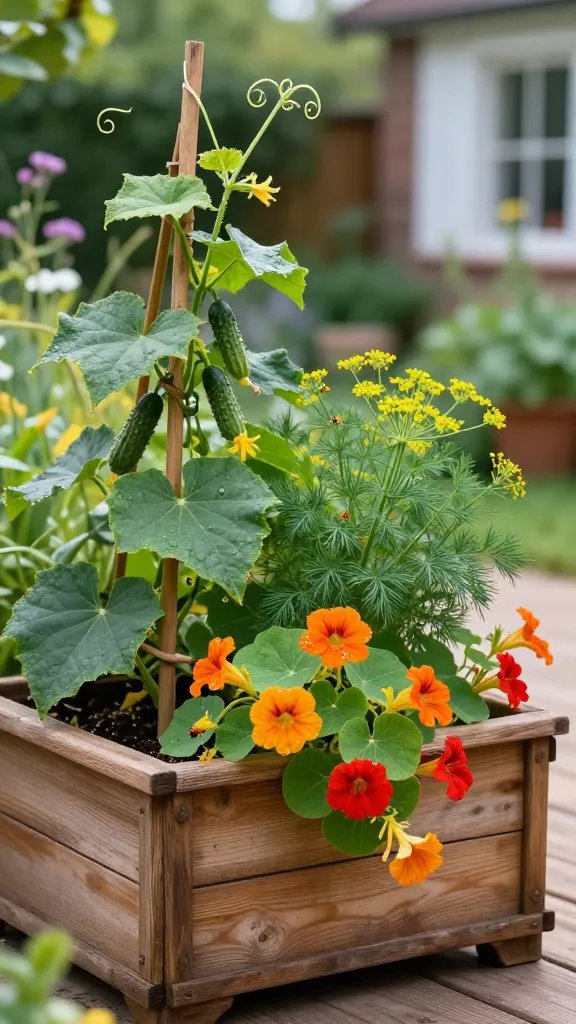
Grow cucumbers in a wooden box with help from a small trellis, then call in dill and nasturtiums as your edible bodyguards. The result? Crisp cukes, fragrant fronds, and spicy flowers that look stunning.
Why It Works
- Cucumbers climb to save space and stay healthier off damp soil.
- Dill attracts beneficial insects like ladybugs and parasitic wasps.
- Nasturtiums lure aphids away from cucumbers and add peppery flavor to salads.
Planting Blueprint
- Back: 1–2 cucumber vines trained up a trellis or obelisk.
- Middle: 1 dill plant (give it 8–10 inches and let it get tall and feathery).
- Front: 2–3 trailing nasturtiums spilling over the sides.
Keep cucumbers evenly watered to prevent bitterness. This combo shines mid-summer when everyone’s craving cold cucumber slices and herb-packed dressings.
5. Carrots, Parsley & Calendula: Rooted, Fragrant, and Bee-Approved
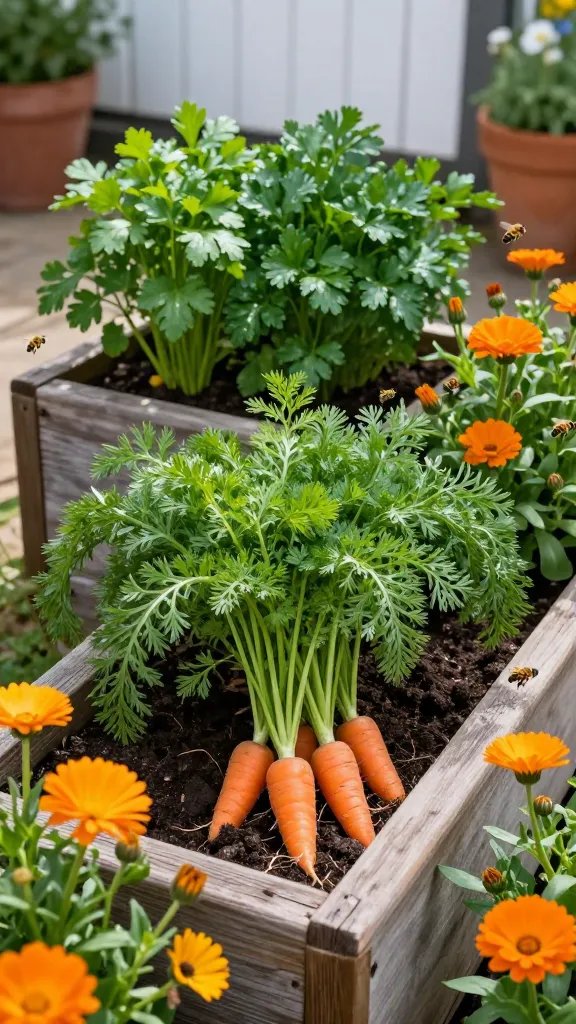
Carrots take time, but they reward patience, especially with the right company. Parsley plays nice with carrots, and calendula draws pollinators while offering edible petals. The whole setup looks cottage-core in the best way.
Why It Works
- Carrots prefer loose, stone-free soil and steady moisture.
- Parsley stands upright without crowding roots and tolerates partial shade.
- Calendula brings in pollinators and beneficials, plus petals for tea and salads.
How To Arrange
- Sow a broad band of carrots across the box; thin to 2 inches apart after sprouting.
- Pop 2 parsley plants at the back corners or mid-sides.
- Plant 2–3 calendulas across the front for color and beneficial insect traffic.
Mulch lightly to keep the soil from crusting and help straight root growth. Ideal spring to early summer, and again in fall where the climate allows. Trust me, pulling sweet, straight carrots never gets old.
General Tips For Wooden Planter Box Success
- Soil Depth: Aim for 10–12 inches for roots and fruiting crops; 8 inches works for greens and radishes.
- Drainage: Drill ample holes and add a mesh layer before filling—wood hates swampy vibes.
- Soil Mix: Use a high-quality potting mix with compost. Skip garden soil; it compacts.
- Watering: Planters dry out fast. Water in the morning and consider a drip line if you’re forgetful (no shade).
- Feeding: Use slow-release organic fertilizer at planting, then side-dress monthly during peak growth.
- Sunlight: Most combos want 6–8 hours daily. Lettuce-heavy setups can thrive with 4–6.
- Rotation: If you can, rotate families between boxes each season to reduce disease buildup.
Quick “Do Not” List (Because We’ve All Been There)
- Don’t jam thirsty tomatoes with drought-loving Mediterranean herbs like rosemary and lavender in the same small box.
- Don’t cram tall, dense plants in front rows—they’ll shade out everything behind them.
- Don’t skip pruning on tomatoes and cucumbers—airflow is life.
There you have it: five no-fuss combinations that earn their keep and then some. Start with one box, dial in watering, and expand once you get the vibe. FYI, your biggest problem might be neighbors “accidentally” dropping by around dinner time.