
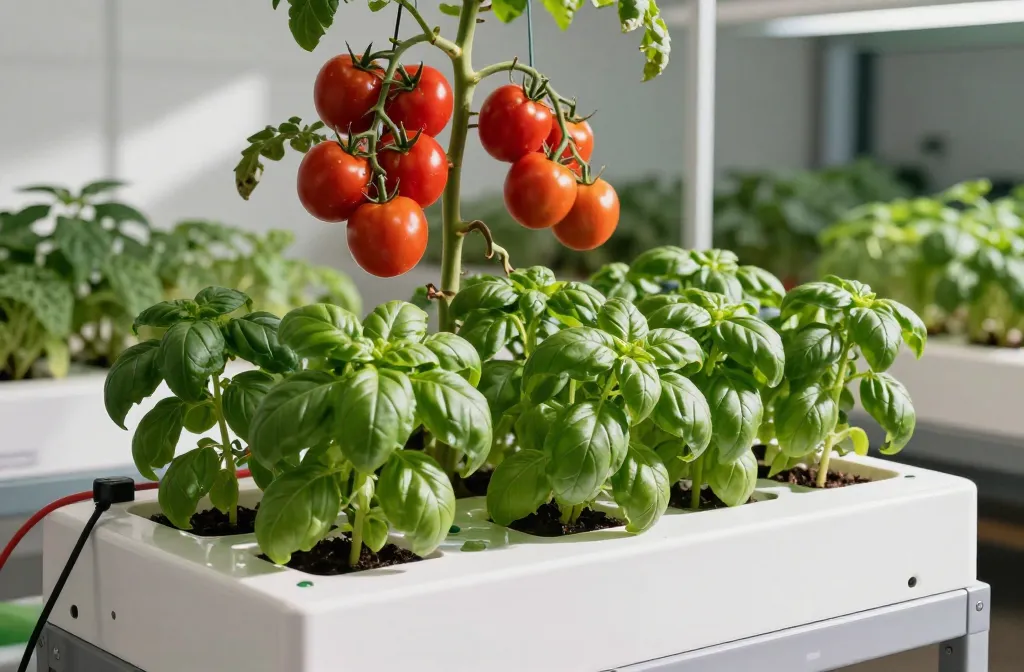
Want bigger yields, fewer pests, and prettier setups from your hydroponic containers? Pair the right plants and watch the magic happen. These combos share similar nutrient needs and growth habits, so they thrive side-by-side without throwing tantrums. Ready to squeeze more flavor and drama out of your grow space? Let’s build duos that actually play nice.
1. Basil + Tomatoes: The Classic Flavor Power Couple
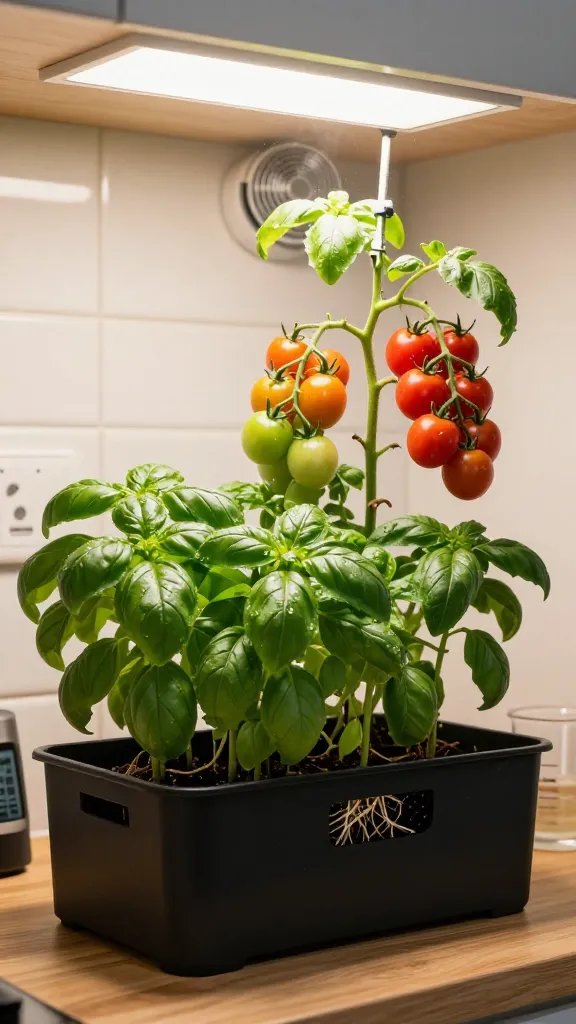
Tomatoes and basil weren’t just made for caprese; they were made for each other in hydro too. Basil can help mask tomato plant volatiles, which may reduce pest pressure, while tomatoes offer enough canopy to keep humidity stable. You get faster, fuller growth and a kitchen that smells like victory.
Why It Works
- Shared nutrient vibe: Both love a moderate-to-high nitrogen start, then more potassium and calcium as fruit sets.
- Climate compatibility: Warm temps, bright light, and steady airflow suit both.
- Space synergy: Tomatoes grow tall; basil fills the mid-layer.
Setup Tips
- Target EC: 2.0–2.4 mS/cm for fruiting; pH 5.8–6.2.
- Add cal-mag, especially for tomatoes to prevent blossom end rot.
- Prune basil often to avoid shading and to push bushy growth.
- Use trellis clips or string for tomatoes; keep leaves off the reservoir to avoid gunk.
Best for flavor-forward growers who want a one-bucket salsa starter. FYI: harvest basil aggressively when tomatoes start to blush—you’ll boost airflow and flavor.
2. Lettuce + Cilantro: The Chill, Fast-Turnover Duo
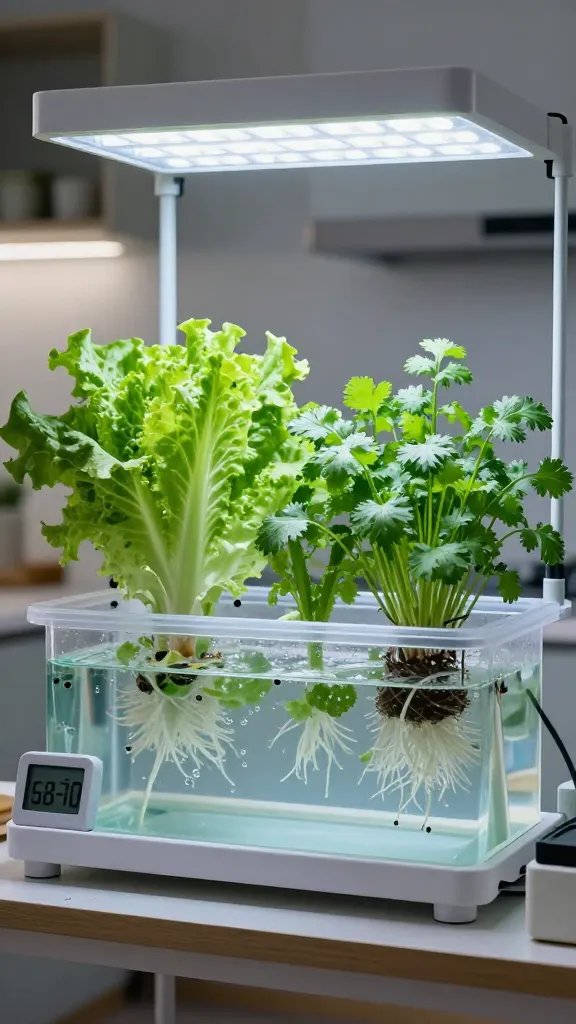
Short on space? This pair turns your hydro unit into a salad machine. Both plants love cooler temps, lighter EC, and gentle light—perfect for apartments or anyone who doesn’t want to babysit.
Why It Works
- Similar EC needs: Both thrive at lower nutrient concentrations.
- Quick cycles: Harvest in weeks, not months.
- Low light demand: Great for budget LEDs or shelves.
Setup Tips
- Target EC: 0.8–1.2 mS/cm; pH 5.8–6.2.
- Keep temps 65–72°F to prevent cilantro bolting and bitter lettuce.
- Use raft/DWC or NFT channels for steady moisture.
- Harvest cilantro by snipping outer stems; cut lettuce leaves or take whole heads—your call.
Use this combo for continual harvests with minimal drama. Seriously, it’s the “set it and snack” partnership every beginner needs.
3. Cucumbers + Dill: Crispy Vines Meet Aromatic Allies
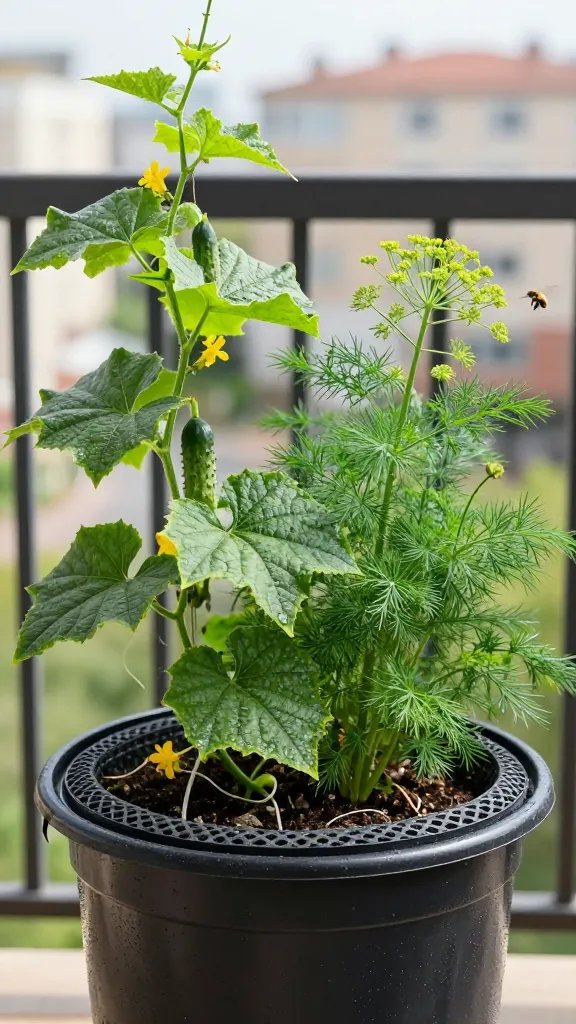
Cucumbers grow fast and love support, while dill brings airy foliage and fragrance that can deter some nuisances. Together, they turn a plain hydro bucket into a mini greenhouse jungle (the good kind).
Why It Works
- Growth harmony: Vining cucumbers climb; dill stays feathery and vertical.
- Pollinator-friendly: If you’re doing a patio setup, dill flowers attract beneficials for outdoor grows.
- Flavor logic: You’ll literally have everything ready for pickling season.
Setup Tips
- Target EC: 1.8–2.4 mS/cm; pH 5.8–6.2.
- Give cucumbers serious trellis support and prune side shoots for airflow.
- Choose bush/patio cucumber varieties if space runs tight.
- Watch for powdery mildew; boost airflow and keep leaves dry during foliar feeding.
Great for growers who want high output in vertical space. Bonus: dill’s light root footprint makes plumbing easier in compact systems.
4. Strawberries + Mint (With Boundaries): Sweet Meets Fresh
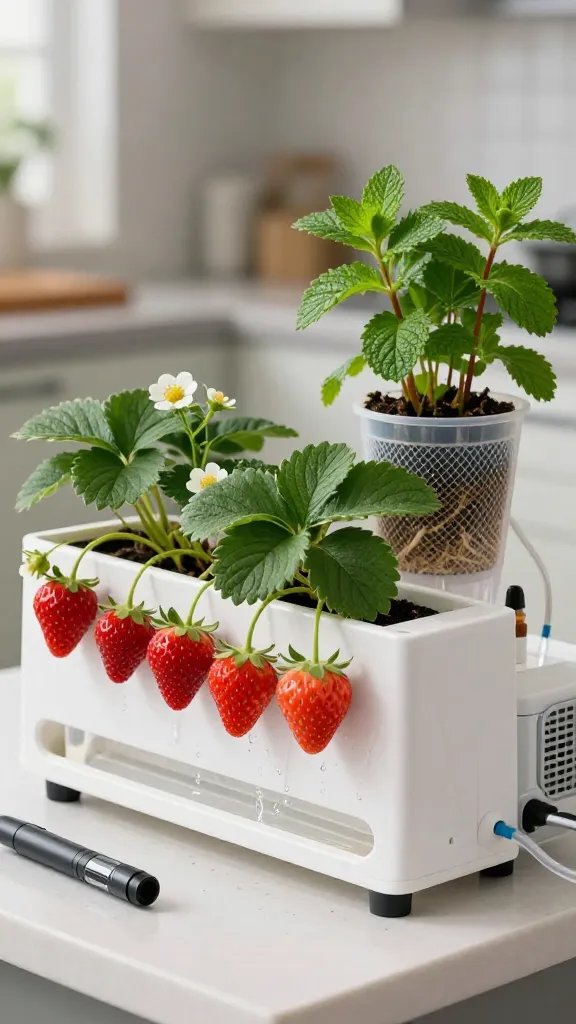
Yes, you can grow strawberries and mint together hydroponically—if you give mint rules. Mint grows fast and can hog resources, but strategic spacing and pruning turn it into a brilliant sidekick that keeps the air fragrant and your drinks fancy.
Why It Works
- Shared preferences: Moderate EC, slightly acidic pH, and steady moisture.
- Aromatic edge: Mint’s strong scent may help confuse pests.
- Staggered growth: Strawberries fruit; mint fills the utility role.
Setup Tips
- Target EC: 1.2–1.6 mS/cm; pH 5.6–6.0.
- Contain mint in its own net pot collar or separate cup within the same reservoir.
- Use everbearing strawberry varieties for continuous fruiting under 12–14 hours of light.
- Trim runners; redirect energy to fruit. Keep mint topped weekly or it’ll go full jungle.
Perfect for dessert people and mojito fans. Just remember: mint is that friend who borrows your hoodie and never returns it—set boundaries early.
5. Peppers + Oregano: Bold Heat With a Savory Wingman
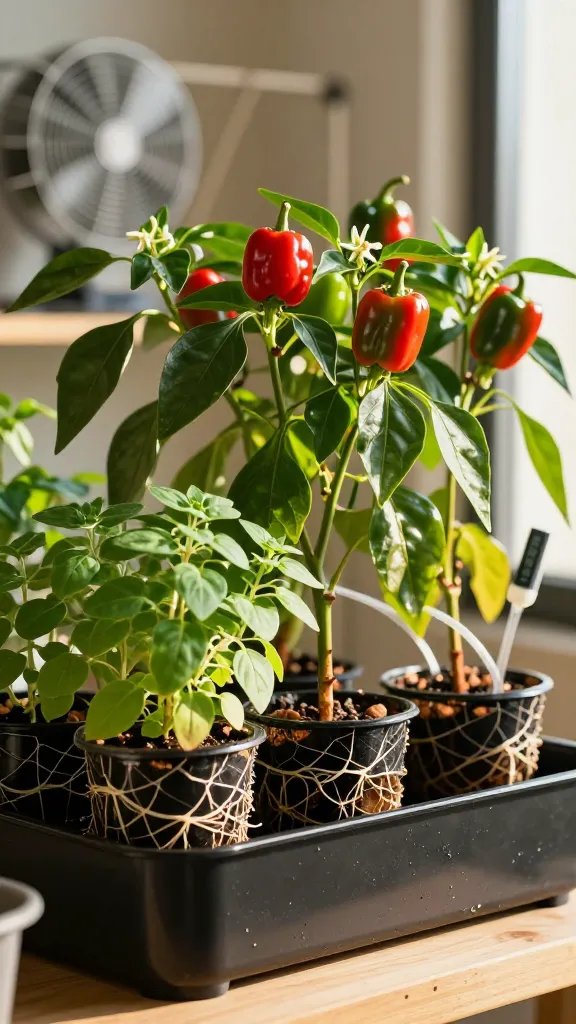
Peppers adore warm roots, bright light, and a touch of stress for better flavor. Oregano handles the same conditions while staying compact and fragrant. Together they deliver serious culinary punch with minimal fuss.
Why It Works
- Matching climate: Warm, bright, and breezy suits both plants.
- Root compatibility: Oregano’s smaller roots won’t choke peppers.
- Flavor payoff: One harvest delivers tacos, sauces, and pizza nights on loop.
Setup Tips
- Target EC: 1.6–2.0 mS/cm (bump to 2.2 for heavy-fruiting peppers); pH 5.8–6.3.
- Add extra potassium and calcium as buds form; keep N moderate to avoid leafy divas.
- Use air stones or strong circulation—peppers sulk with low oxygen.
- Top oregano often to stop leggy stems and enhance essential oils.
Ideal for small systems that want big flavors. IMO, this duo wins the “best taste-to-effort ratio” award.
Quick System Selection Guide
- DWC (Deep Water Culture): Great for leafy greens and basil; simple and forgiving.
- NFT (Nutrient Film Technique): Perfect for lettuce, herbs, and strawberries; watch root mass.
- Drip to Coco/Perlite or Passive Wicking: Solid for fruiting crops like tomatoes, peppers, and cucumbers.
- Aeroponics: High oxygen and fast growth; best if you love tinkering.
General Nutrient and Care Notes
- pH Discipline: Keep a daily eye on pH; most combos live in 5.8–6.2.
- EC Strategy: Start lower for seedlings, ramp up for fruiting. Don’t chase numbers wildly—watch leaf color and vigor.
- Airflow: Fans prevent mildew, strengthen stems, and keep your grow from turning into a sauna.
- Lighting: 12–16 hours for greens; 14–18 for fruiting crops with a solid PAR range. Don’t fry tender herbs—raise the fixture or dim.
- Sanitation: Rinse and sterilize between cycles. Root slime? Add beneficial microbes or clean with hydrogen peroxide flushes between grows.
Troubleshooting Fast Facts
- Yellowing leaves with green veins: Likely iron deficiency; check pH drift above 6.3.
- Blossom end rot (tomatoes/peppers): Calcium imbalance or inconsistent EC—add cal-mag and stabilize dosing.
- Bitter lettuce or bolting cilantro: Temps too high; lower room temp or reduce light intensity.
- Mint taking over: Root containment and weekly topping—no excuses.
Ready to push your hydro setup from “neat” to “no way you grew that”? These five combos deliver flavor, fragrance, and a smarter use of space. Pick one pair, dial in the basics, and you’ll be harvesting like a pro in no time—trust me, your future self (and your tastebuds) will thank you.