Viral Guide Companion Planting for Entrepreneurs and Side Hustlers: 10 Flexible Schedule Gardens
Your calendar looks like a Jenga tower, yet you still want fresh produce? Same. These five flexible companion-planting setups thrive on batching tasks, low-maintenance pairings, and strategic timing—perfect for chaotic schedules and weekend warriors.
You’ll stack more harvests per square foot, fend off pests without babying plants, and automate the boring parts. Ready to grow a garden that respects your grind? Let’s get scrappy and smart.
1. The “Morning Standup” Herb Guild
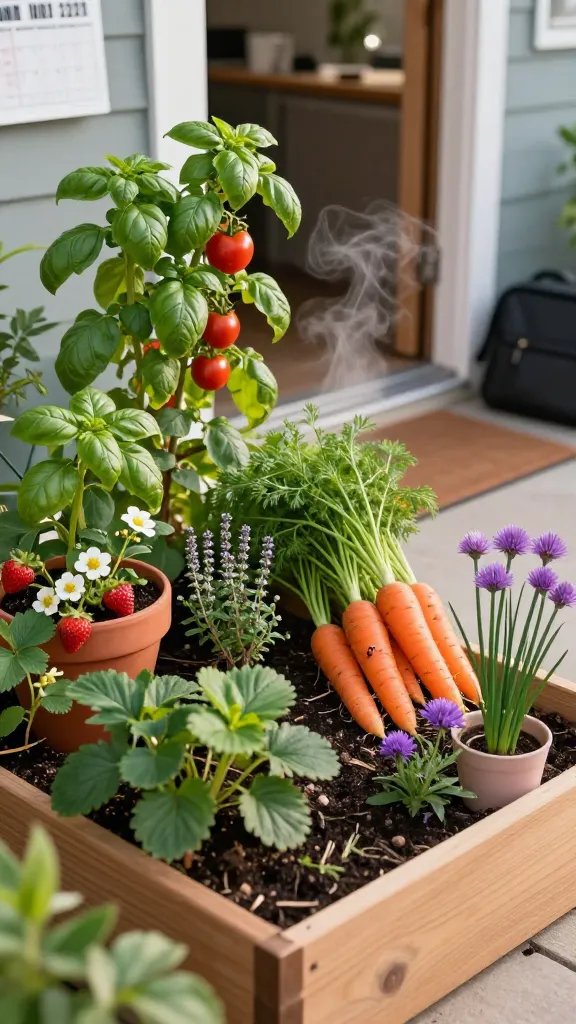
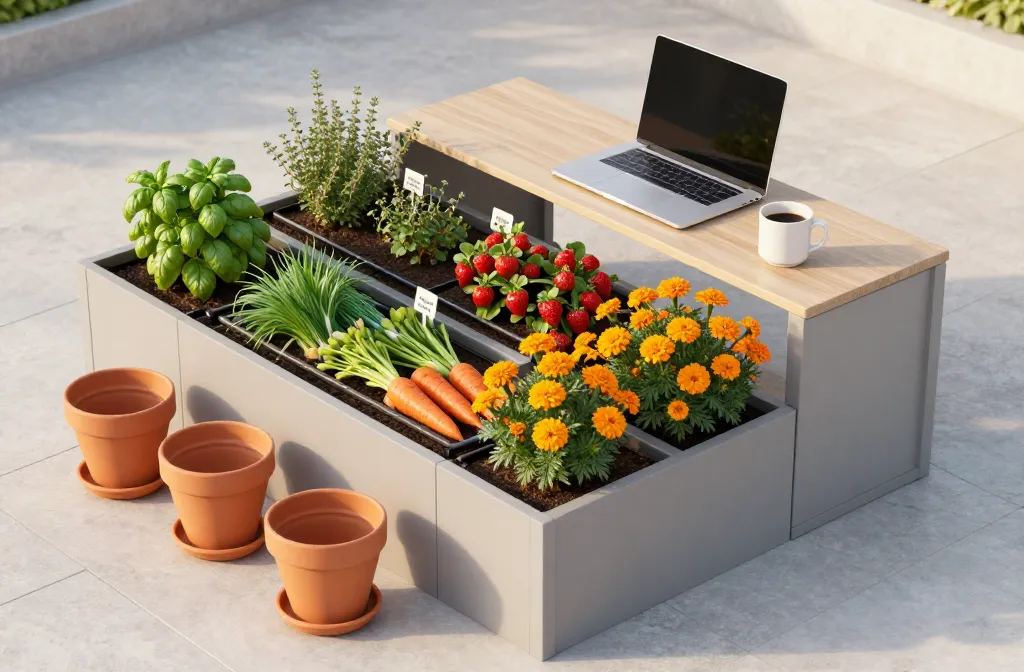
Herbs deliver high ROI for low effort, and they blend beautifully in a compact guild. You’ll get flavor, fragrance, and pest control with tiny time blocks—think five minutes while coffee brews. This setup thrives in containers or a small bed near your door.
Core Players
- Basil + Tomatoes: Basil confuses tomato hornworms and boosts flavor, IMO.
- Thyme + Strawberries: Thyme deters mites and fills gaps, strawberries offer sweet wins.
- Chives + Carrots: Chives deter carrot flies, and their flowers attract pollinators.
- Marigolds: A generalist bodyguard—repels nematodes and pests across the board.
Group herbs by water needs. Basil and strawberries like more consistent moisture than thyme and rosemary. Split them into separate containers if you must—no one has time for drama.
Quick Setup Tips
- Use a sunny 2×4-foot bed or four 12–16-inch pots. Drainage is non-negotiable.
- Mulch with shredded leaves or straw to cut watering frequency.
- Harvest often. Pruning equals growth with herbs—set a calendar reminder.
Benefits: Fast harvests, continuous pest pressure reduction, and flavor upgrades without meal planning. Great for balconies and stoops.
2. The “Weekend Warrior” Three Sisters Remix
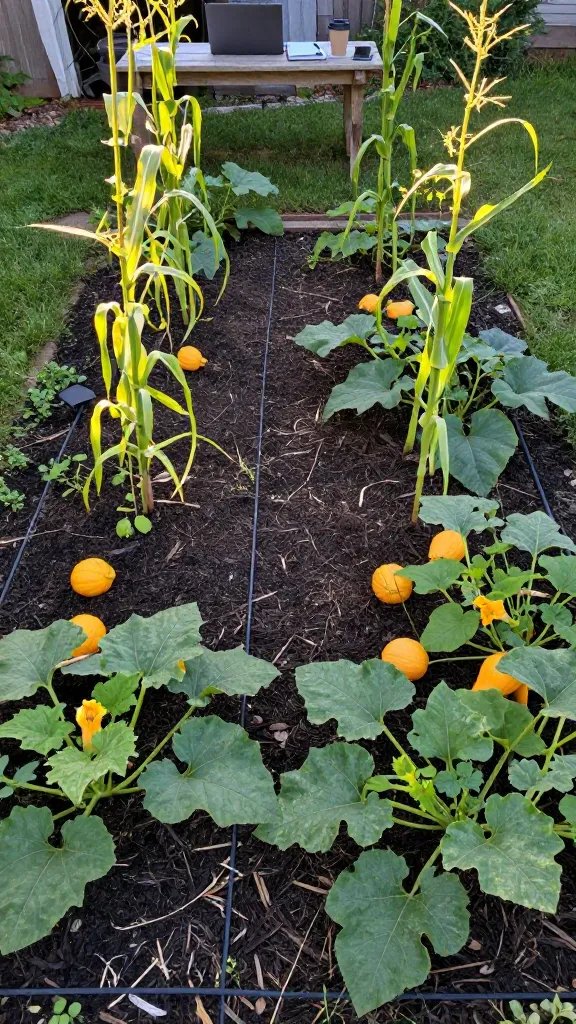
Indigenous agricultural wisdom meets time-blocking. The classic trio—corn, beans, and squash—forms a living scaffold that shades soil, boosts nitrogen, and reduces weeding. You plant once, then mostly let it run while you run your business.
Planting Pattern
- Corn: Plant in a block, not a row, for proper pollination—think 4×4 or 4×6 grid.
- Pole Beans: Sow around each corn mound once corn hits 6 inches. Beans climb and fix nitrogen.
- Squash or Pumpkins: Space between mounds to sprawl and smother weeds.
Want fewer vines? Use compact bush squash or zucchini. Or try sunflowers instead of corn if you want snacks and pollinator action.
Low-Maintenance Upgrades
- Lay down cardboard + compost before planting. Instant weed suppression.
- Install a single soaker hose zigzag and run it on a smart timer.
- Pick a resistant squash variety to dodge powdery mildew drama.
Benefits: Once established, this guild basically manages itself. Perfect for folks who travel or binge work for days.
3. The “Zoom Break” Salad Bar
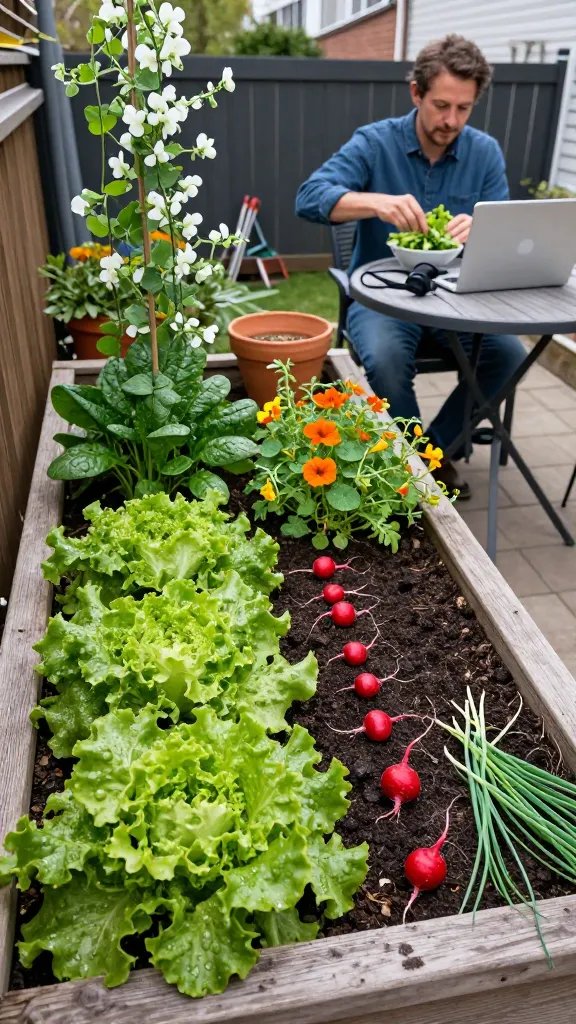
Short on time but big on fresh lunches? Build a modular salad bed that churns out greens with minimal fuss. Companion pairs keep pests in check and give you variety without complicated planning.
What To Plant
- Lettuce + Radishes: Radishes pop fast and loosen soil for lettuce roots.
- Spinach + Peas: Peas lift the vibe, add shade, and offer nitrogen. Spinach appreciates it.
- Arugula + Nasturtiums: Peppery arugula meets edible flowers that lure pests away. Cute and useful.
- Scallions Everywhere: Tuck scallions at edges to deter aphids and add zip to salads.
Succession sow every 2 weeks in narrow strips. Harvest outer leaves, not whole heads, for continuous production. It’s the subscription model, but for lettuce.
Fast Setup, Faster Harvest
- Raised bed or trough planter works best. Aim for 6–8 hours of light.
- Use a 50/50 compost and potting mix blend. Greens love rich soil.
- Install lightweight fabric row cover for instant aphid management.
Benefits: Ultra-quick harvests during 5-minute breaks. You’ll never buy sad bagged greens again, seriously.
4. The “Set-And-Snooze” Mediterranean Mix
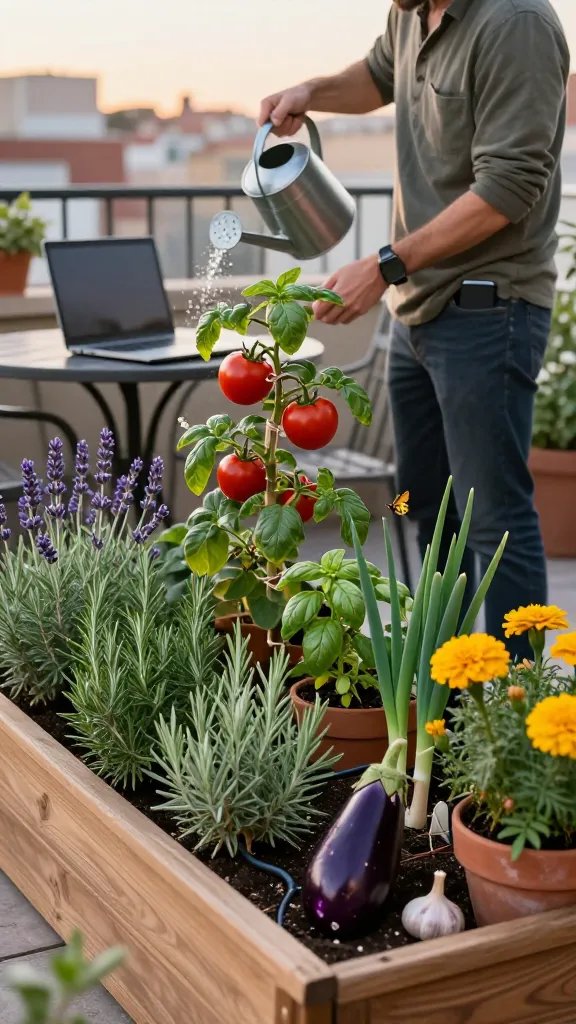
If your vibe is “water twice a week and disappear,” this one’s for you. Drought-tolerant herbs and veggies thrive together, bring pollinators, and pack big flavor. The companion magic reduces pests and keeps flavors crisp.
Cast List
- Tomatoes + Basil + Oregano: Classic trio for growth and pest confusion.
- Eggplant + Marigolds: Marigolds deter nematodes; eggplant enjoys the warmer microclimate.
- Rosemary + Sage + Lavender: Aromatic hedge that attracts beneficial insects and needs low water.
- Garlic or Onions: Border plants to discourage aphids and thrips.
Keep the thirsty crew (tomatoes, basil, eggplant) together on one irrigation zone. Park the drought divas (rosemary, sage, lavender) on a separate one or in terracotta pots.
Irrigation And Mulch
- Drip lines or soaker hoses on a smart timer—batch runtime 2–3 times a week.
- Mulch with gravel around woody herbs to prevent rot; straw around tomatoes to keep soil moist.
- Stake tomatoes early to avoid weekend wrestling matches later.
Benefits: Delicious harvests with minimal oversight and great curb appeal. Ideal for hot climates and forgetful waterers.
5. The “After-Hours” Nightshift Bed
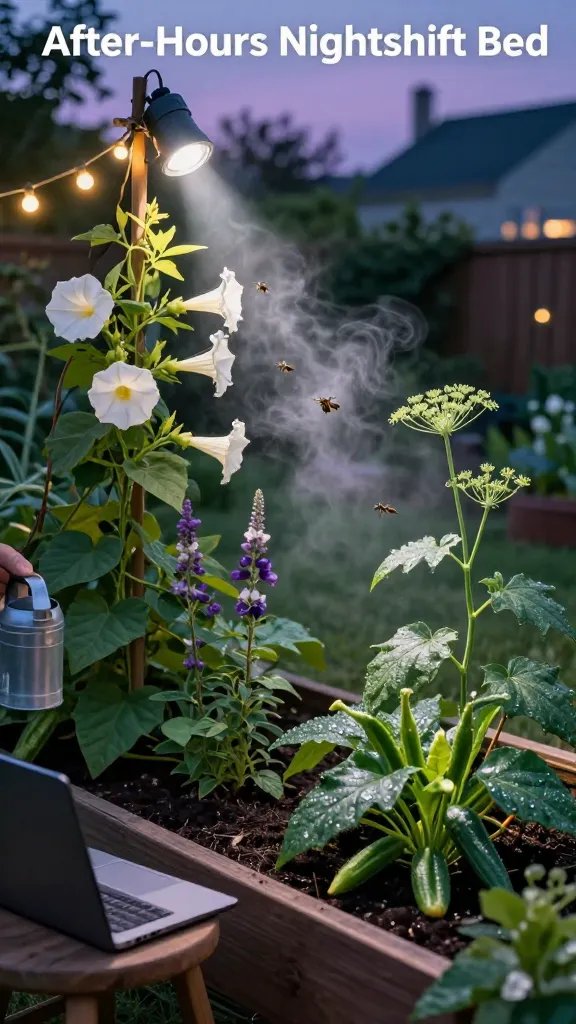
Work late? Grow plants that either thrive in cooler evening temps or need your attention after dark. Pair night-scented flowers with veggies that appreciate dusk watering and pollinator draw.
Team Night Owl
- Night-Blooming Flowers: Evening-scented stock, nicotiana, or moonflower attract moths and beneficials.
- Okra + Peppers: Heat lovers that bounce back with twilight watering and light feeding.
- Cucumbers + Dill: Dill pulls in predatory wasps; cucumbers climb and keep mildew down with good airflow.
- Calendula: Edible petals and a magnet for beneficial insects—also tough as nails.
Use vertical supports to save space and sanity. Cucumbers on trellises, peppers in cages, dill at the back for height and beneficial insect highways.
Care In The Cool
- Water in the evening to reduce evaporation (FYI: avoid wetting leaves on cucumbers to dodge mildew).
- Feed with a diluted liquid fertilizer every other week after sundown.
- Use solar path lights so you can actually see what you’re doing—game changer.
Benefits: A garden that fits your schedule, not the other way around. Perfect for night owls and post-shift decompressors.
Companion Planting Cheat Codes
- Trap Crops: Plant nasturtiums to pull aphids away from brassicas. Sacrifice a little to save a lot.
- Aromatic Borders: Thyme, mint (in pots), and lavender confuse pests and frame beds.
- Flower Every Bed: At least one flowering plant per 3–4 square feet for pollinator traffic.
- Batch Your Chores: Water Tuesday/Friday, harvest Sunday, seed every other Saturday. Treat it like sprints.
Soil And Tools That Save Time
- Soil: Start with quality compost-rich mix. Healthy soil = fewer emergencies.
- Mulch: Cuts watering by half and blocks weeds. Free shredded leaves work great.
- Automation: Drip + timer, and a cheap moisture meter. Set it and go make money.
- Containers: Fabric grow bags are portable, breathable, and perfect for renters.
Quick Troubleshooting (Because Life Happens)
- Wilting at noon? Normal for many plants. Check again at dusk before watering.
- Aphids? Blast with water, then release ladybugs or use neem on non-blooming days.
- Powdery mildew? Improve airflow, prune leaves, water soil only, consider resistant varieties next round.
- Leggy seedlings? You need more light. Move them or up the lumens.
Ready to grow on your terms? Pick one setup and start small—momentum beats perfection. Your plants can handle your calendar chaos, and your meals will taste like you finally found an extra day in the week. Trust me, you’ll wonder why you didn’t start sooner.