Viral Companion Planting for Retirement Apartment Gardens: 12 Low-Effort High-Reward Combinations
Your balcony or sunny window can grow more than a couple of lonely herbs. Pair the right plants and they’ll protect each other, boost flavor, and save you effort. The magic trick? Companion planting that works in pots and planters—no backyard required. Let’s team up plants that practically babysit each other so you can sip tea while they do the work.
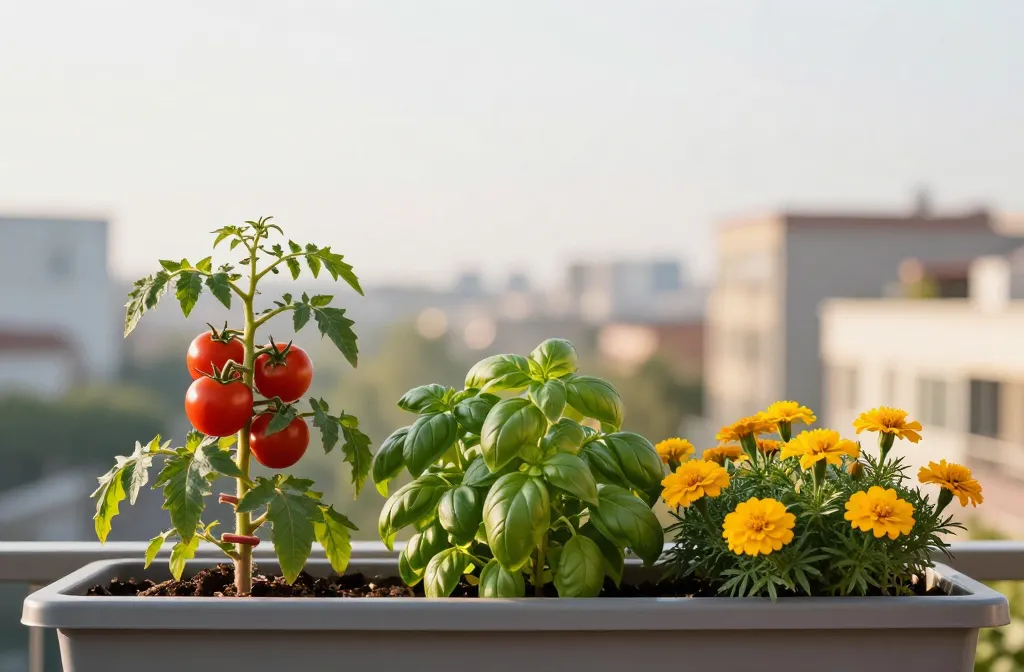
1. Tomatoes + Basil + Marigolds: The Balcony Dream Team
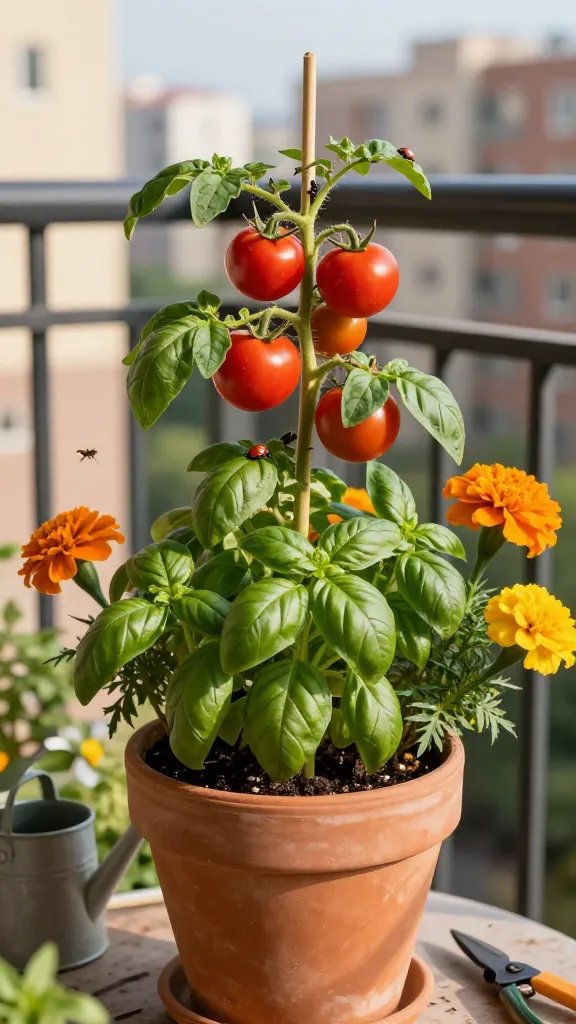
This trio is the container garden celebrity. Basil makes tomatoes taste better and helps deter pests, while marigolds repel nematodes and add cheerful color. It’s low-maintenance and ridiculously rewarding—pizza-night flavor straight from your railing.
Why It Works
- Basil’s aroma confuses pests like aphids and whiteflies.
- Marigolds attract beneficial insects and discourage root pests.
- Tomatoes love the shared warmth and light in a sunny pot.
Container Setup Tips
- Use a 12–16 inch pot for a compact tomato variety (like Patio or Tumbling Tom).
- Plant basil at the tomato’s rim and tuck 1–2 dwarf marigolds along the edge.
- Prune tomato suckers lightly and harvest basil often to keep airflow strong.
Water deeply, then let the top inch dry out. You’ll get fewer pests, better-tasting tomatoes, and a pot that looks like summer. Great for warm balconies and sunny windows with 6+ hours of light.
2. Lettuce + Chives + Radishes: The Cut-and-Come-Again Salad Bar
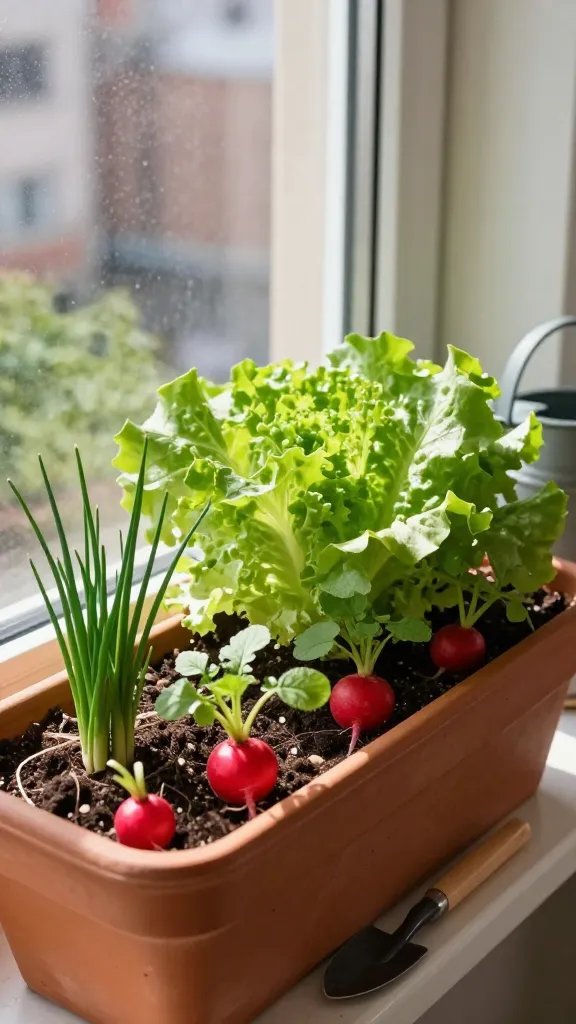
Want quick wins? This combo gives you fast radishes, steady chives, and crisp lettuce—perfect for small planters. It grows in cooler temps and partial sun, so it’s tailor-made for spring and fall windowsills.
Why It Works
- Chives repel aphids and add oniony flavor without taking up much space.
- Radishes loosen soil and mature fast, leaving room for lettuce to expand.
- Lettuce appreciates shade from chives on hot afternoons.
Planting Game Plan
- Use a 10–12 inch wide, shallow container with rich potting mix.
- Sow radish seeds in a ring; sprinkle lettuce in the center; insert a small chives clump at the rim.
- Thin lettuce to allow airflow; harvest radishes in 25–30 days and reseed.
This combo produces quick harvests with minimal fuss. Perfect on a kitchen sill where you want easy snips and zero drama. FYI, chives are perennial—free refills!
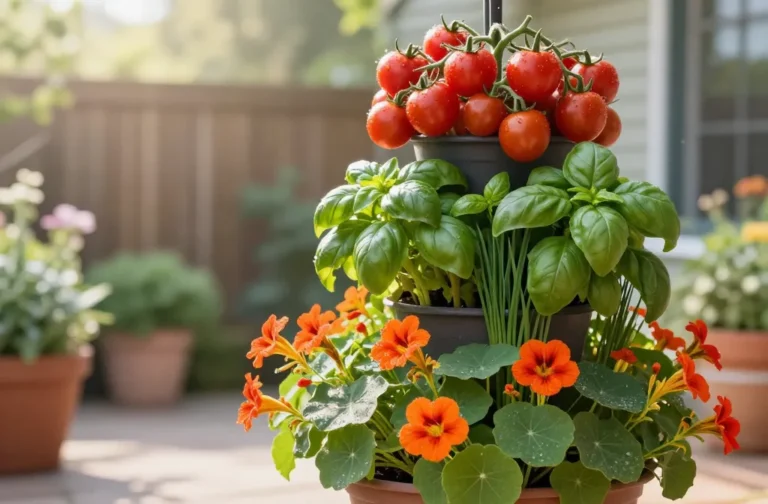
3. Cucumbers + Dill + Nasturtiums: Crunchy, Zesty, And Pest-Savvy
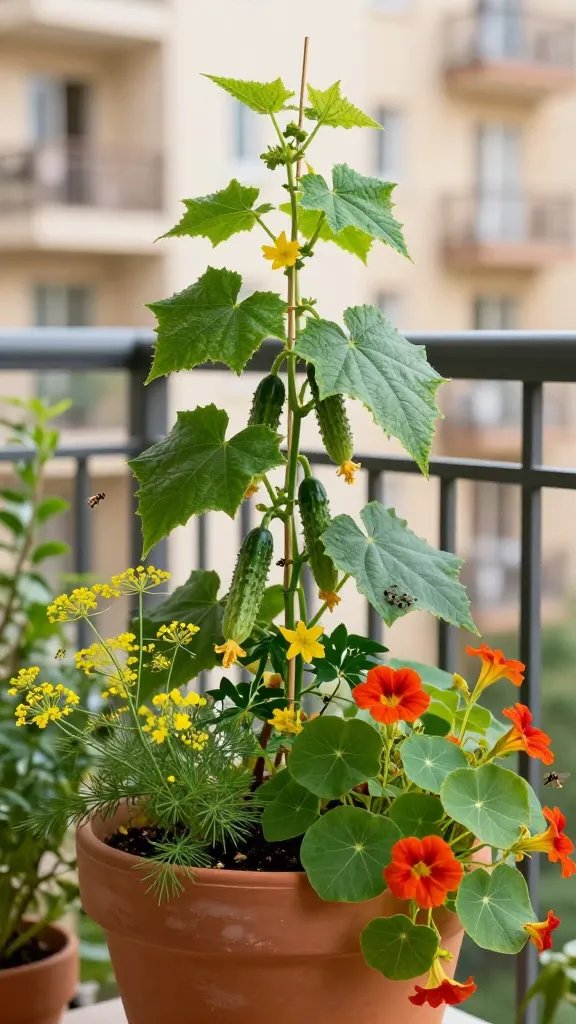
Growing cukes in a pot? Absolutely. Pair them with fragrant dill and edible nasturtiums for a pollinator magnet that also keeps pests guessing. It’s like a salad that grows itself—almost.
Why It Works
- Dill attracts lacewings and parasitic wasps that target aphids and caterpillars.
- Nasturtiums act as a trap crop for aphids and bring in hoverflies.
- Cucumbers climb and leave space below for companions.
Small-Space Strategy
- Pick a bush cucumber (like Bush Pickle) for tighter spaces, or trellis a vining type up a compact support.
- Plant dill at the back of the pot and nasturtiums to spill over the front.
- Keep soil consistently moist—cucumbers hate dry spells, and bitter fruit is a mood killer.
Harvest nasturtium leaves and flowers for a peppery bite, and dill for quick pickles. The combo thrives on balconies with 5–6 hours of sun and good airflow. Seriously, the pollinators will throw a party.
4. Peppers + Oregano + Onions (Or Scallions): The Mediterranean Power Trio
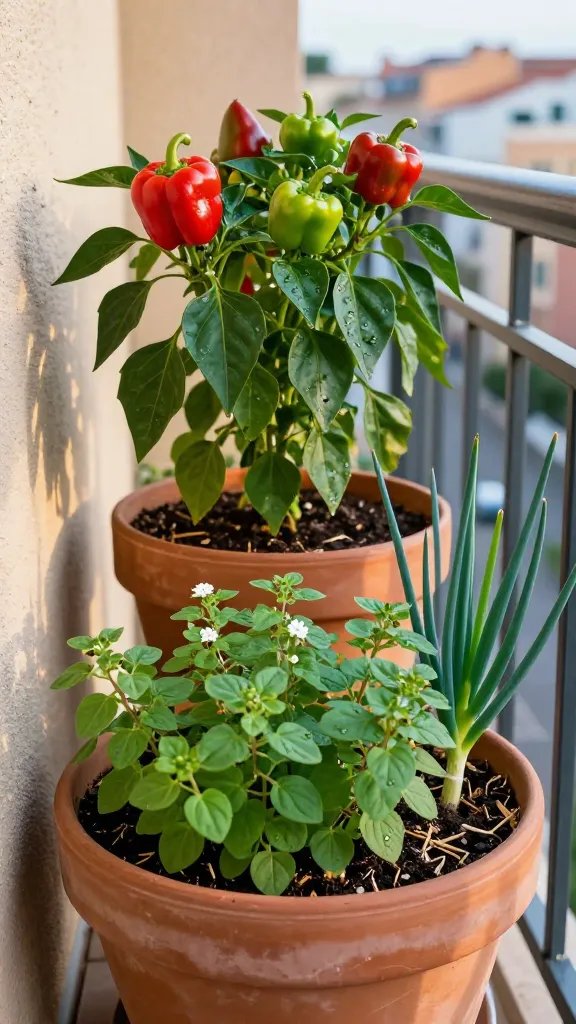
If you love flavor-packed meals with minimal effort, this one’s your MVP. Peppers shine in warm pots, while oregano carpets the soil and onions scare off troublemakers. Everything smells great and tastes even better.
Why It Works
- Oregano acts like a living mulch, conserving moisture and discouraging weeds.
- Onions/scallions deter thrips and aphids, and they tuck neatly into corners.
- Peppers enjoy the warmer microclimate and benefit from flower-friendly companions.
Container and Care
- Use a 12–14 inch pot for a compact pepper (banana, jalapeño, or mini bell).
- Plant oregano along one side; insert 3–5 scallion starts around the edge.
- Fertilize lightly every 2–3 weeks; peppers prefer a steady feed over big meals.
This setup supports steady pepper production and herbs you’ll use daily. Works best on hot patios or behind glass where temperatures stay warm. IMO, it’s the most delicious square foot you can grow.
5. Strawberries + Thyme + Borage: Sweet, Aromatic, And Bee-Approved
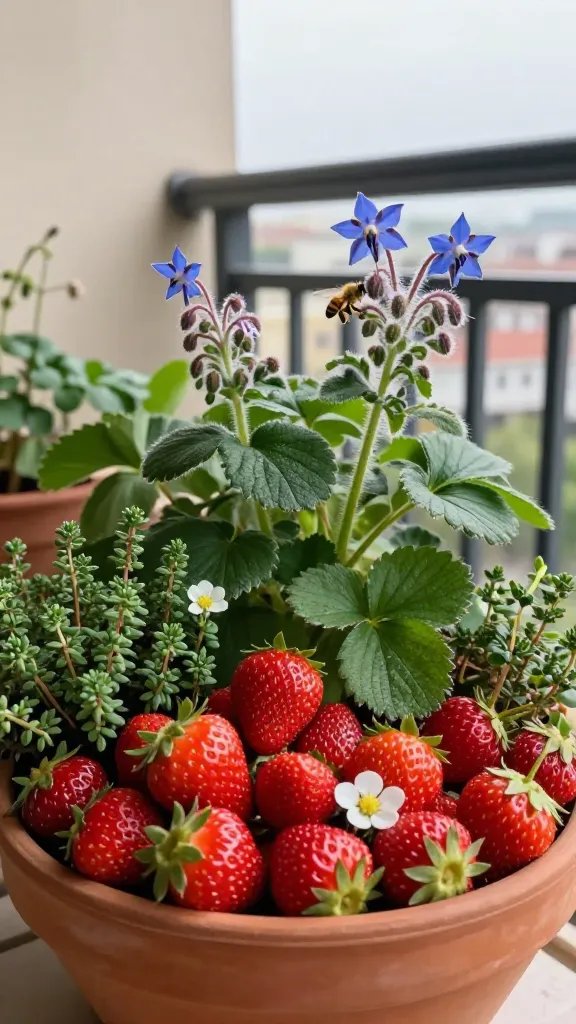
Craving dessert-level berries without the fuss? Strawberries adore thyme’s ground-hugging habit, while borage brings the pollinators and adds a mild cucumber flavor to salads. It looks stunning and tastes even better.
Why It Works
- Thyme suppresses weeds, reduces soil splash, and deters some pests.
- Borage feeds bees and can boost strawberry yields; its leaves make a refreshing tea.
- Strawberries benefit from improved pollination and a cooler soil surface.
Planting Blueprint
- Use a wide bowl or strawberry pot. Plant 2–3 everbearing strawberry plants.
- Add a small thyme plant between them; place one borage at the back (it gets tall).
- Water consistently and mulch lightly; remove runners if you want more fruit sooner.
Great for patios with morning sun and afternoon shade. You’ll get flowers, fruit, and herbs in one tidy container. Trust me, the first warm berry you pick will convert you for life.
Bonus Mix-and-Match Combos (Quick Reference)
- Spinach + Peas: Peas climb while spinach stays cool below—great for spring.
- Carrots + Dill: Dill draws beneficial insects; thin carrots early for baby snacks.
- Eggplant + Basil: Similar needs, basil deters flea beetles a bit.
- Mint + Cabbage Family: Mint deters cabbage moths—just keep mint caged in its own pot.
- Parsley + Tomatoes: Parsley attracts hoverflies that munch on aphids.
- Garlic + Roses (Yes, Balcony Roses): Garlic helps deter pests; looks chic, too.
Care Cheats To Keep It Effortless
- Right-sized pots: Bigger roots, happier plants. Err larger if in doubt.
- Quality potting mix: Use light, peat-free if possible; avoid heavy garden soil.
- Water rhythm: Deep water, then let the top inch dry. Add a saucer for neatness.
- Feed smart: A balanced liquid fertilizer every 2–3 weeks keeps containers humming.
- Sun math: 6+ hours for fruiting crops; 3–5 for leafy greens and many herbs.
- Rotate pots: Quarter turn weekly for even growth if light comes from one side.
Companion planting in containers keeps pests down, boosts flavor, and saves space. You’ll harvest more with less drama, and your balcony will look like a tiny botanical bistro. Ready to plant a few friendly neighbors and let them handle the heavy lifting?