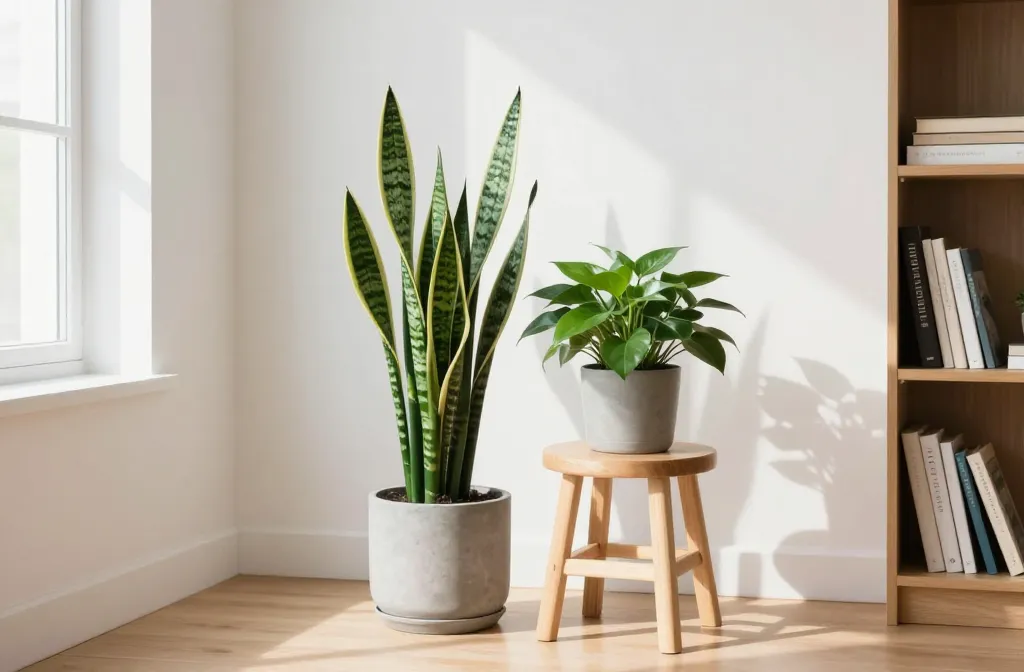
Student Apartment Low-Budget Companion Plants: 10 Affordable Easy-Care Pairings Unkillable Duos
Your student apartment can feel like a jungle oasis without draining your ramen budget. Companion plants cost less, grow better together, and look ridiculously cute side-by-side. We’re talking pairs that share light, water, and vibes—no diva plants allowed. Ready to build your leafy dream team for cheap and easy care?
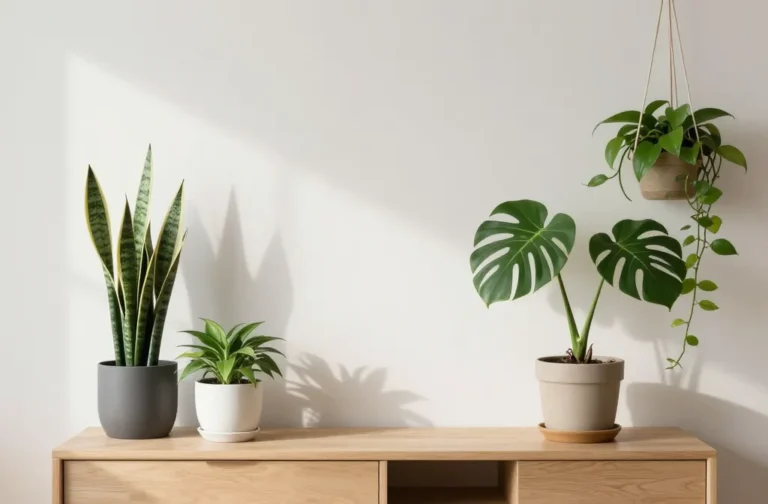
1. Snake Plant + ZZ Plant: The Indestructible Roommates
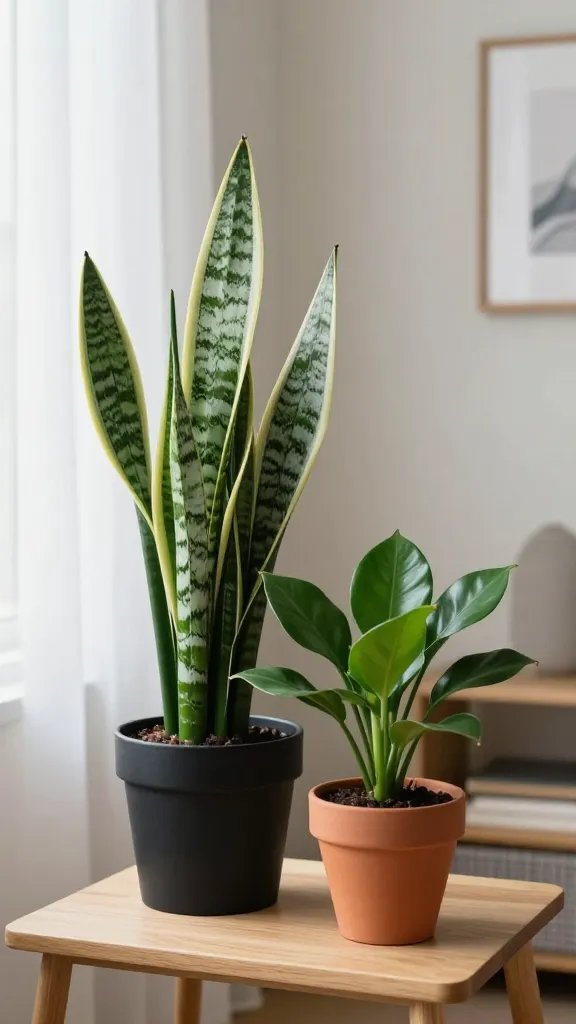
These two are the low-maintenance legends of the plant world. They thrive on neglect, tolerate low light, and sip water like they’re budgeting for rent. Put them together, and you get sculptural drama with almost zero effort.
Why This Pair Works
- Same care level: Both love bright indirect light but tolerate low light like champs.
- Slow drinkers: Water every 2–3 weeks (even less in winter).
- Air quality boost: Great for stuffy dorms or basement apartments.
Snake plants bring tall, architectural lines while ZZ plants add glossy, curved stems. Together they make any corner look intentional and stylish.
Tips
- Use a well-draining potting mix with perlite or pumice.
- Pick pots with drainage holes. Overwatering is the only way you’ll mess this up.
- Wipe leaves monthly to keep that shine and help photosynthesis.
Perfect for: Dark bedrooms, perpetually busy students, and anyone who forgets they own plants. Seriously.
2. Pothos + Spider Plant: The Trailing Dream Team
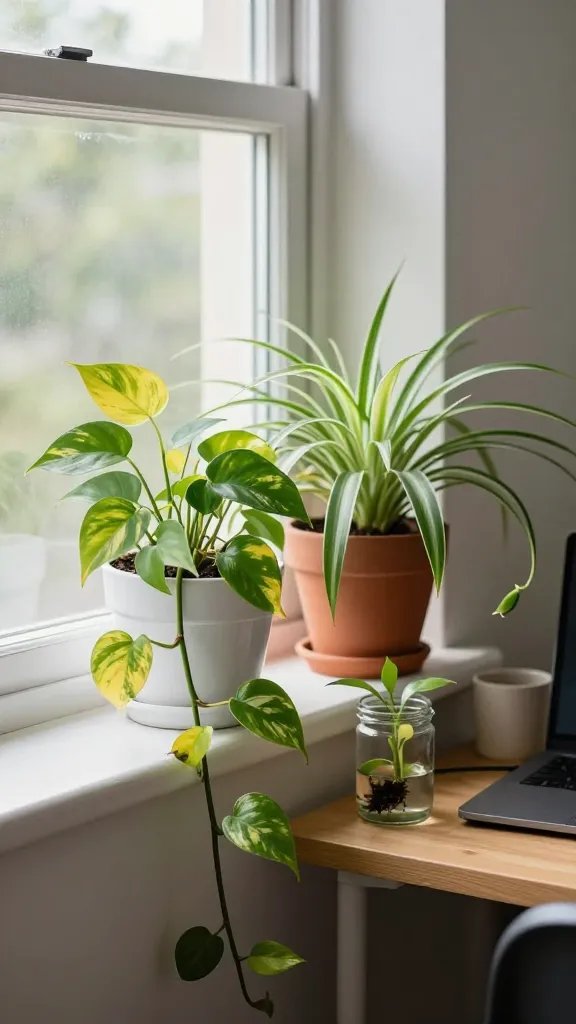
Want instant jungle vibes without the drama? Pothos and spider plants trail, cascade, and propagate like they’re trying to win a contest. They handle inconsistent light and watering, and they bounce back fast if you ghost them for a week.
Why This Pair Works
- Fast growers: You’ll see new vines and baby spiderettes in weeks.
- Beginner friendly: They forgive missed waterings and uneven light.
- Propagating heaven: Snip and stick in water to make new plants for free.
Pothos gives lush green or variegated vines, and spider plants shoot out quirky arcs with baby plants that look like tiny fireworks. Instant personality on shelves or window ledges.
Care Basics
- Bright indirect light for best color, but they’ll handle medium light.
- Water when the top inch of soil feels dry. Spider plants like it a tad more moist than pothos.
- Use tap water that’s sat overnight if your spider plant tips brown (chlorine sensitivity).
Use this pair for: Bookshelf styling, hanging baskets, and free plant swaps with friends. FYI, they make your place look like you have your life together.
3. Aloe Vera + Jade Plant: The Sunny Succulent Duo
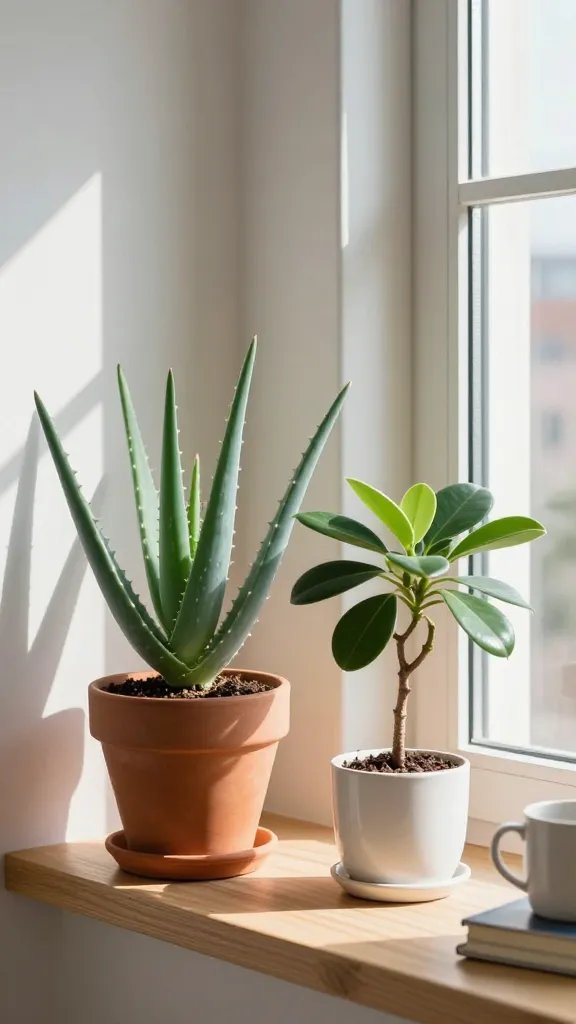
Got a bright window? Meet your sun-loving, ultra-frugal pair. Aloe brings spiky drama and first-aid gel; jade plants add a chunky, mini-tree aesthetic. Together they make your windowsill look curated, not cluttered.
Why This Pair Works
- Same light needs: Bright light to a few hours of direct sun is ideal.
- Minimal watering: Every 2–4 weeks depending on heat and pot size.
- Budget-friendly: You can find both for under $10 at big-box stores.
Both store water in their leaves, so they won’t freak out if you head home for the weekend. They prefer tough love over soggy roots.
Care Checklist
- Use a cactus/succulent mix or regular mix + extra perlite.
- Choose terra cotta pots to wick away moisture.
- Rotate monthly so they don’t lean toward the light.
Best for: South- or west-facing windows, tiny ledges, and anyone who wants a plant that looks expensive but isn’t. Bonus: aloe is handy for minor kitchen burns.
4. Peace Lily + Aglaonema (Chinese Evergreen): The Low-Light Glow-Up
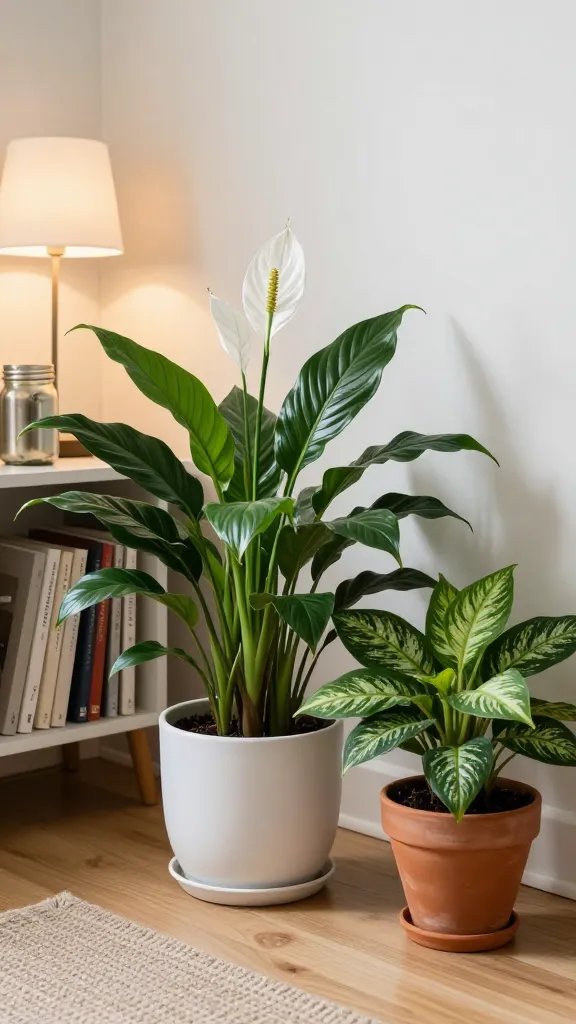
No sunny windows? No problem. Peace lilies and aglaonemas handle low to medium light while still bringing lush, tropical energy. They turn a gloomy corner into a calm, green moment.
Why This Pair Works
- Low-light tolerance: They don’t need direct sun to thrive.
- Similar watering: Keep slightly moist; don’t let them dry out completely.
- Textural contrast: Peace lily’s glossy leaves and white blooms pop against aglaonema’s patterned foliage.
Peace lilies will droop dramatically when thirsty (theatrics!), which makes watering simple. Aglaonema brings painterly patterns in silver, green, and sometimes pink.
Care Notes
- Water when the top 1–2 inches feel dry. Avoid soggy soil.
- Bright indirect light gives the best peace lily blooms, but medium works.
- Wipe leaves to reduce dust and improve that lush sheen.
Use this pair for: Study corners, bathrooms with windows, and desks that need a little life. IMO, this duo makes any space feel more zen.
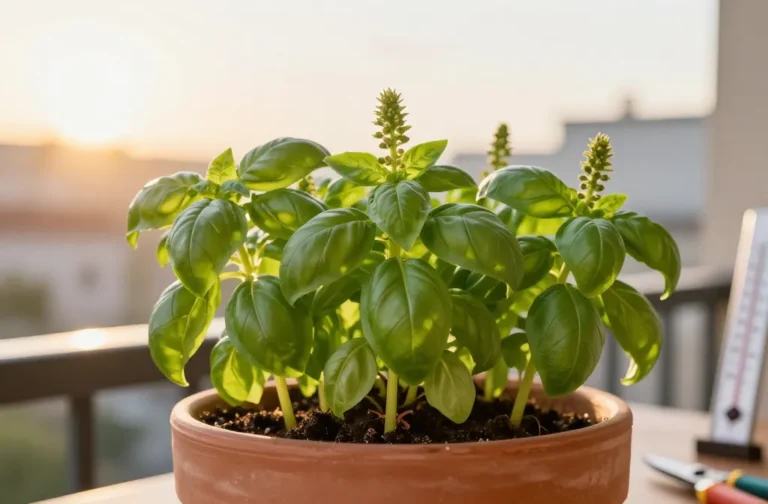
5. Herbs That Actually Get Along: Basil + Parsley On The Cheap
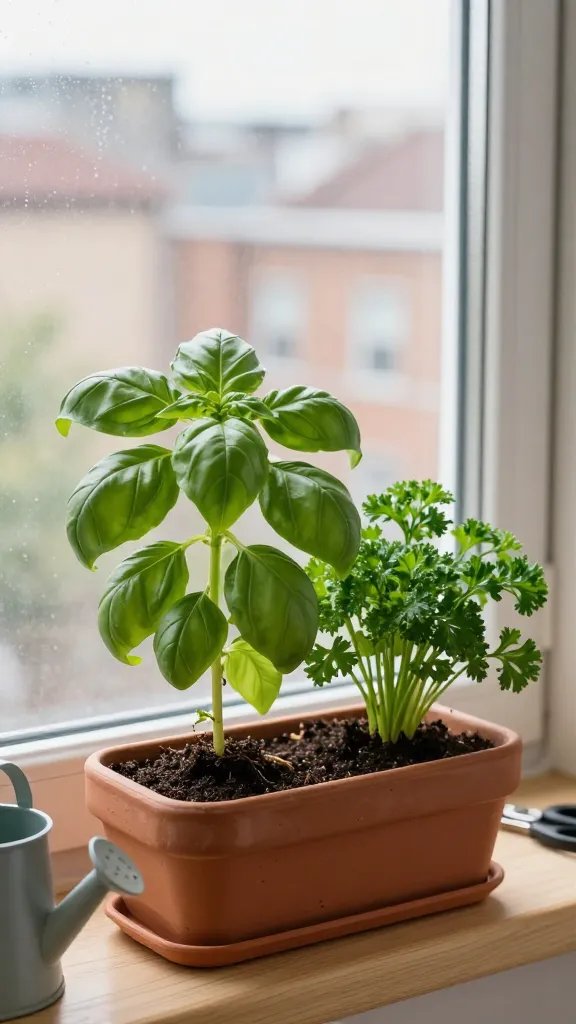
Yes, you can grow edible greens in a student apartment without special gear. Basil and parsley share similar needs, stay compact, and genuinely make your meals taste better. They look fresh on a windowsill and smell amazing.
Why This Pair Works
- Shared care: Bright light, consistent moisture, regular trims.
- Fast payoff: You can harvest in weeks, not months.
- Budget win: Seed packets cost less than one grocery bunch.
Basil gives fragrant leaves for pasta and sandwiches, while parsley adds bright, clean flavor. Grow them together in separate pots so you can water and harvest independently.
How To Keep Them Happy
- Place in bright indirect light or 4+ hours of morning sun.
- Use a light, well-draining mix and pots with drainage.
- Harvest from the top, not the bottom—encourage bushy growth.
- Don’t overwater—aim for evenly moist, never soggy.
Best for: Kitchen windowsills, snacky midnight ramen upgrades, and showing off to friends who “don’t cook.” Trust me, fresh basil changes everything.
Ready to turn your student apartment into a low-budget, high-vibe plant haven? Pick one pair that matches your light and laziness level, then build from there. Start small, celebrate new growth, and enjoy the glow-up—your space (and your mood) will thank you.