
If you are growing salad, herbs, or strawberries up a wall or in a tower, you are basically running a mini controlled-environment farm, and that means pests will find you sooner or later. In 2024, 65% of greenhouse growers reported aphids as a pest, with thrips, mites, whiteflies, and fungus gnats right behind them, so vertical edibles need a real pest plan, not guesswork.
Key Takeaways
| Question | Quick Answer |
|---|---|
| How do I stop pests before they hit my vertical edibles? | Start with clean setups, healthy plants, and regular checks. For a deeper dive into prevention, we walk through hygiene ideas in our guide on pest prevention techniques . . |
| What are the best natural pest control methods for vertical gardens? | Use neem oil, insecticidal soaps, beneficial insects, and strong cultural practices. We break down options in organic pest control for vertical gardens. |
| Which edible plants cope best with pests in vertical systems? | Resilient herbs, leafy greens, and compact fruiting crops tend to handle pressure best. You can see specific varieties in our list of best plants for vertical edible gardens. |
| Are container and tower gardens managed the same way? | The pests are similar, but airflow, watering, and spacing differ, so you tweak methods. We compare tactics in our container-focused guide on battling unwanted guests. |
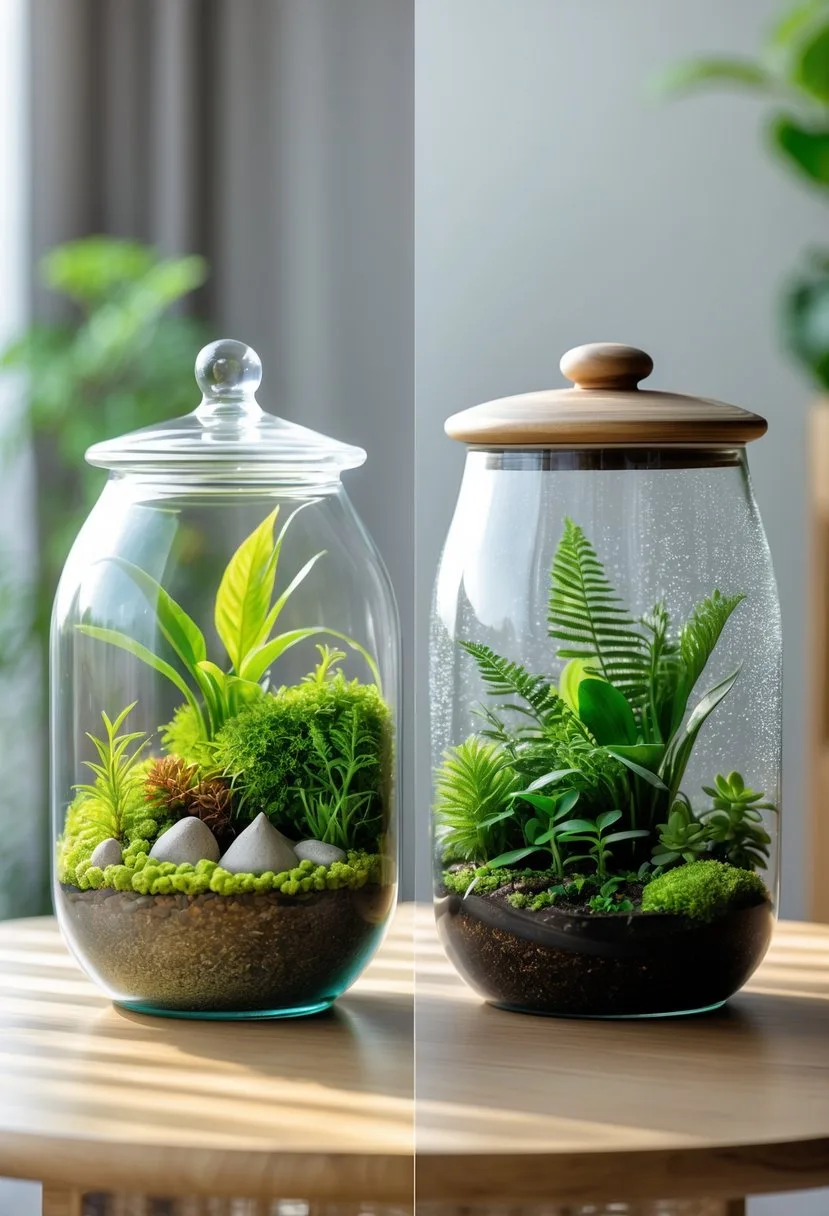
| Can I adapt terrarium pest tips to vertical edible walls? | Yes, hygiene, quarantine, and monitoring translate very well. We explain the core ideas in this expert guide on pest prevention. |
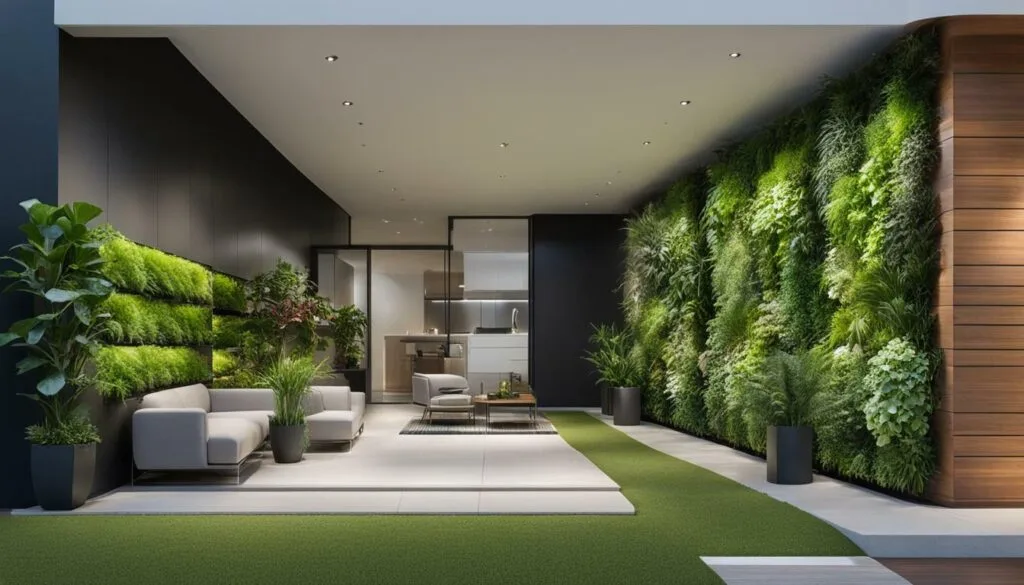
| What about indoor vertical walls in living rooms or kitchens? | You will rely more on manual removal, sticky traps, and softer sprays. See how we design around that in our piece on an indoor vertical wall garden. |
1. Why pest management feels different in vertical edible gardens
Vertical edible gardens pack a lot of plants into a small footprint, so pests spread faster up and across the structure. Leaves touch, roots often share water, and one infested pocket can quietly climb the entire wall or tower.
Unlike a flat bed, it is harder to see the backs of leaves or inner tiers without moving modules and bending around. That means we need a plan that is simple enough to stick to every week, not just when we notice curling lettuce or sticky tomato foliage.
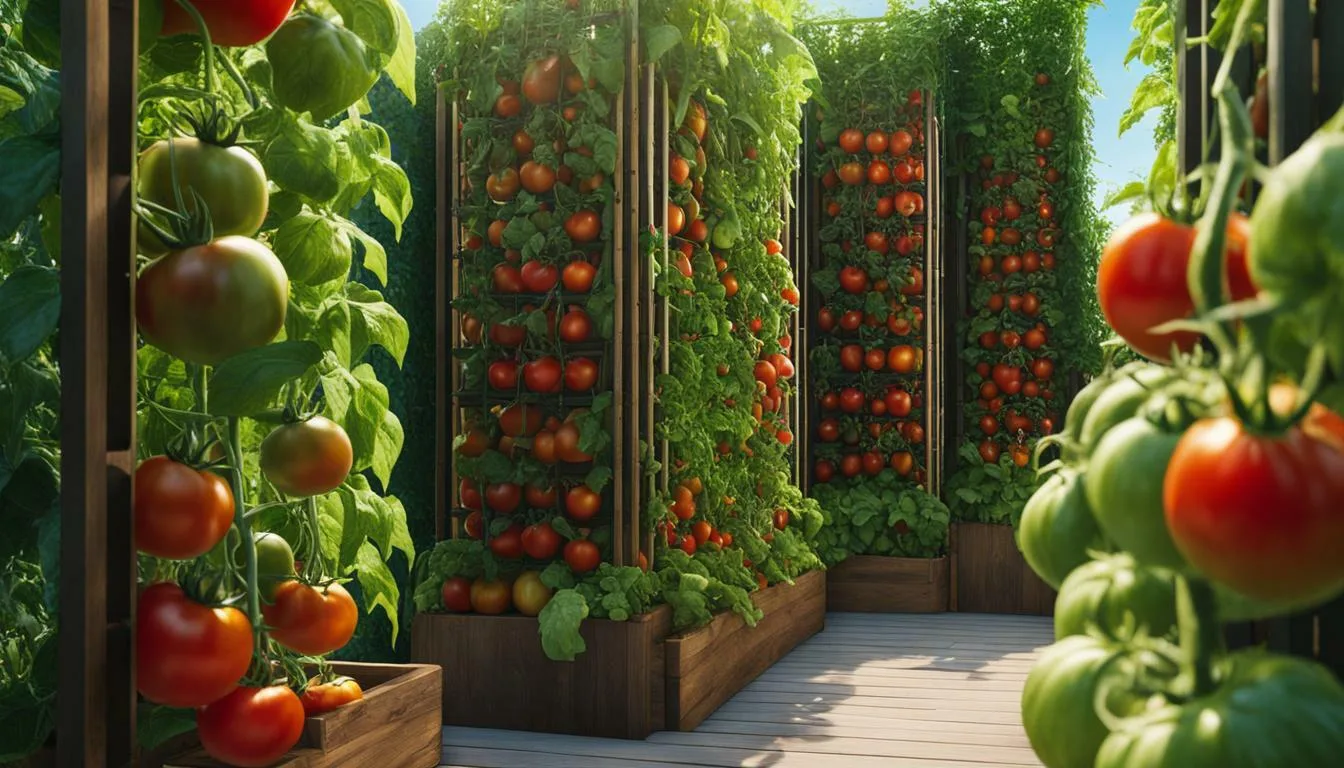
Pro tip: When you design the structure, think like a future bug inspector. If you cannot easily see and reach every tier, pests will eventually find the blind spots.
We like to think of pest management for vertical edibles as “tight systems, loose plants”. Keep the irrigation, structure, and hygiene disciplined, but give plants breathing room so pests have fewer bridges to travel across.
2. The most common pests in vertical edible systems
The usual suspects in vertical edibles are aphids, whiteflies, thrips, spider mites, fungus gnats, and sometimes caterpillars or snails on lower tiers. Soft leaves like lettuce and basil are the first to show damage because they are basically salad bars for sap suckers.
Whiteflies in greenhouse vegetables can drive 20–40% crop losses when unmanaged, so on a small wall garden that can look like “everything suddenly tanked this month”. In vertical stacks, pests also love moist lower pockets, where fungus gnats breed in soggy media.
- Aphids: curling leaves, sticky honeydew, ants farming them up the wall.
- Whiteflies: tiny clouds when you brush the plant, yellowing leaves on tomatoes or strawberries.
- Spider mites: fine webbing on undersides of leaves, stippled or “sand-blasted” foliage.
- Fungus gnats: tiny flies near soil, seedlings that collapse from root damage.
On outdoor balconies, you might also see leaf miners, cabbage worms, or spotted wing drosophila on berries. Indoors, we see more mites and fungus gnats because the space is warm, dry, and protected from predators.
| Pest | Typical host in vertical edibles | Fastest first step |
|---|---|---|
| Aphids | Lettuce, kale, herbs, tomatoes | Hard spray of water, then insecticidal soap. |
| Whiteflies | Tomatoes, strawberries, peppers | Yellow sticky traps, regular leaf washing. |
| Spider mites | Tomatoes, strawberries, indoor herbs | Increase humidity, use miticidal soap or oil. |
| Fungus gnats | Lower pockets, seedling zones | Let surface dry, add yellow traps. |
3. Building pest resistance into your vertical system design
Pest management for vertical edibles starts before you plant a single seed. The structure, irrigation, plant spacing, and airflow either slow pests down or give them a highway.
We like to borrow from terrarium builders, who obsess over layers, drainage, and air exchange so they do not trap disease and pests. The same thinking shows up in our terrarium build checklist, with clear steps for clean media and smart layering from our DIY terrarium guide.
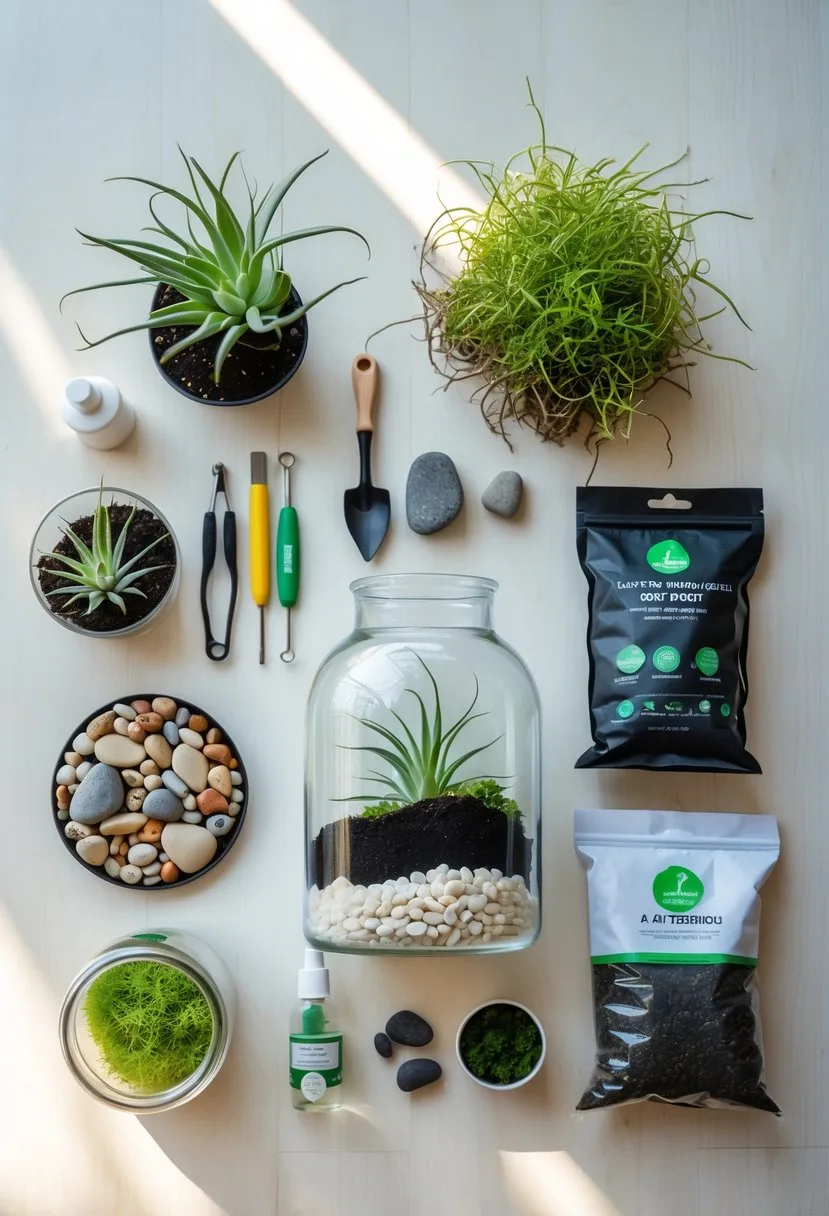
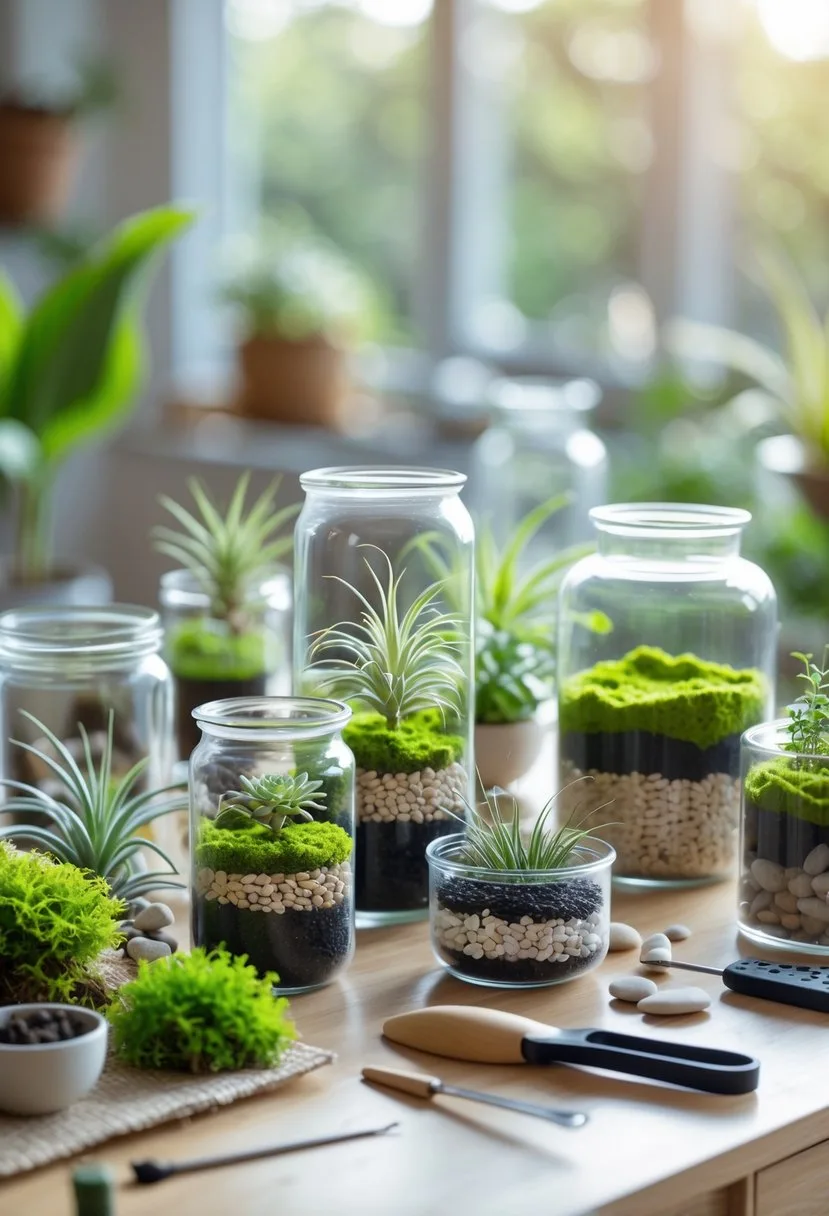
Design tweaks that make a big difference
- Good airflow: leave small gaps between towers or wall modules so air can move around leaves.
- Access paths: make sure you can reach both sides of a tower or the full height of a wall with a small step stool.
- Drainage control: avoid constantly soggy pockets that invite gnats and root diseases.
- Separate zones: group similar crops together so you can treat one zone without drenching the whole garden.
We also prefer systems that let us swap out individual pockets or modules if one gets heavily infested. It is easier to remove a single bad apple than fight a pest outbreak in place.
A visual guide to five essential steps for pest management in vertical edible gardens. Practical tips for balcony or tower gardens.
4. Integrated pest management (IPM) for vertical edibles, made simple
Most vertical edible growers already use integrated pest management, even if they do not call it that. IPM is just a fancy way of saying we combine prevention, monitoring, and targeted action, with chemicals as a last resort.
In 2024, 84% of growers reported having an IPM plan, up from 77% the year before, which shows how normal this approach has become in controlled systems. For a home or small commercial vertical garden, that plan can be very straightforward.
- Prevent: clean tools, healthy plants, good airflow, no overwatering.
- Monitor: regular scouting, sticky traps, and quick notes.
- Decide: tolerate light damage or treat if you see a trend.
- Act: start with physical and biological controls, then targeted sprays if needed.
- Review: adjust watering, spacing, or plant choices if the same pest keeps returning.
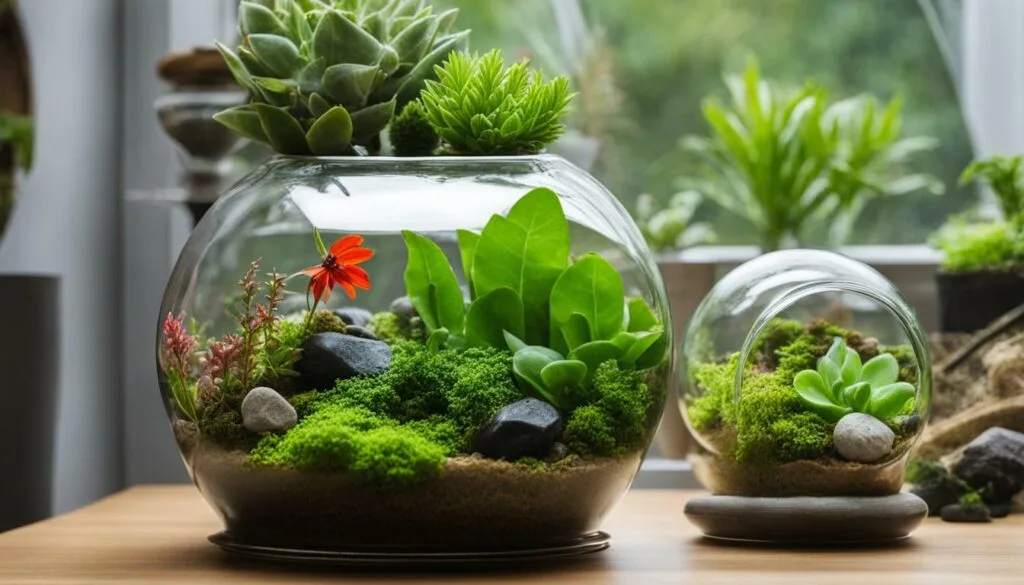
“Pest prevention requires proactive care and hygiene.”
That terrarium rule is exactly how we think about edible walls too. Once pests settle into hidden corners, you are always playing catch up.
We like to write a one-page IPM “playbook” for each vertical system, listing likely pests, preferred actions, and safe products we are comfortable using on food. It saves time when you are staring at a leaf, wondering what to do next.
Did You Know?
59% of growers scout for pests daily and 42% weekly in 2024, highlighting how routine monitoring underpins successful pest management in vertical edible systems.
Source: Greenhouse Management, 2024
5. Scouting routines that actually fit your week
Most of us do not have time to inspect every leaf every day, so we build quick, repeatable scouting habits into normal watering or harvesting. The goal is to spot early signs, not count every bug.
We like a simple “top, middle, bottom” check: scan the top tier, a middle pocket, and the bottom tier on each visit. If we see any trouble, we slow down and look more closely around that area.
Interactive scouting checklist (use this on your phone)
- Look under a few leaves in each zone for specks, webbing, or eggs.
- Tap a leaf and watch for tiny insects flying up.
- Check stems near the base for clusters of aphids.
- Scan media surface for mold or moving larvae.
- Note any yellowing pattern or distorted new growth.
If you like visuals, snap quick photos of suspect leaves and compare week to week. It is much easier to see if a problem is spreading when you scroll a timeline instead of trusting memory.
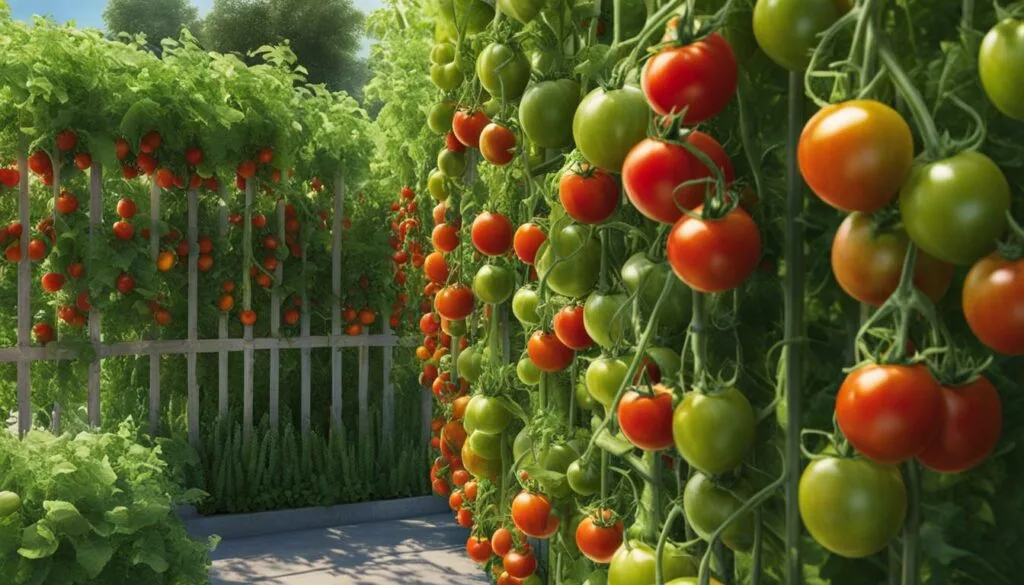
On indoor edible walls, we also like to place a couple of yellow or blue sticky cards near the top and bottom. They silently track flying pests and tell you when something new has arrived before your plants show stress.
6. Organic and low-toxicity controls for vertical edible crops
Because you are eating these plants and often growing them close to your living space, harsh chemicals do not really make sense. We lean heavily on organic and low-toxicity methods that still fit into a serious pest management plan.
In practice, this looks like rotating between insecticidal soap, neem or horticultural oil, and sometimes biological controls like beneficial insects. We also rely on physical tricks like row covers or fine mesh around an outdoor tower when certain pests are in season.
- Insecticidal soap: hits soft-bodied pests like aphids and whiteflies, but you must cover them directly.
- Neem or plant oils: help with mites and some fungal issues, but avoid spraying in full sun to prevent leaf burn.
- Biologicals: beneficial insects or microbials targeted at specific pests.
- Barriers: netting around strawberries or brassicas in peak caterpillar or fly season.
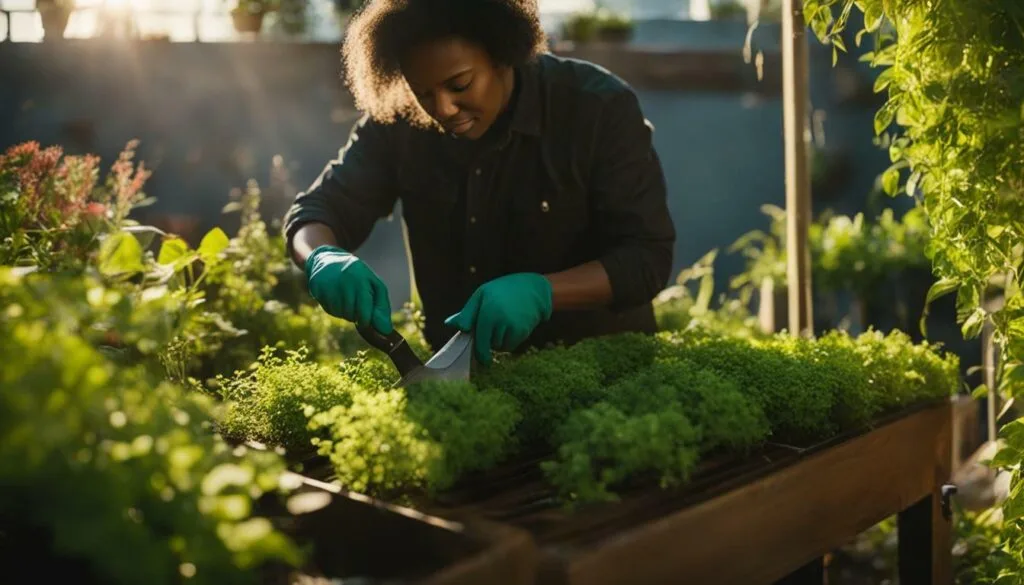
Cut-out tip: Always test any spray, even organic ones, on a small section of the garden first. Wait 24 hours to check for burn or spotting before treating all tiers.
Because vertical gardens are dense, we recommend treating in cooler parts of the day and using a fine mist, not a heavy drench. That reduces run-off into lower pockets and keeps beneficial insects safer.
7. Beneficial insects and biocontrols on vertical walls
Biocontrol is no longer niche. About two-thirds of greenhouse growers report using beneficials, and most combine them with other methods rather than relying only on sprays.
On vertical edibles, beneficial insects shine because the structure gives them plenty of surfaces and hiding spots to do their work. Releasing them in the right place, at the right time, makes a big difference in how long they stick around.
| Beneficial | Targets | Best use in vertical edibles |
|---|---|---|
| Lady beetles | Aphids | Outdoor towers and balcony walls with recurring aphids. |
| Encarsia formosa | Whiteflies | Indoor or greenhouse walls with chronic whitefly issues. |
| Predatory mites | Spider mites | Warm, dry indoor spaces where mites thrive. |


Research on greenhouse vegetables shows that using Encarsia formosa alone, or with very targeted low-dose chemistry, can handle whiteflies while cutting back on broad insecticide use. That layered approach fits vertical edible walls perfectly, especially indoors where sprays linger.
Did You Know?
Whiteflies in greenhouse vegetables can cause 20–40% crop losses if unmanaged, but integrated pest management strongly reduces the need for broad-spectrum insecticides.
Source: MDPI Agronomy, 2024
8. Crop choices that make pest management easier
Some edible plants shrug off pest pressure better than others in tight vertical spaces. Choosing resilient crops is one of the easiest “pesticide-free” tricks you can use.
In our round up of the best plants for vertical edible gardens, we gravitate toward compact, fast-growing, and relatively pest-tolerant varieties. Many herbs also repel or confuse pests with their strong scents.
- Great for beginners: leaf lettuce, chard, kale, parsley, chives, mint in containers.
- Moderate challenge: strawberries, cherry tomatoes, peppers.
- Higher maintenance: brassicas in moth-heavy areas, very tender greens in hot climates.
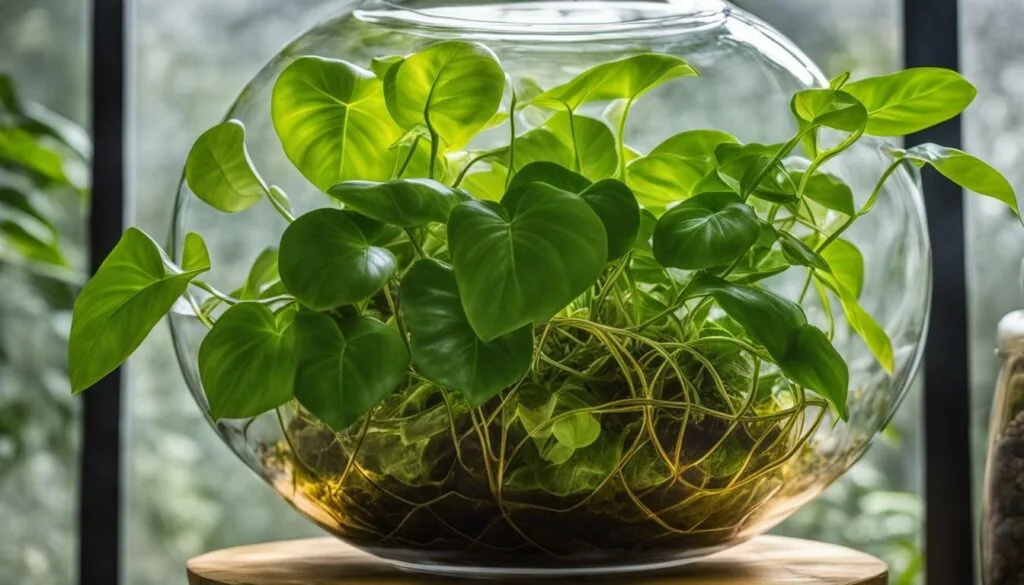
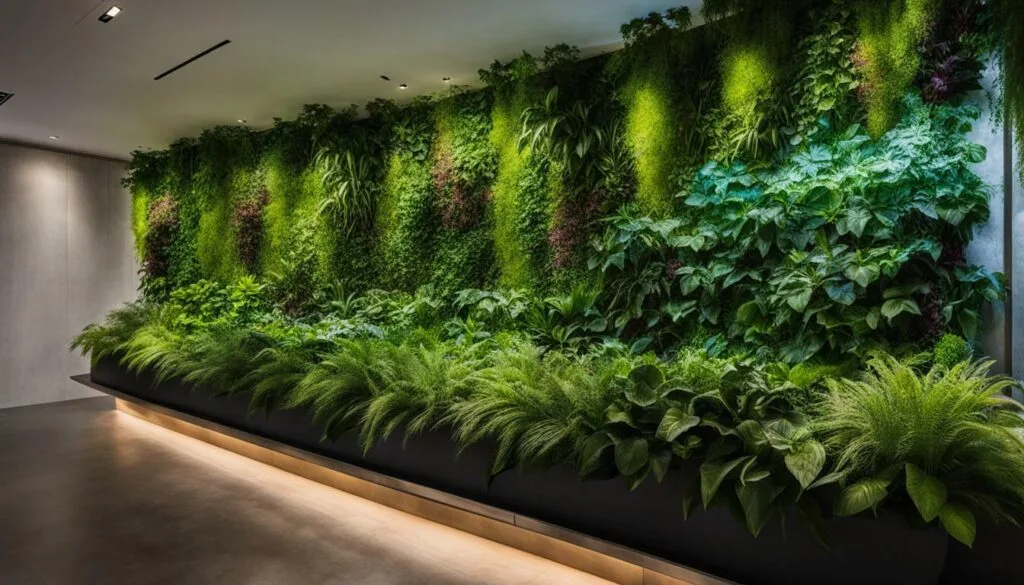
We also like to mix in a few “indicator” plants, such as nasturtiums, that pests love even more than your main crops. If aphids suddenly swarm the nasturtiums on the edge of the wall, you know to act before they move in on your salad.
9. Indoor vs outdoor vertical edible pest strategies
Indoor and outdoor vertical edible systems share many pests, but the way you manage them shifts with the environment. Indoors, you are basically on your own for predators and wind, so you rely more on hygiene, manual removal, and soft sprays.
Our indoor vertical wall garden setups prioritize easy access and clean irrigation so pests have fewer hiding spots. Outdoors, we let beneficials and weather do more of the work, while we add netting when necessary.
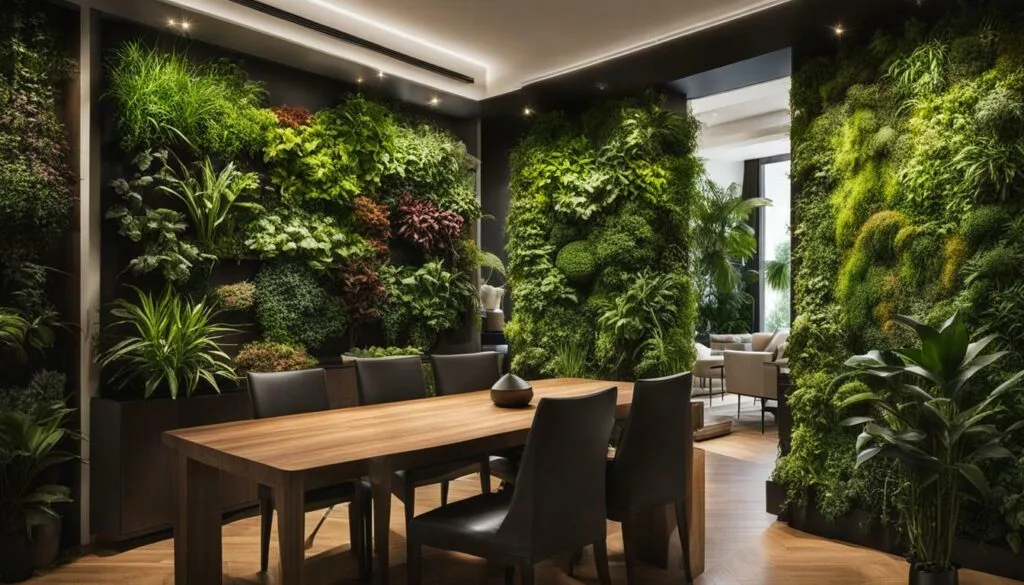
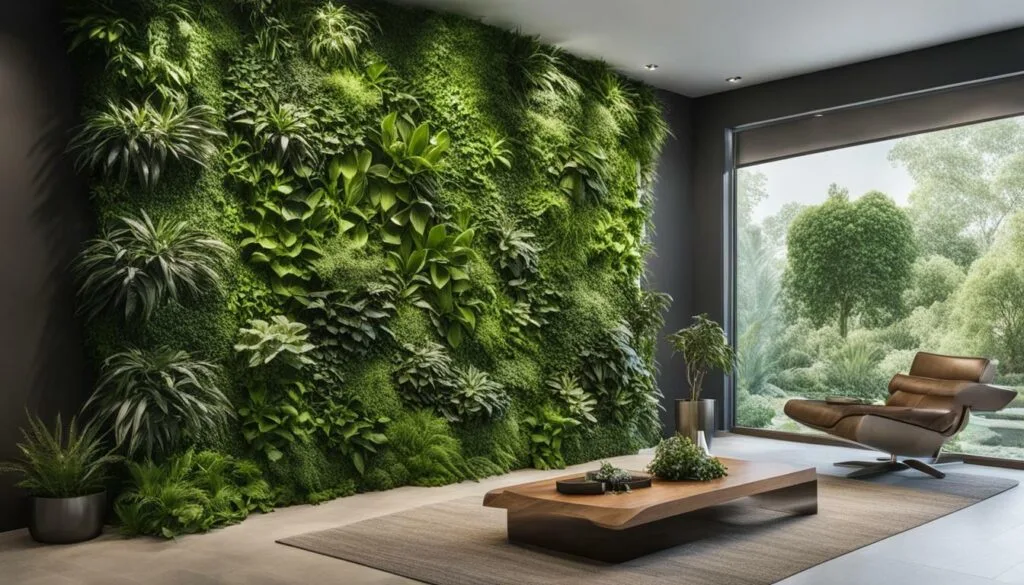
| Setting | Key pests | Main tools |
|---|---|---|
| Indoor kitchen wall | Spider mites, fungus gnats, aphids | Sticky traps, soaps, good ventilation, careful watering. |
| Balcony tower | Aphids, whiteflies, caterpillars, snails | Beneficial insects, handpicking, netting, spot sprays. |
We suggest you track problems separately for indoor and outdoor systems. The same plant can behave very differently when it is sharing space with your couch instead of your railing.
10. Using ornamentals and “buddy plants” to support edible pest control
Not every plant on your wall has to be edible to pull its weight. Decorative species can host beneficial insects, distract pests, or simply fill visual gaps while still fitting into your pest strategy.
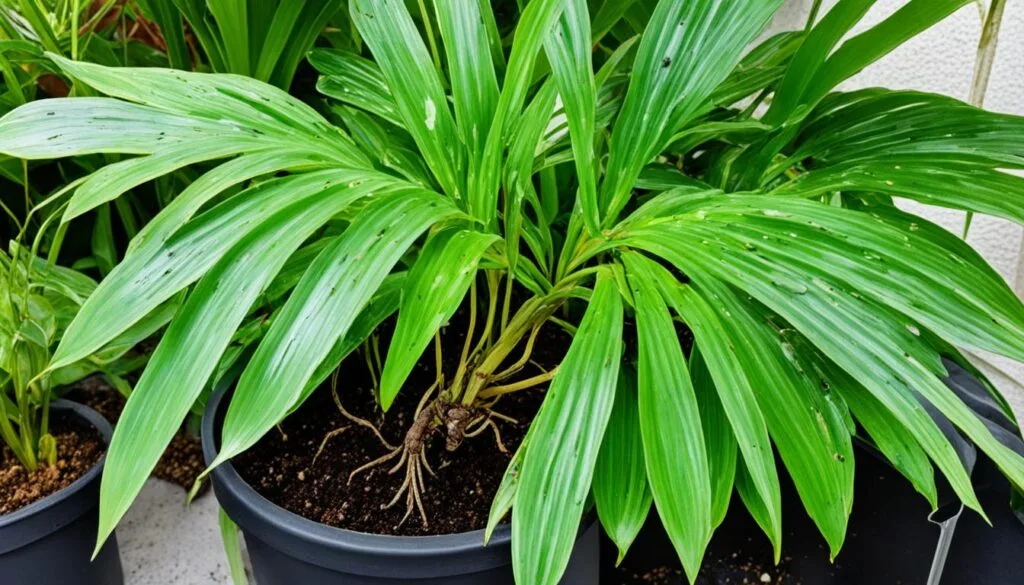
The Kentia plant, for example, is a classic ornamental that teaches good habits around watering and pest checks. Its care guidelines cover things like scouting for pests and diseases, which is the same muscle you use when looking at basil or strawberries.

- Trap crops: nasturtiums, calendula, or even sacrificial lettuce rows at the bottom tier.
- Beneficial hosts: small flowering herbs like alyssum that feed predators and parasitoids.
- Training plants: hardy ornamentals that help you practice inspection and cleaning.
Just be honest about what is ornamental and what is edible, especially if you ever use non-edible-safe products on the decorative parts. Keep anything sprayed with non-edible products clearly separated from your food wall.
11. Maintenance habits that keep pests from coming back
Long term, pest management for vertical edibles looks less like “fighting fires” and more like regular, calm housekeeping. A few weekly habits go a very long way.
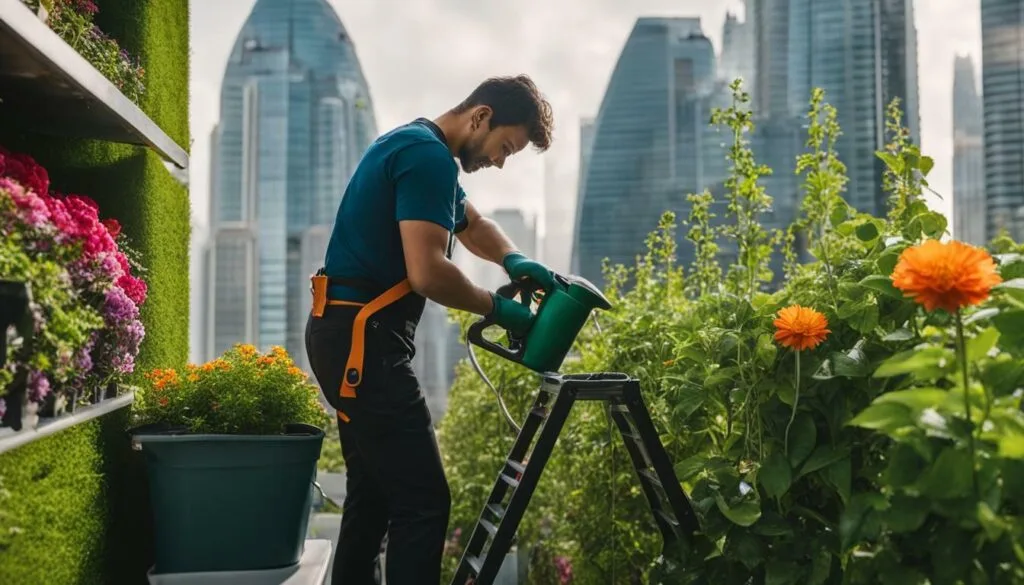
We like to bundle maintenance into a short “Garden Reset” once a week. It includes cleaning, pruning, checking irrigation, and quietly pulling anything that looks chronically sick or stressed.

Weekly Garden Reset checklist
- Rinse or wipe down the front of the wall or tower panels.
- Remove yellowing or heavily chewed leaves, do not compost on site.
- Check and clear any clogged emitters or drains.
- Top up or refresh nutrient solution if you are in a hydro tower.
- Log any pests spotted and what you did about them.
Over time, these notes tell you when pests usually arrive and which plants are constant trouble. You can then swap out chronic problem crops for easier ones, or simply be ready with netting or beneficials before the season hits.
Conclusion
Pest management for vertical edibles is really about designing a system that supports you, not fights you. If the structure is easy to inspect, the plants are well chosen, and your routines are simple, pests become manageable background noise instead of constant emergencies.
We focus on clean design, regular scouting, organic-first controls, and smart crop mixes so you can enjoy dense, productive walls of food without turning your home or balcony into a chemistry lab. Start with one or two of the habits in this guide, and you will feel the difference in how calm and predictable your vertical garden feels through each growing season.