
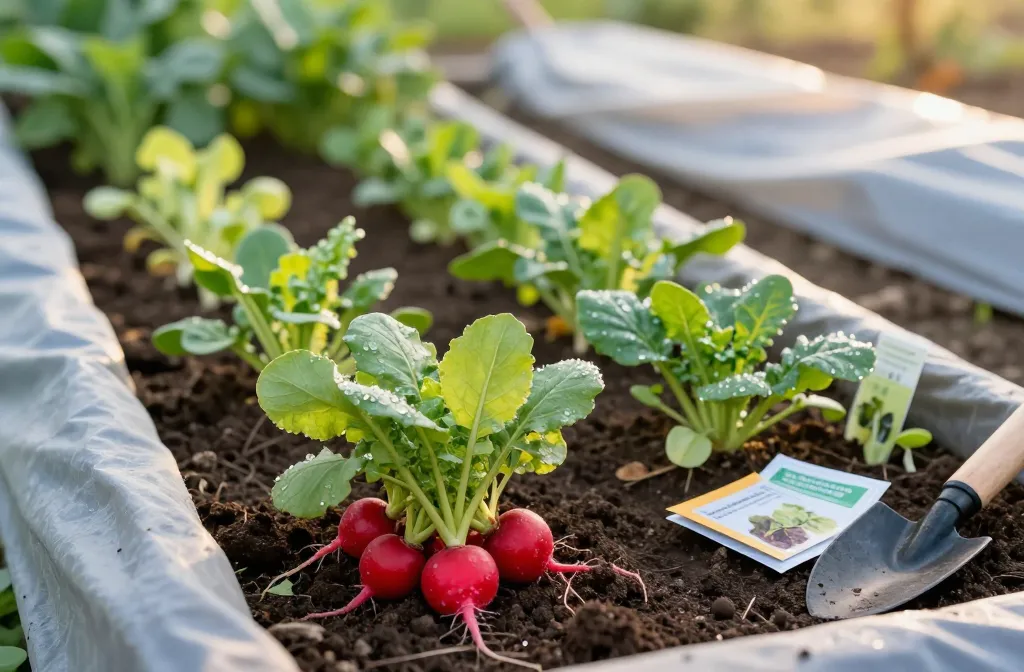
Your summer beds look tired, but your kitchen still wants fresh crunch. Good news: August is prime time to tuck in fast growers that ripen before frost. We’re talking real-deal, 30–60 day crops that laugh at cooling nights and keep salads, soups, and snacks rolling. Grab a trowel and a coffee—let’s stuff those gaps with flavor.
1. Rocket-Fast Radishes (And Their Sneaky Cousins)
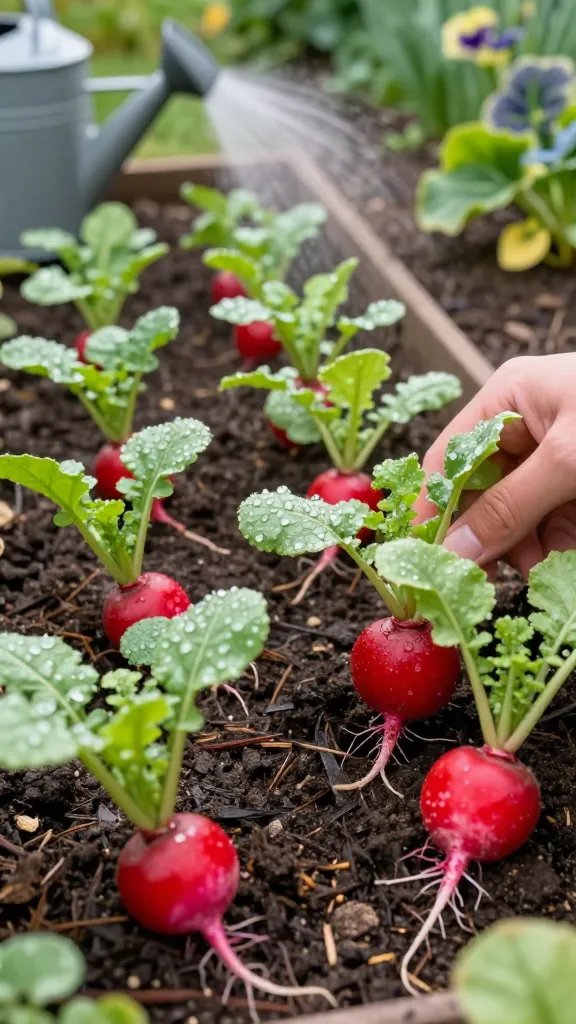
Radishes are the sprinters of the fall garden. Many varieties mature in 22–30 days, which means you can sow now and be crunching by next month. Plus, the greens taste peppery and delicious—two crops for the price of one.
Tips For Speed:
- Choose quick varieties: ‘Cherry Belle’, ‘French Breakfast’, or ‘Easter Egg’ mixes finish fast.
- Sow shallow and thick: 1/2 inch deep, 1 inch apart, rows 6–8 inches apart. Thin to a thumb’s width.
- Keep soil cool and moist: Water lightly every day in heat. Dry soil = woody radishes. No thanks.
- Shade hack: Drape light row cover or 30% shade cloth during hot afternoons to prevent bolting.
Want more zip? Plant daikon minis like ‘Miyashige’ or ‘Alpine’ for pickling and roasting, just start by early August in cooler zones. These add crisp texture to bowls and slaws right when you need it most.
Best for: Fast snacks, colorful salads, and kid-friendly harvests that keep everyone excited.
2. Baby Greens That Regrow On Repeat
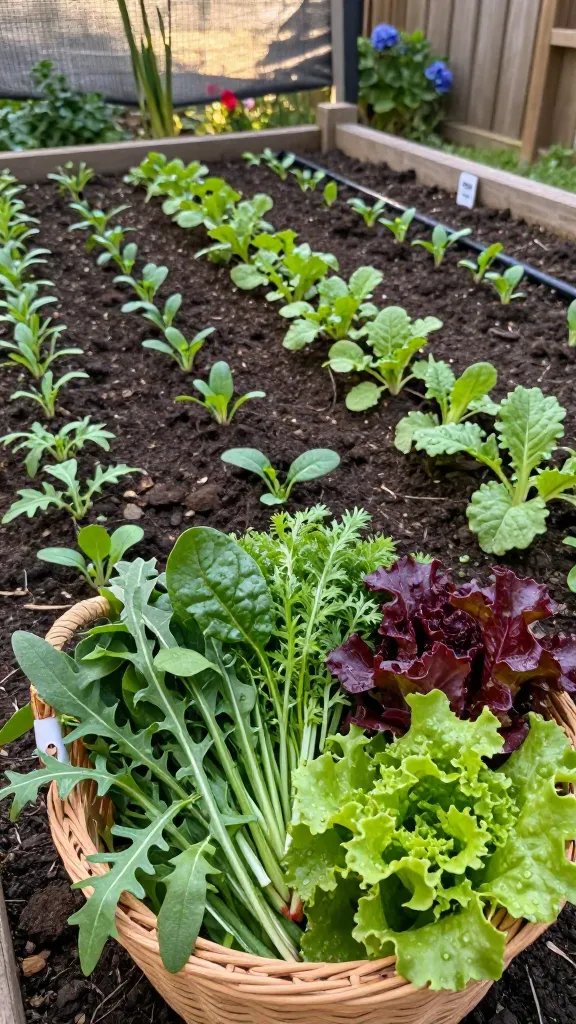
If you like winning, plant baby greens now. They germinate fast, you can cut them young, and they’ll regrow for multiple harvests before hard frost. Translation: endless salads and sauté pans running on autopilot.
Leafy All-Stars:
- Arugula: Spicy, ready in 20–30 days. Great under light shade in heat.
- Spinach: Prefers cooler nights—late August sowings thrive. Choose bolt-resistant types like ‘Space’ or ‘Corvair’.
- Mustards: ‘Mizuna’ and ‘Red Giant’ bring color and bite; cut in 21–35 days.
- Lettuces: Looseleaf and romaine baby cuts—‘Salad Bowl’, ‘Rouge d’Hiver’, or any cut-and-come-again mix.
Planting Game Plan:
- Prep shallowly: Rake a fine seed bed, scatter seed evenly, cover lightly (1/8–1/4 inch).
- Water properly: Gentle, frequent spritzes until sprouted. Then 1 inch of water weekly.
- Stagger sowings: Re-seed every 10–14 days for rolling harvests through fall.
- Cover smart: In chilly zones, add row cover in late September to extend the buffet.
These greens deliver quick vitamins with very little drama. IMO, they’re the easiest way to fill bare beds and empty lunchboxes fast.
3. Turnips And Their Gourmet Tops (Yes, Really)
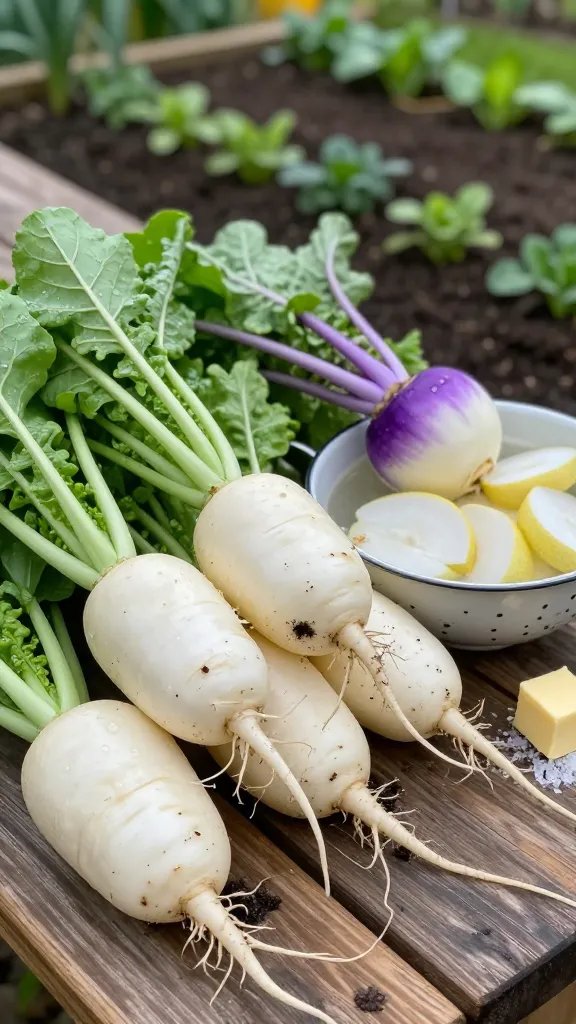
Turnips pull double duty: sweet roots and tender greens, both lightning-fast. The secret? Choose salad turnips that mature in about 35–45 days and taste like crunchy pears. You’ll roast them, snack on them raw, and suddenly become that person with great side dishes.
Varieties To Love:
- ‘Hakurei’ (salad turnip): Crisp, mild, and irresistible raw with butter and salt.
- ‘Tokyo Cross’: Uniform, sweet, and dependable in cooler weather.
- ‘Purple Top White Globe’: Slightly slower (50–60 days), better for fall stews.
How To Nail It:
- Sow direct: 1/2 inch deep, 1–2 inches apart; thin to 3–4 inches once true leaves appear.
- Feed lightly: A sprinkle of compost before sowing helps roots size up fast.
- Protect greens: Use row cover to block flea beetles—those tiny chompers love brassica leaves.
Use roots for roasting and salads, and sauté the greens with garlic and lemon. You’ll get vibrant dinners from a single row—seriously.
4. Speedy Pods And Shells: Bush Beans And Peas (Yes, August!)
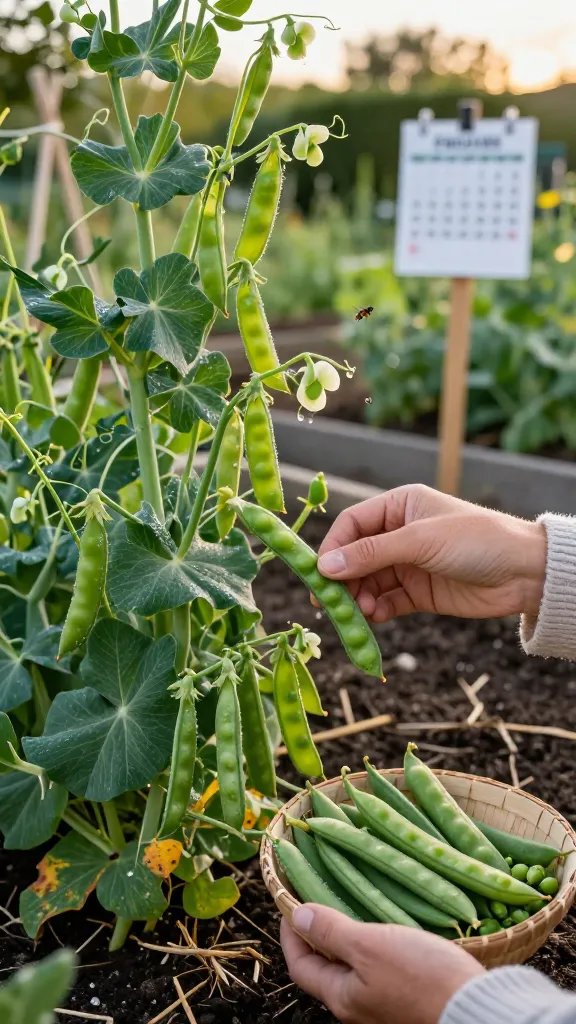
You can still sneak in a last round of beans and even peas, depending on frost dates. Bush beans often produce in 45–55 days, and some peas pop in 55–65 days with cooler nights. Plant now and you’ll be snapping and shelling by sweater weather.
Check Your Frost Clock:
- Count backward: Find your average first frost date and rewind the days to maturity + 10-day buffer.
- Zones 6–9: Bush beans still rock in early August. Zones 4–5? Aim for early August at the latest, or pivot to peas and greens.
Best Picks:
- Bush beans: ‘Provider’, ‘Contender’, ‘Blue Lake 274’—reliable and quick.
- Sugar snaps: ‘Sugar Ann’ or ‘Sugar Sprint’ finish faster than tall types.
- Shell peas: ‘Little Marvel’ stays compact and cold-tolerant.
Planting Cheat Sheet:
- Beans: Sow 1 inch deep, 3–4 inches apart. Warm soil helps—mulch after emergence.
- Peas: Soak seeds 4–6 hours, sow 1 inch deep, 2 inches apart. Give a short trellis.
- Water rhythm: Even moisture = more pods. Don’t let them dry out during flowering.
Beans and peas bring big yields from small spaces fast. Bonus: peas actually like the cooling nights, so they’ll keep you snacking well into fall.
5. Cool-Kid Roots And Herbs: Carrots, Beets, Cilantro, And Dill
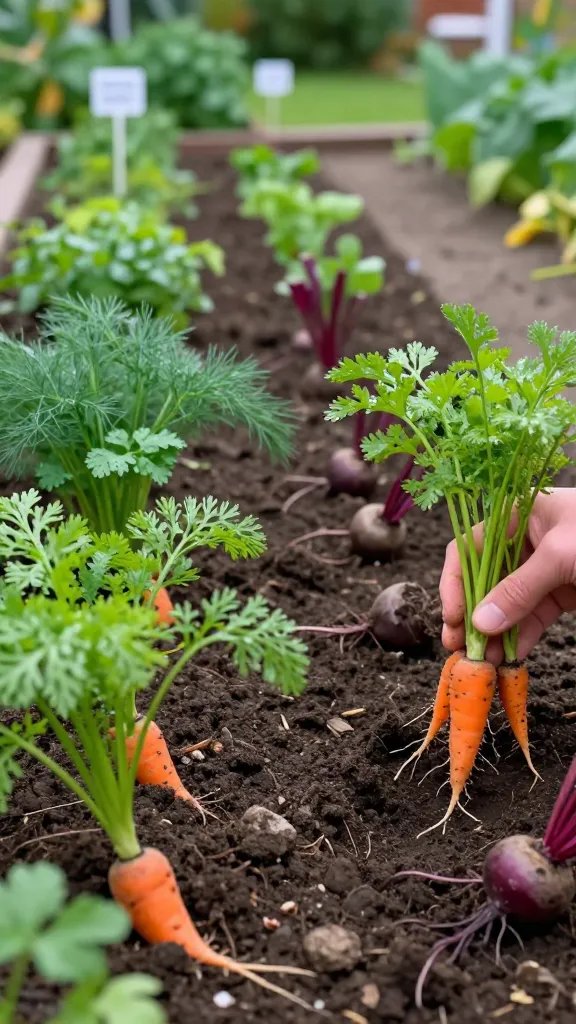
Some crops love the slide into fall. Carrots and beets sweeten as temperatures drop, and cilantro plus dill finally stop bolting like drama queens. Plant now, harvest baby-size soon, and let the rest ride into chilly weather.
Carrots And Beets For Quick Wins:
- Baby carrots: Choose ‘Adelaide’, ‘Yaya’, or Nantes types; pull at 40–50 days for snacking size.
- Beets: ‘Early Wonder’ and ‘Detroit Dark Red’ give baby roots in 40–50 days; greens in 25–30.
- Sowing: Carrots 1/4 inch deep in fine, rock-free soil; beets 1/2 inch deep and thin early.
- Moisture matters: Keep the top inch of soil consistently damp for carrot germination. Try a temporary board or burlap to hold moisture; remove at sprout.
Cilantro And Dill For Fresh Flavor:
- Cilantro: Sow thick, harvest baby leaves in 25–30 days; full bunches in 45. Cool nights = happier plants.
- Dill: Scatter-sow; snip fronds in 25–35 days. Great with roasted beets and carrots—chef’s kiss.
- Reseeding trick: Plant every 2 weeks to keep a steady supply until frost.
Protection And Extension:
- Mulch lightly: Holds moisture and keeps soil temps steady for even growth.
- Row cover or low tunnel: Add when nights dip below 40°F to stretch harvests by weeks.
- Frost sweetening: Leave some carrots and beets in the ground after first light frosts for extra flavor.
These crops gift you with herbs now and roots later. Plant a little extra—you’ll thank yourself when soup season hits.
Ready to turn August gaps into a fall feast? Succession planting keeps your garden productive and your menu exciting, even as days get shorter. Start small, sow often, and let the cool weather do half the work. You’ve got this—your future self (and your dinner guests) will be very impressed.