
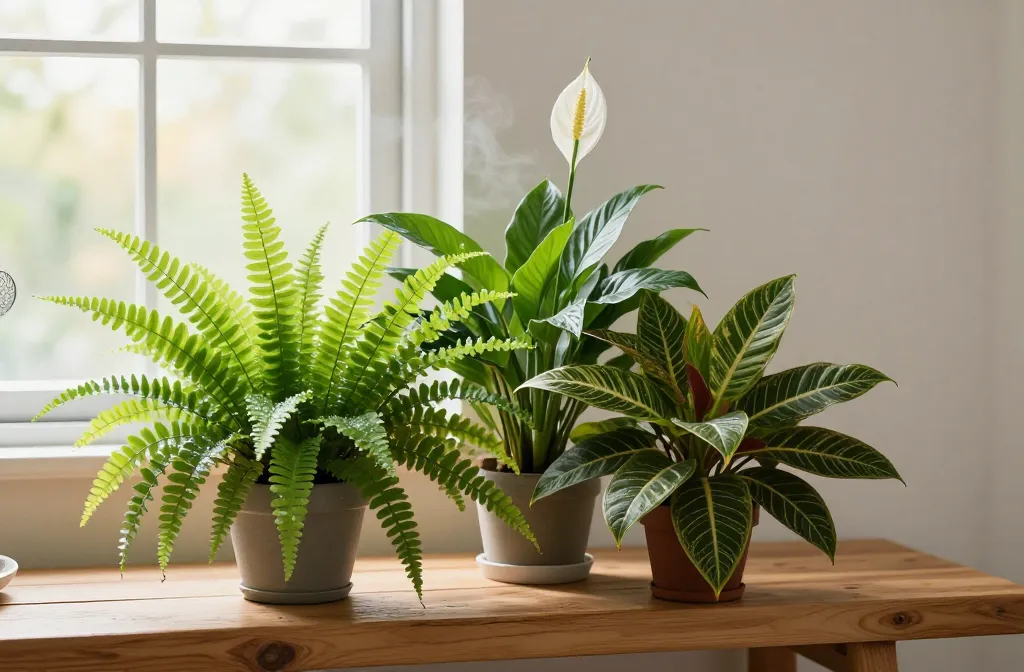
Your plants don’t just sit there looking cute—they can help manage humidity like tiny, leafy dehumidifiers. Pair the right companions and you’ll steady moisture, prevent mildew, and keep your garden thriving even when the weather gets weird. These combos work in beds, borders, and containers, so you can test-drive them without a backyard makeover. Ready to matchmake your plants and tame the damp?
1. Ferns + Peace Lily + Calathea: The Tropical Buffer Squad
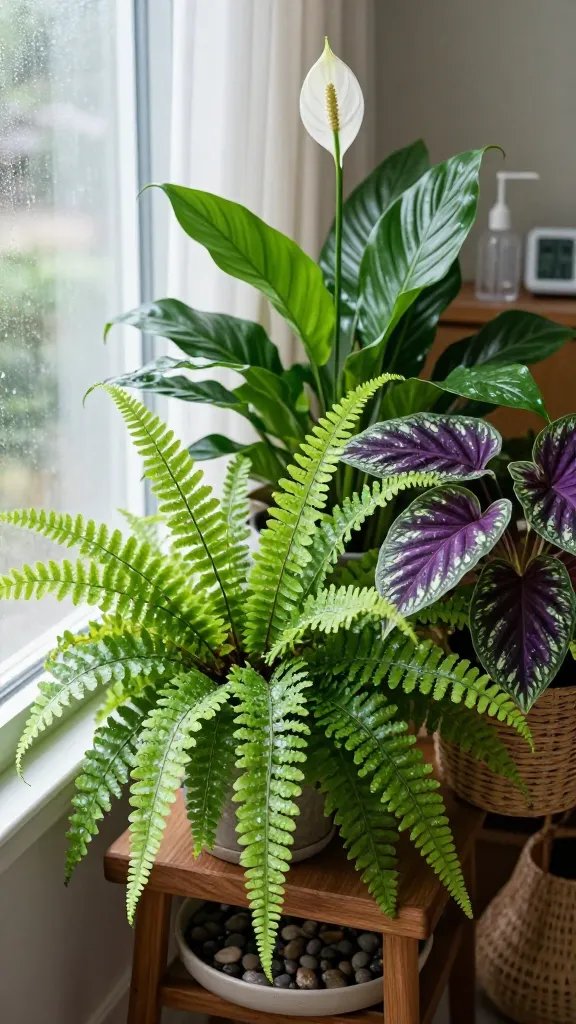
If your space stays muggy, lean into it with plants that thrive on moisture and help spread it evenly. This trio drinks humidity, releases gentle moisture through transpiration, and prevents those dry-to-soggy swings that stress plants and invite pests.
Why It Works
- Ferns (Boston, Maidenhair): Love consistent humidity and shade; their fronds trap and slow water loss.
- Peace Lily: Sips water steadily and signals when it’s thirsty—your living humidity meter.
- Calathea: High humidity diva that smooths out spikes, especially indoors.
Together they form a mini microclimate that keeps leaves lush without turning your room into a rainforest. Place them close, not crowded—airflow still matters.
Tips
- Use a pebble tray under the group for subtle humidity lift.
- Water on schedule, not vibes. Peace lily droop = time to water, FYI.
- Add a small fan on low to prevent stagnant air and fungus gnats.
Best for bathrooms, shaded patios, and north-facing windows where humidity tends to linger but needs balance.
2. Lavender + Rosemary + Thyme: The Dry-Air Dream Team
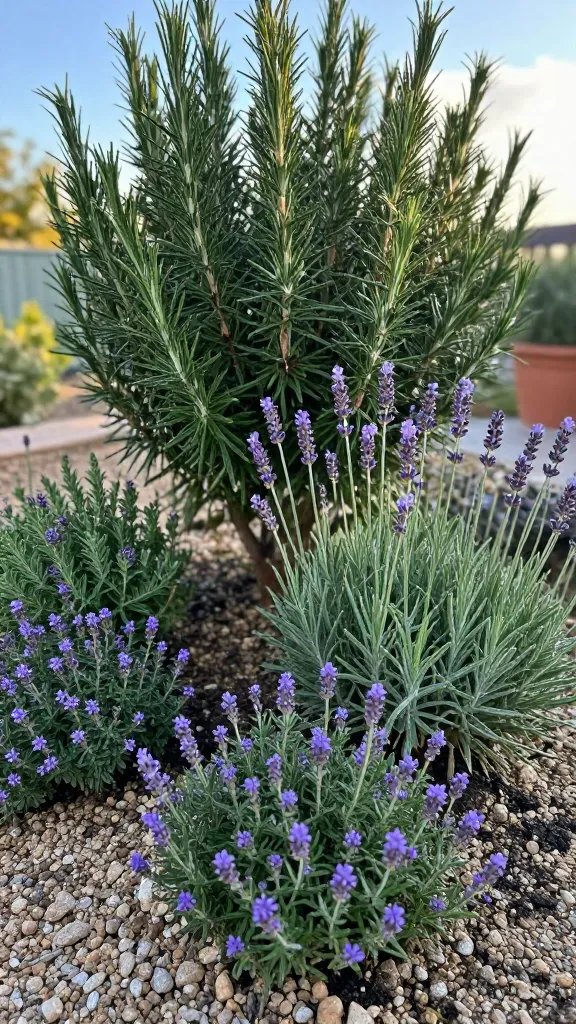
Got a spot that feels sticky after rain but bone-dry by noon? Mediterranean herbs handle quick shifts like champs. They prefer even, moderate moisture and improve airflow around the soil with fine, aromatic foliage.
Why It Works
- Lavender: Woody base and narrow leaves reduce water loss and discourage mildew.
- Rosemary: Deep roots help regulate moisture uptake and stabilize the bed.
- Thyme: A living mulch that keeps the soil surface evenly moist without trapping sogginess.
They don’t pump extra humidity into the air, and they hate wet feet—perfect for preventing that clammy, fungal mess after summer storms.
Planting Notes
- Use gritty, fast-draining soil and raised beds or mounded rows.
- Space generously—airflow is their bestie.
- Avoid overhead watering. Drip or soaker hose, always.
Great along sunny walkways, in window boxes, or as a border around thirstier plants to balance excess moisture nearby. Plus, hello, homegrown herbs.
3. Hostas + Astilbe + Lady’s Mantle: The Shade-Soaked Stabilizers
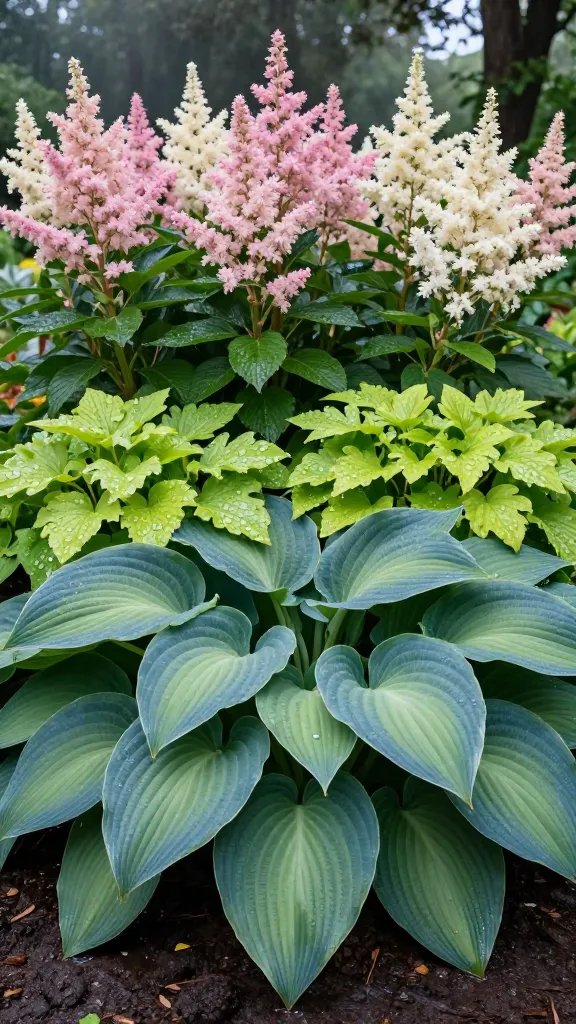
Shady zones can yo-yo between damp and damp-er. This trio spreads water evenly through lush foliage, slows evaporation, and prevents splash-back that spreads mildew. It’s the lush look without the swampy drama.
Why It Works
- Hostas: Large leaves shade soil, reducing water loss and keeping temperatures steady.
- Astilbe: Prefers consistent moisture and acts like a sponge during wet spells.
- Lady’s Mantle: Cup-shaped leaves catch dew and light rain, then release it slowly.
The mix buffers micro-humidity around the plants, which helps reduce powdery mildew pressure on nearby perennials. And it looks ridiculously elegant, IMO.
Care Cheats
- Mulch lightly—don’t smother crowns. Aim for 1–2 inches of shredded bark.
- Water deeply, less often, to avoid constant dampness.
- Snip off spent astilbe blooms to keep airflow high.
Ideal for the north side of the house, under trees with dappled light, or along fences where wind dries edges but shade holds moisture.
4. Tomatoes + Basil + Marigold: The Kitchen Garden Humidity Harmonizers
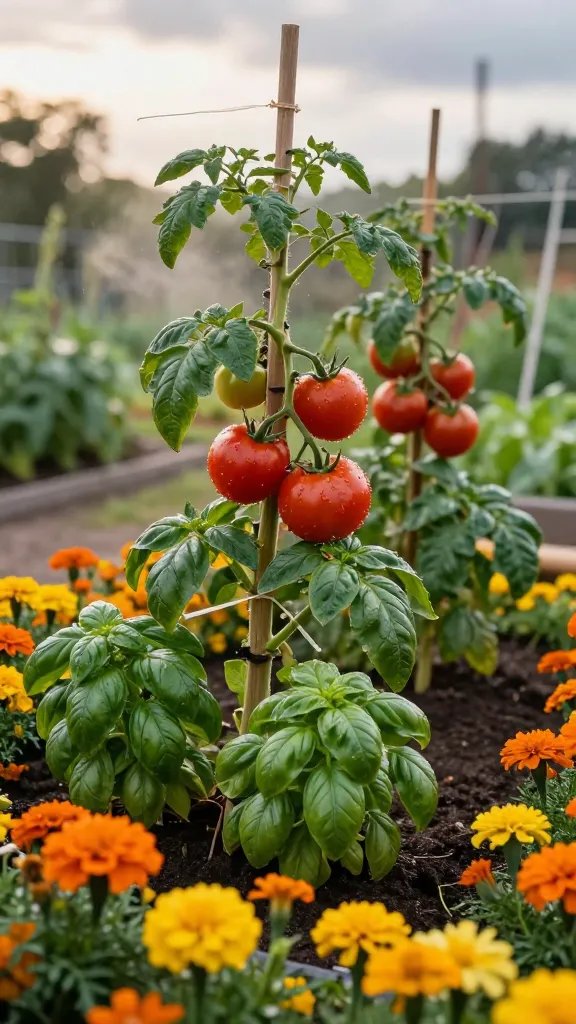
Veggie beds swing wildly—hot days, cool nights, surprise thunderstorms. This classic combo balances moisture around fruiting plants, reduces fungal splash, and encourages airflow while still keeping soil from drying out.
Why It Works
- Tomatoes: Love steady moisture; benefit from companions that wick away excess humidity around leaves.
- Basil: Dense but airy growth that moderates humidity; enjoys the same watering schedule.
- Marigold: Acts as a low, breathable mulch; reduces soil splash on leaves during rain.
These plants share similar water needs, so you won’t overwater one to keep another happy. They help prevent the muggy pocket around tomatoes that screams “invite blight.”
Setup Tips
- Stake or cage tomatoes early to boost airflow.
- Plant basil on the windward side to buffer humidity without smothering stems.
- Mulch with straw to keep soil evenly moist and cool.
Use in raised beds or large containers on patios. You’ll get better flavor and fewer fungal headaches—plus caprese on demand, seriously.
5. Snake Plant + ZZ Plant + Pothos: The Indoor Humidity Equalizers
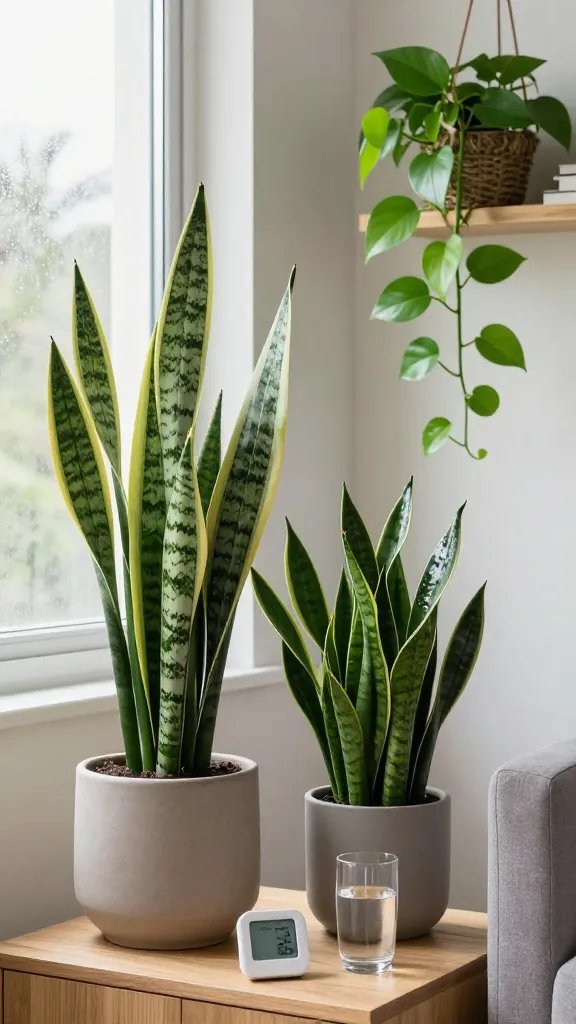
Indoor humidity swings every time you shower, cook, or crank the AC. This resilient trio smooths those shifts by moderating transpiration and tolerating occasional dryness without throwing a tantrum.
Why It Works
- Snake Plant: Thick leaves store water and release moisture slowly—think humidity cruise control.
- ZZ Plant: Handles dry air and uneven watering, which keeps the group stable.
- Pothos: Adds leafy surface area to buffer humidity around nearby plants and furniture.
The combination doesn’t spike humidity like mist-happy tropicals. Instead, it creates a steady, comfortable zone that helps nearby houseplants and humans chill.
Placement & Care
- Cluster near drafty doors or AC vents to soften dry blasts.
- Water sparingly—let the top inch or two of soil dry first.
- Wipe leaves monthly so pores stay clean and humidity transfer stays efficient.
Perfect for living rooms, bedrooms, and home offices. Low drama, high payoff, and they look good in literally every pot you own.
Ready to try these combos? Start small—one container or a corner of a bed—and watch how your space feels more balanced within a few weeks. Plants don’t just decorate; they engineer your microclimate. Pick a team that fits your vibe, and let them handle the humidity hustle for you.