Seasonal Fragrance Companion Plants: 16 Four-Season Scented Pairings Unleashed
Your garden can smell incredible all year without a single scented candle. The trick? Pair plants that tag-team each season, so something’s always blooming or releasing aroma. These five combos give you waves of scent from late winter through deep fall—and they look gorgeous together. Ready to turn your yard into a perfume bar, no diffuser required?
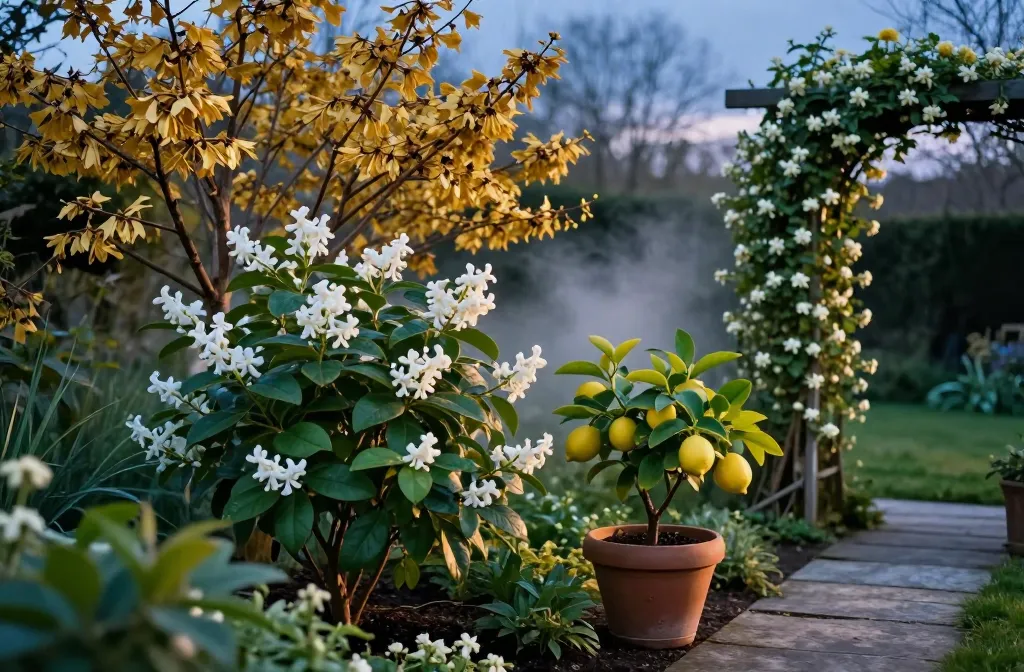
1. Citrus Glow-Up: Witch Hazel + Daphne + Citrus + Night Jasmine
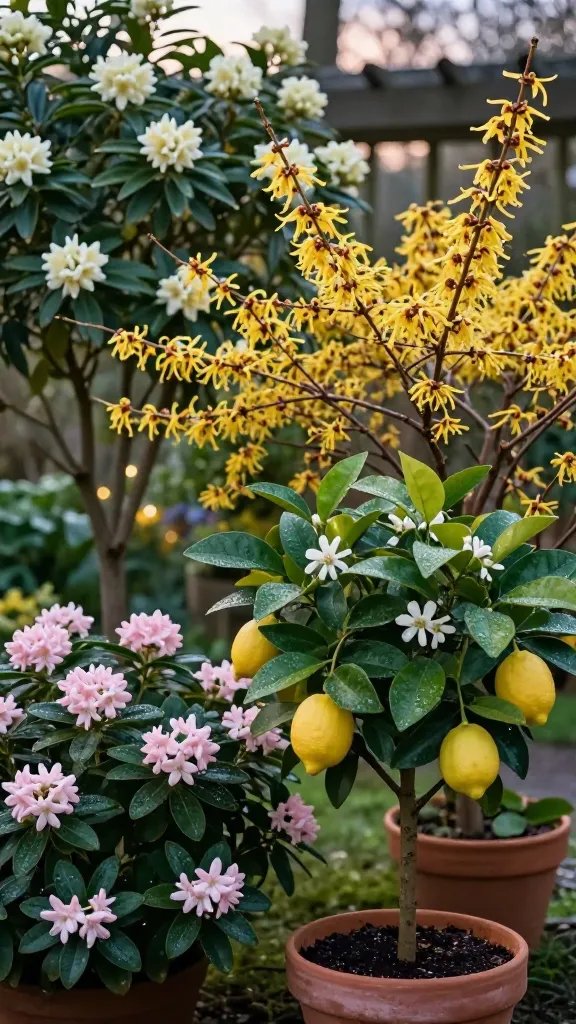
If you crave bright, zesty fragrance with a moonlight encore, this quartet delivers. It starts strong in late winter and ends with sultry summer nights. Bonus: the textures contrast beautifully—lacey citrus leaves meet crinkled witch hazel petals and glossy daphne foliage.
Who’s Who
- Late Winter: Witch Hazel (Hamamelis x intermedia) sparks honeyed spice.
- Early Spring: Daphne odora perfumes the air with sweet citrus-floral.
- Late Spring–Summer: Dwarf Citrus (Meyer lemon, calamondin) brings lemon-blossom bliss.
- Summer Nights: Night-Blooming Jasmine (Cestrum nocturnum) sends heady fragrance after dusk.
Plant witch hazel as your anchor—tall and architectural. Tuck daphne at knee height where drainage stays sharp. Add a patio-friendly citrus in a pot for mobile sunshine. Then weave night-blooming jasmine near a walkway or seating area to catch the evening breeze.
Tips
- Soil: Sharp drainage for daphne, evenly moist for witch hazel, rich potting mix for citrus.
- Light: Full sun for citrus, partial shade for daphne, sun to part shade for witch hazel, bright sun for jasmine.
- Pruning: Lightly shape citrus after fruiting; avoid heavy cuts on daphne.
- Zones: Great in zones 7–10; in cooler zones, grow citrus and jasmine in containers.
Use this combo near doors and decks where you’ll inhale it constantly. FYI, if you love that spa-clean citrus vibe with a sultry twist, this one wins.
2. Woodland Perfume Path: Sweet Box + Lily Of The Valley + Mock Orange + Hosta
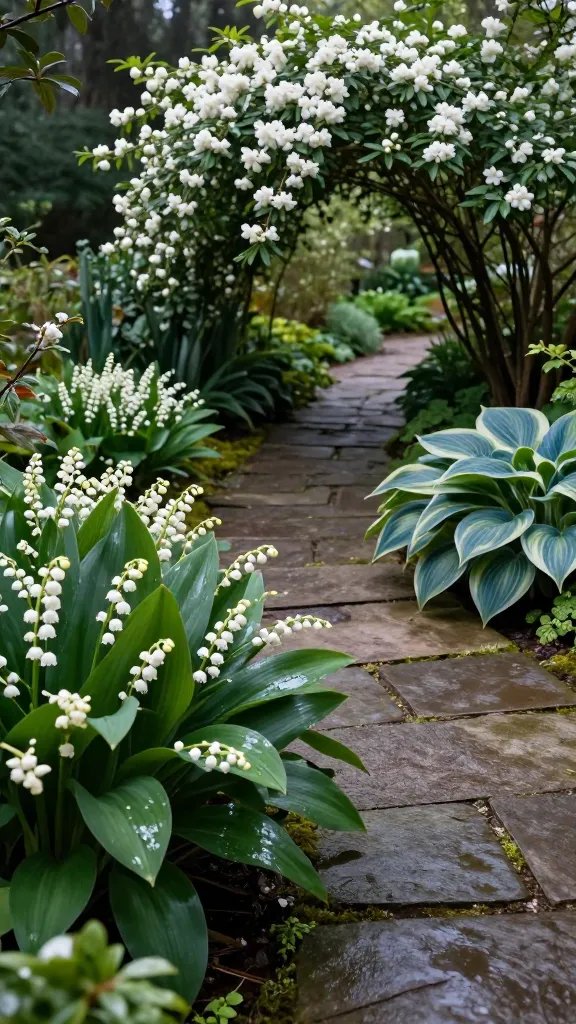
Shady spots deserve great scent too. This mix turns a dim side yard into a perfumed walkway, with glossy foliage that looks premium even when nothing flowers. It rolls from winter sweetness into spring bells, then finishes with orange-blossom echoes.
Who’s Who
- Late Winter: Sweet Box (Sarcococca confusa) releases vanilla-honey fragrance on cold days.
- Spring: Lily of the Valley (Convallaria majalis) brings nostalgic, sparkling perfume.
- Late Spring–Early Summer: Mock Orange (Philadelphus coronarius) smells like citrus blossoms, but tougher.
- Season-Long Texture: Hosta varieties add lush foliage and mild bloom fragrance in summer.
Line a shaded path with sweet box to catch the late-winter air. Dot lily-of-the-valley in contained pockets (it spreads—respectfully rambunctious). Give mock orange a bit more light at the edge of the shade for best flowering. Hostas fill gaps with bold leaves that make everything look put together.
Tips
- Containment: Use edging for lily-of-the-valley to prevent takeover.
- Light: Dappled shade suits all, though mock orange loves a half-day of sun.
- Pruning: Prune mock orange right after bloom; remove old canes to encourage new growth.
- Zones: 4–8 friendly, aka cold-climate approved.
Perfect for cottage-style borders or narrow side yards. You get fragrance when you least expect it, which feels magical, IMO.
3. Mediterranean Breeze: Rosemary + Lavender + Heliotrope + Scented Geraniums
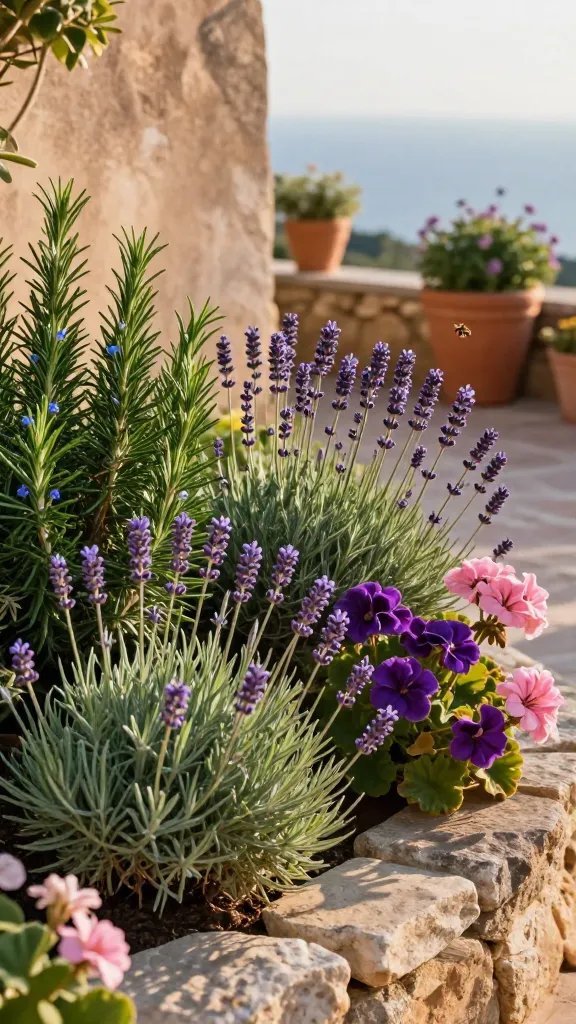
Love that sun-baked, herbal-meets-floral vibe? This powerhouse team thrives in heat and gives continuous scent from spring to frost. Textures pop: needle-like rosemary, billowy lavender, velvety heliotrope, and ruffled geraniums.
Who’s Who
- Early Spring–Fall: Rosemary (Rosmarinus officinalis) aromatic year-round in mild zones.
- Late Spring–Summer: Lavender (Lavandula angustifolia or L. x intermedia) equals classic calm.
- All Summer: Heliotrope (Heliotropium arborescens) adds rich, vanilla-cherry notes.
- Spring–Frost: Scented Geraniums (Pelargonium spp.) bring rose, lemon, mint, or nutmeg scents.
Plant lavender and rosemary as the structural bones. Tuck heliotrope and scented geraniums as seasonal accents in front. Brush past anything and your hands will smell incredible—free aromatherapy.
Tips
- Soil: Lean, fast-draining. Add grit; avoid overwatering.
- Light: Full sun, minimum 6 hours.
- Maintenance: Shear lavender lightly after bloom; pinch geraniums for bushy growth.
- Zones: Lavender hardy 5–9; rosemary varies by cultivar; heliotrope and scented geraniums as annuals in cold zones.
Great for front-of-border planting and container groupings on hot patios. Seriously, one breeze and you’ll feel like you’re on vacation.
Bonus Uses
- Culinary: Rosemary and lavender (sparingly) elevate roasts and desserts.
- Crafting: Dry lavender for sachets; press scented geranium leaves for decor.
This combo shines where sun rules—south-facing beds and terrace edges.
4. Pollinator Perfume Parade: Winter Heather + Hyacinths + Sweet Alyssum + Garden Phlox
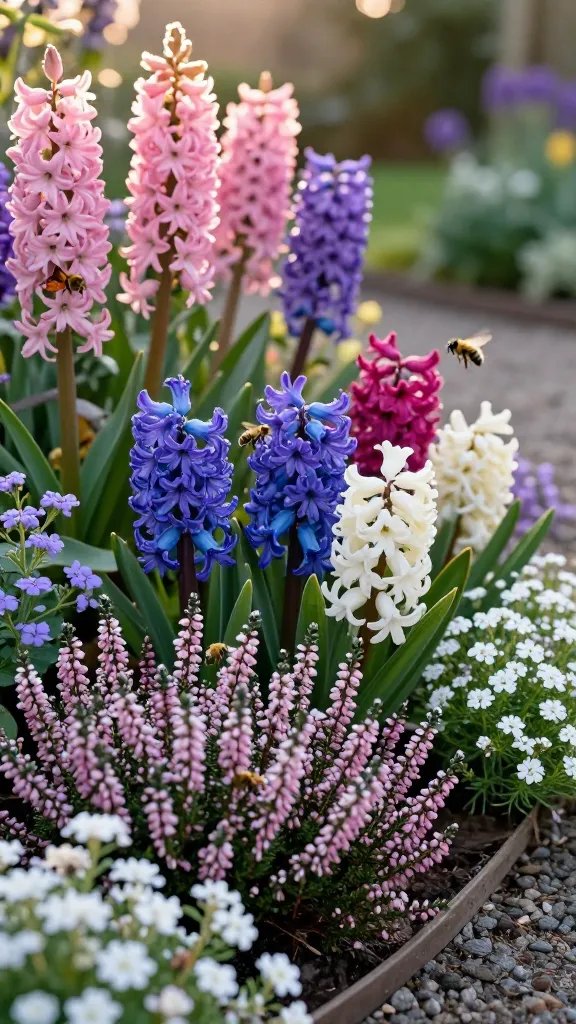
Want fragrance and pollinator action nonstop? This four-season relay feeds bees early, perfumes your spring, sweetens summer edges, and finishes with a bold floral finale. Plus, the color show just keeps going.
Who’s Who
- Late Winter–Early Spring: Winter Heather (Erica carnea) offers nectar and a light honey scent.
- Spring: Hyacinths (Hyacinthus orientalis) deliver intense, jewel-toned fragrance.
- Spring–Fall: Sweet Alyssum (Lobularia maritima) smells like warm honey and blankets edges.
- Mid–Late Summer: Garden Phlox (Phlox paniculata) gives tall, clove-sweet perfume.
Plant heather in drifts for a winter pick-me-up. Tuck hyacinth bulbs between clumps for spring pop. Edge with alyssum that reseeds politely. Finish with vertical phlox for height and late-season scent that butterflies adore.
Tips
- Soil: Heather likes acidic, well-drained soil; keep hyacinths and phlox in fertile, evenly moist beds.
- Light: Full sun to light shade; more sun equals more blooms.
- Airflow: Give phlox space to reduce mildew; choose resistant cultivars like ‘Jeana’ or ‘David’.
- Zones: Works broadly in 4–9 with minor tweaks.
Use along driveways, mailbox beds, or paths where you’ll pass daily. It’s a crowd-pleaser for humans and pollinators—win-win.
Color Pairing Ideas
- Soft Scheme: Blush hyacinths, white alyssum, pale pink phlox.
- Bold Scheme: Purple hyacinths, deep magenta phlox, white alyssum for contrast.
For maximum fragrance, position alyssum near heat-reflective surfaces—patios and stone paths amplify scent.
5. Evening Courtyard Elegance: Daphne Eternal Fragrance + Star Jasmine + Tea Olive + Gardenia
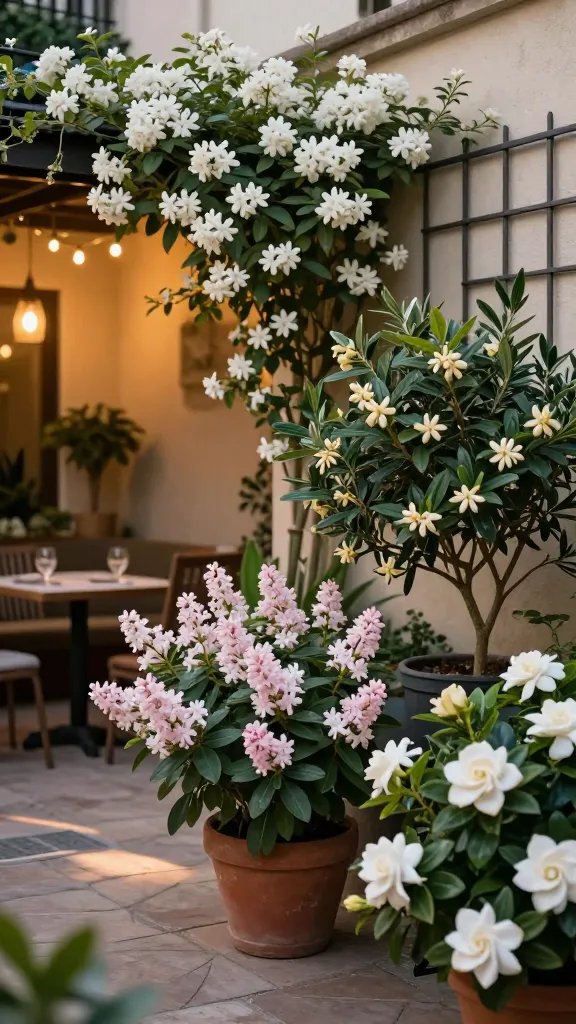
Go luxe with creamy, romantic scents built for patios and courtyards. This is your cocktail-hour garden with night-friendly fragrance and glossy evergreen structure. The vibe says “I host effortlessly,” even if you’re in sweatpants.
Who’s Who
- Early Spring: Daphne ‘Eternal Fragrance’ (Daphne x transatlantica) reblooms in pulses from spring to fall with a citrus-floral note.
- Late Spring–Summer: Star Jasmine (Trachelospermum jasminoides) provides intoxicating jasmine fragrance on a trellis.
- Spring–Fall: Tea Olive (Osmanthus fragrans) releases apricot-jam sweetness in waves.
- Summer: Gardenia (Gardenia jasminoides) finishes with rich, creamy perfume and deep green shine.
Use tea olive as the tall backdrop or a clipped small tree. Train star jasmine up a screen for privacy and scent curtains. Place daphne and gardenia where airflow is good and soil drains well—container culture works if your soil misbehaves.
Tips
- Soil: Slightly acidic, well-drained. Add bark fines to containers for airiness.
- Light: Bright light with afternoon shade in hot climates to prevent scorch.
- Water: Keep evenly moist but never soggy; mulch to stabilize moisture.
- Zones: Best in 7–10; grow gardenias and daphnes in pots in cooler zones and overwinter indoors.
This is the set for entryways and patios where you linger in the evening. Trust me, guests will ask what candle you’re burning. Spoiler: none.
Container Recipe
- Tall Thriller: Tea olive standard in a large pot.
- Climber: Star jasmine on an obelisk.
- Fillers: Gardenia dwarf varieties like ‘Radicans’ or ‘Frostproof’.
- Edge: Daphne near the rim for nose-level fragrance.
Rotate containers near doors when each star performer peaks, so you always catch the best scent show.
Seasonal Care Calendar (Quick Hit)
- Late Winter: Feed evergreens lightly; check drainage.
- Spring: Apply slow-release acidic fertilizer; prune spring-bloomers after flowering.
- Summer: Deep water in heat waves; deadhead where needed.
- Fall: Mulch to protect roots; reduce feeding as growth slows.
These courtyardscape plants love consistent care but repay you with ridiculous fragrance from March to October.
General Scent-Garden Pro Tips
- Layer bloom times: Pick at least one plant per season to keep the fragrance baton moving.
- Place by paths and windows: Scent needs traffic—don’t bury perfume in the back forty.
- Mind the microclimate: Heat-reflective walls intensify aromas; wind corridors dilute them.
- Scale matters: Big scents + small spaces can overwhelm. Edit if you get “perfume fatigue.”
- Water wisely: Overwatering is the fastest way to kill daphne and gardenia. Let the top inch dry.
All five combos play nicely with containers, raised beds, or in-ground borders. Mix and match by zone and light, and you’ll have fragrance 365 days if you plan it right.
Ready to upgrade your yard from “looks nice” to “smells unreal”? Pick your favorite combo, start with two plants now, and add the others as the seasons roll. You’ll build a scent-sational garden that keeps surprising you—no fancy gadgets required.