Vegan Garden Companion Planting: 15 Plant-Based Living Combinations Unleashed
Ready to turn your backyard into a plant-powered dream team? Companion planting pairs crops that help each other thrive—more flavor, fewer pests, healthier soil. No animal inputs required, just smart plant friendships. Grab your trowel, because these combos deliver serious harvest vibes.
1. Tomatoes + Basil + Marigold: The Flavor-Boosting Pest Patrol
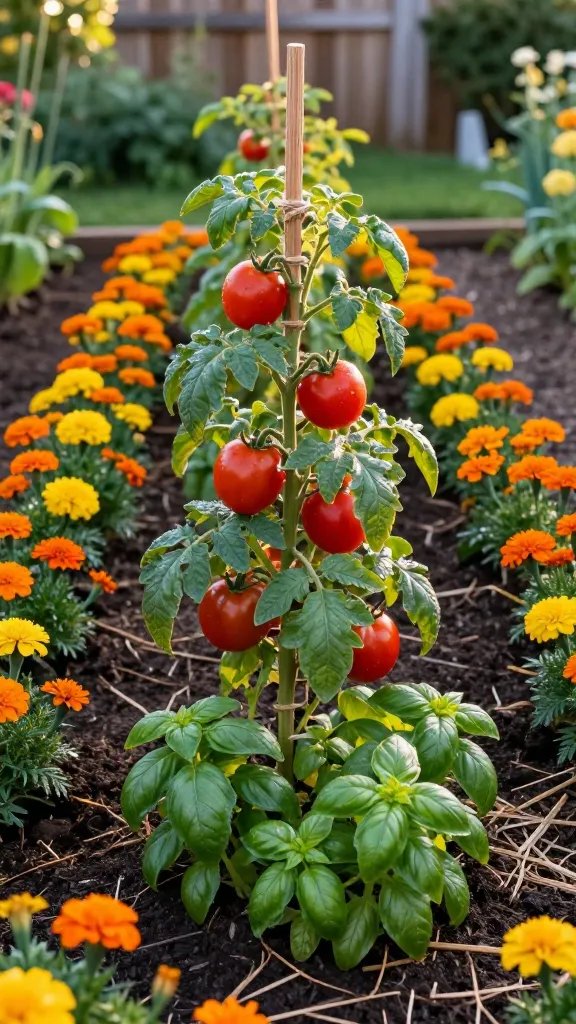
This trio deserves its own fan club. Basil boosts tomato flavor and growth, while marigolds deter nematodes and nuisance bugs. Together, they create a small ecosystem that smells amazing and works hard for you.
How To Plant It
- Space tomatoes 24–30 inches apart with strong stakes or cages.
- Slot basil between tomatoes at 12–18 inches; pinch basil regularly to prevent bolting.
- Ring beds with marigolds every 12 inches for a living “bug fence.”
Water deep and steady for tomatoes, then mulch with shredded leaves or straw to lock in moisture. FYI, basil likes consistent moisture but hates soggy roots.
Why It Works
- Scent masking: Basil and marigold aromas confuse tomato hornworms and whiteflies.
- Ground cover: Basil shades soil, keeping it cooler and richer.
- Pollinator magnet: Marigold blooms bring beneficial insects that snack on pests.
Use this combo when you want rich tomato flavor and low-stress pest control. It’s basically garden autopilot with extra pesto.
2. Corn + Beans + Squash: The Vegan “Three Sisters” Power Guild
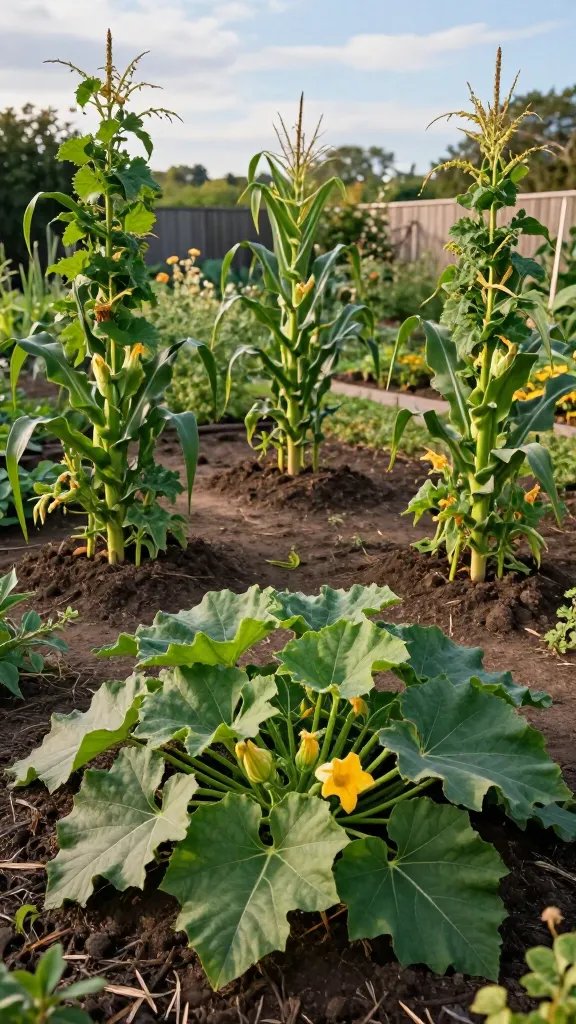
This Indigenous-grown classic nails structure, nutrition, and weed control in one clever stack. Corn gives beans a trellis, beans fix nitrogen for everyone, and squash smothers weeds with big leaves. It’s teamwork that tastes like summer.
Planting Blueprint
- Form mounds 3–4 feet apart; plant 4 corn seeds per mound in a square.
- When corn reaches 6–8 inches, plant 4–6 pole bean seeds around each mound.
- Add 2–3 squash seeds on the mound’s outer edge to trail outward.
Choose pole beans (not bush) and a vining squash like ‘Waltham’ butternut or a summer squash. Keep watering consistent in early growth, then reduce once vines cover soil.
Pro Tips
- Wind matters: Corn needs a block (not a single row) for good pollination.
- Spacing sanity: Give squash lanes to sprawl so you can still harvest beans.
- Mulch smart: Add compost under corn before planting; beans will handle midseason fertility.
Use this when you want big yields in a small area with minimal weeding. It’s the original plant-based low-maintenance hack, IMO.
3. Carrots + Onions + Lettuce: The Small-Space, Big-Harvest Symphony
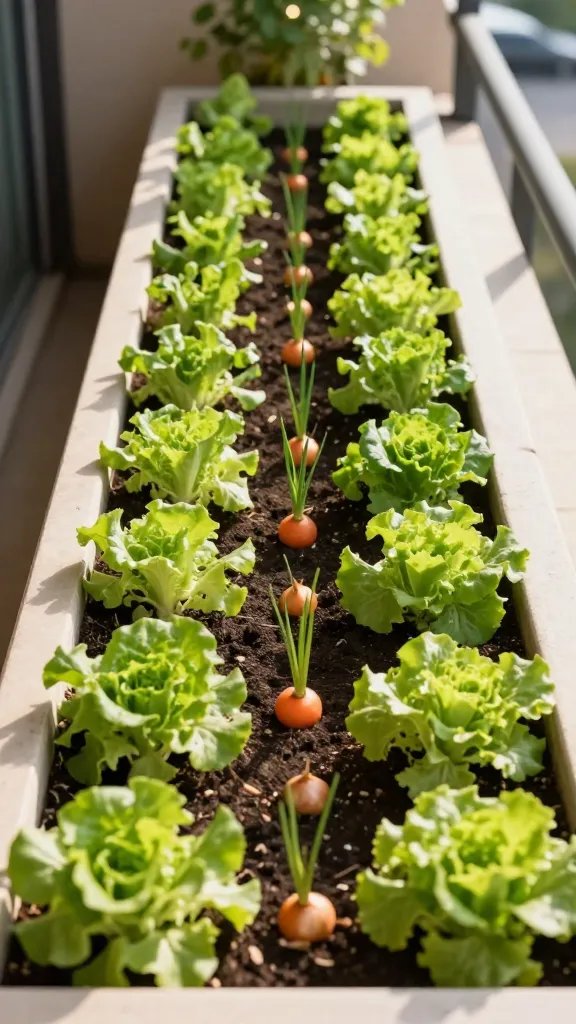
If you garden in containers or narrow beds, this combo slaps. Carrots go deep, onions repel carrot flies, and lettuce shades soil to keep carrots cool. You get crisp salads and sweet roots without drama.
Layout And Timing
- Sow carrots in a 6–8 inch band; thin to 1 inch apart once sprouted.
- Interplant onion sets or scallions every 6 inches between carrot rows.
- Tuck lettuce seedlings on the sunniest edge every 8–10 inches.
Succession plant lettuce every 2–3 weeks for a steady cut-and-come-again harvest. Water consistently—carrots fork when soil swings between bone-dry and swampy.
Key Benefits
- Pest deterrence: Onion aroma helps confuse carrot root fly.
- Microclimate magic: Lettuce keeps soil temperatures stable and reduces evaporation.
- Space efficiency: Shallow lettuce roots don’t fight carrots for nutrients.
Use this combo when you want neat rows, zero wasted space, and produce that tastes like you tried way harder than you did. Seriously.
4. Cucumbers + Dill + Nasturtium: The Crunchy, Cool, And Pollinator-Friendly Crew
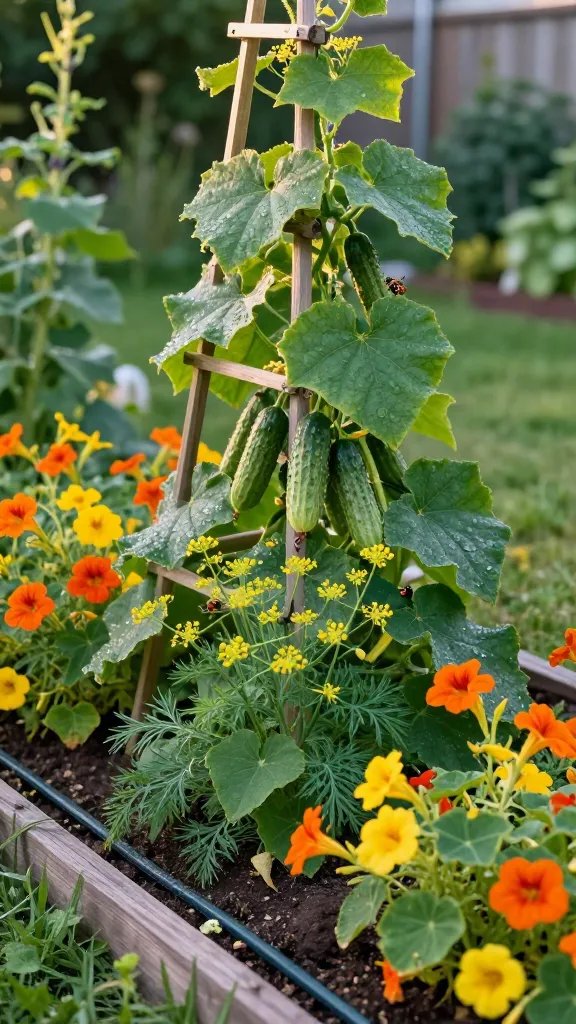
Cucumbers love friends that attract pollinators and guard against pests. Dill lures beneficials like lacewings and parasitic wasps, and nasturtium acts as a tasty decoy for aphids. Bonus: dill and cukes are a flavor match made in pickling heaven.
How To Arrange It
- Trellis cucumbers vertically to save space and boost airflow.
- Plant dill clusters 12–18 inches away so it doesn’t overshadow young vines.
- Edge beds with trailing nasturtium to act as a living moat.
Keep the soil evenly moist with a generous mulch layer. Bitter cucumbers often come from stress, so treat them like the divas they are.
What To Watch
- Timing: Sow dill after cucumbers settle in, or start dill in a separate pot and move nearby.
- Harvest: Snip dill fronds often to delay flowering; let a few umbels bloom to feed beneficials.
- Aphid bait: If nasturtiums get swarmed, hose them off or prune heavily to reset.
Use this trio when your garden needs pollinator traffic and you crave crunchy cucumbers with fresh dill on standby. Also, nasturtiums on toast? Chef’s kiss.
5. Brassicas + Aromatics + Dynamic Accumulators: The Ultimate Vegan Defense Line
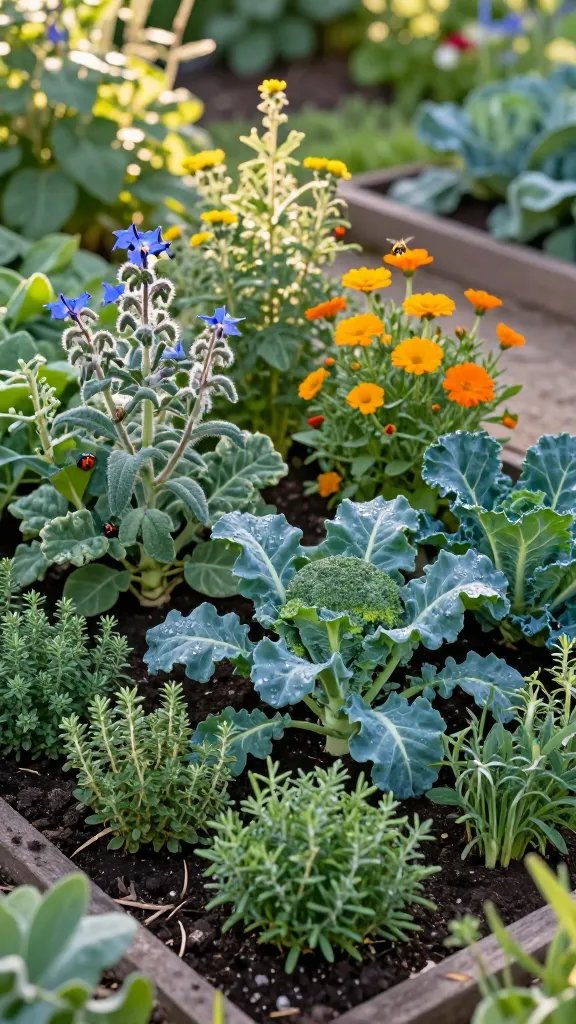
Broccoli, kale, and cabbage attract pests like flea beetles and cabbage moths. Surround them with aromatic allies—think thyme, sage, and rosemary—and add dynamic accumulators like borage and calendula to boost soil and pollinator action. You get sturdier greens and fewer holes in your leaves.
Build The Guild
- Plant brassicas 18–24 inches apart with strong compost-rich soil.
- Dot thyme or creeping savory along the front edge for low, fragrant pest confusion.
- Stagger borage and calendula every 2–3 feet to attract predator insects and draw up minerals.
Water at soil level and avoid wetting brassica leaves in the evening. Mulch with chopped leaves to keep soil cool and wrigglers happy.
Extra Credit
- Netting: Use insect mesh early if cabbage moth pressure runs high. Aromatics help, but nets win.
- Chop-and-drop: When borage flops, chop it around plants as a leafy mulch rich in potassium and calcium.
- Rotation: Move brassicas yearly to dodge soil-borne issues and keep nutrients balanced.
Use this defensive lineup when you want lush, tender greens without playing whack-a-moth. It’s low-key fierce and totally plant-powered.
That’s your starter pack for vegan companion planting that actually works. Mix these combos across your beds, and you’ll build a resilient, delicious garden faster than you can say “more pesto, please.” Now get outside, plant some friends, and prepare to flex on your future harvest photos—trust me, your garden is about to glow up.