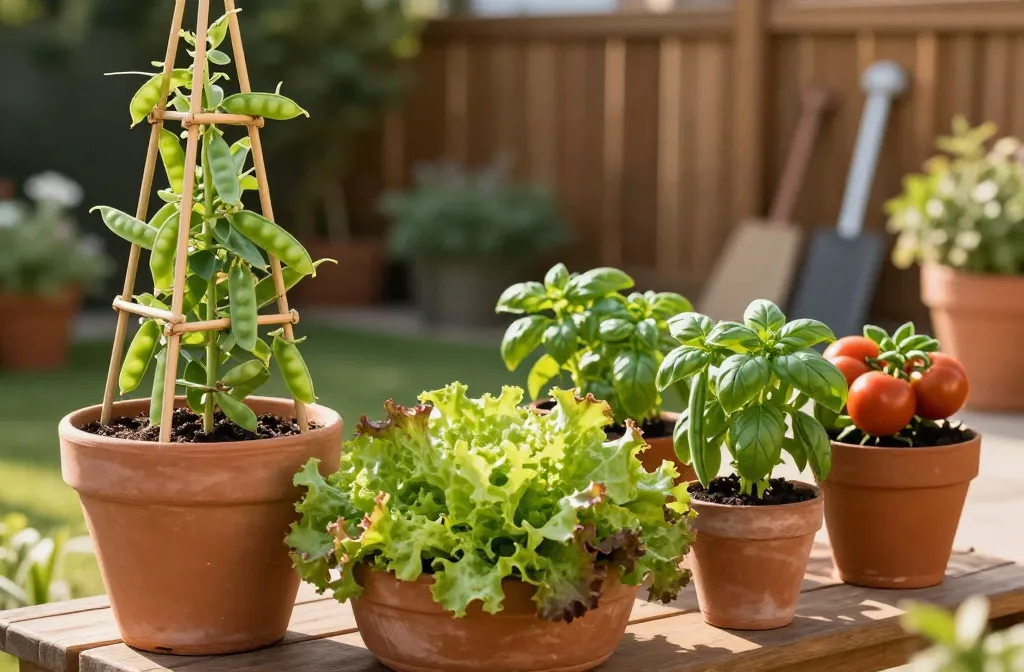
Container garden looking a little meh? Let’s fix that by recruiting plants that literally feed their neighbors. These nitrogen-fixing combos keep your potted veggies thriving without constant fertilizer micromanagement. Ready to grow lush greens, juicy tomatoes, and happy herbs with less effort? Let’s pair like pros.
1. Peas + Lettuce: The Crisp-and-Sweet Power Duo
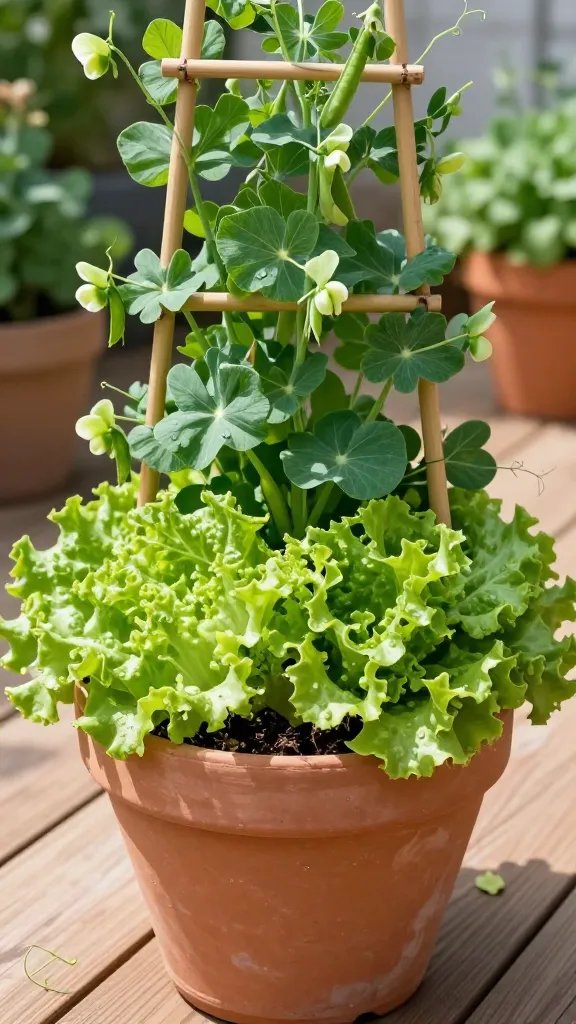
Peas pull nitrogen from the air and stash it in nodules on their roots. Lettuce slurps up that gentle nutrient trickle and rewards you with soft, tender leaves. Together they create a cool-season dream team in one roomy container.
Why It Works
- Nitrogen boost: Peas enrich the soil as they grow, feeding lettuce steadily.
- Shade assist: Pea vines on a small trellis cast dappled shade that keeps lettuce from bolting too fast.
- Space efficiency: Vining peas grow up; lettuce fills the base—no turf war.
Container Tips
- Pot size: 12–14 inches wide, at least 12 inches deep.
- Support: Add a compact trellis or bamboo teepee for peas.
- Planting layout: Trellis at the back; 2–3 pea plants; ring of 4–6 lettuce starts at the front.
- Watering: Keep evenly moist; peas hate soggy feet, lettuce hates drought. Aim for consistent, moderate watering.
Harvest peas regularly to encourage more pods, and cut lettuce as a “cut-and-come-again.” You’ll get salad bowls for weeks with minimal fertilizer—seriously.
2. Bush Beans + Tomatoes: Classic Sauce-Pot Synergy
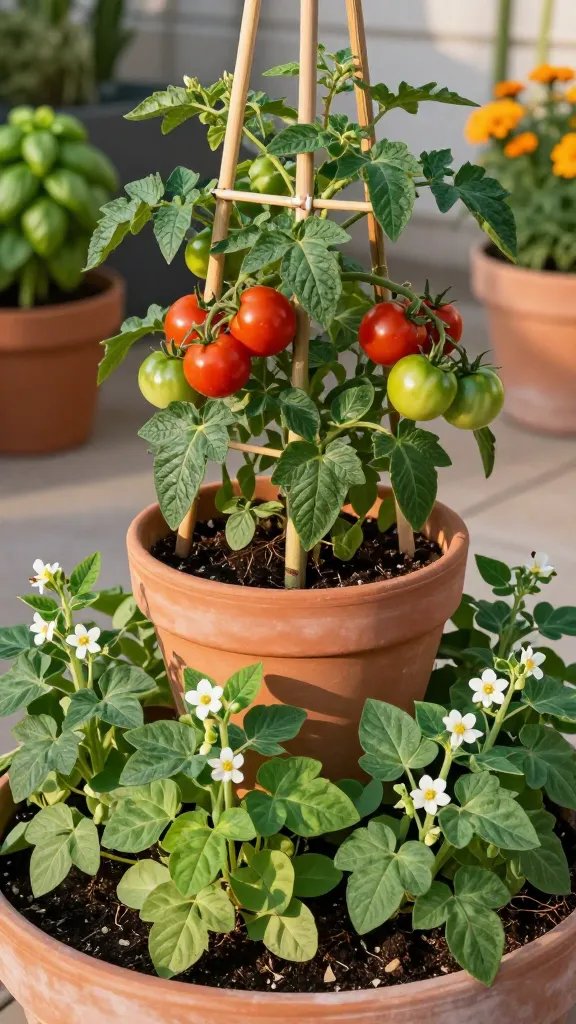
Tomatoes devour nitrogen during growth spurts. Bush beans quietly add some back while minding their own business. This pairing keeps your tomato from turning hangry while also packing your patio with summer vibes.
Why It Works
- Gentle enrichment: Beans won’t replace all tomato feeding, but they soften the nutrient swings.
- Root zoning: Tomatoes anchor deep; bush beans hover shallower, so they share without drama.
- Pest balance: The mixed scents and foliage confuse pests a bit. Not magic, but it helps.
Container Tips
- Pot size: 18–20 inches wide, 16+ inches deep for a determinate tomato.
- Varieties: Choose a compact determinate tomato and a true bush bean (not pole) like ‘Provider’ or ‘Mascotte’.
- Planting layout: Tomato in the center; 3–4 bush beans spaced around the edge.
- Feeding: Use a balanced organic fertilizer early, then switch to tomato-focused (lower nitrogen) once fruiting starts. The beans handle extra side-quests.
Great for balconies craving a one-pot pasta garden. You’ll get tomatoes with better foliage color and beans for quick sautés. Win-win, IMO.
3. Fava Beans + Kale: The Cool-Weather Muscle Pair
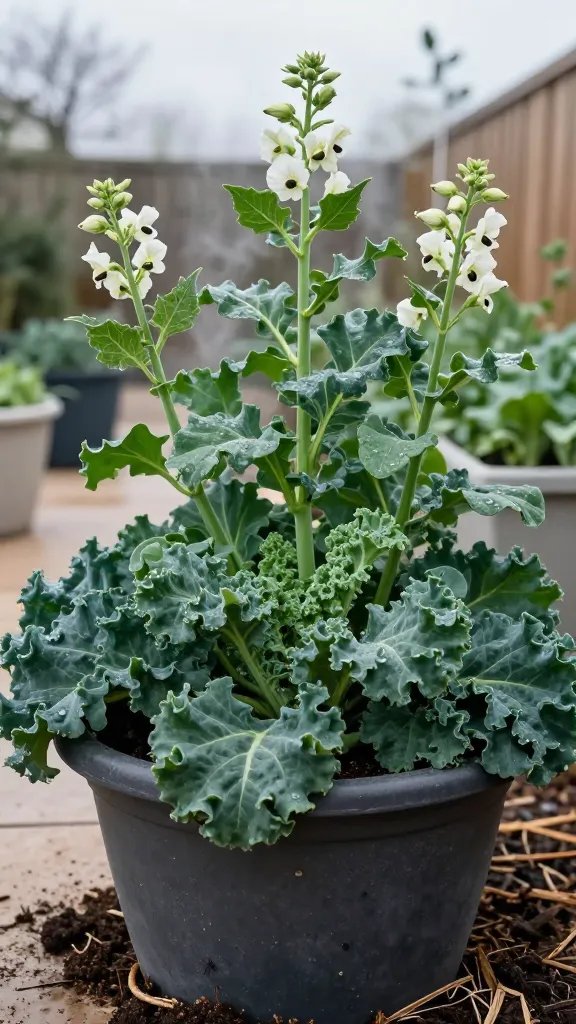
Favas are cold-tolerant nitrogen champions with big nodules and impressive biomass. Kale thrives in cool temps and gulps down the nitrogen for thick, dark leaves. If you want spring or fall containers that look like they lift, this pair delivers.
Why It Works
- Cold synergy: Both prefer cool weather, so timing aligns.
- High-value nitrogen: Favas fix generously, then leave behind rich roots after harvest.
- Structural interest: Tall favas and frilly kale look designer-level in a large pot.
Container Tips
- Pot size: 18 inches wide minimum; 16–18 inches deep.
- Planting layout: 3–4 fava plants toward the back; 2–3 kale plants front/side.
- Stability: Stake favas; they’re sturdy but can flop in wind.
- Water: Consistent moisture but avoid waterlogging, especially in cool, wet spells.
After you harvest favas, clip stems at soil level and leave roots to decompose. Kale keeps going, and the soil stays richer for the next round. FYI, this is a brilliant shoulder-season move.
4. Dwarf Lupines + Strawberries: Pretty Meets Practical
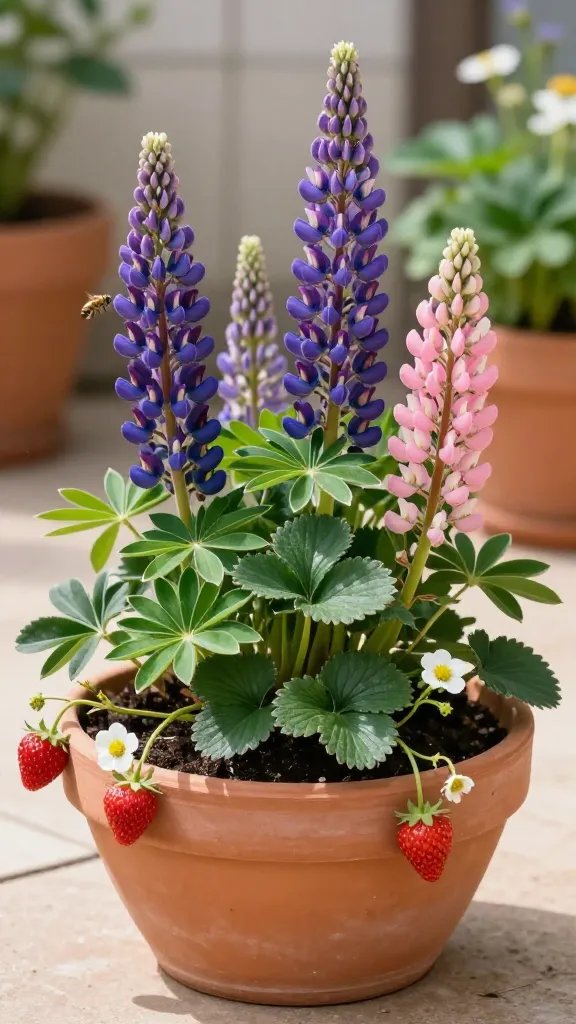
Lupines aren’t just cottage-garden icons—they’re legit nitrogen fixers. Paired with strawberries, they turn a simple bowl planter into a floral-fruit spectacle that tastes as good as it looks. Yes, you can have beauty and breakfast in one pot.
Why It Works
- Nutrient sharing: Lupines enrich the root zone; strawberries respond with more vigorous foliage and better runners.
- Pollinator magnet: Lupine blooms attract bees that happily visit strawberry flowers next.
- Design payoff: Textured leaves, spikes of color, and tumbling berries—chef’s kiss.
Container Tips
- Pot size: 16–18 inches wide, 14 inches deep.
- Varieties: Choose dwarf or compact lupines and day-neutral strawberries like ‘Albion’ or ‘Seascape.’
- Planting layout: Lupine near the center or back; 4–5 strawberries circling the edge.
- Soil and pH: Both like slightly acidic to neutral soil; add a bit of compost and a dash of sulfur if your mix runs alkaline.
- Deadheading: Cut spent lupine spikes to keep energy in roots and new blooms.
Use this pairing when you want edible landscaping that still pulls its weight. It’s patio eye candy with a snack built in—trust me, your brunch photos will thank you.
5. Cowpeas (Black-Eyed Peas) + Peppers: Heat-Loving, Drought-Tolerant Dream Team
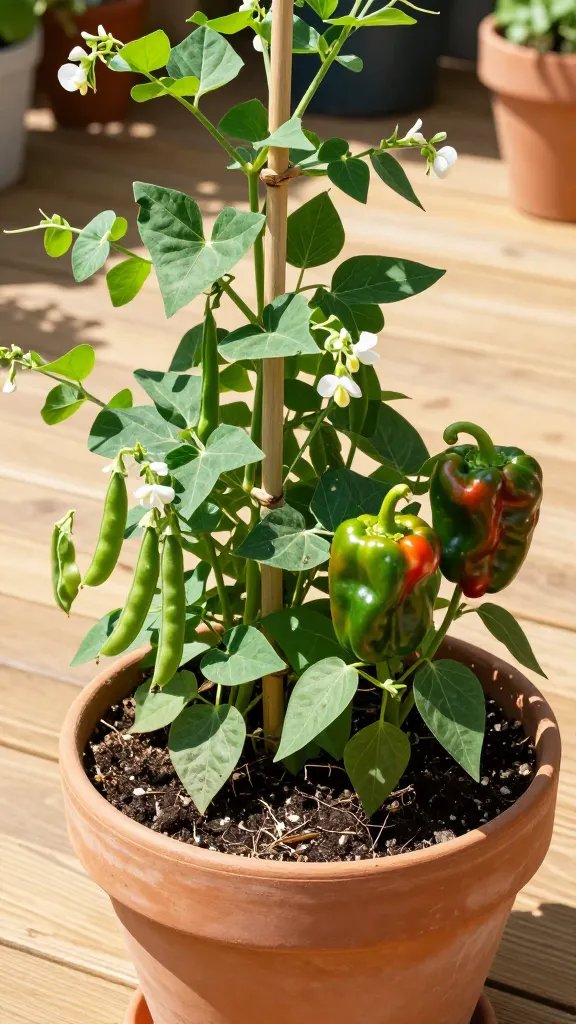
If your containers live on a hot deck, meet your summer MVPs. Cowpeas fix nitrogen even in heat, while peppers love the extra nutrition and airy soil. This duo stays unfazed when temps climb and keeps producing through summer.
Why It Works
- Heat harmony: Both thrive in warm conditions and handle brief dry spells.
- Soil improvement: Cowpea roots add organic matter and loosen compacted mixes.
- Pest distraction: Cowpeas can serve as a mild trap crop for pests that might otherwise bug peppers.
Container Tips
- Pot size: 16–18 inches wide, 14–16 inches deep.
- Varieties: Compact cowpeas like ‘California Blackeye’ and medium pepper plants (jalapeño, shishito, or small bells).
- Planting layout: Pepper centered; 3–4 cowpeas spaced evenly around the rim.
- Feeding: Start with a balanced organic fertilizer; switch to a bloom/fruit formula once peppers set. Don’t overdo nitrogen or you’ll grow a jungle of leaves.
- Watering: Deep, infrequent watering promotes healthy roots; mulching the surface helps big time.
Use this pairing for a low-fuss, high-yield container in full sun. You’ll get crunchy peppers and a steady stream of cowpea pods without babysitting.
Bonus Know-How: Getting The Nitrogen Benefits In Containers
- Inoculate your legumes: Dust seeds with the right rhizobium inoculant before sowing for better nodulation, especially in sterile potting mixes.
- Don’t rip up legume roots: When the legume is done, clip the plant at soil level and leave the roots to decompose in the pot.
- Go easy on high-nitrogen fertilizers: Too much and the bacteria slack off. Use balanced or slightly lower-nitrogen formulas once flowering begins.
- Sun and drainage matter: Legumes need 6+ hours of sun and containers with excellent drainage. Soggy roots = grumpy plants.
- Rotate smartly: Follow a legume-heavy season with hungrier crops like tomatoes, brassicas, or peppers in the same pot (refreshing some potting mix as needed).
Quick Troubleshooting
- Yellowing leaves early on? Add a light dose of balanced fertilizer or fish emulsion until nodules establish.
- Legume not nodulating? You likely need inoculant, warmer soil, or better drainage.
- Tomato leaves too lush, few fruits? You overfed. Shift to a lower-nitrogen fertilizer and prune lightly.
- Powdery mildew on peas? Increase airflow, water at soil level, and trim overcrowded foliage.
Ready to try these container combos? You’ll grow more food, use less fertilizer, and level up your patio game in one go. Mix, match, and tweak for your climate—and go brag about your self-feeding pots to your plant friends. They’ll ask for your “secret,” and you can just wink.