
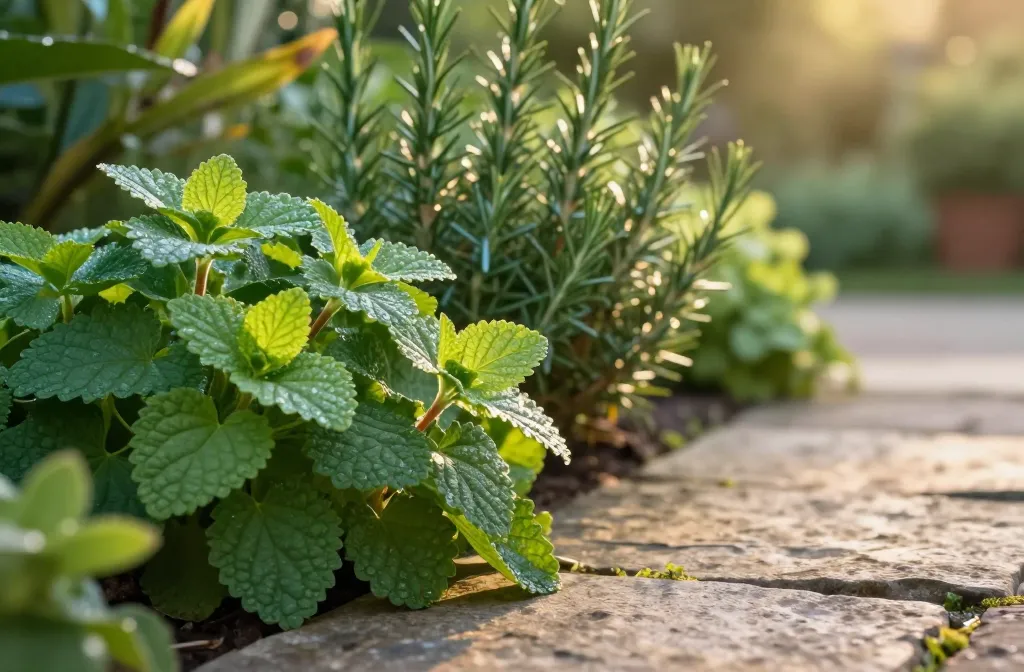
Ready to make your garden smell amazing without relying only on flowers? Scented leaves bring the drama all day, especially when you brush past them or the wind kicks up. These clever pairings layer fragrance, texture, and color so your beds look lush and smell like a botanical spa. Let’s matchmake foliage that plays nice together—and smells even better.
1. Citrus Spark + Woodsy Calm: Lemon Balm With Rosemary
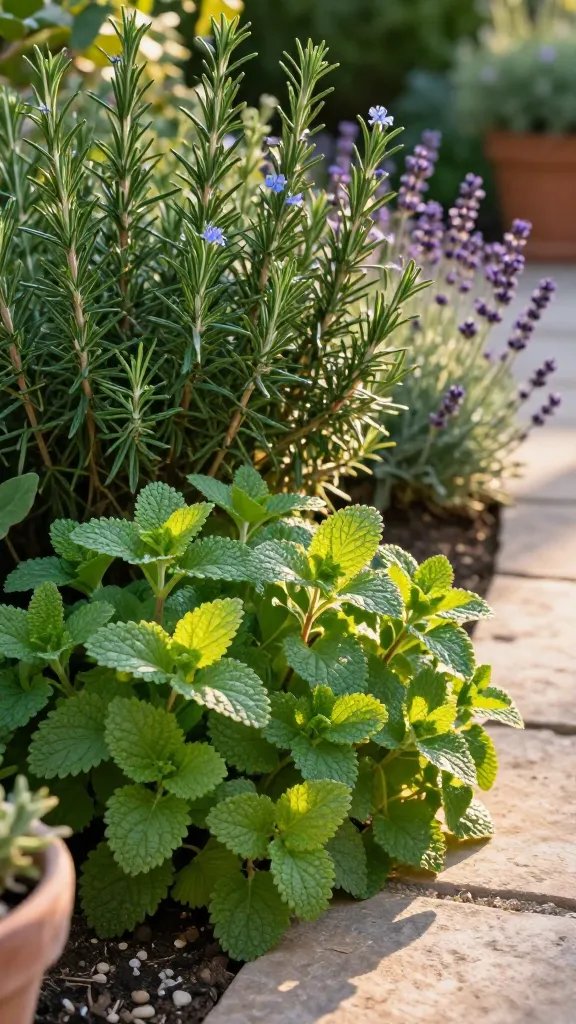
Think lemonade meets forest walk. Lemon balm brings that bright, zesty pop, while rosemary adds a grounded, resinous vibe. Together they perfume pathways and containers every time you pass, and they thrive with embarrassingly little fuss.
Why It Works
- Complementary scents: Citrus high notes from lemon balm + rosemary’s savory base.
- Shared needs: Both love sun and well-drained soil.
- Texture contrast: Soft, crinkled lemon balm leaves against needle-like rosemary.
Place lemon balm in front to spill over edges and let rosemary stand tall behind it. You’ll get movement, scent, and that “I meant to do that” designer look.
Tips
- Trim lemon balm often to prevent spread; it gets excitable.
- Choose compact rosemary varieties for small beds or pots.
- Water deeply, then let soil dry a bit—no soggy feet.
Use this combo along sunny paths and in kitchen gardens. You’ll harvest more than you planted: teas, roasts, and bragging rights.
2. Mojito Meets Meadow: Peppermint With Lavender
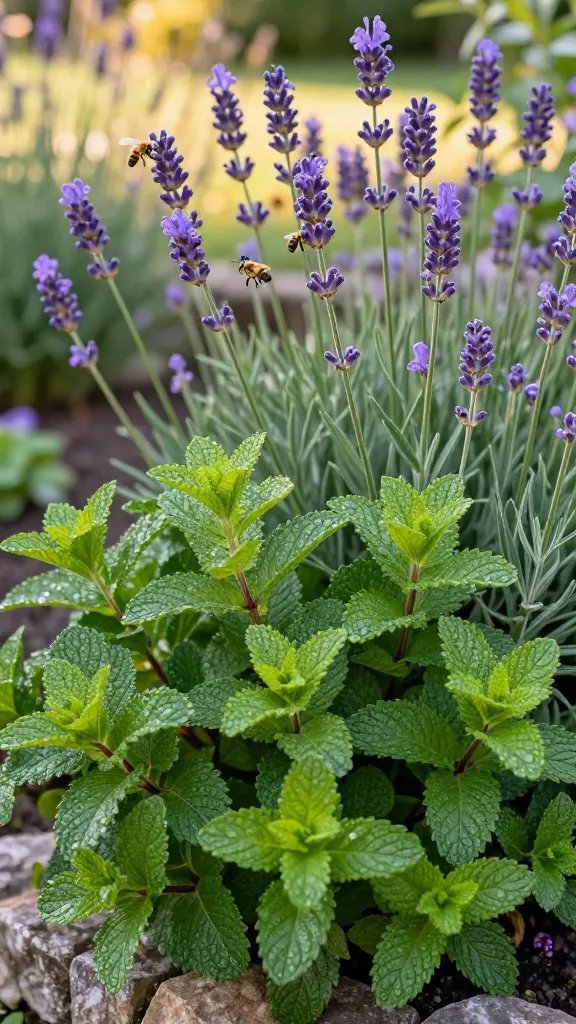
Yes, mint can be a menace, but lavender keeps it classy. Peppermint’s cool blast pairs with lavender’s calm floral-herbal notes for a soothing, spa-adjacent vibe. The scent combo feels clean, fresh, and a tiny bit fancy—like your garden got a diffuser.
Why It Works
- Dueling aromas: Peppermint cuts through heat; lavender softens it.
- Pollinator magnet: Bees adore lavender blooms, while peppermint attracts beneficial insects.
- Visual balance: Lavender’s upright wands balance mint’s spreading habit.
Contain mint in a buried pot or raised bed to set boundaries—seriously, do it. Plant lavender in full sun with excellent drainage; give peppermint richer, slightly moister soil nearby or in a neighboring container.
Tips
- Snip mint often to keep flavor strong and growth in check.
- Prune lavender lightly after flowering to keep it tidy.
- Don’t overwater lavender; it prefers life on the drier side.
Use this pair near patios and seating areas. You’ll enjoy aromatherapy on demand and handy mint leaves for drinks—IMO, that’s a win.
3. Chai Garden Vibes: Scented Geraniums With Bronze Fennel
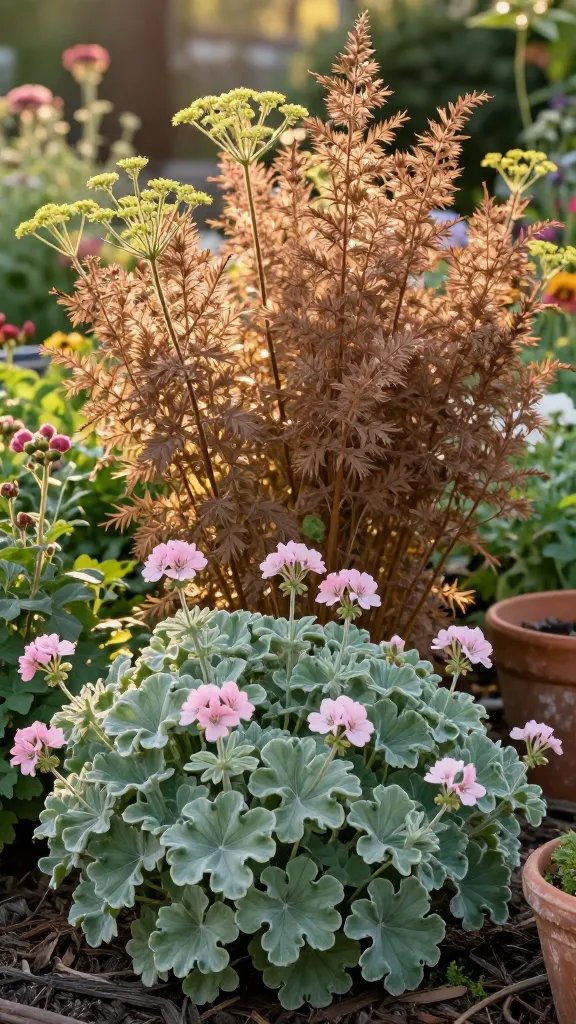
If you love complex, layered aromas, this duo brings spice-forward magic. Scented geraniums (choose varieties like rose, nutmeg, or citronella types) offer velvety leaves with perfume-grade fragrance. Bronze fennel adds anise notes and feathery, smoky foliage for contrast.
Why It Works
- Fragrance layering: Floral or citrusy geranium leaves + fennel’s sweet licorice.
- Drama factor: Airy fennel towers over mounded geraniums for instant structure.
- Wildlife bonus: Fennel hosts swallowtail caterpillars—expect visitors.
Give them sun and lean, well-drained soil. Scented geraniums handle drought like champs, and fennel enjoys similar conditions with a touch more moisture.
Tips
- Deadhead geraniums to keep foliage lush and aromatic.
- Stake fennel if winds bully those feathery stems.
- Don’t plant fennel right next to dill—cross-confusion for pollinators and you, FYI.
This pairing shines in ornamental kitchen beds and mixed borders. The scent is chef-friendly and the textures look designer-curated without trying too hard.
4. Tea Time, All the Time: Lemon Verbena With Pineapple Sage
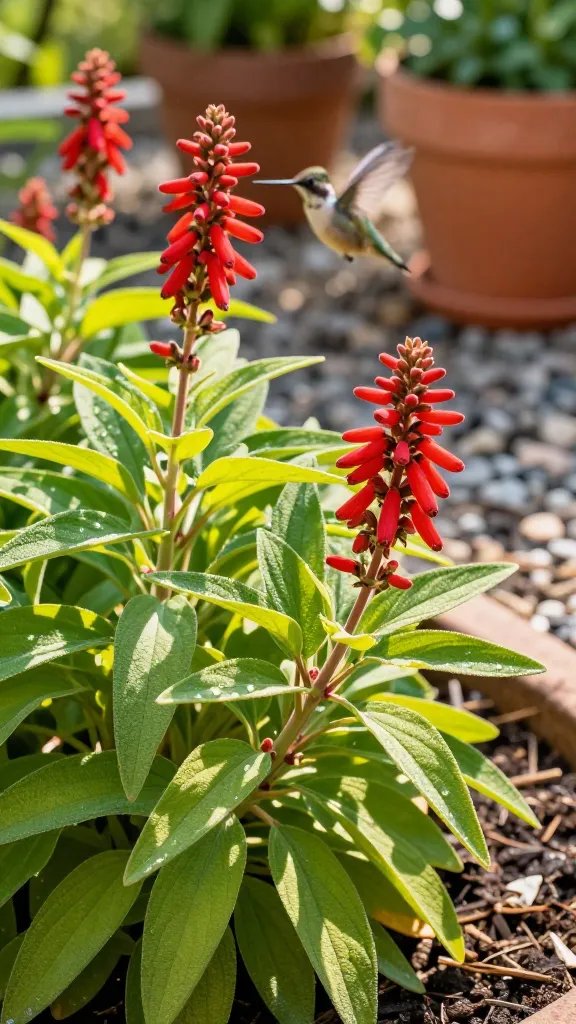
Need a scent that screams “sunshine” even on gloomy days? Lemon verbena smells like a lemon candy shop, while pineapple sage offers fruity leaves and late-season red flowers that hummingbirds can’t ignore. You’ll brush past and instantly feel brighter.
Why It Works
- Fruity harmony: Bright lemon + tropical pineapple—no clashing notes.
- Seasonal interest: Sage blooms late; verbena’s scent peaks with heat.
- Kitchen-ready: Leaves for teas, syrups, and desserts.
Both love heat, full sun, and decent drainage. Lemon verbena sulks if soils stay wet; pineapple sage likes steady moisture but not soggy conditions—mulch helps strike the balance.
Tips
- Pinch pineapple sage to encourage bushy growth.
- Prune lemon verbena hard in spring to wake it up.
- Grow in large containers in cooler zones and overwinter indoors.
Place them near outdoor dining spaces. You’ll get fragrance while you relax and easy cuttings for teas after dinner. Trust me, guests notice.
5. Woodland Spa Corner: Sweet Woodruff With Fragrant Hosta (Plantain Lily)
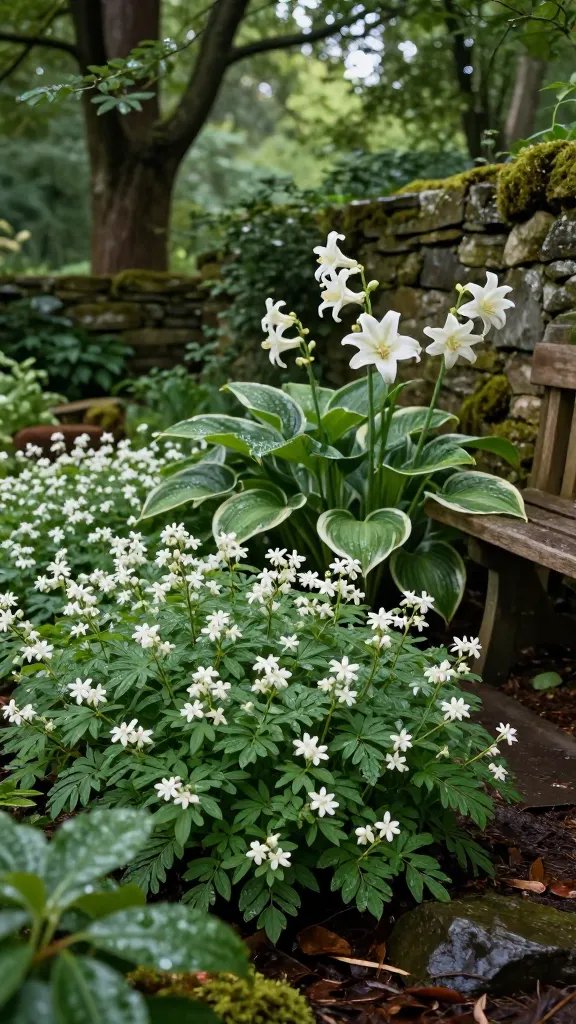
Shade gardens deserve good smells too. Sweet woodruff offers a clean, hay-vanilla scent when leaves dry slightly, while select hostas (like ‘Guacamole’ or ‘Fragrant Bouquet’) release lily-like perfume from summer blooms. Beneath trees or along north walls, this combo turns quiet corners into aromatherapy nooks.
Why It Works
- Shade synergy: Both tolerate low light and appreciate moisture-retentive soil.
- Textural mix: Fine, starry woodruff against broad, glossy hosta leaves.
- Layered fragrance: Subtle foliage notes + showy bloom perfume.
Sweet woodruff forms a soft, low carpet that keeps weeds in check. Plant hostas in clumps that rise above the groundcover so the leaves skim the woodruff without smothering it.
Tips
- Improve soil with compost; shade plants love rich, crumbly ground.
- Water during dry spells to keep scents from fading.
- Use slug deterrents around hostas—coffee grounds or copper tape help.
Use this duo around seating, under deciduous trees, or along shady paths. You get fragrance, lush foliage, and a cool retreat on hot afternoons.
Ready to plant your best-smelling garden yet? Mix these pairings into beds, borders, and containers, then give them a quick brush when you walk by. Your garden will look polished, your air will smell amazing, and you’ll wonder why you ever relied on flowers alone.