Edible Agave: a “Set and Forget” Architectural Edible for the Extreme Balcony Thrives Anywhere
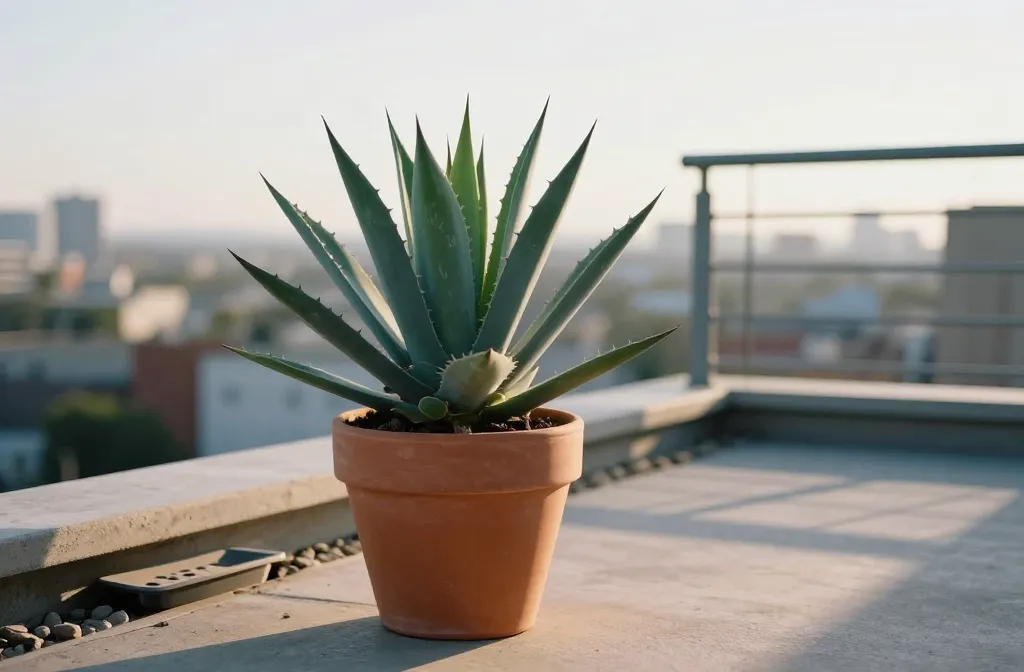
I planted my first agave on a wind-battered, south-facing fifth-floor balcony where every herb crisped into hay. The agave didn’t blink — it tightened its rosette, rode out summer without a sip for six weeks, and looked sculptural the whole time. If your balcony fries basil and snaps tomato stakes, you can still grow food with agave. I’ll show you which edible agaves to choose, the container setup that survives heat and neglect, and how to harvest safely without ruining the plant.
Why Edible Agave Works Where Most Balcony Crops Fail
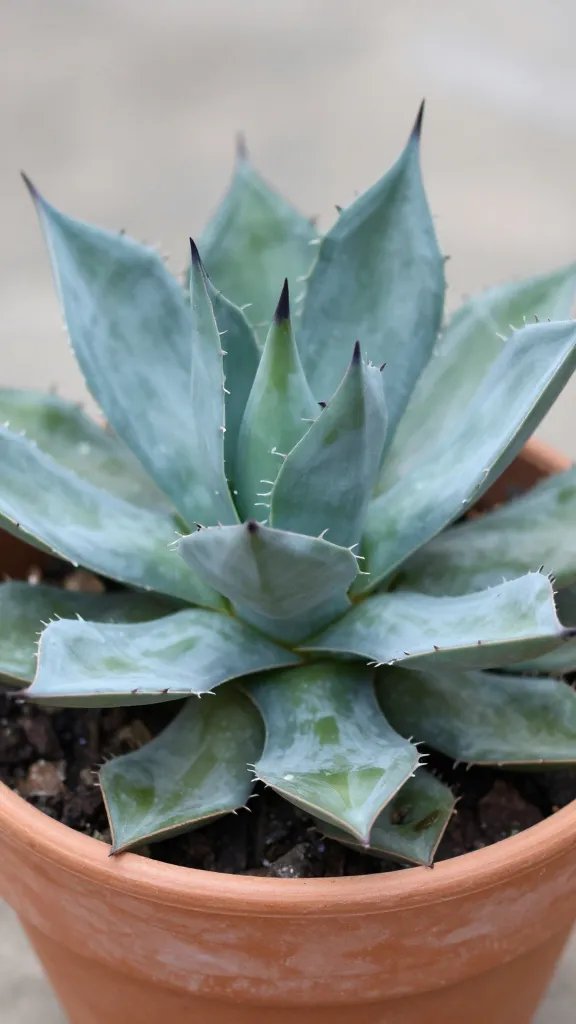
Balconies exaggerate heat, wind, and drought. Most edibles lose water through soft leaves; agaves store it in thick, armored blades and close pores during stress.
Agaves evolved for poor soil and huge temperature swings. They deliver edible hearts, sap, and flower stalks with almost no maintenance and look like living sculptures year-round.
Takeaway: If your balcony is hot, dry, and windy, choose an edible agave as your primary “set and forget” crop that doubles as a statement plant.
Choosing Edible Species That Fit in Containers
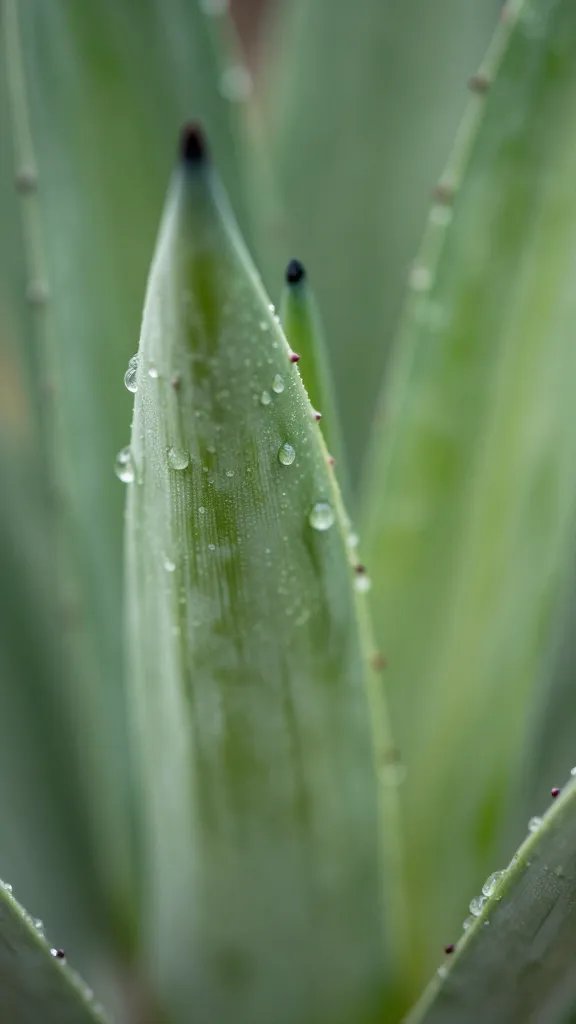
Not every agave is edible or balcony-sized. Some become monsters or have dangerous needle tips for tight spaces.
Pick compact, slow-growing species with known traditional food uses. Stay away from fiber giants like Agave sisalana unless you have a terrace the size of a driveway.
Reliable Balcony-Friendly, Edible Agaves
- Agave parryi var. truncata (Artichoke Agave): Dense rosette, 30–60 cm tall. Young flower stalk and roasted heart are edible.
- Agave americana ‘Mediopicta Alba’ (Dwarf selections): Use only smaller forms. Sap for syrup; hearts traditionally roasted. Watch space.
- Agave salmiana (dwarf forms): Source of pulque and syrup; select compact nursery cultivars.
- Agave tequilana (Blue Weber, dwarf selections): Tequila agave; choose smaller forms for containers in warm climates.
- Agave angustifolia (Caribbean agave): Edible hearts; tolerates humidity better than most.
Warning: Some agaves have strongly caustic sap. Always confirm species ID from the plant label and a reputable reference.
Action today: Visit a garden center and choose one compact agave with a clear label indicating mature size under 60 cm.
Container, Soil, and Placement That You Set Once
Agaves fail in pots when roots sit wet. You need a heavy, stable container and gritty mix that drains fast yet doesn’t blow over in storms.
Skip fancy formulas. Use a sturdy ceramic or concrete pot with a single large drain hole, and a potting mix cut with mineral grit.
Simple Balcony Setup
- Pot size: Choose a pot 5–8 cm wider than the rosette. Too big stays wet; too small tips.
- Soil: Mix 2 parts good-quality potting mix with 1 part coarse pumice or 10 mm gravel. If pumice is unavailable, use perlite plus a few handfuls of pea gravel.
- Drainage: Place a square of mesh or a shard over the hole to stop mix loss — no “drainage layer” of rocks.
- Placement: Put the pot where it gets full sun for at least 5 hours, with good airflow, and against a wall for windbreak.
- Safety: Turn the plant so leaf tips point away from the walkway. For kid- or pet-areas, blunt spines with a small piece of aquarium air-line tubing slit and slipped over the tip.
Action today: Pre-mix one bucket of potting mix with half a bucket of pumice or gravel so you’re ready to plant in 10 minutes.
Watering and Feeding on a Neglect Schedule
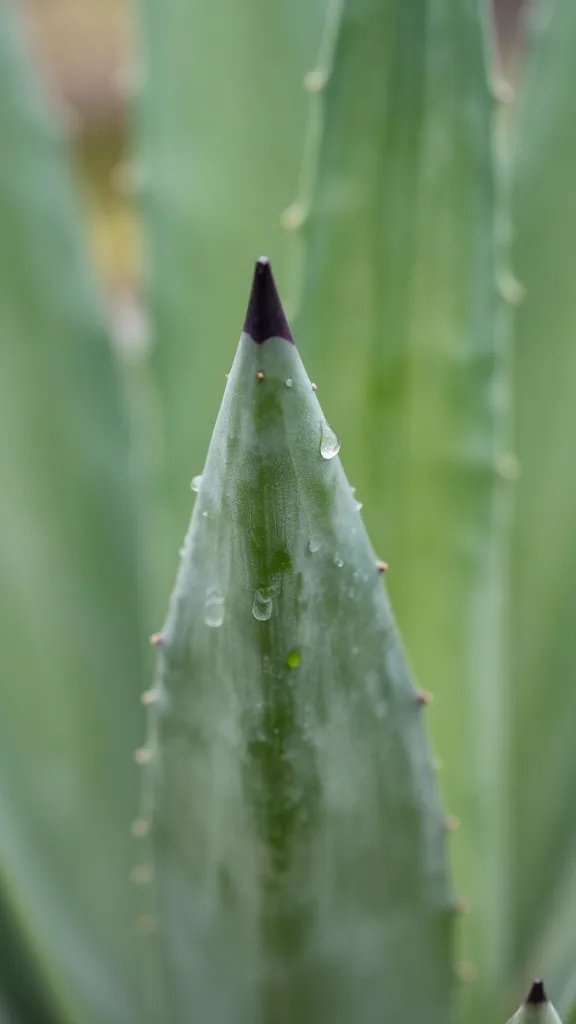
Agaves store water. Overwatering rots the core. Underwatering only slows growth.
Water deeply, then forget it. Feed lightly a few times during the warm season to speed growth toward harvest size without making it soft.
Minimal-Care Routine
- Spring–early autumn: Water until excess runs from the hole, then wait until the top 5–7 cm is bone dry before watering again. On a hot balcony, that’s every 2–4 weeks.
- Winter: If temperatures sit below 10°C, keep it almost dry. One light watering every 4–6 weeks is enough if leaves stay firm.
- Feeding: Apply a half-strength general liquid fertilizer once in late spring and once in midsummer. Stop feeding 6 weeks before your first frost.
Action today: Push a wooden chopstick 7 cm into the soil; if it comes out clean and dry, give one thorough soak and then leave it alone.
Harvesting: What Parts Are Edible and When
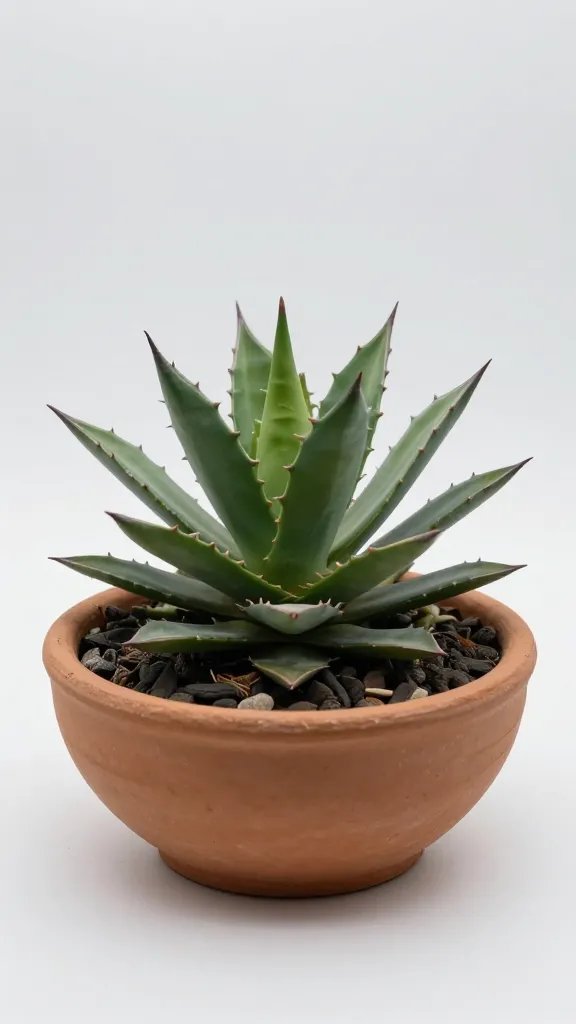
Agaves are slow. You harvest either small, renewable parts (pups) for replanting, or you wait years for the main prize: the roasted heart or the tender flowering stalk.
You don’t nibble the leaves raw. Edible use means proper prep: roasting, steaming, or reducing sap to syrup.
Safe, Practical Harvests on a Balcony
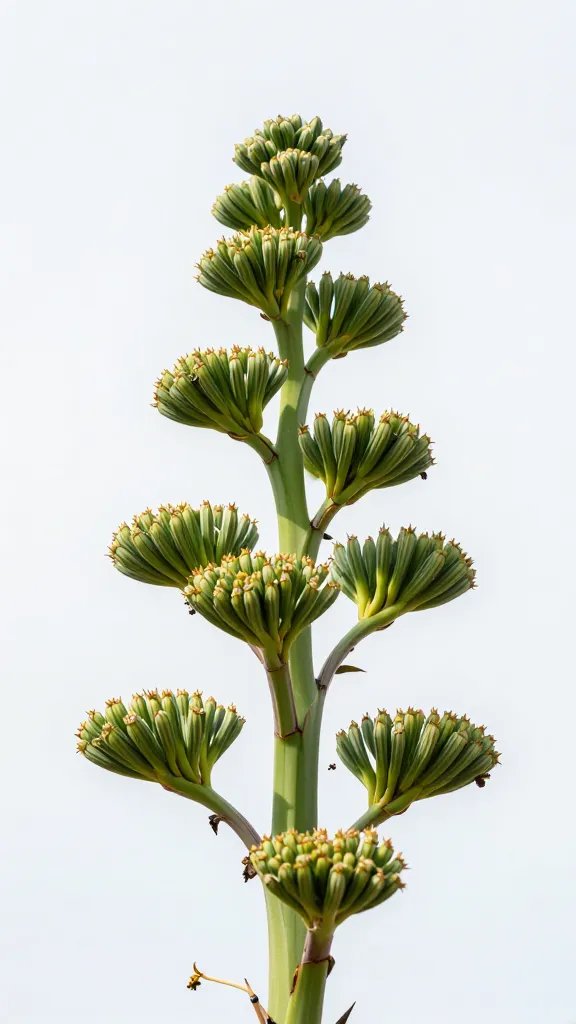
- Flower stalk (quiote): When a mature plant sends up a stalk, cut a young, still-soft segment (thumb-thick), peel, and boil or stir-fry like asparagus.
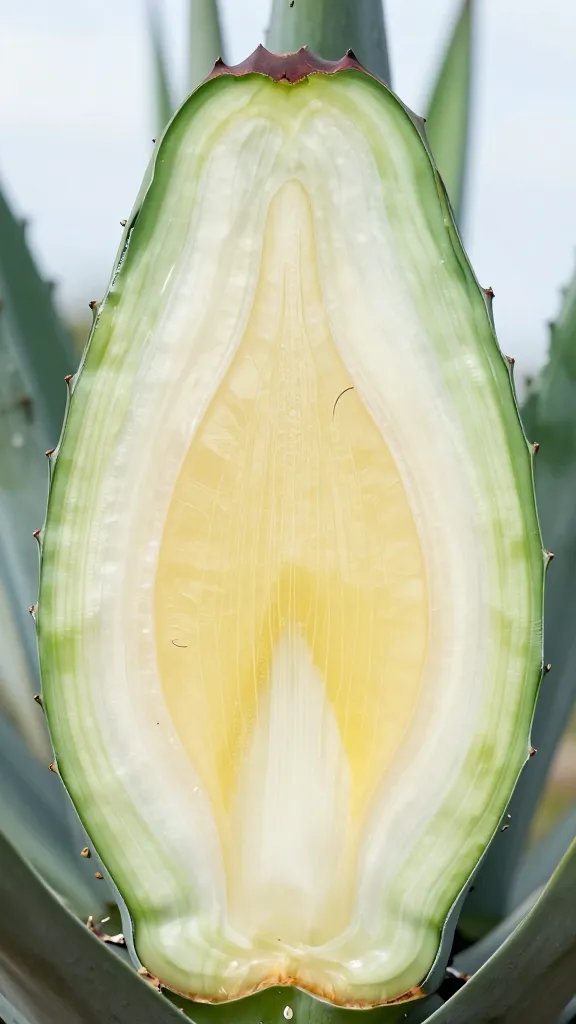
- Heart (piña): After the stalk initiates, the plant is at peak sugar. For containers, this is a once-per-plant harvest. Remove the leaves with a pruning saw and loppers, carve out the core, then slow-roast covered in an oven at 140°C for several hours until sweet and fibrous. Do this only when you’re ready to retire the plant.
- Sap for syrup: Only from well-identified edible species. Traditionally the stalk base is hollowed to collect sap, then boiled down. On a balcony, collect 1–2 cups over a day or two, then simmer to a honey-like consistency.
Safety: Wear gloves, long sleeves, and eye protection. Agave sap can irritate skin and eyes. Clean tools afterward.
Action today: If your plant is sending a stalk, set a calendar reminder this week to check daily for the tender stage to harvest a single 20–30 cm section.
Managing Size, Pups, and Longevity in Tight Quarters
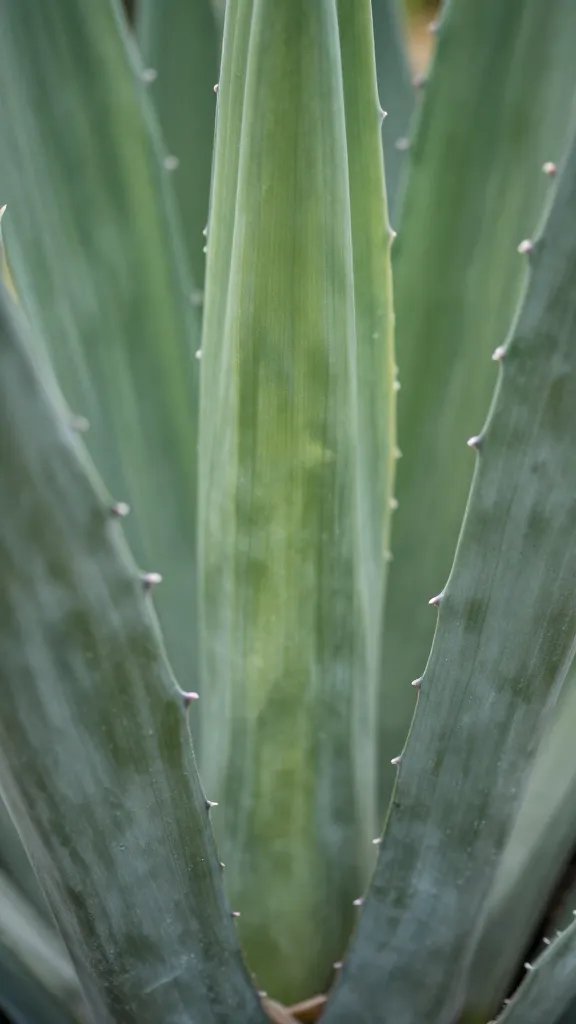
Most agaves are monocarpic: they flower once, then die, often leaving pups. In containers, pups crowd the pot and reduce airflow.
Control spread and keep one main rosette centered for looks and stability.
Step-by-Step: Pup Removal
- Water lightly the day before to settle dust but keep soil firm.
- Wedge the pot to prevent tipping. Slide a bread knife between pup and mother to find the connecting rhizome.
- Cut the pup free with a pruning saw or robust knife, keeping a small root ball attached.
- Dust the cut with ground cinnamon or garden sulfur. Pot the pup in the same gritty mix and keep barely moist for two weeks.
Action today: Mark pups you plan to keep with a twist tie and remove the rest this weekend to maintain airflow and container balance.
Cold, Heat, and Disaster-Proofing on an Exposed Balcony
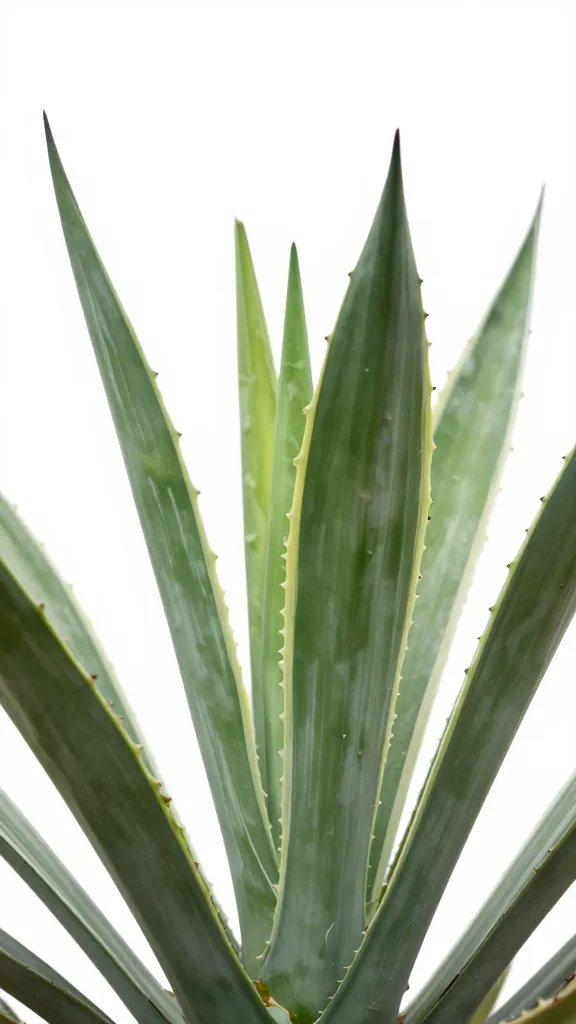
Heat is easy; agaves love it. Cold and winter-wet kill them. Wind can lever a top-heavy pot right off a ledge.
Anchor the container, keep crowns dry in winter, and give marginally hardy species a simple cover during freezes.
Weather Hardening Cheats
- Anchoring: Thread a bungee through the balcony railing and around the pot base, or use two concrete pavers as ballast in the pot saucer.
- Saucer discipline: In rainy seasons, remove saucers or drill a side hole 1 cm up to prevent standing water.
- Freeze nights: Throw a breathable frost cloth or an old cotton sheet over the plant before sunset, remove at noon next day. Keep the soil dry during cold spells.
Action today: Add two pavers beneath or beside the pot to drop the center of gravity and stop wind tip-overs.
Frequently Asked Questions
Can I eat any agave I find at the garden center?
No. Only specific species have safe, traditional food uses, and even then you must cook or process them. Check the label and cross-reference with a reputable source before planning a harvest. Never eat raw leaves. If the label is missing, treat the plant as ornamental only.
How long until I can harvest something edible?
The fastest edible is a young flower stalk, which appears when the plant matures — often 5–12 years depending on species and care. Hearts are harvested at flowering, a once-in-a-plant event. If you want quicker returns, grow a second pot of herbs for near-term harvests while the agave sizes up.
My agave leaves have brown spots after rain — what did I do wrong?
That’s usually edema or fungal spotting from water sitting in cool weather. Improve airflow, tilt the pot slightly so water drains from the crown, and water only at the soil line. Remove badly damaged outer leaves with clean loppers and let the wounds dry before the next rain.
Is agave safe around kids and pets on a small balcony?
Use compact species and blunt the spines on walk-side leaves with short pieces of aquarium tubing. Place the pot behind furniture to create a buffer. Keep pets away during any cutting because sap can irritate skin and cause stomach upset if licked. Always store pruned leaves out of reach until disposed.
Do I need special cactus soil or can I use regular potting mix?
Regular potting mix works if you add grit. Blend two parts potting mix with one part pumice, perlite, or pea gravel to prevent rot. The goal is fast drainage — water should run out within seconds, not puddle on top. Refresh the top 3–5 cm each spring to maintain structure.
Conclusion
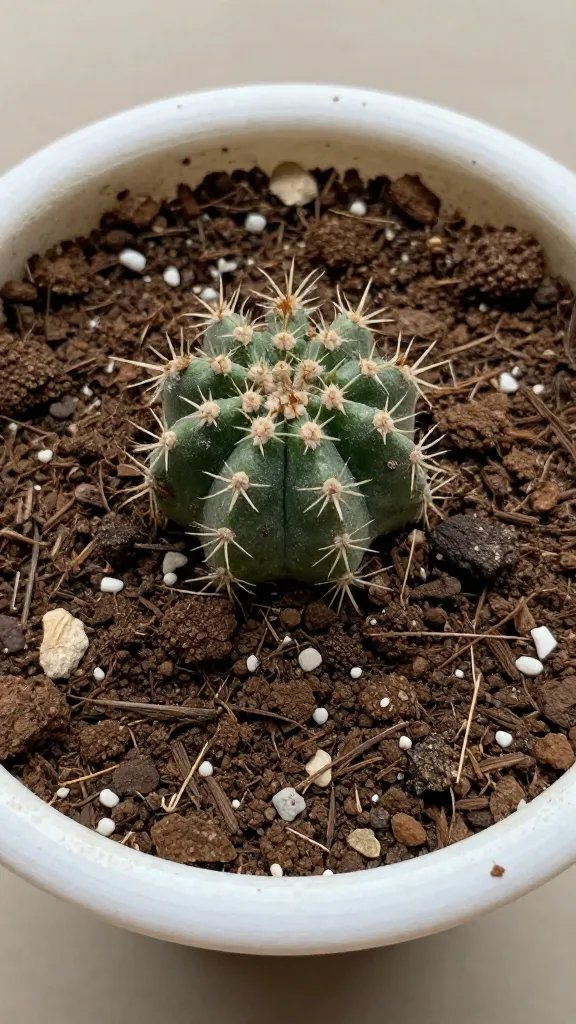
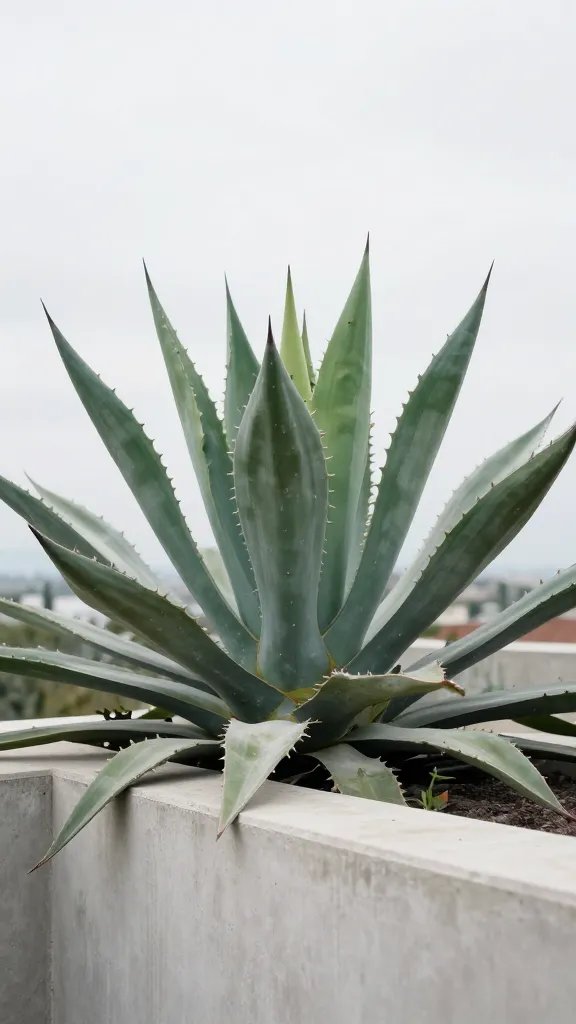
If you’ve burned through herbs and tomatoes on a harsh balcony, an edible agave gives you a forgiving, architectural plant that still pays you back at harvest time. Start with one compact, labeled edible species, set it in a stable pot with gritty mix, and adopt a deep-and-infrequent watering habit. Today, place the pot where it bakes in sun and won’t catch elbows — that single decision turns a “problem balcony” into a resilient, low-work edible space.