
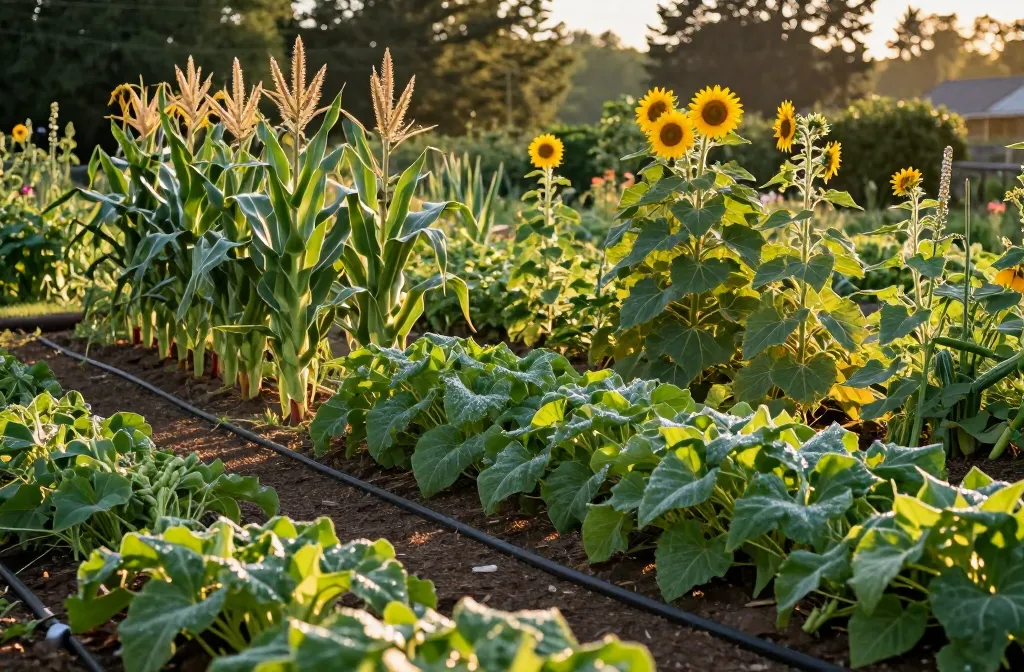
Your hose called. It wants a vacation. These companion planting combos sip water like it’s a fine wine—and still deliver gorgeous yields and blooms.
By pairing plants that share moisture, shade the soil, and support each other’s roots, you’ll water less and harvest more. Ready to turn your garden into a low-maintenance oasis? Let’s stack the deck with smart partners.
Each section includes multiple drought-savvy pairings. Mix, match, and tweak for your climate—then watch your water bill chill out.
1. Shade Makers And Soil Savers
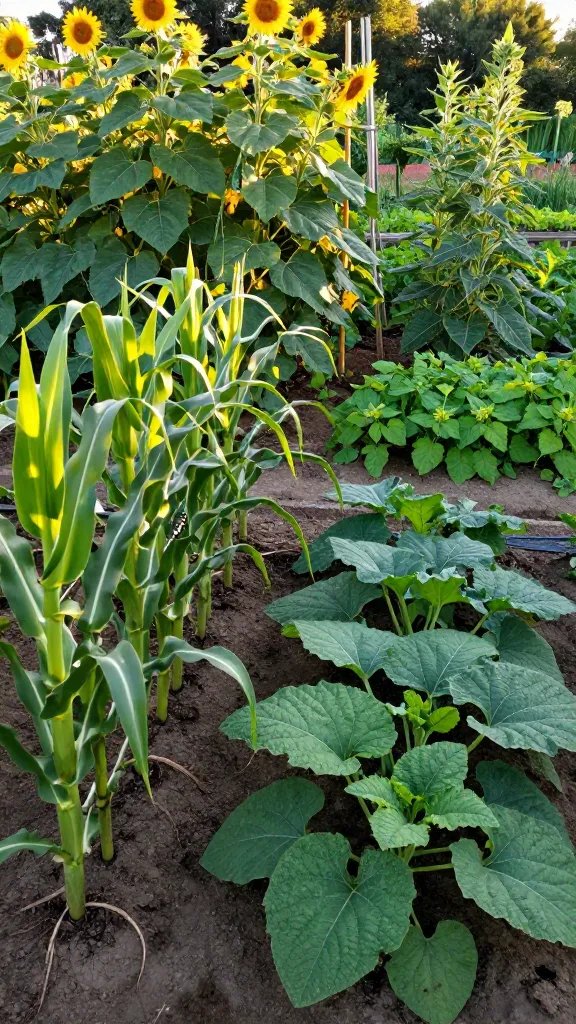
Start with plant partnerships that blanket the soil and block evaporation. Think of them as living mulch with benefits. These pairs reduce sun scorch, keep roots cool, and stretch every drop of moisture.
Smart Combos To Try:
- Corn + Beans + Squash (The Three Sisters): Corn casts shade, beans climb and fix nitrogen, squash sprawls to lock in moisture.
- Sunflowers + Cucumbers: Tall sunflowers create dappled shade; cucumbers stay cooler and need fewer drinks.
- Okra + Sweet Potatoes: Okra rises tall and filters light; sweet potato vines form a thick groundcover that stops evaporation.
Keep spacing loose to avoid crowding. You want shade, not a jungle that traps humidity and invites mildew.
Tips
- Plant the tall crop first, then tuck the groundcover in after it establishes.
- Use a soaker hose under the vines. You’ll water roots, not leaves.
- Mulch any bare edges so the living mulch connects without gaps.
Use these when your beds bake by noon. You’ll notice cooler soil and fewer wilted tantrums at 3 p.m., seriously.
2. Aromatic Allies That Slow Evaporation
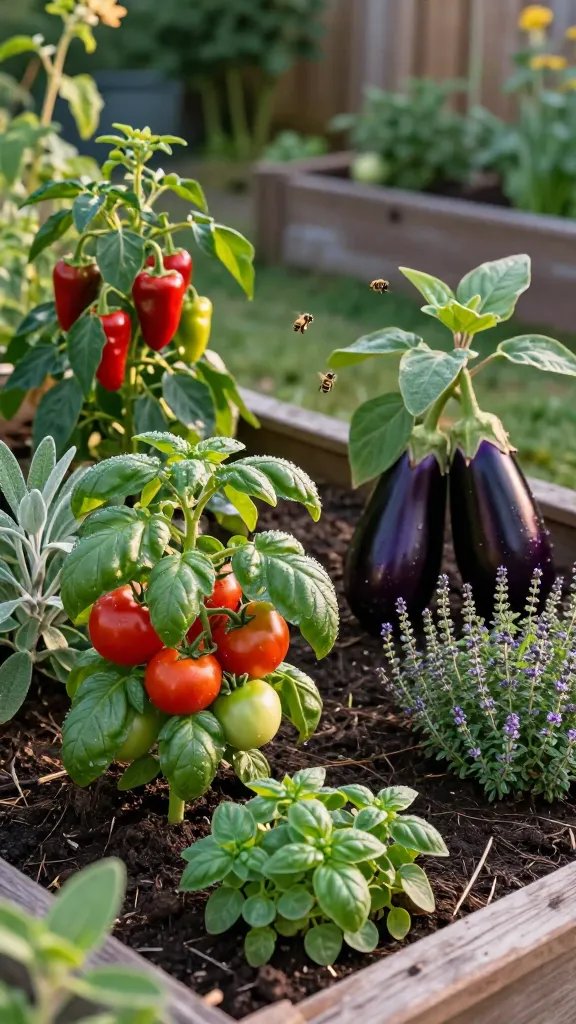
Fragrant herbs aren’t just for fancy dinners. Many are drought tolerant and create microclimates that keep neighboring plants from drying out. They also attract pollinators and confuse pests—double win.
Drought-Smart Pairings:
- Tomatoes + Basil + Oregano: Basil shades tomato roots and reduces radiant heat; oregano forms a low mat that conserves moisture.
- Eggplant + Thyme: Thyme sprawls as a living mulch; eggplant appreciates the cooler soil and shared pollinators.
- Peppers + Sage: Sage handles dry spells and deters pests while sheltering pepper roots from sun.
Herbs grow leaner and more flavorful with light stress, so don’t overwater. FYI, soggy herbs sulk.
How To Plant
- Keep herbs within 6–12 inches of crop bases but avoid shading fruit clusters.
- Shear herbs lightly to keep airflow strong around your main crop.
- Skip heavy fertilizing—most Mediterranean herbs prefer poor soil and good drainage.
Great for patios and small beds where every inch counts. The scent alone feels like a spa day for your garden.
3. Deep-Rooted Partners That Share The Water Table
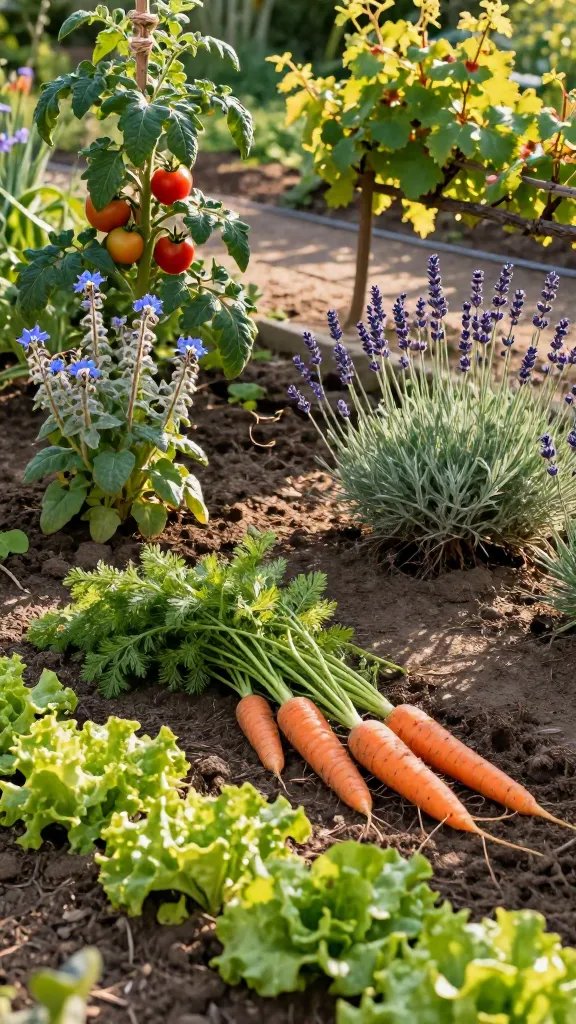
Pair plants with different root depths so they don’t compete for the same moisture. Deep roots mine hidden reserves; shallow roots sip the surface. It’s like stacking straws at different heights—nobody fights for the last drop.
Root-Layered Duos:
- Carrots + Lettuce: Carrots dive deep; lettuce skims the top. Lettuce enjoys the shade from carrot foliage as it matures.
- Tomatoes + Borage: Tomatoes go deep; borage taps mid-depths and helps shade soil. Bonus: borage brings pollinators.
- Grapes + Lavender: Grapevines root deep; lavender holds the surface and wicks heat away with silvery leaves.
This strategy shines when water restrictions hit. Fewer thirsty overlaps mean fewer emergencies with the watering can.
Planting Notes
- Stagger planting dates: start deep-rooted crops first, then interplant shallow partners.
- Use a 2–3 inch mulch layer to support both root zones.
- Water deeply but infrequently to encourage roots to chase moisture.
Ideal for raised beds and borders where you want structure, color, and sanity-saving resilience.
4. Heat Shields And Living Mulch That Actually Look Pretty
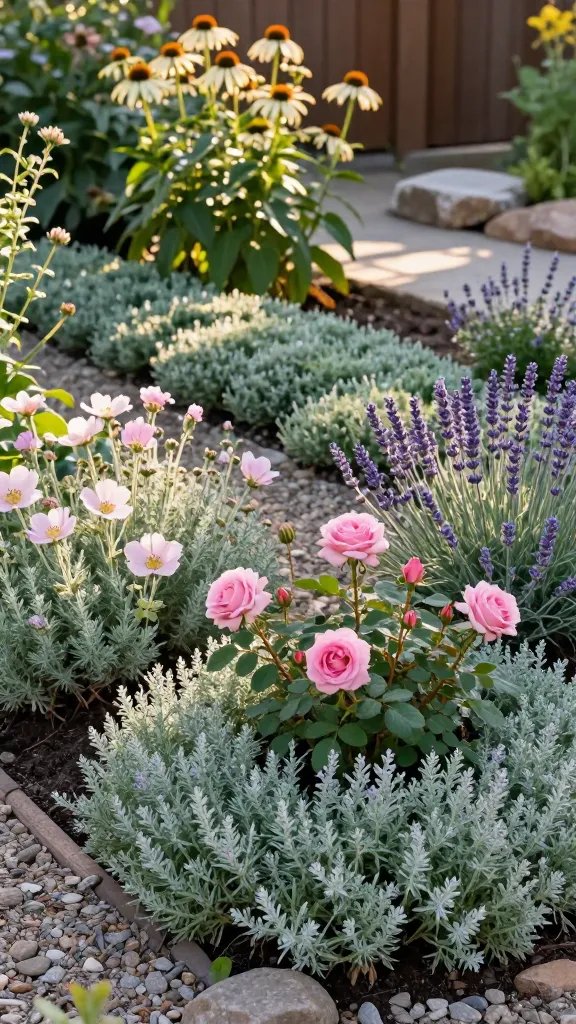
You can slash watering without sacrificing style. These combos cool the soil, protect stems from heat bounce, and make your garden look intentional—because yes, we do care about the vibes.
Beauty-With-Purpose Pairings:
- Roses + Catmint (Nepeta): Catmint forms a water-wise skirt that keeps rose roots cool and reduces splash-back disease.
- Lavender + Rockrose (Cistus): Both thrive dry; together they create a fragrant, drought-hardy carpet under shrubs or along paths.
- Echinacea + Creeping Thyme: Coneflowers reach up; thyme spreads and seals the soil. Pollinators lose their minds over this one.
Choose varieties bred for heat tolerance. Avoid thirsty prima donnas that collapse the minute you skip a watering day.
Design Tips
- Repeat colors to make combos feel cohesive: purple catmint under pink roses? Chef’s kiss.
- Edge beds with creeping thyme to stop moisture from evaporating at the borders.
- Deadhead flowering partners to channel energy into root strength.
Use these in front yards or curb strips where you want low-maintenance curb appeal and fewer hose sessions.
5. Edible Guilds That Max Out Water Efficiency
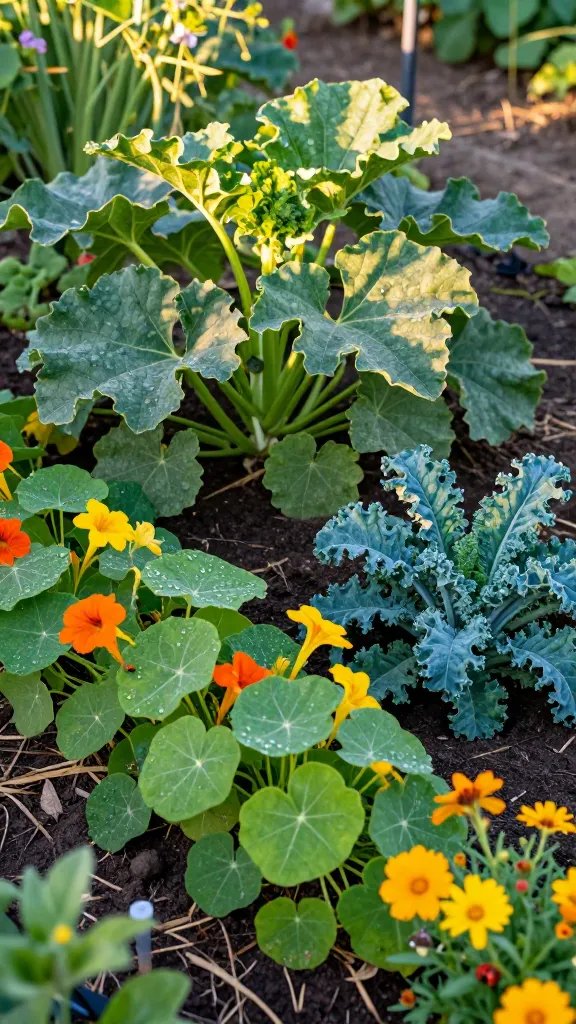
Guilds borrow from permaculture: a central plant supported by helpful companions. You’ll layer functions—shade, mulch, pollination, pest control—so every drop of water does extra work. IMO, this is where gardening gets fun and geeky.
Seven Drought-Smart Guild Ideas (14 Plants Total):
- 1) Zucchini + Nasturtium: Zucchini’s big leaves shade soil; nasturtium sprawls as living mulch and attracts pollinators.
- 2) Kale + Calendula: Kale handles dryness once established; calendula attracts beneficials and shelters soil.
- 3) Melons + Sweet Alyssum: Melon vines love warm, protected soil; alyssum draws hoverflies that patrol pests and softens heat.
- 4) Strawberries + Chives: Strawberries appreciate cool crowns; chives add light shade and fend off pests.
- 5) Beans (Bush) + Marigold (Tagetes): Beans fix nitrogen; marigolds deter soil pests and insulate the surface.
- 6) Winter Squash + Corn Salad (Mâche): Squash sprawls; mâche fills gaps as a tender, water-light green.
- 7) Artichoke + Yarrow: Artichokes are drought tough; yarrow lures beneficial insects and stabilizes moisture with feathery foliage.
These mini-ecosystems keep soil shaded, roots layered, and bugs busy doing the right jobs. Translation: less watering drama.
How To Pull It Off
- Start with compost and a deep pre-plant watering to charge the soil battery.
- Install drip or soaker lines before planting, then snake them through as plants grow.
- Mulch with chopped leaves or straw around the gaps to lock everything in.
- Water early morning only. You’ll lose less to evaporation and wake up feeling smug.
Use guilds when you want edible abundance without constant maintenance. They look lush and feel effortless once established—trust me.
Ready to retire your sprinkler schedule? These drought-smart companion combos turn your garden into a moisture-efficient powerhouse. Start with one bed, take notes, and tweak the spacing for your microclimate. You’ll spend less time watering and more time bragging about the harvest—because you absolutely earned it.