
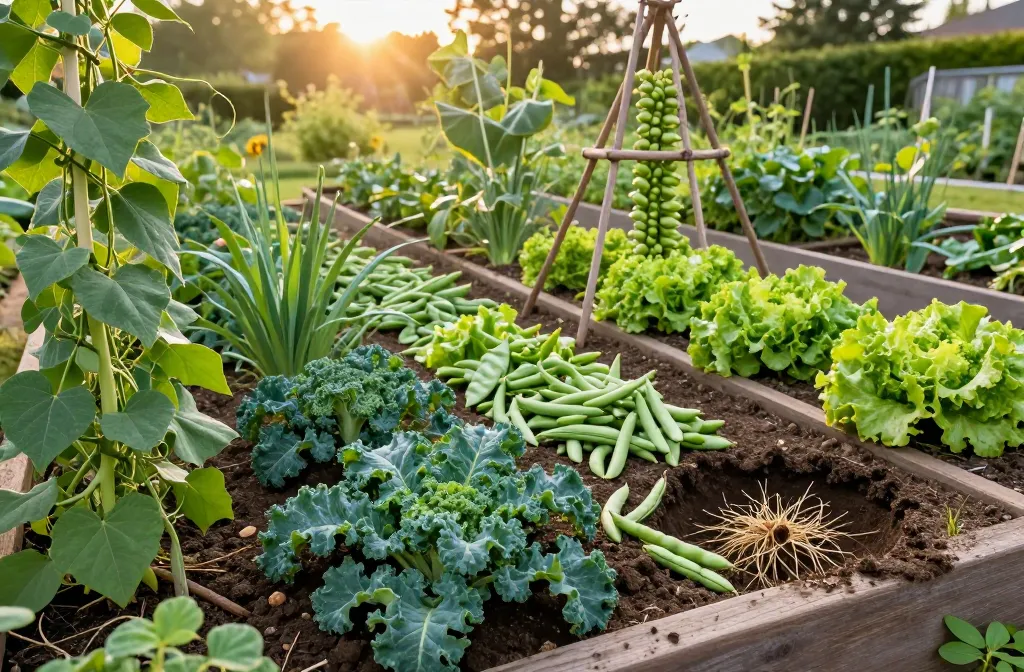
Your soil can feed your plants… if you let your plants feed your soil. Smart companion planting turns beds into mini-ecosystems that recycle nutrients like champs. No pricey fertilizers, no complicated schedules—just strategic neighbors doing the dirty work. Ready to coax more flavor, yield, and resilience from your garden? Let’s pair up some power couples.
1. Legume Lifelines: Beans, Peas, And The Nitrogen Sharing Economy
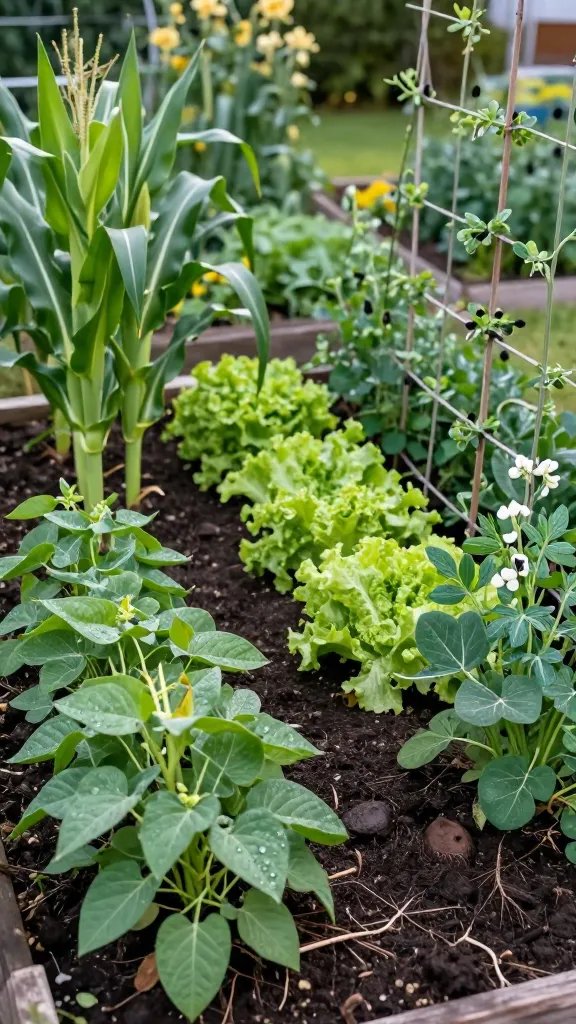
Legumes basically run a free nitrogen bank. They host rhizobia bacteria that convert atmospheric nitrogen into forms plants can use. Plant them next to leafy, hungry crops and you’ll see greener growth with less fertilizer. FYI, this is the closest thing to “cheat codes” in soil biology.
Top Combinations (12 Total Across Sections)
- Bush Beans + Corn: Beans fix nitrogen; corn guzzles it. Classic win–win.
- Peas + Lettuce: Early-season peas enrich soil; lettuce stays crisp and happy.
- Fava Beans + Brassicas (Kale, Broccoli): Favas fix nitrogen in cool weather for spring brassicas.
How it works: as legumes grow, nodules store nitrogen. You get the big benefit when roots slough off and after you chop-and-drop residue. Want more? Inoculate seeds with rhizobia and avoid high-nitrogen fertilizers, which reduce nodulation.
Quick Tips
- Inoculate legume seeds if you’ve never grown them in that bed.
- Cut legumes at the base at flowering and leave roots in place.
- Stagger sowing so nitrogen flows through the season.
Use this when greens look pale or when you’re pushing corn, chard, or brassicas. IMO, legumes are your easiest natural fertilizer upgrade.
2. Heavy Feeders With Deep Diggers: Rooted Partnerships That Mine Nutrients
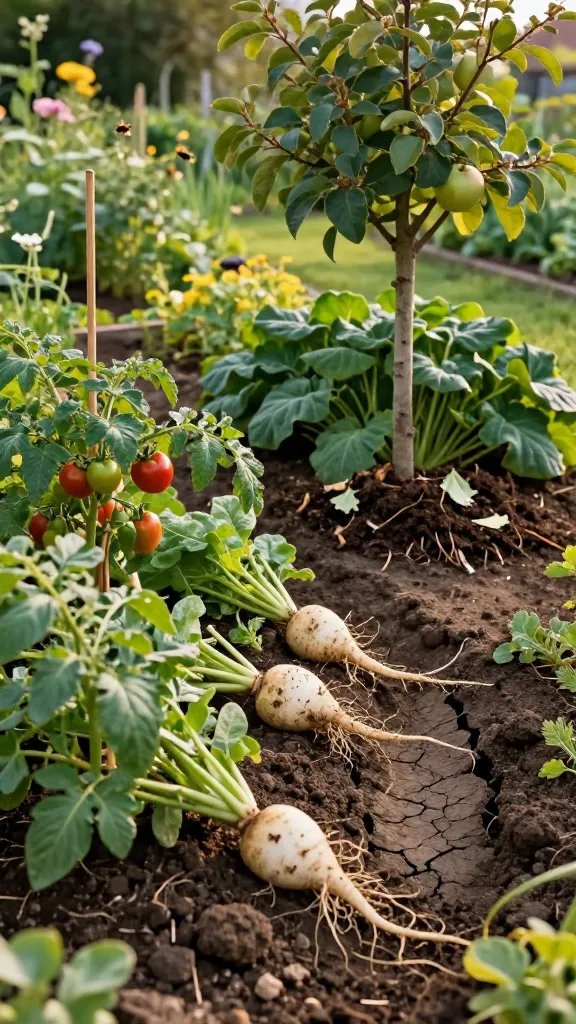
Some plants dive deep and bring buried nutrients back to the surface. Others eat like teenagers after soccer practice. Pair them and you’ll cycle phosphorus, potassium, and trace minerals right where roots can reach. Bonus: better structure and water infiltration.
Top Combinations
- Daikon Radish + Tomatoes: Daikon breaks compaction and lifts nutrients; tomatoes enjoy looser, richer topsoil.
- Comfrey (Bocking 14) + Fruit Trees: Comfrey mines potassium and calcium; chop-and-drop feeds the tree’s root zone.
- Sunflowers + Cucumbers: Sunflowers scavenge nutrients and provide light shade and living trellis; cukes appreciate the moderated microclimate.
Deep-rooted “bio-drillers” create channels for air and water. When you chop their leaves, you return mineral-rich biomass to the surface. Comfrey especially shines as a dynamic accumulator—just keep it where you want it.
How To Use
- Plant daikon in late summer; chop leaves as mulch before they bolt.
- Ring fruit trees with comfrey and harvest leaves 3–4 times per season.
- Start sunflowers on the north side so they don’t shade out sensitive crops.
Use this when beds feel compacted or when fruiting crops need a slow, steady nutrient buffet. Seriously, you’ll notice healthier roots and fewer wilt dramas.
3. The Leafy Green Machine: Pairing Nitrogen Fixers With Fast Growers
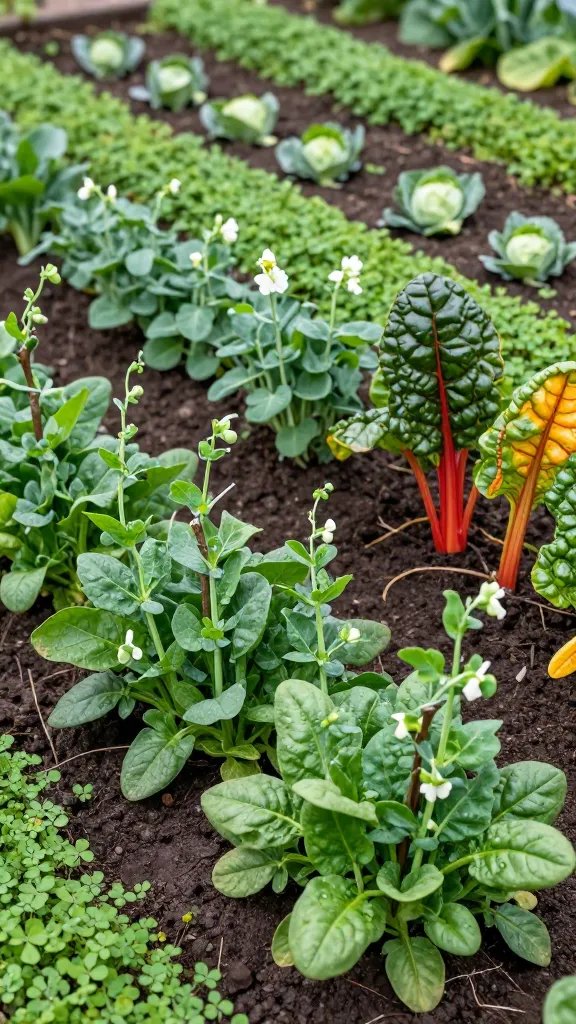
Leafy crops inhale nitrogen. If you pair them with plants that supply it, you keep salads tender and spinach less sulky. This strategy shines in spring and fall when greens grow fast and soil microbes work steadily.
Top Combinations
- Peas + Spinach: Early peas feed the system; spinach stays super green and sweet.
- Bush Beans + Swiss Chard: Beans fuel chard’s long season without constant side-dressing.
- Clover Undersow + Cabbage: Low clover fixes nitrogen, protects soil, and feeds heavy-feeding brassicas after chop-and-drop.
Undersowing living mulches like clover adds a slow-release nitrogen trickle and keeps soil covered. You avoid splashy soil (a disease risk) and lock in moisture. You also attract beneficials. Yes, one little plant can multitask like that.
Set-Up Tips
- Sow peas 2–3 weeks before spinach; harvest pea shoots for salads too.
- Plant beans beside chard, not in the same exact hole; give each its space.
- Undersow mini white clover around cabbage once seedlings establish.
Use this when you want reliable greens with fewer fertilizer teas. Great for raised beds that dry quickly and lose nutrients fast.
4. Phosphorus, Potassium, And Micronutrients: Flower-Powered Nutrient Cycling
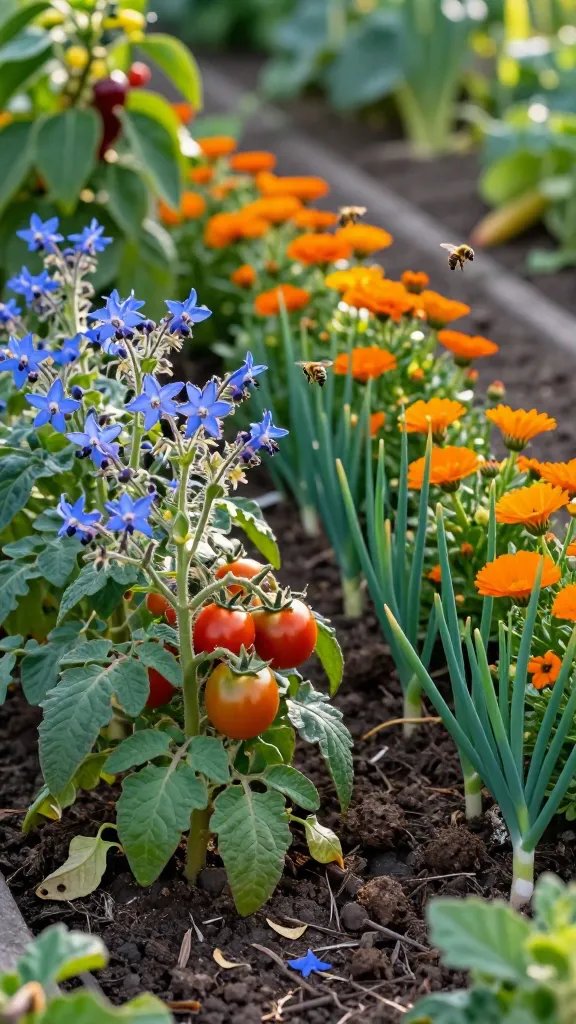
Fruiting crops crave phosphorus and potassium for blossoms, roots, and flavor. Certain herbs and flowers help unlock and shuttle these nutrients, plus they recruit pollinators—double win. Think of this as the glam squad for your tomatoes and peppers.
Top Combinations
- Borage + Tomatoes: Borage brings minerals up, drops nutrient-rich leaves, and draws pollinators. Tomatoes return the favor by offering partial shade.
- Calendula + Onions: Calendula’s roots exude compounds that support soil life; onions clean up extra nitrogen and love the improved biology.
- Yarrow + Peppers: Yarrow accumulates micronutrients and boosts beneficial insects; peppers benefit from the improved nutrient availability.
These companions don’t “add” phosphorus out of thin air, but they do cycle it. Their decaying leaves and root exudates feed microbes that unlock bound nutrients. Translation: plants can actually use what’s already there.
Planting Notes
- Interplant borage 18–24 inches from tomatoes; chop and drop leaves as mulch.
- Calendula on bed edges to attract hoverflies and keep airflow.
- Yarrow clumps near peppers, not crowding them; harvest yarrow for mulch too.
Use this when blossoms look sparse or fruit sets seem stingy. You’ll see improved flowering, tastier fruit, and a louder buzz of pollinators. Trust me, the garden vibes go up.
5. Soil Stewards: Cover Crops, Mulch Makers, And Rotations That Feed The Bed
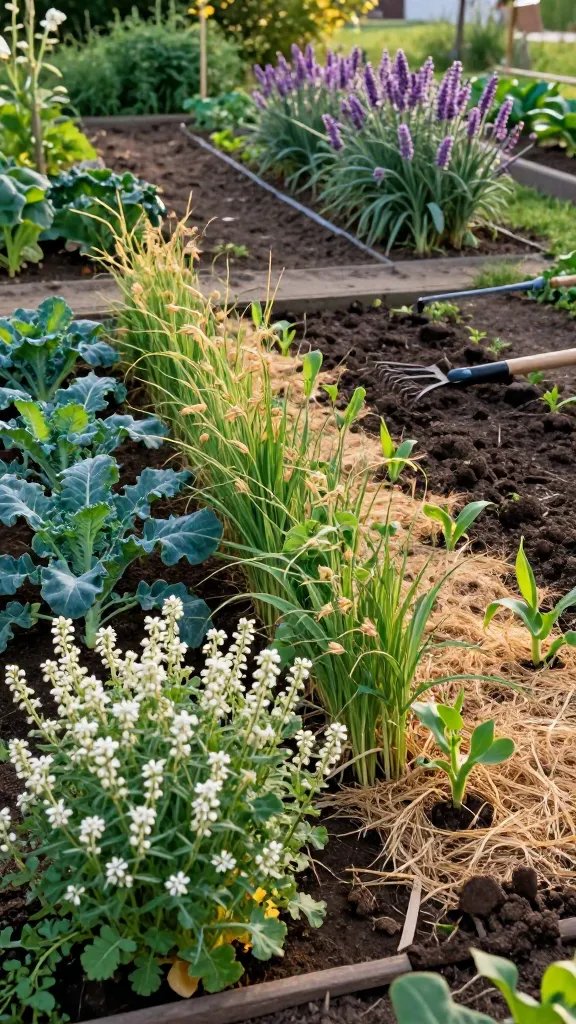
Companions don’t clock out at harvest. Cover crops and smart rotations keep nutrients moving, stop leaching, and build a buffet for your next planting. This is the long game that turns beds dark, crumbly, and ridiculously productive.
Top Combinations
- Buckwheat + Brassicas (Rotation): Buckwheat mobilizes phosphorus; chop it in before planting kale or broccoli.
- Oats + Field Peas (Cover Mix): Oats add carbon, peas add nitrogen; together they make perfect spring mulch for corn or squash.
- Vetch + Garlic: Vetch fixes nitrogen and covers soil; terminate before garlic bulbs swell for a gentle nutrient release.
Cover crops act like living sponges that hold nutrients through rain and winter. When you terminate them—cut, crimp, or mow—they release those nutrients right where the next crop needs them. It’s compost without the constant hauling.
Timing And Techniques
- Plant buckwheat 30–40 days before you need the bed; it grows fast and smothers weeds.
- Sow oats and peas in late summer or early fall; winter-kill creates spring-ready mulch.
- Grow vetch in fall; cut it at flowering to avoid reseeding and mulch garlic rows.
Use this when you want bigger harvests next season with less store-bought fertilizer. It’s the most sustainable way to “spend” nutrients without going broke—or salty.
Ready to try these combos? Start with one bed, observe, and tweak spacing until the plants vibe together. Your soil will get richer, your crops will taste better, and your fertilizer bill will quietly disappear. Go plant some partners in crime and let the nutrient party begin.