Key Takeaways
- Vertical gardens maximize limited space while improving air quality and providing thermal insulation for buildings
- Different garden systems (hydroponic, pocket, terrarium) require specific plant considerations based on root depth and growth habits
- Low-maintenance options like succulents and air plants work well for beginners and busy gardeners
- Herbs and vegetables can thrive in vertical gardens with proper sunlight and nutrient management
- Proper plant selection is the most important factor for vertical garden success and long-term sustainability
- Vertical gardens can reduce water consumption by up to 90% compared to traditional gardening methods
- Consider weight limitations, especially for wall-mounted systems in apartments and rental properties
- Group plants with similar water and light requirements for easier maintenance and healthier growth
Introduction to Vertical Gardens
Vertical gardens have changed how we think about growing plants, especially in cities where space is tight. Instead of spreading out horizontally, these gardens grow upward on walls, fences, or specially designed structures. This space-efficient approach lets you grow plants almost anywhere – in small apartments, on narrow balconies, or inside offices where traditional gardening would be impossible.
Beyond just looking nice, vertical gardens provide many environmental and psychological benefits. They clean the air by absorbing carbon dioxide, filtering airborne pollutants, and releasing fresh oxygen into your living space. They also serve as natural insulation, helping keep buildings cooler in summer and warmer in winter, potentially reducing energy costs. In busy urban environments, these living walls create peaceful green spaces that help people feel more connected to nature, reducing stress and improving wellbeing.


Choosing the right plants is super important for a successful vertical garden and will ultimately determine whether your garden thrives or struggles. Different plants need different amounts of light, water, and care, and their root structures and growth habits vary significantly. Not all plants grow well in vertical settings, as some require deep soil or spread horizontally rather than vertically. In this guide, we’ll explore the best plants for various types of vertical gardens and share practical tips to help your green wall thrive in different environments and conditions. Whether you’re just starting out or already have some gardening experience, understanding which plants work best in vertical systems will make a tremendous difference in your results.
Ready to transform your space with a beautiful vertical garden? Let’s look at everything you need to know about selecting the perfect plants for your unique situation and growing environment!
Understanding Different Vertical Garden Systems
Before picking plants, it’s helpful to understand the different types of vertical garden systems available today. Each system works in its own unique way and is better suited for certain types of plants based on their specific design characteristics and limitations.
Types of Vertical Garden Systems
Vertical gardens come in several main types, each with unique features and considerations:
- Wall-Mounted Systems: These attach directly to walls and can be simple pot holders or complex systems with built-in irrigation and drainage. They range from DIY options using recycled materials to sophisticated commercial systems with integrated watering technology.
- Pocket Systems: Made of fabric or rigid materials with multiple pockets that hold individual plants and growing medium. These lightweight systems are popular for both indoor and outdoor use due to their versatility and ease of installation.
- Hydroponic Systems: These grow plants without soil, using nutrient-rich water instead, circulated directly to plant roots. They’re extremely water-efficient and ideal for indoor environments or areas with water restrictions.
- Modular Panels: Pre-made sections that connect together to create larger green walls with standardized planting cells. These are often used for commercial installations due to their scalability and uniform appearance.
- Trellis and Climber Systems: Support structures that allow vining plants to grow upward naturally, creating living screens or decorative elements with minimal infrastructure requirements.


When choosing plants for your vertical garden, consider these important factors that will significantly impact your success:
- Weight: Some systems can only hold lightweight plants and growing media, particularly important for wall-mounted installations where structural support is limited.
- Root Systems: Plants with shallow, fibrous roots usually work better in vertical gardens where growing space is confined and soil depth is limited.
- Growth Habits: Choose plants that won’t quickly outgrow their space or become too heavy for the mounting system as they mature and develop.
- Water Needs: Group plants with similar watering needs together to prevent overwatering some while underwatering others in the same system.
- Light Requirements: Make sure your plants’ light needs match where your garden will be placed, considering seasonal changes in light intensity and duration.
Expert guides can help you match the right plants to your specific vertical garden system. Understanding these basics will help you create a thriving garden that fits your space and needs while avoiding common problems that lead to plant stress or failure.
- 🌿 Pocket Systems: Succulents, small herbs, sedums
- 💧 Hydroponic Systems: Lettuce, spinach, basil, mint
- 🌱 Living Walls: Ferns, philodendrons, pothos
- 🌺 Trellis Systems: Climbing roses, jasmine, clematis
- 🍓 Container Systems: Strawberries, cherry tomatoes, peppers
Best Plants for Indoor Vertical Gardens
Indoor vertical gardens can transform your living space while cleaning the air and improving indoor air quality. Here are some excellent plant options that thrive indoors, organized by how much care they need and their specific growing requirements.
Low-Maintenance Indoor Options
If you’re new to gardening or just busy with a hectic schedule, these resilient plants need minimal attention but still look great in vertical settings, making them perfect for beginners:
- Pothos (Epipremnum aureum): Has trailing vines and can grow in low light conditions, with variegated varieties adding visual interest through their marbled leaves. These hardy plants can tolerate inconsistent watering and still maintain their attractive appearance.
- Snake Plant (Sansevieria): Very drought-tolerant with upright, architectural leaves that add structural elements to vertical gardens. They can survive weeks without water and thrive in almost any light condition from low to bright indirect light.
- ZZ Plant (Zamioculcas zamiifolia): Survives neglect and low light conditions with glossy, dark green leaves that remain attractive with minimal care. Their thick stems and leaves store water, allowing them to withstand dry periods.
- Spider Plant (Chlorophytum comosum): Cleans the air and has cascading growth with arching leaves and small plantlets that hang down. They’re non-toxic to pets and produce numerous babies that can be propagated to expand your garden.
- Philodendrons: Many types with trailing or climbing habits, including heartleaf philodendron and Brasil varieties that add tropical flair to vertical gardens with minimal maintenance requirements.


Succulents and Cacti for Vertical Gardens
Succulents and cacti are perfect for vertical gardens because they have shallow root systems and don’t need much water, making them ideal for systems with limited soil depth and watering frequency:
- Zebra Cactus (Haworthia fasciata): A striking succulent with distinctive white stripes that resembles a miniature aloe plant. Its compact rosette form makes it perfect for small pockets in vertical gardens, and it tolerates lower light than many other succulents.
- String of Pearls (Senecio rowleyanus): Creates a beautiful hanging effect with its bead-like leaves cascading downward. The unique round leaves store water and create a dramatic, sculptural appearance in vertical installations.
- Echeverias: Form rosettes in various colors and sizes, from powdery blue to pink-tipped varieties. Their compact growth habit and stunning geometric patterns make them focal points in any vertical arrangement.
- Sedums: Versatile succulents that trail or spread, offering various textures and colors from lime green to deep burgundy. Many varieties change color with the seasons, adding dynamic visual interest.
- Jade Plant (Crassula ovata): Compact growth with minimal care needed, featuring thick, glossy leaves that store water efficiently. Smaller varieties work particularly well in vertical systems where space is limited.
Learn more about Zebra Cactus care for your vertical garden. These low-maintenance plants are ideal for beginners and apartment dwellers who want attractive plants without demanding maintenance schedules.
Air Plants and Terrariums
Air plants and terrariums offer unique opportunities for vertical gardening with minimal soil requirements and artistic display options:
- Air Plants (Tillandsia): These fascinating plants don’t need soil and can be attached directly to walls or displayed in glass containers. They absorb moisture and nutrients through their leaves rather than roots, making them incredibly versatile for creative vertical displays.
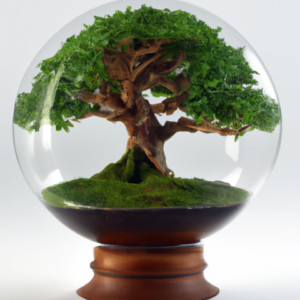
- Terrarium Plants: Create mini ecosystems in glass containers that can be hung or mounted on walls. These self-contained environments require minimal maintenance once established and create living art pieces.


Air plant terrariums combine the best of both worlds, creating beautiful, low-maintenance displays that clean the air and add visual interest to any space. These mini ecosystems need minimal care but have maximum visual impact, serving as conversation pieces and living art installations that bring nature indoors in a controlled way.
Our guide to terrarium plants provides detailed information on creating and maintaining these miniature vertical gardens, including specific plant combinations that work well together and thrive in enclosed environments with different moisture levels.
Best Plants for Outdoor Vertical Gardens
Outdoor vertical gardens offer more possibilities than indoor ones because they typically get more sunlight and natural rainfall. This expanded growing environment allows you to grow a wider variety of plants with different growth habits, flowering patterns, and seasonal interest throughout the year.
Flowering Plants for Vertical Gardens
Adding flowering plants to your vertical garden creates visual impact and attracts helpful pollinators like bees and butterflies, enhancing local biodiversity while providing seasonal color changes:
- Petunias: Cascading varieties work particularly well in hanging systems, producing masses of trumpet-shaped flowers in virtually every color imaginable. Their trailing habit makes them perfect for spilling over the edges of vertical garden pockets.
- Geraniums: Drought-tolerant with continuous blooms throughout the growing season, these sturdy plants offer reliable color and distinctive scented foliage. Their fibrous root systems adapt well to container growing in vertical settings.
- Lobelia: Creates waterfalls of blue, purple, or white flowers with delicate, airy texture. Their compact size makes them ideal for filling small spaces between larger plants in mixed vertical displays.
- Nasturtiums: Edible flowers with trailing habit and bright, jewel-toned blooms. Both their round leaves and flowers are edible with a peppery flavor, making them both ornamental and functional.
- Fuchsias: Prefer partial shade and produce distinctive hanging flowers in exotic color combinations. Their pendulous blooms dangle like ornaments, creating movement and drawing the eye in vertical installations.
Edible Plants for Vertical Gardens
Growing food in vertical gardens is both practical and rewarding, allowing you to harvest fresh produce while maximizing limited space:
Herbs
- Basil – Aromatic leaves in various flavors from sweet to spicy, perfect for culinary use and attractive foliage
- Thyme – Low-growing with tiny, fragrant leaves and minimal water requirements once established
- Rosemary – Drought-tolerant Mediterranean herb with needle-like leaves and woody stems
- Mint (in contained sections) – Vigorous grower that should be isolated to prevent taking over; many varieties available
- Oregano – Spreading habit with small, flavorful leaves; drought-tolerant once established
Leafy Greens
- Lettuce varieties – From loose-leaf to compact heads, many colors and textures available for continuous harvesting
- Spinach – Nutrient-dense leaves that grow quickly in cooler weather with minimal space requirements
- Kale – Highly nutritious with decorative, textured leaves that come in various colors and shapes
- Swiss chard – Colorful stems and nutritious leaves that can be harvested continuously


Vegetables
- Cherry tomatoes (compact varieties) – Productive and flavorful with smaller root systems than full-sized tomatoes
- Peppers (small varieties) – Both sweet and hot peppers can thrive in vertical systems with adequate support
- Strawberries – Naturally adapted to grow in pockets or hanging containers with attractive flowers and delicious fruit
- Peas (with proper support) – Climbing varieties utilize vertical space efficiently while fixing nitrogen in soil
- Bush beans – Compact varieties produce well without the sprawling habit of pole beans
Our guide to growing vertical garden vegetables provides specific tips for getting the most food from limited space, including succession planting techniques and companion planting strategies.
Perennials and Vines for Long-Term Vertical Gardens
For established vertical gardens, consider these long-lasting options that provide structure and consistency year after year:
- Climbing Roses: Smaller varieties work well with proper support, offering fragrant blooms and seasonal interest. Modern varieties are more disease-resistant and require less maintenance than older types.
- Clematis: Offers spectacular blooms in various colors and flowering periods throughout the season. Different varieties bloom at different times, allowing for sequential flowering throughout the growing season.
- Ivy (Hedera): Provides year-round coverage with evergreen foliage in various patterns and colors. Their self-clinging ability makes them ideal for creating living walls with minimal support structure.
- Creeping Jenny: Creates cascades of bright chartreuse foliage that brightens shady areas and contrasts beautifully with darker plants. This vigorous grower quickly fills spaces and spills over edges.
- Ferns: Many varieties thrive in vertical settings, especially in shadier locations, adding textural interest with their feathery fronds. Their prehistoric appearance adds a sense of lushness and woodland character.
Learn proper watering techniques for your outdoor vertical garden to ensure plants receive consistent moisture without overwatering, which is especially important for systems with limited soil volume.
Plants for Specific Vertical Garden Environments
Different vertical garden locations present unique challenges and opportunities based on their environmental conditions. Here’s how to select plants based on specific environmental factors to ensure they thrive rather than merely survive.
Plants for Sunny Vertical Gardens
Vertical gardens in full sun (6+ hours of direct sunlight) need plants that can handle heat and intense light without wilting or scorching. These locations typically experience more rapid evaporation and may require more frequent watering:
- Succulents: Various Sedum, Echeveria, and Aeonium species that have evolved to store water and withstand intense sunlight. Their thick, fleshy leaves and specialized metabolism allow them to thrive in hot, bright conditions.
- Mediterranean Herbs: Lavender, rosemary, sage, and thyme naturally grow in sunny, dry regions and bring both culinary value and aromatic properties to vertical gardens. Their silver-gray foliage often reflects sunlight, reducing heat absorption.
- Drought-Tolerant Flowering Plants: Portulaca, lantana, and verbena offer colorful blooms while withstanding heat and limited water. Their specialized adaptations allow them to continue flowering even during hot, dry periods.
- Sun-Loving Vegetables: Tomatoes, peppers, and eggplants (with adequate support) thrive in full-sun locations and can be productive even in vertical systems with sufficient water and nutrients.


Plants for Shaded Vertical Gardens
Vertical gardens in partial shade or full shade need plants adapted to lower light conditions that can still perform well without stretching or becoming leggy:
- Ferns: Boston fern, maidenhair fern, and bird’s nest fern have evolved to thrive in woodland understory conditions with filtered light. Their delicate fronds add texture and movement to shaded vertical gardens.
- Shade-Tolerant Foliage Plants: Heuchera, hostas, and Japanese forest grass offer colorful leaves that brighten shady areas where flowering plants struggle. Their diverse leaf colors from purple to chartreuse provide visual interest without needing bright light.
- Shade-Loving Flowering Plants: Impatiens, begonias, and fuchsias can produce abundant blooms even in locations with limited direct sunlight. Their specialized leaf structures allow efficient photosynthesis in lower light conditions.
- Mosses: Various moss species for very shady locations create a lush, velvety texture and require minimal soil depth. These ancient plants naturally grow in low-light forest environments and can create stunning effects in vertical installations.
Transform your home office with shade-tolerant vertical garden plants that thrive in indoor conditions with limited natural light but still create a vibrant, living environment.
Plants for Vertical Gardens in Apartments
Apartment vertical gardens face unique challenges including limited space, potentially restricted light, weight considerations, and rental property restrictions:
- Lightweight Options: Air plants, small succulents, and herbs that won’t strain mounting hardware or exceed weight limitations for wall-mounted systems. These plants have minimal soil requirements and won’t damage walls or structures.
- Plants for Low-Light Apartments: Pothos, philodendron, and peace lily that can adapt to the typically lower light levels in apartment interiors. These plants continue to grow and maintain attractive foliage even with suboptimal lighting.
- Compact Edibles: Microgreens, lettuce, and dwarf varieties of herbs that provide fresh food without requiring extensive space or soil depth. These can be harvested frequently to maintain their compact size while providing nutritional benefits.
Discover innovative solutions for apartment vertical gardens that maximize limited space while creating a green oasis in urban living environments without violating lease agreements or damaging rental properties.
Specialized Plant Selection for Different Systems
Different vertical garden systems have specific requirements that influence plant selection based on their design, water delivery methods, and growing media. Here’s how to choose plants based on the system you’re using to maximize success and minimize maintenance issues.
Plants for Hydroponic Vertical Gardens
Hydroponic systems grow plants without soil, delivering nutrients directly through water, allowing for extremely efficient nutrient uptake and rapid growth:
- Leafy Greens: Lettuce, spinach, and kale thrive in hydroponic systems, producing clean, pest-free leaves with faster growth rates than soil-grown counterparts. Their shallow root systems adapt quickly to water-based growing.
- Herbs: Basil, cilantro, and mint grow quickly in hydroponics, producing abundant aromatic leaves with intense flavor profiles. The controlled nutrient delivery enhances essential oil production for more flavorful harvests.
- Strawberries: Compact growth habit works well in hydroponic towers, producing clean fruit that doesn’t touch soil and isn’t susceptible to ground pests. The consistent nutrient delivery results in sweeter, more uniform berries.
- Compact Vegetables: Cherry tomatoes and small peppers can produce impressive yields in hydroponic vertical systems with proper support and consistent nutrient management.


Explore space-saving hydroponic solutions that use 90% less water than traditional gardening while allowing year-round growing regardless of outdoor weather conditions or seasonal limitations.
Plants for Pocket and Felt Vertical Gardens
Pocket and felt systems use fabric pockets or panels to hold plants, creating unique challenges with water retention and distribution:
- Shallow-Rooted Plants: Succulents, small herbs, and ground covers that don’t require deep soil for healthy root development. These plants can establish and thrive in the limited growing medium available in pocket systems.
- Drought-Tolerant Options: Plants that can handle periods of dryness between waterings, as fabric systems sometimes dry unevenly or more quickly than rigid containers. Their ability to store water in leaves or stems helps them withstand fluctuating moisture levels.
- Cascading Plants: Creeping Jenny, string of pearls, and trailing petunias that spill over and create vertical interest while hiding the structure of the pocket system. Their trailing habit creates a lush, abundant appearance that conceals the growing infrastructure.
Plants for Terrarium Vertical Gardens
Terrariums create miniature ecosystems in glass containers, with specific humidity and condensation patterns that require specialized plant selection:
- Closed Terrarium Plants: Fittonia, baby tears, and small ferns that thrive in high humidity environments with limited air circulation. These plants naturally grow in tropical understory conditions with consistent moisture and minimal temperature fluctuation.
- Open Terrarium Plants: Small succulents, air plants, and miniature cacti that need better air circulation and less humidity than closed systems. These plants have adapted to environments with more air movement and occasional dry periods.
- Moss Gardens: Various moss species create lush miniature landscapes with minimal soil requirements, thriving in the humid microclimate of enclosed glass containers. Their primitive structure allows them to absorb water directly through their leaves rather than conventional root systems.
Explore our terrarium plant collection to find the perfect specimens for your miniature vertical garden, whether you prefer tropical rainforest species or desert-adapted succulents for your glass enclosures.
🌿
Trailing Plants
Create cascading effects, maximize vertical space, and provide lush coverage. Examples: Pothos, String of Pearls, Ivy
🌱
Compact Plants
Fit well in limited spaces, maintain neat appearance, and require less pruning. Examples: Succulents, Herbs, Small Ferns
🌺
Flowering Plants
Add visual interest, attract pollinators, and provide seasonal color changes. Examples: Petunias, Geraniums, Begonias
🍅
Edible Plants
Provide fresh food, offer practical benefits, and create multi-functional gardens. Examples: Lettuce, Herbs, Strawberries
Pros and Cons of Different Plant Selections
When planning your vertical garden, it’s important to weigh the advantages and disadvantages of different plant types to make informed decisions based on your specific needs, environment, and maintenance capacity.
Succulents and Cacti
Pros:
- Extremely drought-tolerant, needing minimal watering even in warm conditions
- Very low maintenance requirements with infrequent fertilization needs
- Diverse textures and forms for visual interest throughout the year
- Shallow root systems ideal for vertical gardens with limited soil depth
- Can survive in harsh conditions and temperature fluctuations that would damage other plants
Cons:
- May grow slowly compared to other plants, taking longer to fill in spaces
- Some need protection from excessive rain and humidity which can cause rot
- Limited flowering compared to other options, with emphasis on foliage rather than blooms
- May not provide the lush, green look some gardeners desire for tropical or woodland effects
Flowering Plants
Pros:
- Create visual impact with colorful blooms that change throughout the seasons
- Attract pollinators like bees and butterflies, supporting local ecosystems
- Provide seasonal interest and changing displays rather than static appearances
- Many varieties to choose from for different conditions and color preferences
Cons:
- Often require more water and fertilizer to maintain flowering performance