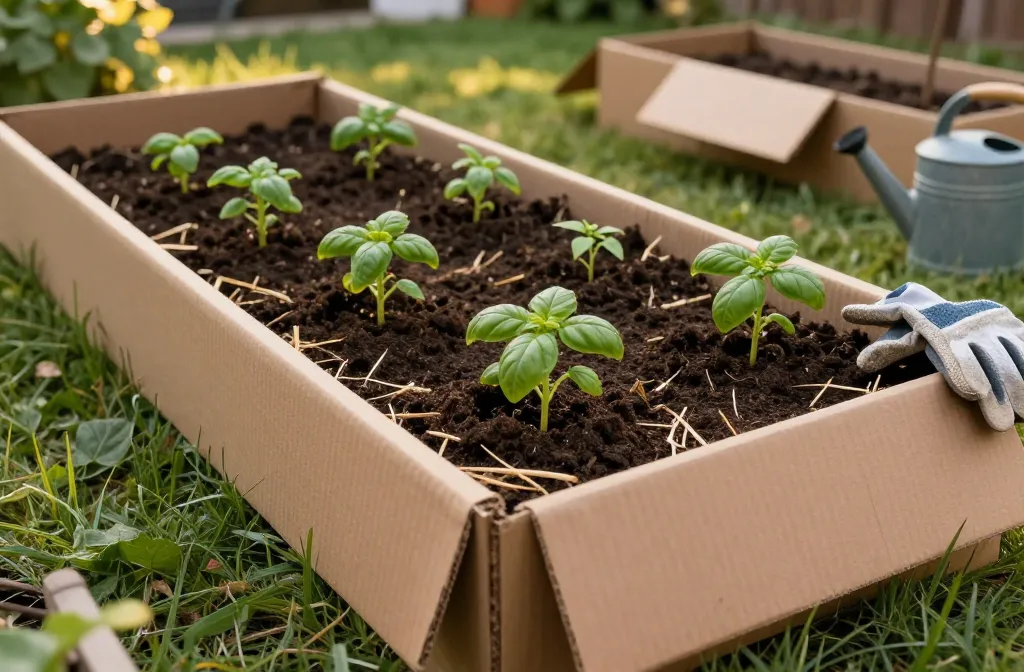
9 Cardboard Box Gardening Hacks Every Beginner Needs Today
Got a stack of boxes from your latest online binge? Perfect. Those humble cardboard rectangles can kick-start a thriving garden without fancy gear or a big budget. We’re talking weed control, root protection, and instant raised beds—cheap, fast, and weirdly satisfying. Ready to turn trash into tomatoes?
1. Build a No-Dig Bed in 30 Minutes
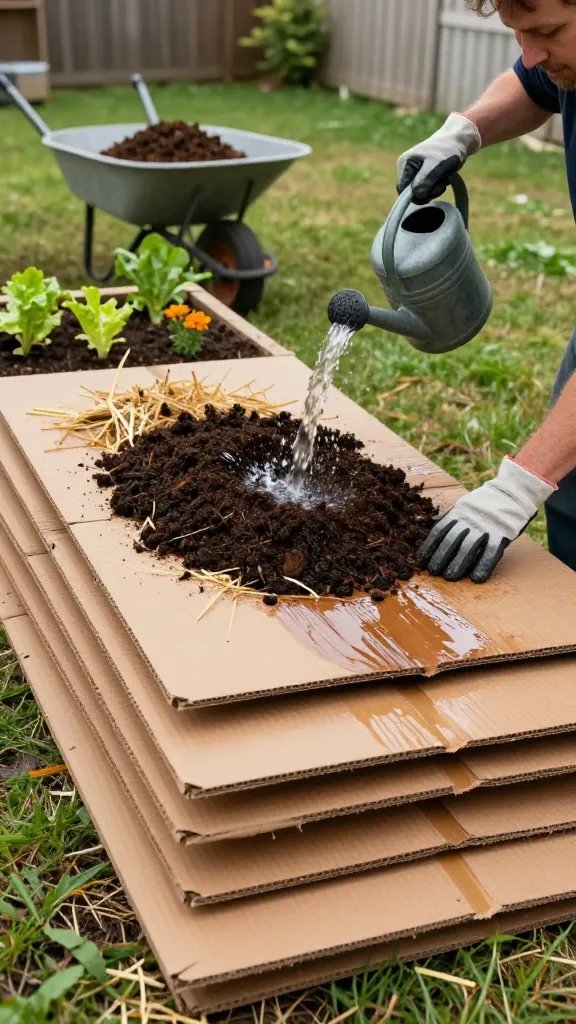
No shovel, no problem. A no-dig bed made from flattened boxes jump-starts a garden on any patch of grass. The cardboard smothers weeds while worms and microbes do the heavy lifting underneath.
Materials
- Broken-down cardboard boxes (non-glossy, tape removed)
- Compost or topsoil (3–6 inches)
- Mulch (straw, leaves, or wood chips)
Overlap the edges of your boxes by 4–6 inches to block sneaky grass. Saturate the cardboard, then add a thick layer of compost and top with mulch. Plant right away and let the soil life party beneath the surface. This hack shines when you want a quick garden bed without wrestling sod.
2. Craft Seed-Starting Pots That Actually Decompose
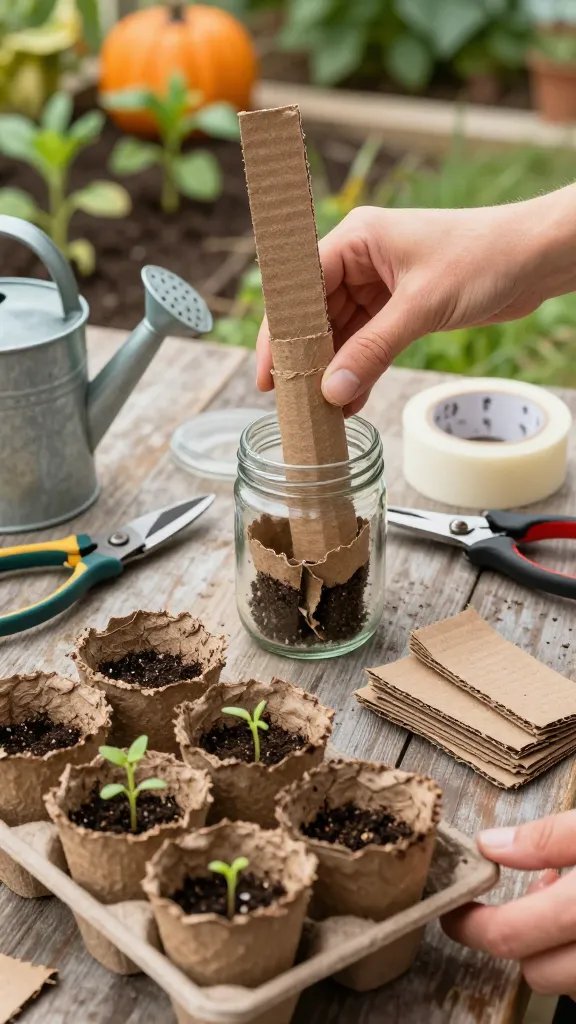
Skip plastic trays and make biodegradable pots from thin cardboard. They hold moisture, protect roots, and go straight into the ground at transplant time.
How-To
- Cut strips about 4 inches tall and roll around a small jar.
- Fold the bottom like a gift wrap to make a snug base.
- Fill with seed-starting mix and sow seeds.
Water gently so they keep their shape. Plant the entire pot once roots fill it—just rip off any tape and peel the rim level with the soil to prevent wicking. Great for pumpkins, beans, and herbs you want to transplant without shocking the roots.
3. Make a Weed-Blocking Garden Path
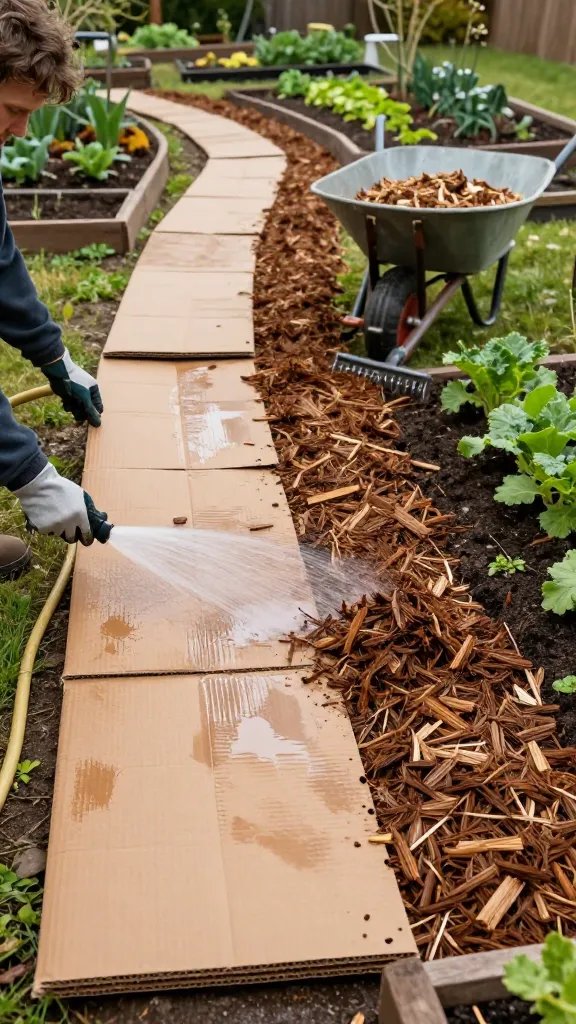
Weeds love pathways, but you don’t have to. Cardboard under mulch creates a clean, comfy walkway and stops grass from creeping into your beds.
Tips
- Lay 2 layers of cardboard with 4-inch overlaps.
- Wet it thoroughly so it molds to the ground.
- Add 3–4 inches of wood chips or shredded bark.
Refresh the mulch once or twice a season if it settles. Your shoes stay mud-free, your garden looks tidy, and you spend less time yanking crabgrass. IMO, this is the easiest upgrade for instant garden glow-up.
4. Create a Moisture-Saving Trench Mulch
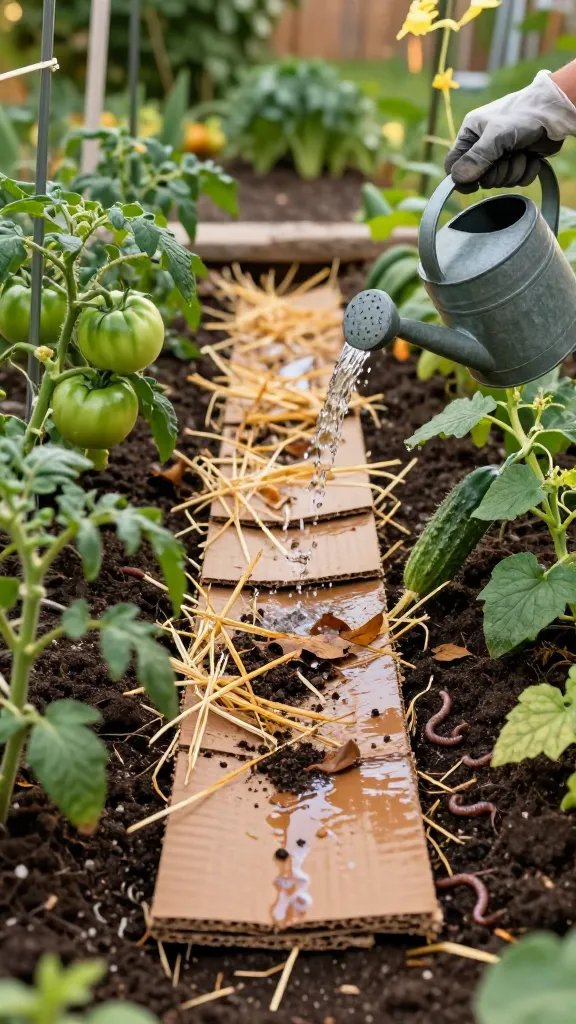
Dry soil? Cardboard can slow evaporation and feed soil life at the same time. A trench mulch keeps roots cool and moisture where plants need it.
How-To
- Dig a shallow trench (2–3 inches) between plant rows.
- Lay strips of cardboard inside and soak them.
- Cover with leaves, straw, or compost.
The cardboard breaks down over weeks, improving texture and encouraging worms. Use this hack during heat waves or when you can’t water daily. FYI: works wonders around thirsty crops like tomatoes and cucumbers.
5. Line Raised Beds to Stall Weeds and Pests
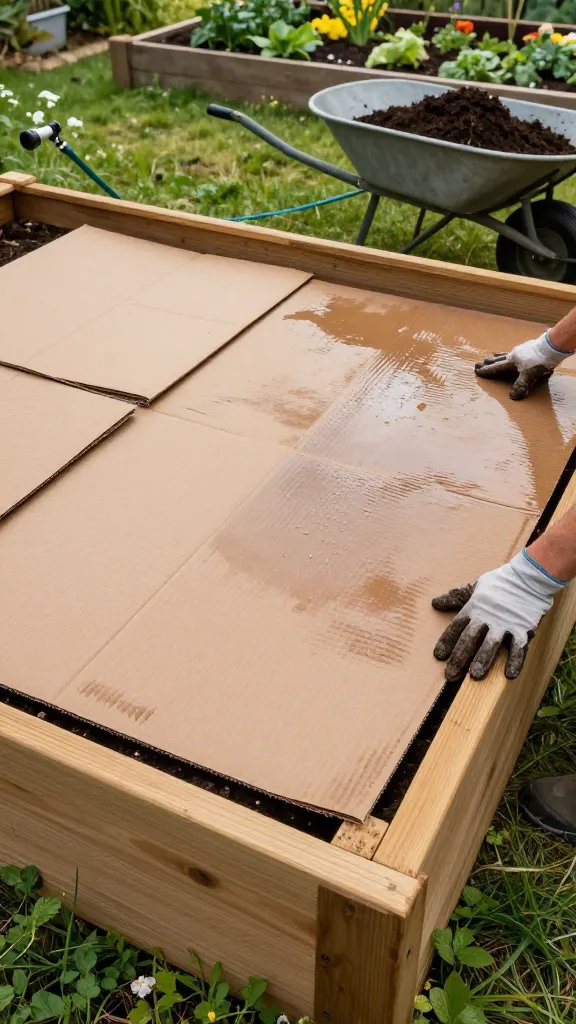
Raised beds rock, but weeds and invasive grass sneak in from below. A cardboard liner buys you time and keeps the soil mix clean as roots establish.
Key Points
- Line the bottom with a single layer of cardboard, overlapping edges.
- Wet it, fill with soil, and plant immediately.
- Skip plastic liners that suffocate soil life.
The cardboard breaks down in a season, but by then your bed has a thriving root system and fewer invaders. It’s a simple insurance policy for anyone starting a new bed on sketchy ground.
6. Hack a Temporary Cold Frame for Early Starts
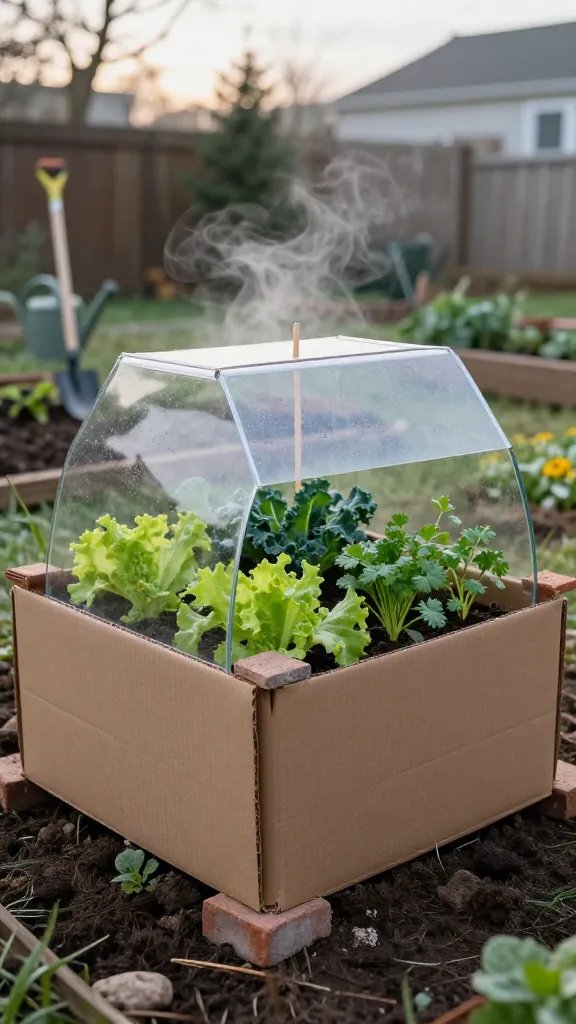
Want a head start without buying a greenhouse? Use cardboard as walls to block wind and hold warmth around tender seedlings.
Setup
- Form a low rectangle with sturdy boxes around a bed or tray.
- Lay a clear cover on top—old storm window, clear plastic, or a shower curtain.
- Weigh it down with bricks and crack it open on sunny days.
This creates a few degrees of extra warmth and reduces frost risk. It isn’t bulletproof, but it buys you precious weeks in spring. Perfect for lettuce, kale, and herbs that don’t love the chill.
7. Use Cardboard Collars to Thwart Cutworms and Sun Scorch
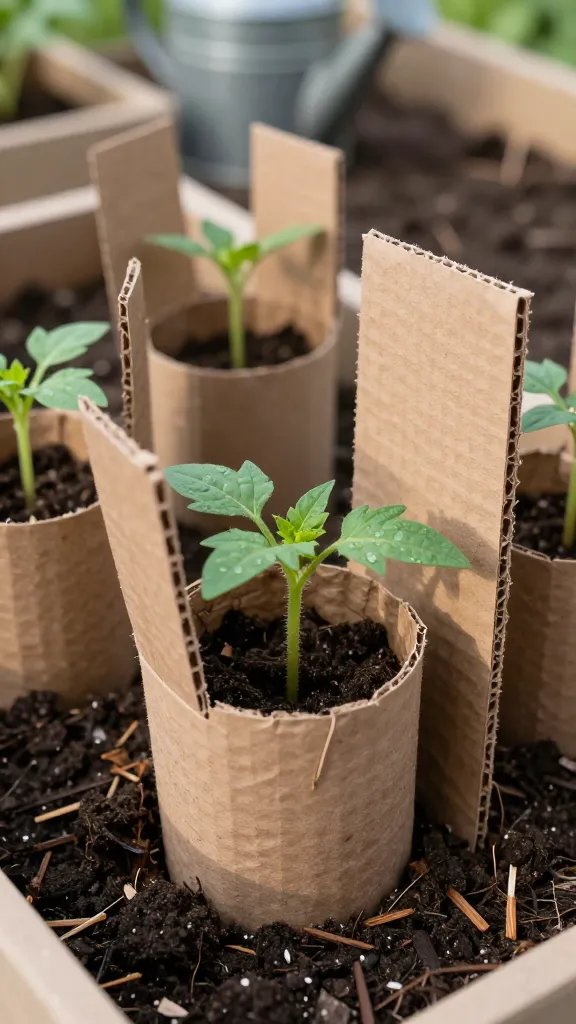
Cutworms love to chomp through baby stems at night. Cardboard collars stop them like tiny castle walls and also shade soil to prevent moisture loss.
How-To
- Cut 2–3 inch tall rings from cardboard tubes or strips.
- Slip around the seedling and push 1 inch into the soil.
- For intense sun, make a taller collar on the south side.
These collars decompose slowly, so they continue to protect for weeks. Use them when transplanting tomatoes, peppers, brassicas, and anything cutworm-prone. Seriously, it’s the cheapest plant armor you’ll ever make.
8. Smother Weedy Beds for a Clean Reset
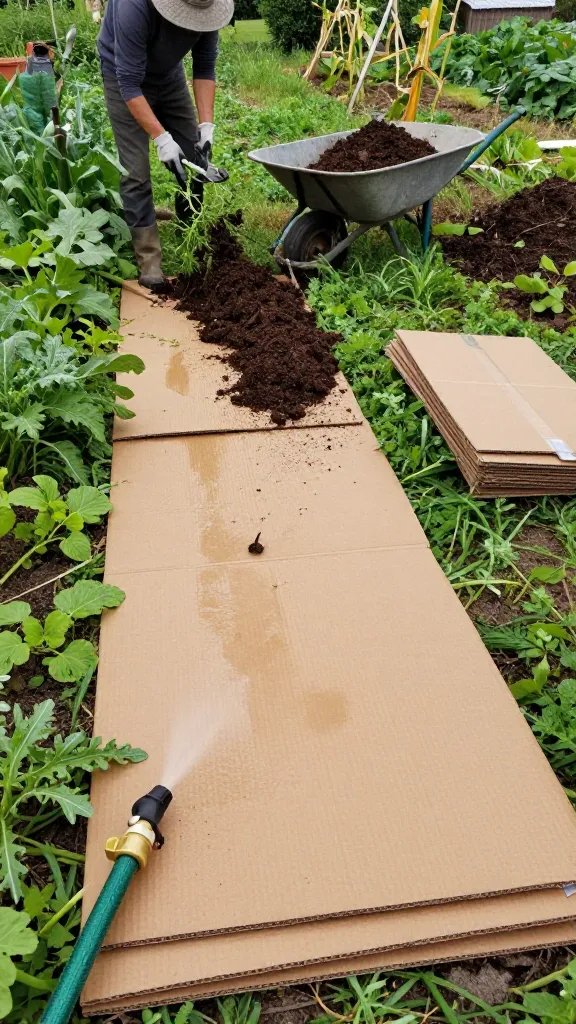
If a bed turned into a jungle, don’t fight it—smother it. Cardboard blocks light, starves weeds, and sets the stage for a fresh planting without chemical drama.
Steps
- Cut weeds low to the ground.
- Lay 2–3 layers of cardboard with generous overlaps.
- Wet thoroughly and top with 4 inches of compost or mulch.
Leave it for 4–8 weeks, then plant through or remove the top layer and fluff the soil. Tough perennials might need a second round, but most annual weeds give up fast. Use this for neglected corners, future pollinator patches, or new herb gardens.
9. Build a Quick Compost Core for Hungry Plants
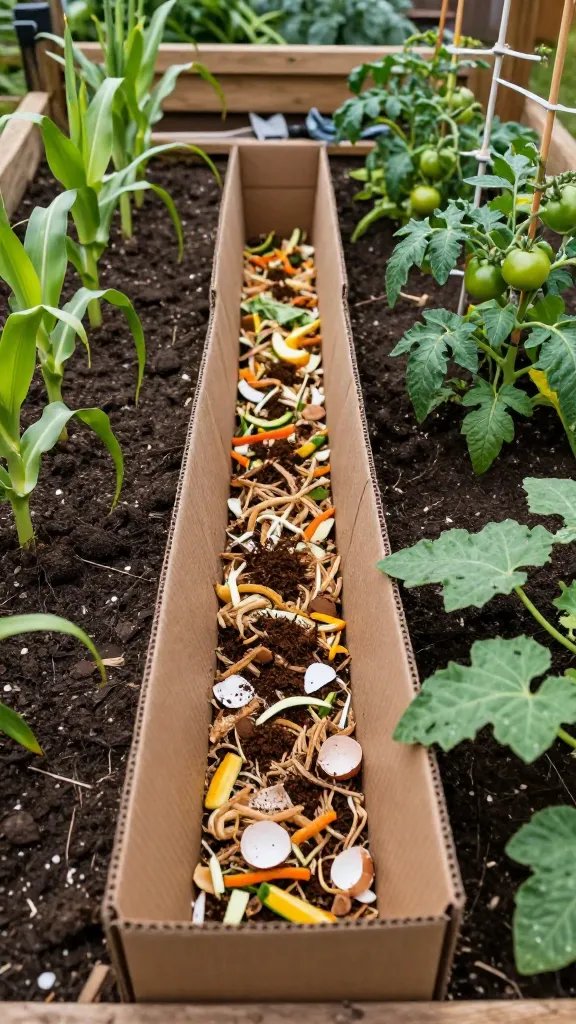
Feed your soil from the inside out. A cardboard-lined trench filled with kitchen scraps creates a slow-release compost core that fuels heavy feeders.
Method
- Dig a trench 8–10 inches deep down the middle of a bed.
- Line the sides and bottom with damp cardboard.
- Layer chopped kitchen scraps, yard waste, and a sprinkle of soil.
- Cover with 3–4 inches of soil and plant on either side.
The cardboard slows decomposition just enough to keep nutrients in place. Corn, squash, and tomatoes go wild with this setup. It’s like an underground buffet your plants raid all season.
Quick Safety Notes So Your Plants Don’t Hate You
- Use plain, brown cardboard only. Avoid glossy, colored, or heavily inked boxes.
- Remove all tape, labels, and staples. They don’t break down and look messy.
- Wet cardboard thoroughly so it hugs the ground and stays put.
- Don’t pile it against woody stems; keep a small gap around trunks.
Bonus tip: If you worry about slugs, go lighter on mulch in wet weather and use copper tape or beer traps. You can thank me later.
Ready to raid the recycling bin? Cardboard gives beginner gardeners a low-cost, low-stress way to build beds, fight weeds, and protect tender plants. Try one or two hacks this week and watch your garden get happier, easier, and way more fun—trust me, you’ll never look at a box the same way again.