9 Natural Ways to Get Rid of Aphids Without Chemicals That Work
Aphids throwing a buffet on your roses again? Same. The good news: you can shut down the party without drenching your garden in harsh stuff. These nine natural tactics hit fast, protect pollinators, and keep your plants looking photo-ready. Let’s reclaim your leaves, one tiny sap-sucker at a time.
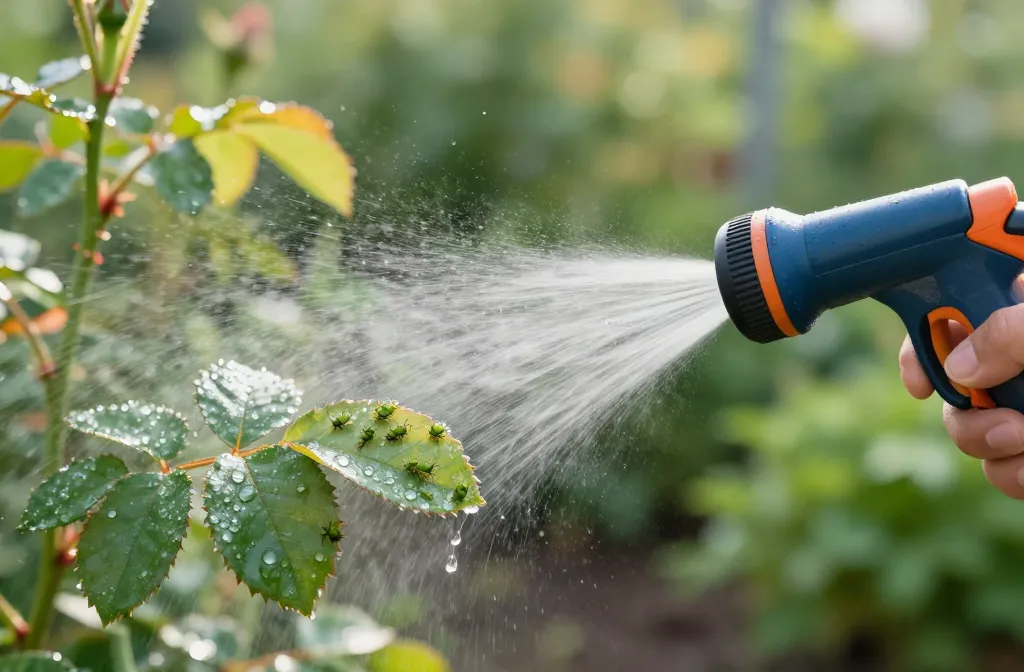
1. Blast Them Off With Water Pressure
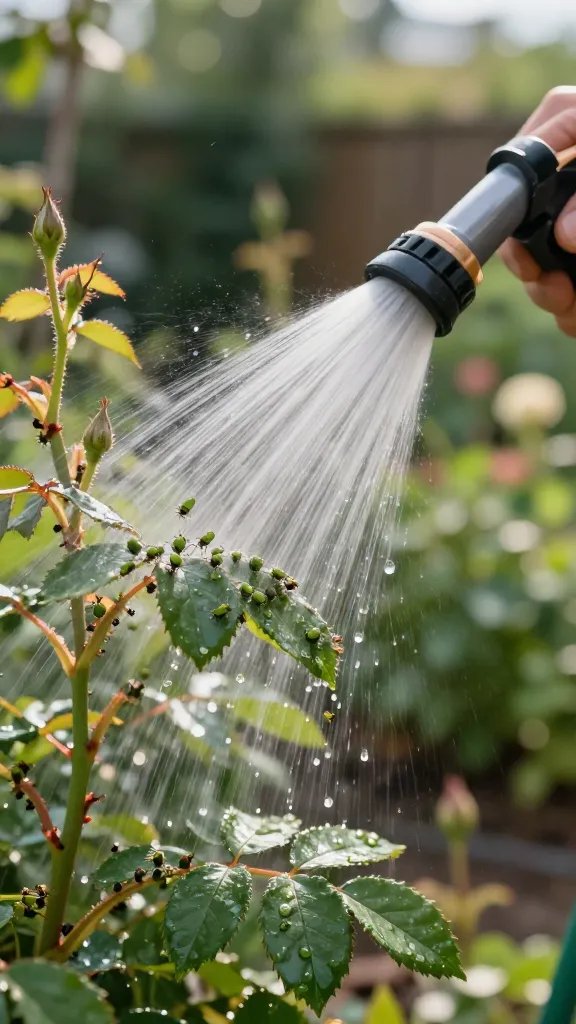
Before you mix potions or summon ladybugs, grab your hose. A strong, targeted spray knocks aphids off leaves and stems, breaking their feeding frenzy. They rarely crawl back in time to do more damage.
Tips
- Use a nozzle with a jet or shower setting: strong enough to dislodge, gentle enough for leaves.
- Spray early in the day so foliage dries fast.
- Hit the undersides of leaves—aphids hide there like tiny ninjas.
Start here whenever you spot a light infestation. It’s free, fast, and oddly satisfying.
2. Deploy Homemade Soap Spray (Aphid Kryptonite)
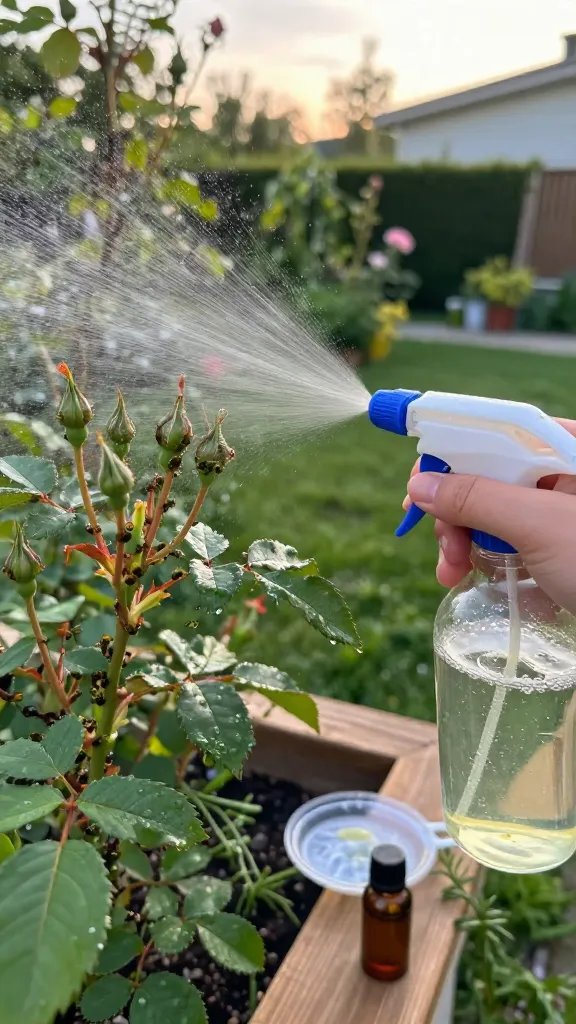
Mild soap disrupts aphids’ protective coatings and dries them out. It’s simple, cheap, and safe for most plants when used correctly. Just don’t go wild with the concentration.
How To Mix
- 1–2 teaspoons of pure liquid castile soap per 1 quart (1 liter) of water
- Optional: 1 teaspoon vegetable oil to help it stick
- Optional: a few drops of peppermint or rosemary essential oil for extra repellent power
Spray in the evening to avoid leaf burn. Test on a small section first; some plants (tender ferns, certain succulents) dislike soap. Use this when you want a targeted, quick knockdown without chemicals.
3. Invite the Predator Squad (Ladybugs, Lacewings, and Friends)
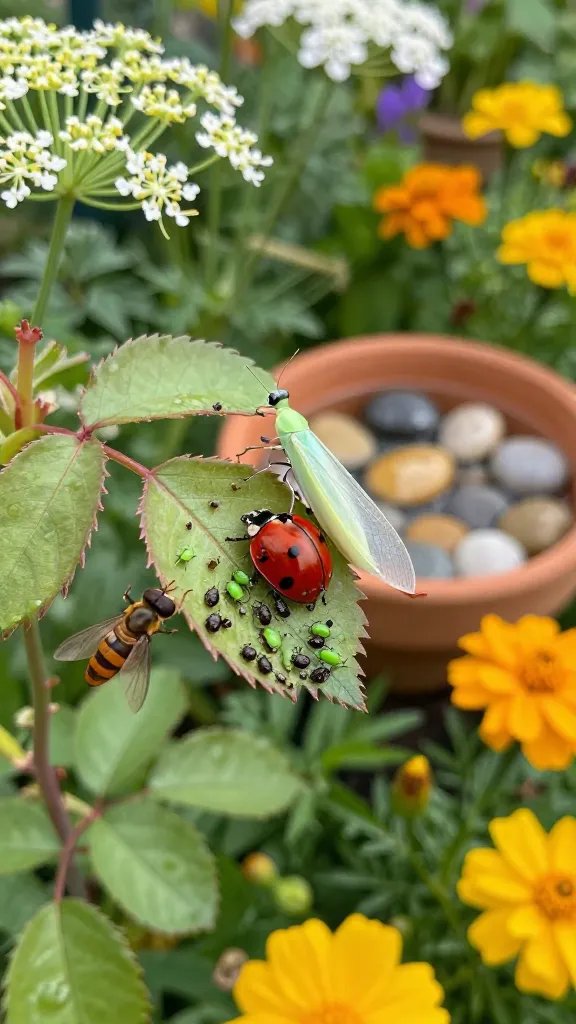
Aphids fear one thing: things that eat aphids. Ladybugs, lacewings, hoverfly larvae, and parasitic wasps treat your garden like a buffet—in the best way. Encourage them and watch aphid numbers nosedive.
How To Attract Them
- Plant nectar-rich blooms like dill, fennel, yarrow, alyssum, calendula, and marigolds.
- Provide shallow water with pebbles for perching.
- Avoid broad-spectrum pesticides that wipe out your allies.
You can also buy ladybugs or lacewing eggs, but IMO, building habitat works better long-term. Use this as your sustainable, set-it-and-forget-it strategy.
4. Smother With Neem Oil (The Slow, Steady Assassin)
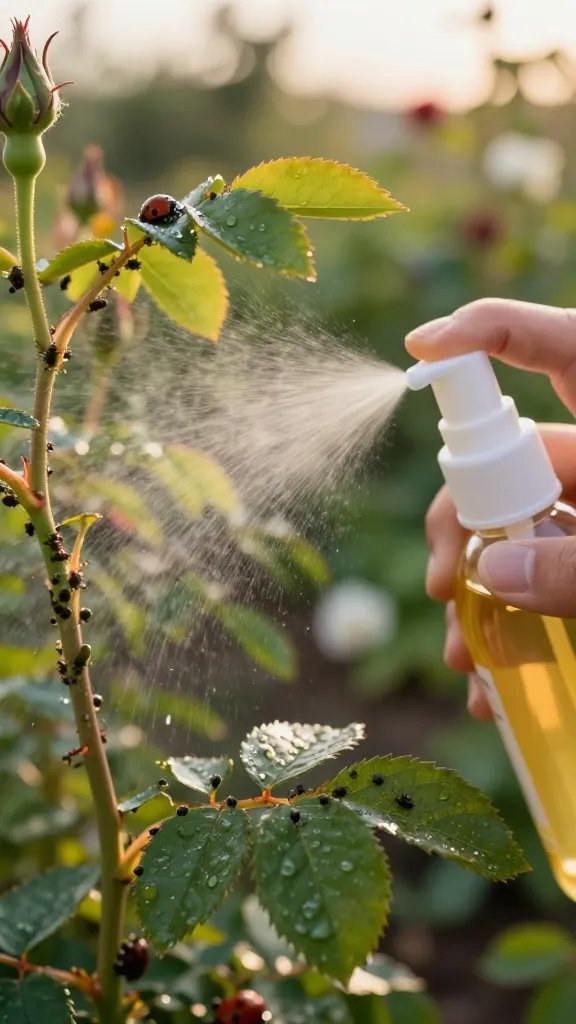
Neem oil works as a smothering agent and disrupts aphid life cycles. It won’t nuke your garden, and it plays nicely with beneficials when you spray carefully. It also helps with whiteflies and spider mites—two-for-one, anyone?
Application Basics
- Mix according to label (commonly 2 tablespoons neem oil + 1 teaspoon mild soap per gallon of water).
- Spray in the evening to protect bees and avoid sunscald.
- Coat undersides of leaves, stems, and new growth—aphid hotspots.
Choose neem when you need a broader reset on a recurring problem. It’s a solid middle-ground between DIY and pro-grade.
5. Disrupt With Companion Planting
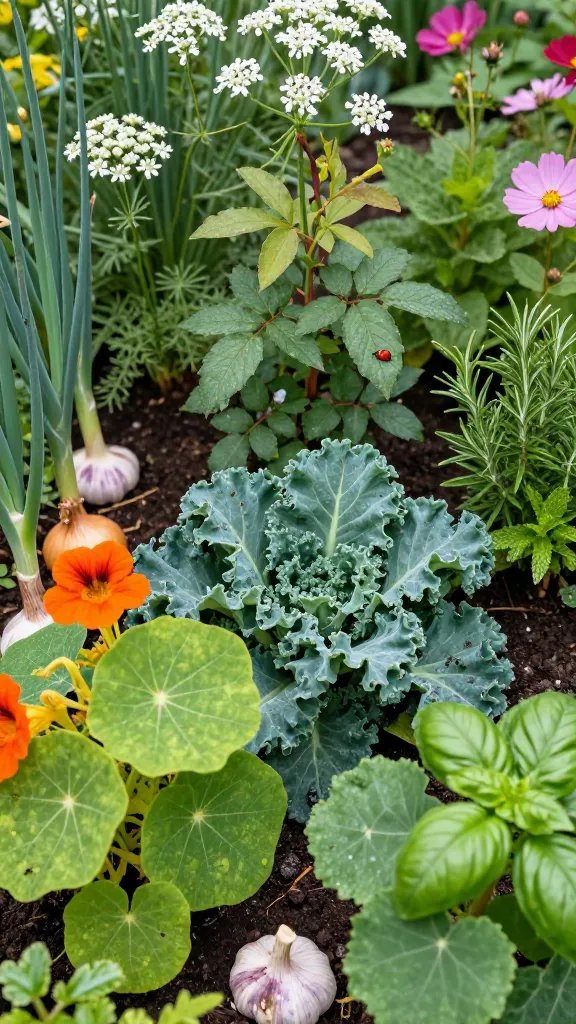
Plants talk, and aphids listen. Some scents repel them; others act as “trap crops” that lure them away from your favorites. Use plant buddies to confuse and redirect the enemy.
Smart Combos
- Repel: garlic, chives, onions, basil, mint, rosemary, catnip
- Attract beneficials: dill, fennel, yarrow, cosmos, alyssum
- Trap crops: nasturtium for roses and brassicas; plant them nearby and monitor
Rotate and refresh these plant pairings each season. This method shines as a preventative move that looks gorgeous, too.
6. Use Sticky Traps and Reflective Mulch
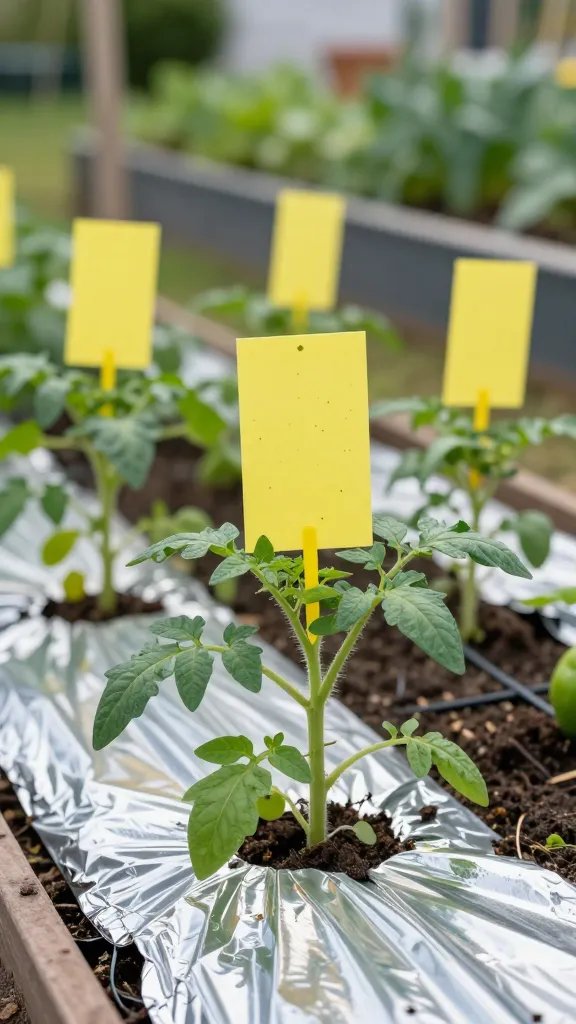
Aphids don’t all walk; many arrive as winged scouts. Catch them mid-mission with yellow sticky traps and confuse them with reflective mulch. Think of it as air traffic control for pests.
How To Use
- Yellow sticky cards: place near affected plants at foliage height.
- Reflective mulch: silver or aluminumized plastic around plant bases to deter landing.
- Replace traps when they fill up or get dusty.
Use this when you spot winged aphids or you’re starting seeds and tender transplants. It’s preventative and weirdly satisfying (FYI, those cards get gross, fast).
7. Brew a Garlic–Pepper Repellent
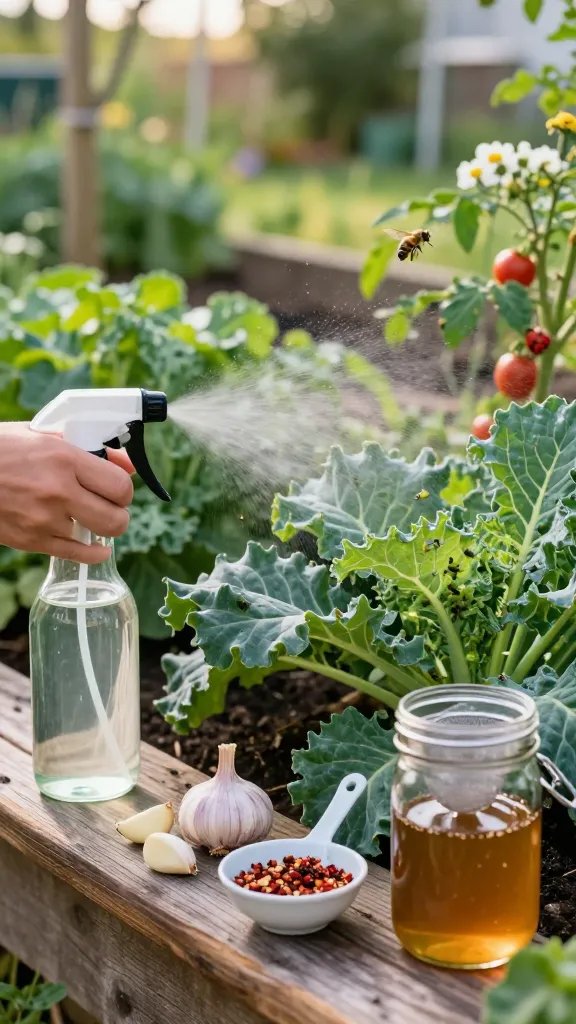
If aphids could Yelp, they’d one-star this spray. The combo of garlic and hot pepper makes plants unappetizing, and it’s easy to whip up from pantry staples. It won’t kill on contact, but it tells aphids to eat elsewhere.
Simple Recipe
- Blend 2–3 garlic cloves + 1 teaspoon red pepper flakes with 1 quart water.
- Let it sit overnight, then strain well.
- Add 1 teaspoon mild soap as a surfactant before spraying.
Spray every few days and after rain. Avoid during bloom hours to keep pollinators happy. Use this to protect new growth and keep pressure low.
8. Prune, Squish, and Sanitize Like You Mean It
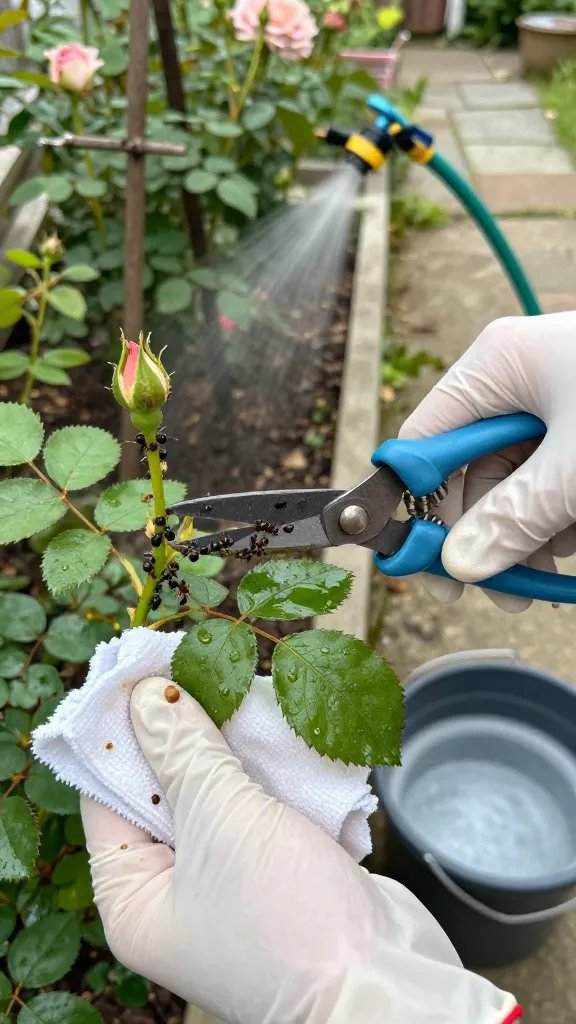
Sometimes the fastest fix is the most hands-on. Snap off heavily infested tips, wipe clusters with gloved fingers, and clean up sticky honeydew that aphids leave behind. You’ll break their cycle and cut off ant protection.
What To Do
- Prune soft, aphid-loaded stems into a bag and trash them (don’t compost if heavily infested).
- Wipe leaves with a damp cloth to remove honeydew and sooty mold.
- Rinse nearby surfaces to deter ants that “farm” aphids for honeydew.
Reach for this when pockets of infestation pop up on reachable plants. It’s oddly therapeutic—seriously.
9. Manage Ants and Feed Your Plants Right
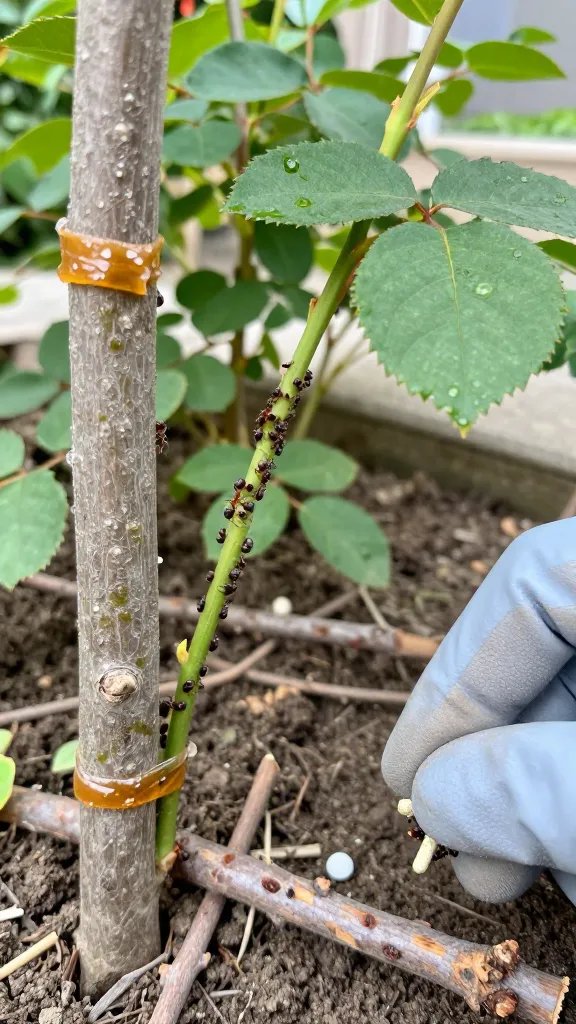
Ants protect aphids like tiny security guards because they love the honeydew. Break that alliance and aphids become easy targets. Also, dial in your fertilizing—soft, nitrogen-rich growth invites aphid parties.
Action Plan
- Block ant access: use sticky barriers on trunks; trim plant bridges.
- Bait, don’t spray: use ant baits near nests to reduce colonies without blasting the whole garden.
- Fertilize wisely: switch to balanced or slow-release feeds; avoid heavy nitrogen spikes.
Do this to prevent repeats. A balanced garden keeps aphids from treating your beds like an all-you-can-eat salad bar.
Ready to show those aphids the exit? Mix a couple of these strategies for best results—think water blast plus soap spray, or companion planting plus predators. Keep it consistent for a week or two and you’ll see the tide turn. Your plants are about to glow, and the aphids are about to go—trust me.