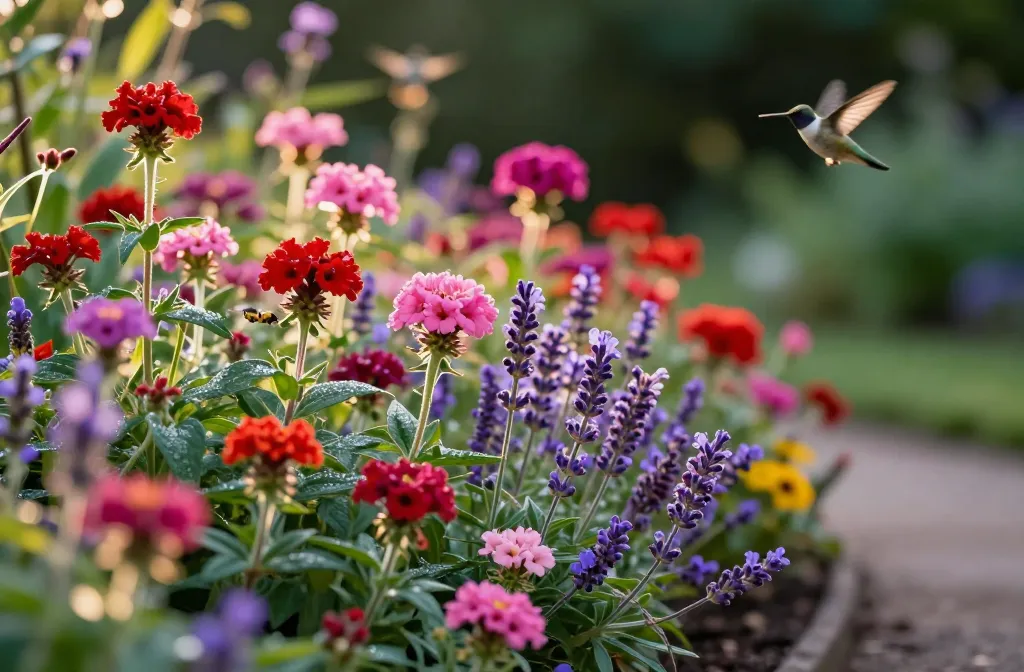
Ready to turn your garden into a humming, buzzing, Technicolor summer show? Bee balm (aka Monarda) brings fireworks-level blooms, herbal fragrance, and pollinator magnetism with almost zero attitude. These 15 ideas will help you grow it better, style it smarter, and squeeze every drop of magic from those frilly flowers. Let’s make your yard the place bees RSVP “yes” to all season.
1. Pick The Right Monarda For Your Zone
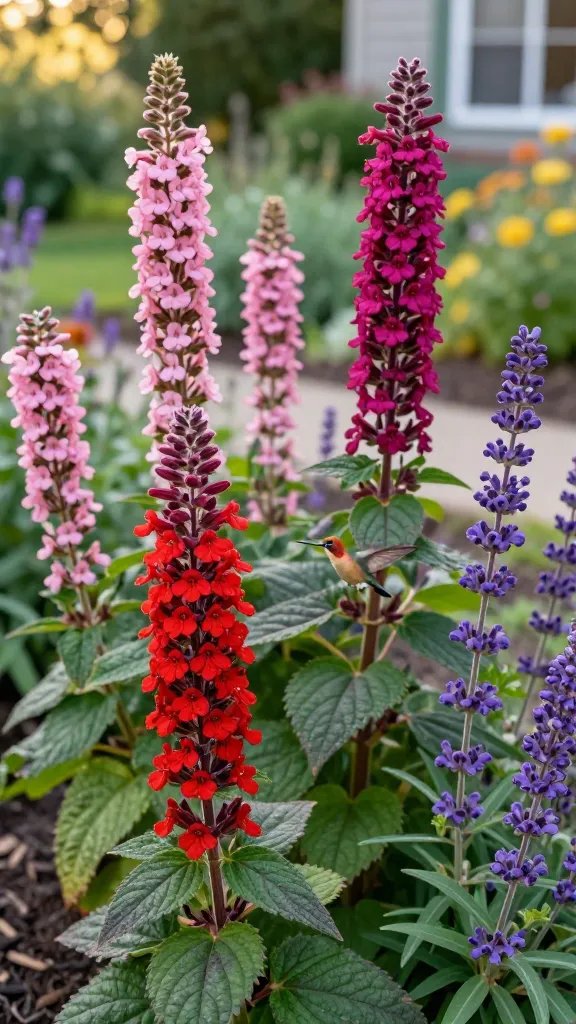
Not all bee balms behave the same. Some tower, some stay compact, some handle heat, others love cooler summers. Start by matching the plant to your climate and space so you get more blooms and fewer problems.
Top Cultivars To Know
- ‘Jacob Cline’ – Tall, mildew-resistant, lipstick-red, hummingbirds go wild
- ‘Marshall’s Delight’ – Medium height, bubblegum pink, great border color
- ‘Raspberry Wine’ – Bold magenta, sturdy stems, late-summer drama
- Monarda fistulosa – Native lavender blooms, tough as nails, pollinator paradise
- ‘Pardon My Purple’ – Compact, container-friendly, strong color punch
Choose right at the start and you’ll spend the summer admiring, not troubleshooting. FYI: local nurseries usually stock winners for your region.
2. Give Them Sun (But Not A Desert)
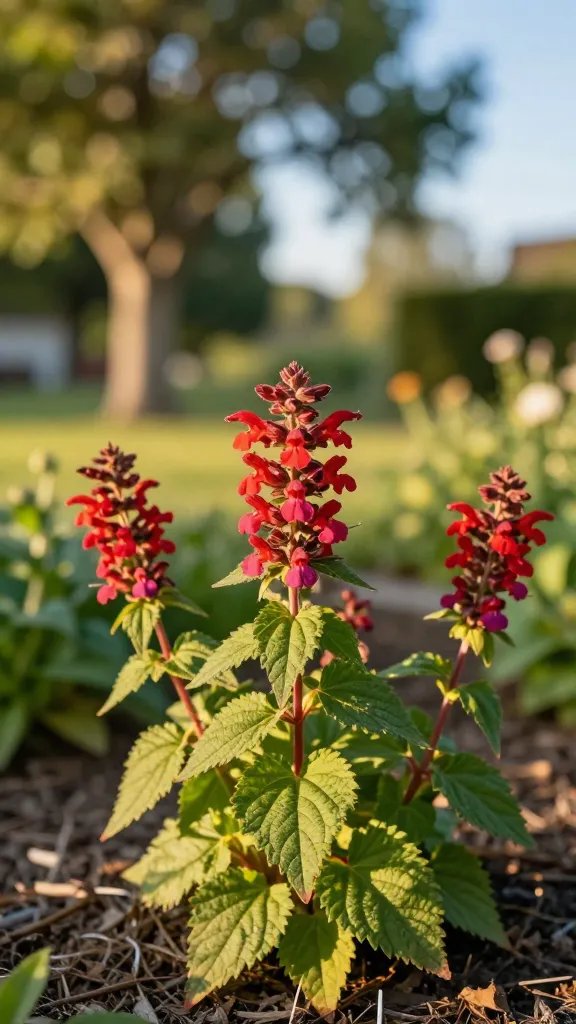
Bee balm craves sun to bloom like crazy. Aim for 6–8 hours of direct light for best flower power. Partial shade works in hotter regions to keep leaves happier and colors saturated.
Placement Tips
- Full morning sun with dappled afternoon shade in scorching zones
- Open air circulation to reduce mildew risk
- Keep away from aggressive irrigator heads that create constant splash
More sun equals more color. Balance it with a little relief if your summer feels like a hair dryer on high.
3. Water Deep, Then Let Them Breathe
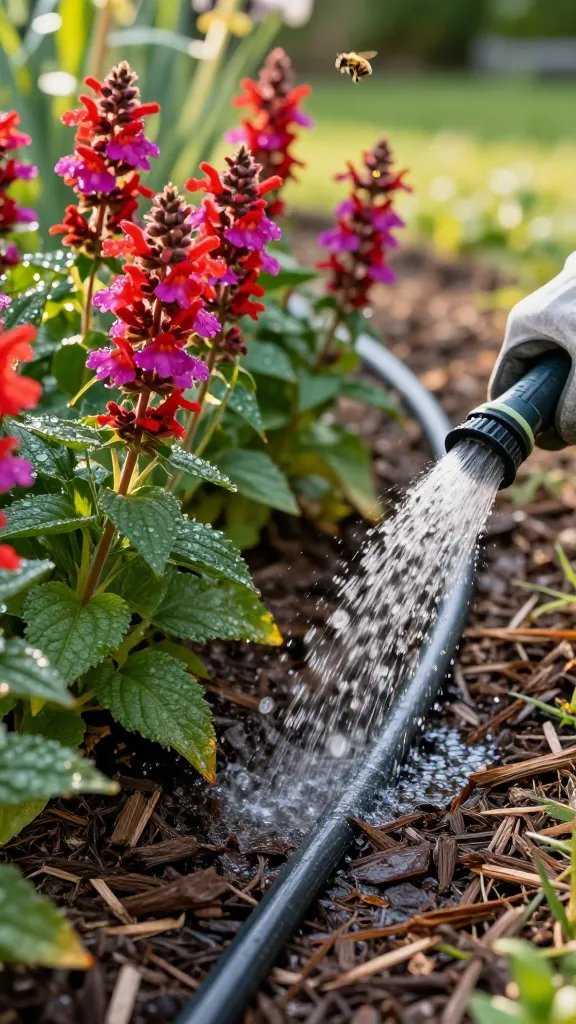
Monarda likes consistent moisture, not soggy puddles. Think deep watering once or twice a week rather than daily sips. Strong roots form when soil dries slightly between drinks.
Smart Watering Moves
- Drip irrigation or a soaker hose beats overhead spray
- Mulch 2–3 inches to lock moisture and cool the root zone
- Water at soil level early in the day to keep foliage dry
Dial in the rhythm and you’ll get lush growth without the drama. Your blooms will thank you with nonstop color.
4. Beat Powdery Mildew Before It Starts
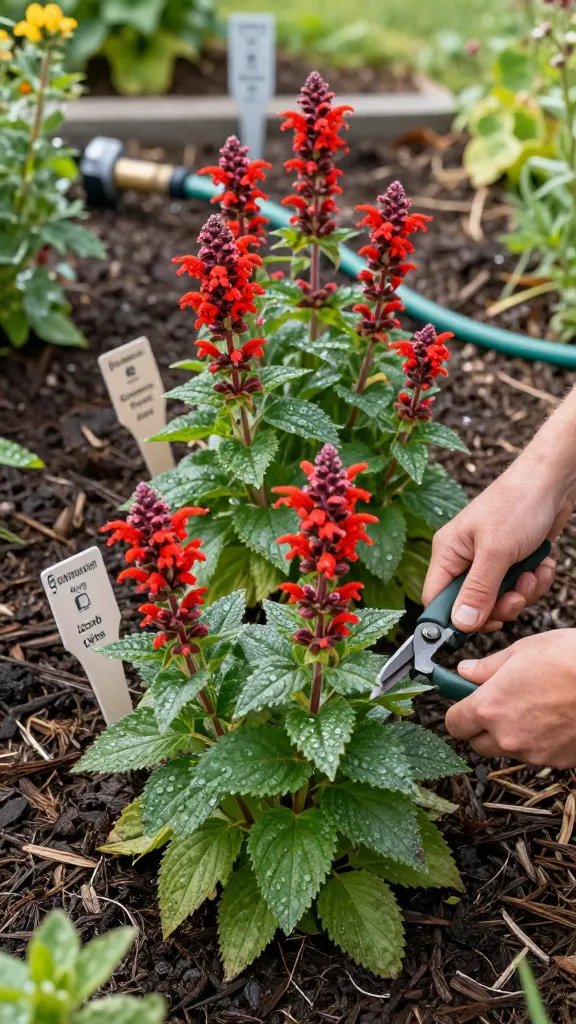
Powdery mildew loves cramped, humid foliage. Your mission: prevent it. Space plants, prune for airflow, and choose resistant cultivars if your climate runs humid.
Prevention Cheatsheet
- Spacing: 18–24 inches for compacts, 24–36 for taller types
- Pruning: Thin interior stems in late spring
- Water: Soil, not leaves—seriously
- Resistant picks: ‘Jacob Cline,’ ‘Gardenview Scarlet,’ ‘Grand Parade’
Nip it early and you’ll keep foliage fresh and blooms pristine all summer. Less white fuzz, more party.
5. Feed Low And Slow For Fireworks Blooms
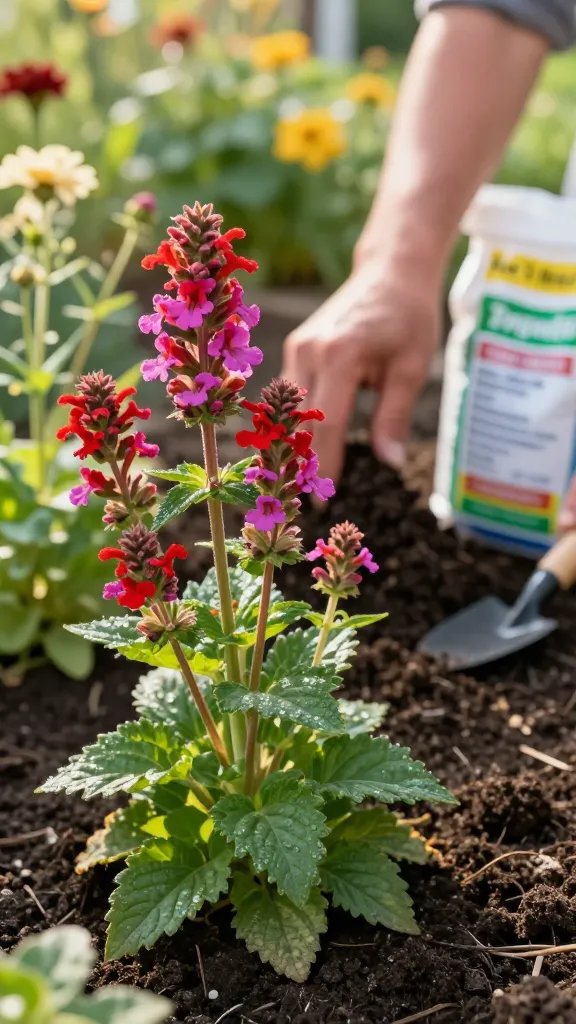
Bee balm doesn’t need a buffet line. Overfeeding means floppy stems and fewer flowers. A balanced, gentle approach fuels color without chaos.
Fertilizer Plan
- Work in compost in spring for slow nutrients
- If needed, one light dose of balanced organic fertilizer after first flush
- Avoid high-nitrogen lawn spillover—hello, leafy disappointment
Keep it chill and the plants channel energy into big, frilly blooms. Your borders will pop, not flop.
6. Deadhead For A Second (And Third) Show
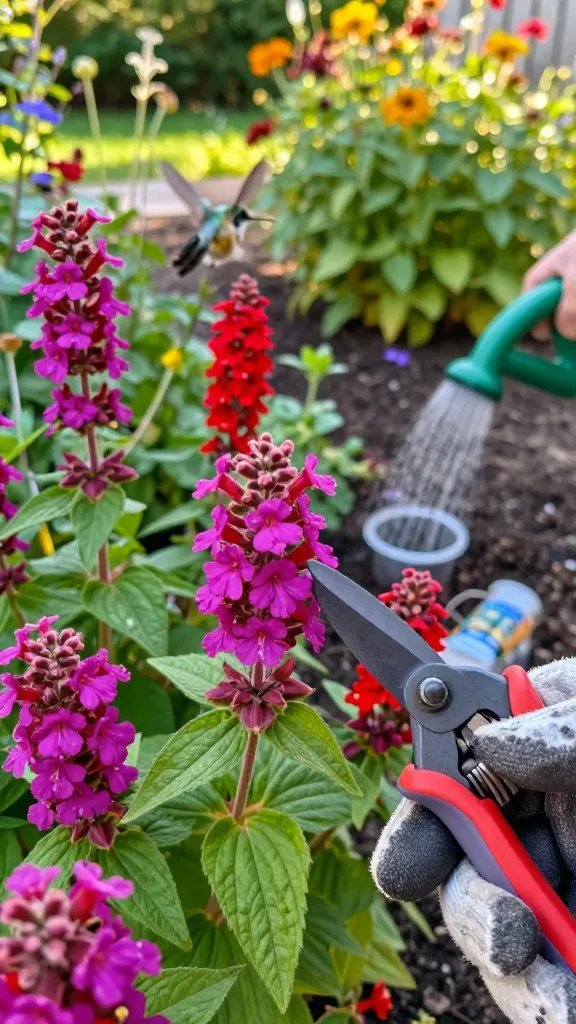
Spent blooms send energy to seed-making. You want flowers, not a Monarda nursery, right? Snip faded heads to trigger fresh buds.
How To Deadhead Fast
- Cut just above a set of healthy leaves
- Cluster snips for speed—3–5 heads per cut
- Finish with a light feed and soak to recharge
Do this once a week and you’ll stretch color into late summer. It’s garden cardio with instant gratification.
7. Pinch Early For Bushy, Windproof Plants
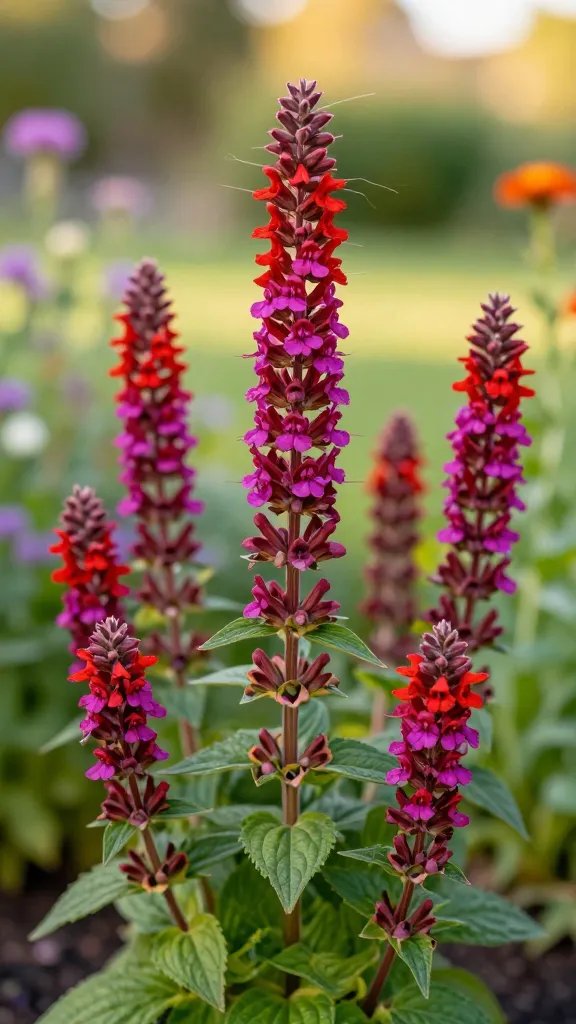
Tall bee balm can lean like a tired flamingo. Early pinching builds stronger, denser plants that hold flowers high and proud. You’ll also get more stems, more blooms, more wow.
Timing And Technique
- When plants hit 8–10 inches, pinch top 1–2 inches
- Repeat once more 2–3 weeks later if you want extra branching
- Stop by late spring to avoid delaying blooms too much
Use this trick especially with tall reds planted in windy spots. Your stems won’t face-plant mid-July.
8. Pair With Pollinator BFFs For A Nectar Highway
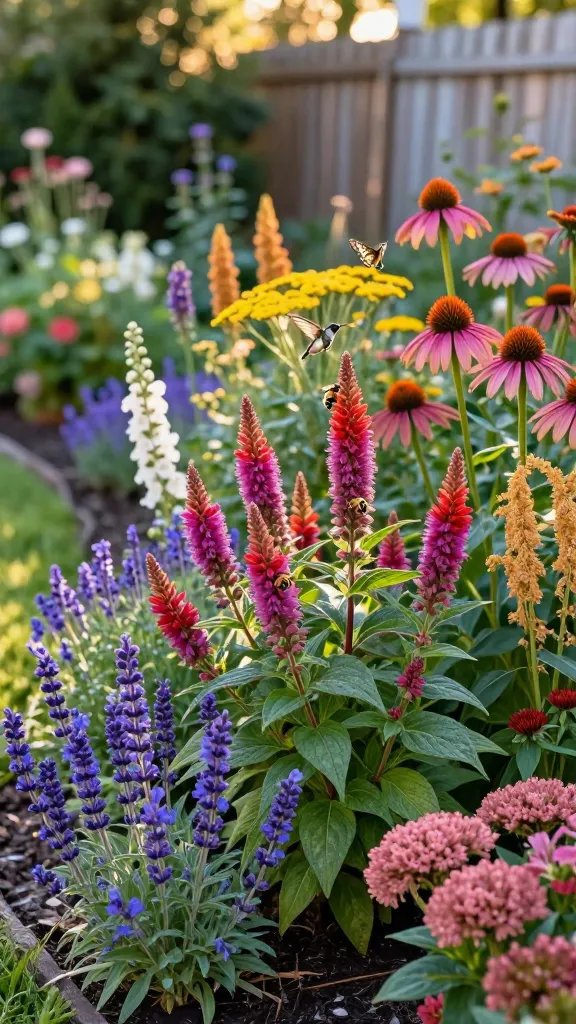
Bee balm attracts bees, butterflies, and hummingbirds like a garden rave. Pair it with other nectar stars to keep pollinators fed from spring through fall. You’ll create a literal buffet line.
Power Combos
- Early: Salvia, catmint, penstemon
- Peak: Bee balm, coneflower, yarrow, agastache
- Late: Asters, goldenrod, sedum
Staggered bloom times mean constant traffic and happy hummers. IMO, this is the best kind of garden chaos.
9. Design With Color: Hot, Cool, Or Wild
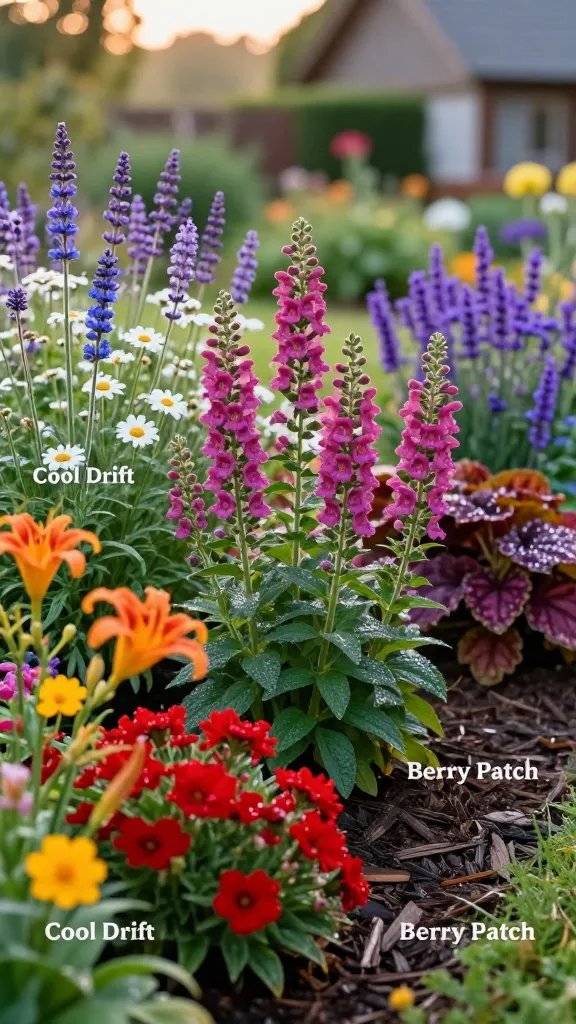
Monarda colors swing from fire-engine reds to chill lavenders. Use them to set a mood. Warm tones scream summer fiesta, while pinks and purples bring cottage-core calm.
Color Recipes
- Hot Border: Red bee balm + orange daylilies + yellow coreopsis
- Cool Drift: Lavender Monarda fistulosa + blue salvia + white shasta daisy
- Berry Patch: Magenta bee balm + deep purple verbena + plum heuchera
Color-savvy pairings look intentional and photogenic. Your garden pics will actually do justice to the view.
10. Grow Bee Balm In Containers (Yes, Really)
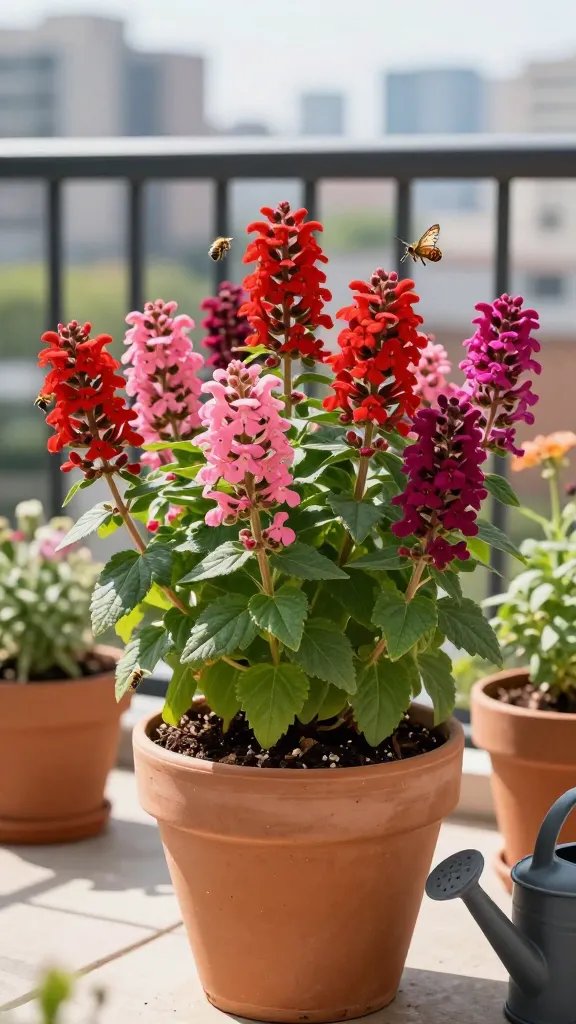
Shorter cultivars crush it in pots. You control soil, water, and spacing, and you can move them where the party happens. Perfect for patios and balconies.
Container Basics
- At least 14–16 inch wide pot with drainage
- Loamy, compost-rich mix; add perlite for airflow
- Water more frequently than in-ground, mulch with fine bark
Try the ‘Pardon My’ series for compact color bombs. Great for small spaces and moveable wow factor.
11. Divide Every 2–3 Years For Peak Vibes
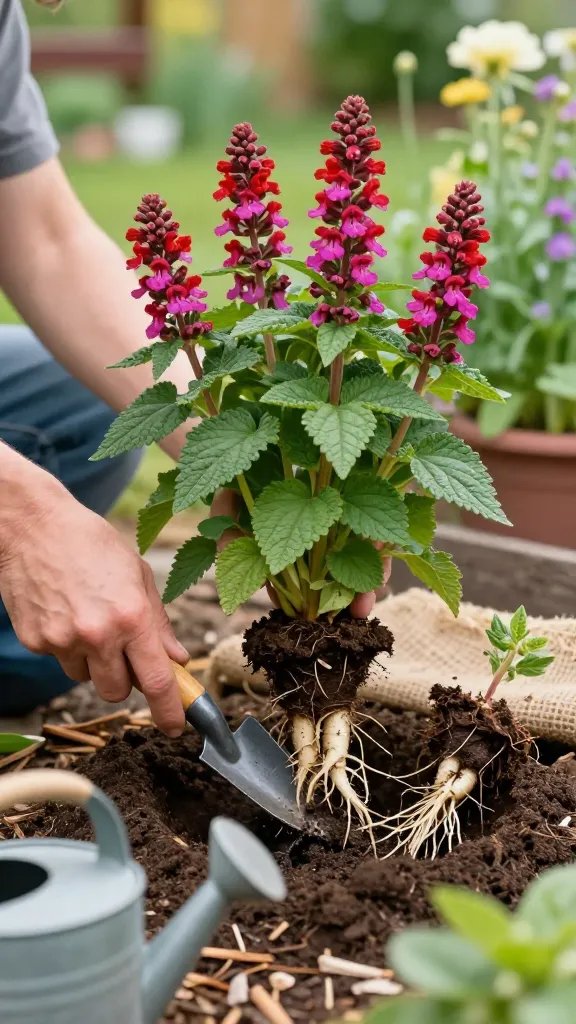
Bee balm spreads by rhizomes and can tire in the center over time. Division keeps clumps youthful, blooming, and well-behaved. It also gifts you free plants—yes please.
Division Steps
- Best in early spring or early fall
- Lift clump, slice into healthy outer sections with vigorous roots
- Replant at original depth, water in, and mulch
Dividing keeps airflow high and mildew low. Plus, your friends will love “shopping” your extras.
12. Cut Flowers That Last And Look Luxe
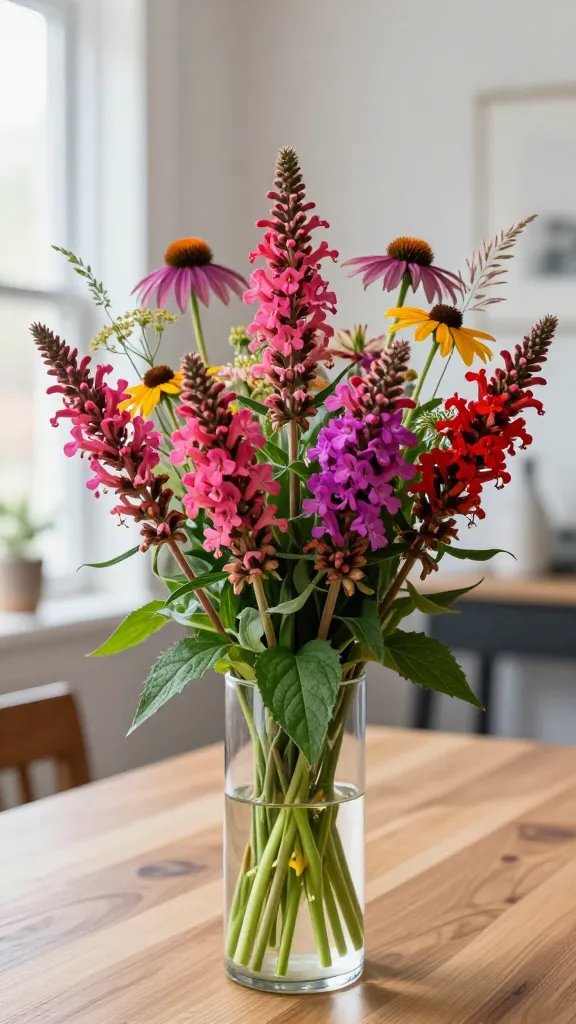
Those shaggy blooms hold court in vases. Harvest in the cool morning when 1–2 tiers open. The square stems add quirky structure in arrangements.
Cutting Tips
- Use clean, sharp snips and a deep bucket of lukewarm water
- Strip lower leaves; recut stems under water
- Pair with coneflower, rudbeckia, dill heads, and airy grasses
Expect 5–7 days of vase life with a floral preservative. Your dining table just got a confidence boost.
13. Cook, Sip, And Scent With Monarda
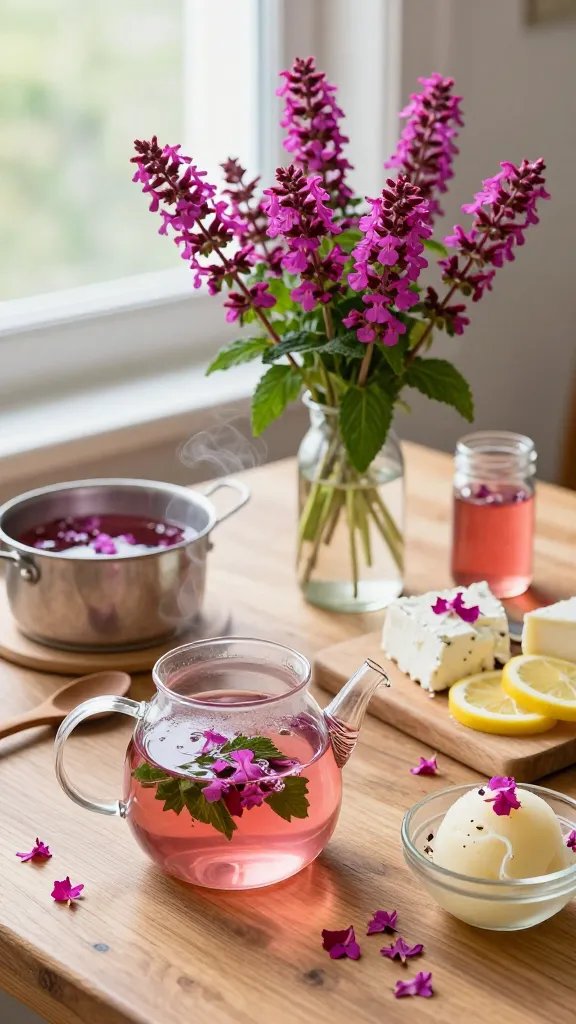
Bee balm isn’t just pretty—it’s a flavorful herb in the mint family. The petals taste citrusy-spicy, and the leaves echo bergamot. You can garnish, brew, and even make syrups.
Easy Uses
- Tea: Steep fresh leaves and petals 5–7 minutes
- Syrup: Simmer equal parts water and sugar with petals; strain and chill
- Garnish: Sprinkle petals on salads, sorbets, or cheese boards
Herbal vibes, summer flair. Keep it fun and light—test flavors before going all-in on a recipe.
14. Go Native For Resilience And Wildlife Wins
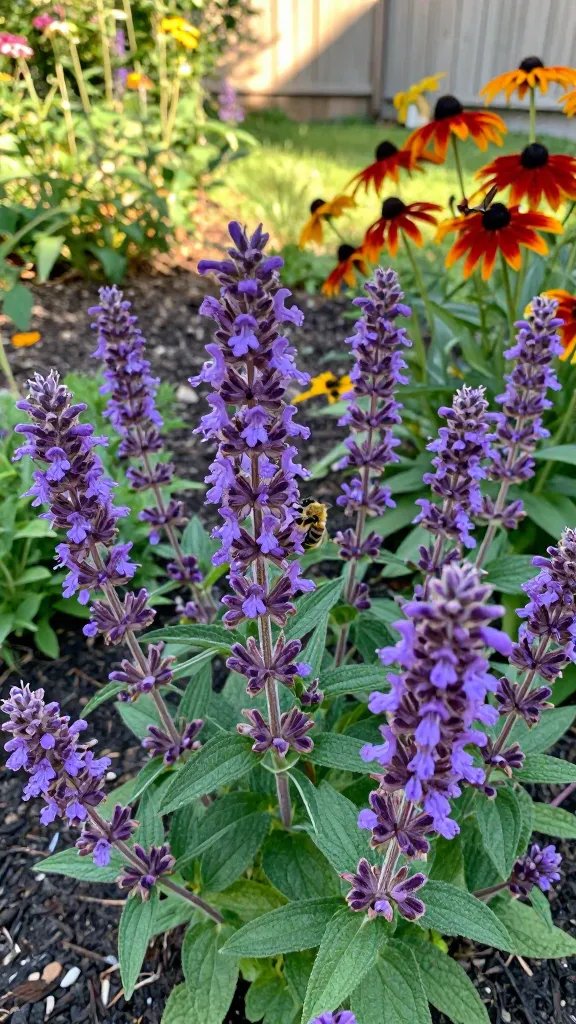
Native species like Monarda fistulosa and Monarda didyma evolved with local pollinators. They handle regional quirks like champs and support bees and butterflies on a deeper level. Plant natives where possible for a garden that basically takes care of itself.
Native Advantages
- Better adaptation to local soil and weather
- High-value nectar and pollen for native bees
- Lower input needs once established
Choose straight species or lightly improved natives for the best ecological boost. Your yard becomes a mini-wildlife station—no ranger hat required.
15. Plan For Winter So Summer Pops Even Harder
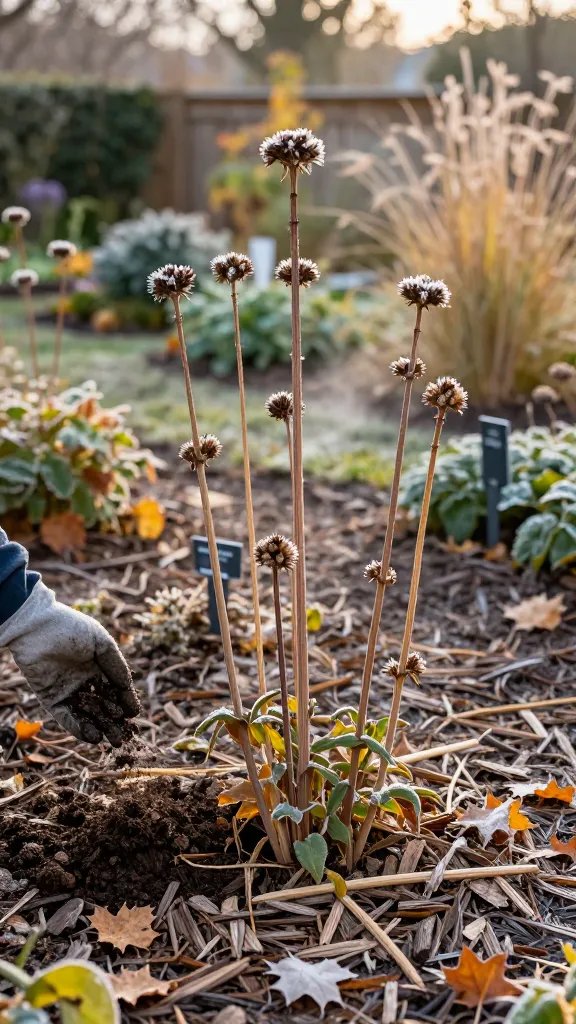
Monarda dies back in winter, but what you do in fall sets next summer up for success. You can leave stems for birds and beneficials or clean up strategically. Either way, think ahead.
End-Of-Season Game Plan
- Cut back to 2–4 inches after hard frost, or leave seedheads for structure
- Top-dress with compost; refresh mulch to 2 inches
- Mark clumps so spring shoots don’t get “weeded” by accident
Good winter prep equals vigorous spring growth and a faster bloom show. Trust me, future-you will high-five present-you.
Bee balm brings the drama, the pollinators, and the fragrance—without demanding a full-time gardener. Start with the right variety, give it sun and air, then ride the color wave all summer. Ready to make your yard the buzziest spot on the block? Plant a few clumps and watch the magic happen.