
Indoor setups are humid by design, and in environments that creep toward 80% relative humidity, mold growth risk jumps sharply and can explode in tightly closed terrariums if we miss the early signs. In this guide we walk you through exactly how we diagnose mold and pests in terrariums, so you can catch problems fast and keep your mini ecosystem stable instead of scrambling after a full outbreak.
Key Takeaways
| Question | Short Answer |
|---|---|
| How do I tell if my terrarium has mold or just harmless fungi? | Look at color, texture, and location. Powdery white film on glass or soil and fuzzy grey or green patches usually signal problem mold, especially in poorly ventilated setups like those discussed in our ventilation guide . . |
| What are the first signs of pests in a terrarium? | Tiny flying gnats, webbing, sticky residue on leaves, or slow leaf damage often show up before a full infestation, which we break down in our pest prevention tips. |
| Can bad lighting cause mold and pests? | Yes. Weak or inconsistent light slows plants and encourages algae, fungus, and some pests, which is why our light requirements guide ties lighting directly to disease risk. |
| Are closed terrariums more prone to mold than open ones? | Usually yes, because moisture and humidity stay higher, as we explain in our open vs closed terrarium comparison, so diagnosis and ventilation tweaks matter more. |
| What is the simplest routine to avoid mold and pests in the first place? | Weekly visual checks, wiping excess condensation, removing dead leaves, and adjusting watering are the disease-management basics covered in our disease management guide. |
1. Reading Your Terrarium: Early Warning Signs You Should Never Ignore
Most mold and pest problems start quietly, so our first diagnostic step is training our eyes to notice tiny changes before they cascade. We focus on four areas during every quick check: glass, soil surface, leaves, and movement.
On the glass, we watch for oily films or circular patches of moisture that never dry, which hint at stagnant air and high humidity. On the soil, unusual white crusts, fuzzy mats, or yellow slime are all red flags for fungal or bacterial activity.
- Glass check: uneven condensation, fogging only in certain areas, cloudy films.
- Soil check: white cottony tufts, greenish fuzz, or any sour or mushroomy smell.
- Plant check: unexplained yellowing, sudden leaf drop, translucent or mushy stems.
- Movement check: small flies when you tap the glass, tiny dots walking on leaves.
“Your terrarium should look calm but alive. If you see constant fogging on the glass, random white growths, or more than one or two insects, your ecosystem is quietly telling you something is off.”
2. Spotting Problem Mold vs Harmless Growths In Terrariums
Not every white or fuzzy patch is a disaster, so our diagnosis starts with pattern and behavior. Harmless saprophytic fungi often show up as small, isolated white tufts on dead wood or leaf litter, then fade once they consume that material.
Problem mold behaves differently, it spreads across multiple surfaces, covers healthy plants or moss, and usually tracks with constant wetness and poor airflow. If mold is on live leaves or stems, or keeps coming back after a light wipe, we treat it as active disease pressure.
Quick Mold Diagnosis Checklist
- Color: grey, black, bright green, or multicolored patches suggest trouble.
- Spread: growing daily or jumping to new spots signals an imbalance.
- Location: on living tissue or all over the glass is more serious than a tiny patch on bark.
- Smell: musty, sour, or rotten smells mean you need to act.
If we confirm problem mold, we look back to root causes like overwatering, low airflow, or mismatched plants that stay too wet in that container style. That way we are not just wiping glass, we are fixing the conditions that invited the mold in the first place.
3. Diagnosing Fungus Gnats, Mites, And Other Common Terrarium Pests
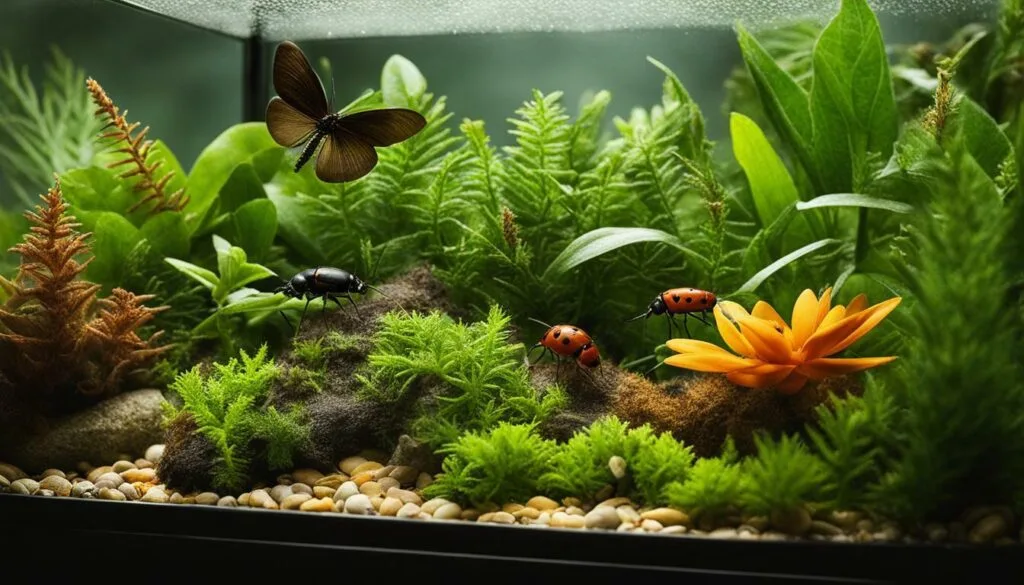
Pests usually show themselves before they cause real damage, if we know what to look for. In terrariums, the main culprits are fungus gnats, springtails, mites, aphids, and the occasional snail or slug hitchhiker.
Fungus gnats are often the first pest we diagnose, tiny black flies that hover near the glass and run across the soil when disturbed. Because a single female fungus gnat can lay up to 200 eggs in one life cycle, we treat even a few adults as a warning to check moisture levels and organic debris.
| Pest | What You See | Likely Cause |
|---|---|---|
| Fungus gnats | Tiny black flies, especially after watering or tapping glass | Consistently wet soil, decaying organic matter, high humidity |
| Mites | Very small dots that move on leaves or soil, sometimes webbing | Dry pockets, stressed plants, dust and debris buildup |
| Aphids | Clusters on new growth, sticky honeydew residue | New plant introductions without quarantine |
Once we identify the pest, our next step is always to ask why they felt at home in that terrarium, not just how to kill them. That might mean dialing back watering, adding more airflow, or rethinking soil mix for that particular plant combination.
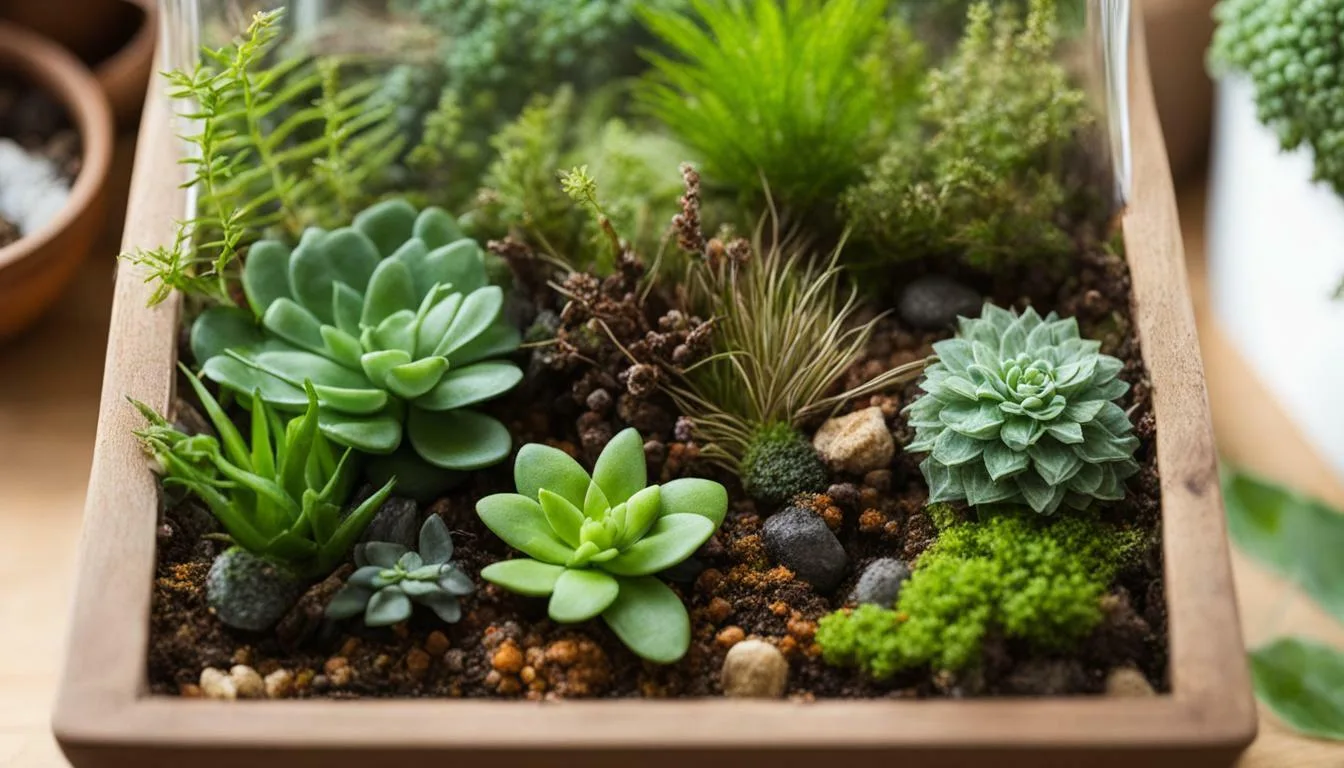
A quick visual guide to identifying mold and pest problems in terrariums. Spot the five most common signs before they spread.
4. Using Ventilation Clues To Diagnose Mold And Pest Risk
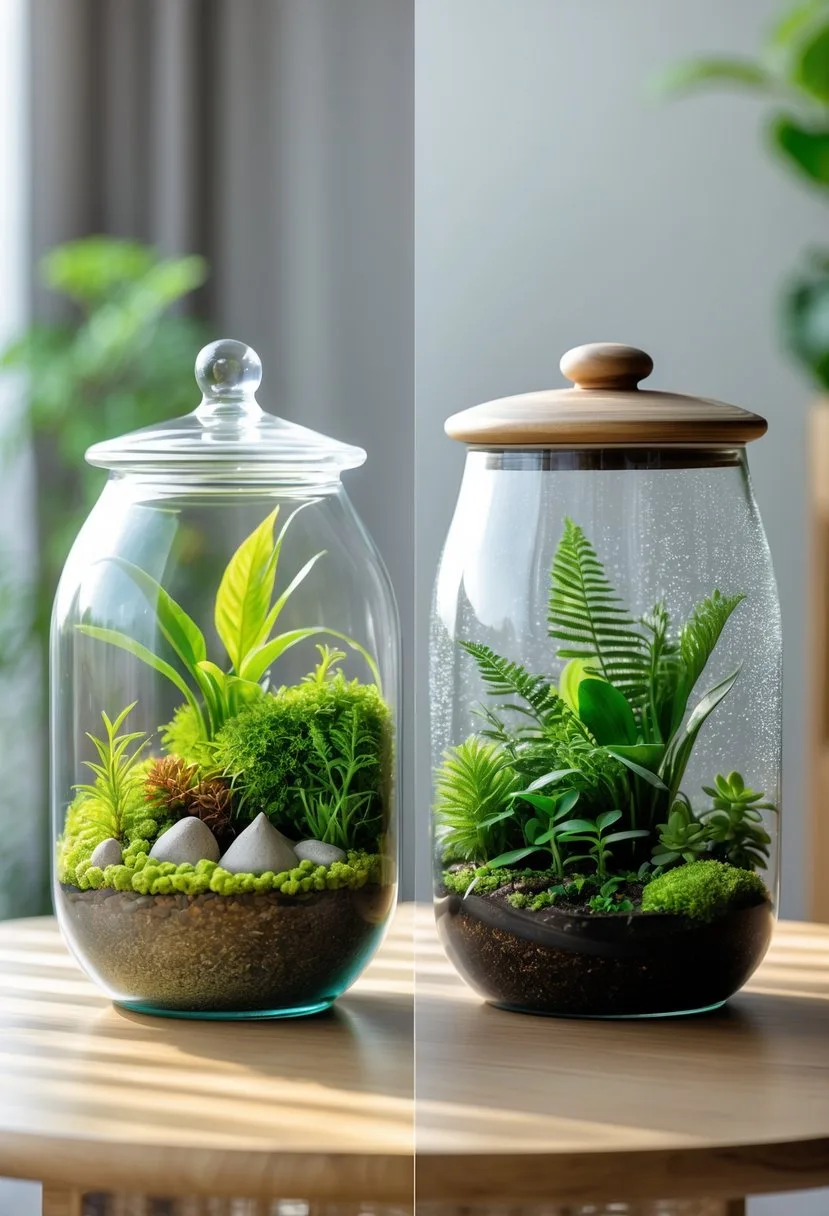
Ventilation is one of the fastest ways to predict whether mold or pests will become a recurring issue in a terrarium. If condensation covers the glass all day, especially in a closed build, we already know airflow is limited and spores or gnats are going to love it.
From our ventilation work, we see issues spike in small or overcrowded terrariums where plants press against glass and block air paths. Those setups warm up faster, hold more moisture, and develop pockets of stagnant air that both fungal spores and gnats exploit.
Ventilation Red Flags
- Condensation never fully clears, even during the brightest part of the day.
- Water droplets constantly drip down onto the soil or foliage.
- Plants press tightly against glass on more than one side.
- The terrarium smells earthy but also slightly sour when opened.
During diagnosis we often do a simple ventilation test: crack the lid or open the container for 30 to 60 minutes and see how the environment responds over a day. If condensation patterns improve and mold stops spreading, we know poor airflow was a key driver of the issue.
Did You Know?
Catches with baited traps were more than 20x higher than catches without bait, showing how powerful attractants can be for monitoring fungus gnats and other tiny pests.
Source: Phytoparasitica
5. Open Vs Closed Terrariums: Different Diagnostic Patterns
Open and closed terrariums can show similar problems, but the patterns we diagnose in each style are different. In open terrariums, issues usually come from underwatering, dry pockets, and pests that wander in from the room like mites or aphids.
Closed terrariums, by comparison, lean toward mold, algae, and fungus gnat problems, since humidity and moisture stay locked in. When we see chronic fogging, soil that never feels slightly dry on top, or moss that looks waterlogged, we treat that closed build as high risk for mold or gnats.
| Terrarium Type | Most Common Issues | What We Check First |
|---|---|---|
| Open | Dry soil, leaf crisping, mites, dust buildup | Watering schedule, light intensity, dust on leaves |
| Closed | Mold, algae, fungus gnats, rotting stems | Condensation pattern, soil moisture, ventilation gap |
When diagnosing, we match expectations to type. If an open terrarium is showing closed-style problems like heavy condensation and mold, or a closed one looks bone dry, we know something is way off in the build or placement.
6. Light Problems That Masquerade As Mold Or Pest Issues
Lighting is easy to blame last, but in our experience it quietly drives a lot of mold and pest diagnoses. Too little light slows plant growth, which means leaves do not dry out quickly, photosynthesis weakens, and plants become easier targets for disease and insects.
We diagnose light-related issues when plants stretch toward the glass, pale out, or drop older leaves while soil still stays damp. In those cases we often see algae or mild mold on the soil surface, not because the terrarium is dirty, but because light and moisture are out of sync.
Interactive Light Check
- Step 1: Hold your hand between the terrarium and light source, if your hand casts only a faint shadow for most of the day, light is probably low.
- Step 2: Track how fast condensation burns off after sunrise or lights turning on. If it lingers all day, light and ventilation together may be the issue.
- Step 3: Notice where pests cluster. Gnats and algae love darker corners, so heavy growth on one side hints at uneven light.
Adjusting placement, or adding a small artificial light for a consistent 8 to 12 hour cycle, often clears up borderline mold and pest patterns without any sprays at all.
7. Hands-On Diagnosis: Simple Tests You Can Run Today
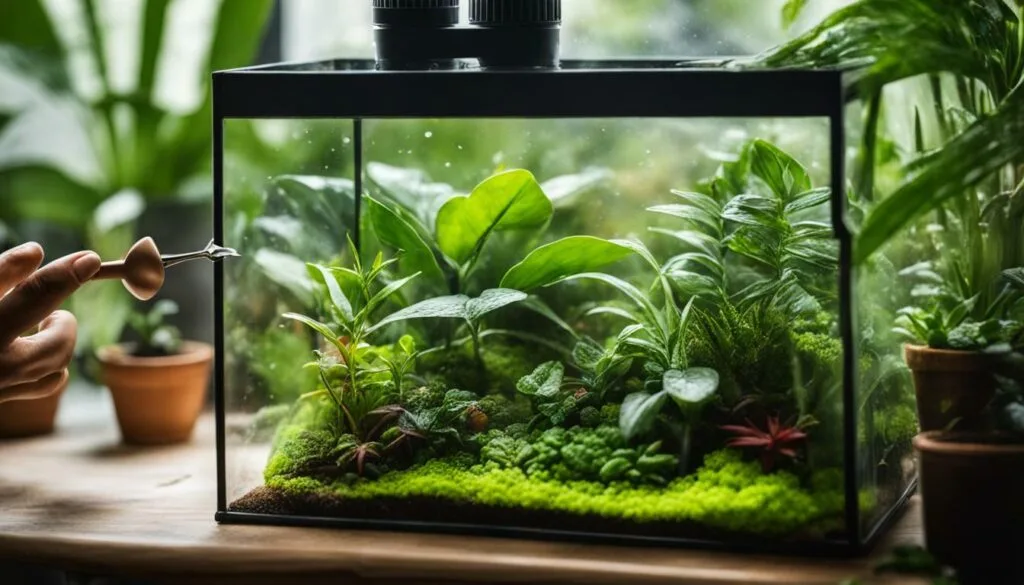
When we are unsure whether a terrarium problem is mold, pests, or just normal settling, we run a few quick tests. These are low tech, but they give clear answers without overreacting.
Interactive Terrarium Health Checklist
- Tap test: Gently tap the glass and watch for tiny flies. If more than two or three take off, note it as a fungus gnat risk.
- Q-tip swipe: Swipe a cotton bud along suspect mold. If it smears like paint or comes away slimy, you are likely dealing with active fungi or bacteria.
- Finger moisture test: Touch the top centimeter of soil. If it is wet every single day, root rot and gnats are much more likely.
- Paper test: Place a strip of dry paper towel along the glass overnight. Heavy moisture soaking it suggests chronic condensation issues.
We also like to take quick photos every week from the same angle. Side by side comparisons make it much easier to see slow mold spread or gradual pest damage that is hard to catch day to day.
Did You Know?
A single female fungus gnat can lay up to 200 eggs in one life cycle, so even a small number of adults in your terrarium can snowball into a noticeable infestation if you ignore early signs.
Source: University of California IPM
8. Interpreting Condensation, Temperature, And Humidity Readings
Condensation is one of the easiest visual tools we have for diagnosing water and air problems in terrariums. Light morning fog that clears by midday is normal, but if droplets are large, constant, and running down onto plants, we treat that as a structural problem.
We like to pair visual checks with simple thermometers or hygrometers when possible, especially for closed terrariums. If humidity hovers very high and never dips, or temperatures spike where the terrarium sits, mold risk climbs and certain pests cycle faster.
Quick Climate Diagnosis Guide
- Constant foggy glass: Too wet, not enough ventilation. High mold and gnat risk.
- Bone-dry glass, limp plants: Too dry or too much heat. Mites and stress-related issues more likely.
- Warm top, cool base: Terrarium is layered realistically, but check that heat is not cooking the canopy.
Even if you do not use sensors, paying attention to how your terrarium looks first thing in the morning, mid day, and late evening gives a surprisingly accurate climate snapshot that helps explain mold or pest trends.
9. Turning Diagnosis Into A Simple Weekly Monitoring Routine
We have found that mold and pest issues rarely get out of hand when there is a simple, predictable check in place. Our go to routine takes 5 to 10 minutes per week and relies mostly on your eyes and nose.
Weekly “Quick Scan” Routine
- Look at the glass: note condensation pattern, any films, or algae streaks.
- Scan the soil: search for fuzz, slime, or mushrooms, and smell for sour notes.
- Inspect plants: check new growth first, then older leaves for spots or pests.
- Tap the glass: watch for gnats or other small insects on the move.
- Take one photo per terrarium from the same angle for your own visual log.
We treat this like a quick game, can we spot one thing that changed since last week. Catching even a tiny patch of mold or a single cluster of aphids at this stage makes the fix much easier than waiting until everything looks unhappy.
10. When To Intervene: Linking Diagnosis To Action
Diagnosis only helps if it leads to clear, measured action instead of panic. We like to match each problem level to a simple response, so we do not overcorrect and stress the terrarium more than the issue itself.
Simple Response Ladder
- Mild mold or a few gnats: Improve ventilation, reduce watering slightly, remove decaying leaves, and wipe affected glass or decor.
- Spreading mold or regular gnats: Open the terrarium daily for a while, consider replanting soggy sections, and adjust light and airflow positions.
- Severe rot or heavy pests: Unpack, trim, and replant healthy pieces, replace compromised soil, and restart with closer observation for a few weeks.
Our goal is always to keep the terrarium functioning as an ecosystem, not a sterile display. So even when we intervene, we focus on restoring balance through climate, airflow, and light rather than constant chemical treatments.
Conclusion
Diagnosing mold and pests in terrariums is really about reading small signals before they turn into big problems. Once you get used to checking glass, soil, plants, and movement in a quick weekly scan, issues like mold bloom or fungus gnats stop being scary surprises and become normal maintenance tweaks.
As you keep watching patterns in condensation, light, moisture, and airflow, you will start predicting where mold or pests might show up next, and you will fix the conditions before they ever get a foothold. That is how we keep terrariums thriving long term, with simple observation and calm, informed responses instead of emergency overhauls.