Container gardening lives or dies on what you put in the pot. In trials with common mixes, a basic peat and perlite blend hit a huge 93% total porosity, with about 73% water content and 20% air space, which explains why the right soil can keep plants thriving in a tiny volume while the wrong one stays soggy and airless. In this guide, we will walk through soil types for container gardening the way we actually use them, matching mixes to plants, containers, drainage layers, and long-term care.
Key Takeaways
| Question | Answer |
|---|---|
A loose peat or coir-based potting mix with perlite is the most versatile. It hits good porosity and drainage, similar to the mixes discussed in our soil maintenance essentials guide. guide. | For closed containers and terrariums, use a fine, moisture-retentive mix with organic matter and a drainage layer. We show layering ideas in our DIY moss terrarium guide. |
| Which soil type is best for very humid, closed containers? | For closed containers and terrariums, use a fine, moisture retentive mix with organic matter and a drainage layer. We show layering ideas in our DIY moss terrarium guide. |
| Do I really need a drainage layer in pots? | In many container setups, a coarse drainage layer improves water movement and limits perched water. Our article on terrarium air circulation also touches on how poor drainage and airflow go hand in hand. |
| How important is soil pH in container gardening? | Very important. pH controls nutrient availability, so even a perfect texture can underperform if pH is off. We go deeper into this in our pH balancing guide. |
| What soil type should I use for succulents and cacti in containers? | A pre-mixed all-purpose container soil with moderate moisture retention is usually best. Many beginners like to start with curated all in one kits such as the ones in our terrarium kit collection, then copy those mixes. |
| Which soil type is safest for beginners in indoor containers? | A pre-mixed all-purpose container soil with moderate moisture retention is usually best. Many beginners like to start with curated all-in-one kits such as the ones in our terrarium kit collection, then copy those mixes. |
1. Understanding Soil Basics For Container Gardening
When we talk about soil types for container gardening, we are really talking about soilless mixes. Actual garden soil is usually too heavy, compacts quickly, and drains poorly in pots, especially smaller containers and terrariums. The key properties we chase are water holding capacity, air space, and stability over time.
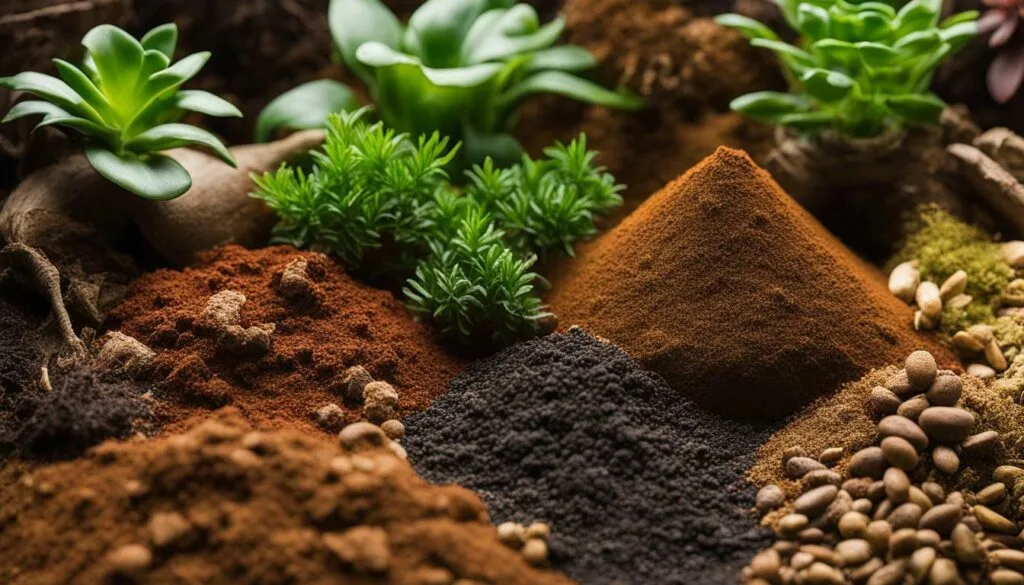
Research on container media gives us a target to aim at. Ideal media usually has 60 to 75% total porosity, roughly 50 to 65% water content, and 10 to 20% air capacity, which keeps roots both moist and breathing. Different combinations of peat, coir, perlite, vermiculite, bark, sand, and specialty amendments get us into that sweet spot for different plant groups.
2. Peat-Based Potting Mixes: The Classic Container Soil Type
Most commercial container soils still lean heavily on peat moss. It holds water, is sterile when packaged, and creates that fluffy structure we like to see when we squeeze a handful, and it springs back. Trials with a standard peat and perlite mix show about 93% total porosity, 73% water content, 20% air, and 48% available water, which is excellent for many indoor containers.
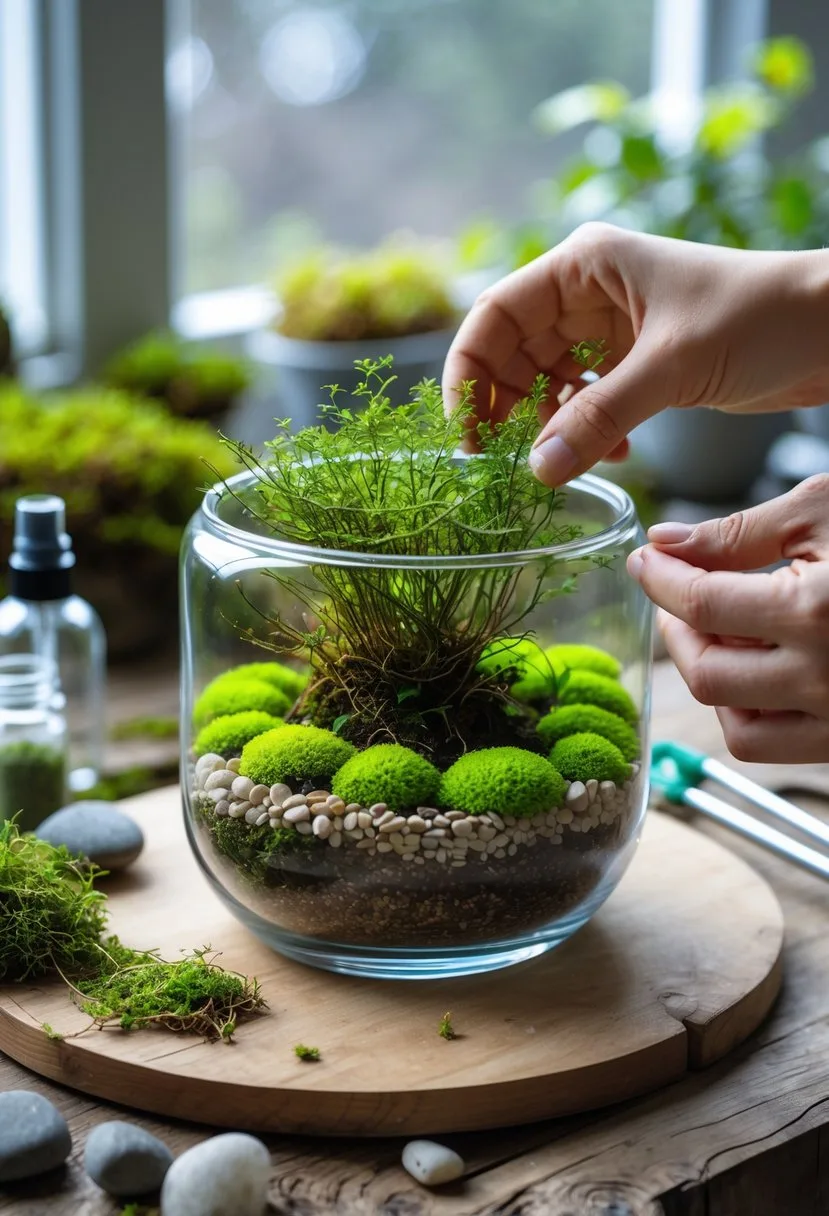
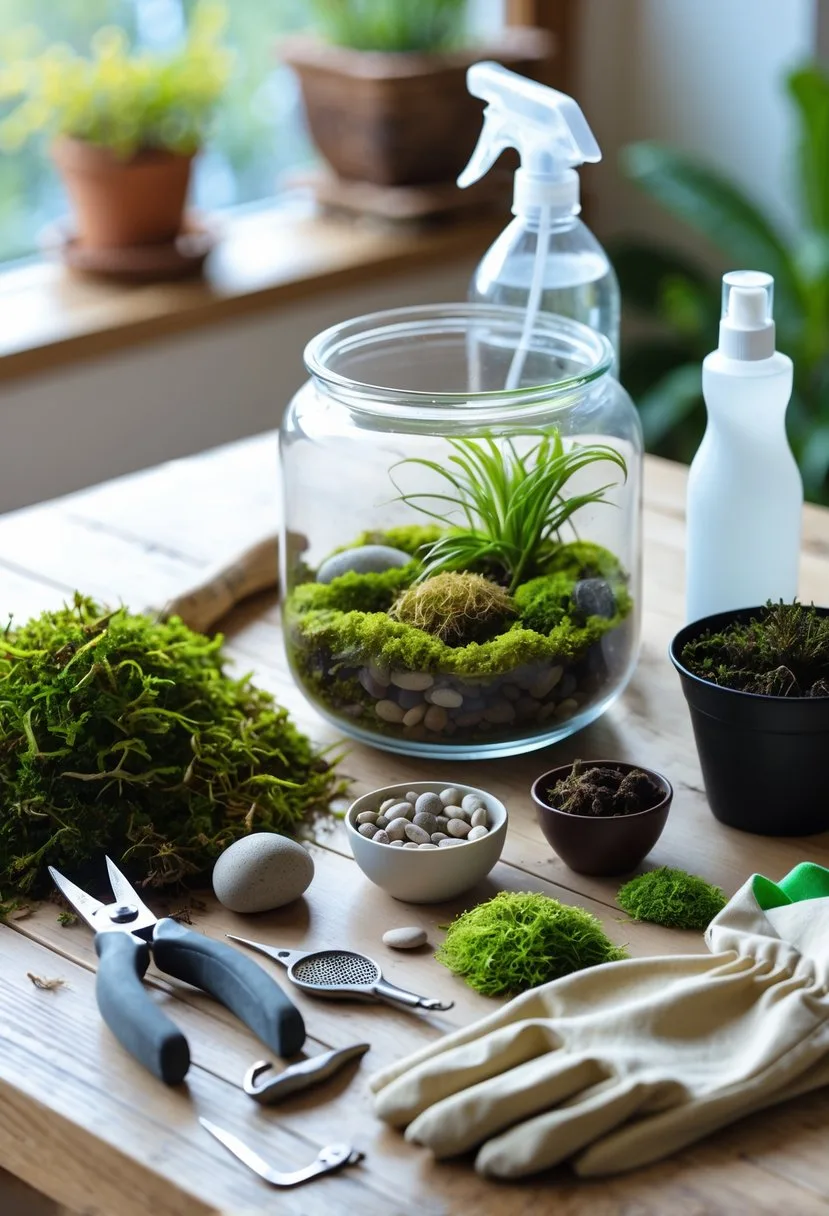
In practice, we use peat-heavy mixes for herbs, leafy greens, many ornamentals, and moisture-loving terrarium plants. The catch is that peat dries out and becomes hydrophobic if you let it go bone dry, and there is growing interest in reducing peat use. When we use peat-based mixes in closed containers, we always pair them with a drainage layer and sometimes a bit of charcoal to keep the lower zones from going sour.
3. Coir Based Mixes: Peat Alternatives For Container Gardening
Coconut coir has become the go-to alternative when we want to ease off peat. It is renewable, has a pleasant texture, and buffers water very well. Tests on container substrates show that coir can hold about 4 pounds of water per pound of dry fiber, compared with about 0.81 pounds of water per pound for some peat materials, so it is a serious water sponge.
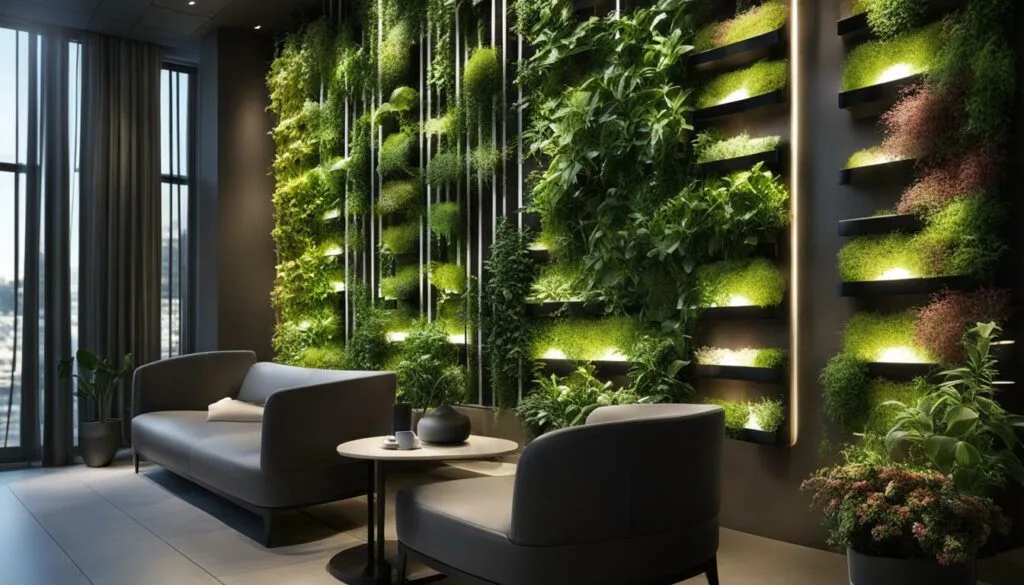
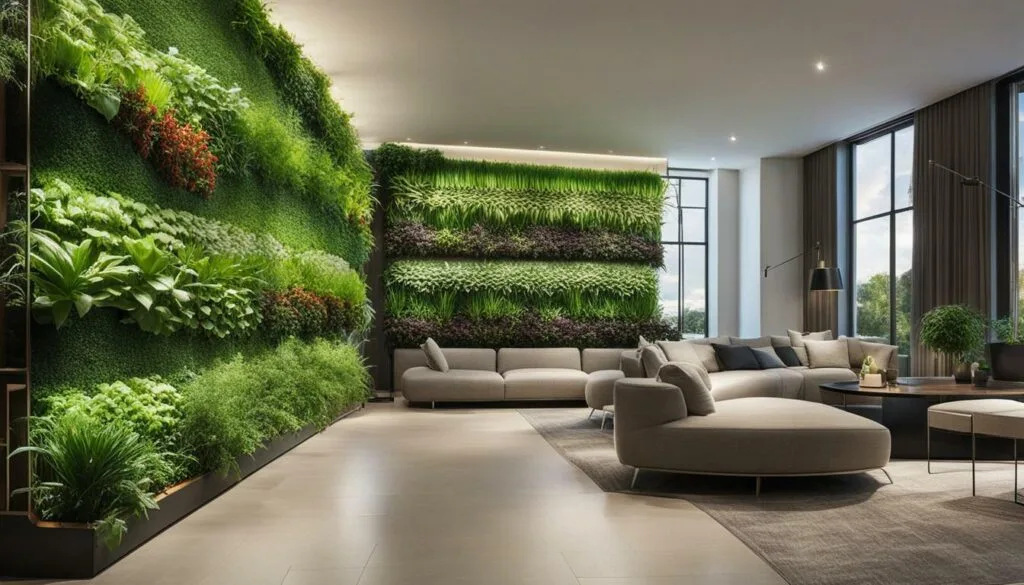
We reach for coir-based mixes for indoor containers where watering is inconsistent, for example, in offices or for beginners. Because coir can hold so much water by weight, we usually add extra perlite or another mineral component to keep the structure open. Properly washed and buffered coir behaves predictably, which makes it easier to blend custom mixes for vertical gardens and modular systems.
4. Loam-Based Mixes: Using Real Soil In Containers Safely
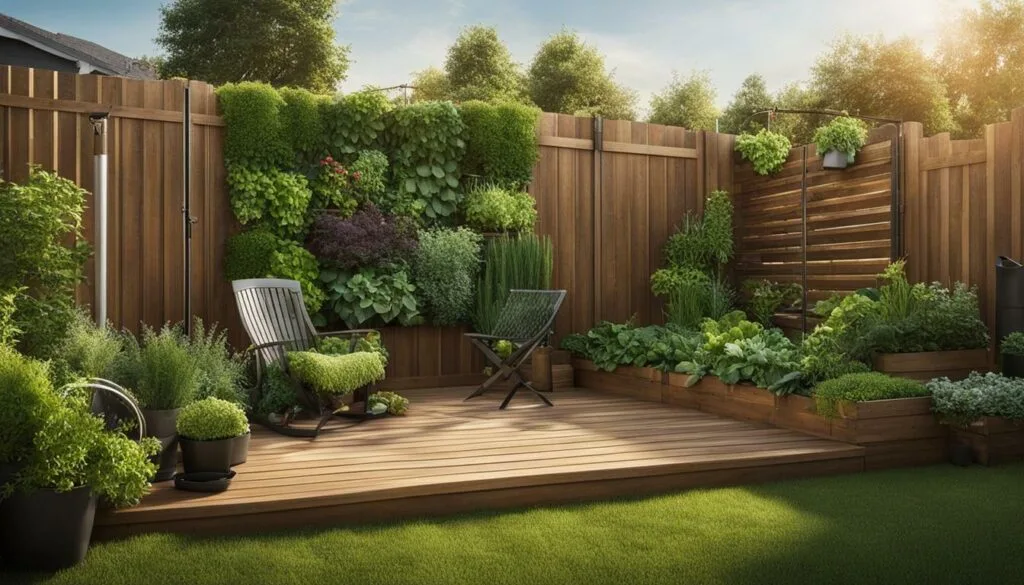
Most of us have learned the hard way that shoveling garden soil into a pot is a recipe for compaction and poor drainage. That said, loam-based mixes can work well in larger outdoor containers if we lighten them. A classic example is a peat, sand, and coarse organic blend that ends up around 73% porosity, 62% water content, and 11% air space, which is very usable for shrubs and perennials in tubs.
One interesting detail from drainage studies is that in loam-based media, drainage layers often do not change water-holding capacity as much as they do in pure peat or coir mixes. So if we are working with heavier loam mixes in big containers, we worry more about bulk porosity, organic structure, and surface drainage than about fancy lower layers. For smaller indoor containers, we still prefer soilless mixes because they resist compaction over the long term.
Did You Know?
A 60 mm drainage layer of coarse sand was the most universally effective drainage layer across tested potting media for reducing perched water and improving drainage in containers.
Source: PLOS ONE drainage-layer study
5. Gritty Mixes For Succulents And Cacti In Containers
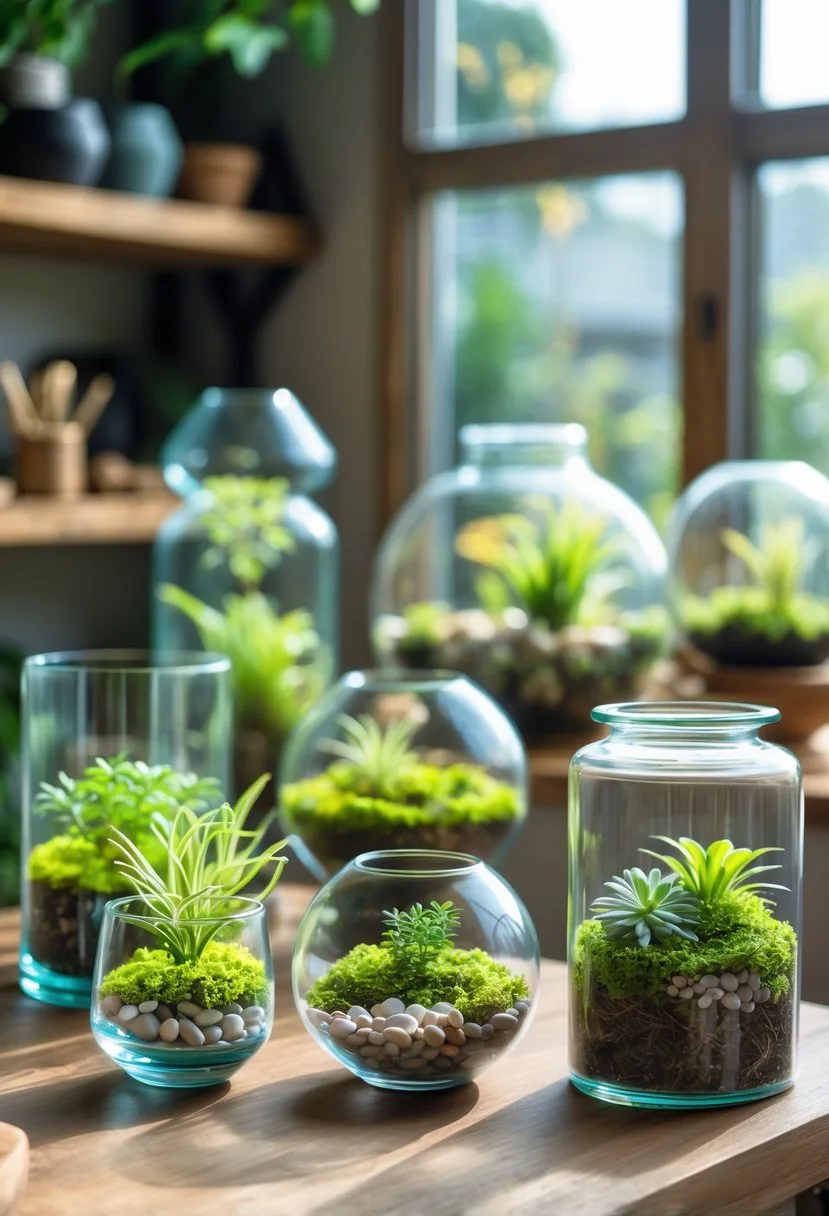
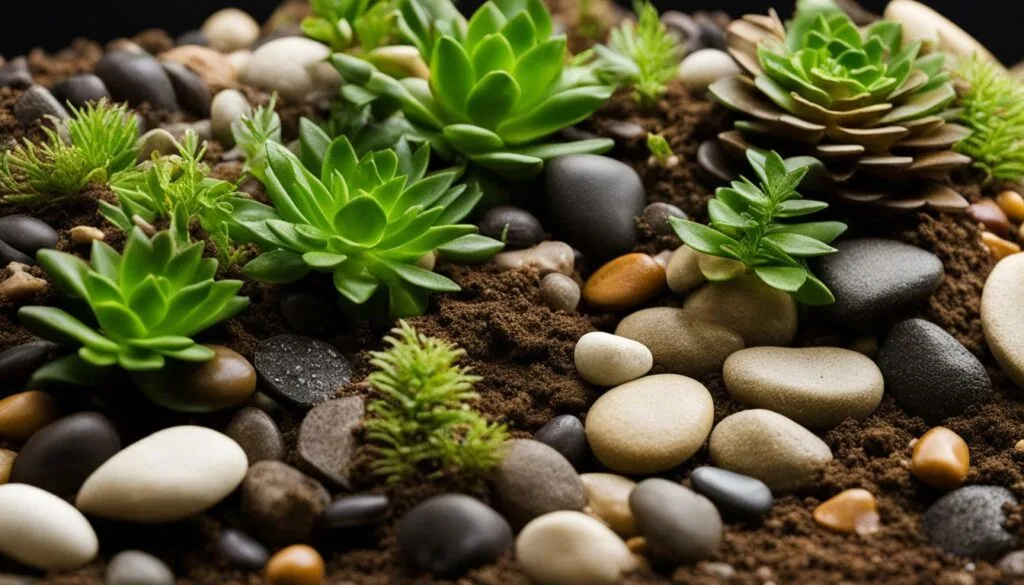
For succulents, cacti, and other desert plants, the usual peat-rich container soil types are simply too wet. These roots want air first, then moisture sneaking in around the edges. Our gritty mixes usually start with a small amount of fine organic matter, then we pile in coarse sand, pumice, and small gravel until the whole thing feels more like a fine gravel trail than a sponge.
We often grow these plants in open containers, very similar to open terrariums, so evaporation helps us out. The structure also keeps water from pooling around the collar of the plant. When we are putting a few succulents in a decorative bowl, we sometimes tuck a thin organic layer lower down and keep the top 5 to 7 cm extremely gritty to dry quickly between waterings.
6. Moisture Loving Mixes For Closed Containers And Terrariums
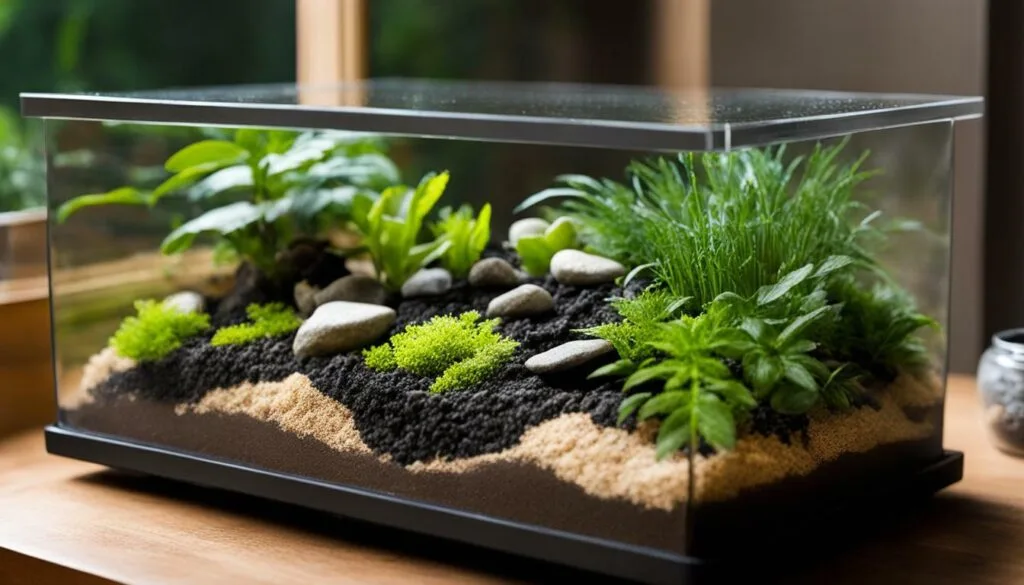
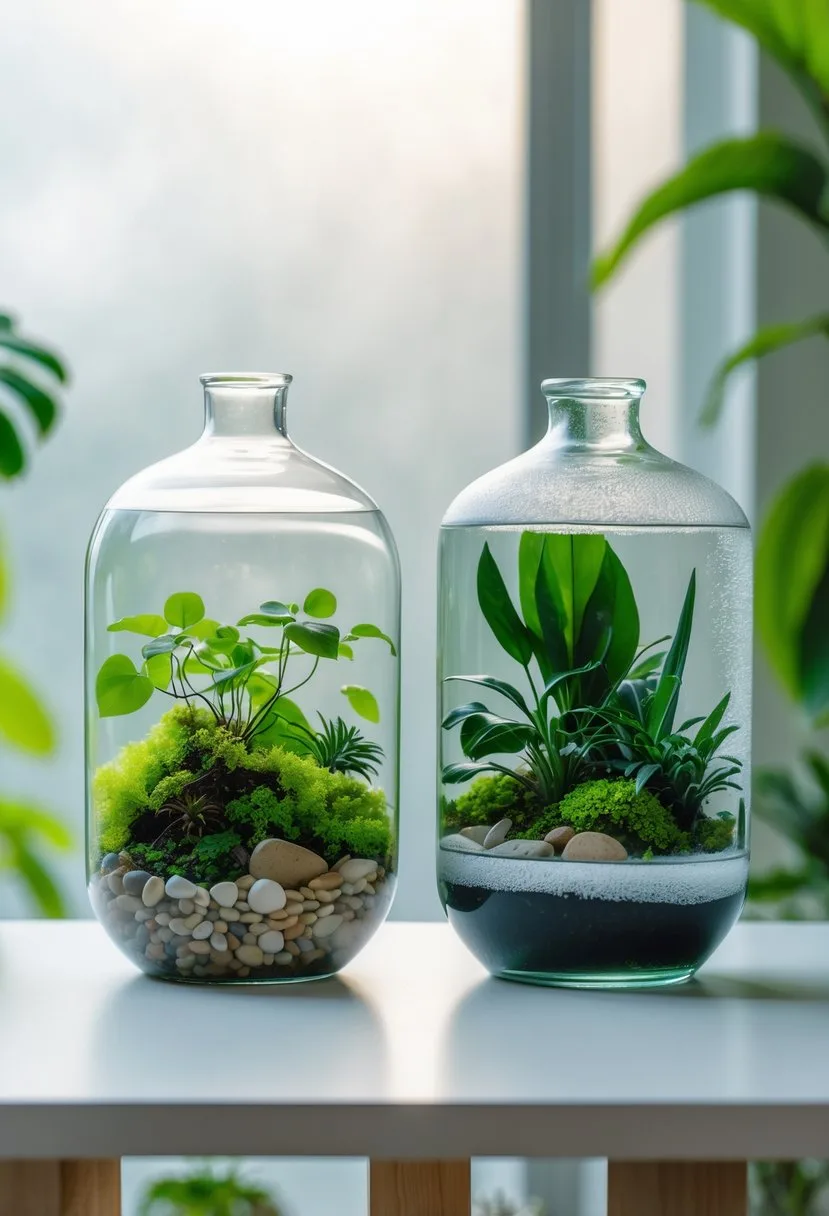
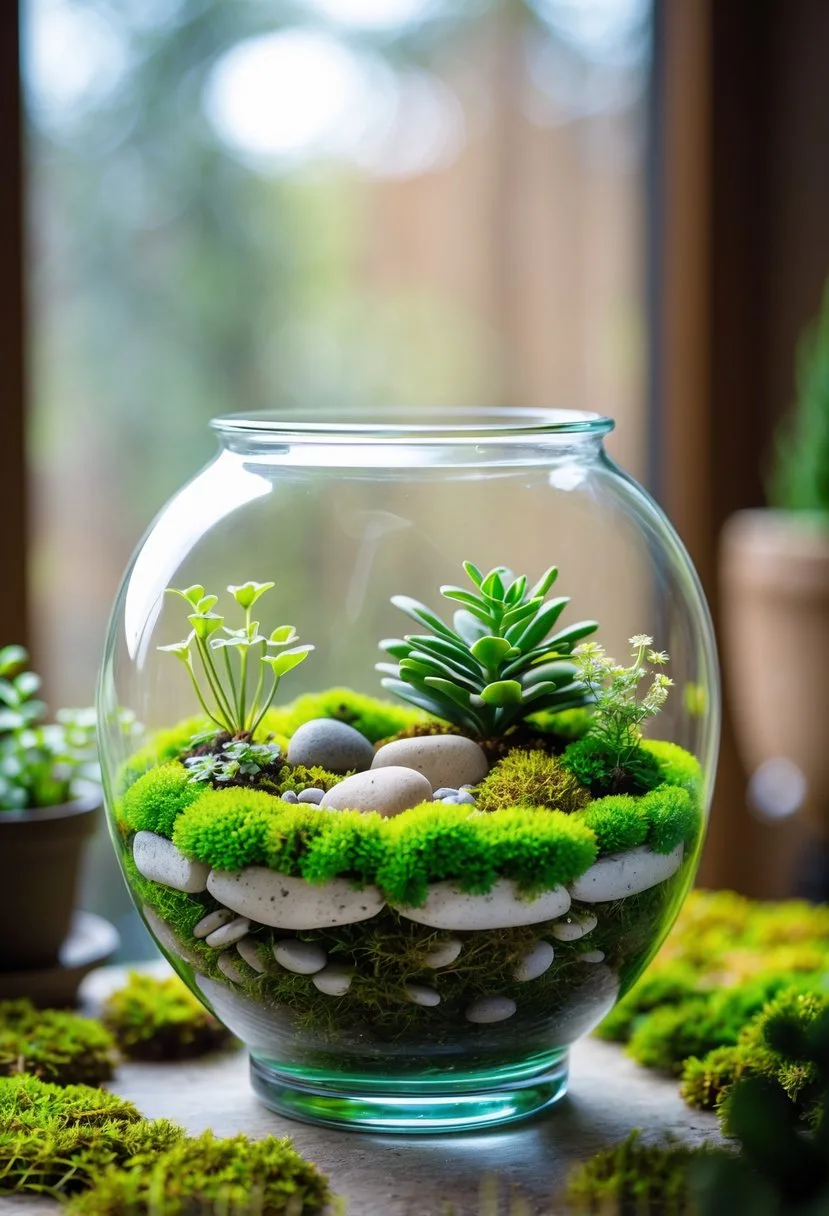
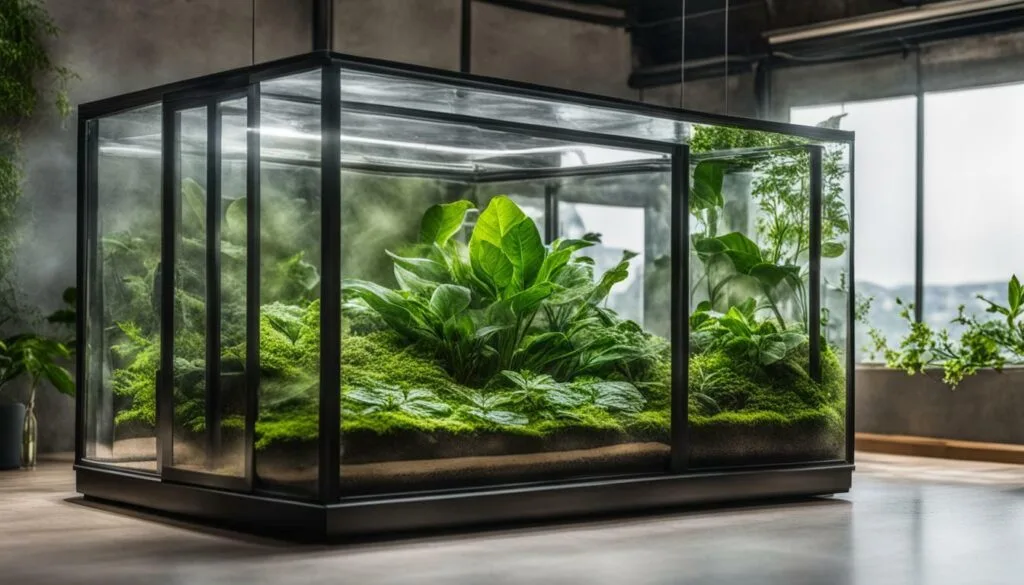
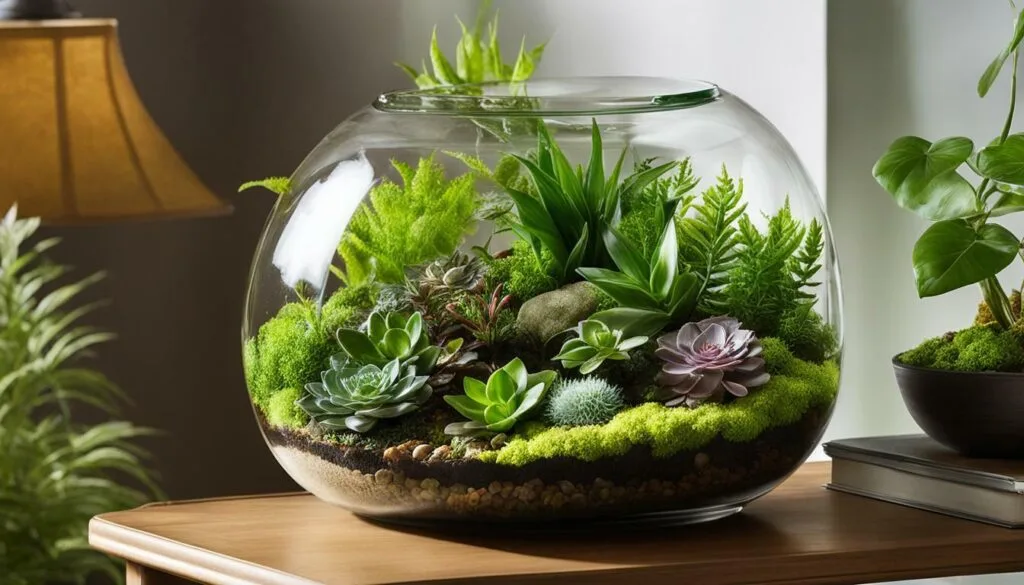
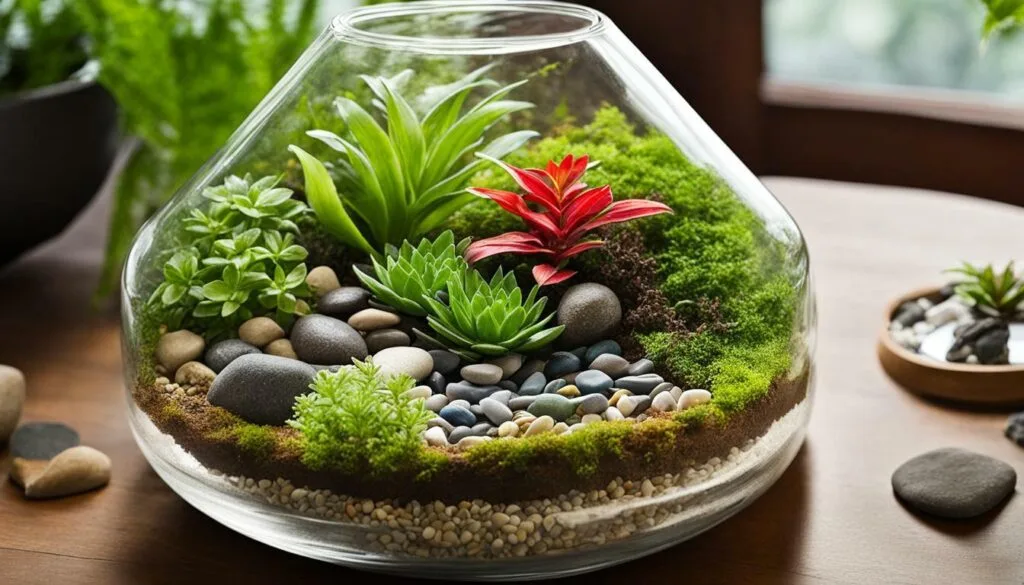
Closed containers, including classic bottle gardens and sealed glass terrariums, are a different game. Here we are building a layered soil system that can hold moisture for long stretches without going anaerobic. We typically start with a drainage layer of coarse stone or sand, then add a charcoal layer, then a fine-textured, moisture-retentive planting layer.
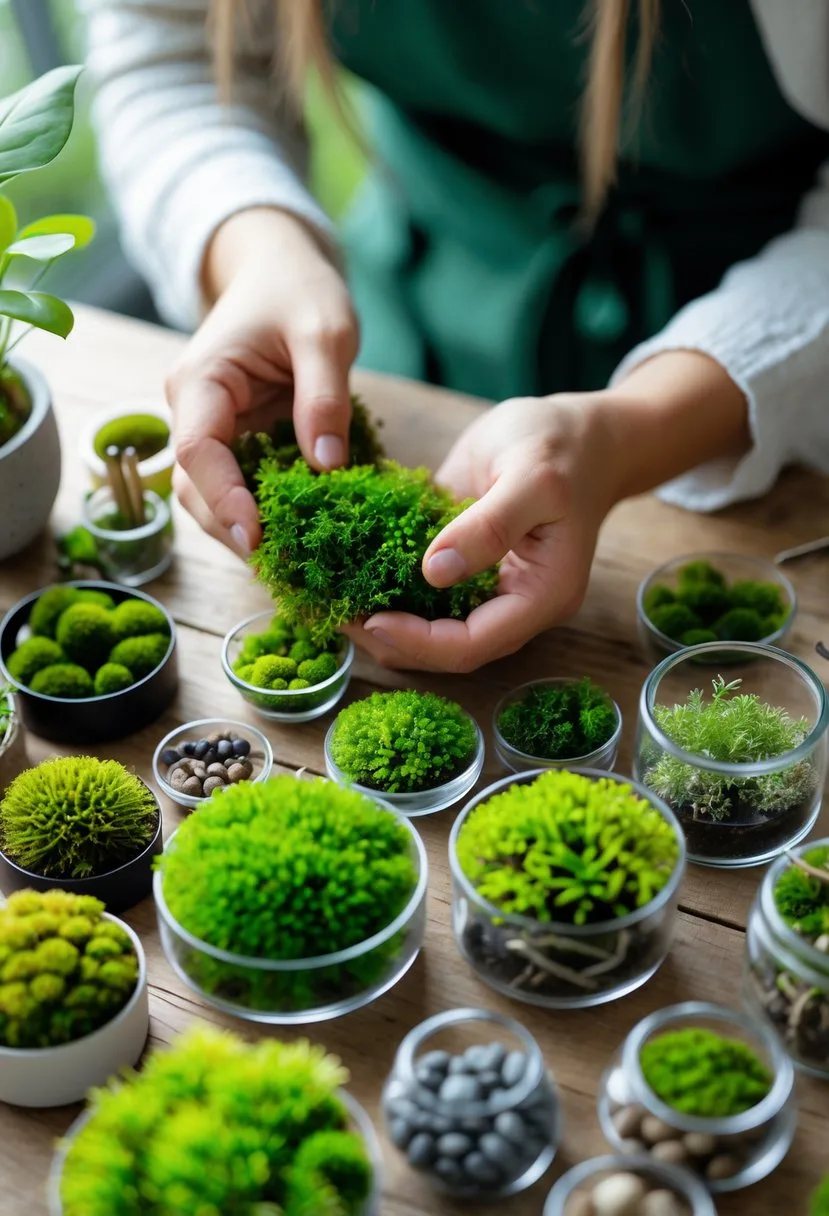
In our moss terrarium setups, that top planting layer often includes fine peat or coir, leaf mold or compost, and a bit of sand for structure. The goal is a slightly springy surface that holds water but still lets roots weave through. Because the air exchange is limited, we rely heavily on that lower drainage and charcoal to trap impurities and keep roots from sitting in stagnant water.
7. Specialty Soil Types: Biochar, Compost Blends, And Smart Media
Not every container needs a classic potting mix. For longer-term plantings and more sustainable setups, we often fold in biochar, compost, or engineered “smart” media. Trials on biochar blends show plant available water contents around 0.28 cm³ per cm³ of substrate, which is quite competitive with some peat and perlite mixes while adding structural stability and carbon.
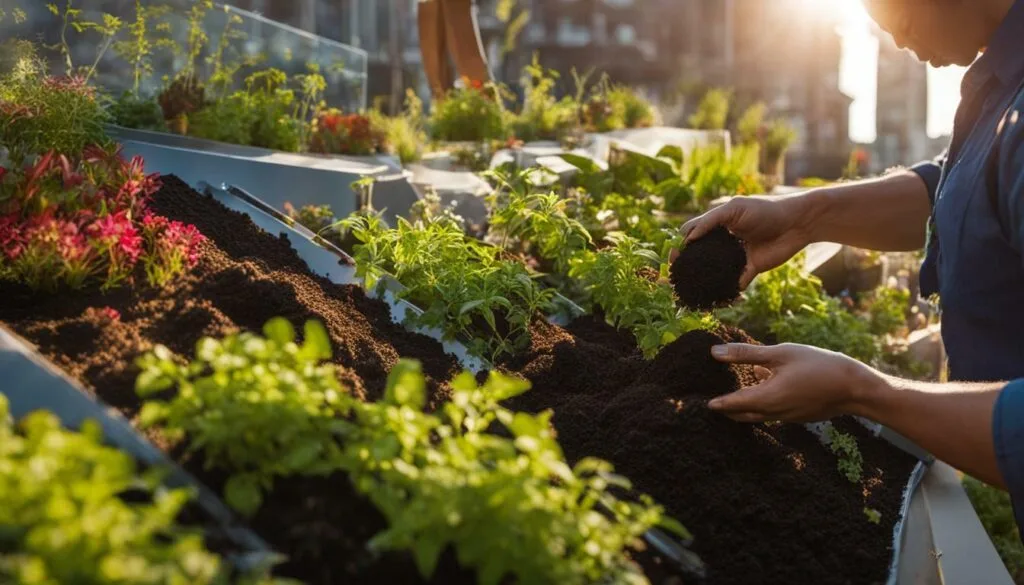
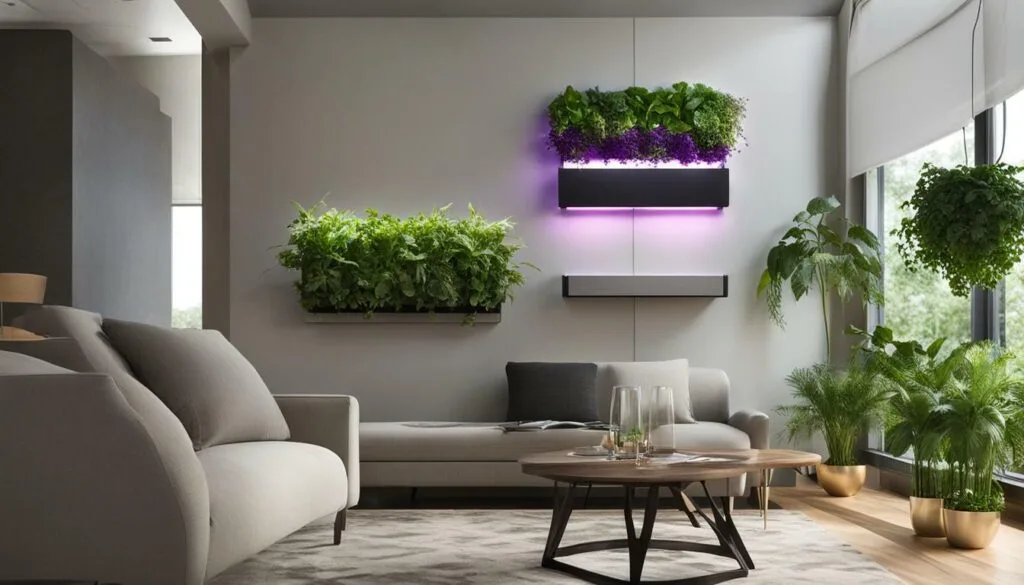
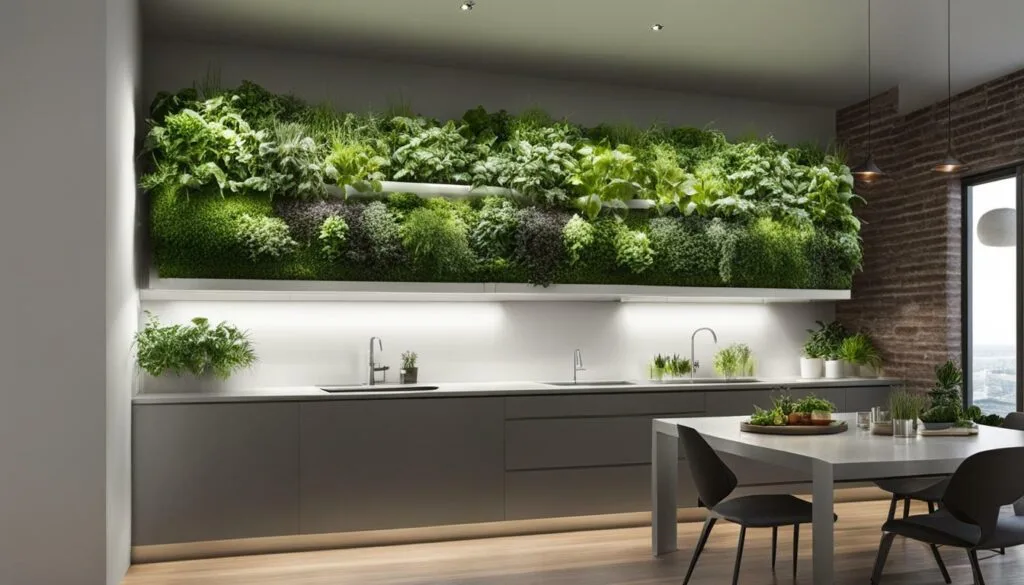
Compost-heavy mixes can be excellent in larger containers and vertical systems that get regular flushing, but in small indoor pots, we keep compost rates modest to avoid salt buildup and compaction. Some modular vertical gardens and wall systems ship with their own proprietary media blends designed to wick water evenly, which behave a bit like fibrous coir-based mixes with extra aeration pockets built in.
Did You Know?
In container substrates, coconut fiber-based media can hold about 4 pounds of water per pound of dry coir, compared with roughly 0.81 pounds of water per pound for some peat materials, showing just how water-retentive coir can be.
Source: UF/IFAS Extension
8. Soil pH and Nutrients In Container Media
Texture is only half the picture. In container gardening, pH and nutrient balance have a huge influence on how each soil type performs. Consumer research on potting mix preferences found that gardeners consistently rank moisture retention and pH stability among the most important traits, which matches what we see in real containers over time.
We monitor pH especially closely in closed systems and small pots, since a little fertilizer goes a long way in a small volume. Organic ingredients, irrigation water, and fertilizers will drift pH over time, so we like to test periodically and make small corrections rather than big corrective flushes. Simple tricks, such as using ground eggshells in slightly acidic mixes, can slowly nudge pH up without shocking roots.
9. Drainage Layers, Airflow, And Soil Types In Containers
Soil type and drainage layers are tightly linked in containers. In loamless mixes that rely on peat or coir, studies show that drainage layers tend to reduce overall water holding capacity, which is exactly what we want in pots that stay a bit too wet. A coarse layer of sand or gravel at the bottom can limit perched water and improve the oxygen level near the root zone.
In our terrarium and indoor container work, we always pair the right soil type with the right container style and ventilation. Open containers with gritty mixes naturally vent excess moisture. Closed containers with moisture-loving mixes need deliberate air circulation and periodic airing out to prevent mold, which we go into in detail in our air circulation and maintenance guides.
10. Matching Soil Types To Plants In Container Gardens
Once we understand the main soil types for container gardening, matching them to plants becomes much easier. Moisture-loving species like Fittonia, many ferns, and tropicals are happiest in fine-textured, moisture-retentive mixes in closed or semi-closed containers where humidity stays high. Tougher plants and drought-tolerant species like succulents prefer gritty mixes in open containers that dry down between waterings.
When we assemble mixed plantings, we group plants with similar root preferences into the same container. In practice, this means we keep Fittonia and other thirsty terrarium plants together, and give succulents their own separate bowls. This approach saves us from fighting the soil type every time we water, since the mix and the plants want the same thing.
11. Learning From Kits And Ready Made Container Soil Systems
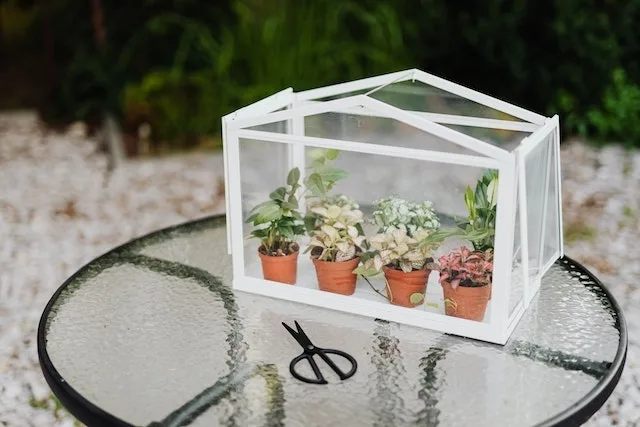
If you are still experimenting with soil types for container gardening, one of the easiest ways to shortcut the learning curve is to study well-designed kits and systems. All-in-one terrarium kits usually include a drainage layer, planting mix, and sometimes charcoal, all portioned to match the container size, which gives you a working template to copy.
We often see beginners build their first moss or plant terrarium with a curated kit, then replicate that soil layering in their own glassware. Vertical garden systems and indoor farm walls usually ship with media that favors even moisture distribution and good aeration, which again offers a tested pattern you can use in other containers of similar size and plant type.
Conclusion
When we strip away all the packaging, soil types for container gardening come down to how much water a mix holds, how much air it leaves for roots, and how stable it stays in a confined space. Peat and coir based mixes handle general purpose work, gritty blends support drought lovers, loam based and composted mixes shine in larger or outdoor containers, and layered systems anchor closed containers and terrariums.
As fellow gardeners, we find the most reliable results come from matching the mix to both the plant and the container style, then fine-tuning pH and moisture through small adjustments, not big swings. Start with a proven pattern for your plant type, pay attention to how the soil behaves between waterings, and your containers will tell you very clearly when the mix is right.