Grow Smarter with 8 Edible Plants That Attract Beneficial Ladybugs to Your Garden
Pest problems? Invite nature’s cutest exterminators. Ladybugs devour aphids, mites, and scale like it’s a buffet—so let’s roll out the red carpet with plants they love. These edible all-stars feed you, charm pollinators, and lure ladybugs for natural pest control. Ready to grow smarter, not harder?
1. Sweet Alyssum: The Tiny Flower That Brings Big Bug Muscle

Sweet alyssum looks dainty, but it’s a powerhouse for beneficial insects. Its clusters of tiny flowers offer easy-access nectar that fuels adult ladybugs so they can lay more eggs—hello, aphid cleanup crew!
Why It Works
- Continuous bloom keeps nectar flowing spring through fall.
- Low-growing habit fits under tomatoes, peppers, and greens as living mulch.
- Honey-scented flowers also attract hoverflies and parasitic wasps.
Plant it along bed edges or between rows for a sweet-smelling pest shield. Bonus: it’s edible with a mild, peppery note—sprinkle blooms on salads for flair.
2. Dill: The Lacy Magnet That Doubles as Dinner

Dill brings all the ladybugs to the yard with its airy, yellow umbels. Those umbrella-like flowers hold nectar that sustains adult ladybugs and other natural enemies while your cucumbers stay safe.
Tips
- Succession sow every 3 weeks to keep blooms coming.
- Let a few plants bolt for maximum flowers—don’t deadhead.
- Companion MVP for cucumbers, brassicas, and lettuce.
Use the fronds for salads, pickles, and fish. Then let the rest flower for ladybug snacks. FYI: swallowtail caterpillars love dill too—share the buffet.
3. Fennel: The Fragrant Beacon With Edible Everything

Fennel’s feathery fronds and starburst flowers serve as a five-star nectar stop for ladybugs. It’s basically a billboard for beneficials that also gives you crunchy bulbs and sweet anise flavor.
Key Points
- Perennial or annual depending on your climate; bronze fennel looks stunning.
- Huge umbrella blooms attract ladybugs, lacewings, and hoverflies.
- Self-seeds readily—plant where you don’t mind volunteers.
Roast the bulbs, chop the fronds, and let some plants flower for bug support. Keep fennel a few feet from beans and tomatoes, IMO—it can be a bossy neighbor.
4. Cilantro/Coriander: Salsa Herb by Day, Ladybug Lounge by Night

Let cilantro bolt and you’ll unlock a cloud of delicate white blooms packed with nectar. Ladybugs treat these as a pit stop while they patrol your greens for aphids.
How to Work It
- Stagger plantings so you always have some leaves and some flowers.
- Full sun to part shade keeps plants happy longer in heat.
- Collect coriander seeds for spice and next season’s sowing.
Chop the leaves for tacos, then let a patch flower near brassicas and chard. You’ll get fewer aphids and more flavor—win-win.
5. Calendula: The Cheerful Edible With Serious Bug Benefits

Calendula (aka pot marigold) throws out bright, edible petals while acting like a ladybug magnet. The sticky foliage even traps small pests, making cleanup easier for your spotted friends.
Why Gardeners Swear By It
- Long bloom window from early spring to frost with deadheading.
- Petals are edible—peppery and great in salads, risotto, or butter.
- Tough and forgiving in poor soils and cool temps.
Dot calendula throughout veggie beds for color and pest control. It’s basically the cheerful bodyguard your lettuces didn’t know they needed.
6. Nasturtium: The Spicy Trap Crop Ladybugs Love

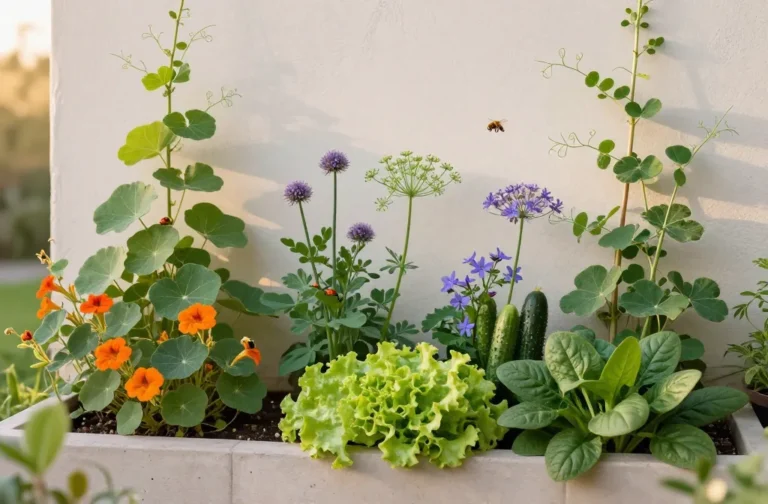
Nasturtiums lure aphids away from your prized veggies—then ladybugs swoop in for the feast. Meanwhile, you get peppery leaves and jewel-toned flowers that look fancy on literally everything.
Pro Moves
- Train as groundcover under tomatoes or along bed edges.
- Direct sow after frost; they dislike transplant drama.
- Snip flowers and leaves for salads, pestos, and garnishes.
Let a patch get a little aphid-y on purpose near kale or peppers. Ladybugs will find it fast, then patrol the whole area. Seriously, this is integrated pest management with style.
7. Borage: The Cucumber-Tasting Charmer With Starry Blue Blooms

Borage pumps out nectar-rich flowers that attract ladybugs and pollinators nonstop. It also feeds you: the flowers taste like cucumber, and the leaves add a mild, green flavor when young.
Good To Know
- Self-seeding annual that fills gaps in beds beautifully.
- Deep taproot mines nutrients and improves soil structure.
- Pairs great with strawberries, squash, and tomatoes.
Use the flowers in drinks and salads, and let the plant keep flowering for beneficial bugs. Chop it down as mulch when it sprawls—your soil will thank you.
8. Chives: The Purple Pom-Poms That Power Up Predators

Chive blooms offer compact clusters of nectar that ladybugs love. Meanwhile, the oniony scent helps deter some pests, and you get all the snip-able greens for eggs, soups, and everything else.
How To Use
- Perennial clumps come back stronger each year—divide every 2–3 years.
- Let them flower in spring for a beneficial insect boost.
- Plant borders around greens and carrots for a tidy, useful edge.
Harvest leaves freely, then let flowers form to call in reinforcements. Those purple globes look cute and mean business.
Quick Planting and Design Tips
- Mix layered heights: low-growing alyssum and nasturtium under taller fennel and dill.
- Keep something flowering at all times—succession sow herbs to maintain nectar.
- Skip the pesticides that can harm ladybugs; use soapy water spot sprays if needed.
- Provide water and habitat: a shallow dish with stones gives ladybugs a landing pad.
Ready to turn your garden into a ladybug paradise? Plant a few of these edible heroes and watch the tiny spotted squad roll in. You’ll eat better, spray less, and enjoy a healthier, buzzier, way-more-fun garden—trust me, you’ll never look at aphids the same again.