Grow 5 Healing Herbs for a Natural First-Aid Garden Fast
Scrapes, burns, bug bites—your backyard can handle more of that than you think. A small bed of healing herbs turns “uh-oh” moments into “I got this” moments. These five plants pull double duty: they’re beautiful in the garden and wildly useful when life gets a little ouchy. Grab some pots, clear a sunny corner, and let’s build your mini green apothecary.
1. Calendula: The Sunshine Healer You’ll Use Constantly
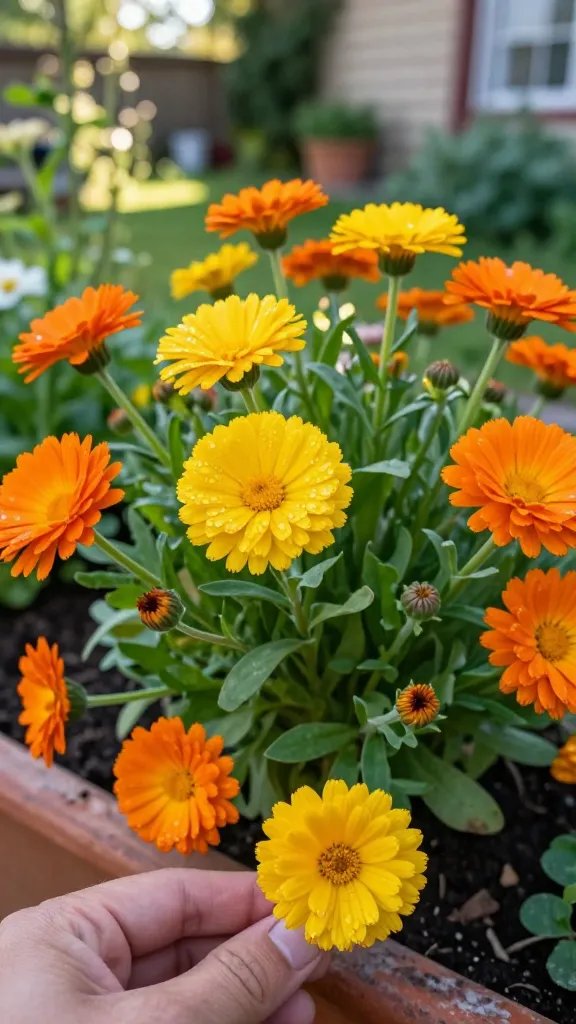
Calendula throws out bright orange and yellow blooms that basically smile at you. But the real magic? Those petals soothe irritated skin, calm minor rashes, and support wound healing like a champ.
Why It Rocks
- Skin-soothing powerhouse for scrapes, chafing, and mild dermatitis.
- Blooms all season if you keep deadheading—more flowers, more medicine.
- Easy to grow in containers or beds, even if you forget to water sometimes (same).
How To Grow
- Sun: Full sun to light shade.
- Soil: Average, well-drained. Don’t over-fertilize or you’ll get leaves over flowers.
- Spacing: 12–18 inches apart. Succession sow every 3–4 weeks for nonstop blooms.
First-Aid Uses
- Infused oil: Pack dried petals in a clean jar, cover with olive or sweet almond oil, steep 4–6 weeks, then strain. Use on dry skin, minor scrapes, or post-sun exposure.
- Salve: Melt 1 cup calendula oil with 1 oz beeswax, pour into tins. Label and date it (future you will thank you).
- Rinse/tea: Brew a weak tea and cool it for a gentle skin rinse.
Use it when skin looks cranky and needs calming. FYI, patch test new salves to avoid surprises.
2. Aloe Vera: The Gel That Basically Whispers “Chill” To Your Skin
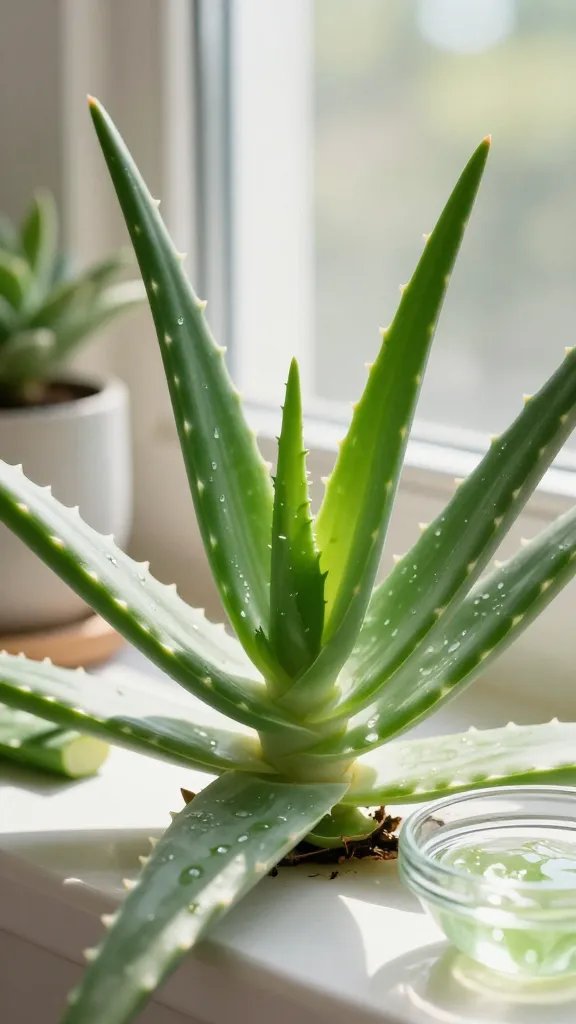
Aloe is the first thing you reach for when you overdid it in the sun. But it does more than cool burns—it hydrates dry spots, eases minor kitchen burns, and makes you look like a plant genius with zero effort.
Why It Rocks
- Instant burn relief thanks to its cooling gel.
- Low-maintenance succulent that thrives on neglect (relatable).
- Multiplying machine: Pups appear, and suddenly you have a family of aloe plants.
How To Grow
- Sun: Bright indirect light to morning sun; avoid harsh afternoon scorch indoors.
- Soil: Cactus/succulent mix with excellent drainage.
- Water: Infrequently. Let it dry out completely before watering.
First-Aid Uses
- Fresh gel: Slice a mature leaf, scoop the clear gel, and apply to minor burns or irritated skin.
- Simple gel jar: Blend fresh gel with a few drops of vitamin E and store in the fridge 1–2 weeks.
- Post-shave or after-sun: Dab on for soothing hydration.
Use it for mild burns, sunburns, and dryness. Skip open or deep wounds, and don’t ingest the yellow latex unless you really want an urgent bathroom moment—hard pass.
3. Plantain: The “Weed” That Crushes Bug Bites And Splinters
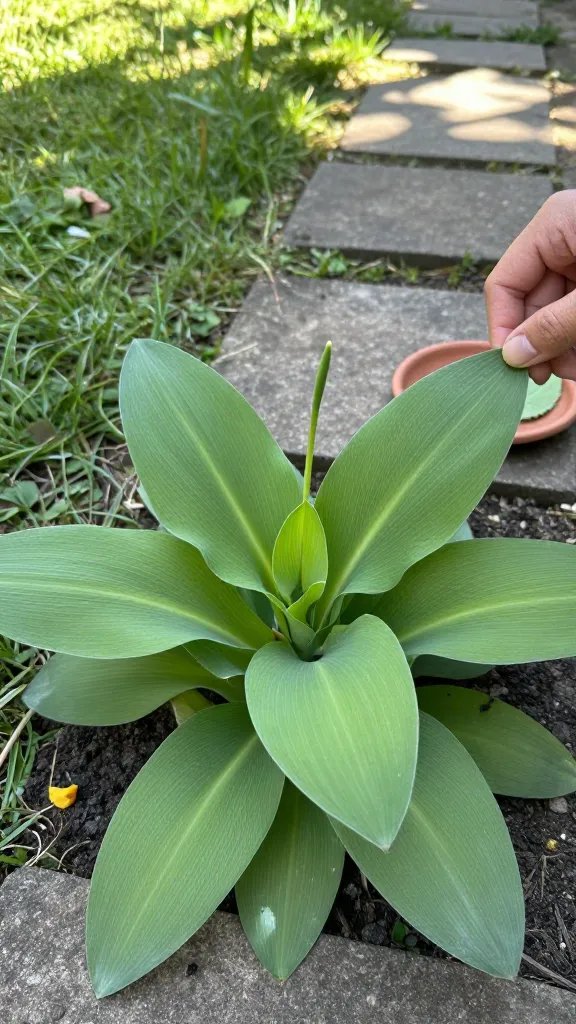
Not the banana—this humble yard weed (Plantago major or lanceolata) is the real MVP for outdoor mishaps. It draws out irritation, takes the itch down fast, and helps with tiny splinters like a pro.
Why It Rocks
- Draws and soothes—perfect for stings, bites, and minor embedded bits.
- Everywhere: You probably have it already. Free medicine? Yes please.
- Tough as nails: It thrives in poor soil and footpaths. It does not quit.
How To Grow
- Sun: Full sun to part shade.
- Soil: Any. It’s not picky. Water if you want to be nice.
- Control: Harvest frequently so it doesn’t take over.
First-Aid Uses
- Spit poultice (classic): Chew a clean leaf, apply to bite or sting, cover for 10–15 minutes. Works fast, looks weird.
- Infused oil/salve: Same method as calendula. Great for ongoing itch or irritation.
- Compress: Steep leaves in hot water, cool, and apply with a cloth.
Use it for bug bites, nettle stings, mild rashes, or when something small got under the skin. It’s the wilderness buddy you didn’t know you needed.
4. Lavender: Calm The Nerves, Calm The Skin, Calm Literally Everything
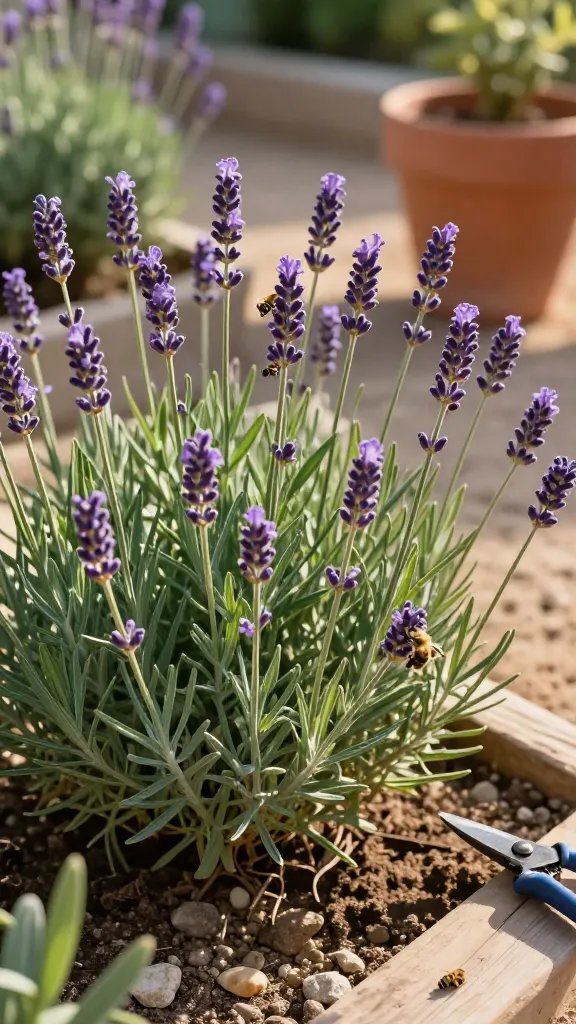
Lavender smells like a spa and acts like a tiny first-aid kit. It can ease tension headaches, clean minor cuts, and help you sleep after a day of too much life.
Why It Rocks
- Antiseptic and soothing—lightly cleans and calms irritated skin.
- Aromatherapy win for stress, headaches, and sleep support.
- Drought-tolerant and gorgeous. Bees love it, and you will too.
How To Grow
- Sun: Full sun, minimum 6 hours daily.
- Soil: Fast-draining, sandy or gritty. Overwatering = sad lavender.
- Pruning: Shear lightly after bloom to keep it bushy.
First-Aid Uses
- Lavender water: Add a few drops of lavender essential oil to distilled water (shake before use) for a light, refreshing skin spritz.
- Headache helper: Dilute essential oil in a carrier (1–2% dilution) and dab on temples or the back of your neck.
- Minor cut rinse: A weak tea from fresh flowers can gently cleanse.
Use it when you want calm—on skin and in your head. Seriously, stash a tiny roller bottle in your bag and become the chill friend.
5. Yarrow: The Tiny Flower With Big “Stop The Bleeding” Energy
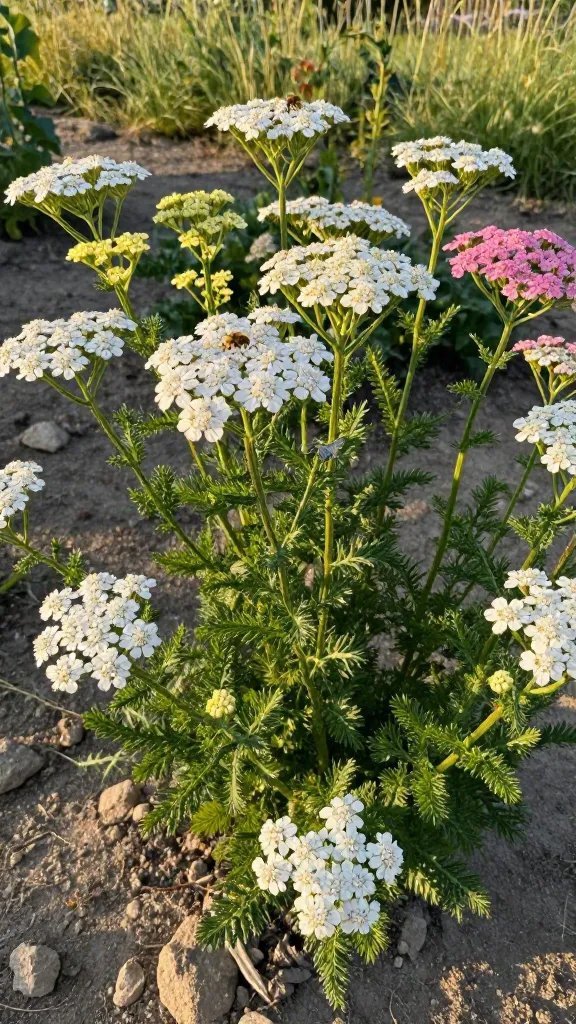
Yarrow looks delicate but plays tough. Gardeners love it because it attracts beneficial insects, and herbal folks love it because it helps slow minor bleeding and supports wound care.
Why It Rocks
- Styptic power for small nicks and cuts.
- Hardy perennial that handles heat, drought, and mediocre soil like a champ.
- Pollinator magnet: Butterflies, bees, and your camera roll will all be very happy.
How To Grow
- Sun: Full sun for best blooms.
- Soil: Well-drained; too rich and it flops.
- Control: Spreads by rhizomes—divide clumps every couple of years.
First-Aid Uses
- Poultice: Crush clean leaves/flowers and press on a small cut to help slow bleeding.
- Powder: Dry, then grind leaves/flowers and sprinkle a pinch on minor bleeding (think shaving nicks).
- Tea compress: Brew, cool, and apply to bruises or tender spots.
Use it for scrapes and minor cuts when you want to slow the “uh-oh.” Avoid if you’re allergic to plants in the Aster family.
Quick Garden Setup Tips
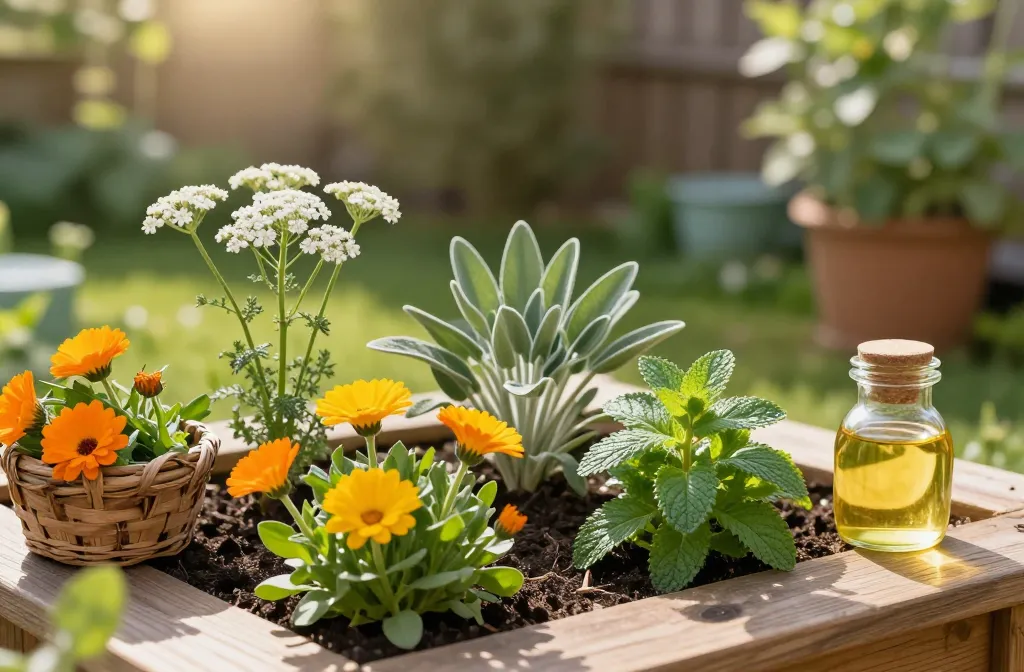
- Placement: Put the sun-lovers—calendula, lavender, yarrow—together; keep aloe in a bright, drier spot; plantain can hang on the margins.
- Drying station: A mesh rack or paper bags in a well-ventilated, shady area keeps herbs vibrant.
- Label everything: Plant tags in the garden and dates on your jars. Future you will forget, IMO.
- Clean tools: Use clean scissors and jars. You’re making skin-friendly goodies—keep it tidy.
DIY First-Aid Caddy (Garden Edition)
- Infused oils: Calendula and plantain.
- Salves: One soothing (calendula), one drawing (plantain), one calming (lavender).
- Fresh aloe gel: Stored in the fridge for post-sun emergencies.
- Tea bags or dried herb sachets: For quick compresses.
- Bandages, gauze, and tape: Because herbs love teamwork.
Safety FYI
- Patch test any new product on a small area first.
- Allergies: If you react to daisies/ragweed, go slow with calendula and yarrow.
- Essential oils: Dilute properly (1–2% for adults; avoid on kids without guidance).
- Know the limits: These herbs are for minor issues. For deep wounds, severe burns, infections, or persistent symptoms, see a healthcare pro. Trust me, that’s not the moment to wing it.
Ready to build your green first-aid squad? Plant these five and you’ll handle everyday mishaps with confidence and a little flair. Small garden, big payoff—your future self (and your elbows, fingers, and ankles) will thank you.