Glow Garden: 6 Plants to Grow for Homemade Natural Skincare
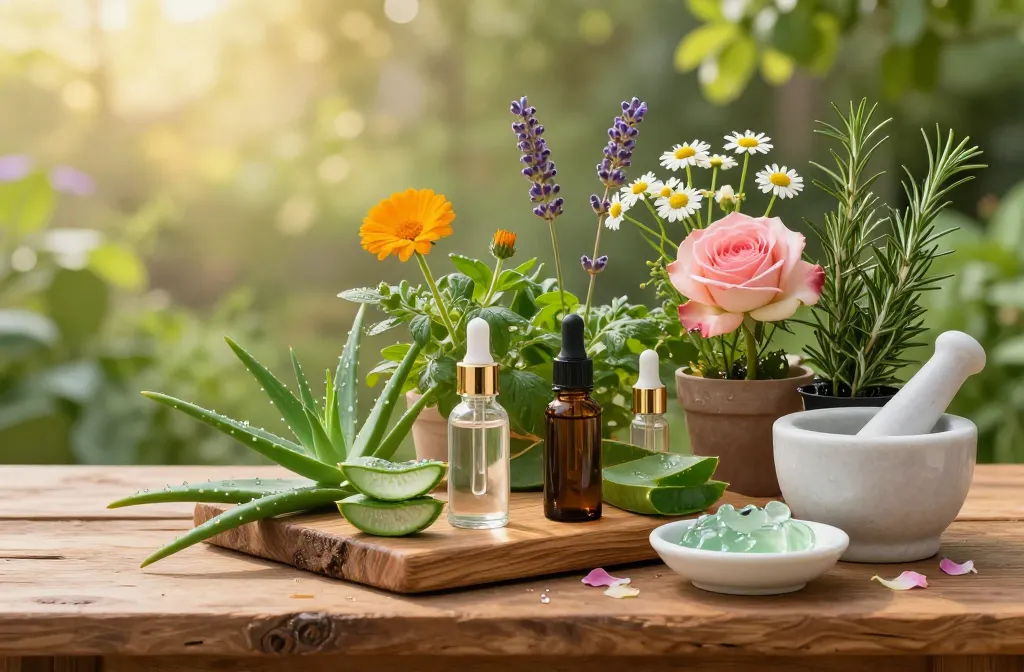
Your backyard can low-key outperform your beauty shelf. These six plants pull double duty: they look gorgeous and power seriously good DIY skincare. Want glowier skin, fewer mystery ingredients, and products that actually feel fresh? Let’s plant your beauty routine—literally.
You’ll get soothing gels, clarifying toners, rich oils, and fragrant steamers right from the soil. No lab coat required, just a sunny spot and some patience. Ready to grow your own skincare stash?
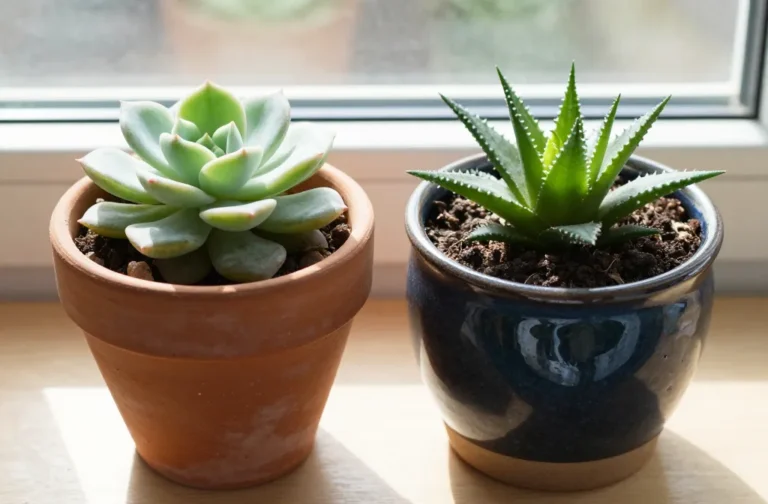
1. Aloe Vera: The Calm-Down Gel Your Skin Craves
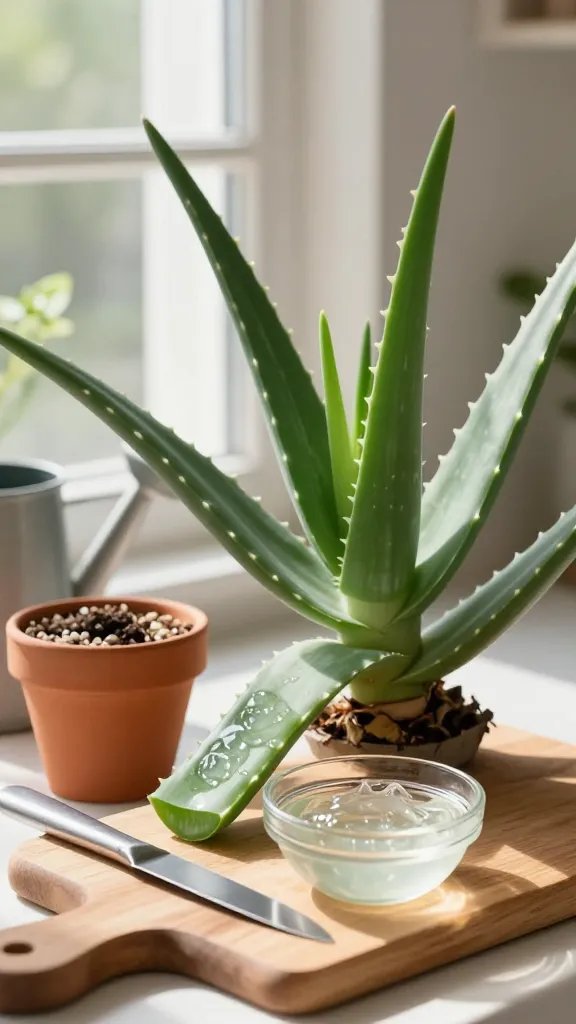
Aloe vera is the chill friend who diffuses every argument—except it settles redness, sunburns, and irritation. The leaves pack a clear, cooling gel that hydrates without heaviness. It’s easy to grow and even easier to use.
How To Grow It
- Light: Bright, indirect sun; tolerate some direct morning light.
- Soil: Fast-draining cactus mix; add perlite or sand for extra drainage.
- Water: Infrequent sips. Let the soil dry completely between waterings.
How To Use It
- Fresh Gel: Slice a mature leaf, scoop out the clear gel, and blend for a smoother texture.
- Spot Soother: Dab on sunburns, razor burn, or after acids/retinoids when skin feels toasty.
- Hydration Mask: Mix aloe gel with a few drops of jojoba oil and a dash of honey for 10 minutes.
Benefits in a nutshell: cooling, hydrating, redness-reducing. Great for sensitive, combo, and post-sun skin, FYI.
2. Calendula: The Sunny Petals That Speed Up Skin Recovery
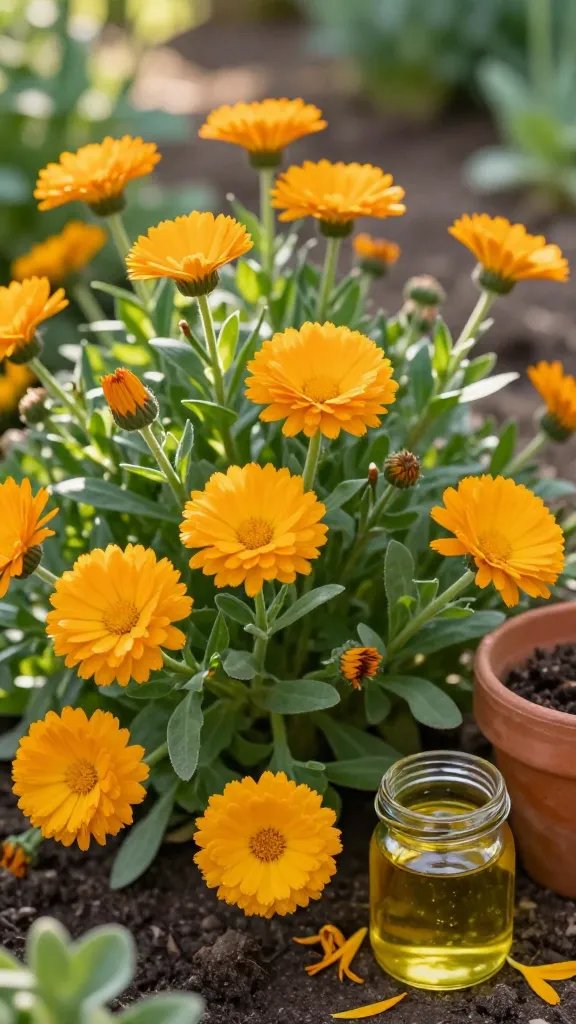
Calendula (aka pot marigold) looks sweet but works hard. Those golden-orange petals carry skin-loving compounds that comfort irritation and support your barrier. Think gentle repair vibes with a cheerful garden moment.
How To Grow It
- Light: Full sun for best blooms.
- Soil: Average, well-drained garden soil; calendula isn’t fussy.
- Water: Moderate; keep consistently moist but not soggy.
- Bonus: Deadhead often to keep flowers coming.
DIY Uses
- Calendula Oil Infusion: Dry petals completely, then cover with a neutral oil (sweet almond, jojoba). Steep in a sunny window for 2–4 weeks, shake occasionally, then strain.
- Soothing Salve: Melt beeswax with calendula-infused oil (roughly 1:5 beeswax to oil), pour into tins, cool.
- Gentle Toner: Steep a few petals in hot water for 10 minutes, cool, and use same day.
Calendula brings barrier support, calm, and comfort. Ideal for dry, irritated, or easily sensitized skin. Seriously, it’s the cozy sweater of botanicals.
3. Lavender: The Stress-Soother That Doubles As a Clarifying Toner
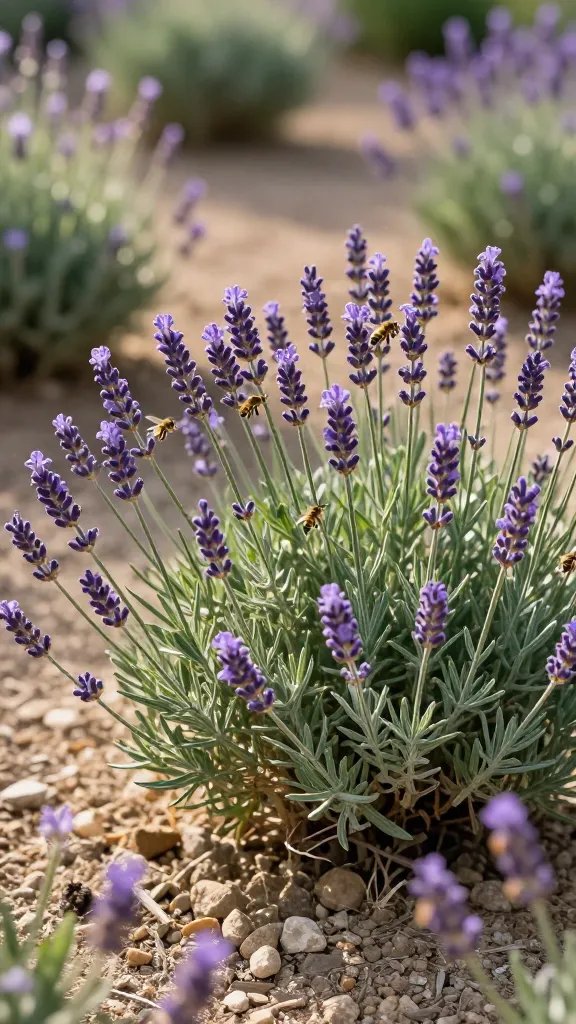
Lavender smells like relaxation and actually helps skin look clearer and happier. It’s antimicrobial, balancing, and wonderful for steam facials and toners. Bonus: bees love it, and your garden will hum.
How To Grow It
- Light: Full sun—no compromises.
- Soil: Lean and very well-drained; sandy or gravelly works best.
- Water: Light. Overwatering leads to root rot; keep it on the dry side.
- Pruning: Trim after flowering to keep it compact and productive.
Skincare Uses
- Facial Steam: Add a handful of fresh or dried buds to a bowl of hot water, tent with a towel for 5–7 minutes. Follow with your favorite mask.
- Clarifying Vinegar Toner: Steep lavender in apple cider vinegar for 2 weeks, strain, then dilute 1:4 with distilled water before spritzing onto a cotton pad.
- Bath Soak: Tie buds in a muslin bag and toss into warm bath for head-to-toe calm.
Lavender delivers clarity and chill. Great for combo to oily skin that also gets stressed (so, all of us?).
4. Chamomile: The Gentle Giant For Redness And Rosacea-Prone Skin
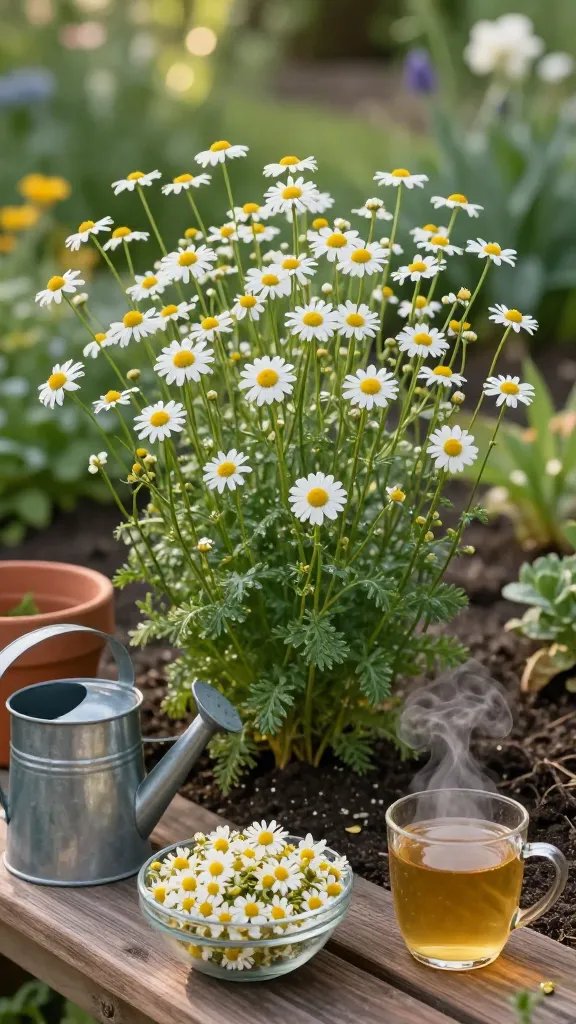
Chamomile looks delicate, but it packs anti-inflammatory power that makes cranky skin purr. If your face throws tantrums after exfoliation or cold weather, chamomile steps in as the mediator.
How To Grow It
- Types: German chamomile (annual, taller) or Roman chamomile (perennial, low-growing).
- Light: Full sun to light afternoon shade in hot climates.
- Soil: Well-drained, not too rich; a little neglect suits it.
- Water: Moderate; don’t let it stay swampy.
Skin Treats
- Cooling Compress: Brew a strong tea, chill, soak cotton pads or a washcloth, and press onto cheeks for 5–10 minutes.
- Gentle Rinse: Post-cleanse splash to settle redness; use same day for freshness.
- Honey-Chamomile Mask: Mix thick honey with a spoon of cooled tea; smooth on for 10 minutes.
Expect soothing, anti-redness, and softening effects. Sensitive and redness-prone folks, this one’s your ride-or-die.
5. Rose: The Luxe Hydrator For Plump, Happy Skin
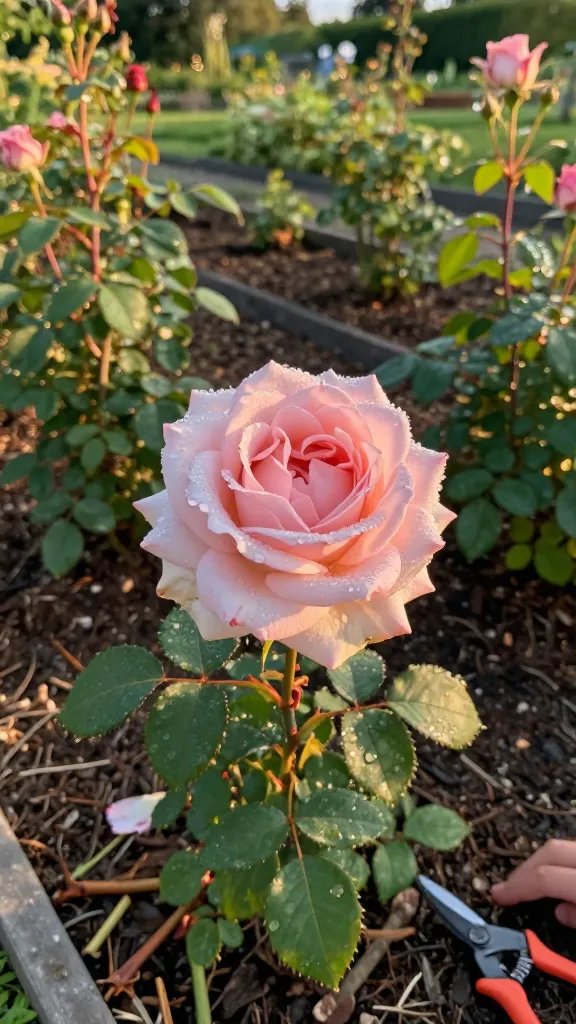
Roses aren’t just Valentine’s Day drama—they’re hydration heroes. Rose petals make delicate toners and steamers that soften and plump, and rosehips add a nutrient-rich oil that supports glow and elasticity.
How To Grow It
- Type: Choose fragrant, pesticide-free varieties (David Austin or heirloom types shine).
- Light: Full sun with good airflow to prevent mildew.
- Soil: Rich, well-drained, with compost added.
- Care: Water at the base, mulch, and prune dead or crossing branches.
Skincare Gold
- Rosewater Toner: Simmer fresh petals in distilled water on the lowest heat for 15–20 minutes; keep covered. Cool, strain, and refrigerate up to a week.
- Petal Steam: Add petals to hot water for a luxurious steam session pre-serum.
- Rosehip Oil: If you grow rugosa or dog rose, harvest hips, dry, and infuse in jojoba or fractionated coconut oil for 4 weeks; strain. Use a few drops at night.
Roses offer hydration, softness, and a subtle glow. Perfect for normal to dry skin, or when your barrier wants pampering.
6. Witch Hazel (Hamamelis): The Pore-Refiner You Can Actually Grow
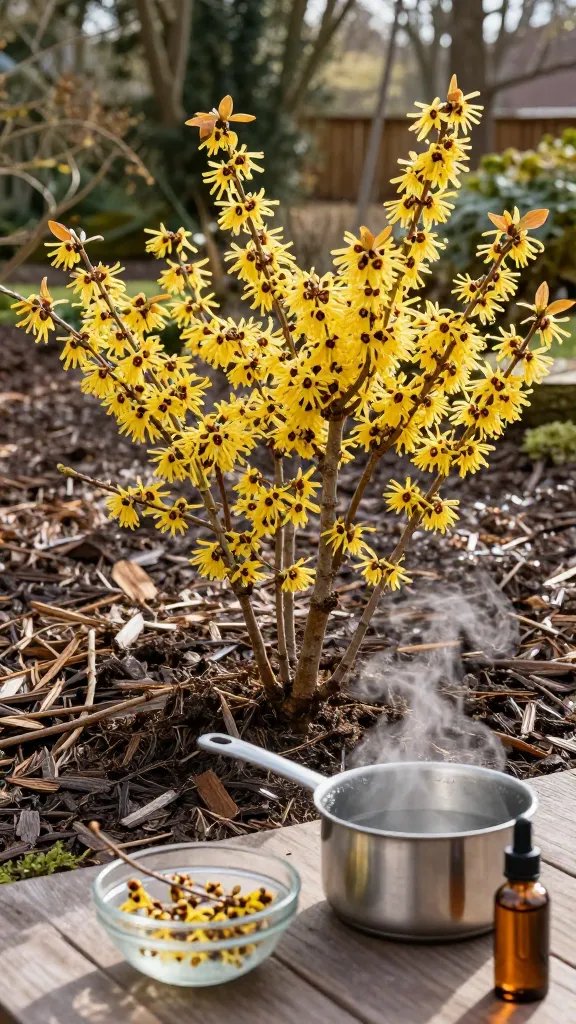
Meet the shrub behind that classic toner. Homegrown witch hazel lets you control the strength and avoid harsh additives. It balances oil, tightens the look of pores, and feels incredibly crisp.
How To Grow It
- Light: Full sun to partial shade.
- Soil: Moist, well-drained, slightly acidic preferred.
- Water: Keep evenly moist during establishment; mulch to lock it in.
- Note: It’s a shrub/tree—give it space and a couple of seasons to shine.
DIY Distillate-Style Extract
- Simple Decoction: Harvest small twigs and bark in late fall or winter. Simmer gently in distilled water for 30–45 minutes, cool, then strain.
- Optional: Add 10–20% food-grade ethanol for preservation if you’ll store it more than a few days; otherwise refrigerate and use within a week.
- Use: Apply with a cotton pad after cleansing, or mix a splash into clay masks for oily T-zones.
Expect clarity and refined texture. Best for combo and oily skin, or for post-workout freshness, IMO.
Quick Safety And Prep Tips
- Patch test everything: Even gentle botanicals can surprise you. Test on your inner arm first.
- Dry properly: For oils and vinegars, use fully dried petals to avoid mold.
- Clean gear: Sterilize jars and tools with boiling water or 70% alcohol.
- Storage: Water-based infusions spoil fast. Refrigerate and use within 3–7 days unless preserved.
- Sun care: Plants help, but sunscreen still does the heavy lifting—don’t skip it, trust me.
There you have it—six plants that turn your garden into a glow factory. Grow them once, and your bathroom shelf never looks the same. Start with one or two, whip up a simple toner or oil, and watch your skin (and confidence) perk up. Ready to get your hands dirty and your skincare cleaner?