
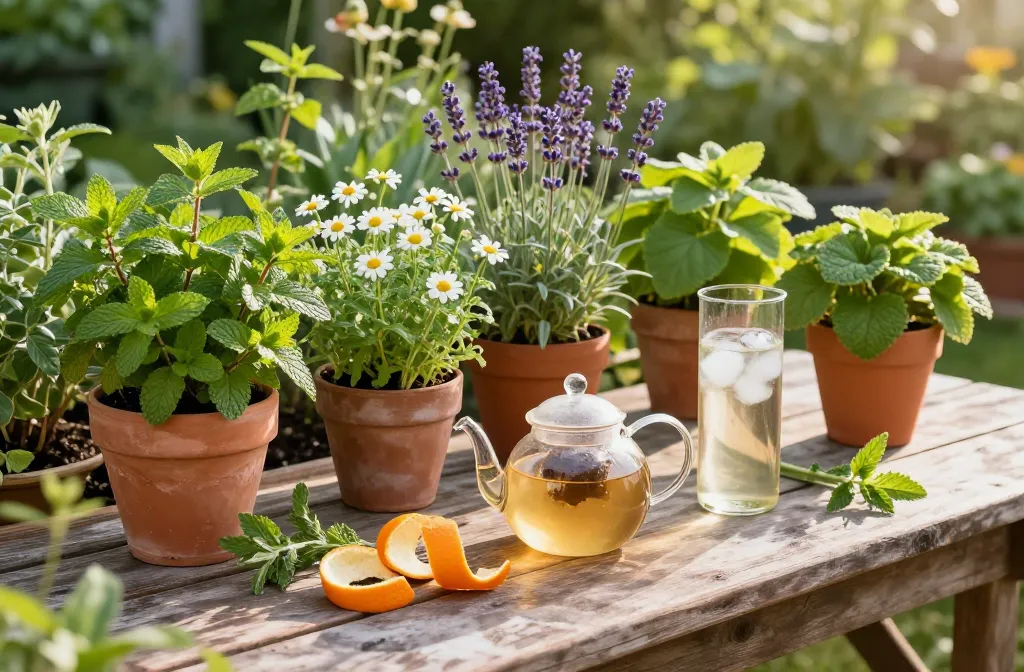
Dreaming of a backyard tea bar that tastes like a farmers’ market and smells like a spa? You can grow it. The secret: pair plants that boost flavor, deter pests, and brew beautifully together. These five powerhouse groups deliver 14 go-to pairing combos that make your teacup sing and your garden thrive.
We’re talking bold aromas, soothing sips, and zero-fuss growing strategies. Ready to blend, brew, and brag a little? Let’s plant your tea garden like a pro.
1. The Mint Matrix: Cooling Blends That Don’t Take Over Your Yard
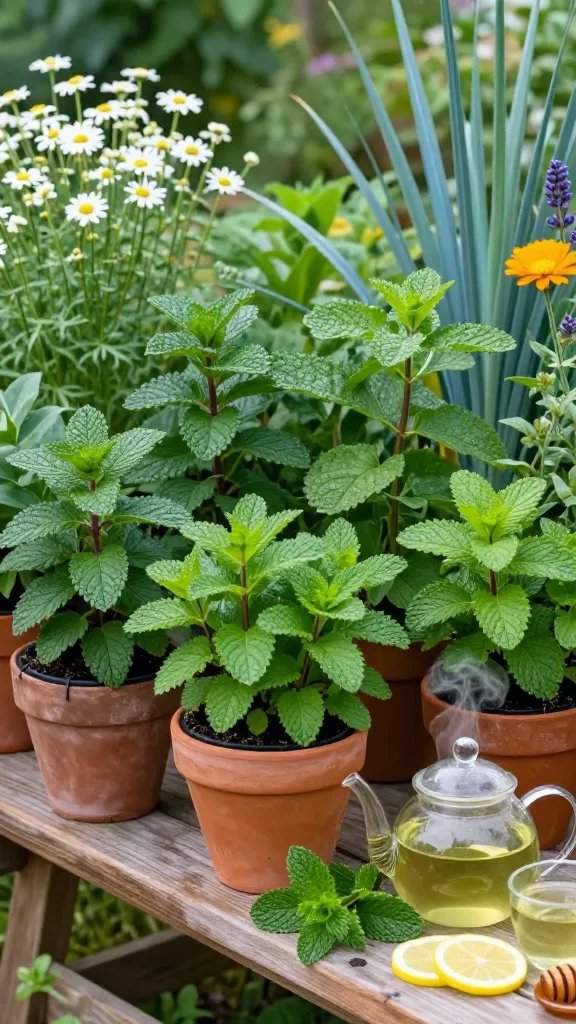
Mint equals instant refreshment and effortless growth—and that last part is the problem. It spreads like gossip. So you harness mint’s energy by pairing it with strong-willed friends and by planting it in containers or root barriers.
This family of blends gives you cooling, digestive-friendly teas with layers of citrus, floral, and spice. You’ll get flavor fireworks without a garden takeover.
Star Pairings (4):
- Peppermint + Lemon Balm: Crisp and lemony for after-meal calm. Perfect iced.
- Spearmint + Lavender: Soft mint plus floral sweetness. Great for stress relief.
- Chocolate Mint + Orange Peel (or Bergamot Leaf): Dessert vibes, zero sugar. Cozy at night.
- Apple Mint + Chamomile: Fruity, mellow, and kid-friendly. A gentle bedtime sip.
Growing Tips:
- Use pots or bury bottomless nursery containers to block runners.
- Give mint morning sun and consistent moisture. Trim often to keep it tender.
- Deadhead blooms to keep leaves sweet and productive.
Use these blends when you want an easy win—mint-based teas shine hot or cold and soothe digestion like a charm.
2. Citrus-Kissed Calm: Lemon Balm, Lemongrass, and Their Zesty Sidekicks
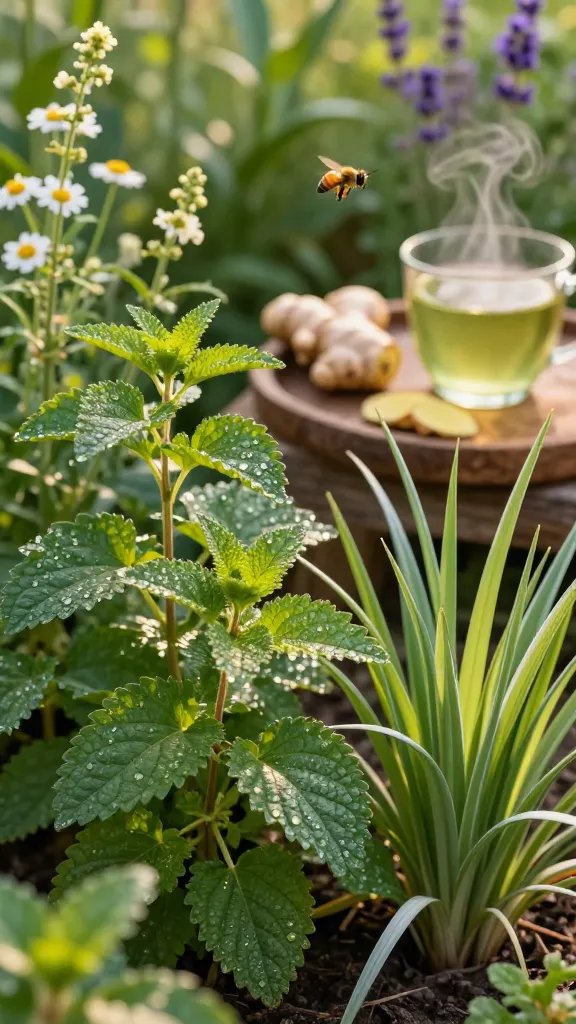
If your tea goal is “sunshine in a cup,” you need lemony notes. Lemon balm, lemongrass, and lemon verbena guarantee brightness while pairing well with calming herbs. They’re also incredible at masking bitter undertones in green tea or medicinal blends.
Bonus: their citrus oils attract pollinators and can confuse pests with strong scent trails. Flavor and function? Yes, please.
Star Pairings (3):
- Lemon Balm + Ginger (Fresh or Dried): Zippy, warming, and amazing for nausea. Great travel tea.
- Lemongrass + Spearmint: Spa-water energy in a teacup. Refreshing without being sharp.
- Lemon Verbena + Rose Petals: Elegant and aromatic. Serve to guests and act casual.
Growing Tips:
- Lemon balm thrives in part sun and rich soil. Trim often—old leaves get coarse.
- Lemongrass loves heat, full sun, and frequent water. Harvest outer stalks first.
- Verbena prefers warm nights; pot it if your winters bite.
Reach for these blends when you want an uplifting mood boost or a crisp, palate-cleansing finish after rich meals. FYI, they make killer iced tea.
3. Sleepytime Superstars: Chamomile, Lavender, and Friends Who Tuck You In
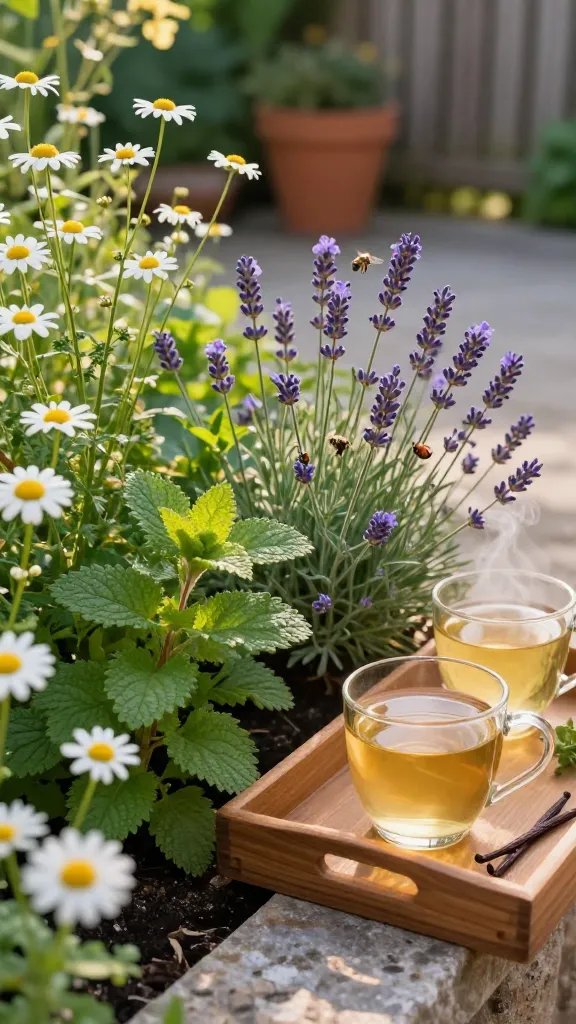
Need a gentle lullaby in mug form? Pair mild sedatives with harmonizing aromatics. You get calm without grogginess and flavor that feels like a hug.
These plants also play nice in the garden: they attract beneficial insects, deter pests, and love similar sun exposure. Low-maintenance, high-comfort, and pretty—what’s not to love?
Star Pairings (3):
- Chamomile + Lemon Balm: Smooth, soft, and slightly citrusy. Your nightly ritual, sorted.
- Lavender + Vanilla Bean (or Vanilla Extract Drop, Post-Brew): Floral, cozy, and decadent. Dessert without effort.
- Chamomile + Oatstraw: Nerve-nourishing and grounding. Great for stressful seasons.
Growing Tips:
- German chamomile reseeds easily; harvest flowers daily when open and dry.
- Lavender needs full sun, lean soil, and excellent drainage—no wet feet.
- Dry flowers whole in a single layer for best flavor and color.
Use these blends when your brain won’t power down. They taste elegant, relax the nervous system, and make evenings feel intentional. Seriously, your future self will thank you.
4. Spice & Warmth: Ginger, Tulsi, and Herbs That Cozy Up Any Cup
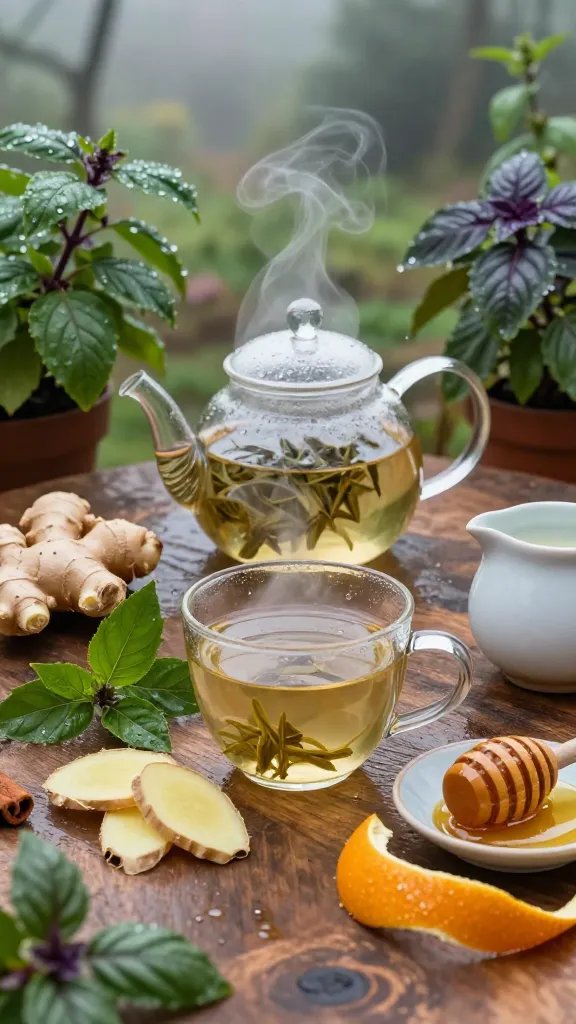
Some days demand a bolder brew. Enter warming herbs that stimulate circulation, aid digestion, and taste like a hug. These combos anchor your collection with depth and complexity.
Spicy and adaptogenic plants play beautifully with florals and citrus, and they shine with honey or a splash of milk. Think cold-weather companions and rainy-day favorites.
Star Pairings (3):
- Tulsi (Holy Basil) + Ginger: Peppery-sweet with a warming kick. Focus-friendly and uplifting.
- Cinnamon Basil + Orange Peel: Bright, spicy, and holiday-adjacent. Great for late afternoons.
- Fresh Ginger + Lemongrass: Zesty, invigorating, and excellent for sore throats.
Growing Tips:
- Tulsi likes full sun and frequent harvesting—pinch tips to keep it bushy.
- Grow ginger in wide pots with rich soil; harvest rhizomes after foliage dies back.
- For orange peel, use unsprayed fruit; dry peels until crisp before storing.
Brew these when you crave warmth or need digestive backup. They stand alone or blend into black and green teas for café-level complexity, IMO.
5. Floral & Fancy: Rose, Hibiscus, and the Color-Pop Crew
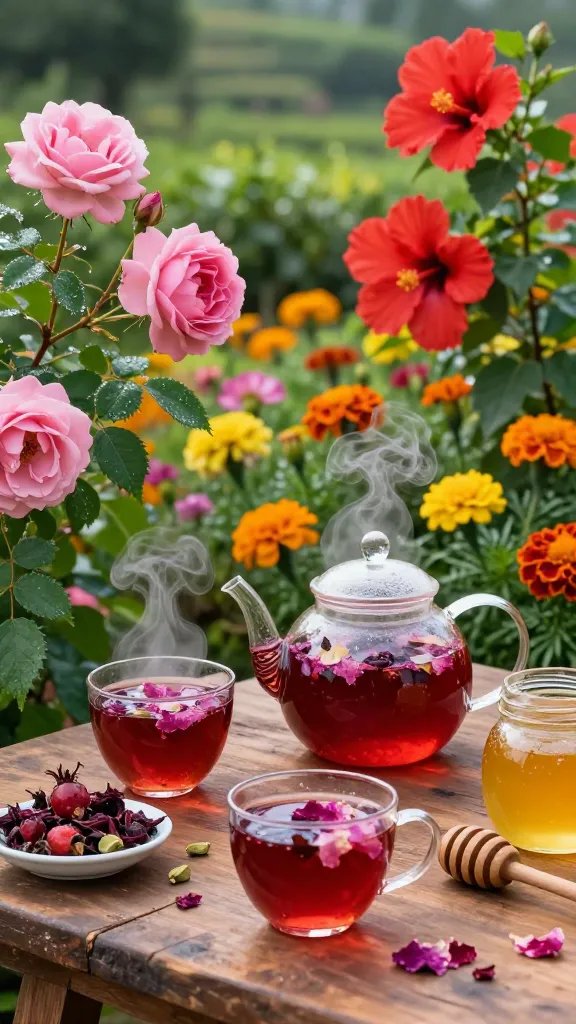
Let’s be extra for a second. Floral blends bring aroma, color, and a touch of drama. They’re the teas you pour for guests when you want compliments without trying too hard.
Besides beauty, these plants offer benefits: vitamin C, gentle astringency, and balanced acidity. Your blends get brighter, prettier, and delightfully Instagrammable.
Star Pairings (3):
- Hibiscus + Rose Hips: Tangy, ruby-red, and immune-friendly. Add honey to round the edges.
- Rose Petals + Cardamom: Perfumed and silky. A little cardamom goes a long way.
- Calendula + Lemongrass: Sunny, slightly resinous, and surprisingly smooth.
Growing Tips:
- Hibiscus sabdariffa loves heat; harvest calyces after flowers drop and pods swell.
- Choose fragrant rose varieties and dry petals flat, away from direct sun.
- Calendula blooms nonstop if you deadhead. Petals color tea like magic.
Pull these blends when you want a showstopper or a vitamin-rich iced tea. They also blend beautifully with mint or green tea for balance and depth.
How to Brew Like a Garden Whisperer
- Water Temp: 200°F for roots/barks; 190–200°F for robust herbs; 175–185°F for delicate florals.
- Steep Time: 5–7 minutes for most herbals; 8–15 for sturdier parts. Taste as you go.
- Ratios: Start with 1 tablespoon dried or 2 tablespoons fresh herbs per 8 ounces water.
- Sweeteners: Try honey, jaggery, or a slice of fresh apple while brewing.
- Iced Method: Double the herbs, steep hot, then pour over ice.
Companion Planting Basics That Actually Matter
- Spacing: Airflow prevents mildew on mint, lemon balm, and roses.
- Pollinator Buffets: Cluster blooms (lavender, calendula, chamomile) to lure bees for better yields.
- Pest Control: Strong aromatics (mint, lemongrass, lavender) confuse pests—ring beds with them.
- Soil Strategy: Keep heavy feeders separate from lavender and rosemary, which prefer lean soil.
- Harvest Rhythm: Morning harvest after dew dries = peak flavor and oils.
Drying & Storage, So Your Tea Doesn’t Taste Like a Pantry
- Drying: Low heat, high airflow. Aim for brittle leaves that crumble cleanly.
- Storage: Dark glass jars or tins, labeled with date. Use within 9–12 months.
- Blend Fresh: Store single herbs separately; blend right before brewing for max aroma.
14 Perfect Pairings, Quick Recap
- Peppermint + Lemon Balm
- Spearmint + Lavender
- Chocolate Mint + Orange Peel/Bergamot Leaf
- Apple Mint + Chamomile
- Lemon Balm + Ginger
- Lemongrass + Spearmint
- Lemon Verbena + Rose Petals
- Chamomile + Lemon Balm
- Lavender + Vanilla
- Chamomile + Oatstraw
- Tulsi + Ginger
- Cinnamon Basil + Orange Peel
- Fresh Ginger + Lemongrass
- Hibiscus + Rose Hips
- Rose Petals + Cardamom
- Calendula + Lemongrass
Yes, that’s 16 listed to cover variations—consider the citrus and floral swaps your bonus options. Mix and match within each category and you’ll still nail the flavor profile.
Safety Notes (Because Herbs Are Potent)
- Pregnancy/Nursing: Go light on hibiscus, strong mint, and large amounts of tulsi—ask your clinician.
- Meds: If you take prescriptions, double-check interactions with ginger, hibiscus, and chamomile.
- Allergies: Ragweed-sensitive folks may react to chamomile or calendula.
Ready to plant your cup? Start with two categories—maybe Mint Matrix and Floral & Fancy—and build from there. In a few weeks you’ll have fresh leaves, and in a few months you’ll be serving blends that taste like you stole a tea sommelier.
Grow a little, brew a lot, and tweak to your taste. Your tea garden will evolve with you—and trust me, those first aromatic harvests feel like magic.