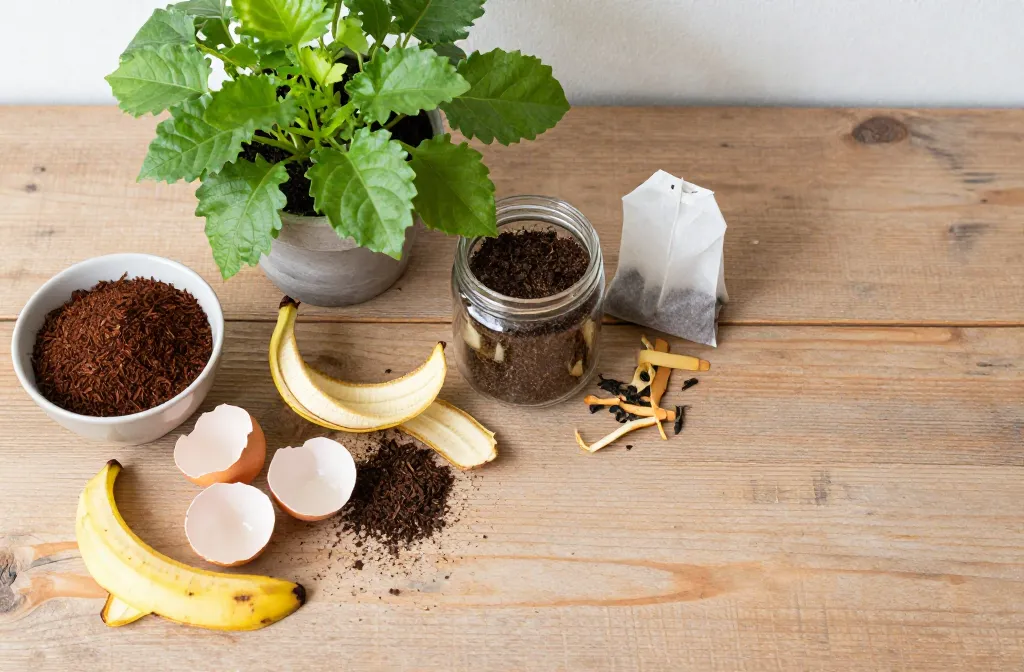
Turn Trash to Treasure 6 Household Scraps That Make Incredible Fertilizer
Your trash can literally grow treasure. The best plant food often hides in your kitchen, not a fancy garden store. These six everyday scraps boost soil, feed microbes, and make leaves glow like they just got a spa treatment. Ready to turn leftovers into lush growth? Let’s raid the bin, strategically.
1. Coffee Grounds, The Morning-After Miracle
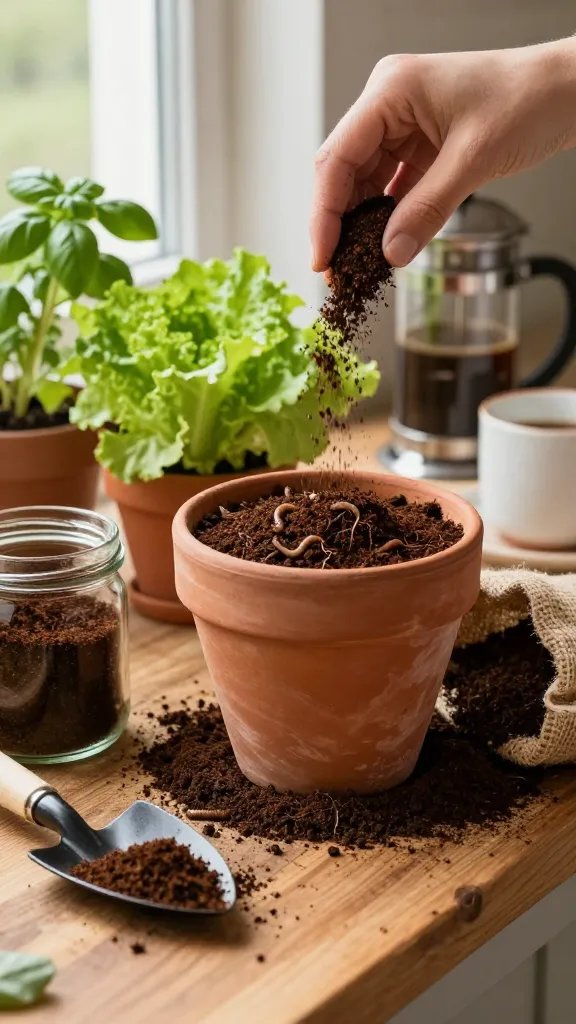
Finished your latte life? Your plants want in on the action. Coffee grounds add organic matter, improve soil texture, and provide a gentle nitrogen bump that leafy greens adore.
Why It’s Awesome
- Mild nitrogen source that won’t scorch roots like strong synthetic fertilizers.
- Soil structure boost for better drainage and aeration, especially in heavy soils.
- Microbe magnet that supports healthy soil life. Microbes = happy roots.
Use them lightly, like seasoning, not like a mulch blanket. Mix used grounds into compost, or sprinkle a thin layer around acid-loving plants like blueberries, hydrangeas, and azaleas.
Tips
- Let grounds dry first to avoid mold clumps.
- Blend with browns (dry leaves, shredded paper) at roughly 1:3 to balance carbon and nitrogen in compost.
- Skip on seedlings—grounds can compact if overused. Think “dusting,” not “dumping.”
Best for foliage plants and garden beds that need a gentle green-up without the drama.
2. Banana Peels, The Potassium Power-Up
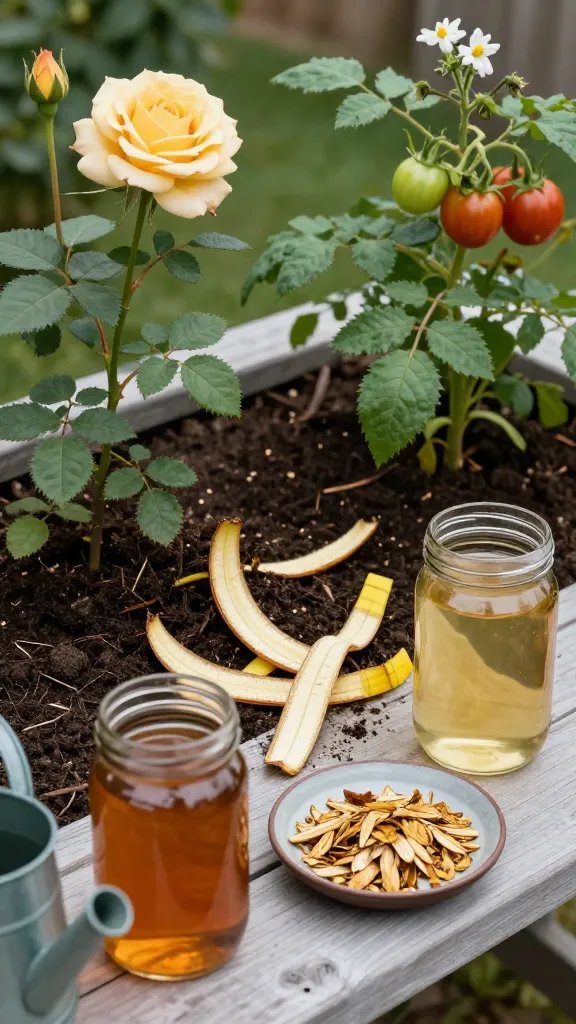
Banana peels bring potassium, a key nutrient for flower and fruit development. They also add small amounts of phosphorus and calcium—basically a bloom-boosting trio.
Smart Ways To Use Them
- Chop and bury small pieces 2-3 inches deep around roses, tomatoes, and peppers.
- Make a peel tea by soaking strips in water 24-48 hours, then dilute 1:2 with water for a gentle feed.
- Dry and grind into flakes and sprinkle lightly into potting mixes.
Do not throw whole peels on top of soil unless you like fruit flies and raccoon drama. IMO, chopped and buried works best—slow release, no pests.
Benefits
- Encourages stronger stems and brighter blooms.
- Great for flowering houseplants like peace lilies and orchids (use peel tea sparingly).
- Adds organic matter as it breaks down, which soil life loves.
Use when plants start budding or fruiting. It’s like sending your garden a motivational pep talk.
3. Eggshells, The Calcium Crew
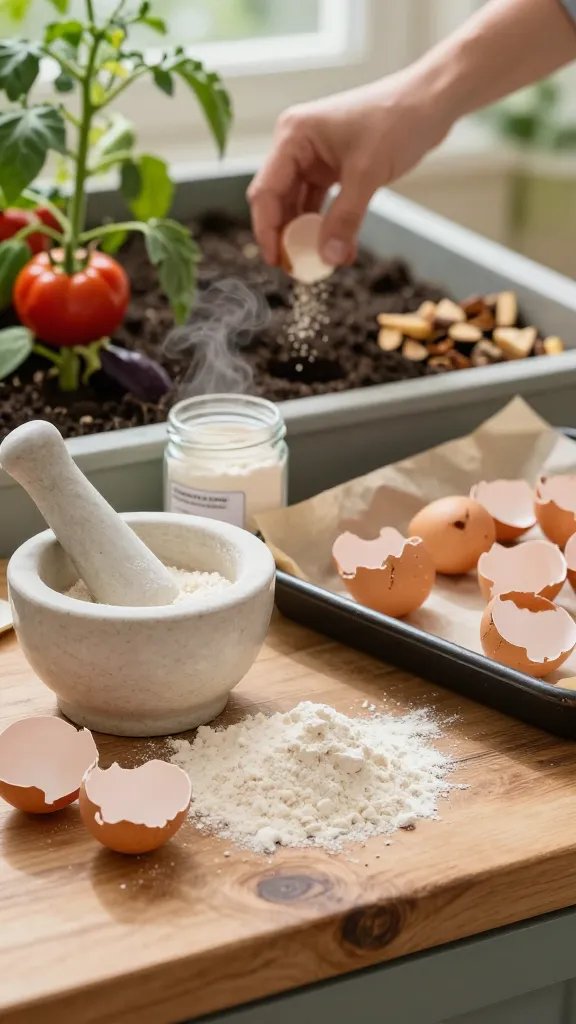
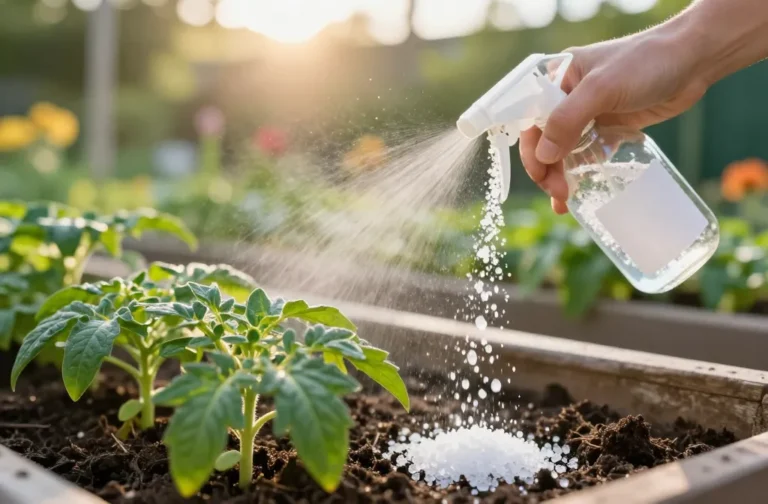
Eggshells offer calcium, which helps prevent blossom-end rot in tomatoes, peppers, and eggplants. They also lightly raise pH over time, making them perfect for acidic soils.
Preparation Matters
- Rinse, dry, and crush into fine bits or powder for faster breakdown.
- Toast in the oven at low heat to sterilize and make grinding easier.
- Blend into compost to distribute calcium evenly.
Calcium doesn’t move fast in soil, so think long game. Mix powdered shells into planting holes or top-dress in fall and spring.
Extra Uses
- Sprinkle a ring around seedlings to deter slugs (marginal effectiveness, but every bit helps).
- Add to worm bins in small amounts as grit, which helps worms digest food.
- Combine with coffee grounds for a balanced, crumbly soil amendment.
Best for veggie gardens and heavy-feeding annuals. Results shine over a season, not overnight—patience pays off.
4. Green Tea Leaves, The Gentle Tonic
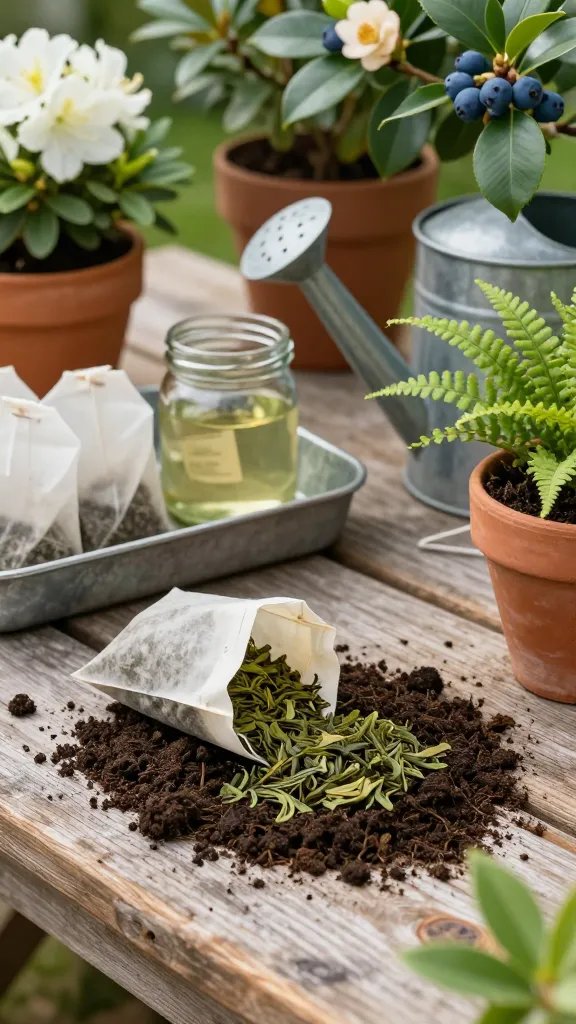
Used green tea leaves bring mild nitrogen and tannins that slightly acidify soil—great news for acid lovers. They also improve moisture retention and feed beneficial microbes.
How To Serve
- Open used tea bags (skip bleached or plastic mesh) and mix leaves into the top inch of soil.
- Brew a weak tea from used leaves and cool completely, then water azaleas, blueberries, camellias, and ferns.
- Add to compost as a “green” component to speed decomposition.
FYI: Don’t overdo it indoors—overly damp tealeaves can invite fungus gnats. Blend with dry material like shredded paper to keep things balanced.
Why Your Plants Will Cheer
- Makes foliage richer and greener without overwhelming growth.
- Gently shifts pH for plants that hate alkaline soils.
- Improves crumbly texture in potting mixes—think springy, airy, and happy roots.
Use when leaves look tired or pale. It’s a subtle pick-me-up, not a miracle serum—still impressive though.
5. Vegetable Cooking Water, The Sneaky Nutrient Sip
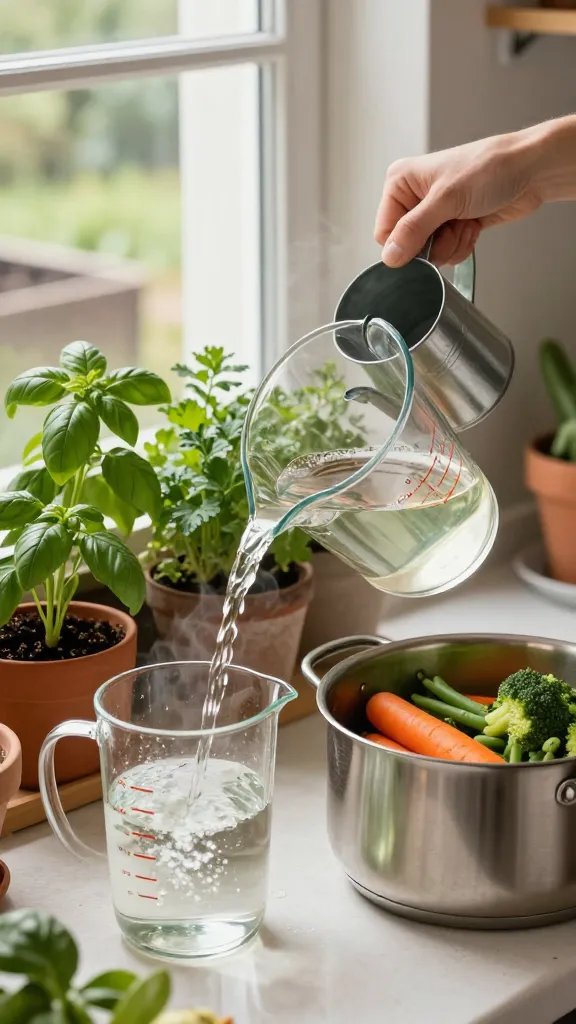
That water you pour down the drain after steaming or boiling veggies? It carries dissolved minerals and trace nutrients your plants can actually use. It’s like a vitamin-infused drink for your soil.
Do It Right
- Cool completely before using—hot water cooks roots, which is as bad as it sounds.
- No salt, oil, or butter. Salt burns plants. Oil suffocates soil. Butter belongs on corn, not soil.
- Dilute 1:1 with fresh water for houseplants, or use straight in outdoor beds.
Use on herbs, leafy greens, and container veggies. You’ll waste less and feed more—double win.
Bonus Ideas
- Label a jug “Plant Water” and stash cooled veggie water there during meal prep.
- Rotate among different plants to spread the love.
- Use right away to avoid odors and microbial funk.
Perfect for weekly watering routines. You’ll see perkier leaves and better resilience, especially in containers.
6. Onion And Garlic Skins, The Micro-Nutrient Ninja
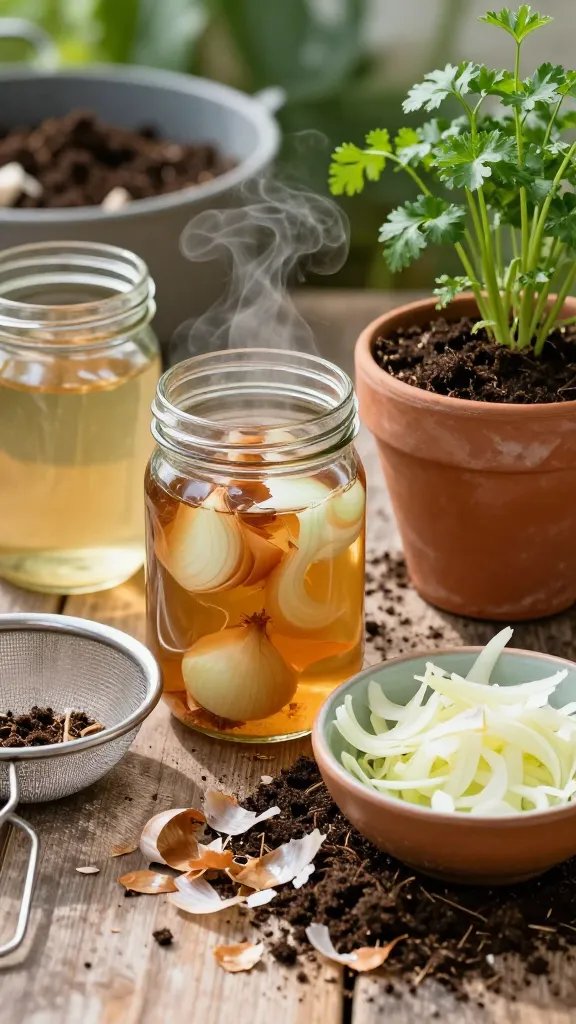
Onion and garlic skins look flimsy, but they’re loaded with micronutrients and antioxidants. They also add a light pest-deterring aroma when used outdoors—nothing fancy, just helpful.
Simple Uses
- Make a skin tea: Soak a handful of skins in water for 24 hours, strain, dilute 1:1, and water the soil.
- Compost them to enrich the final mix with trace minerals and carbon.
- Mulch lightly around outdoor plants with chopped skins to discourage some nibblers.
A little goes a long way. You don’t want your potting bench smelling like a deli forever, so keep it moderate, especially indoors.
Why It’s Worth It
- Supports plant immunity and stress tolerance with trace elements.
- Pairs well with banana peels or coffee grounds for a balanced DIY booster.
- Low-cost, zero-waste way to diversify soil nutrition.
Use during seasonal transitions—spring wake-up or late-summer stress. It’s subtle support that stacks with your other scraps.
That’s the short list, but it packs serious punch. Start with what you already toss, test small, and watch your plants respond like they finally got your love language. Seriously, your compost bin is about to become your MVP. Happy feeding—your green babies will thank you with bigger leaves, brighter blooms, and way fewer guilt trips at the garden store.