Viral Garden Hacks 7 Diy Natural Pesticide Sprays You Can Make at Home
Got pests munching your plants like it’s an all-you-can-eat buffet? You don’t need a hazmat suit or a chemistry degree to fight back. These DIY natural sprays use pantry staples and garden basics, and they deliver results without torching your soil life. Ready to show aphids, mites, and beetles who’s boss? Let’s mix, spray, and save those leaves.
1. Soap & Water Knockout: The Everyday Aphid Buster
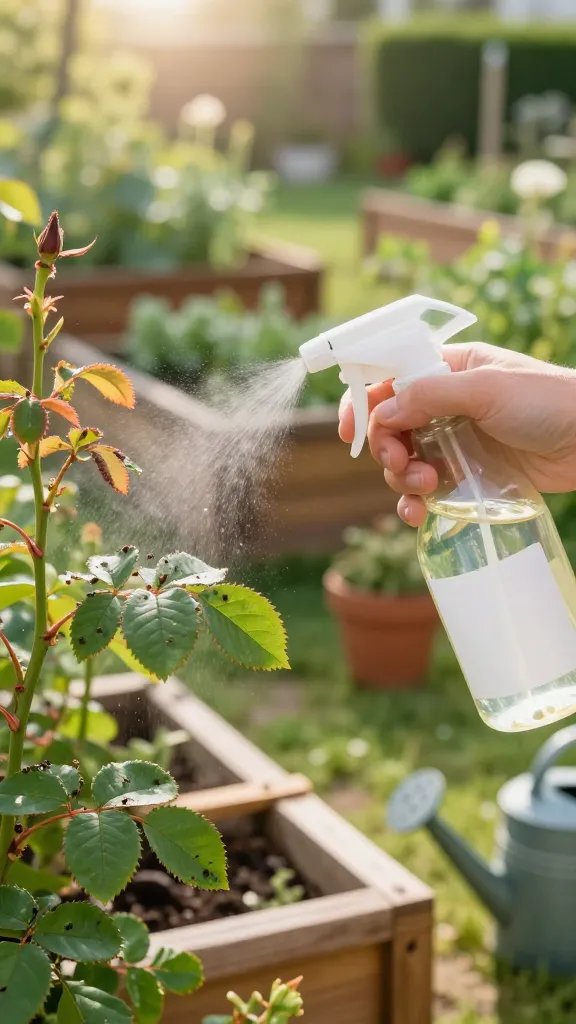
When you need an immediate fix, this simple spray delivers. It dissolves the protective coating on soft-bodied pests like aphids, mealybugs, whiteflies, and spider mites. You’ll see quick results without perfuming your yard with mystery chemicals.
What You’ll Need:
- 1 liter water (room temperature)
- 1–2 teaspoons mild liquid soap (castile or pure dish soap, not degreaser)
- Optional: 1 teaspoon vegetable oil to help it stick
Mix gently so you don’t create a bubble party. Test on a small leaf first and wait 24 hours to check for leaf burn.
How to Use:
- Spray in the early morning or evening to avoid sun scorch.
- Coat the undersides of leaves where pests hide.
- Repeat every 3–4 days for two weeks or until pests drop off your VIP list.
Why it’s awesome: Cheap, fast, and reliable. Use it when you spot clusters of soft-bodied bugs or notice sticky honeydew on leaves.
2. Garlic-Mint Blitz: Repel Everything With a Nose
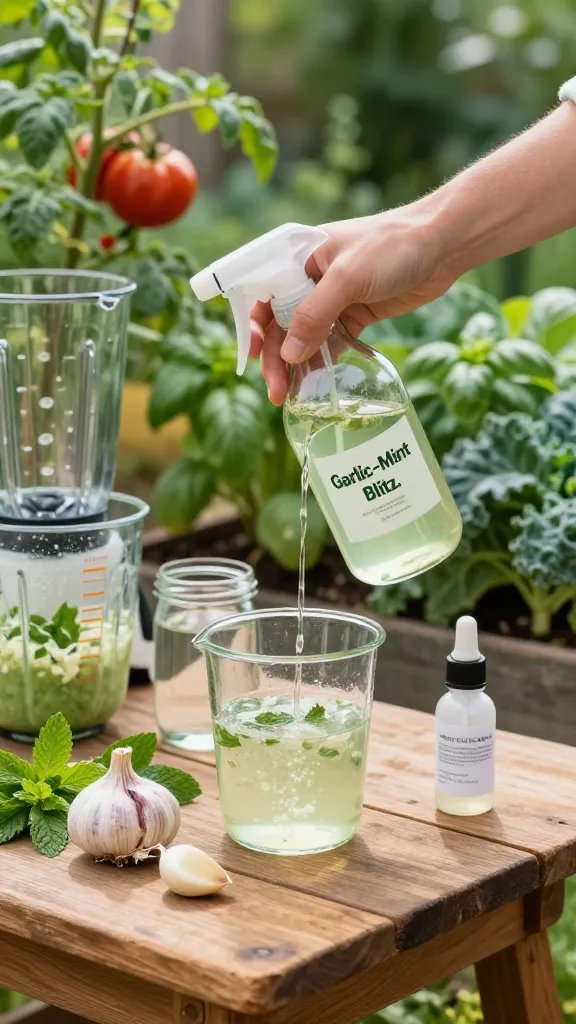
This spray smells like your garden is prepping pasta night, and bugs hate it. Garlic’s sulfur compounds repel many pests, while mint adds a pungent kick. It won’t kill everything on contact, but it tells pests to dine elsewhere.
Ingredients:
- 1 head of garlic, peeled
- 1 handful fresh mint (or 2 teaspoons dried)
- 2 cups water for blending + 2 more cups for diluting
- 1 teaspoon mild soap (as a surfactant)
Blend garlic and mint with 2 cups water. Let sit 1 hour, strain, then dilute with 2 more cups water and add soap.
Tips:
- Use within 7 days and store in the fridge. It gets funky fast.
- Spray after rain or heavy watering because it washes off easily.
- Avoid spraying delicate blooms—flowers prefer fans, not garlic facials.
Best for: Repelling aphids, beetles, and nibbling caterpillars before an infestation explodes.
3. Neem Oil Armor: The All-Rounder You’ll Keep Reaching For
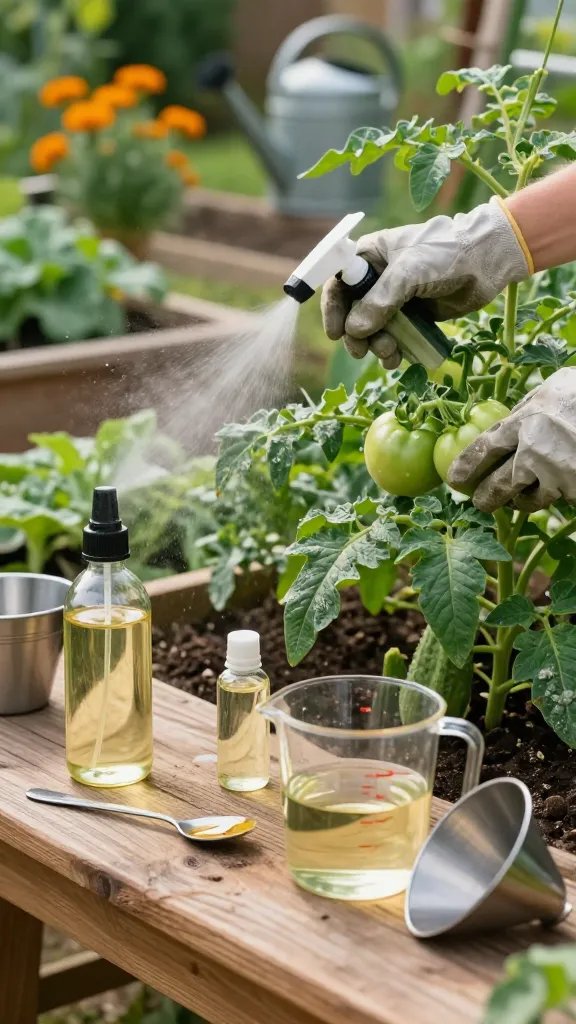
Neem oil is the Swiss Army knife of natural pest control. It disrupts insect growth, feeding, and reproduction—basically the trifecta. It also helps with mild fungal issues like powdery mildew. IMO, every gardener needs this on standby.
Mix Ratio:
- 1 liter warm water
- 1–2 teaspoons cold-pressed neem oil (with azadirachtin if you can find it)
- 1 teaspoon mild liquid soap to emulsify
Shake well before each use because oil and water love a dramatic breakup.
How to Apply:
- Spray weekly as a preventative or every 4–7 days for active infestations.
- Focus on leaf undersides and new growth.
- Apply at dusk to protect pollinators and reduce leaf burn.
Best for: Aphids, mites, whiteflies, thrips, leafminers, and fungi. Perfect for veggie beds and ornamentals when you want broad coverage without going nuclear.
4. Chili Pepper Heatwave: The “Stop Eating My Leaves” Deterrent
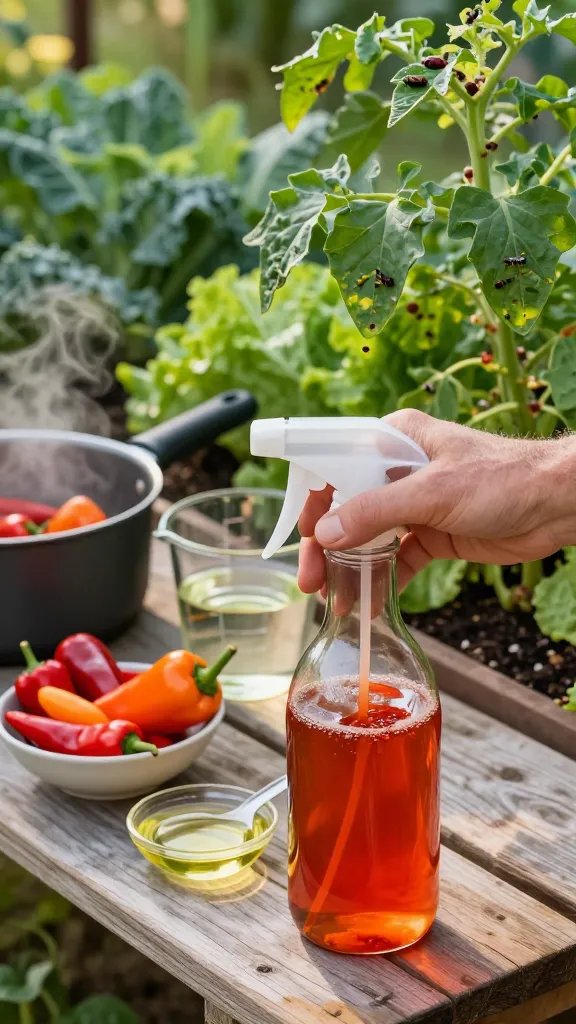
When pests don’t take hints, bring the spice. Capsaicin teaches chewing insects like caterpillars and beetles to look elsewhere. It won’t harm your plants when used correctly, and it adds a defensive wall of “nope” to your foliage.
What You’ll Need:
- 2 tablespoons chili powder or 4–6 fresh hot peppers
- 2 cups water for simmering + 2 cups for diluting
- 1 teaspoon mild soap
- Optional: 1 teaspoon oil for sticking power
Simmer peppers or chili powder in 2 cups water for 15–20 minutes. Cool, strain carefully, then dilute with 2 more cups water. Add soap and optional oil.
Important Notes:
- Wear gloves and don’t touch your eyes—seriously.
- Test on one leaf first; some plants get sensitive.
- Reapply after rain or heavy dew.
Best for: Chewing pests on veggies like kale, lettuce (lightly!), beans, and roses. Not ideal for plants you’ll harvest soon unless you rinse thoroughly.
5. Citrus Zest Cleaner: Ants, Aphids, and Soft-Bodied Pests Retreat
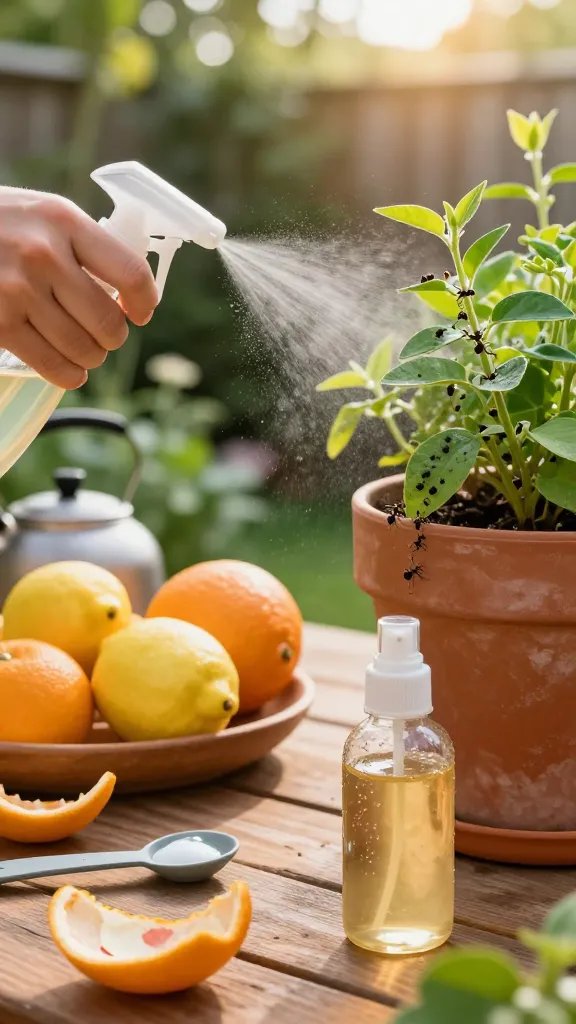
Got orange or lemon peels? You’re halfway there. Citrus contains limonene, which messes with insect nervous systems and deters them from returning. This one smells great and doubles as an ant deterrent around patios and pots.
Ingredients:
- 2 cups citrus peels (orange, lemon, or grapefruit)
- 2 cups boiling water
- 1 teaspoon mild soap (optional but helpful)
Pour boiling water over peels and let steep overnight. Strain, add soap, and you’re ready to spray.
Use It Like This:
- Target ant trails on pots and around plant bases.
- Spritz aphid clusters on roses and herbs (rinse edibles before harvest).
- Reapply every few days during active pest traffic.
Best for: Ants farming aphids, aphids on ornamentals, and general repellent action with a fresh, clean scent. FYI, it’s gentle but not a cure-all.
6. Baking Soda + Oil Mildew Fix With Bonus Pest Pushback
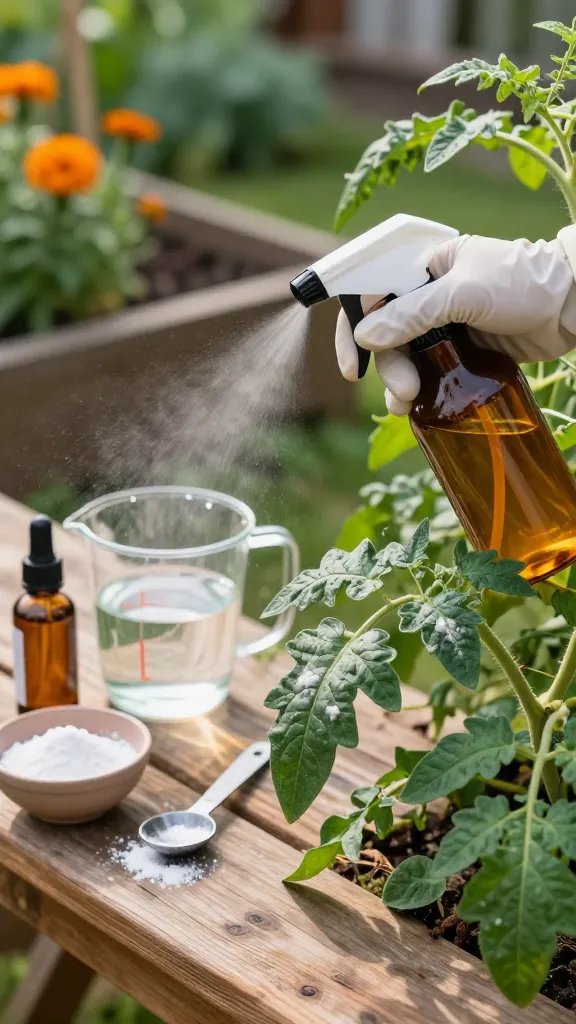
Powdery mildew making your leaves look like they’re dusted in confectioner’s sugar? This mix changes the leaf surface pH and makes fungi uncomfortable. The added oil smothers mites and small soft-bodied pests, so you get two wins in one spray.
Formula:
- 1 liter water
- 1 teaspoon baking soda
- 1–2 teaspoons lightweight oil (neem, canola, or horticultural)
- Few drops mild soap to emulsify
Stir until dissolved. Don’t go wild with the baking soda—more is not better here.
How to Use:
- Apply weekly at the first sign of powdery mildew.
- Spray in the evening and avoid hot, sunny hours to prevent leaf spotting.
- Alternate with plain water days to avoid buildup.
Best for: Powdery mildew on cucurbits, roses, and zinnias, plus a mild deterrent for mites and aphids. Use when you want gentle control without harsh fungicides.
7. DIY Herbal Oil Infusion: Rosemary, Thyme, And Sage Against Mites
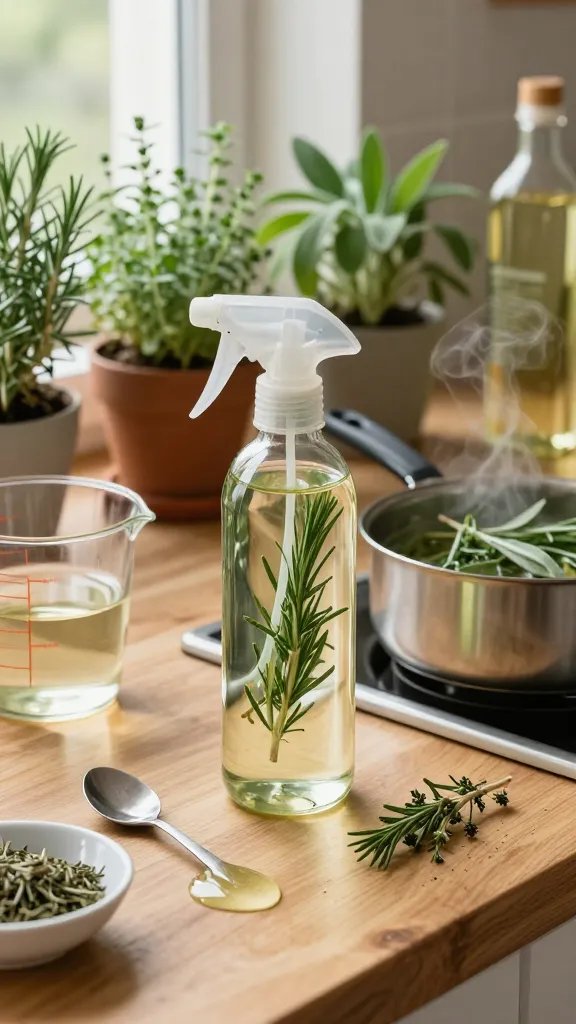
Aromatic herbs don’t just smell fancy—they pack compounds that bugs can’t stand. Rosemary and thyme especially push back against spider mites and thrips. This slow infusion gives you a potent, plant-friendly spray that feels old-school apothecary in the best way.
Ingredients:
- 1 cup fresh rosemary and thyme (or 2 tablespoons each dried)
- 1 cup light oil (sunflower or fractionated coconut)
- 1 liter warm water for dilution
- 1 teaspoon mild soap
Gently warm the oil with herbs on the lowest heat for 30–45 minutes—don’t fry them. Strain and cool. To make the spray, add 1–2 teaspoons of the infused oil to 1 liter warm water plus soap, then shake.
How to Use:
- Spot-treat mite-prone plants like houseplants, beans, and eggplants.
- Apply every 4–7 days during outbreaks.
- Keep the concentrated oil in a cool, dark place for up to a month.
Best for: Spider mites, thrips, and general pest deterrence on ornamentals and edibles. It smells good, works well, and makes you feel like a garden wizard.
Pro Tips For All Sprays
- Test First: Always spray a single leaf and wait 24 hours for any damage.
- Timing Matters: Spray at dawn or dusk to protect leaves and pollinators.
- Coverage Counts: Hit the undersides of leaves—pests hide where you don’t look.
- Rotate Recipes: Mix it up weekly to avoid pest resistance.
- Clean Gear: Rinse sprayers after each session so valves don’t clog.
- Know Your Enemy: Identify the pest first; don’t carpet-bomb your garden out of frustration.
When Not To Spray
- Stressed plants during heatwaves or drought—give them water first.
- Open flowers buzzing with pollinators—spray leaves only, after hours.
- Right before harvest—if you must, rinse thoroughly.
Natural doesn’t mean “spray and pray.” It means smart, targeted action with ingredients you trust. Pick one recipe, start small, and see what your plants love. Then build your own garden toolkit like a boss. Your plants will thank you with lush leaves and, yes, fewer bite marks—trust me.