Viral Hacks 8 Unexpected Uses for Epsom Salts in the Garden
Got a bag of Epsom salts collecting dust under the sink? Your garden wants it—badly. This humble pantry staple can boost blooms, soothe stressed plants, and even help seedlings level up. Let’s turn that bag into your secret gardening weapon, minus the snake oil. Ready to get a little “magnesium magic” going?
1. Supercharge Tomato Plants Without the Drama
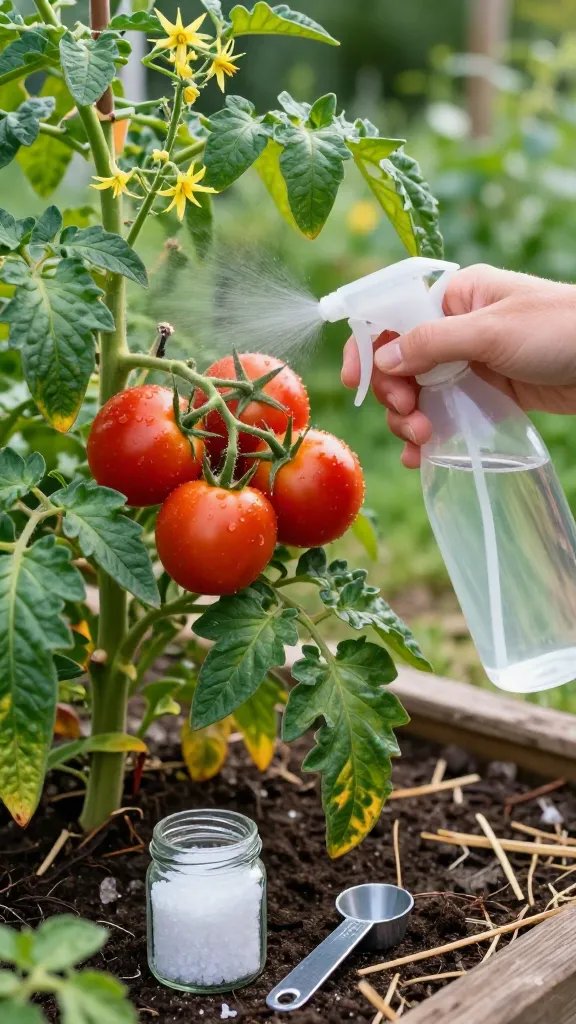
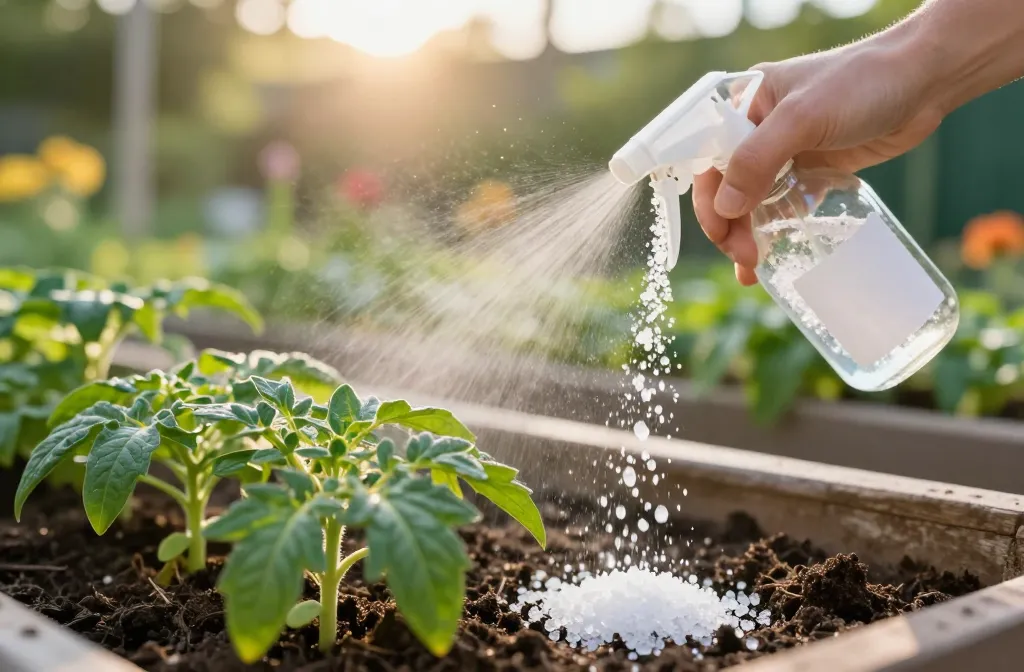
Tomatoes can be divas. They crave magnesium to fuel chlorophyll production and improve fruit set. A little Epsom salt helps them stay green, lush, and productive when the soil runs low on nutrients.
How to Use
- Mix 1 tablespoon of Epsom salts into 1 gallon of water.
- Apply as a foliar spray every 2–4 weeks once flowering begins.
- Or scratch 1 tablespoon into the soil around each plant monthly and water in.
Watch for leaf yellowing between veins—classic magnesium deficiency—and treat accordingly. FYI: Epsom salt won’t fix blossom end rot (that’s a calcium issue), but it can help overall vigor and fruit quality.
Best for: Heirlooms and heavy feeders during peak growth.
2. Kickstart Seedlings With a Gentle Magnesium Boost
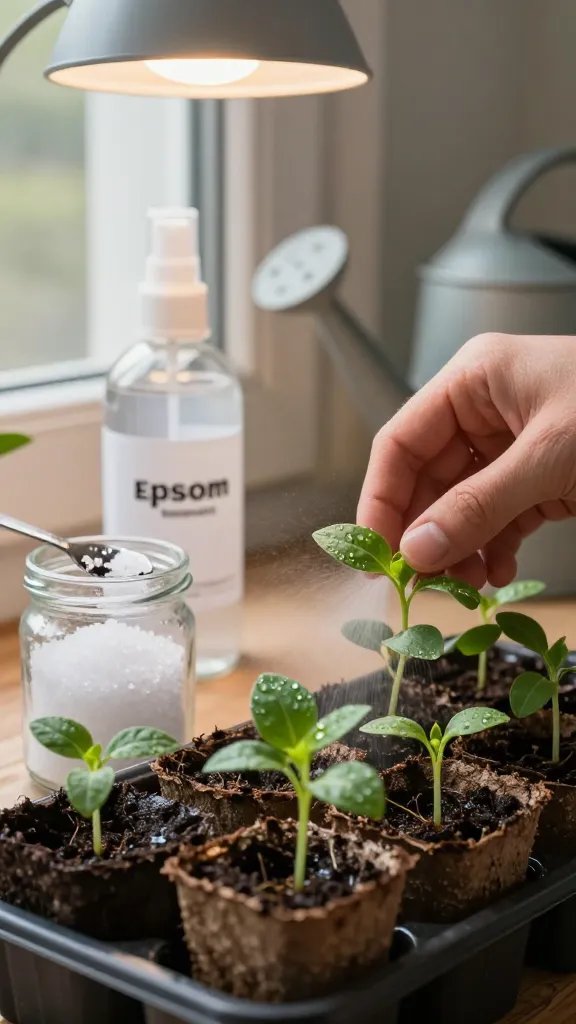
Seedlings need balanced nutrition without the shock of heavy fertilizers. Magnesium supports early leaf development and helps tiny roots get going. Think of it as a mild multivitamin for baby plants.
Tips
- Use 1 teaspoon of Epsom salts per gallon of water.
- Mist lightly once a week after the first true leaves appear.
- Avoid soaking delicate roots—less is more.
This method keeps seedlings sturdy and green, especially under grow lights where they work overtime. You get stronger transplants and fewer leggy, sad sprouts.
Best for: Peppers, tomatoes, brassicas, and herbs started indoors.
3. Rescue Yellowing Leaves With a Quick Foliar Spa
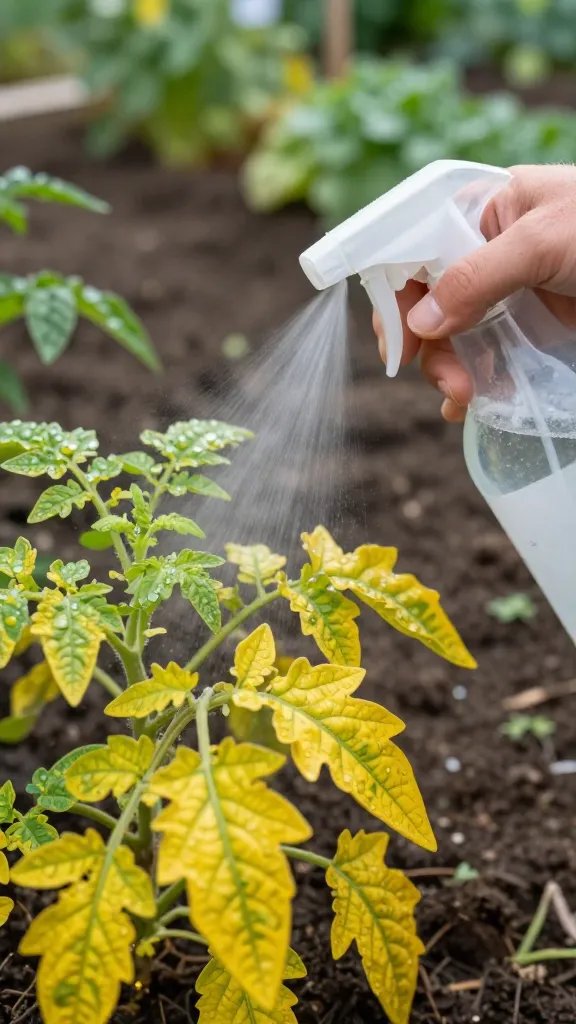
Got pale leaves with green veins? That’s likely magnesium deficiency, especially in sandy or overworked soils. Epsom salts applied as a foliar spray offers a fast pick-me-up.
Quick Mix
- 2 tablespoons Epsom salts + 1 gallon water in a spray bottle.
- Spray leaves in the early morning or late afternoon to avoid scorching.
- Repeat every 10–14 days until color rebounds.
Target older leaves first since magnesium moves from old to new growth. You’ll see color deepen and photosynthesis improve—aka happier plants.
Best for: Peppers, roses, and citrus showing interveinal chlorosis.
4. Make Roses Bloom Like They Mean It
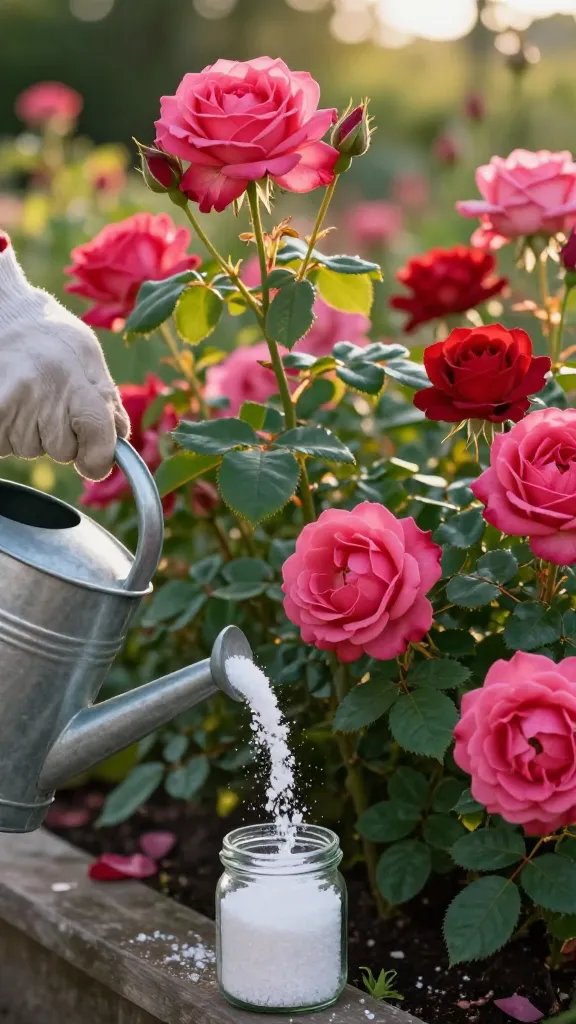
Roses thrive with the right balance of nutrients, and magnesium plays a huge role in strong stems and vivid blooms. Epsom salts can wake up sluggish bushes and deepen color.
Application Guide
- At planting: Mix 1 tablespoon into the backfill soil.
- In season: Dissolve 1 tablespoon in a gallon of water and drench around the drip line monthly.
- Foliar boost: 1 tablespoon per gallon sprayed right before a bloom cycle.
Pair with your regular rose fertilizer—this isn’t a replacement. But IMO, the bloom quality difference can be stunning.
Best for: Hybrid teas and floribundas that bloom repeatedly.
5. Encourage Lusher Lawns Without Extra Nitrogen
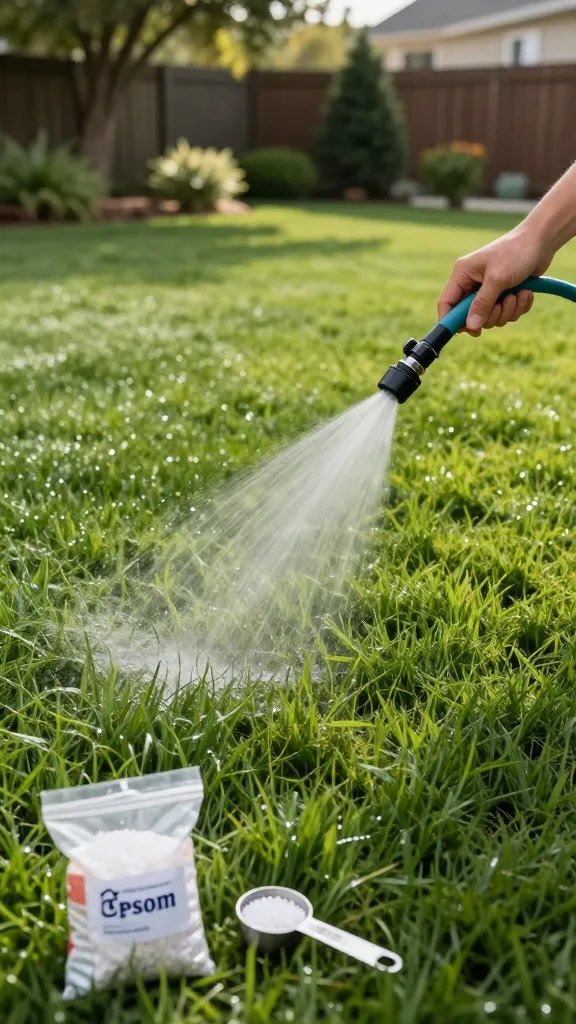
Lawns can look tired even when you feed them. Magnesium helps grass blades make chlorophyll and look deeper green without piling on more nitrogen. That means color pop without fast, floppy growth.
How to Apply
- Mix 2 tablespoons Epsom salts per gallon of water.
- Use a hose-end sprayer for even coverage across 1,000 sq ft.
- Apply once in spring and once in early summer.
Test your soil first, because not all lawns need it. But if your soil runs magnesium-poor, this trick can sharpen color and improve resilience.
Best for: Cool-season lawns that look washed out mid-season.
6. Ease Transplant Shock Like a Plant Whisperer
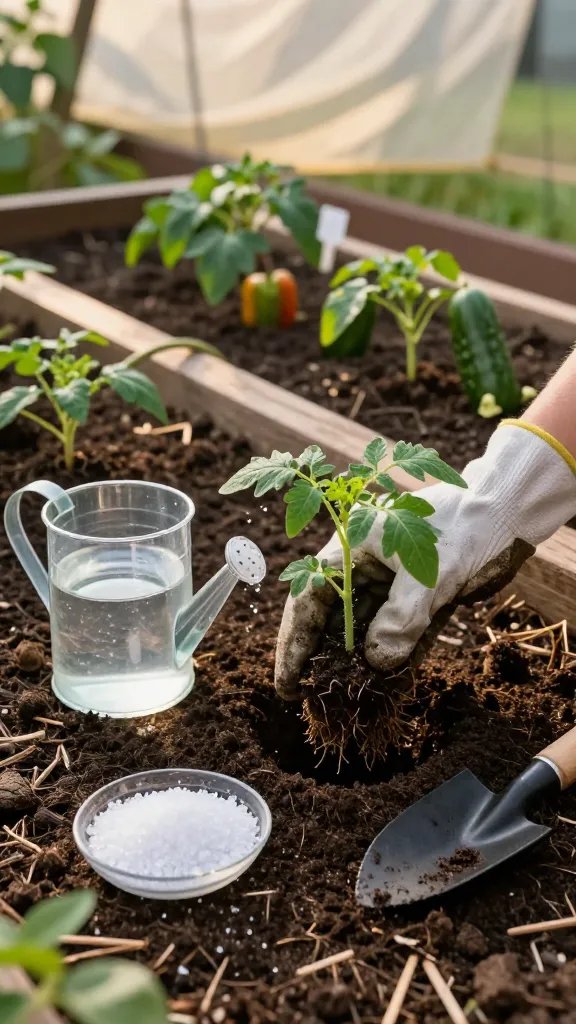
Moving day stresses roots. Epsom salt supports nutrient uptake and reduces leaf droop while new roots settle in. It’s not magic, but it smooths the rough edges of transplanting.
Transplant Routine
- Hydrate seedlings well the night before.
- At planting, water with 1 tablespoon Epsom salts per gallon.
- Follow up one week later with the same solution.
Combine with mulch and gentle shade for a couple days if it’s hot. You’ll see faster rebound and fewer wilted tantrums.
Best for: Tomatoes, peppers, cucumbers, and annual flowers moving outdoors.
7. Craft a Simple Magnesium-Rich Compost Tea
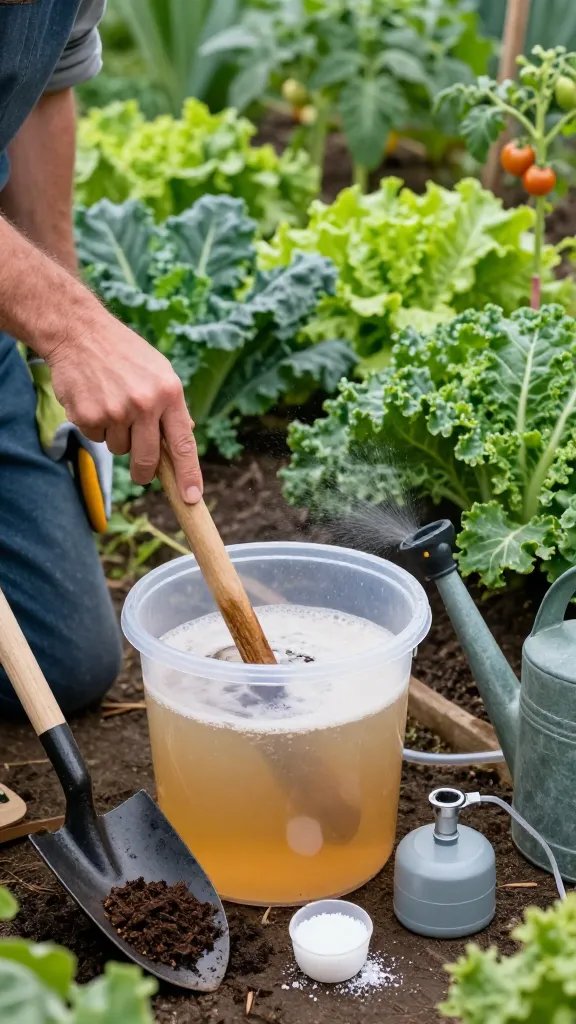
Your compost tea just got an upgrade. A pinch of Epsom salts helps microbial activity and adds a magnesium nudge for leafy growth. It’s an easy tweak with visible results.
Basic Recipe
- 5 gallons water + 1 shovel of finished compost
- 1–2 tablespoons Epsom salts
- Optional: airstone for 24 hours to aerate
Strain and drench around plants or use as a foliar spray. Don’t go heavy-handed—seriously, a little goes a long way.
Best for: Veggie beds needing a mid-season pep talk.
8. Deter Slugs and Boost Magnesium in One Move
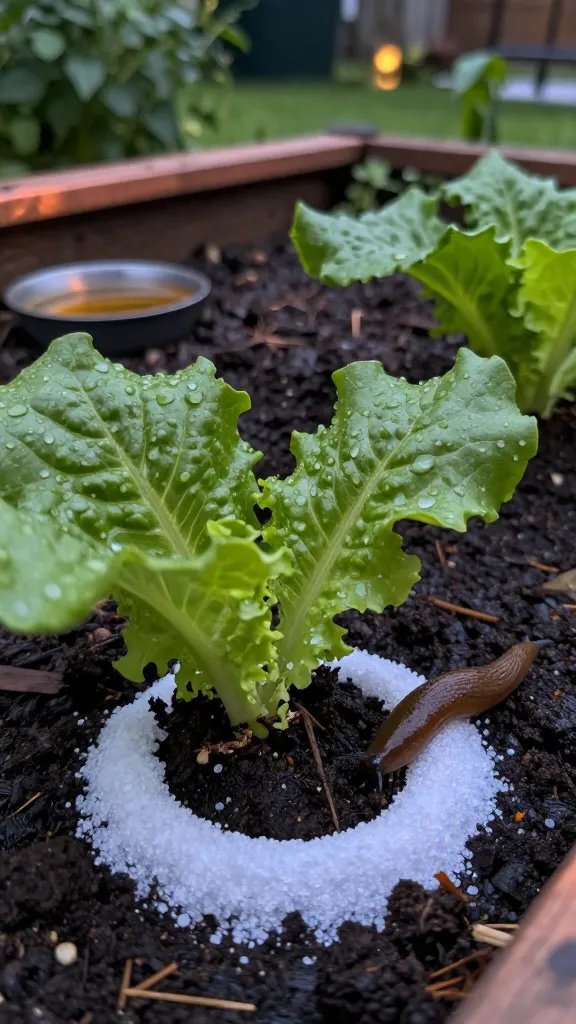
Slugs hate rough, salty textures, but we don’t want to salt the earth. Epsom salt offers a short-term barrier while also feeding the soil small amounts of magnesium as it dissolves. Win-win, if you use it smartly.
Use It Wisely
- Sprinkle a light ring around vulnerable plants in the evening.
- Reapply after rain—barriers fade fast.
- Combine with longer-term tactics: copper tape, beer traps, and hand-picking.
This won’t replace good slug control, but it helps on nights when the slime squad shows up hungry. Meanwhile, soil microbes won’t complain about the magnesium.
Best for: Hostas, strawberries, and tender seedlings.
Quick Reality Checks Before You Go Wild
- Soil test first: If your soil already has enough magnesium, skip it.
- Don’t overdo it: Excess magnesium can lock out calcium and potassium.
- Epsom salt isn’t fertilizer: It supplies magnesium and sulfur, not nitrogen, phosphorus, or potassium.
- Container plants: Use half-strength—salts build up faster in pots.
That’s the Epsom salt playbook—targeted, simple, and surprisingly effective when your soil needs it. Try one or two ideas and see how your plants respond. Your tomatoes, roses, and seedlings will spill the tea if it’s working—trust me.