Genius Upcycle: 10 Free “Pots” You Have in Your Recycling Right Now
You don’t need fancy planters to grow herbs, propagate cuttings, or corral desk junk. Your recycling bin hides a stash of free “pots” that clean up beautifully and work like a charm. Let’s turn empties into eye candy with zero guilt and almost zero effort. Ready to save money and flex your creativity?
1. Tin Cans With Surprise Style
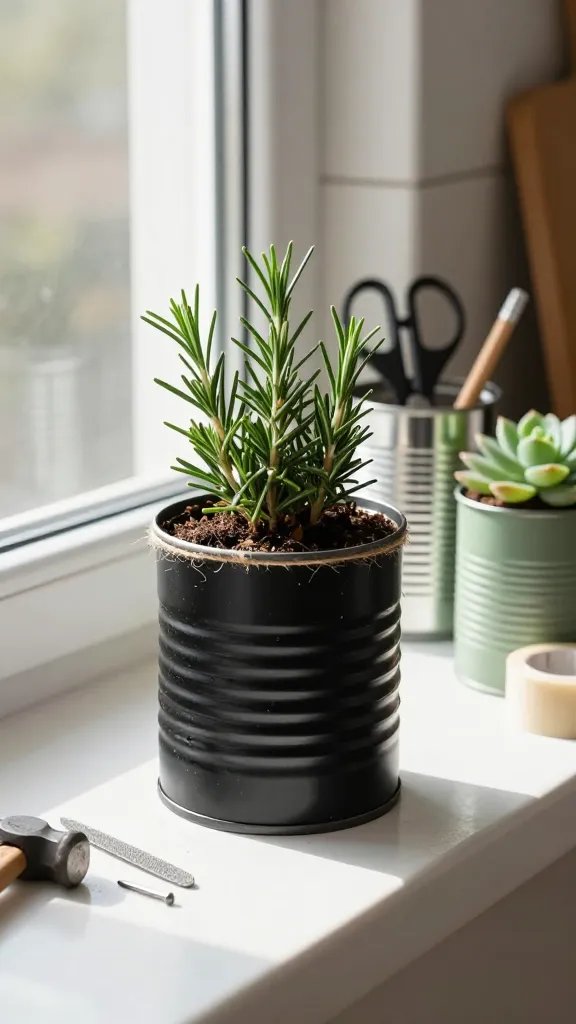
Tin cans go from soup night to sleek planter in five minutes. They’re sturdy, lightweight, and the ridges give a cool industrial vibe. Paint them or leave them raw for that minimalist “I wake up like this” look.
Quick Tips
- Drainage: Punch 3–5 small holes in the bottom with a hammer and nail.
- Edge Safety: File any sharp lip or wrap the rim with washi tape or twine.
- Finish: Spray paint matte black, sage, or white; or wrap with jute for texture.
Use for herbs, succulents, or desk tools. Bonus: cans fit perfectly on windowsills and inside bookshelf cubbies.
2. Glass Jars That Double As Propagation Stations
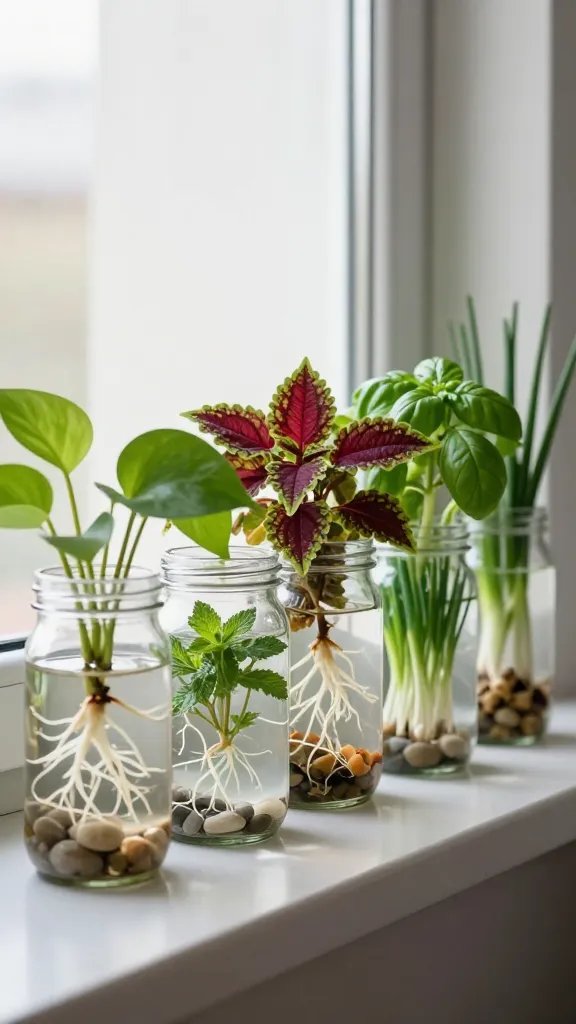
Jam, pasta sauce, and pickle jars make dreamy homes for cuttings. You get front-row seats to root growth, which feels like plant reality TV. The glass cleans easily and looks intentional with a simple label.
Best For
- Water propagation: Pothos, philodendron, coleus, and basil thrive.
- Hydro herbs: Keep mint and green onion in fresh water for constant harvests.
Add a pebble layer for extra polish. When roots get wild, transplant to soil or keep them hydro for that airy, modern vibe.
3. Yogurt Cups, AKA Seedling Powerhouses
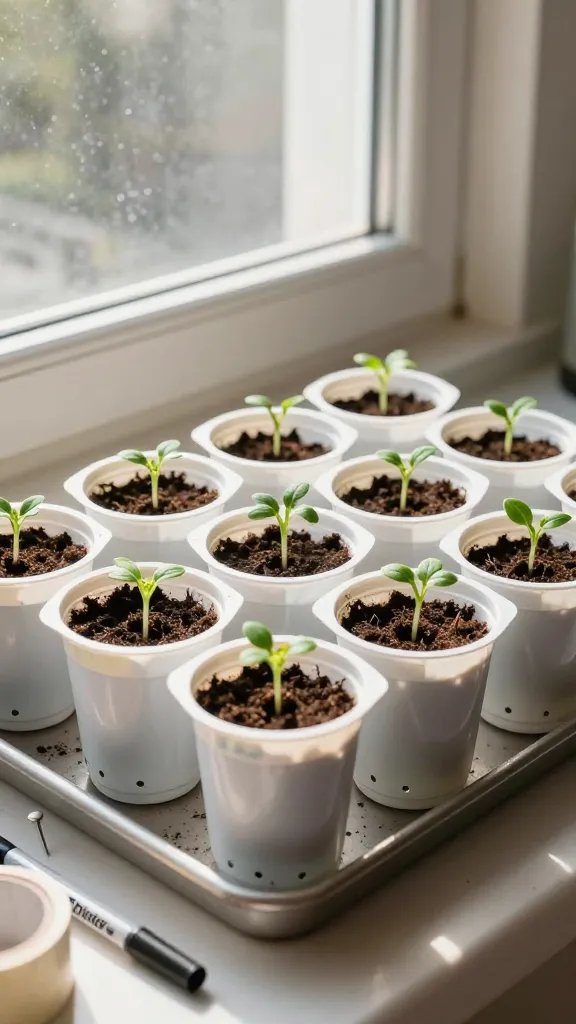
Single-serve yogurt cups are perfect little nurseries for seeds and baby plants. They’re small, stackable, and easy to label. You can group a dozen on a tray and feel like a tiny greenhouse tycoon.
Setup
- Holes: Poke 2–3 drainage holes with a heated needle or thumbtack.
- Labels: Use painter’s tape and a Sharpie so you don’t mix up your tomatoes and peppers (been there).
- Tray: Set cups in a shallow baking pan to catch drips.
These shine for starting spring gardens or testing new seed varieties without committing a big pot. FYI, they transplant like a dream.
4. Coffee Tins For Big-League Herbs
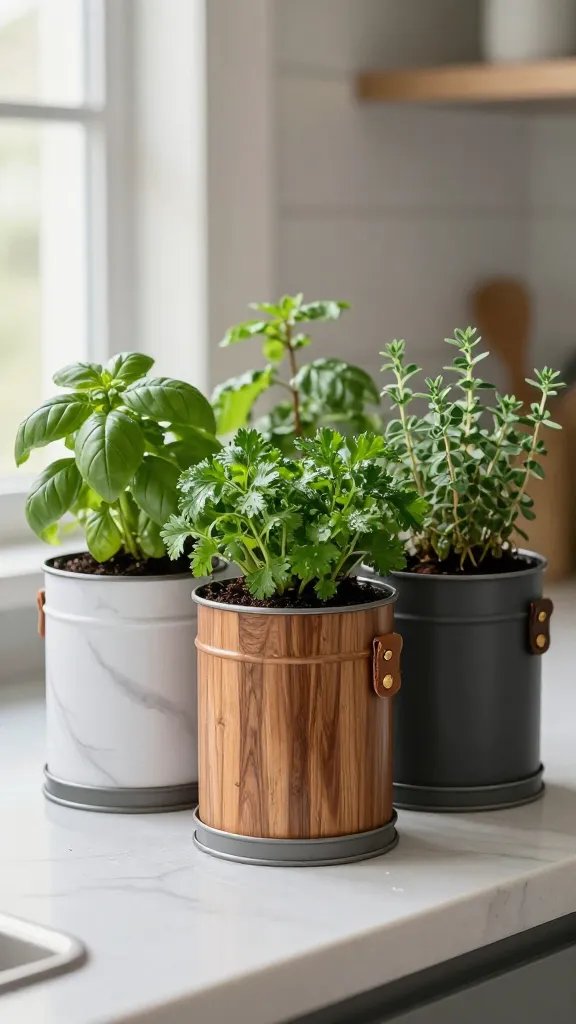
Metal or cardboard coffee tins give you a roomy container with a clean, cylindrical shape. They feel substantial and instantly upgrade a countertop herb garden. Toss on a label and suddenly you’re “that” organized person.
Make It Cute
- Wrap: Contact paper in faux marble or wood grain.
- Handles: Add a leather strap loop with brads for a boutique look.
- Lid Trick: Flip the lid underneath to catch excess water if you can’t add drainage holes.
Use for basil, parsley, or a mixed herb trio. They’re big enough for real harvests but compact enough for windowsills.
5. Milk Jugs Turned Patio Planters
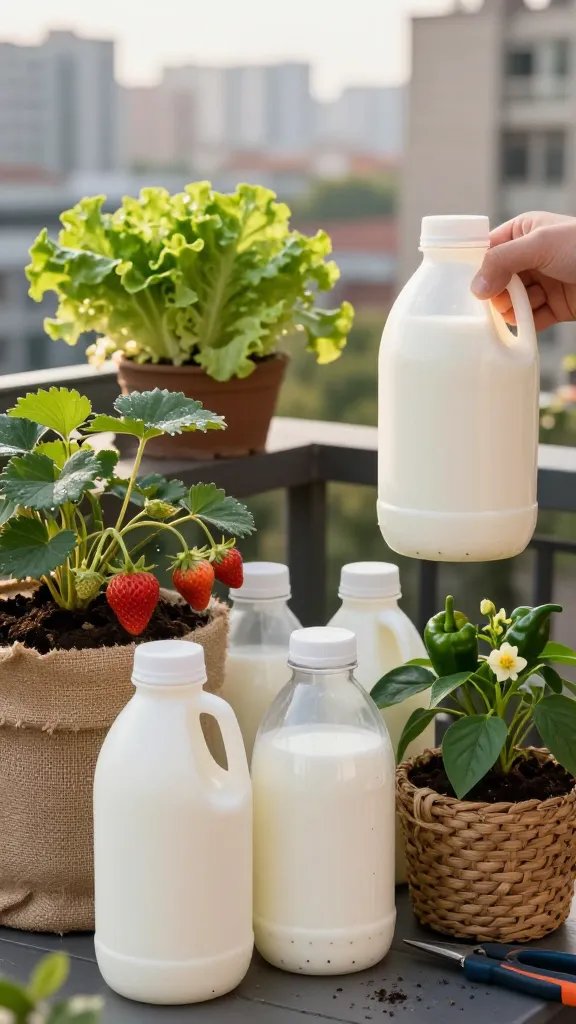
Milk and juice jugs transform into deep, lightweight planters that handle bigger roots. They’re ideal for balcony gardens when you want volume without price tags. The built-in handle makes moving them laughably easy.
How-To
- Cut: Slice the top off with scissors, keeping 5–7 inches of height.
- Drain: Punch holes around the bottom edge for airflow and drainage.
- Hide: Pop into a basket or wrap with burlap if the branding bugs you.
Great for strawberries, lettuce, or compact peppers. They hold plenty of soil while staying light enough to shuffle around for sun chasing.
6. Takeout Soup Containers That Clean Up Nice
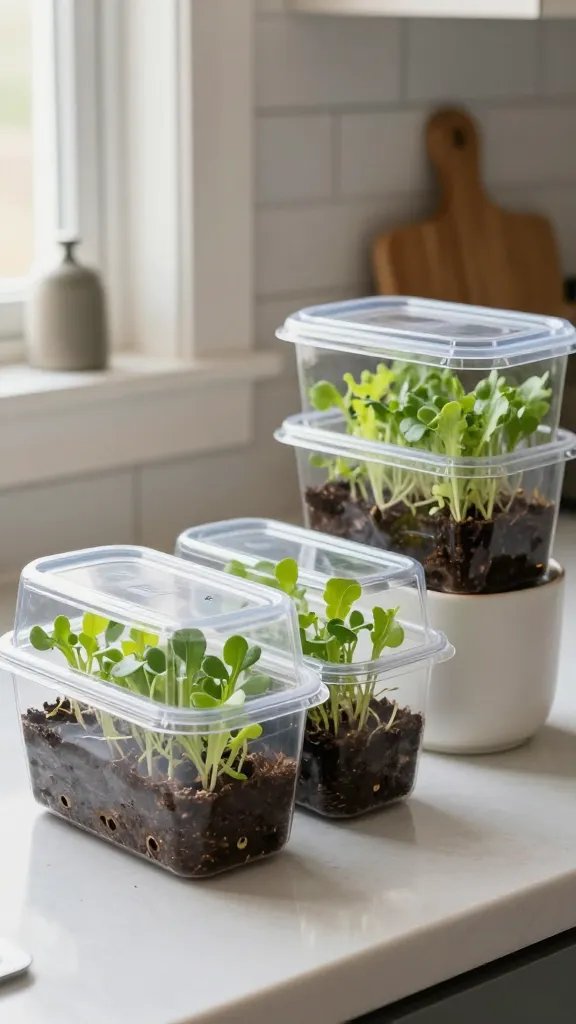
Those clear deli-style soup containers? Secret MVPs. They stack, they match, and they come with lids for humidity domes when you start seeds.
Pro Moves
- Drainage + Dome: Poke holes in the bottom, plant seeds, then rest the lid on top (not airtight).
- Labeling: Use grease pencil on the side so it won’t wash off immediately.
- Upgrade: Slip the container into a ceramic cachepot for instant sophistication.
Ideal for cut-and-come-again greens on the kitchen counter. You’ll harvest baby salad like a smug little farmer, seriously.
7. Candle Jars With Spa-Vibes
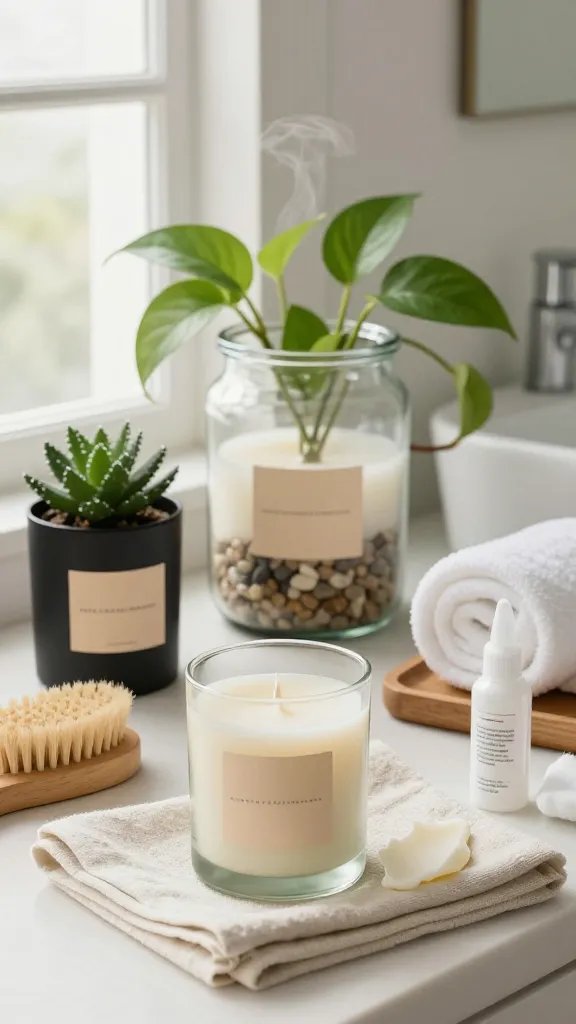
Clean out spent candle jars and you get heavy, luxurious vessels. They look upscale with almost zero effort. The weight makes them stable for trailing plants.
Cleanup
- Wax Removal: Freeze the jar, pop out wax, and wash with hot soapy water.
- No Drainage: Add 1–2 inches of pebbles or LECA at the bottom to prevent soggy roots.
- Style: Keep the original label if it’s chic, or remove with adhesive remover for a minimalist look.
Perfect for pothos, peperomia, or as a succulent dish with careful watering. They also moonlight as makeup brush holders when your plant phase pauses.
8. Cardboard Drink Trays As Seed Flats
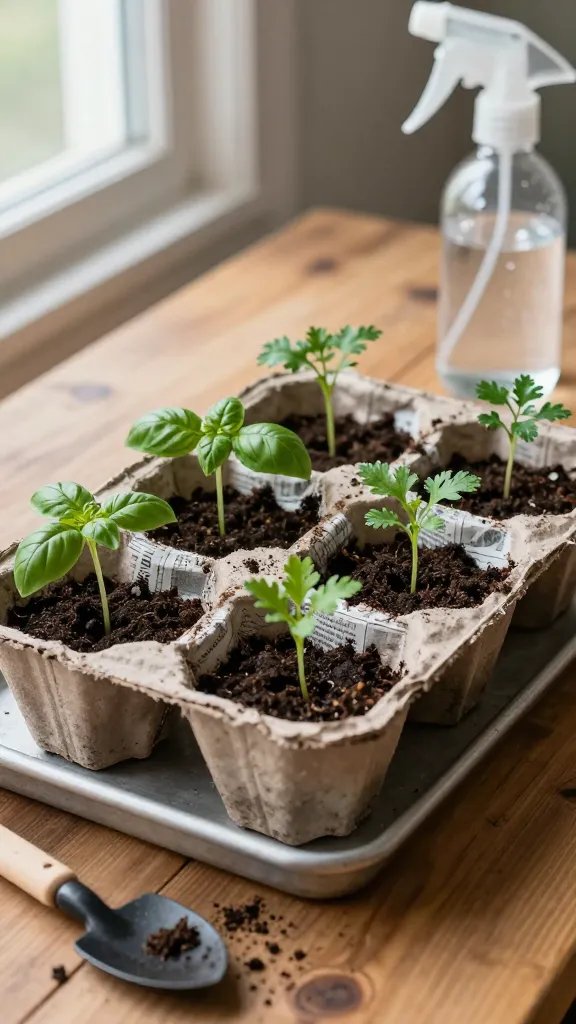
Those cardboard cup carriers from coffee runs work as biodegradable seed trays. They breathe, they drain, and they corral seedlings in tidy clusters. Plus, the texture looks earthy and intentional.
Planting Hack
- Line: Add a thin layer of newspaper to slow down moisture loss.
- Fill: Potting mix only—garden soil compacts too much.
- Support: Place the tray on a rimmed baking sheet to move it easily.
Start flowers, herbs, or greens. When seedlings strengthen, cut apart the sections and transplant with minimal root disturbance.
9. Clamshell Produce Boxes For Mini Greenhouses
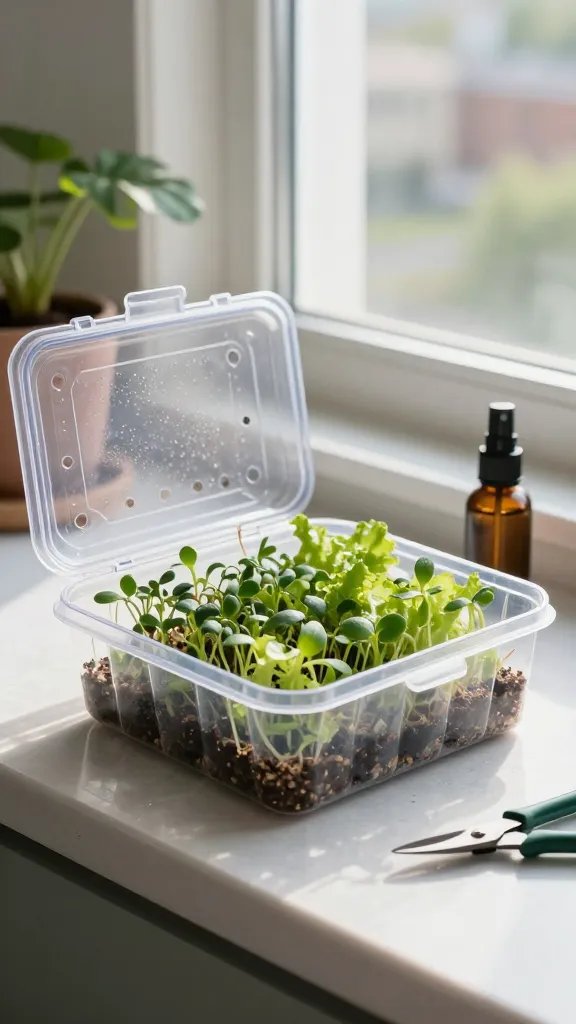
Berry and greens clamshells basically beg to become micro seed-starting stations. They come with built-in air holes and a hinged lid—hello, greenhouse. They prevent that tragic “forgot to mist and everything shriveled” moment.
Setup
- Layer: A thin layer of moist seed-starting mix, not packed down.
- Sow: Scatter seeds lightly and mist—don’t pour water.
- Vent: Prop the lid slightly if condensation pools.
Great for microgreens, lettuce mixes, or herb blends. Snip your greens right from the box and feel unbearably smug about it, IMO.
10. Wine Bottles As Self-Watering Planters
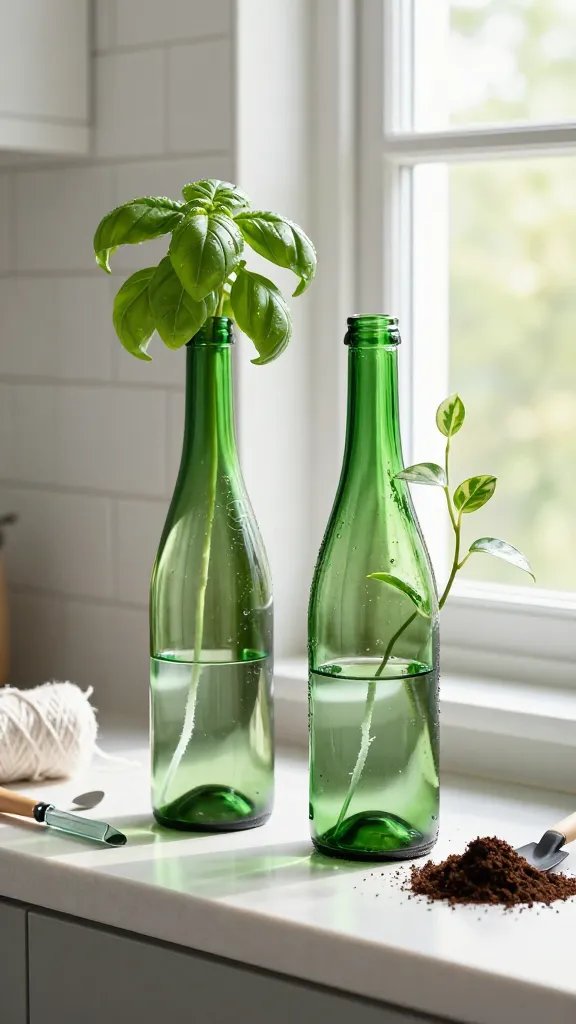
Empty wine bottles can become chic self-watering planters with one cut. The shape looks designer, and the watering system buys you time between refills. It’s form, function, and a hint of “I know things.”
Method
- Cut: Use a glass bottle cutter or a twine-and-acetone method carefully; sand edges smooth.
- Assemble: Invert the top half into the bottom, thread a cotton wick through the neck.
- Plant: Add soil and a small plant; fill the base with water.
Best for herbs and small houseplants that like steady moisture. You get fewer watering chores and a conversation piece on your windowsill—double win.
See? Your recycling bin doubles as a planter aisle if you look at it right. Grab a few empties, add drainage, and give your plants a stylish new home for free. You’ll save cash, reduce waste, and end up with a setup that looks way more curated than it has any right to be. Trust me, you’ll never look at “trash” the same again.