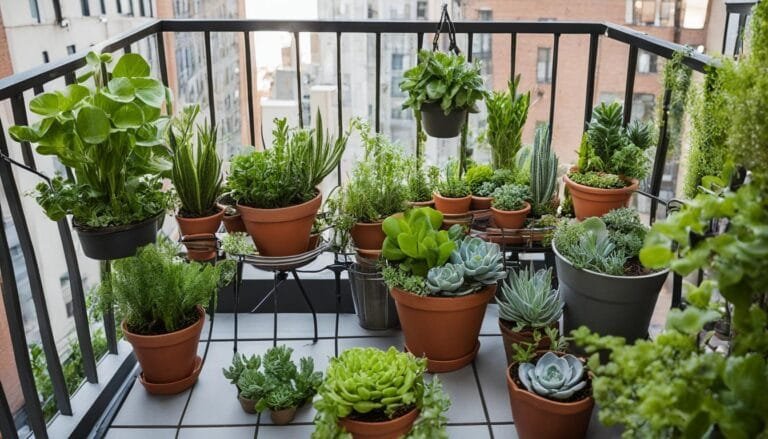
How to Build an Open Terrarium: Succulents, Air Plants & More
How to Build an Open Terrarium: Succulents, Air Plants & More
An open terrarium has no lid, which means moisture escapes freely. This makes it the perfect home for plants that hate humidity: succulents, cacti, air plants, and other arid species. While closed terrariums create a self-sustaining water cycle, open terrariums give you control over airflow and moisture levels.
In this guide, you learn how to build an open terrarium step by step, which plants thrive in dry conditions, and why open terrariums are actually easier to maintain than most beginners think.
What Is an Open Terrarium and How Does It Work?
An open terrarium is a glass container without a lid or seal. The open top allows air to circulate freely and moisture to evaporate quickly. This creates a dry environment that mimics desert or Mediterranean conditions.
The lack of humidity is the key difference. While closed terrariums maintain 70-90% humidity, open terrariums stay around 30-50% humidity. This is ideal for plants that rot in moist conditions, like succulents and cacti.
Open terrariums are also more forgiving when it comes to mistakes. If you overwater, the excess moisture evaporates quickly instead of creating mold problems. This makes them a great choice for beginners who are still learning proper watering techniques.
Materials You Need for an Open Terrarium
The materials are similar to a closed terrarium, but with some key differences in plant selection and substrate composition.
The Container
Pick a clear glass container with an open top. Wide bowls, geometric glass containers, fish tanks, or even a simple vase work well. The opening should be wide enough for you to reach in and plant. Avoid narrow-necked containers unless you’re using air plants exclusively.
The Five Layers
Open terrariums still need proper layering, but the substrate mix is different:
- Drainage layer (1-2 inches / 2.5-5 cm): Small gravel or LECA pebbles. Succulents are prone to root rot, so good drainage is critical.
- Charcoal layer (thin): Activated charcoal prevents mold and odors.
- Barrier layer (optional): Mesh or screen to separate drainage from substrate.
- Substrate layer (2-4 inches / 5-10 cm): A fast-draining mix. Use cactus/succulent soil or combine regular potting soil with 50% perlite and 25% coarse sand.
- Plants and decoration: Succulents, air plants, cacti, and decorative elements.
Best Plants for Open Terrariums
The best open terrarium plants are species that thrive in dry, well-ventilated conditions:
- Succulents: Echeveria, haworthia, sedum, jade plant, string of pearls
- Cacti: Small species like moon cactus, star cactus, or bunny ears
- Air plants (Tillandsia): These don’t need soil at all, just good airflow
- Living stones (Lithops): Unique pebble-like succulents
- Aloe vera: Miniature varieties work well in open containers
Avoid tropical plants like ferns, mosses, or fittonia in open terrariums. They need high humidity and will dry out quickly.
Step-by-Step: Build Your Open Terrarium
Step 1: Add the Drainage Layer
Pour 1 to 2 inches (2.5 to 5 cm) of small gravel or LECA pebbles into the bottom. Succulents are extremely sensitive to sitting in water, so a thicker drainage layer is better than for closed terrariums. Spread evenly across the bottom.
Step 2: Add Activated Charcoal
Sprinkle a thin layer of horticultural charcoal over the gravel. This absorbs impurities and prevents bacterial growth. Even though open terrariums have better airflow, the charcoal layer still helps maintain a healthy environment.
Step 3: Add the Barrier (Optional)
If you have fiberglass window screen, cut it to fit and place over the charcoal. This keeps the substrate from filtering down into the drainage layer. Optional but helpful for long-term maintenance.
Step 4: Add the Substrate
Add 2 to 4 inches (5 to 10 cm) of fast-draining substrate. For succulents and cacti, use a commercial cactus mix or create your own by combining equal parts potting soil, perlite, and coarse sand. The mix should drain very quickly. Slope the substrate if you want a more natural look.
Step 5: Plant Your Plants
Remove succulents from their nursery pots and gently loosen the roots. For succulents, let the roots dry for a day or two before planting to reduce rot risk. Dig small holes and place each plant. Leave plenty of space between plants. Succulents need airflow around their leaves to prevent fungal problems.
For air plants, you don’t need soil at all. Simply place them on top of the substrate or tuck them between rocks and driftwood.
Step 6: Add Top Dressing and Decoration
Cover exposed soil with a layer of small rocks, decorative gravel, or sand. This looks clean, prevents soil from splashing when you water, and adds visual interest. Add larger rocks, driftwood, or seashells for decoration.
Step 7: Water Sparingly
Wait 2 to 3 days before watering to let any root damage heal. Then water lightly, aiming at the soil around the base of each plant. Avoid getting water on succulent leaves, which can cause rot. For air plants, mist them 2-3 times per week or soak them for 20 minutes every 1-2 weeks.
Step 8: Place in Bright Light
Open terrariums thrive in bright, indirect light. A south or west-facing window works well. Succulents need more light than tropical plants, but still avoid harsh midday sun that can scorch leaves through the glass.
Caring for Your Open Terrarium
Open terrariums need more frequent watering than closed ones, but they’re still low-maintenance compared to regular houseplants.
Watering
Water your open terrarium every 1-2 weeks, depending on the plants and environment. Succulents and cacti need water only when the soil is completely dry. Stick your finger an inch into the soil. If it’s dry, water lightly. If it’s still moist, wait a few more days. Overwatering is the number one killer of succulents.
Lighting
Place your open terrarium in bright, indirect light. Succulents need more light than tropical plants. A south or west-facing window is ideal. If your succulents start stretching toward the light (etiolation), they need more light. Move them closer to the window or add a grow light.
Rotation
Rotate your terrarium a quarter turn every week or two. This ensures all plants get even light exposure and prevents one-sided growth.
Common Mistakes with Open Terrariums
Avoid these errors and your open terrarium will thrive:
- Overwatering: This kills succulents faster than anything else. Water only when the soil is completely dry.
- Choosing the wrong plants: Don’t put tropical plants in an open terrarium. Stick to succulents, cacti, and air plants.
- Insufficient light: Succulents stretch and lose shape without enough light. Provide bright, indirect light.
- Getting water on leaves: Water the soil around the base of succulents, not the leaves. Wet leaves rot quickly.
- Using regular potting soil: Regular soil holds too much moisture for succulents. Use a fast-draining cactus mix.
For more plant-specific care tips, see our complete guide to terrarium plants.
Open vs. Closed Terrariums: Which Should You Build?
The choice between open and closed terrariums comes down to one factor: what plants do you want to grow?
Choose a closed terrarium if you want:
- Tropical plants like ferns, mosses, or fittonia
- A self-sustaining water cycle with minimal watering
- High humidity environment
Choose an open terrarium if you want:
- Succulents, cacti, or air plants
- More control over watering
- Low humidity environment
For a complete comparison of all terrarium types, read our types of terrariums guide.
Special Considerations for Air Plants
Air plants (Tillandsia) are unique because they don’t need soil. They absorb moisture and nutrients through their leaves from the air. This makes them perfect for creative open terrarium designs where plants sit on rocks, driftwood, or decorative sand.
To care for air plants in a terrarium:
- Mist them 2-3 times per week, or soak them for 20 minutes every 1-2 weeks
- Ensure good airflow. Stagnant air causes rot
- Provide bright, indirect light
- Keep them out of standing water
For a complete air plant terrarium guide, see our complete terrarium guide.
Your Open Terrarium Journey Starts Here
Open terrariums are perfect for growing succulents, cacti, and air plants in a beautiful, controlled environment. With the right drainage, fast-draining substrate, and proper watering schedule, your open terrarium will thrive for years.
The key is understanding that these plants need dry conditions and bright light. Give them that, and they’ll reward you with unique textures, interesting forms, and minimal maintenance.
Ready to explore more? Check out our complete terrarium guide for everything you need to know about building and maintaining all types of terrariums.