
If we treat a vertical system right, it can push out more food than a traditional bed, and studies on lettuce show vertical farms hitting around 97 kg per square meter where field farms average just 3.3 kg per square meter. In other words, yield optimization in vertical gardens is not theory anymore, it is measurable, predictable, and something we can design for.
Key Takeaways
| Question | Short Answer |
|---|---|
| How do I increase yield in a small vertical space? | Focus on dense planting, consistent feeding, and good airflow. Systems like a hydroponic tower from vertical vegetable garden towers make stacking space simple. make stacking space simple. |
| What crops give the best yield in vertical gardens? | Leafy greens, herbs, and vining crops like tomatoes and cucumbers perform best, especially in systems designed for them such as hydroponic vertical gardens. |
| Is hydroponics worth it for higher yield? | Yes, hydroponic vertical setups typically grow faster and yield more per square meter, as explained in our guide on vertical hydroponic herb gardens. |
| Can vertical gardens really feed a family? | With stacked towers, tight spacing, and good variety planning, yes. Our breakdown on vertical garden stacking systems shows how to scale up in small footprints. |
| Is outdoor or indoor better for yield? | Outdoors you get free light, indoors you get full control. Our comparison of options like an indoor vertical garden hydroponic setup helps you match yield goals to your climate. |
| What about herbs and small spaces like balconies? | Compact vertical herb walls and balcony towers can be surprisingly productive when planned right, as we cover in our piece on a vertical balcony vegetable garden. |
1. Start With The Right Crops: Matching Plants To Vertical Yield
Yield optimization in vertical gardens starts with crop choice, not gadgets. Some plants simply give more food per square meter and handle stacked conditions better.
We like to think in three groups: vining fruiting crops, compact leafy greens, and herbs. Each behaves differently when you start growing up the wall instead of across the bed.
High Yield Vertical Champions
- Tomatoes (indeterminate vines) for long harvest windows.
- Lettuce and baby greens for fast, dense turnover.
- Basil, mint, cilantro for high value and crazy regrowth.
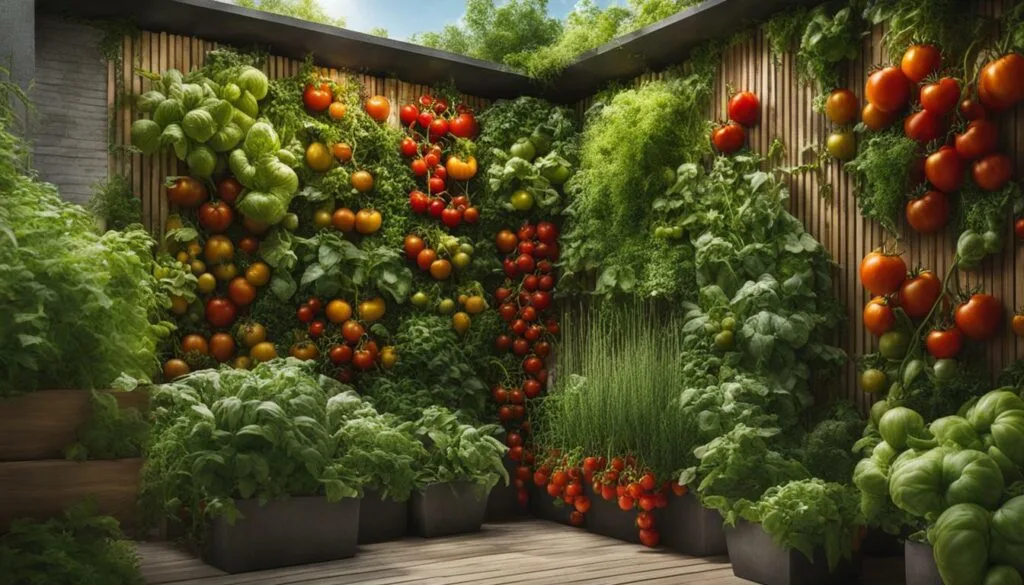
For tomatoes, vertical setups shine because we can prune and train them into a single productive column. Our guide on how to maximize yield with a vertical garden for tomatoes breaks down variety selection and support tricks we actually use.
Leafy greens and herbs love close spacing. Research on high density planting shows basil yields going from 0.81 kg to 3.35 kg per square meter when density jumps from low to high, which is exactly the kind of gain that makes vertical layouts worth the effort.
2. Dial In Plant Density Without Sacrificing Health
Once we pick crops, density is the next big lever for yield optimization in vertical gardens. Too sparse, and we waste volume, too tight, and we invite disease and weak plants.
Controlled studies on lettuce and basil in vertical farms tested densities of 123, 237, and 680 plants per square meter. High density produced up to triple the lettuce yield and more than four times the basil yield compared to low density.
Practical Density Rules We Use
- Lettuce and greens: think tight, around the high end of 200 to 600 plants per square meter in hydro towers.
- Tomatoes: one plant per vertical line, but stack those lines close, then manage the canopy hard.
- Herbs: push density, then prune often to keep airflow moving.
The key is pairing density with ventilation and pruning. We cover airflow and support tricks in more detail in our tomato specific piece, maximize your yield with a vertical garden for tomatoes, but the same logic applies to cucumbers, beans, and peas.
3. Use Vertical Structures That Actually Support High Yield
Not every pretty green wall is built for yield. When we care about harvest volume, we look at root volume, nutrient access, and how easily we can reach each plant to prune and harvest.
That is why we like towers, modular panels, and stackable planters that were designed with food production in mind. They usually have stronger irrigation paths, deeper pockets, and better weight support.
Choosing Productive Hardware
- Vertical towers for hydro greens and herbs.
- Deep pocket panels for strawberries and compact veggies.
- Balcony racks where every level gets light and drip access.
If you garden outside, robust wall panels help a lot with stability and watering. We talk through how to use outdoor panels not just as décor, but as serious growing surfaces, in our article on vertical garden panels in the USA.
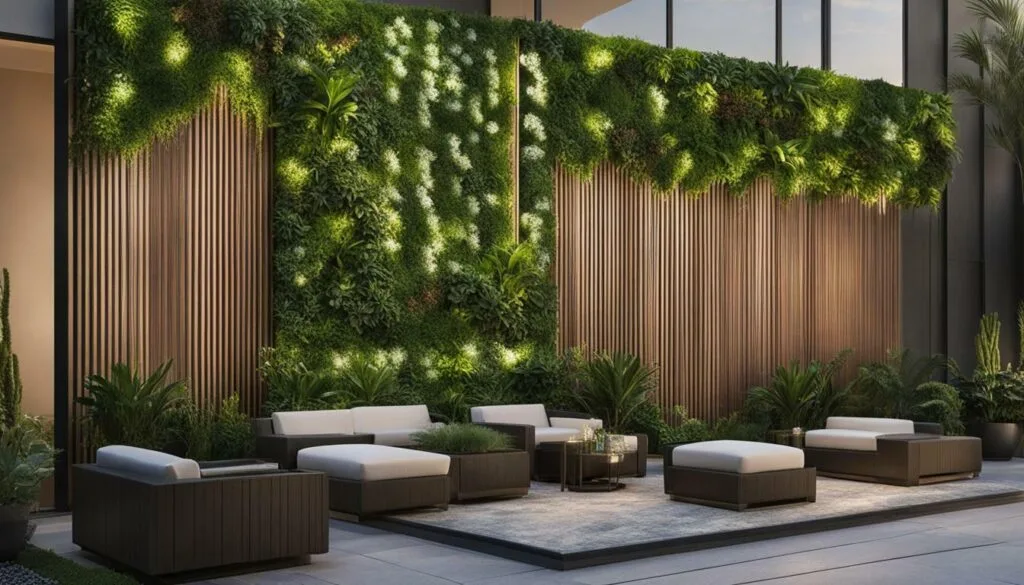
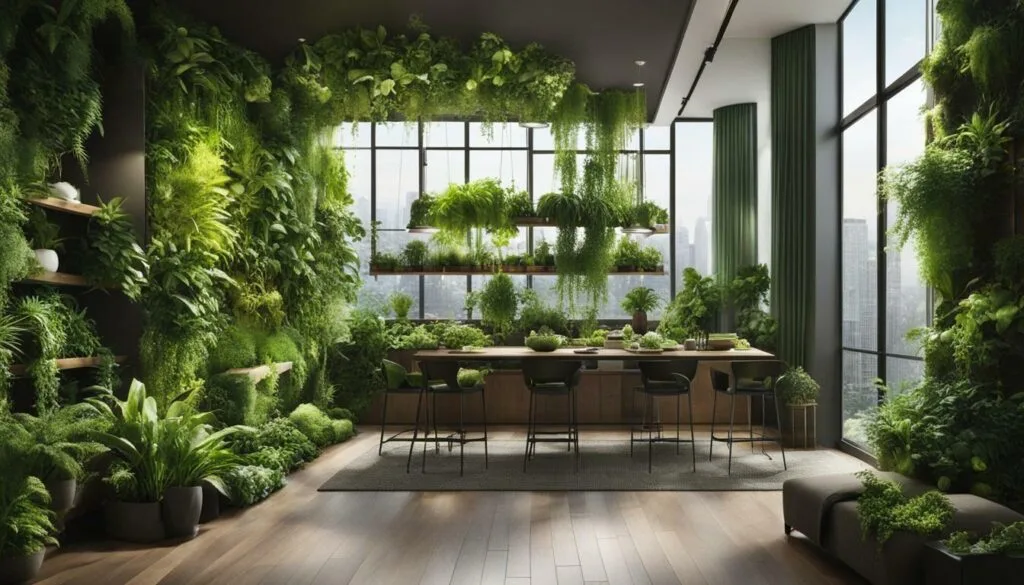
This infographic highlights five key factors for yield optimization in vertical gardens. Learn how light, water, nutrients, support structures, and climate influence harvests.
4. Hydroponic Vertical Gardens For Maximum Yield Per Square Meter
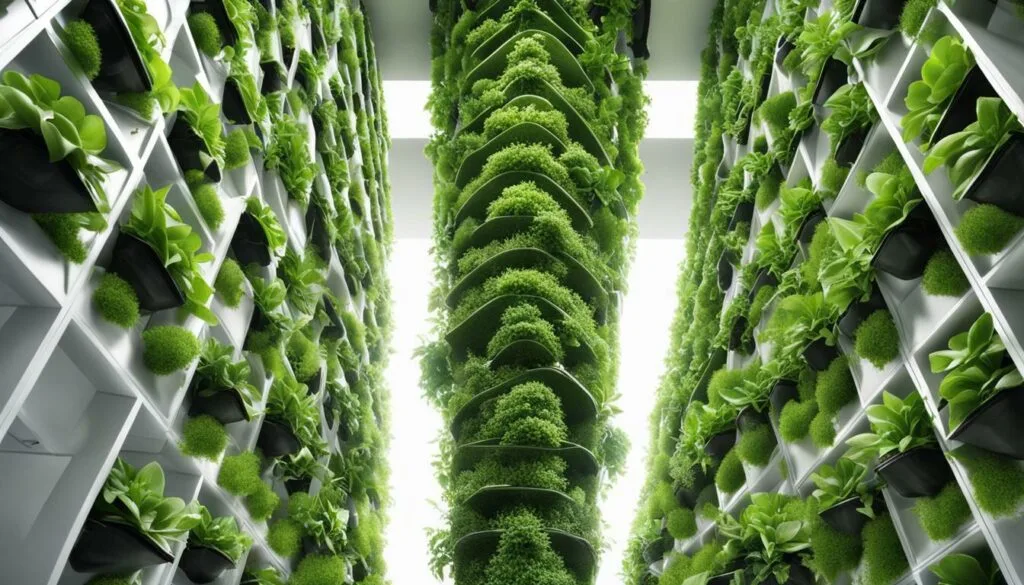
If soil is giving you headaches, hydroponics is where yield optimization in vertical gardens really ramps up. In hydro towers, roots tap a constant nutrient film, which gives faster growth and lets us push density harder.
Typical hydroponic vertical farms hit 60 to 105 kg of lettuce per square meter per year, which is exactly why commercial growers lean this way. At home scale, we are not chasing that kind of volume, but the same principles still pay off.
Key Hydro Components That Affect Yield
- A reliable nutrient reservoir and pump so plants never go dry.
- Even distribution across all tiers, no dry pockets at the top or bottom.
- Simple access panels so we can check roots and lines quickly.
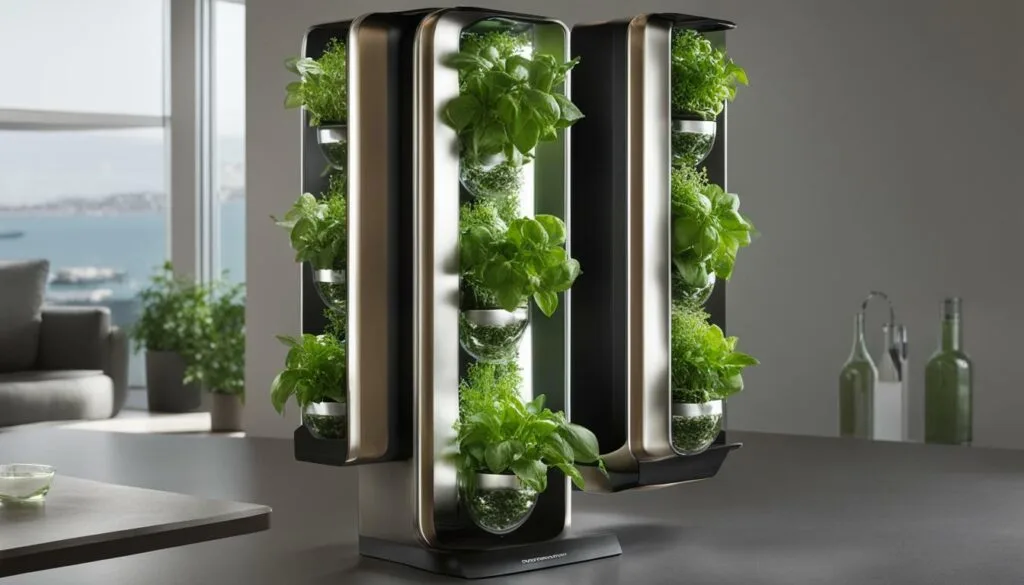
We break down the components and system types like NFT, drip, and aeroponics inside our guide, experience high yield growth with a hydroponic vertical garden. If you like herbs specifically, pairing that with a dedicated herb tower is a great way to keep your kitchen stocked.
Did You Know?
Water use efficiency in vertical farming can reach about 140 grams of fresh weight per liter of water, which is drastically higher than most field systems.
Source: Springer Nature — Agronomy for Sustainable Development
5. Master Light Placement And Duration In Vertical Systems
Light is the fuel for yield optimization in vertical gardens, especially indoors. Outdoors, we chase sunlight with orientation and reflective surfaces, indoors we manage it with LEDs and scheduling.
Because we stack plants, top tiers can hog the light if fixtures are not spaced right. Lower levels then stretch and weaken, which cuts your total harvest even if the system looks full.
Light Strategies We Rely On
- Run 12 to 16 hours of light for most leafy crops, a bit less for fruiting plants once they set.
- Hang lights so each vertical layer gets similar intensity, not just the top row.
- Use reflective walls or backs to bounce stray light into shaded pockets.
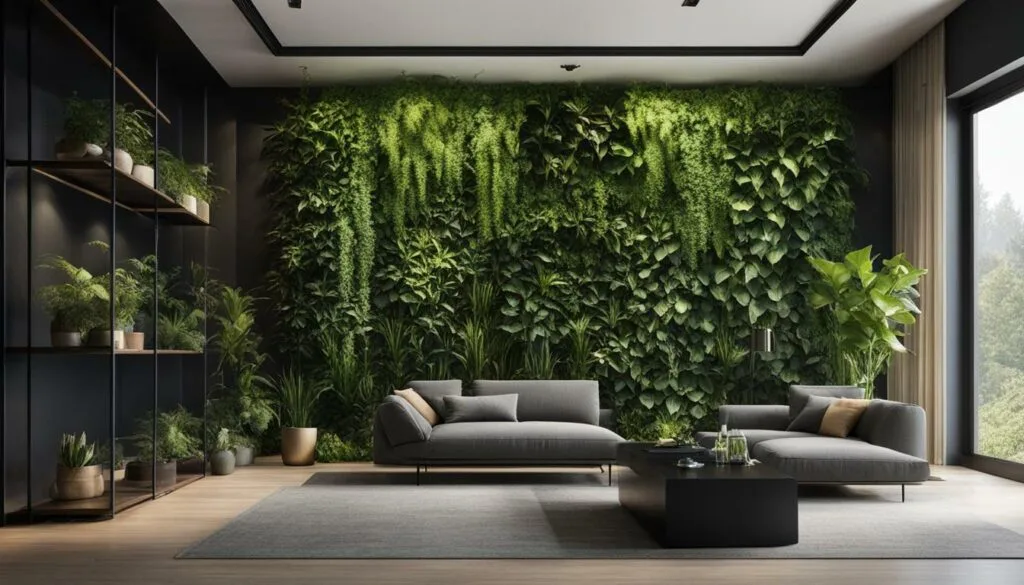
Indoor setups like the systems we show in our article on vertical garden indoor systems make it easier since many come with built in light rails. For outdoor panels, we usually rotate crops on the shadiest tiers with herbs that tolerate lower light, such as mint and parsley.
6. Optimize Watering And Nutrients For Vertical Efficiency
Yield optimization in vertical gardens lives or dies on consistent watering. Gravity is not always our friend, and top tiers often get flushed more than the bottom, which can create nutrient imbalances.
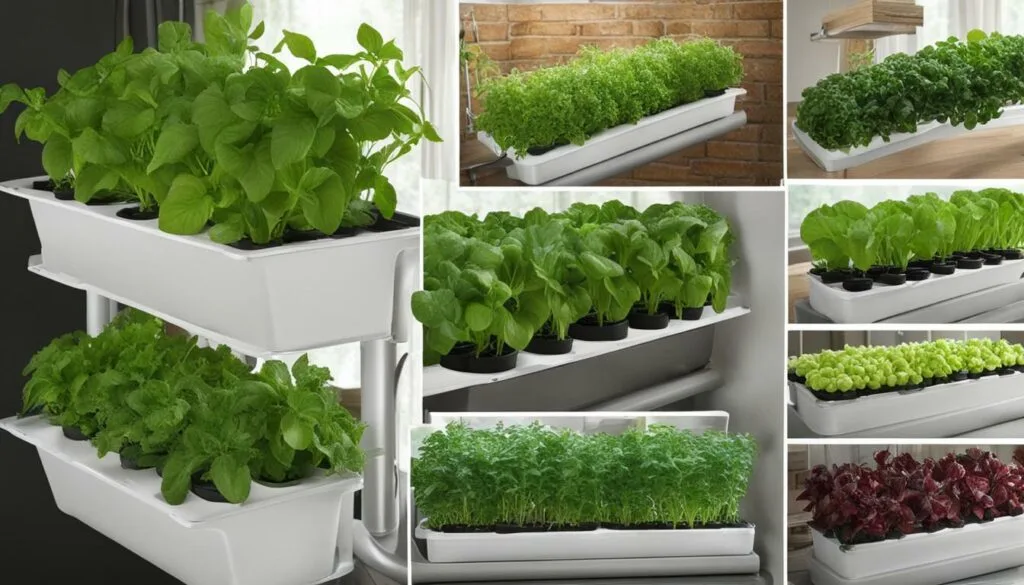
In hydroponics, we favor recirculating systems with even pressure, while in soil towers we like slow drip lines and wicking reservoirs. The goal is to keep moisture steady, not swinging from soaked to bone dry.
Feeding For Higher Yield
- Use a balanced, complete nutrient mix in hydro, then adjust EC as crops grow.
- In soil, mix compost with slow release organic fertilizer, then top dress every 3 to 4 weeks.
- Feed heavy feeders like tomatoes more often, light feeders like many herbs a bit less.
Water efficiency is one of the real perks of vertical layouts. One study found vertical farms using around 0.9 cubic meters of water per kilogram of lettuce, compared to 7.3 cubic meters per kilogram in a field baseline, which lines up with what we see when towers are dialed in properly.
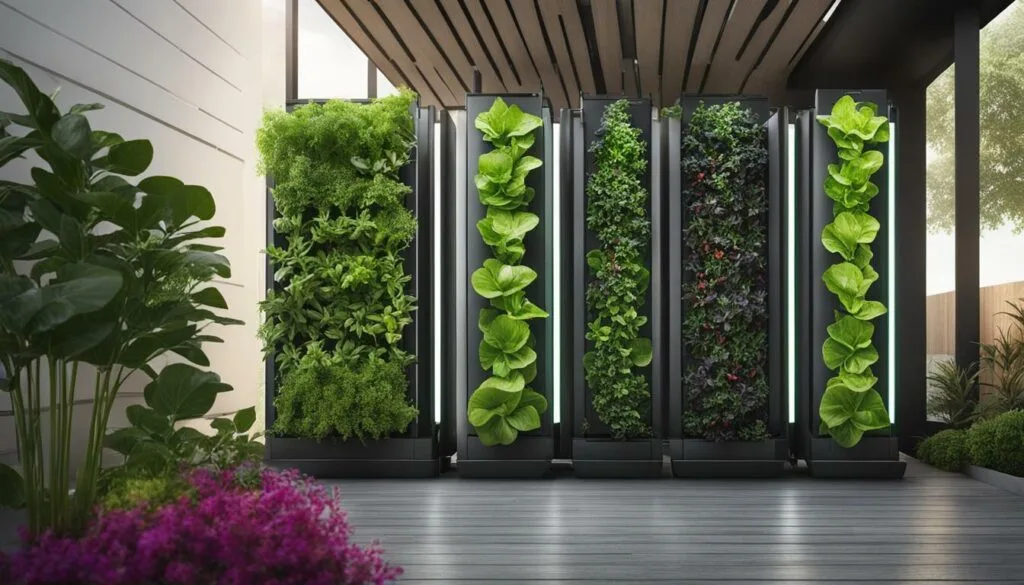
7. Train, Prune, And Support For Productive Vertical Canopies
Space saving structures are only half the story. To really push yield optimization in vertical gardens, we treat plants like they are climbing athletes, not shrubs left to sprawl.
That means trellising, pruning, and thinning ruthlessly so every leaf that stays is actually earning its sunlight. The payoff is better airflow, easier disease control, and more energy going into fruit and fresh growth.
Tomato Specific Tips
- Choose indeterminate vines for continuous harvest, as explained in our guide on high yield vertical hydroponic systems
 , then run a single or double leader per plant.
 - Strip lower leaves as clusters ripen to push airflow and ripening.
- Use clips or soft ties to keep stems tight to the vertical support.
Greens and herbs also benefit from regular shaping. We harvest basil from the top to encourage branching, and we cut lettuce as baby leaf then let it regrow where possible to squeeze more yield out of each plant slot.

Did You Know?
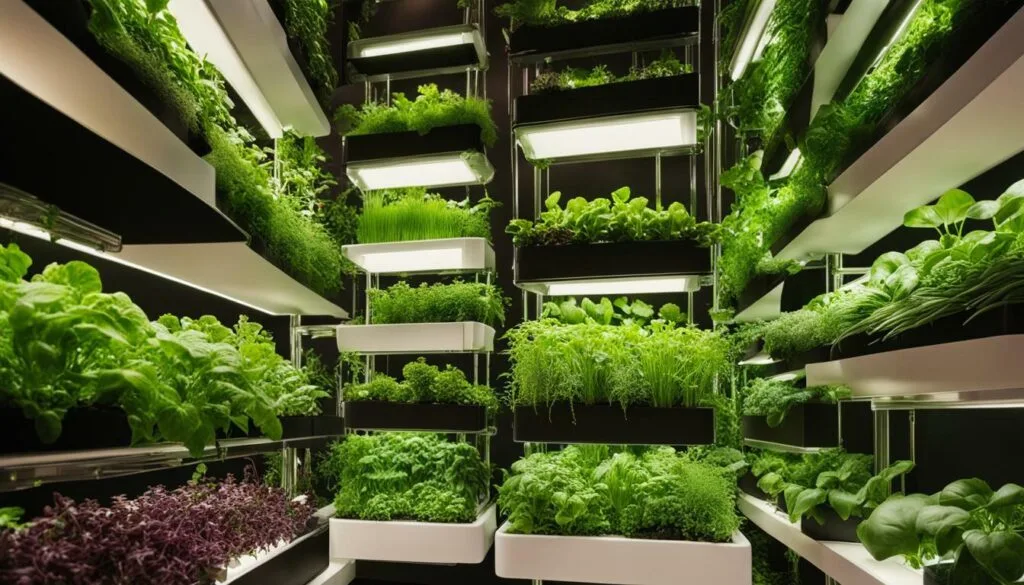
In one UK study, vertical lettuce production hit about 97 kilograms per square meter, compared with roughly 3.3 kilograms per square meter on field farms, more than 20 times higher yield per area.
Source: University of Surrey study via Phys.org
8. Design For Space: Indoors, Balconies, And Small Yards
Most of us are pushing yield optimization in vertical gardens because space is tight. That means layout matters as much as plant choice.
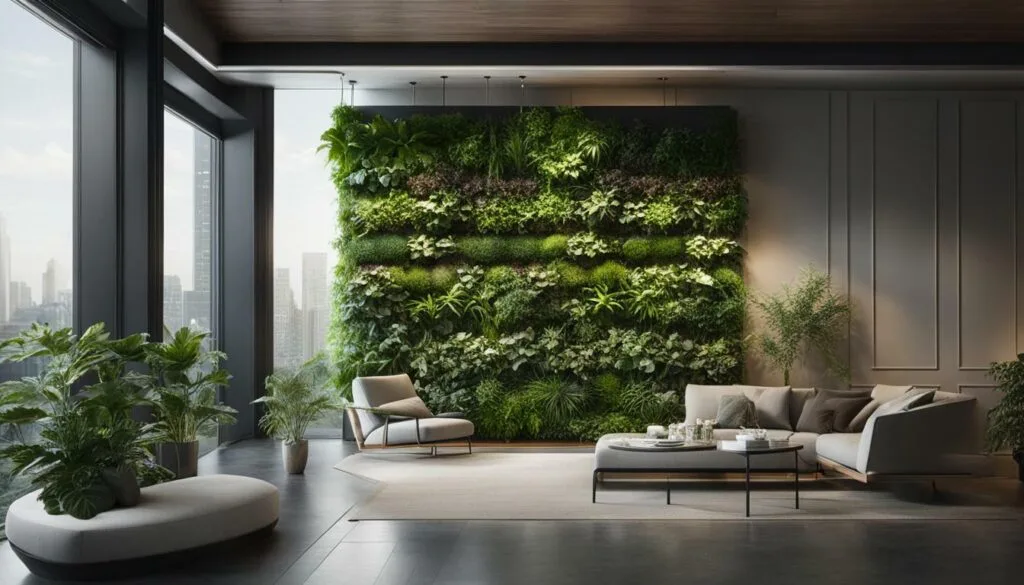
Indoors, we tuck systems against walls, near windows, or in unused corners and let vertical frames carry the load. On balconies, we like narrow footprints and sturdy bases that do not fight with furniture or door swings.
Layout Tips For Different Spaces
- Indoor: pair a slim hydro tower with a grow light and timer as shown in our vertical indoor garden overview.
- Balcony: run railing planters plus a compact vertical rack for salad greens.
- Small yard: use a central tower and surround it with a low bed to catch extra light and water.
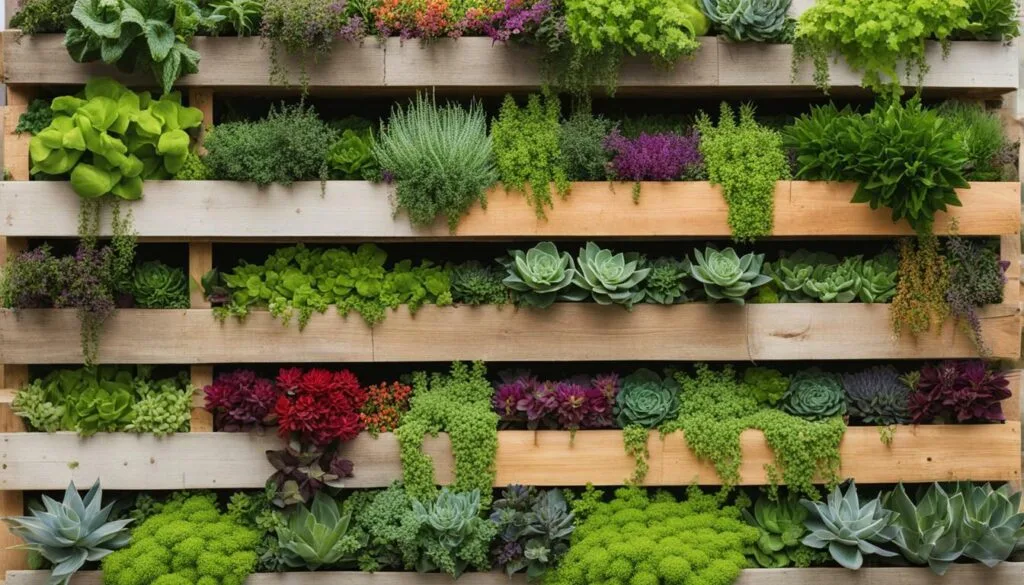
Vertical stacking systems help you treat each level as its own micro zone. Our article on how to maximize space with vertical garden stacking systems walks through how to mix leafy layers with taller crops for more harvest per footprint.
9. Explore Aquaponics And Advanced Systems For Self Reliant Yield
Once hydro feels easy, a lot of us start eyeing aquaponics. It is a clever pairing of fish and plants, where fish waste feeds the crops and the plants clean the water.
For vertical gardeners, aquaponics adds another yield stream in the form of fish protein, while still keeping plant production high and water use low.
Why Aquaponic Vertical Gardens Appeal To Yield Nerds
- Closed loop nutrient cycle with very efficient water use.
- High density planting on vertical racks fed from a central fish tank.
- Potential for year round harvest in a controlled space.
We break down how this works in practice, including the nitrogen cycle and system sizing, in our complete guide to aquaponic vertical gardens. It is more technical, but if you like tuning systems, it is a satisfying way to push productivity.
10. Solve Common Yield Killers Before They Spread
Even well built systems lose yield when small problems smolder in the background. In vertical gardens, issues like clogged emitters, uneven lighting, or poor airflow often hit the lower tiers first and quietly cut production.
We try to run quick weekly checks and short daily glances instead of waiting for obvious symptoms. That habit alone has probably saved more kilograms of produce than any single gadget.
Common Problems And Quick Fixes
| Issue | Yield Impact | What We Do |
|---|---|---|
| Lower tiers stunted | Up to half the system underperforms | Check emitters, level the structure, adjust flow rate |
| Powdery mildew on dense foliage | Leaf loss and reduced photosynthesis | Thin canopy, add airflow, treat early |
| Nutrient lockout or deficiencies | Slow growth, pale leaves, weak yields | Flush system, reset nutrient mix, check pH |
Indoor systems make this monitoring easier because everything is in one spot and weather is less wild. Our overview of how to maximize your space with indoor vertical garden hydroponics includes maintenance habits that keep yields steady all year.

Conclusion
Yield optimization in vertical gardens is really about stacking a bunch of small, smart decisions. Crop choice, density, structure, light, water, and training all add up, and the research numbers back up what we see in our own towers and panels.
If we treat every planting pocket like valuable real estate and keep our systems tuned, even a single wall or balcony can start producing at a level that used to require a whole bed. We are here for that kind of efficiency, and we are happy to keep sharing what works as we keep pushing our own vertical setups harder each season.