
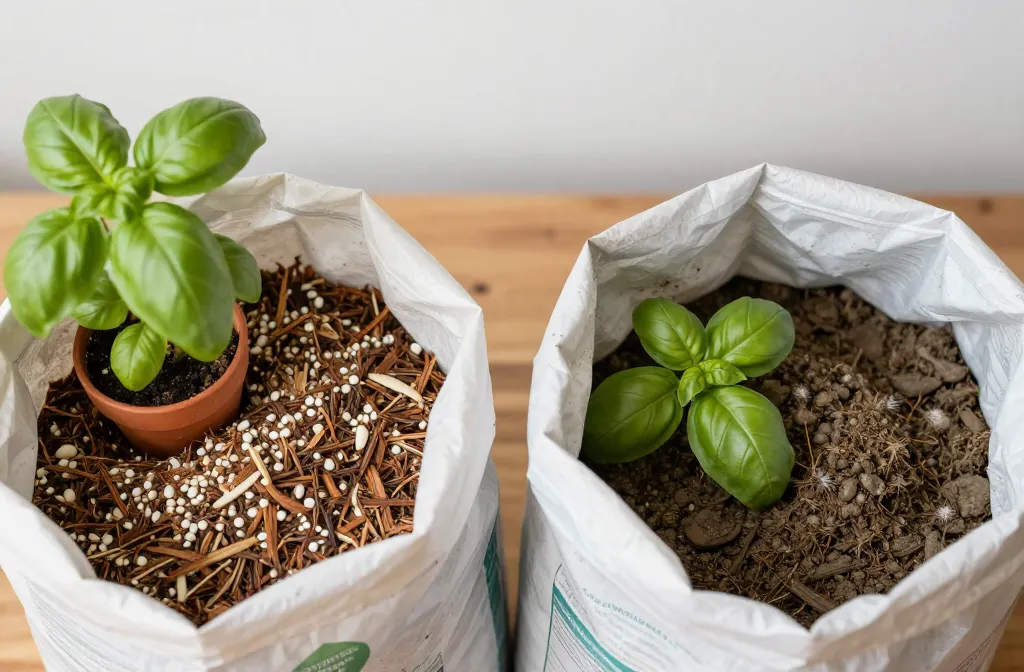
I used to grab the biggest, cheapest bag on the pallet and wonder why my basil drooped and fungus gnats moved in. When I finally opened a premium mix next to a bargain one, the difference in smell, texture, and results was immediate. In this guide, I’ll show you exactly what makes a potting mix work, how to spot a dud in seconds, and how to upgrade any bag with simple additions. You’ll repot with confidence and stop wasting money on soil that suffocates roots.
Potting Mix Is Not Dirt: It’s Engineered For Air And Drainage
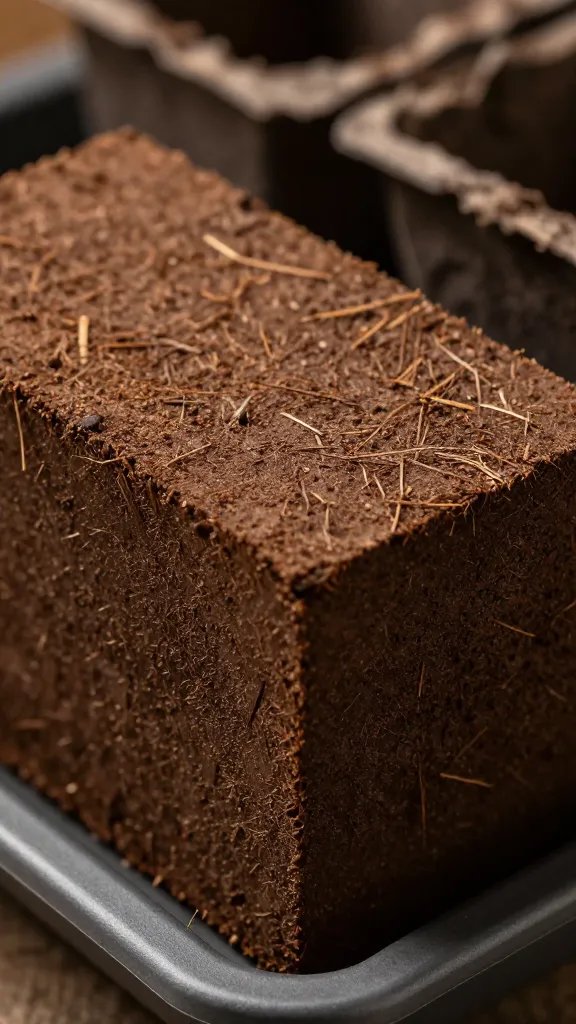
Garden soil compacts in containers and starves roots of oxygen. A true potting mix is a blend of lightweight materials that hold moisture while keeping air spaces open.
Good mixes center on three functions: aeration (air pockets from perlite or pumice), moisture retention (from coco coir or aged peat), and structure (from pine bark fines or similar). Each part does a job you can feel in your hands.
Action today: Squeeze a handful of your mix when damp. If it forms a dense mud ball instead of a springy clump that breaks apart easily, you need more aeration.
The Core Ingredients That Make A Mix Work
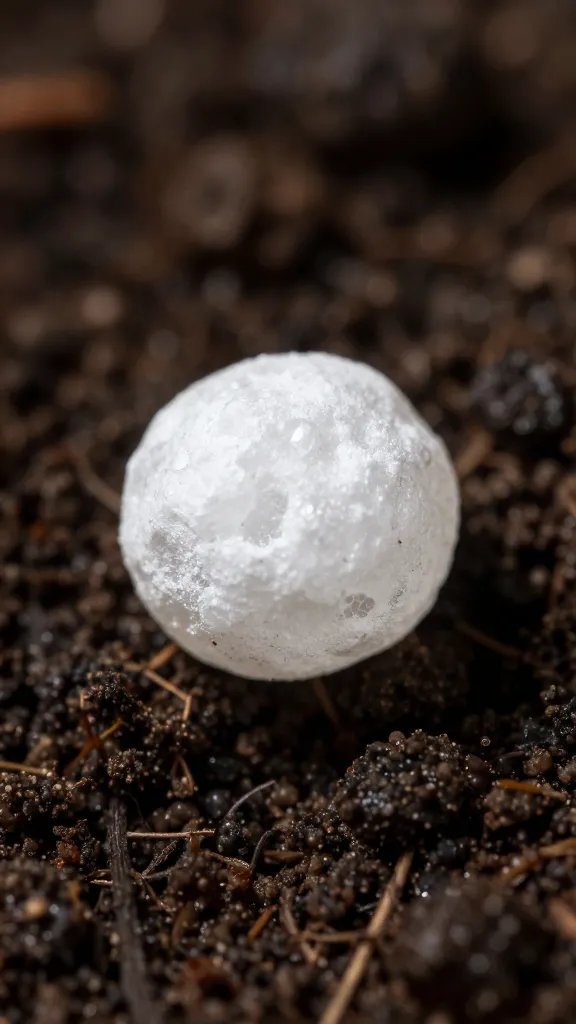
I look for five workhorse ingredients on the label. If two or more are missing, I put the bag back.
- Coco Coir or Peat: The sponge. Coir re-wets easily and is more forgiving for beginners. Peat works but resists re-wetting once bone-dry.
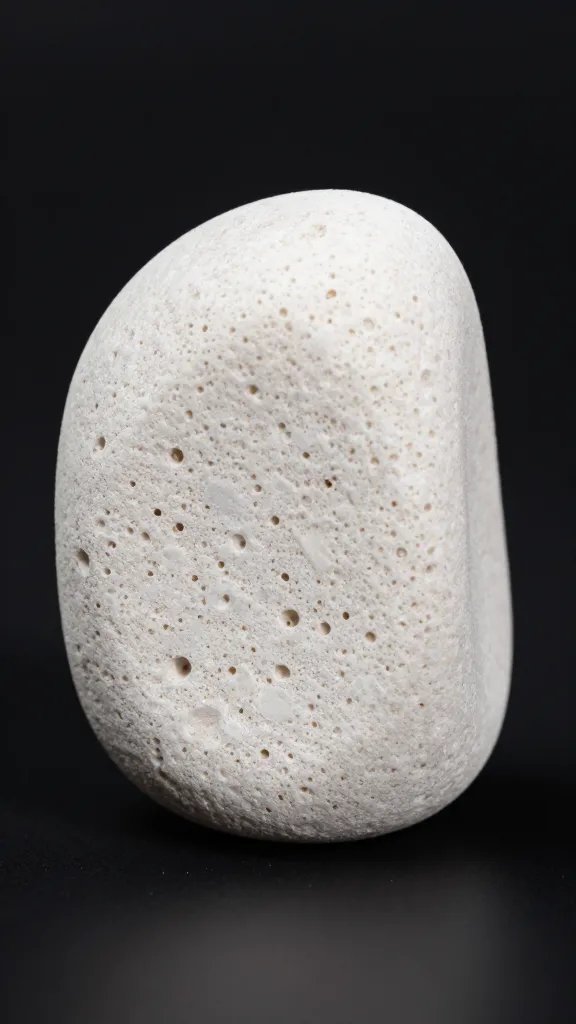
- Perlite or Pumice: The popcorn. These create permanent air pockets and quick drainage. Perlite is common and affordable; pumice is heavier and stays put outdoors.
- Pine Bark Fines: The structure. Bark provides long-lasting chunkiness that resists compaction and feeds beneficial microbes as it ages.
- Compost (well-finished): The gentle feed. A little is great; a lot makes mixes heavy and soggy. Avoid anything that smells like ammonia.
- Lime or Gypsum: The stabilizer. These adjust acidity and add calcium to prevent weak, floppy growth.
Takeaway: Choose a mix listing at least coir/peat + perlite/pumice + bark. That trio does 80% of the work.
Why Cheap Bags Fail: Fillers, Sludge, And Fast Collapse
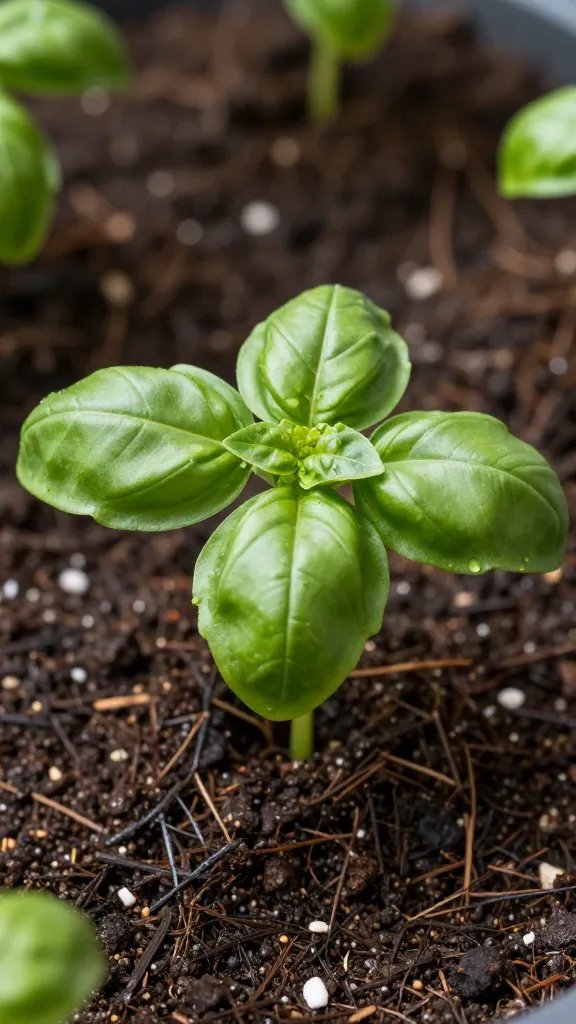
Budget mixes often rely on wood fiber and composted forest products ground too fine. They feel fluffy dry but collapse after a few waterings.
They also load in incomplete compost and fresh wood that rob nitrogen as they break down. Your plants yellow, you add fertilizer, and the mix still sours because the structure disappeared.
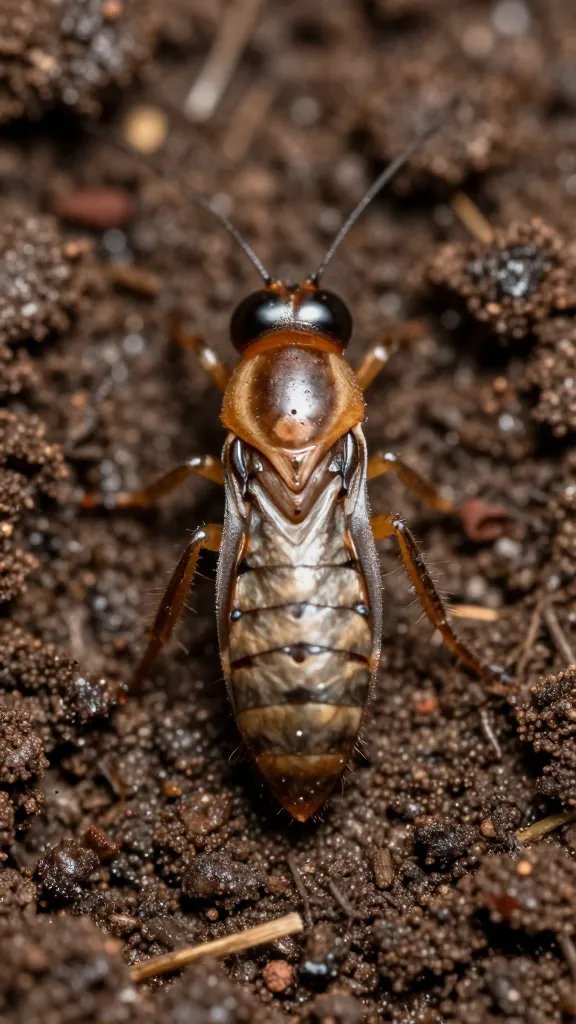
Warning signs: Sour, mushroom, or ammonia smell on opening; clouds of dust; visible long wood shreds; no perlite listed; “garden soil” or “topsoil” anywhere on the bag.
Action today: If you already bought a cheap bag, plan to cut it 1:1 with perlite or pumice before potting. That single change prevents most drownings.
How To Read A Bag Label In 30 Seconds
I stand in the aisle and do a fast scan. I want named ingredients, not vague waste streams.
- Green flags: “Coco coir,” “Sphagnum peat moss,” “Perlite,” “Pumice,” “Aged pine bark fines,” “Dolomitic lime,” “Wetting agent.”
- Yellow flags: “Composted forest products,” “Wood fiber,” “Rice hulls” (okay in moderation), “Biochar” (fine at low percentages).
- Red flags: “Topsoil,” “Garden soil,” “Manure” as a major ingredient, or “Moisture control crystals” without aeration listed.
If a bag lists fertilizer, I prefer a low, slow feed (like 0.3–0.5% nitrogen) rather than a heavy charge that burns tender roots in small pots.
Action today: Take a photo of three good ingredient lists at your garden centre. Use them as a reference next time so you don’t have to re-learn labels.
Simple Upgrades: Fix Any Mix With Two Additions
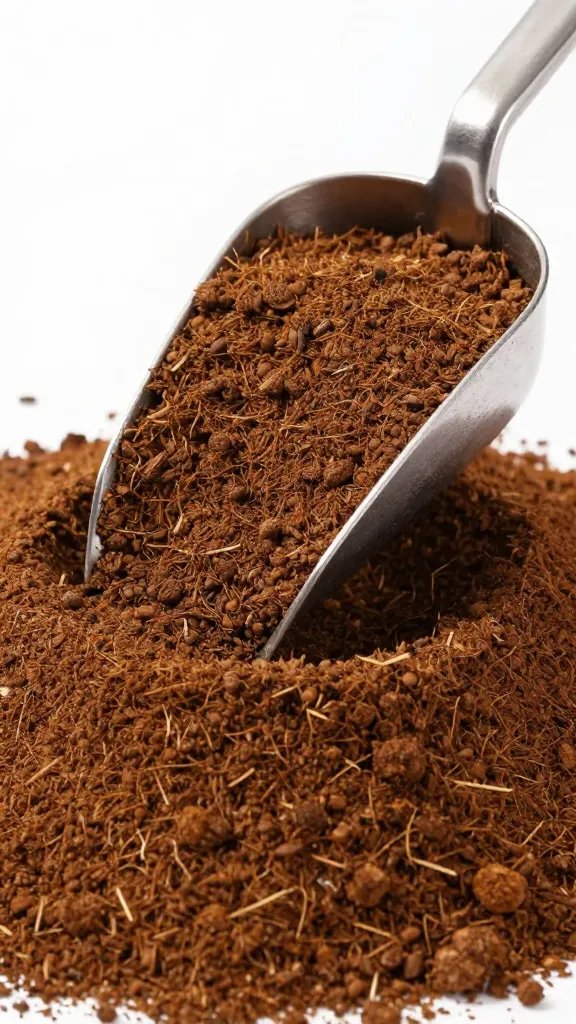
I keep two amendments on hand because they rescue almost any bag: perlite or pumice and pine bark fines (sometimes sold as “soil conditioner”).
Recipe: Everyday Houseplants (Pothos, Philodendron, Herbs)
- 3 parts decent potting mix
- 1 part perlite or pumice
- 1 part pine bark fines
Blend in a trug or bucket with gloved hands until uniform and chunky.
Recipe: Moisture Lovers (Ferns, Peace Lily, Basil)
- 4 parts potting mix (with coir/peat)
- 1 part perlite
- Optional: 1 small handful compost per 5 liters mix
This keeps water longer but still drains. Don’t overdo compost; it clogs air spaces.
Recipe: Dry Lovers (Cactus, Succulents, Snake Plant)
- 2 parts potting mix
- 2 parts pumice or coarse perlite
- 1 part pine bark fines
Heavy on mineral grit so roots never sit wet.
Action today: Before your next repot, pre-mix a small batch in a bucket. You’ll feel the difference immediately — lighter, chunkier, and springy.
Watering And Re-Wetting: The Real-World Test Of A Good Mix
Good mix drinks water evenly and drains within 10–30 seconds from the drainage holes. If water pools on top or runs straight down the sides, the mix fails the re-wet test.
Hydrophobic peat is common in older or bargain bags. I fix it by pre-wetting: add water gradually, stir thoroughly, wait 10 minutes, then stir again until the mix feels like a wrung-out sponge.
Step-By-Step: Pre-Wet Before Potting
- Pour dry mix into a bucket or tub.
- Add water slowly while turning with your hand.
- Stop when a squeezed handful glistens but doesn’t drip steadily.
- Let sit 10 minutes, then fluff and use.
Action today: Bottom-water one plant tray and time how long moisture reaches the top. Over 20 minutes means you need a wetter-friendly mix or a proper pre-wet.
Fertilizer In The Bag: Helpful Or Hype?
Many mixes include a small dose of slow-release fertilizer. That’s fine for the first 6–8 weeks, but it is not a full season plan.
I switch to a gentle, balanced liquid feed every 2–4 weeks after that, using water that tastes clean, not salty. For seedlings and herbs, I use half-strength to avoid leaf burn.
Action today: Mark a calendar eight weeks from potting to start a consistent liquid feeding routine. Your plants will grow steadily instead of surging and stalling.
Common Problems That Trace Back To Bad Mix
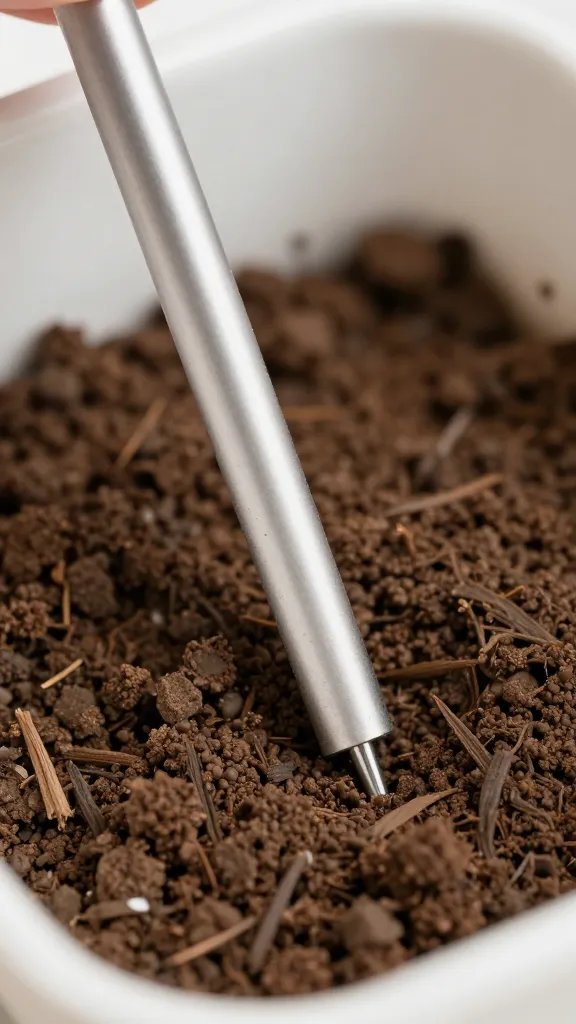
If you see the same issues across different plants, check the medium first, not the watering can.
- Mushroom gnats (fungus gnats): Often from soggy, organic-heavy mixes. Add more perlite and let the top 2 cm dry between waterings.
- Yellowing and slow growth: Fresh wood in cheap mix stealing nitrogen. Start light feeding and top up with a better-structured blend.
- Root rot: Compaction and no air. Repot into a bark-and-perlite-rich mix and trim dead roots.
Action today: Press a finger into the top 2–3 cm. If it stays wet for days, add aeration at your next watering by gently mixing in dry perlite at the surface and plan a full repot within a week.
Frequently Asked Questions
Can I use garden soil or topsoil in pots?
No. Garden soil compacts in containers and blocks oxygen, which leads to root rot. It also brings weed seeds and pests indoors. Use a true potting mix built with coir/peat, perlite, and bark. If cost is an issue, buy a smaller bag of quality mix and stretch it with perlite and bark fines.
How do I fix a heavy, soggy mix I already used?
Unpot, shake off as much as you can, and blend the saved mix 1:1 with perlite or pumice plus a handful of bark fines per liter. Trim any brown, mushy roots and replant in a pot with clear drainage holes. Water once to settle, then let the top 2 cm dry before the next watering.
What’s the difference between perlite and pumice for houseplants?
Perlite is lightweight and inexpensive, great for indoor pots you move often. Pumice is heavier and stays mixed better, useful for outdoor containers and succulents. Both add permanent air spaces; choose the one your garden centre stocks or the one that suits the pot’s weight needs.
Do I need bark fines for non-woody plants like herbs?
Yes. Bark fines aren’t just for orchids; they keep any mix from compressing into sludge. Even a small amount (20–30% of the blend) stabilizes structure and improves drainage. Your herbs will root more aggressively and last longer in the same pot.
My potting mix becomes water-repellent when dry. What should I do?
Pre-wet before potting and use bottom-watering to re-hydrate dried pots. Add a little extra coir and a touch of perlite so moisture distributes evenly. If your bag lists mostly peat without a wetting agent, mix in fresh coir to improve re-wettability.
How often should I replace or refresh potting mix?
Refresh the top 3–5 cm every 6 months for indoor pots and repot fully every 18–24 months. Mix settles and breaks down over time, reducing air space. When you repot, upgrade with fresh perlite/pumice and bark to restore structure.
Conclusion
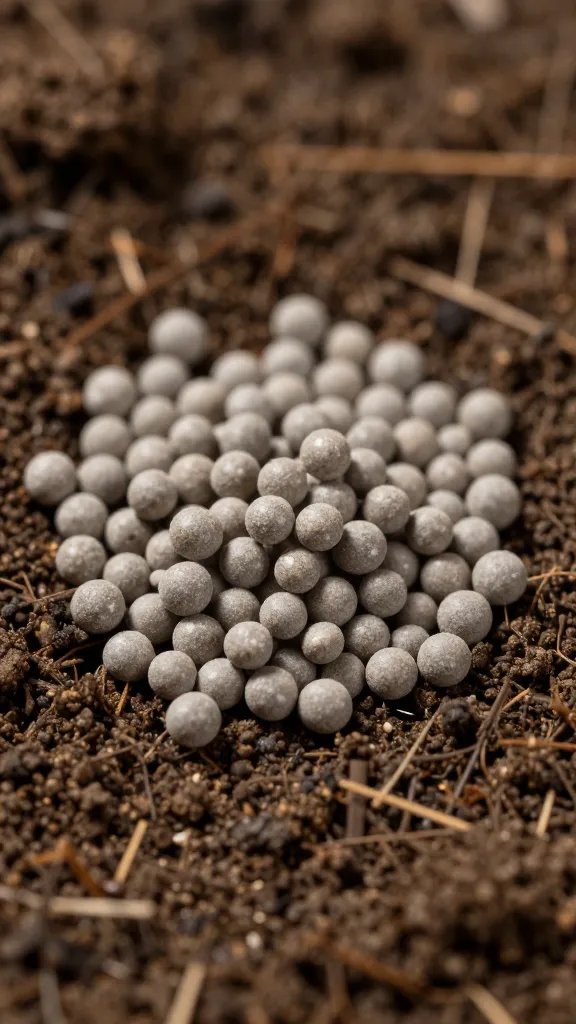
You don’t need lab tools to choose or fix potting mix — you need the right expectations and two simple amendments. Start with a bag that lists coir or peat, perlite or pumice, and bark fines, then tailor it to your plants using the recipes above. If you’ve battled droopy herbs or gnats, make your next step a small test batch in one pot and watch the difference over two weeks — lighter mix, happier roots, better growth.