
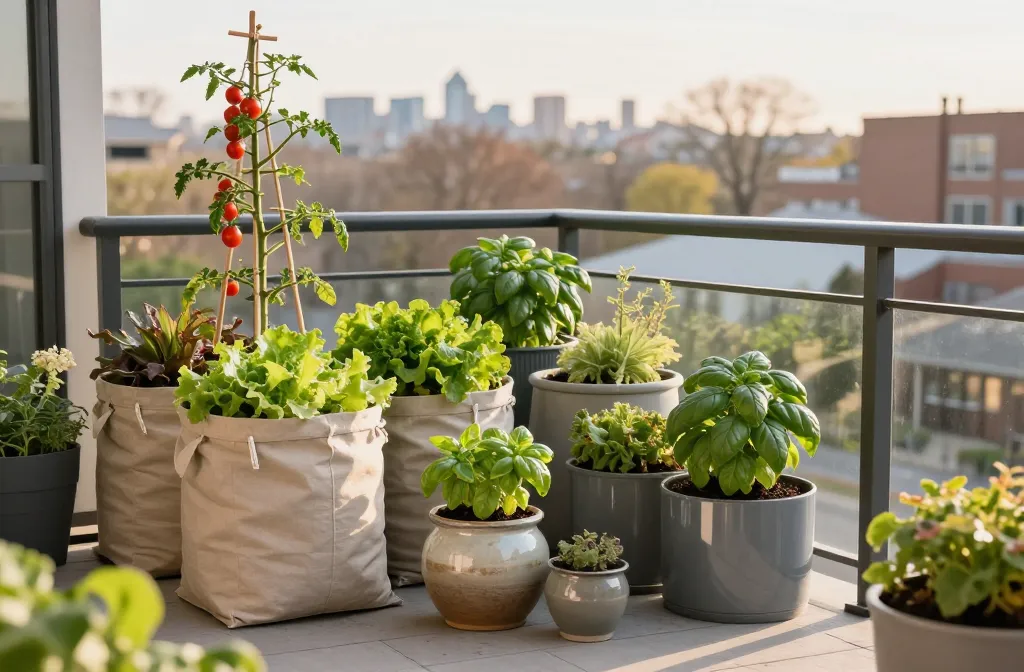
Ready to harvest salad greens in January and cherry tomatoes in July—without a backyard? You can, even in the Midwest’s moody weather. This guide breaks down exactly how to grow in containers, on a balcony, or by a sunny window all year long. No yard, no problem—just smart containers, smart timing, and a little persistence.
1. Build Your All-Season Container Setup Like a Boss
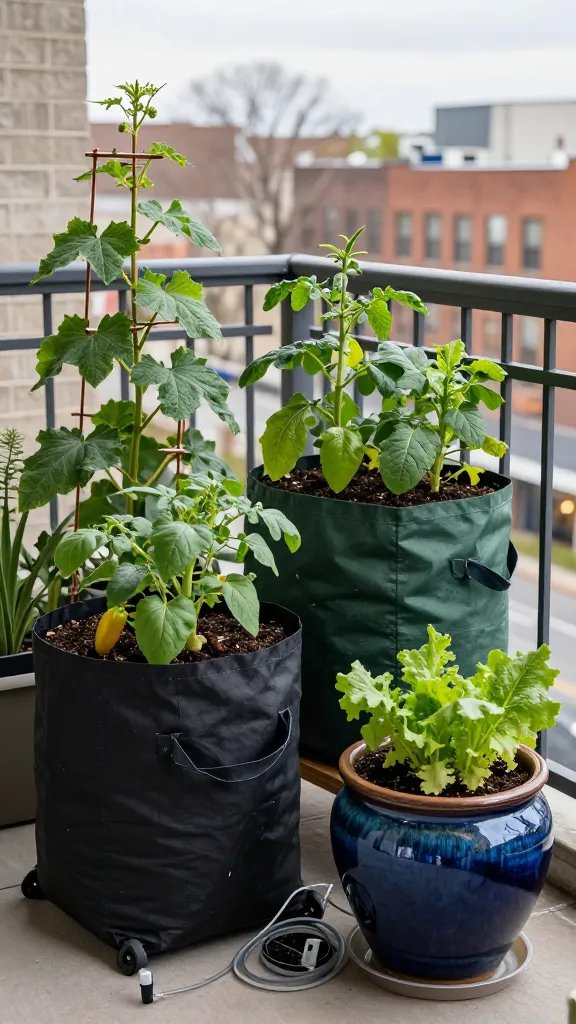
Your containers matter more than you think. They control root health, moisture, and temperature—basically, your plant’s entire vibe. Choose the right materials and sizes now, and you’ll avoid heartbreak in August heat waves and February cold snaps.
Container Choices That Actually Work
- Fabric grow bags (5–10 gallons): Great drainage, roots don’t spiral, light enough to move. Perfect for tomatoes, peppers, dwarf cukes.
- Glazed ceramic (12–16 inches wide): Holds moisture and temp better than terra cotta. Ideal for herbs and leafy greens on hot balconies.
- Self-watering planters: Built-in reservoir smooths out summer dry spells. Try 2–3 gallon for basil and lettuce; 5+ gallon for tomatoes.
- Window boxes (8–10 inches deep): Bonus growing space. Grow shallow-rooted crops like radishes, spinach, and edible flowers.
The Soil Mix That Doesn’t Turn to Brick
- Base mix: 50% high-quality potting mix + 30% coco coir or peat + 20% perlite or pumice.
- Nutrients: Mix in a slow-release organic fertilizer and a handful of compost per gallon of soil.
- Drainage: Make sure containers have holes. Add a mesh screen at the bottom—no rocks needed, that’s a myth.
Container depth saves you from stunted plants and endless watering. Bigger is better, especially for thirsty summer crops, and fabric bags keep roots happier. You’ll water less, grow more, and avoid the dreaded midseason slump.
2. Master the Midwest Calendar—Indoors and Out
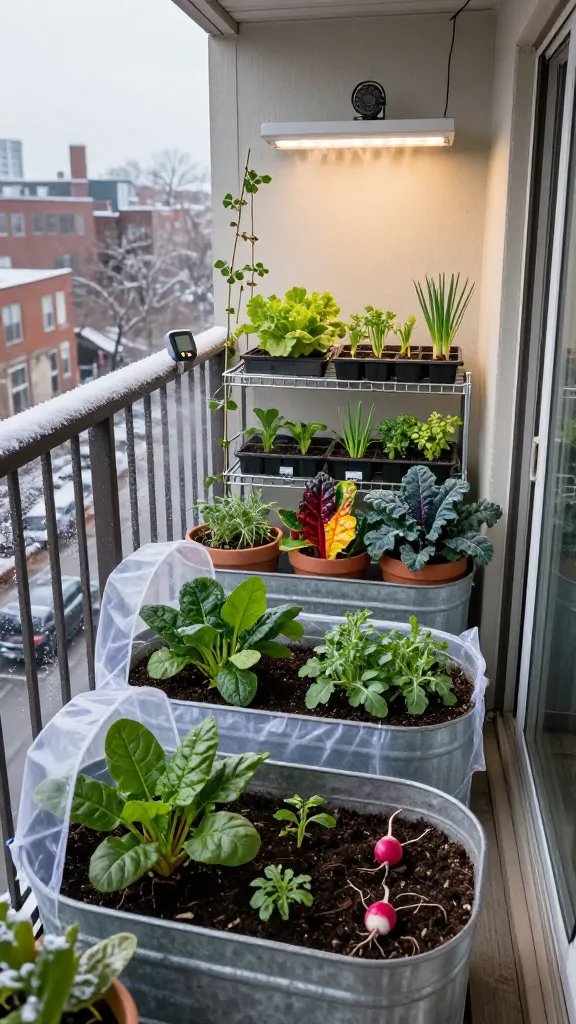
The Midwest flips from sauna to freezer faster than you can say “polar vortex.” You’ll win by staggering indoor and outdoor planting, using cold-hardy varieties, and leaning on season extenders. Translation: you’re always harvesting something.
Simple Year-Round Plan (Zone 5–6 Friendly)
- Late Winter (Feb–Mar): Start seeds indoors—lettuces, kale, chard, scallions, parsley. Use a cheap grow light and a fan.
- Spring (Apr–May): Move out cold-tolerant crops—spinach, peas, radishes, arugula. Keep lightweight frost cloth handy.
- Early Summer (May–June): Plant warm crops—tomatoes, peppers, bush beans, cucumbers. Use darker containers to warm roots faster.
- Mid–Late Summer (July–Aug): Succession sow—basil, dwarf beans, fall carrots. Start fall greens indoors to avoid scorching heat.
- Fall (Sept–Oct): Switch back to cool crops—spinach, lettuce, kale, radishes. Add mini hoop covers or cloches.
- Winter (Nov–Jan): Grow under lights—microgreens, herbs, lettuce. Or stash a box of greens in a bright window and harvest “cut-and-come-again.”
Must-Have Season Extenders
- Frost cloth (0.5–1.0 oz): Throw over plants during surprise cold snaps. It buys you an extra 4–6 degrees.
- Clear storage bin cloche: Flip a clear bin over a container for an instant greenhouse on cold nights.
- Grow lights (LED, full-spectrum): Set 12–14 hours/day, 4–8 inches above plants. Game changer for winter greens.
When you time crops to the seasons (and fake the seasons when needed), you always have something edible. You’ll stretch your growing window from a few months to a full year—seriously.
3. Choose Crops That Thrive In Pots (No Divas Allowed)
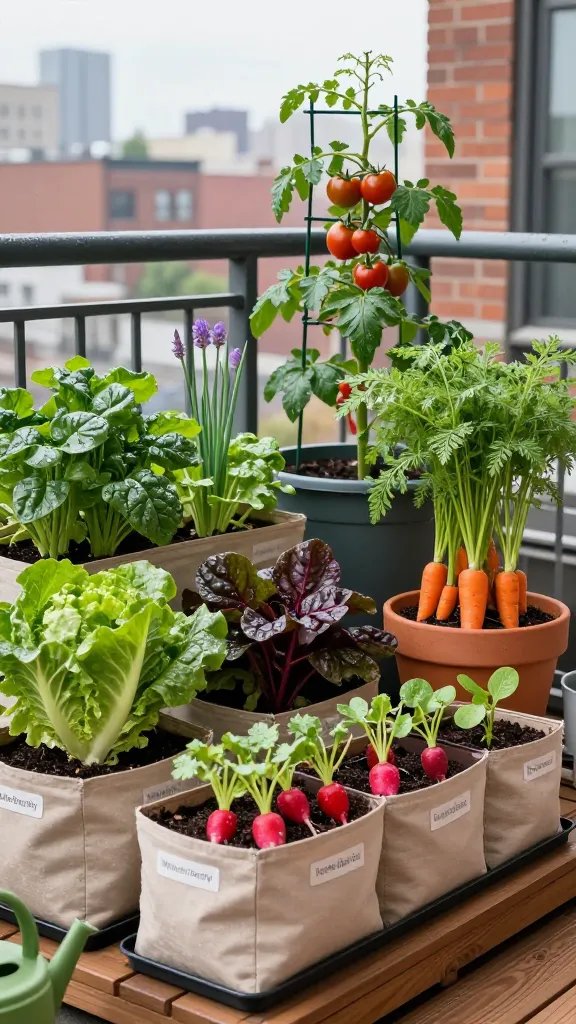
Not every plant loves container life. Some throw tantrums, some barely flower, and some perform like absolute stars. Pick compact, high-yield varieties and you’ll harvest more from less space.
Rockstar Varieties by Season
- Spring/Fall:
- Greens: ‘Winter Density’ romaine, ‘Bloomsdale’ spinach, ‘Scarlet Frills’ mustard.
- Roots: ‘French Breakfast’ radish, ‘Yaya’ carrot (grow in 10–12 inches of soil), baby beets like ‘Detroit Dark Red’.
- Herbs: Parsley, cilantro (keep cool), chives.
- Summer:
- Tomatoes: ‘Totem’, ‘Tasmanian Chocolate’, ‘Tiny Tim’, or any dwarf/determinate. Use 5–10 gallon containers.
- Peppers: ‘Lunchbox’ mini sweets, ‘Shishito’, ‘Jalapeño M’, ‘Cayenne’. 3–5 gallon minimum.
- Cucumbers: ‘Bush Slicer’, ‘Patio Snacker’. Trellis to save space.
- Beans: Bush beans like ‘Provider’ or ‘Contender’ in window boxes or 3-gallon pots.
- Winter Indoors:
- Microgreens: Sunflower, pea shoots, radish—ready in 10–14 days.
- Herbs: Basil under lights, thyme, mint, oregano, lemon balm by a bright window.
- Leafy greens: ‘Black-Seeded Simpson’ lettuce, baby kale mixes in shallow trays.
Smart Spacing (Because Crowding = Sad Plants)
- Tomato: 1 plant per 7–10 gallon pot.
- Peppers: 1 plant per 3–5 gallon pot.
- Cucumbers: 1 plant per 5–7 gallon pot with a trellis.
- Greens: 6–8 leaf lettuces per 12-inch pot; harvest outer leaves first.
- Radishes: 12–16 per 12-inch pot; sow every 2–3 weeks.
Compact varieties use less water, produce faster, and don’t hog your balcony. You’ll get constant harvests with way less drama.
4. Dial In Water, Light, And Food—The Holy Trinity
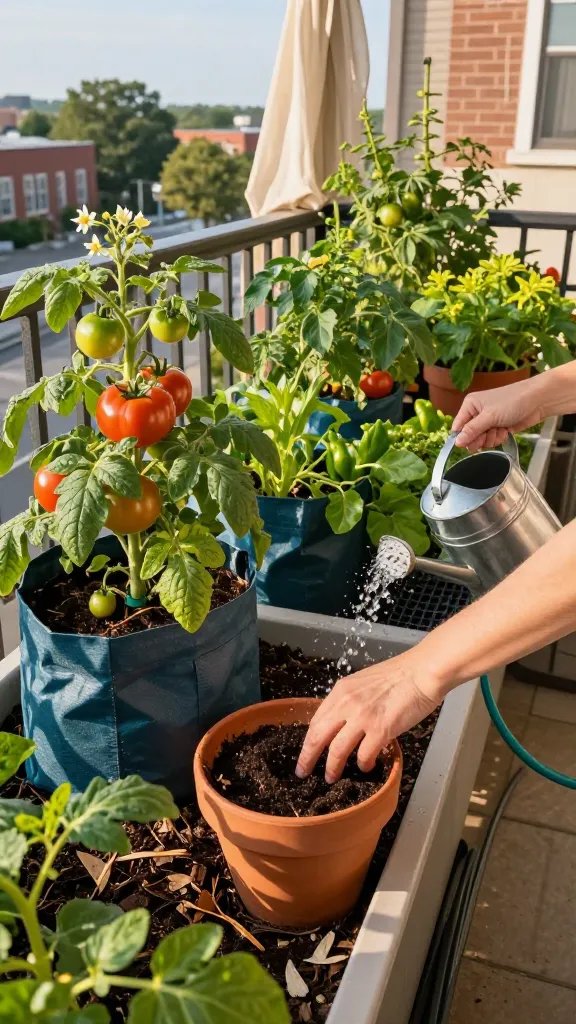
Containers dry fast. Midwest sun swings from “meh” to “blast furnace.” Feed and water with a plan, and your plants will forgive the weather. Ignore it, and you’ll get bitter greens and blossom drop.
Watering Without Guesswork
- Finger test: Stick your finger 2 inches into the soil. If it feels dry, water deeply until it drains.
- Morning routine: Water early. You avoid fungus and lose less to evaporation.
- Mulch matters: Add 1 inch of shredded leaves, straw, or coco chips on top. Cuts watering in half on windy balconies.
- Self-watering hack: For vacations, set up a simple wick from a water jug into the soil. It actually works.
Light: More Is More (But You’ve Got Options)
- Summer fruiting crops need 6–8 hours full sun. South or west balconies win.
- Greens and herbs handle 3–5 hours or bright partial shade.
- Grow lights: For winter, run 12–14 hours/day. Keep LEDs close and adjust weekly as plants grow.
- Reflective boost: White walls, foil-covered cardboard, or a light-colored railing bounce light back onto plants.
Fertilizing That Doesn’t Overcomplicate Things
- Start strong: Mix a slow-release organic fertilizer into the soil at planting time.
- Weekly feed: Use a liquid fertilizer (fish/seaweed or balanced synthetic) at half strength every 1–2 weeks for heavy feeders like tomatoes.
- Micros matter: Add a calcium source for tomatoes and peppers to prevent blossom end rot.
- Refresh midsummer: Top-dress with compost and add a fresh dose of slow-release granules.
When you control water, light, and nutrients, plants stay on schedule. Expect faster growth, sweeter flavors, and fewer “what went wrong?” moments.
Quick Troubleshooting
- Yellow leaves: Could be overwatering or nitrogen deficiency. Check moisture first, then feed.
- Leggy seedlings: Not enough light. Move closer to the lamp or increase hours.
- Bitter greens: Heat stress. Give afternoon shade and water consistently.
Keep a simple routine and adjust one thing at a time. You’ll learn your plants’ rhythms quicker than you think—FYI, they’re drama queens but teachable.
5. Design A Balcony (Or Windowsill) That Works Hard—And Looks Good
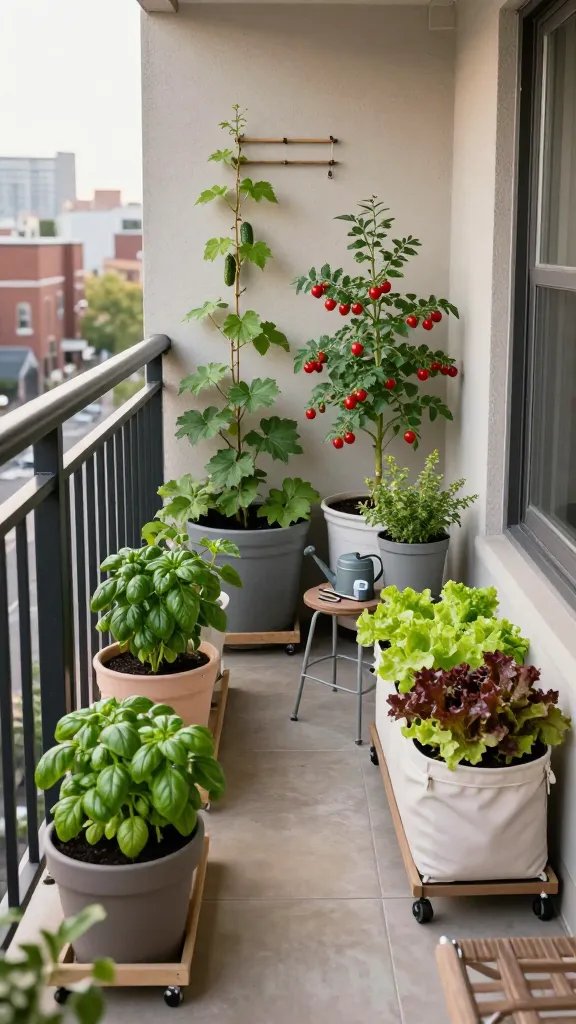
Small spaces do not mean small harvests. Use vertical space, rolling setups, and microclimates to turn your balcony into a tiny farm with serious curb appeal. Bonus: friendly neighbors bring cookies when you share cherry tomatoes.
Layout That Maximizes Sun And Airflow
- Tall in back, short in front: Trellised cucumbers and tomatoes behind; basil and lettuce in front.
- Airflow: Leave a few inches between containers. It prevents mildew and keeps pests moving along.
- Mobility: Use rolling plant caddies. Shift heat-lovers into sun and greens into shade during heat waves.
- Windbreaks: Midwest balconies get gusty. Add lattice or a mesh screen to protect delicate leaves.
Vertical And Hanging Magic
- Hanging baskets: Strawberries, trailing cherry tomatoes (‘Tumbling Tom’), and thyme look great and produce well.
- Wall planters: Grow cilantro, parsley, mint (contained!), and edible flowers like nasturtium.
- Trellis options: Use bamboo teepees, a folding ladder, or a metal grid zip-tied to the railing.
Anti-Pest Moves That Don’t Scream “Pesticides”
- Companions: Plant basil near tomatoes and chives near carrots. It helps with flavor and mild pest deterrence.
- Neem oil and insecticidal soap: Keep on hand for aphids and spider mites. Spot treat weekly if needed.
- Sanitation: Remove dead leaves and spent flowers. Clean pots between seasons to avoid disease carryover.
Winter Window Game Plan
- South-facing window: Line up a low-profile shelf with lettuce trays and herbs.
- Reflective backing: Tape white poster board behind plants to amplify light.
- Humidity: Set a tray with pebbles and water under plants. It keeps leaf tips from crisping.
With a smart layout, your space becomes a mini produce aisle. It looks good, smells amazing, and yes—you’ll flex on your group chat with weekly harvest pics, IMO.
Weekly Routine (Easy Mode)
- Monday: Deep water and quick pest check.
- Wednesday: Light feed for heavy feeders, harvest greens.
- Friday: Rotate containers, prune tomatoes/peppers, reset trellis ties.
- Weekend: Succession sow a new batch of radishes/greens. Snap photos, brag a little.
Simple, repeatable habits keep plants thriving and you sane. You’ll spend minutes, not hours, and your garden will still overachieve.
Harvesting Like A Pro
- Cut-and-come-again: Harvest outer lettuce and kale leaves. Plants keep producing for weeks.
- Tomatoes: Pick at color break (just blushing). They finish indoors safely.
- Herbs: Pinch tops regularly to keep plants bushy and flavorful.
- Radishes and carrots: Thin early and eat the thinnings. More room = better roots.
Harvest often to trigger more growth. You’ll keep plants vigorous and toss less overgrown stuff—win-win.
Budget Tips That Don’t Feel Like Compromise
- Upcycle: Food-safe buckets become planters—drill drainage holes and paint them cute.
- Seed swaps: Trade with neighbors or local groups for variety without the cost.
- Grow what’s pricey: Focus on herbs, cherry tomatoes, specialty greens. Buy potatoes and onions at the store.
Spend where it counts—soil, containers, and lights if you grow in winter. Everything else can be scrappy and still look slick.
You’ve got the plan, the plants, and the playbook—now it’s just action. Start small, experiment, and adjust as you go. Your future self will be making caprese salads in July and slurping miso with fresh scallions in January, trust me.