
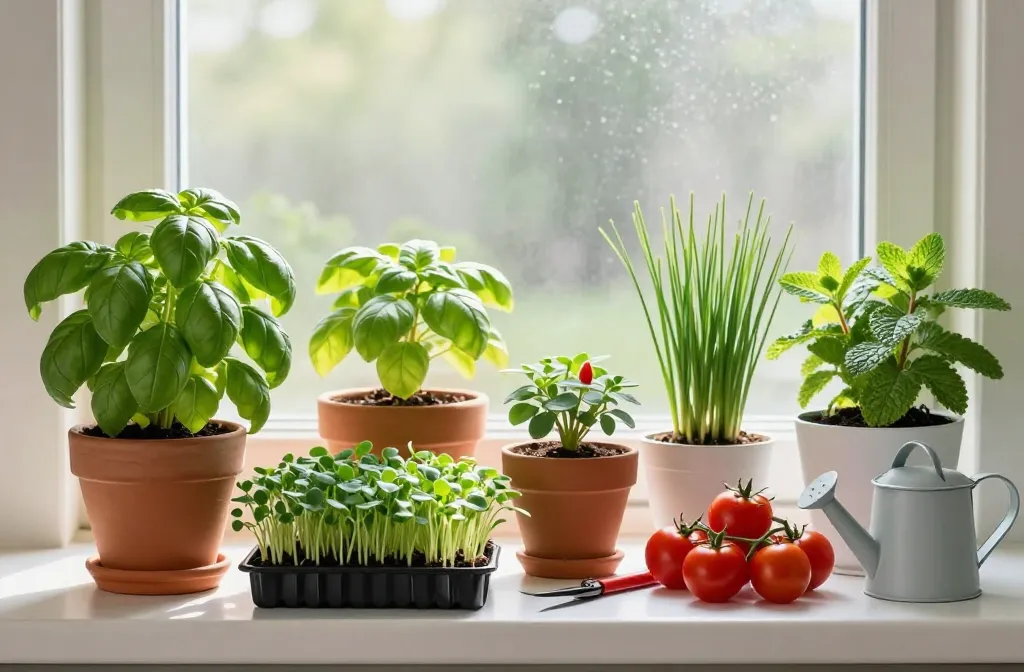
Craving fresh flavor without a backyard? Your windowsill can pull more weight than you think. These compact edible plants thrive in small containers, grow fast, and make your cooking taste restaurant-level. Ready to turn sunlight into snacks? Let’s get your mini harvest rolling.
1. Basil Blitz: Instant Pesto On A Ledge
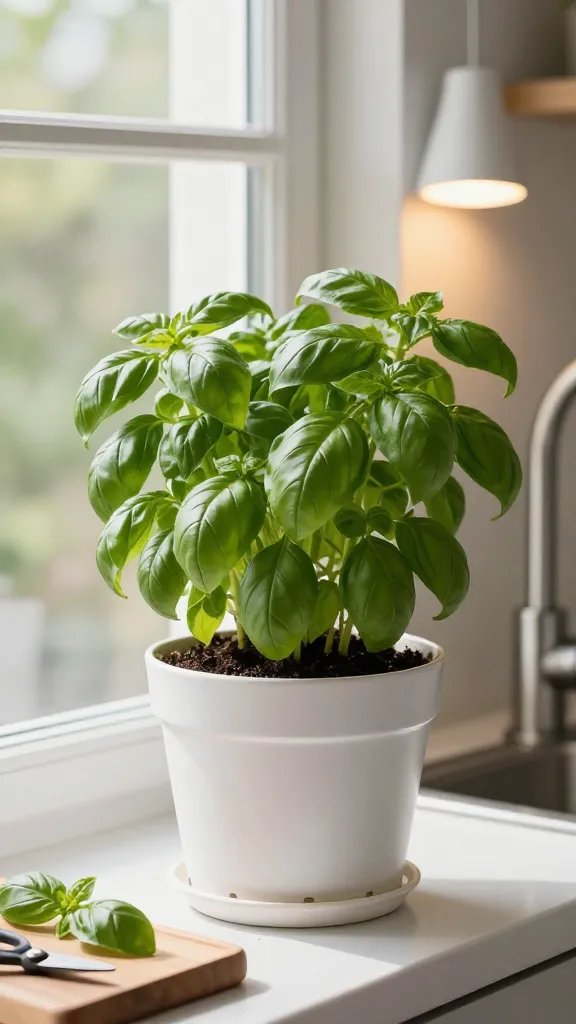
Basil loves warmth, sun, and attention—perfect for a bright kitchen window. It grows fast, smells amazing, and makes every simple pasta feel like a chef flex. You’ll snip often, and basil will reward you with even more leaves.
Quick Wins
- Light: 6–8 hours of bright sun or a small grow light.
- Container: 6–8 inch pot with drainage; basil hates wet feet.
- Water: Keep soil slightly moist; never soggy.
Pinch the top sets of leaves when stems hit 6 inches to keep basil bushy. Skip flowering—once it blooms, flavor drops. Grow Genovese for classic pesto, or try Thai basil for a peppery kick. Bonus: basil boosts tomato dishes like magic.
2. Microgreens Mayhem: Harvest In 10 Days
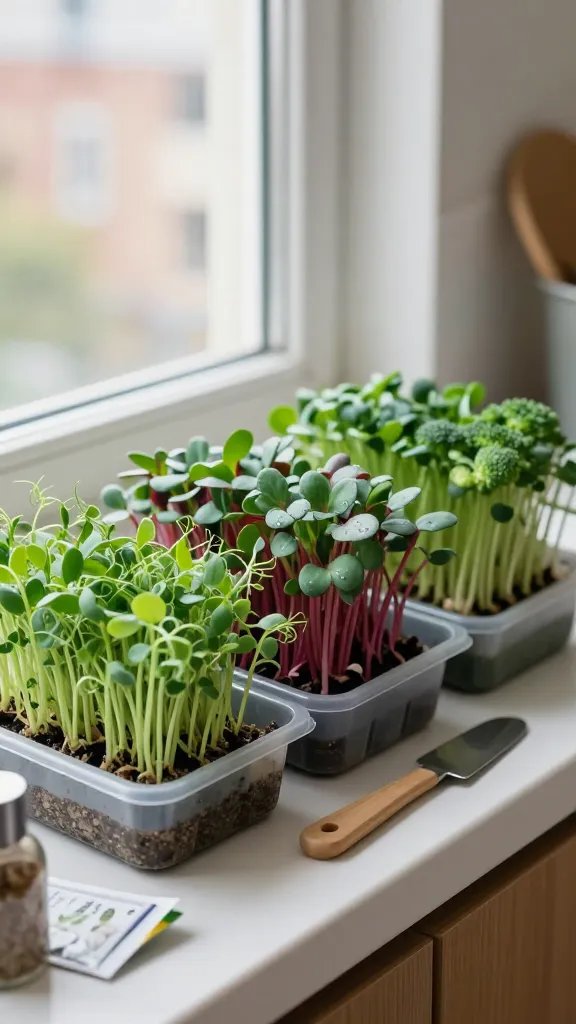
Microgreens are the sprinter of the plant world—seed to plate in 7–14 days. They pack ridiculous flavor and nutrition in tiny leaves and make your eggs, sandwiches, and bowls look chef-y. IMO, this is the fastest gratification you can grow.
Starter Mixes That Slap
- Pea shoots: Sweet, crunchy, great for stir-fries.
- Radish: Spicy, snappy, perfect on avo toast.
- Broccoli: Mild, nutrient-rich, easy win.
How To
- Use a shallow tray with drainage and a thin layer of seed-starting mix.
- Scatter seeds densely, mist daily, and give bright light.
- Harvest with scissors when they’re 2–3 inches tall.
Rotate trays weekly for a constant supply. You’ll never buy those overpriced micro clamshells again, seriously.
3. Chive High-Five: Zero-Fuss Onion Flavor
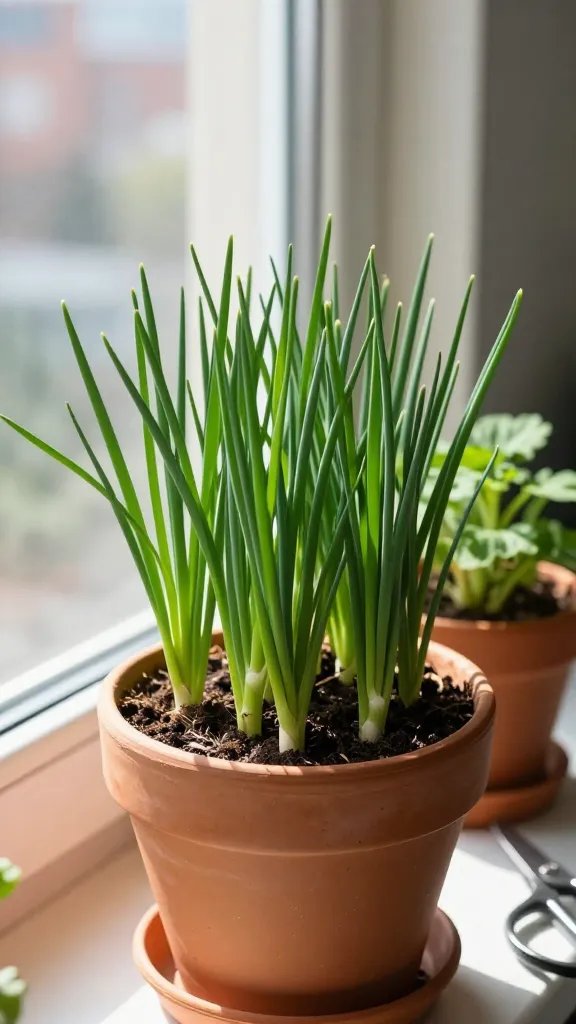
Chives are the low-maintenance roommate of herbs—always there, never dramatic. They tolerate less-than-perfect light, bounce back after cutting, and add instant oniony zip to everything. If you forget to water once, they’ll forgive you.
Set-Up Tips
- Light: 4–6 hours sun; they cope with bright indirect.
- Container: 6-inch pot; clumps fill in nicely.
- Water: Even moisture; let top inch dry between sips.
Snip with scissors 1 inch above the soil and they’ll regrow. Try garlic chives for a mellow, garlicky twist. Use in omelets, baked potatoes, and compound butter. They’re basically green confetti for savory dishes.
4. Salad Box Heroes: Cut-And-Come-Again Greens
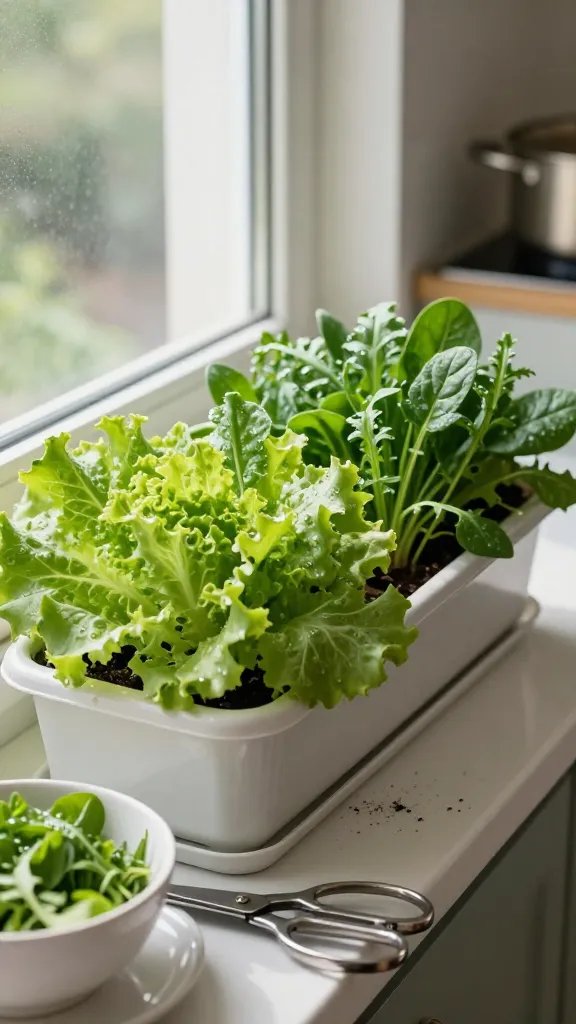
You don’t need a farm for fresh salad—just a slim planter and the right varieties. Lettuce mixes, spinach, and arugula thrive in shallow containers and keep producing after each haircut. Imagine snipping a bowl’s worth while the pasta water boils.
Best Compact Varieties
- Looseleaf lettuce: ‘Salad Bowl’, ‘Black-Seeded Simpson’
- Baby spinach: Fast and mild
- Arugula: Peppery, grows like a champ
How To Keep It Coming
- Use a 4–6 inch deep window box with drainage.
- Sow seeds thickly; harvest outer leaves at 3–4 inches.
- Reseed every 3–4 weeks for a steady salad cycle.
These greens prefer cooler windows and appreciate morning sun. Great for quick lunches, tacos, and “I need vitamins” moments.
5. Mini Marvels: Dwarf Peppers And Tiny Tomatoes
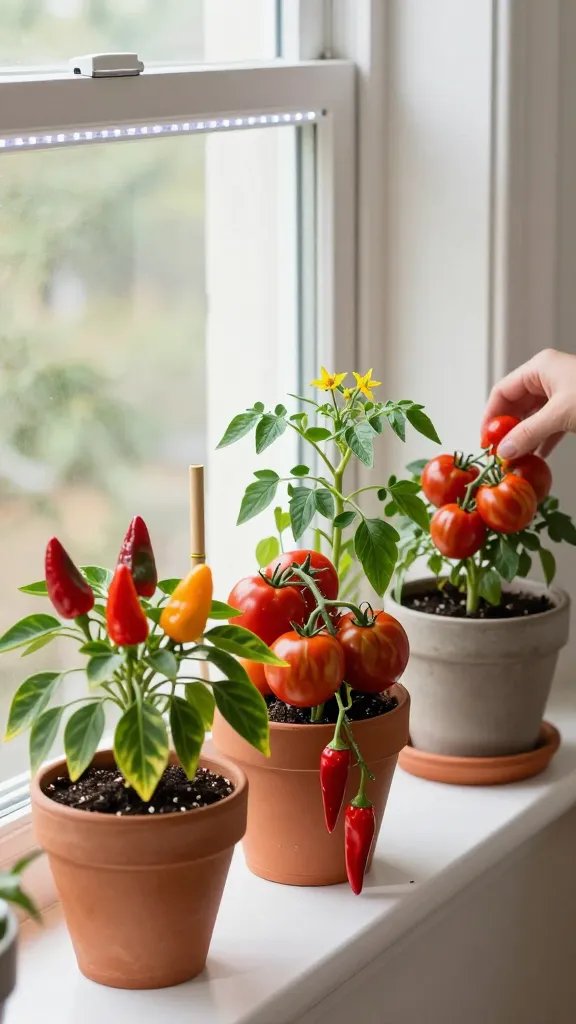
Yes, you can grow legit fruits on a windowsill. Dwarf peppers and micro-determinate tomatoes stay compact, look adorable, and kick out serious flavor. They do need strong light, but the payoff tastes like summer.
Top Space-Savers
- Peppers: ‘Fish’ (variegated leaves), ‘Thai Hot’, ‘Basket of Fire’
- Tomatoes: ‘Micro Tom’, ‘Tiny Tim’, ‘Red Robin’
Care Cheat Sheet
- Light: 8+ hours sun or a grow light 12–14 hours/day.
- Container: 1–2 gallon for peppers; 1 gallon for micro tomatoes.
- Pollination: Tap flowers gently or use a soft brush to move pollen.
- Feeding: Weekly diluted liquid fertilizer once flowering starts.
Pick fruits as soon as they color up to encourage more. Use them in salsas, mini skewers, and snack plates. FYI, nothing beats a homegrown tomato—even a tiny one.
Windowsill Setup Essentials
- Light matters most: South or west windows win. East works for greens and chives. North needs a grow light.
- Soil: Use a high-quality potting mix, not garden soil. Add perlite for drainage.
- Drainage: Every container needs holes and a saucer. No exceptions.
- Watering rhythm: Check moisture with your finger. Water when the top inch feels dry.
- Airflow: Crack a window or run a tiny fan to prevent mildew.
With this setup, you’ll keep plants happy and harvests rolling. Your windowsill becomes a tiny produce aisle you control.
Seeds vs. Starts
- Seeds: Cheaper, more variety, slightly slower start.
- Starts: Instant gratification, great for basil, peppers, and tomatoes.
Mix and match. Start microgreens from seed and grab a basil start to feel like a pro fast. Trust me, momentum helps.
Harvest Smarter, Not Harder
- Harvest in the morning for peak crispness and flavor.
- Use clean scissors to avoid plant damage and disease.
- Cut little and often—plants respond by producing more.
Regular harvesting keeps plants compact and productive. Your windowsill, your rules, your snack bar.
Flavor Combos That Slay
- Caprese-toast: Basil + microgreens + cherry tomatoes + mozzarella.
- Power bowl: Baby spinach + pea shoots + roasted chickpeas + lemon tahini.
- Spicy eggs: Chives + radish microgreens + mini pepper slivers.
You’ll cook more because the ingredients stare you in the face. That’s the point.
Common Oopsies To Dodge
- Overwatering: Yellow, floppy leaves = too much love.
- Starving light: Leggy plants = move closer to sun or add a light.
- No airflow: Damp leaves invite mildew. Keep a breeze going.
- Too-small pots: Stunted growth; size up for fruiting plants.
Fix these and your tiny garden will feel effortless. Most problems boil down to light and water—get those right and you’re golden.
Quick Gear List
- Shallow tray for microgreens
- 6–8 inch pots for herbs, 1–2 gallon for fruiting plants
- Potting mix + perlite
- Liquid fertilizer (balanced for greens, bloom formula for peppers/tomatoes)
- Small clip-on grow light if your window is meh
This minimal kit covers everything. You don’t need fancy stuff, just consistent care.
Ready to play plant Tetris on your sill? Start with one or two, taste the difference, then scale up. Your future self will brag about your “garden” during dinner like it’s no big deal—because it won’t be.