
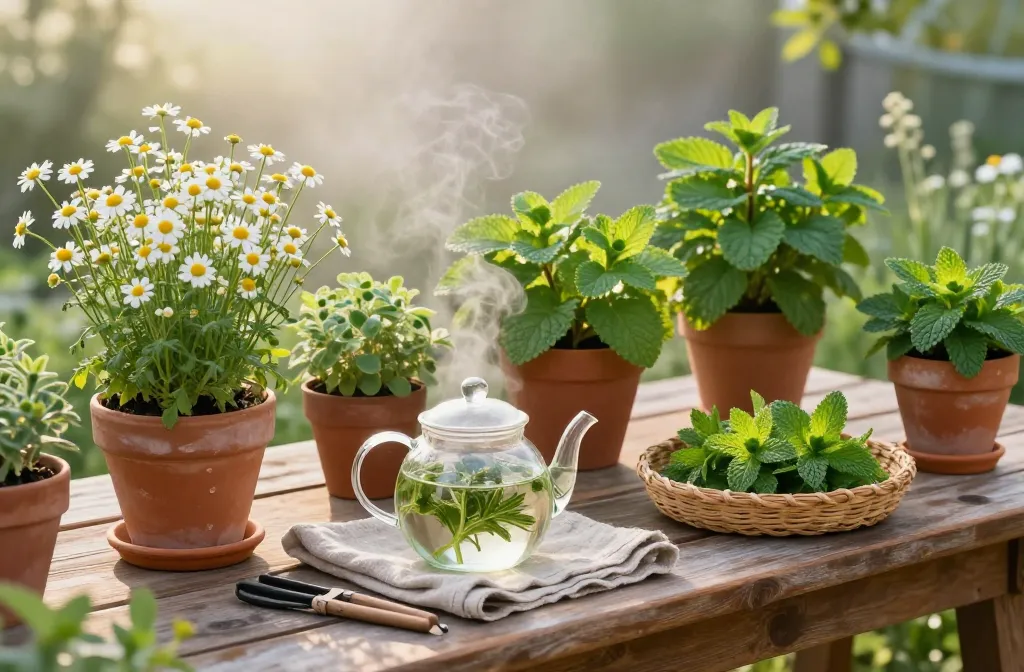
Put down the boxed tea. Your yard or windowsill can brew something way fresher, way tastier, and way more “OMG what is this?!” than store-bought. These five garden plans pack 15 powerhouse herbs that mix and match into dreamy tea blends. You’ll grow the classics, the florals, the zingers, and the calming crew—then sip like you own a cottagecore apothecary.
We’ll cover easy growing tips, flavor combos, and when to harvest for max aroma. You’ll also get blend ideas for day, night, and those “my throat hates me” moments. Ready to plant your personal tea menu?
1. The Classic Calm Crew: Chamomile, Lemon Balm, Peppermint
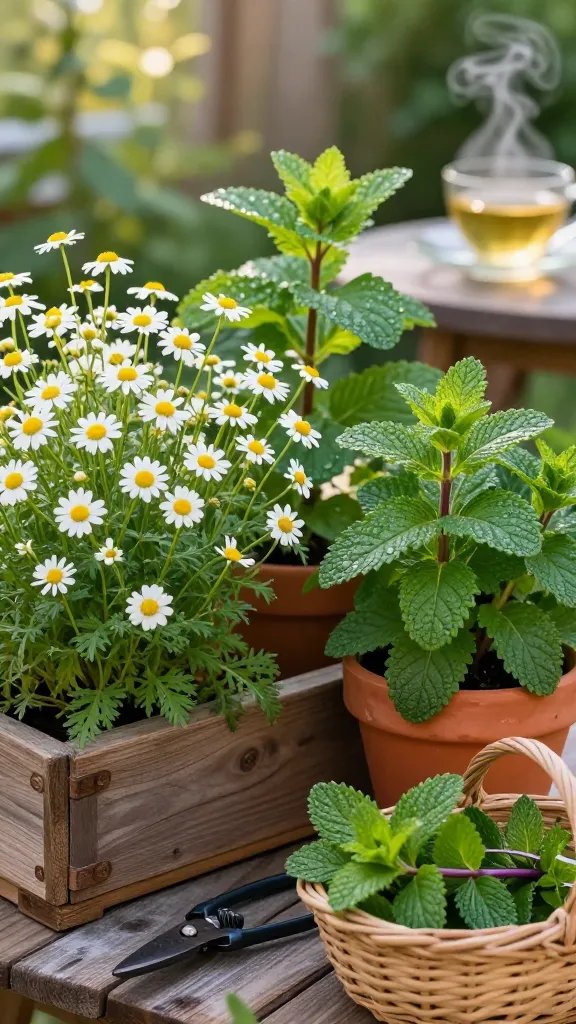
Start with the comfort trio that never lets you down. These herbs deliver mellow sweetness, citrusy lift, and cool, soothing mint. They grow fast, forgive neglect, and make a bedtime blend that knocks out stress like a warm hug.
Why This Trio Slaps
- Chamomile (Matricaria chamomilla): Apple-honey aroma, gentle on digestion, cute daisy-like flowers.
- Lemon Balm (Melissa officinalis): Bright lemony notes, mood-soother, spreads happily (contain it in a pot, FYI).
- Peppermint (Mentha x piperita): Tingly, cooling, great after meals; also invasive—keep it contained.
Growing Tips
- Light: Full sun to light shade.
- Soil: Well-draining, moderately fertile. Don’t over-fertilize mint—it loses flavor.
- Water: Keep evenly moist, especially in heat.
- Harvest: Pick chamomile flowers when the centers are domed; snip lemon balm and peppermint before flowering for peak oils.
Blend Ideas
- Sleepy Garden: 2 parts chamomile, 1 part lemon balm, 1 part peppermint.
- After-Dinner Soother: 2 parts peppermint, 1 part chamomile; add honey if you like.
Use this set for nightly wind-downs, upset stomachs, or anytime you want cozy without caffeine. Seriously, you’ll drink it on repeat.
2. The Citrus Sunshine Set: Lemon Verbena, Lemongrass, Lemon Thyme
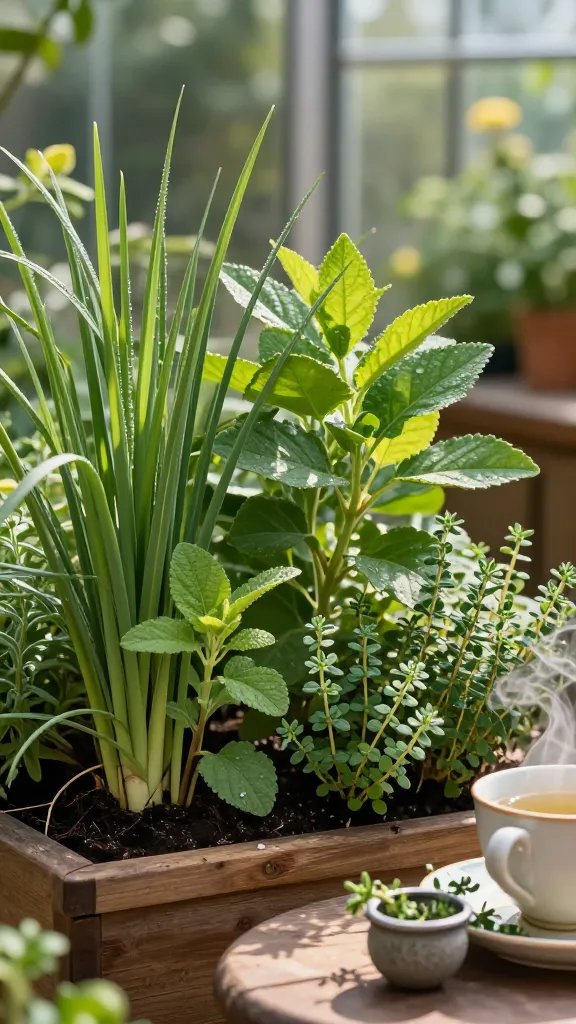
Love bright, zippy teas? Grow the lemon squad. These herbs bring clean citrus aromas without actual lemons, which means you can brew sunshine even in winter.
Meet the Zesters
- Lemon Verbena (Aloysia citrodora): Intense lemon perfume; queen of citrus herbs. Tender perennial—bring it indoors if winters bite.
- Lemongrass (Cymbopogon citratus): Smooth, herbal-lemon flavor; great hot or iced. Needs warmth and space.
- Lemon Thyme (Thymus x citriodorus): Subtle lemon with savory edge; adds complexity to blends.
Growing Tips
- Light: Full sun for all three.
- Soil: Well-draining; verbena likes slightly lean soil for more aroma.
- Water: Consistent for lemongrass; moderate for thyme; verbena likes regular but not soggy.
- Harvest: Morning, after dew dries. Strip verbena leaves gently; cut lemongrass stalks at base.
Blend Ideas
- Golden Afternoon: 2 parts lemon verbena, 1 part lemongrass, a pinch of lemon thyme.
- Summer Iced Tea: Brew lemongrass + lemon thyme strong, pour over ice, add a splash of fresh orange juice (optional).
Reach for this set when you need alertness without caffeine, a clean palate cleanser, or iced tea that tastes like vacation.
3. The Cozy Spice Garden: Tulsi (Holy Basil), Ginger, Cinnamon Basil
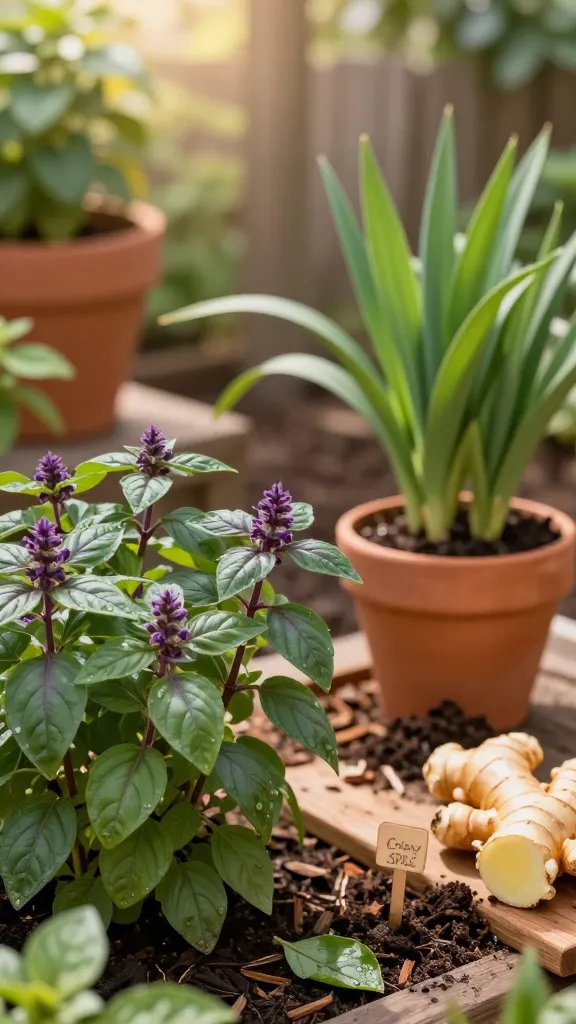
When you want warmth, spice, and depth, go here. These herbs deliver chai-adjacent vibes with zero tea leaves needed. You’ll get peppery sweetness, gentle heat, and a fragrant finish.
Spice All-Stars
- Tulsi (Ocimum tenuiflorum): Clove-and-basil aroma; uplifting and grounding. Grow like regular basil.
- Ginger (Zingiber officinale): Zesty, warming rhizomes; grows in pots in partial shade in cooler zones.
- Cinnamon Basil (Ocimum basilicum ‘Cinnamon’): Spicy-sweet basil note that plays well with tulsi.
Growing Tips
- Light: Full sun for basils; bright indirect to partial sun for ginger.
- Soil: Rich, well-draining; add compost for ginger.
- Water: Keep evenly moist; do not let ginger dry out fully.
- Harvest: Pinch tulsi/cinnamon basil regularly to prevent flowering; lift ginger rhizomes after leaves yellow.
Blend Ideas
- Back-Porch Chai: 2 parts tulsi, 1 part cinnamon basil, fresh ginger slices simmered 10 minutes.
- Cozy Cloud: Tulsi + ginger with a hit of honey and oat milk.
Use this set for chilly evenings, focus sessions, or when you want something that tastes like a hug in a mug. IMO, tulsi deserves a permanent spot on your windowsill.
4. The Floral Finesse Patch: Lavender, Rose, Calendula
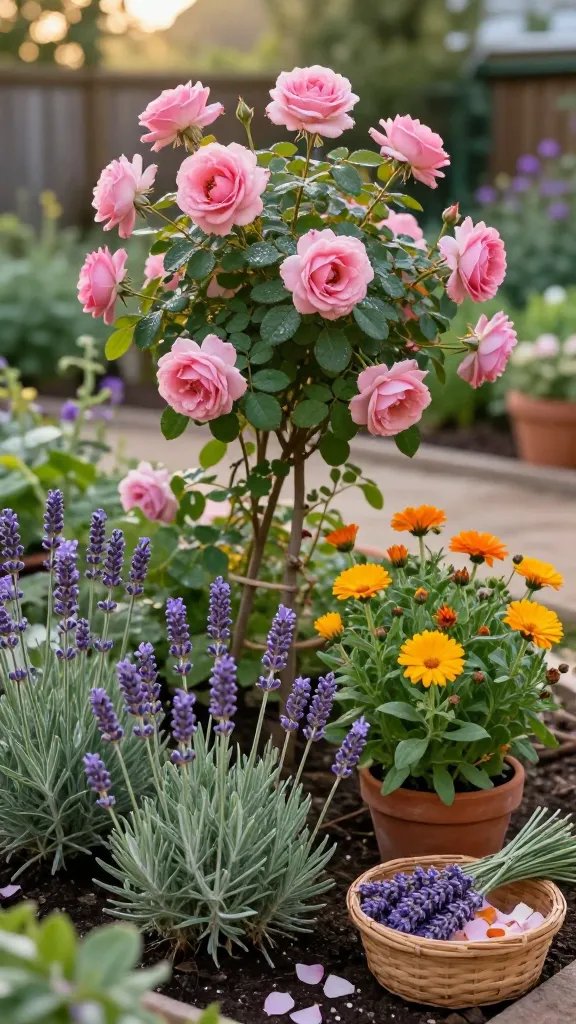
Florals in tea can taste like perfume if you overdo it. But done right? Elegant, soothing, and gorgeous. This trio builds body, aroma, and a touch of sweetness without sugar.
The Fragrance Crew
- Lavender (Lavandula angustifolia): Clean, calming, slightly camphorous. Use a light hand.
- Rose (Rosa spp., unsprayed): Petals add soft, romantic aroma; look for fragrant heirloom varieties.
- Calendula (Calendula officinalis): Mild, slightly earthy-honey flavor; adds golden color and body.
Growing Tips
- Light: Full sun for all.
- Soil: Lavender needs sharp drainage; raised beds or sandy mix help. Roses want rich soil; calendula tolerates average soil.
- Water: Deep but infrequent for lavender; regular for rose and calendula.
- Harvest: Pick lavender buds just before full open; rose petals early morning; calendula blooms when fully open.
Blend Ideas
- Bloom & Unwind: 1 part lavender, 2 parts rose, 2 parts calendula.
- Bedtime Bloom: Chamomile (from Section 1) + lavender + a whisper of rose.
Perfect for slow evenings, fancy brunch iced teas, or when you want your kitchen to smell like a spa. Keep lavender subtle so it doesn’t boss everyone around.
5. The Zing & Wellness Mix: Lemon Verbena (repeat), Spearmint, Echinacea, Fennel, Rosemary
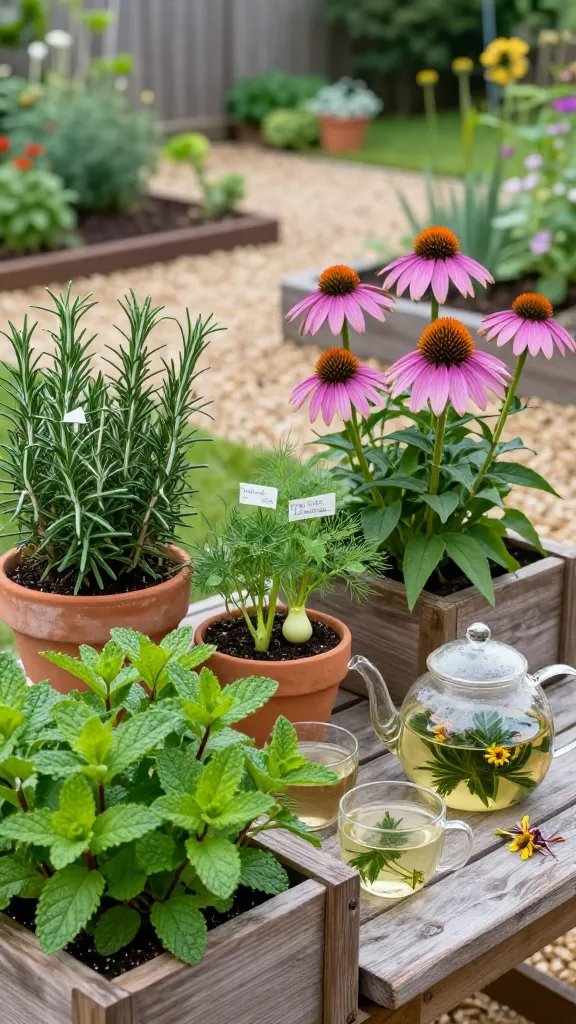
This is your “I want flavor and function” lineup. It brings sweet mint, anise-kissed warmth, resinous clarity, and supportive petals for those under-the-weather days. Plus, it powers refreshing iced blends that taste like a clean slate.
Heavy Hitters
- Spearmint (Mentha spicata): Softer than peppermint; sweeter and super refreshing.
- Echinacea (E. purpurea): Earthy petals and leaves; classic wellness vibe. Grow easily in sunny beds.
- Fennel (Foeniculum vulgare): Subtle anise; great digestive companion. Bronze varieties look stunning.
- Rosemary (Salvia rosmarinus): Piney, uplifting, and clarifying. Use sparingly in tea for a clean, herbal note.
- Lemon Verbena (again): It ties the whole flavor party together.
Growing Tips
- Light: Full sun for all of these.
- Soil: Well-draining; rosemary hates wet feet. Fennel prefers richer soil.
- Water: Moderate; let rosemary dry slightly between waterings.
- Harvest: Snip spearmint pre-flower; pick echinacea petals at peak bloom; collect fennel fronds young; harvest rosemary tips.
Blend Ideas
- Clarity Cooler: 2 parts spearmint, 1 part lemon verbena, tiny sprig rosemary. Brew, chill, add a lemon slice.
- Settle & Soothe: Spearmint + fennel + calendula for an after-meal helper.
- Under-the-Weather Cup: Echinacea petals + lemon verbena + ginger (from Section 3). Honey optional but delightful.
Use this set for focus, tummy relief, or your cold-season stash. Trust me, the spearmint-rosemary combo over ice tastes like a fresh start button.
How To Harvest, Dry, And Store Your Tea Herbs
- Harvest Timing: Morning, after dew dries. Leaves before flowering; flowers at just-opened peak.
- Drying: Spread in a single layer on screens or trays in a dark, airy spot. Or use a dehydrator on low (95–105°F/35–40°C).
- Storage: Keep in airtight jars away from light and heat. Label with name and date. Use within 9–12 months for best flavor.
- Brewing Basics: 1–2 teaspoons dried (or 1–3 tablespoons fresh) per 8 oz water. Steep 5–10 minutes covered. Adjust to taste.
Designing Your Tea Bed (Without Overthinking It)
- Containers: Corral spreaders like mint and lemon balm. Clay pots help prevent soggy roots.
- Sun Map: Put lavender, rosemary, lemongrass, and echinacea in the brightest spots. Shade-lovers like ginger can tuck behind taller plants.
- Succession: Stagger sowings of calendula and basil for steady harvests.
- Pollinator Bonus: Chamomile, calendula, echinacea, and thyme feed bees—aka free garden security.
Flavor Pairing Cheat Sheet
- Mint + Citrus: Refreshing and bright (spearmint + lemon verbena).
- Floral + Honeyed: Soft and cozy (chamomile + rose + calendula).
- Spice + Herb: Complex and warming (tulsi + ginger + cinnamon basil).
- Resin + Citrus: Crisp and modern (rosemary + lemon thyme).
Safety And Sensitivity Notes
- Go pesticide-free if you plan to drink your plants. Like, obviously.
- Try single-herb cups first to check for sensitivities.
- Pregnant or on meds? Check with a professional before heavy use of strong herbs.
There you go: five smart garden sets, 15 flavorful herbs, and a dozen ways to steep your happiness. Start with one section, plant a few favorites, and build your tea apothecary as you go. Your kettle’s about to get very busy—and your friends will absolutely ask for refills.