
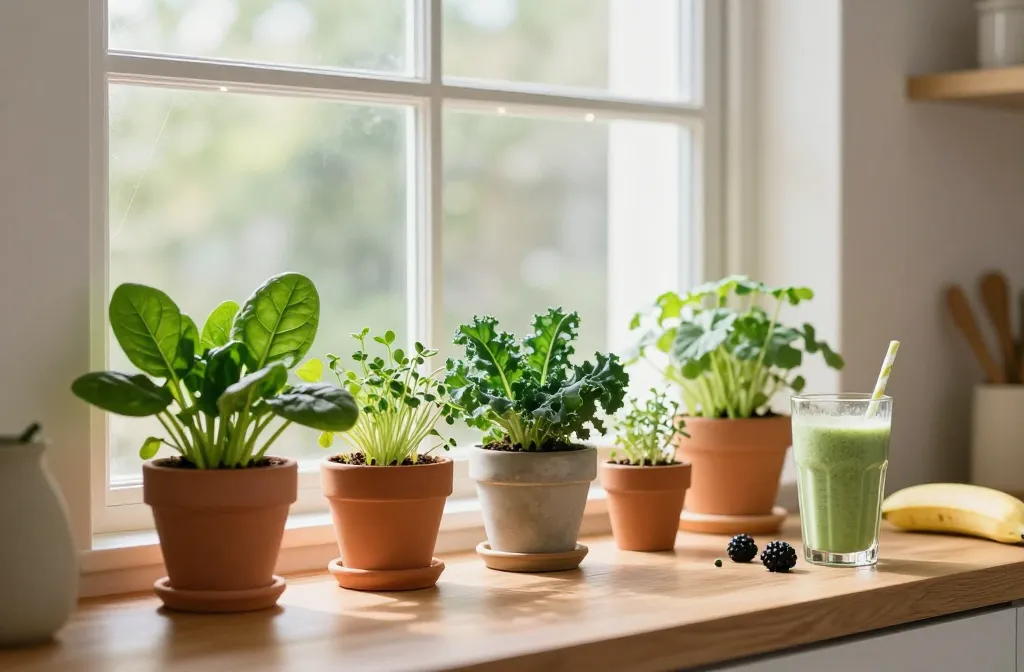
Craving smoother mornings and brighter skin without a grocery run? Build a mini smoothie garden right on your windowsill. These 12 greens pack serious nutrients, grow fast indoors, and taste great blended. Grab a few pots, a cheap grow light, and let your blender do the flexing.
1. Spinach That Actually Stays Fresh
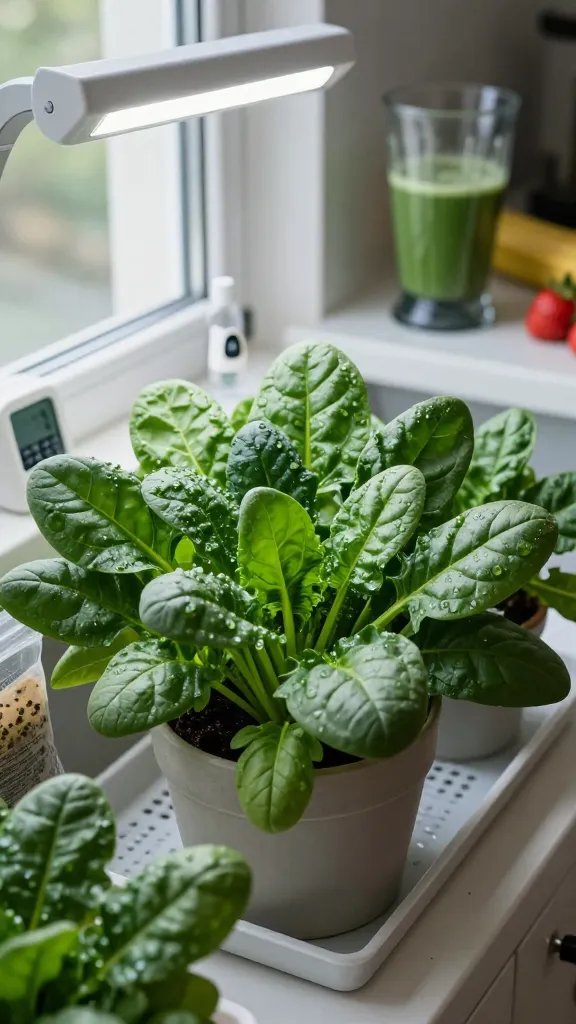
Spinach wins for iron, folate, and mild flavor that disappears in fruit smoothies. It grows fast in small containers and loves cool indoor temps. You’ll harvest baby leaves in weeks and avoid those sad, slimy bagged greens.
Quick Setup
- Container: 6–8 inch pot or a shallow tray with drainage
- Light: Bright window or 12–14 hours under LED grow light
- Soil: Loose, well-draining mix; keep evenly moist
Harvest outer leaves as they reach 3–4 inches. This keeps the plant productive and your blender happy.
Flavor + Nutrition Notes
- Mild, almost sweet; pairs with banana, mango, berries
- Rich in iron, lutein, and vitamin K
Use it when you want invisible greens with zero bitterness. Great for kids and picky palates, seriously.
2. Kale That Doesn’t Taste Like Lawn Clippings
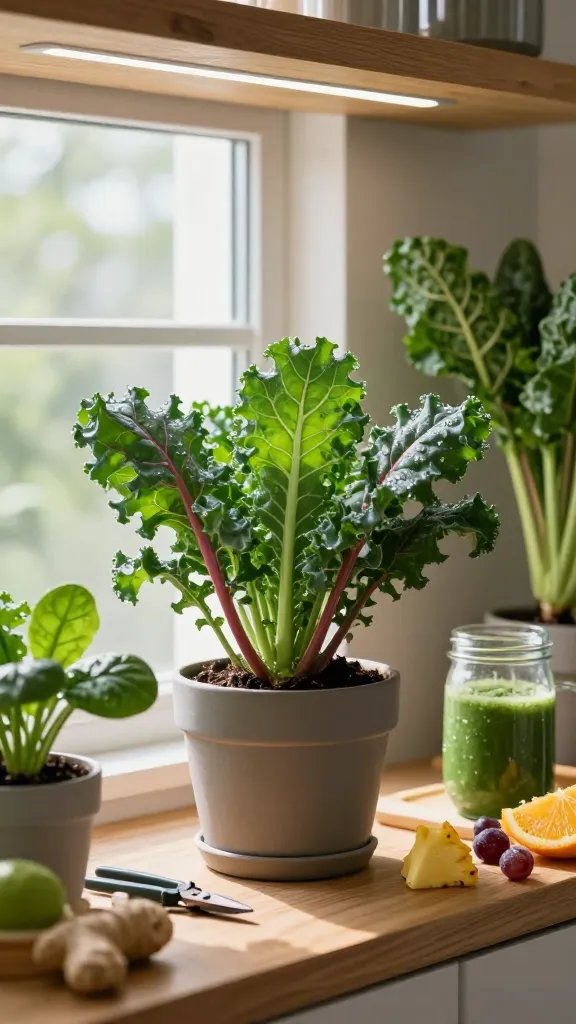
Kale brings big nutrients—vitamins A, C, K, plus antioxidants. The trick? Grow baby kale indoors. It tastes tender, blends smooth, and keeps going under lights.
Grow Tips
- Varieties: Lacinato (dino) or Red Russian for softer leaves
- Spacing: 6 inches between plants in a 10–12 inch pot
- Light: 12–16 hours under LEDs for sturdy growth
Snip baby leaves at 3–5 inches. The plant rebounds fast, so you get constant smoothies.
Blend Pairings
- Balance with pineapple, orange, or frozen grapes
- Add ginger or lemon to cut any earthy note
Reach for kale when you want a nutrition bump without buying a whole bunch. FYI, baby kale is legit delicious.
3. Swiss Chard, the Colorful All-Rounder
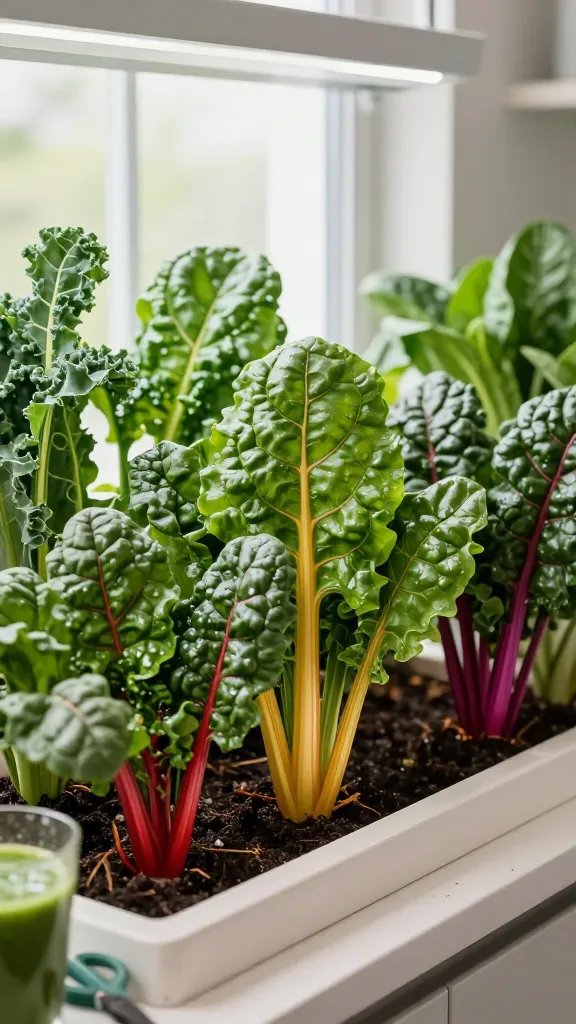
Swiss chard looks fancy and tastes mild, especially as baby leaves. It grows well in cooler rooms and handles light fluctuations better than some greens.
Setup + Care
- Container: 8–10 inch pot or wide window box
- Light: Bright indirect; supplement with 12 hours of LED if needed
- Water: Keep evenly moist; don’t let it dry out completely
Harvest outer leaves as they mature and let the center keep producing. The stems add color and crunch to non-smoothie meals too.
Why It Rocks
- High in magnesium, potassium, and vitamin A
- Softer flavor than kale, sturdier than spinach
Use chard when you need a gentle green that won’t wilt mentally after one harvest.
4. Romaine Hearts for a Crisp, Hydrating Blend
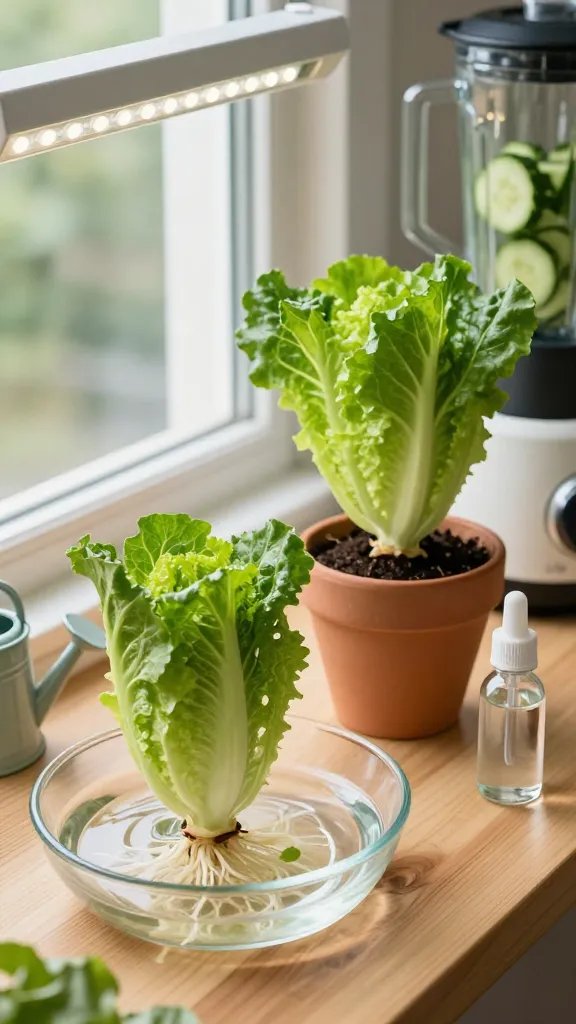
Romaine in a smoothie? Absolutely. It adds water content and a subtle sweetness, perfect for lighter blends and post-workout sips.
Easy Grow Method
- Start from stump: Place the base of a romaine head in shallow water until roots form, then pot
- Light: Bright window; 10–12 hours of supplemental light helps
- Feed: Light liquid fertilizer every 2 weeks
Harvest the outer leaves and let the center keep growing. Not the most nutrient-dense of the bunch, but it hydrates like a champ.
Blend Ideas
- Cucumber, apple, lime, mint for a spa-level smoothie
- Peach, basil, and coconut water for summer vibes
Use romaine when you want refreshing blends that feel clean and bright. Think glow-up for your morning routine.
5. Microgreens That Pack a Punch
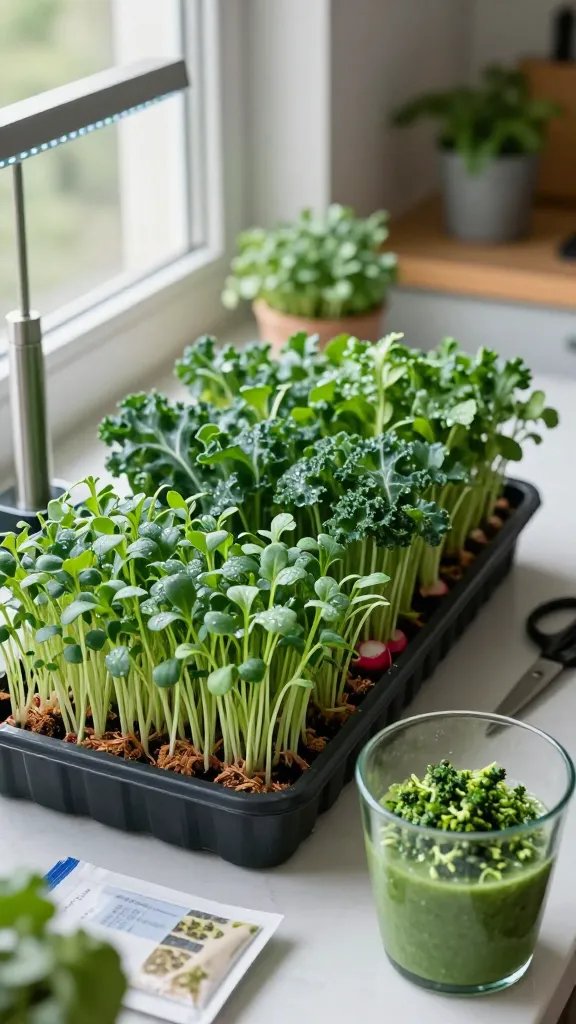
Microgreens like broccoli, kale, and radish deliver concentrated nutrients in tiny leaves. They grow in a week or two indoors with minimal space. For smoothies, broccoli microgreens are the MVP.
How to Grow
- Tray: Shallow microgreen tray with drainage
- Medium: Coconut coir or seed-starting mix
- Method: Sow dense, mist, cover for 2–3 days, then give bright light
Harvest at 1–2 inches with scissors. They’re delicate but powerful, so don’t skip them.
Nutrient Highlights
- Broccoli micros: high in sulforaphane precursors
- Radish micros: spicy kick + vitamin C
Toss a small handful into fruit-heavy blends for a stealth health upgrade.
6. Butterhead Lettuce for Silky Texture
Butterhead (like Bibb) makes smoothies silky without bitterness. It’s mild, tender, and grows beautifully indoors if you keep it cool.
Indoor Basics
- Container: 6–8 inch pot per plant
- Light: 12–14 hours of LED or a very bright window
- Temperature: 60–70°F to prevent bolting
Harvest entire heads or pull outer leaves for weeks. It brings a dreamy texture that turns any smoothie luxe.
Flavor Pairings
- Kiwi, pear, and lime for bright greens
- Banana and vanilla for a faux milkshake vibe
Use when you want creaminess without dairy or avocado. IMO, it’s underrated perfection.
7. Beet Greens You Usually Throw Away
Beet greens deliver vitamin A, iron, and a touch of earthiness that plays well with citrus. Grow baby beet greens just for the leaves, or use tops from beets you buy.
Growing Notes
- Container: Wide tray for dense sowing; thin seedlings for airflow
- Light: 12–14 hours for sturdy foliage
- Water: Keep moist, not soggy
Harvest when leaves reach 3–5 inches. Younger leaves taste milder and blend smoother.
Blend Combos
- Orange, pineapple, and ginger to brighten the earthy notes
- Strawberry and lemon for a tangy twist
Use beet greens when you want a colorful nutrient boost and less bitterness than mature kale.
8. Parsley for Detox Vibes and Freshness
Parsley brings vitamin C, vitamin K, and a bright, herby flavor that wakes up any smoothie. It also helps cut the sweetness of fruit-heavy blends.
Care Basics
- Container: 6–8 inch pot; likes room for roots
- Light: Strong window or 12+ hours LED
- Harvest: Snip stems from the outer edge to encourage new growth
Flat-leaf parsley blends easier than curly. Add a small handful so it doesn’t dominate.
Best Pairings
- Cucumber, green apple, lemon, and mint
- Pineapple, coconut water, and lime
Use parsley when your smoothie tastes too sweet and needs a fresh reset. Trust me, it’s a game-changer.
9. Cilantro for a Zesty Green Kick
Cilantro adds a bright, citrusy pop and extra antioxidants. If you love salsa, you’ll probably love this in a smoothie with the right fruit.
Growing Cilantro Indoors
- Container: 8–10 inch pot, sow thickly for cut-and-come-again
- Light: 12–14 hours LED to prevent leggy growth
- Temperature: Cooler is better; it bolts in heat
Harvest leaves often to keep it from flowering. A small bunch will transform the flavor of your blend.
Blend Pairings
- Mango, orange, and lime for a tropical lift
- Cucumber, pear, and ginger for spa-day vibes
Use cilantro when you want brightness and a little edge. If it tastes soapy to you, skip and double down on parsley.
10. Mint for Cool, Dessert-Like Smoothies
Mint turns any smoothie into a refreshing treat. It’s easy indoors and spreads fast, so give it its own pot unless you want a mint takeover.
Grow It Right
- Container: 6–8 inch pot, solo plant
- Light: Bright indirect; handles shadier spots better than most greens
- Water: Keep consistently moist
Pinch tips to encourage bushiness and prevent lanky stems. Use fresh sprigs—just a few go a long way.
Blend Combos
- Banana, cacao nibs, almond milk—hello, mint-choco smoothie
- Pineapple, spinach, and lime for a mojito moment
Use mint when your smoothie needs a cool finish and a little wow factor.
11. Wheatgrass for the Hardcore Health Kick
Wheatgrass isn’t subtle, but it’s a nutrient-dense classic packed with chlorophyll. You can juice it or blend a small amount into smoothies.
Simple Micro-Tray Method
- Soak wheat berries overnight
- Sow thickly on moistened soil in a shallow tray
- Keep covered for 2–3 days, then give bright light until 6–7 inches tall
Harvest with scissors, then juice or blend with strong flavors to balance the grassy taste.
Taste + Pairings
- Blend with pineapple, lemon, and ginger
- Keep portions small—about 1–2 tablespoons of juice per smoothie
Use wheatgrass when you want a strong wellness boost and don’t mind a bold, green flavor.
12. Arugula for Peppery Sophistication
Arugula brings a peppery bite and a big helping of nitrates that support circulation. Grown as baby greens, it’s less intense and blends beautifully.
Indoor Growing
- Container: Wide planter, sow densely
- Light: 10–12 hours; too much heat increases bitterness
- Water: Keep moist for tender leaves
Harvest at 2–4 inches for milder flavor. Mature leaves get spicy—fun in salads, loud in smoothies.
Blend Pairings
- Pear, lemon, and cucumber for crisp balance
- Kiwi, pineapple, and mint for a sweet-peppery mix
Use arugula when you crave a grown-up green that wakes up your taste buds.
1. Light, Water, Repeat: The Indoor Greenhouse Vibe
You don’t need a greenhouse—just consistent light and water. Most greens want 12–14 hours of bright LED light and steady moisture with good drainage. No overwatering drama, please.
Key Points
- Lights: Full-spectrum LED strips or panels, 8–12 inches above plants
- Schedule: Cheap outlet timer for consistency
- Watering: Finger test—top 1 inch should feel slightly damp, not soggy
- Airflow: Small fan prevents mold and strengthens stems
Dial in the environment once, and your greens practically grow themselves. Then you just harvest and blend.
2. Soil vs. Water: Pick Your Growing Style
Soil works great, but hydroponics can take your indoor garden to cruise control. Both methods grow clean, fast greens for smoothies.
Options
- Potting Mix: Affordable, forgiving, easy to refresh
- Kratky Hydroponics: No pump; jar + nutrients + net cup, low effort
- Small DWC System: Air pump for faster growth and bigger leaves
Hydro shines for lettuce, basil, and chard. Soil suits kale, spinach, and herbs without fuss.
Supplies
- pH test kit and hydro nutrients if going soilless
- Organic potting mix with perlite for containers
Choose what matches your vibe: clean jars on a shelf or earthy pots by the window. Both make delicious green gold.
3. Harvest Like a Chef, Not a Lumberjack
Technique matters. Cut-and-come-again harvesting keeps plants pumping out fresh leaves for weeks.
How To Harvest
- Remove outer leaves first, leave the center intact
- Use sharp scissors to prevent tearing
- Harvest in the morning for best texture and flavor
Wash, spin dry, and stash in airtight containers with a paper towel. Your greens will stay crisp and blend better.
Batching Tips
- Pre-portion smoothie packs and freeze fruit separately
- Keep herbs fresh by standing stems in a jar of water
Good technique equals more yield and less waste. Your wallet and blender both win.
4. Taste Tricks: Make Every Smoothie Crave-Worthy
Greens carry flavor, so balance them like a barista balances espresso. Sweet, sour, creamy, and aromatic—hit at least two.
Fail-Safe Formula
- Base: 1 cup liquid (water, coconut water, oat milk)
- Fruit: 1–1.5 cups frozen fruit
- Greens: 1–2 cups fresh or 1 cup microgreens
- Boost: 1–2 add-ins (chia, hemp, ginger, lemon)
When in doubt, add citrus. Lemon or lime brightens earthy greens instantly.
Flavor Pairing Cheat Sheet
- Spinach + mango + pineapple + lime
- Kale + banana + peanut butter + cocoa
- Parsley + cucumber + green apple + mint
- Arugula + pear + ginger + lemon
Balance makes green smoothies taste like a treat, not a chore. You’ll actually look forward to them—wild concept.
5. Troubleshooting: Keep Your Indoor Jungle Happy
Wilting? Leggy stems? Yellow leaves? Don’t panic—we can fix it quickly.
Common Issues
- Leggy Growth: Not enough light; lower the lamp or extend hours
- Yellow Leaves: Overwatering or low nitrogen; ease up and feed lightly
- Bitter Leaves: Too much heat or age; harvest younger, keep cooler
- Mold on Soil: Improve airflow and let the top layer dry slightly
For hydro setups, check pH weekly and keep water temps cool. Clean equipment between cycles to avoid funk.
Quick Wins
- Add a cheap clip-on fan
- Use a timer for lights and a reminder for watering
- Rotate pots weekly for even growth
Small tweaks keep your greens lush and your smoothies consistently awesome. Low effort, high payoff.
You got this. Start with two or three greens, add a grow light, and build your smoothie garden one pot at a time. Your future self—glowing skin, steady energy, smug grocery bill—will thank you.