
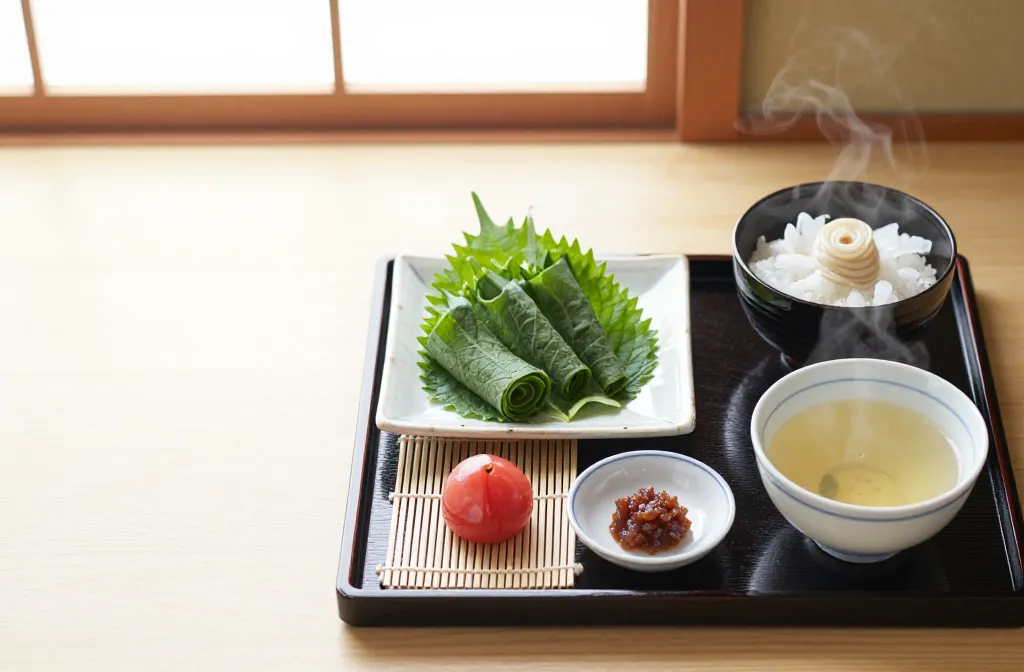
Craving big flavor without complicated techniques? Japanese herbs bring clean, vibrant notes that make everyday dishes sing. We’re talking citrusy pops, peppery heat, and foresty aromas that transform simple rice, tofu, or fish into something you’ll brag about. Ready to unlock the good stuff fast? Let’s pair classics the smart way and cook like you’ve got a tiny Kyoto grandma whispering tips over your shoulder.
1. Shiso + Ume: The Bright-and-Tangy Power Couple

Meet the duo that screams summer: shiso (perilla) and ume (pickled plum). Shiso brings mint-basil-anise vibes, while ume delivers mouthwatering tang and a salty punch. Together, they turn bland into bold without trying too hard.
Why It Works
- Shiso’s herbal freshness tames ume’s briny acidity.
- Ume wakes up shiso’s aroma, especially in cold dishes.
- Both cut through fatty foods like a katana through butter.
Try it with cold somen or udon: slice shiso into ribbons, whisk a bit of ume paste into the dipping sauce, and garnish. Or use the combo to upgrade tuna onigiri—mix ume paste into the rice and tuck in a shiso leaf for a fragrant bite.
Quick Tips
- Stack shiso leaves, roll, and chiffonade for delicate ribbons.
- Use a pea-sized dab of ume paste per bowl; a little goes far.
- Balance with neutral sides like tofu or cucumber.
Use this pairing whenever a dish tastes heavy or flat. It adds brightness that feels restaurant-level, IMO.
2. Yuzu + Mitsuba: Citrus Spark Meets Forest Fresh

Want a dish that tastes like a cool morning in a cedar grove? Pair yuzu (Japanese citrus) with mitsuba (Japanese wild parsley). Yuzu delivers floral-lemon zest, while mitsuba gives a parsley-celery aroma that feels clean and elegant.
Best Uses
- Clear soups (osuimono) with mushrooms or clams
- Light chicken dishes and chawanmushi (savory egg custard)
- Sashimi dressings or ponzu dips
Finish a simple dashi soup with a few drops of yuzu juice or a pinch of zest and a scatter of chopped mitsuba. The aroma hits first, then a gentle citrus lift. It’s subtle, but you’ll notice the “oh-wow” factor.
Tips for Punch Without Overkill
- Add yuzu at the end to preserve aroma.
- Use mitsuba raw or barely wilted; long cooking mutes it.
- Can’t find fresh yuzu? Use bottled yuzu juice sparingly or try a 2:1 lemon-to-grapefruit mix, FYI.
When you want delicate elegance—like “quiet luxury” but edible—this pairing nails it.
3. Sansho + Fatty Fish: Electric Citrus Pepper for Bold Bites
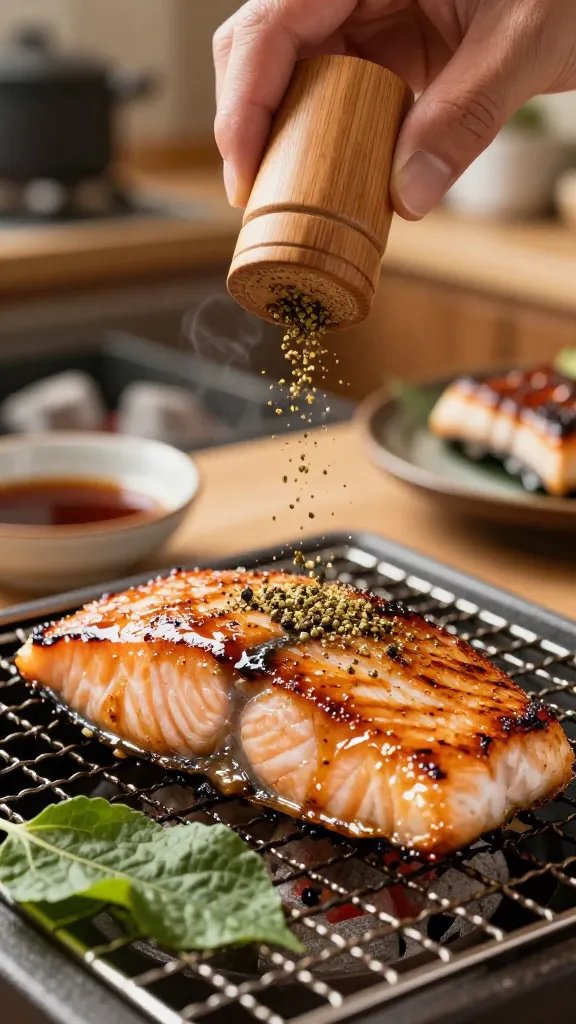
Craving something daring? Sansho (Japanese pepper) brings a lemony, tingly heat that wakes up the tongue—think cousin to Sichuan pepper, but brighter. It loves oily cuts like mackerel, eel, salmon belly, and duck.
Flavor Strategy
- Use sansho to cut through richness and add sparkle.
- Pair with sweet-savory glazes—teriyaki, miso, or tare.
- Finish, don’t cook it out—heat dulls its zing.
Grill salmon with a miso glaze, then dust with ground sansho just before serving. Or, for unagi (eel), sprinkle a pinch over the tare-glazed fillet. The tingle keeps every bite exciting—seriously, it’s addictive.
Buying & Using
- Choose bright-green powdered sansho; stale brown equals sad flavor.
- Start tiny: 1/8 teaspoon per serving. You can always add more.
- For a home-version of yakitori duck skewers, finish with sansho and lemon zest.
Use this when a dish feels heavy. It brings spark and a citrus echo that resets your palate between bites.
4. Ginger + Negi: The Dynamic Heat-and-Savory Duo

When you need reliable comfort with a kick, go for ginger and negi (Japanese long onion). Ginger adds warm, zippy heat; negi brings mellow onion sweetness that caramelizes beautifully. Together they make proteins taste juicier and broths feel cozier.
Everyday Winners
- Ginger-negi soba dipping sauce with a splash of soy and mirin
- Tofu stir-fries with sesame oil and a final shower of sliced negi
- Ginger pork (shogayaki): grate ginger into the sauce, add sliced negi at the end
For shogayaki, marinate thin pork slices in soy, mirin, sake, and grated ginger. Sear fast, toss in a pile of sliced negi, and let it wilt. Serve with rice and pickles and accept compliments graciously.
Technique Notes
- Grate ginger for sauces; julienne for stir-fries where you want bites of heat.
- Use the white part of negi for cooking, green part for garnish.
- Balance salt with a hint of sweetness—mirin or a pinch of sugar.
Lean on this combo whenever you want fast weeknight flavor that tastes like you tried harder than you did. Trust me, it’s a keeper.
5. Shichimi Togarashi + Citrus Zest: Crunchy Heat With a Fresh Twist

Want instant upgrade energy? Shichimi togarashi (seven-spice blend) brings chili heat, sesame nuttiness, orange peel brightness, and a whisper of nori. Add fresh citrus zest—yuzu, sudachi, or even lemon—and you hit crunchy, spicy, fragrant nirvana.
What to Sprinkle It On
- Rice bowls, yakitori, karaage, tempura
- Noodle soups and brothy bowls
- Avocado toast (not traditional, but delicious)
Make a quick noodle topper: toast sesame seeds, mix with shichimi, and finish with microplaned citrus zest. Sprinkle over hot udon and watch it come alive. The zest adds a fresh top note that canned togarashi loses over time.
Pro Moves
- Bloom shichimi briefly in warm oil for dressings.
- Buy small packs; spices fade fast.
- Pair with mayo for a spicy-citrus dip—killer with sweet potato fries.
Use this when a dish needs texture and a little chaos. It’s the fast path from “fine” to “whoa.”
Bonus Pairings To Explore (If You’re Feeling Extra)
- Shiso + Cucumber: Refreshing salads; add rice vinegar and sesame.
- Mitsuba + Shiitake: Earthy-herbal soup toppers.
- Ginger + Daikon: Grated daikon with ginger for tempura dipping.
These aren’t essential today, but they play nicely with the five headliners above.
Shopping & Substitution Cheat Sheet
- Shiso: Look for perky leaves; sub with a mix of basil + mint if needed.
- Ume Paste: Found near pickles; sub with tart plum jam + salt (light touch).
- Yuzu: Bottled juice works; lemon + grapefruit is a decent stand-in.
- Mitsuba: Sub with a mix of flat-leaf parsley + celery leaves.
- Sansho: Japanese markets or online; do not replace with black pepper (not the same).
- Negi: Use leek whites or large scallions as backups.
- Shichimi Togarashi: Any brand is fine; check freshness date.
Serving Ideas To Make It Stick
- Breakfast: Rice bowl with ume-shiso and a soft egg.
- Lunch: Soba with yuzu-mitsuba broth and mushrooms.
- Dinner: Miso-glazed salmon finished with sansho; cucumber salad on the side.
- Snack: Popcorn with shichimi togarashi and lemon zest—don’t knock it till you try it.
Ready to play matchmaker in your kitchen? These pairings prove herbs aren’t just garnish—they’re the main event. Start with one, taste the transformation, then stack combos like a flavor DJ. Your weeknight meals won’t know what hit them.