
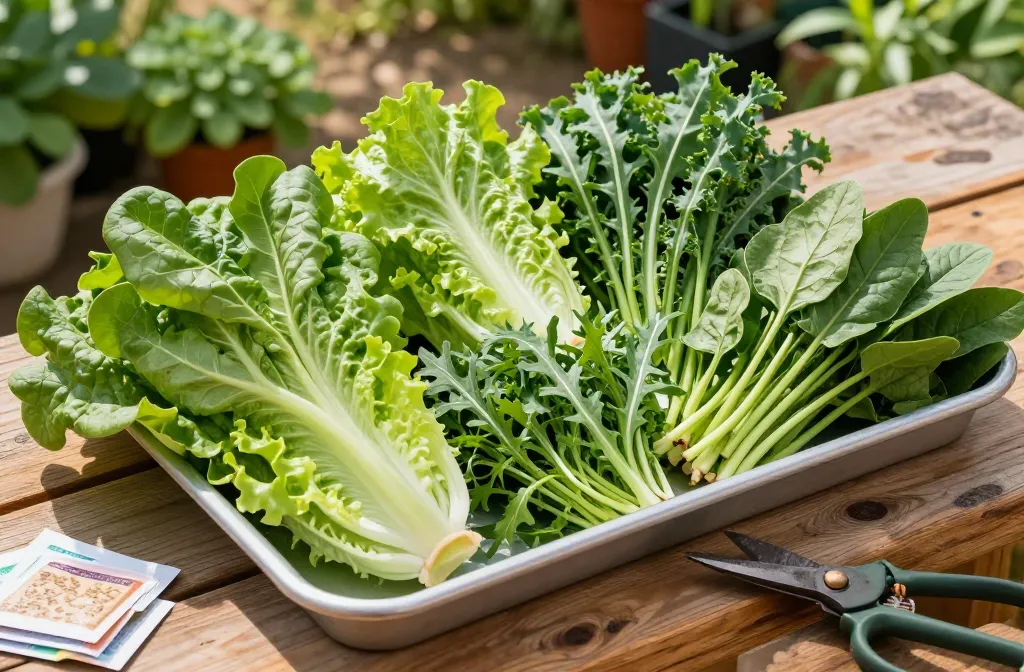
Want salads on repeat without replanting every week? These “cut and come again” greens regrow after you snip them, so you get a buffet that refills itself. They grow fast, taste amazing, and fit gardens, balconies, or even a sunny windowsill. Ready to harvest like a pro with minimal effort? Let’s raid the leafy treasure chest.
1. Baby Leaf Lettuce Mixes That Never Quit
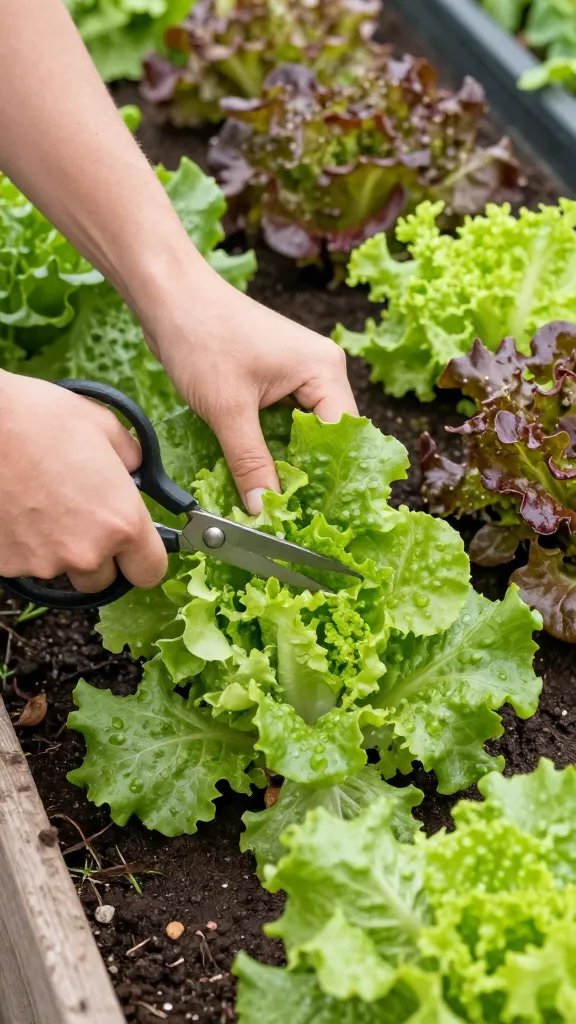
Baby leaf mixes deliver color, crunch, and speed. Snip the leaves above the crown, and they bounce back like nothing happened. You can go from seed to salad in under a month, which feels borderline magic.
Why It’s Awesome
- Fast turnaround: 25–35 days to first cut.
- Endless variety: Oakleaf, romaine, butterhead—mix for flavor and texture.
- Heat and cold options: Choose blends labeled for your season.
Scatter seeds thickly in a tray or bed, keep soil moist, and harvest when leaves hit 3–5 inches. Cut about an inch above the crown so plants keep their regrowth engine intact. Great for salad bases, wraps, and topping literally everything.
2. Arugula That Bites Back (In A Good Way)
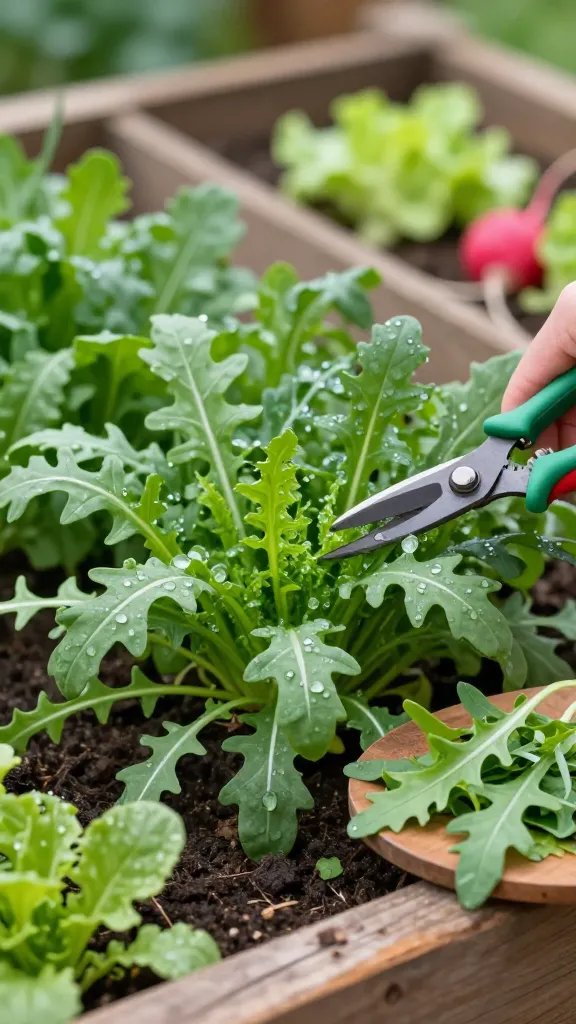
Arugula gives you peppery zing that wakes up any plate. It thrives in cool weather and regrows fast after each haircut. Plus, it looks fancy for something so low effort—IMO, a win.
Tips
- Speed: First harvest in 21–28 days.
- Flavor control: Cool temps = milder leaves; heat = extra peppery.
- Cut choice: Take outer leaves or shear the whole patch above the crown.
Succession sow every 2–3 weeks for a steady supply. Use it for salads, pesto, pizzas, and quick sautés. Perfect when you want a spicy bite without committing to mustard-level heat.
3. Spinach That Just Keeps Giving
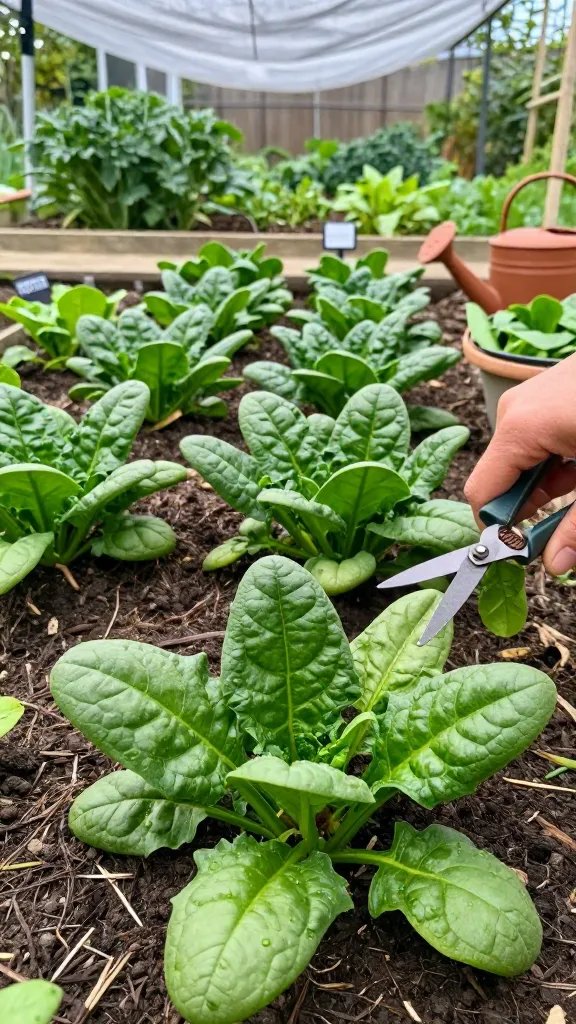
Spinach behaves like the overachiever of the cool season. Harvest outer leaves and the center keeps pumping out fresh ones. You’ll wonder why you ever bought sad bagged spinach.
Key Points
- Best season: Spring and fall; bolts in heat.
- Spacing: Give plants room—6 inches apart is comfy.
- Harvest style: Pick-and-come-again from the outside in.
Keep soil consistently moist and use a little shade in warm spells to delay bolting. Use baby leaves in salads and bigger ones in sautés and soups. Ideal for nutrient-dense meals without fuss.
4. Swiss Chard: The Rainbow Workhorse
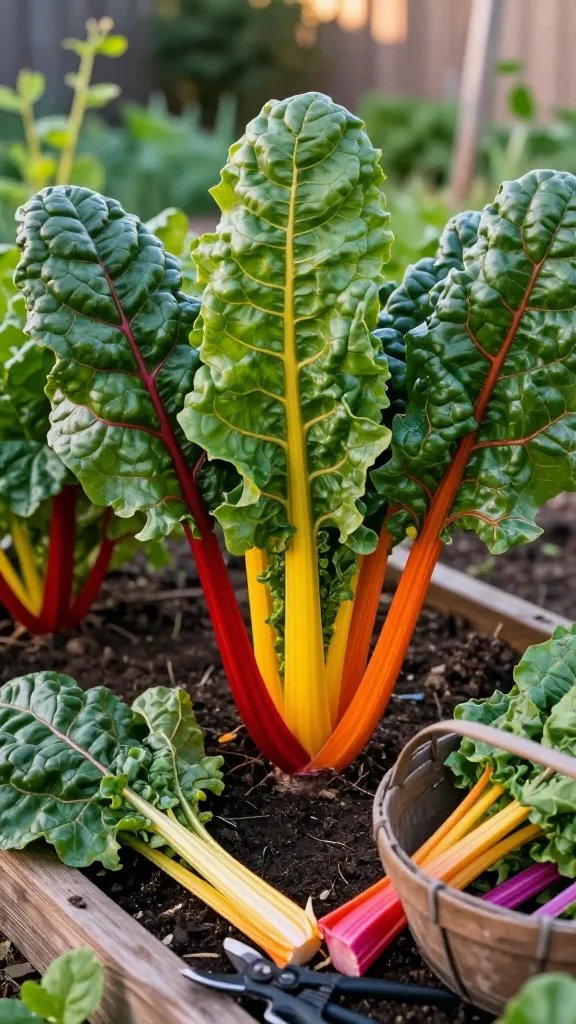
Swiss chard laughs at neglect and keeps you in greens for months. The colorful stems make your garden look like a party, and it handles heat better than spinach. It’s the friend who shows up and brings snacks.
Why Grow It
- Heat tolerant and long-lasting.
- Multiple harvests: Continuous picking from outer leaves.
- Edible stems: Crunchy, sweet, and pretty.
Cut mature outer leaves and leave the center intact. Chard shines in sautés, soups, and frittatas, and it holds texture better than spinach. Great for gardeners who want a reliable, nearly year-round producer.
5. Kale: The Comeback King
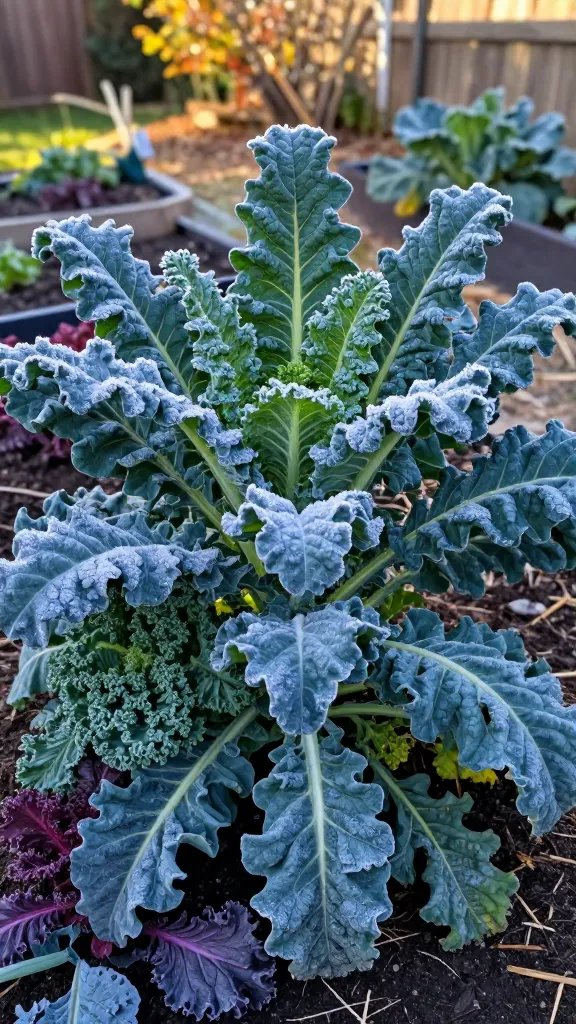
Kale can shrug off frost, heat (to a point), and you forgetting to water once. Harvest the lower leaves and watch it turn into a leafy palm tree. It’s ridiculously productive and super forgiving—seriously, it’s hard to mess up.
Best Varieties
- Lacinato (Dinosaur): Tender, great for sautéing.
- Curly Kale: Classic crunch for salads and chips.
- Red Russian: Pretty and fast-growing.
Plant in spring or fall, feed with compost, and keep picking weekly. Kale sweetens after a light frost, which is your cue to make the best salads and soups of the season. Perfect for smoothies, chips, and “I’m being healthy” moments.
6. Mizuna: The Frilly, Mild Mustard
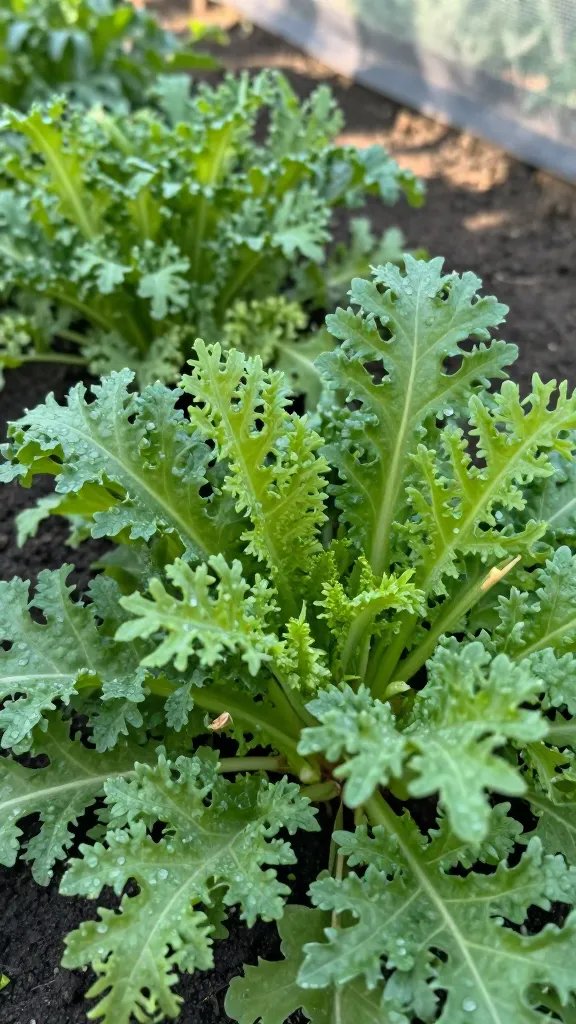
Mizuna brings feathery texture and subtle mustard flavor without overpowering your bowl. It’s a cool-season champ that regrows after cuts like it’s on a mission. You’ll get that restaurant-level “fancy salad” look with zero drama.
Tips For Success
- Plant densely for baby leaves, wider for full-size.
- Harvest fast: 20–30 days for baby greens.
- Shade helps: A little shade in warm weather keeps it from bolting.
Snip-and-come-again or pluck outer leaves for constant growth. Use mizuna in salads, ramen, stir-fries, or as a sandwich layer. Great when you want gentle bite and lots of texture.
7. Mustard Greens With Personality
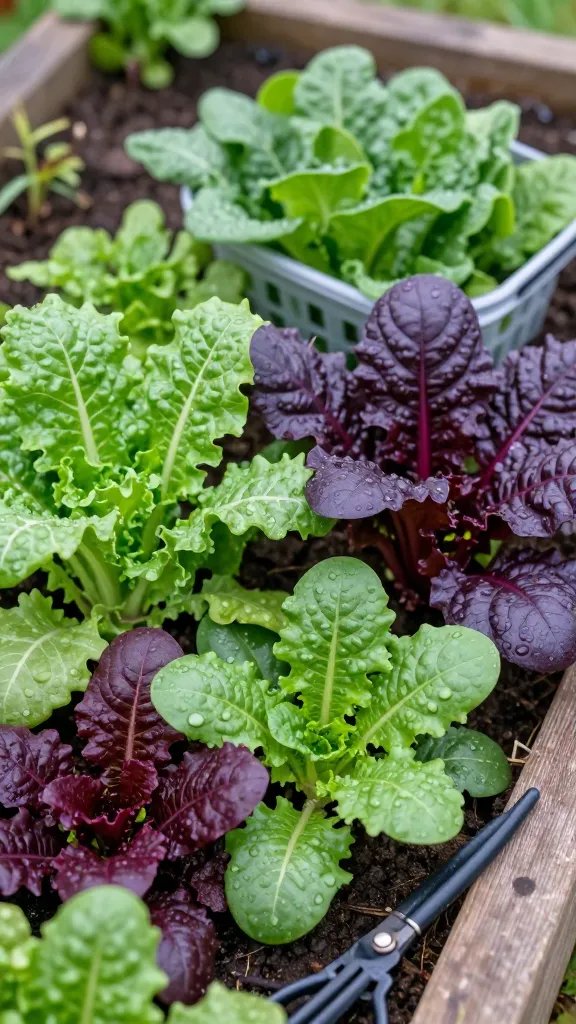
If you like bold flavors, mustard greens deliver. They grow fast, regrow reliably, and bring spice that heats up stir-fries and salads. You control the kick—harvest small for mild, big for fire.
Variety Spotlight
- ‘Green Wave’: Ruffled, medium heat.
- ‘Red Giant’: Gorgeous purple leaves, stronger flavor.
- ‘Miz America’: Baby-leaf superstar, mild and deep red.
Cut leaves regularly and water well to keep tenderness. Stir-fry with garlic and soy, or mix a few leaves into salads for a spicy surprise. Perfect for cooks who like options and a little swagger.
8. Tatsoi: The Spoon-Leaf Powerhouse
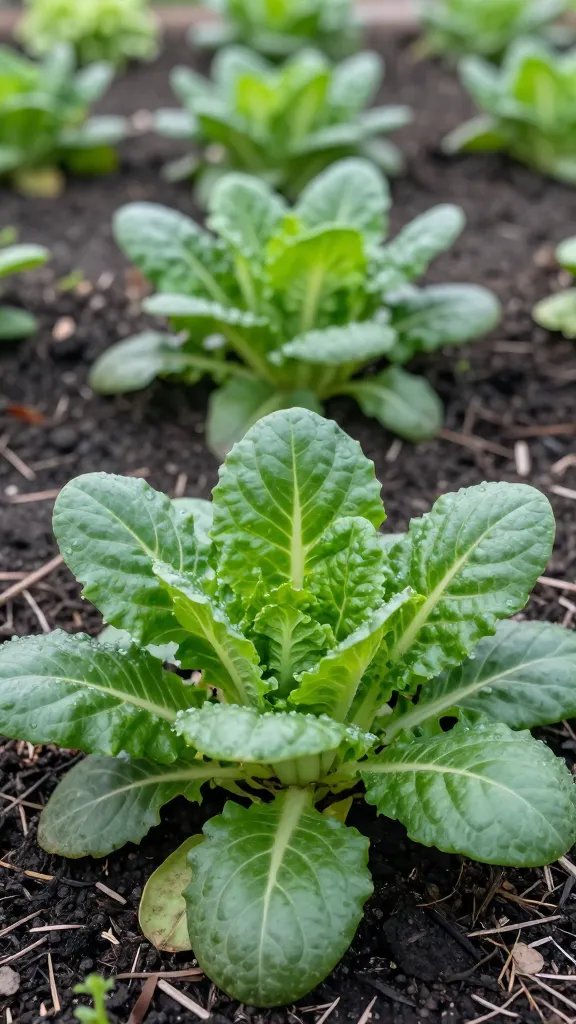
Tatsoi grows like a tidy rosette that looks adorable and tastes buttery. It’s cold-hardy and bounces back after harvest with impressive speed. If spinach and bok choy had a baby, this would be it.
Grower Notes
- Spacing: 6–8 inches apart for full rosettes; sow thick for baby leaves.
- Harvest options: Take outer leaves or cut the whole plant 1 inch above the crown.
- Season: Thrives in fall and early spring.
Tatsoi shines in soups, noodle bowls, and quick sautés but works beautifully raw. It’s tender, mild, and crowd-pleasing, which helps if picky eaters live with you.
9. Endive & Escarole For Crunch With Attitude
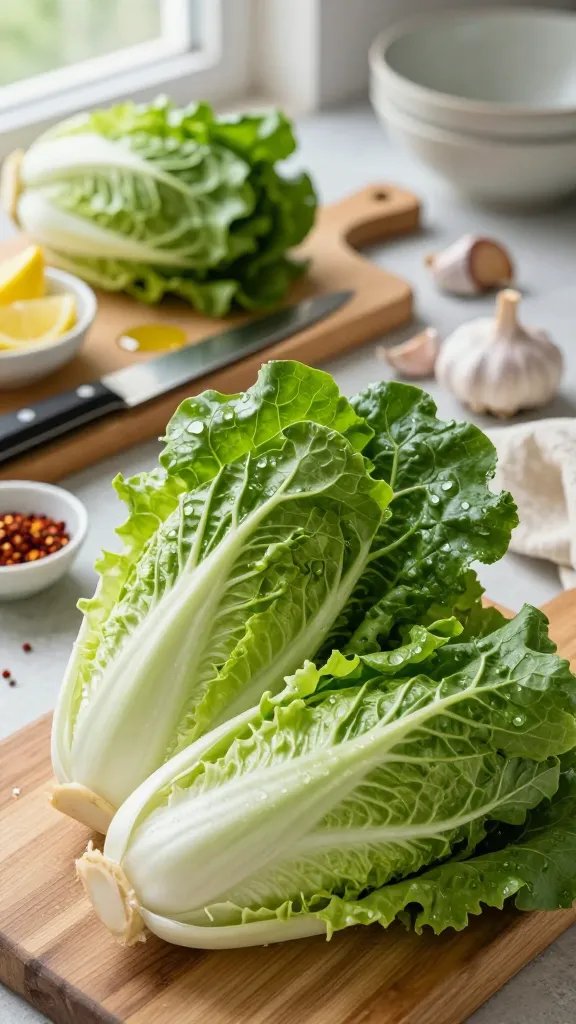
Endive and escarole bring that slightly bitter, super satisfying crunch to salads and braises. They handle repeated harvesting when you pick outer leaves, and they play well with strong dressings. Want bistro vibes at home? This is your move.
How To Nail It
- Cool-season stars that resist light frost.
- Outer-leaf harvests keep plants productive for weeks.
- Balance the bite with lemon, garlic, or creamy dressings.
Grow them for texture and depth in mixed salads or sauté with olive oil and chili flakes. They offer sturdy leaves that won’t wilt instantly—perfect for meal prep and hearty sides.
10. Bok Choy (Baby Or Bust)
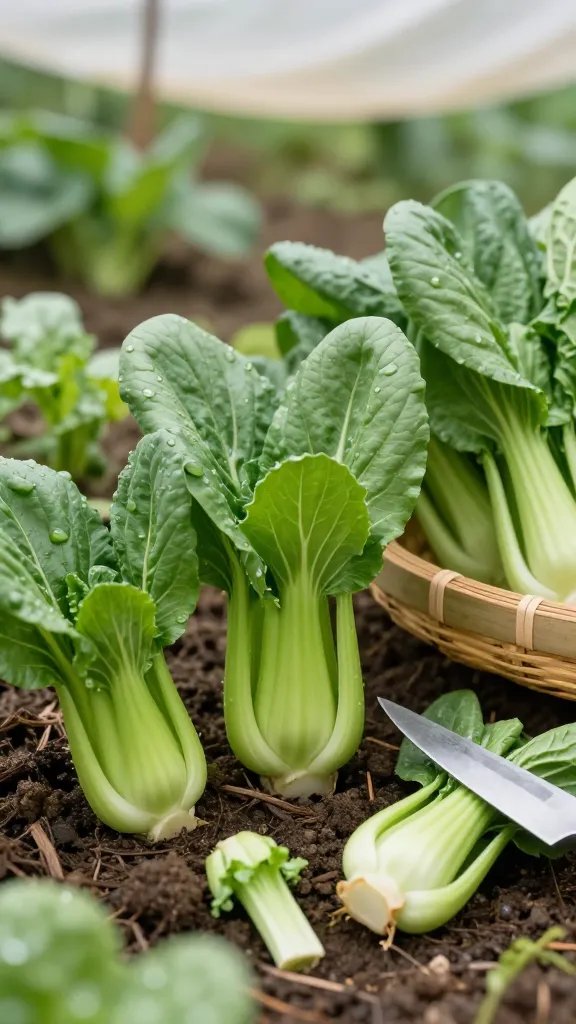
Bok choy, especially in baby form, regrows after a careful cut and comes back fast. The crunchy stems and tender leaves make it a two-for-one veggie. It’s absurdly versatile, and the harvest window lasts longer than you think.
Best Practices
- Cut above the crown (about 1 inch) for regrowth.
- Choose baby varieties for quicker cycles and sweeter flavor.
- Shade cloth in heat keeps it from bolting.
Use it in stir-fries, soups, dumplings, or sliced raw in slaws. When you want something crisp, juicy, and fast, bok choy delivers big time.
How To Keep The Harvest Rolling (Quick Cheatsheet)
Want to push your yields? A few universal habits keep these greens coming back strong and tasty.
Core Rules
- Cut above the crown: Leave growth points intact.
- Keep watering steady: Stress = bitterness and bolts.
- Feed lightly: A monthly compost tea or balanced organic fertilizer keeps leaves tender.
- Succession sow: Plant a new row every 2–3 weeks for insurance.
- Harvest often: Frequent cutting signals more growth.
With these habits, your greens repay you with ridiculous productivity and better flavor. FYI, a little afternoon shade in summer can save your patch.
Small Space, Big Salad Energy
No yard? No problem. These greens thrive in containers, window boxes, and even grow bags on balconies.
Container Tips
- Depth: 6–8 inches for most baby greens; 10–12 inches for kale and chard.
- Soil: High-quality potting mix with compost blended in.
- Watering: Daily checks; containers dry out faster.
- Cut strategically: Harvest sections so the pot stays productive.
Mix varieties in one pot for a “salad bowl” garden. It looks lush and keeps your kitchen stocked, even if your “garden” is a fire escape. Trust me, it’s addicting.
Flavor Pairings To Level Up Your Greens
You grew them—now make them sing. Pair flavors to highlight each green’s best qualities.
Go-To Combos
- Arugula + lemon, parmesan, and olive oil.
- Kale + garlic, chili flakes, and white beans.
- Mizuna + sesame, soy, and rice vinegar.
- Chard + butter, garlic, and a splash of stock.
- Bok choy + ginger, oyster sauce, and scallions.
When flavors match, even simple dishes feel chef-y. Bonus: mixing mild and bold greens keeps salads interesting all week.
Troubleshooting: Bitterness, Bolting, And Bugs
Stuff happens. Here’s how to fix it fast so your salad streak doesn’t crash.
Quick Fixes
- Bitter leaves: Water more, harvest younger, provide afternoon shade.
- Bolting: Pick more often, use bolt-resistant varieties, use shade cloth in heat.
- Aphids/flea beetles: Blast with water, use insecticidal soap, or cover with row fabric.
- Slow regrowth: Leave more leaf area at harvest, feed lightly, and avoid cutting in extreme heat.
Most problems fade with steady moisture and timely harvests. Keep it simple and observe—plants tell you what they need.
Season Extensions For Year-Round Greens
Want continuous harvests beyond spring and fall? Stretch your seasons with a few easy tools.
Tools That Work
- Row covers for frost protection and pest control.
- Cold frames/mini greenhouses to keep growth steady in chilly months.
- Shade cloth to power through summer heat.
With protection, many of these greens shrug off light frosts and keep producing. That means salad bowls in December and smug satisfaction all year.
Harvesting Techniques That Maximize Regrowth
Technique matters. A clean cut and good timing keep your plants in “go” mode.
Best Practices
- Use sharp scissors to avoid tearing leaves.
- Cut 1 inch above the crown for cut-and-come-again types.
- Rotate sections so each area rests 7–10 days.
- Harvest mornings for crisp, hydrated leaves.
This routine preserves plant energy and speeds regrowth. Your greens will thank you with another round—fast.
Ready to turn your garden into a self-replenishing salad bar? Start with two or three of these greens and build from there. With a few smart cuts and consistent care, you’ll harvest more often, waste less, and eat fresher—no fancy farm required.