
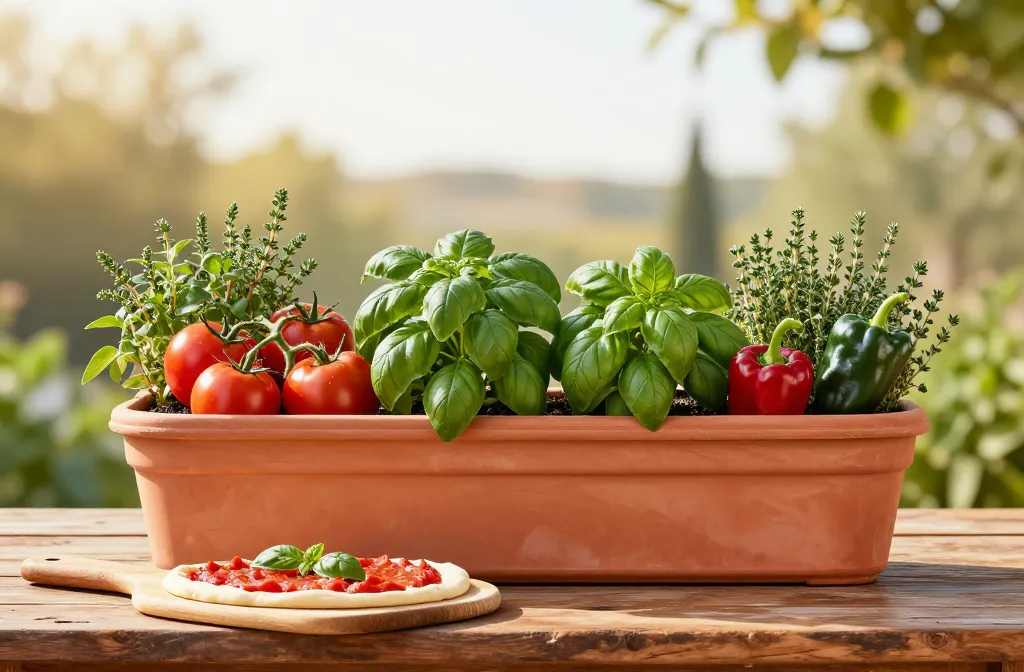
Imagine stepping onto your patio, snipping a few leaves, and building a pizza that smells like an Italian vacation. That’s the vibe of a pizza garden in a container, and yes, it’s totally doable. You don’t need a yard, just a sunny spot, a big pot, and this list. Ready to grow toppings that taste like victory?
1. Roma Tomatoes: The Saucy Superstars
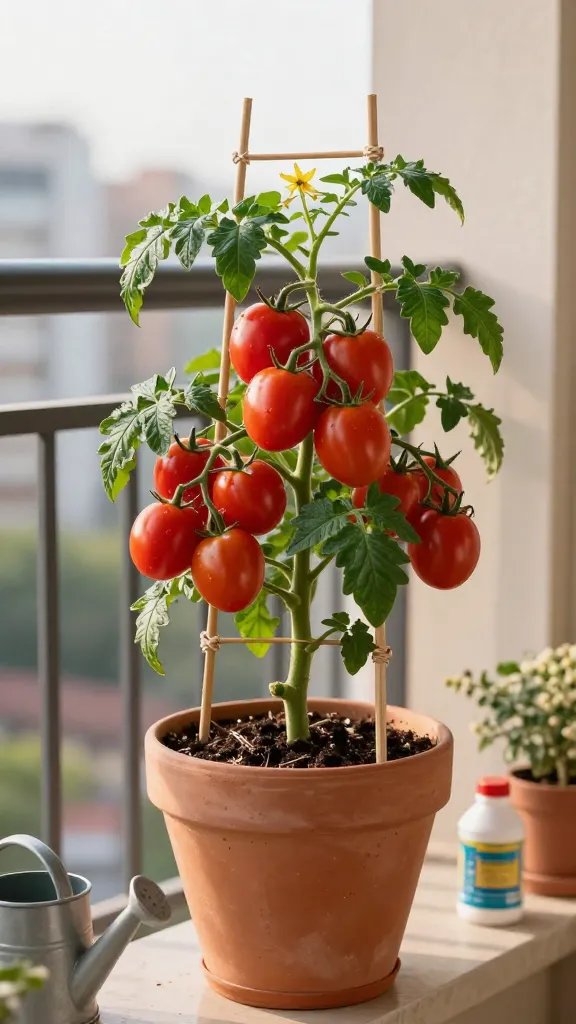
Roma tomatoes bring that thick, low-water flesh you want for rich pizza sauce. They stay relatively compact, which makes them container-friendly and easy to manage on a balcony or patio.
Container & Care Tips
- Pot size: 5–10 gallons per plant with drainage
- Sun: 6–8+ hours of direct light
- Support: Add a cage or stakes at planting
- Water: Deeply, consistently; keep soil evenly moist
Prune a bit for airflow, and feed with a balanced fertilizer every 2–3 weeks. Harvest when fully red for peak sweetness.
Best part: Thick flesh equals less soggy pizza. Your crust stays crisp, your sauce tastes bold, and your kitchen smells like you actually know what you’re doing (because you do).
2. Basil: The Fragrant Finisher
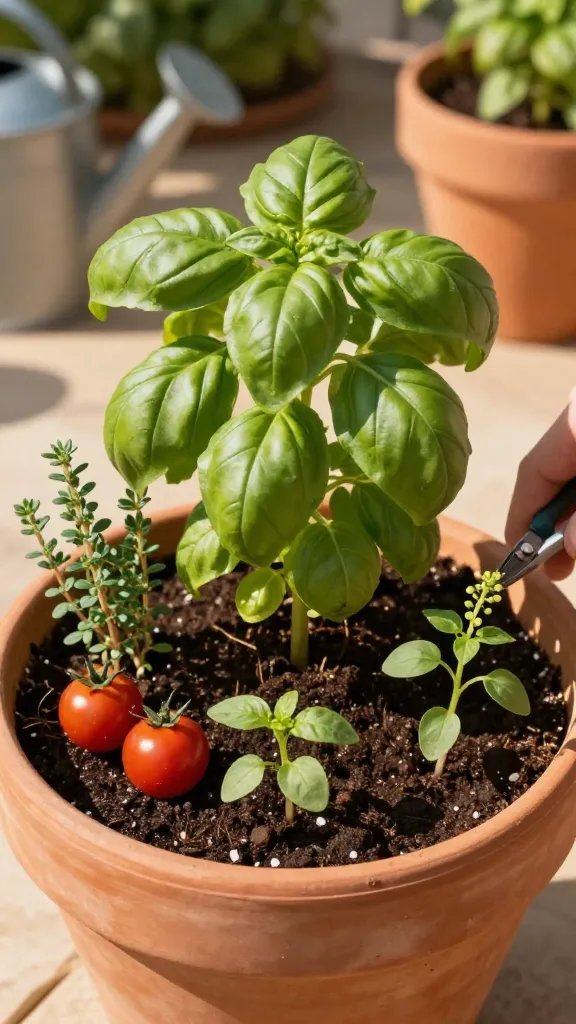
Fresh basil makes pizza taste like summer on a plate. It adds sweet, peppery notes and elevates even store-bought dough.
Grower’s Notes
- Pot size: 10–12 inches wide for a bushy plant
- Sun: 6+ hours, warm temps
- Water: Keep evenly moist; never waterlog
- Pinching: Snip tips weekly to encourage branching
Harvest leaves often and pinch off flower buds. FYI, once basil flowers heavily, flavor drops. Plant a second wave midseason for a steady supply.
Use it when: You want that fresh, glossy finish. Toss on right after the pizza comes out of the oven so leaves don’t wilt into sadness.
3. Oregano: The Classic Pizza Sprinkle
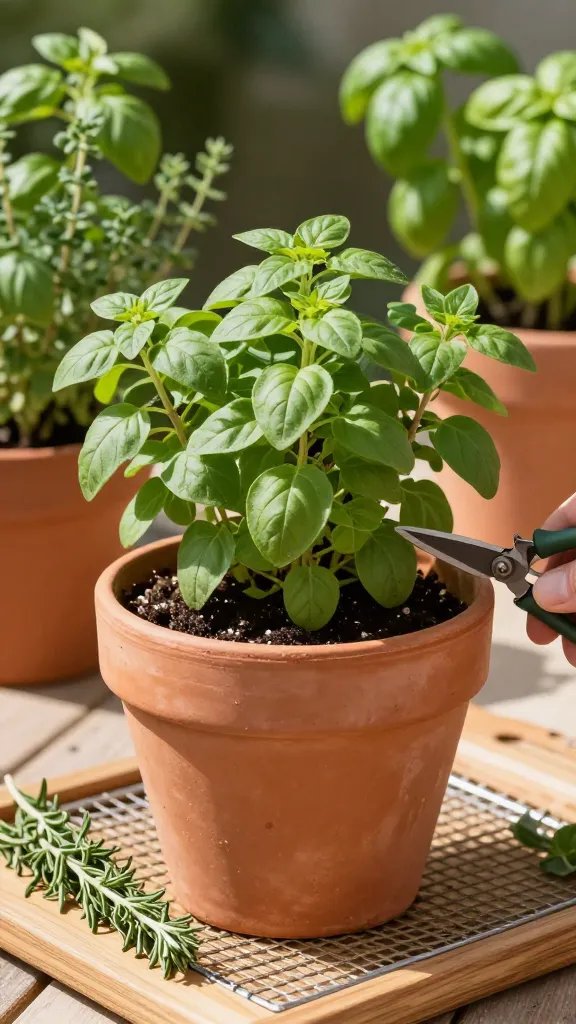
Oregano brings that classic pizzeria aroma with a warm, slightly bitter punch. It thrives in containers and doesn’t need constant attention—my kind of plant.
Quick Care
- Pot size: 8–10 inches; good drainage is key
- Sun: Full sun for strong flavor oils
- Water: Let top inch of soil dry between waterings
Snip stems regularly to keep it compact and flavorful. Dry a batch for homemade pizza seasoning that actually tastes like something.
Best benefit: Fresh or dried, oregano keeps flavor. Sprinkle on sauce or mix into dough for a subtle herb kick.
4. Sweet Peppers: Color, Crunch, and Zero Drama
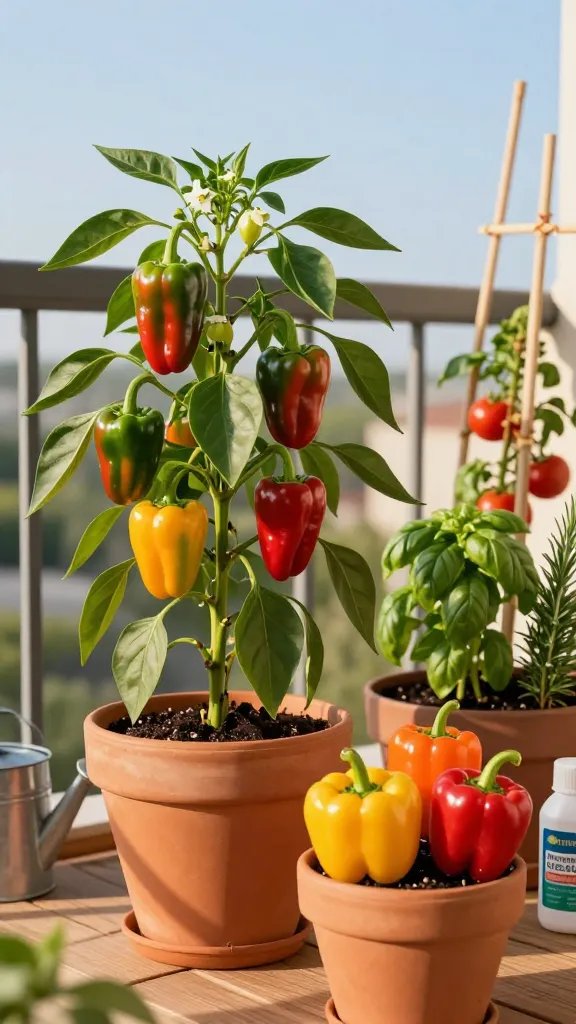
Sweet peppers add juicy crunch and bright color that make homemade pizza feel legit. They also thrive in containers with minimal fuss if you give them heat and sun.
Peppers That Shine
- Varieties: Mini bells, Lunchbox, or Carmen (Italian frying pepper)
- Pot size: 3–5 gallons per plant
- Sun: 8+ hours and a warm spot
- Feeding: Balanced fertilizer every 2 weeks once fruit sets
Stake early because fruit weighs down branches fast. Harvest when fully colored for the sweetest flavor.
Why it’s awesome: Roasted or raw, sweet peppers bring sweetness and texture that play well with cheese and herbs. Also, they look fancy without any extra effort—IMO, a win.
5. Thyme: The Savory Secret Weapon
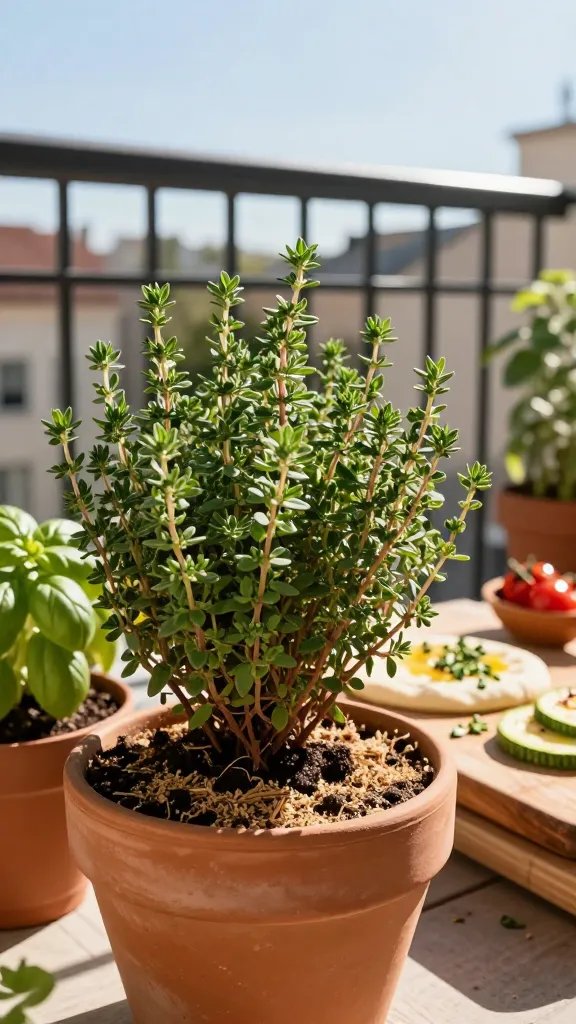
Thyme adds earthy, lemony depth that makes simple pizzas taste chef-y. It’s compact, drought-tolerant, and practically begs to live in a container.
Growing Basics
- Pot size: 8–10 inches, sandy soil preferred
- Sun: Full sun; more sun equals more flavor
- Water: Light and infrequent; avoid soggy roots
Trim lightly to keep it tidy and encourage new growth. Strip leaves off woody stems, chop, and sprinkle over olive-oil-brushed dough for instant sophistication.
When to use: Anytime you roast veggies for topping, or when your tomato sauce needs something subtle but powerful. seriously, a pinch goes far.
6. Garlic: Bold Flavor in a Small Space
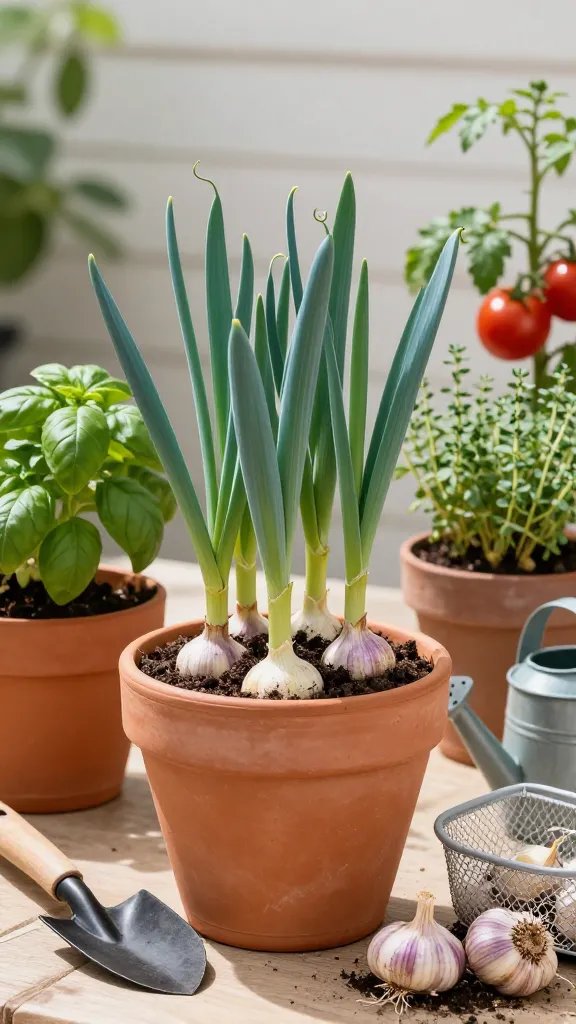
Garlic gives you options: grow it for scapes in early summer and bulbs later. You can even plant grocery-store cloves if you feel scrappy.
How to Plant
- Pot size: 8–10 inches deep; plant 6–8 cloves
- Timing: Plant in fall for summer harvest; spring for smaller bulbs
- Soil: Loose, well-drained, plenty of compost
Water evenly until the last month, then reduce to avoid rot. Harvest when half the leaves brown, cure in a shaded, breezy spot, and thank yourself later.
Best use: Slice thin and sauté in olive oil for white pizzas, swirl into tomato sauce, or mince into garlic butter for crust. Vampires, beware.
7. Arugula: Peppery Greens for the Final Flourish
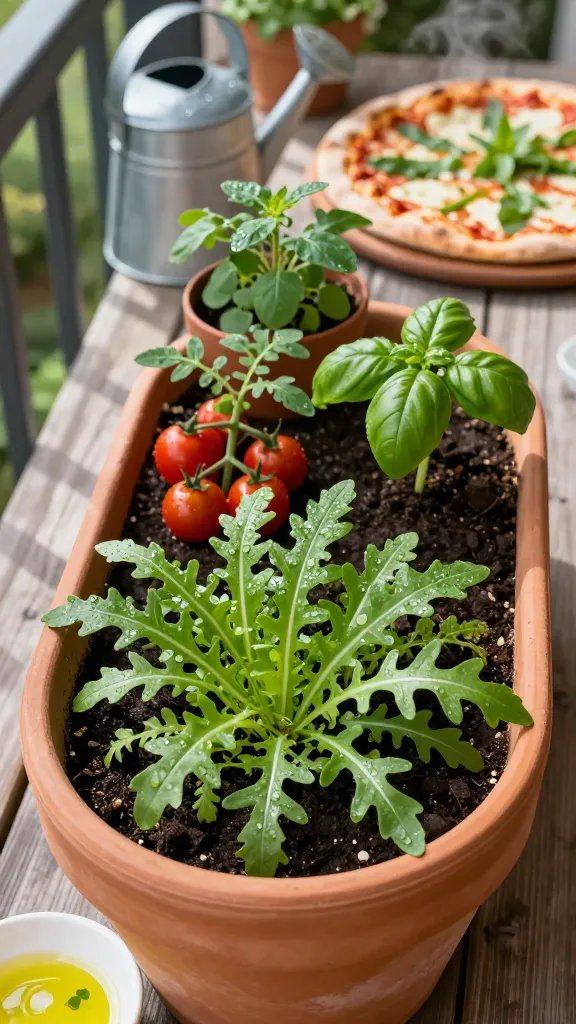
Arugula brings that peppery bite that turns a basic pie into a gourmet situation. It grows fast, loves containers, and lets you harvest constantly.
Container Game Plan
- Pot size: 8–10 inches or a shallow window box
- Sun: Full sun to partial shade; more shade in hot climates
- Planting: Succession sow every 2–3 weeks
- Water: Keep evenly moist for tender leaves
Snip leaves when 3–4 inches long and toss them with lemon juice and olive oil. Pile onto hot pizza right before serving so the greens soften just enough.
Why it works: That peppery zip balances rich cheese and meats, making every bite feel fresh. Also, it makes you look like the person who “just knows food.”
8. Parsley: The Bright, Underrated Finisher
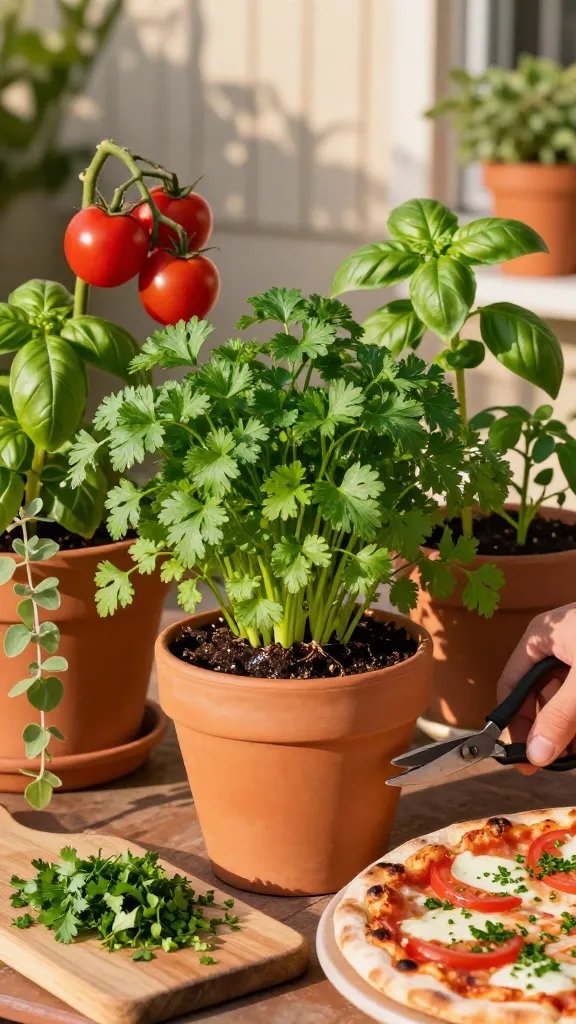
Parsley adds clean, herbal brightness that lifts heavy flavors. It’s hardy, generous, and perfect for filling gaps in your container garden.
Grow It Like This
- Pot size: 8–12 inches; deep enough for a strong taproot
- Sun: Full sun to partial shade
- Water: Keep consistently moist, especially in heat
- Type: Flat-leaf (Italian) for best flavor
Harvest by snipping outer stems at the base so the plant keeps producing. Chop finely and scatter over finished pizzas for a bright, green pop.
Best moments: When a pizza tastes heavy or one-note, parsley cuts through and makes everything snap into focus. Trust me, it’s the quiet MVP.
Bonus Layout Tips (Because You’re Going To Ask)
- Choose one large 15–20 gallon container or group several medium pots.
- Centerpiece: Plant Roma tomatoes in the biggest pot with a cage.
- Surround with basil, oregano, and thyme for a fragrant ring.
- Give peppers their own pot for airflow and bigger yields.
- Scatter arugula and parsley in shallower planters for frequent harvests.
- Tuck garlic in a deep pot along the edges if you planted in fall.
Soil, Water, And Feeding 101
- Use high-quality potting mix with perlite for drainage.
- Add compost or slow-release organic fertilizer at planting.
- Water mornings, aiming for even moisture (not soggy).
- Mulch with shredded leaves or straw to reduce watering and keep roots cool.
Pest Control Without The Drama
- Aphids: Blast with water, then use insecticidal soap if needed.
- Whiteflies: Yellow sticky traps near tomatoes and peppers.
- Fungal issues: Space plants, prune for airflow, water soil not leaves.
- Snails: Copper tape around pots or hand-pick at dusk. Fun date idea? Maybe.
Small-Space Harvest Strategy
- Pick tomatoes fully red for max flavor.
- Harvest basil and oregano often to keep plants productive.
- Clip thyme as needed; it rebounds fast.
- Cut arugula in handfuls and resow every few weeks.
- Pull peppers when they hit full color for sweetness.
That’s your pizza garden container dream team. With these eight essentials, you’ll build pies that taste fresh, bright, and ridiculously satisfying. Fire up the oven, grab the shears, and get ready to flex your homegrown toppings like the neighborhood pizza legend you’re about to become.