
Herbs are some of the easiest plants to grow, and with vertical herb garden kits you can fit a seriously productive garden into a tiny footprint. With 1.5 square meters of vertical garden space able to grow enough lettuce for a household, similar compact setups for herbs can give you constant basil, mint, and parsley right by your kitchen door.
Key Takeaways
| Question | Answer |
|---|---|
| What is a vertical herb garden kit? | It is a ready-to-assemble system that lets you grow herbs in stacked pots, towers, or wall frames, usually with built-in irrigation, like the systems we explain in this vertical garden system guide . . |
| Can I grow herbs indoors with these kits? | Yes, many kits are designed for balconies, kitchens, and apartments, similar to the ideas shared in our vertical garden apartment overview. |
| Do vertical herb kits really save space? | They grow up instead of out, so you can fit dozens of herb plants where a few pots would normally sit, just like the stacked systems in our 5 tier garden tower. |
| Are self watering vertical herb garden kits worth it? | If you are busy or forgetful with watering, self watering kits drastically cut maintenance, as shown in our self watering vertical garden system. |
| What budget should I expect? | Stackable plastic towers can be relatively affordable, while premium cedar systems like the Gronomics vertical garden can reach about $699.99, described in detail in our Gronomics feature. |
| Which herbs grow best in vertical kits? | Fast growers like basil, mint, chives, parsley, cilantro, oregano, and thyme do very well in vertical herb garden kits, especially in setups designed for high yield such as the ones we discuss in our yield optimization tips. |
What Is A Vertical Herb Garden Kit And Why They Are Exploding In Popularity
When we talk about vertical herb garden kits, we mean full systems that include the frame, pockets or planters, and usually irrigation lines, so you can start growing with minimal DIY. They are built to solve the classic “no space but love herbs” problem in small homes and apartments.
Our experience shows that once someone tries growing herbs vertically, they rarely go back to scattering random pots around the patio. The convenience of having a compact, often self contained unit right by the kitchen is hard to beat.


Most vertical herb garden kits come as towers, wall frames, or freestanding stands, so you can match them to your space and style. Many also support vegetables and flowers, but herbs are usually the easiest and most rewarding starting point.
In the rest of this guide, we walk through real kit types we use and recommend, show example products, and help you match a system to your budget and lifestyle.
Self Watering Vertical Herb Garden Kits: Low Maintenance, High Flavor
If you often forget to water your plants, self watering vertical herb garden kits are your best friend. These systems use built in irrigation lines or reservoirs that send water evenly across each row or pocket, so your herbs stay hydrated with minimal effort.
Our self watering vertical garden setup, for example, includes a wire panel, mesh per row, irrigation line, and mounting brackets, which together create a simple framework for constant moisture. You fill the reservoir or connect to a water supply, and the system handles most of the work.
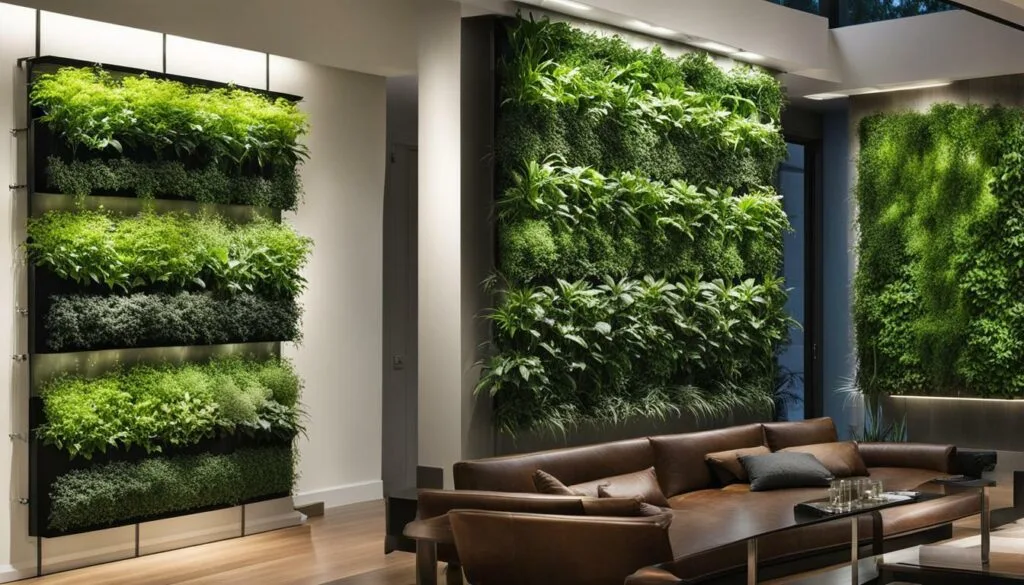

These kits are ideal for moisture loving herbs like basil, parsley, and cilantro that can wilt quickly if they dry out. With a self watering setup, you also avoid the classic problem of some pots getting soaked while others stay dry.
On the cost side, self watering components add a bit compared with bare frames, but the time saved and the reduced plant loss usually justify it for busy households.
Gronomics Vertical Garden: A Premium Wood Kit For Serious Herb Growers
For gardeners who want a more permanent and high end vertical herb garden kit, wood systems are a great option. Our featured Gronomics vertical garden is a strong example of this style, built from quality cedar with integrated irrigation.
The Gronomics package is priced around $699.99, which places it at the premium end of home herb garden kits. In return, you get a pre assembled structure, a cedar base, and an irrigation system that includes tubing, pump, and timer.
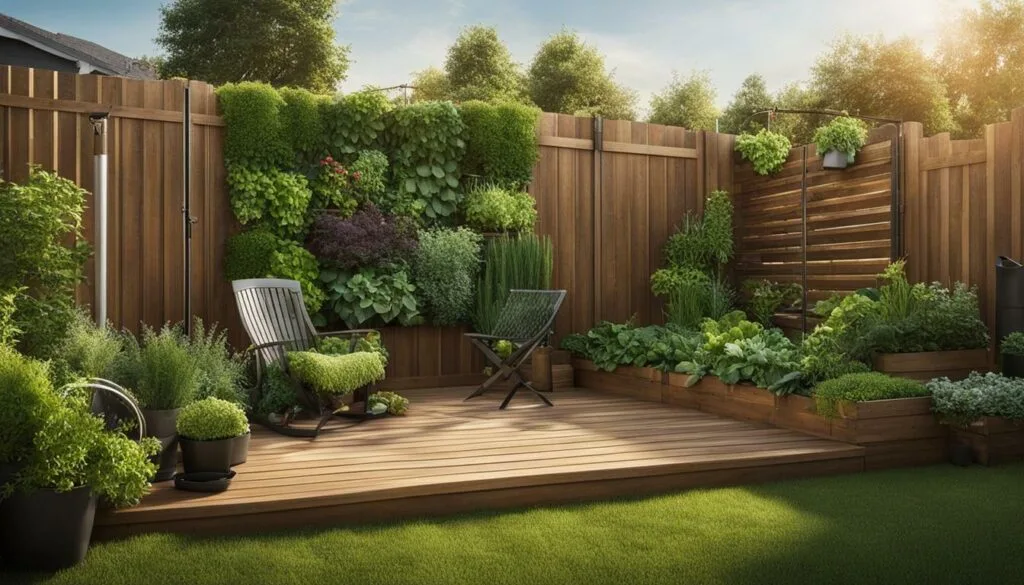
Cedar naturally resists rot and looks good on patios and decks, which makes it a solid pick if you want your herb garden to feel like real outdoor furniture. You can easily dedicate each tier to a different set of herbs, like a full “pizza herbs” section with oregano, basil, and thyme together.
While this kind of kit is overkill for someone just experimenting, it is a great investment if you know you will be growing herbs every season and want a sturdy, good looking solution that lasts.
This infographic breaks down the five essential components of vertical herb garden kits and how they work together to save space. A quick guide for creating compact herb gardens at home.
5 Tier Vertical Garden Towers: Compact Powerhouses For Herb Lovers
Stackable vertical towers are some of the most popular vertical herb garden kits, because they use a tiny footprint while offering several layers of planting space. Our 5 tier vertical garden tower line is a typical example of what this looks like in practice.
Each tier usually has multiple pockets or bowl shaped planters, so one 5 tier tower can support a surprisingly large herb collection. You can group herbs by water needs, with thirstier plants at the top tiers that get more water first.
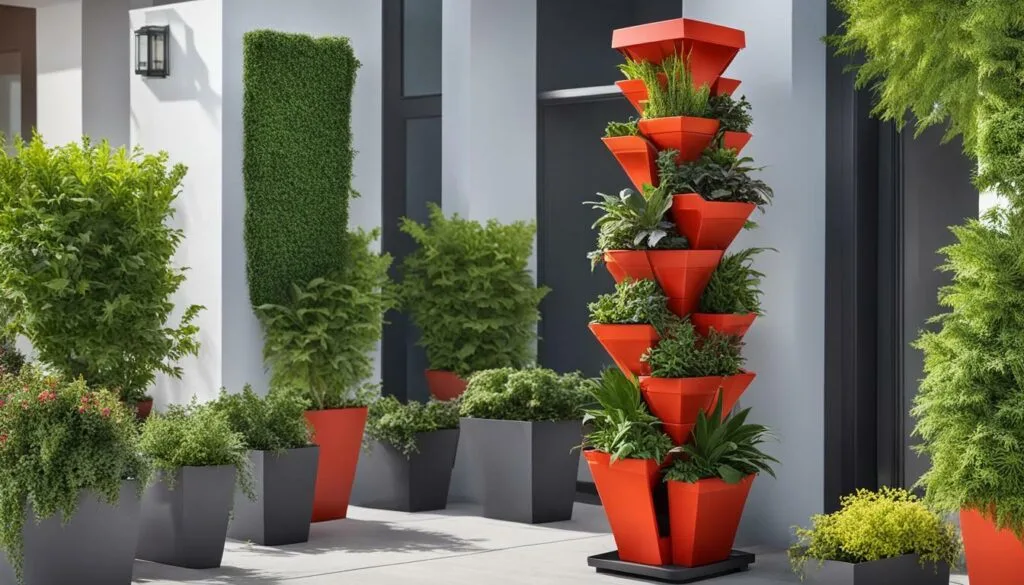
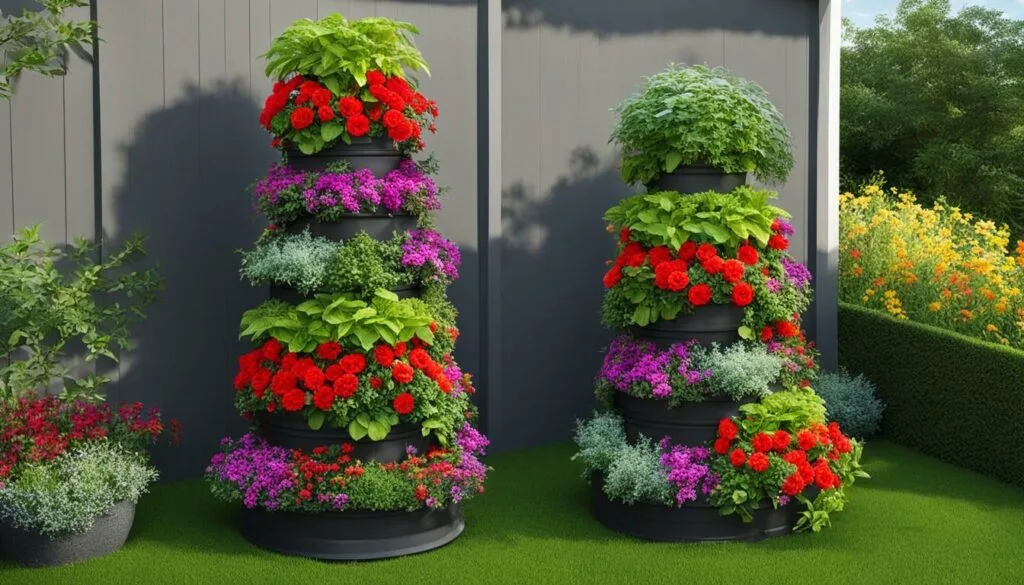
Towers work well in sunny corners on balconies and patios, and many are light enough to rotate occasionally so all sides get light. Rotating is especially useful if you pack tiers with herbs that appreciate full sun, like rosemary and thyme.
Compared with large framed systems, tower style vertical herb kits tend to be easier to move, store, and reconfigure, which is perfect if you rent or like to rearrange your outdoor space.
Did You Know?
Time and money spent on gardening in 2025 reached the highest levels since 2022, with 47.6% of people spending more time, 49.5% spending more money, and 63.6% planning to plant more in 2026.
Source: Lawn & Garden Retailer
Vertical Garden Frames And Wall Systems For Herb Walls
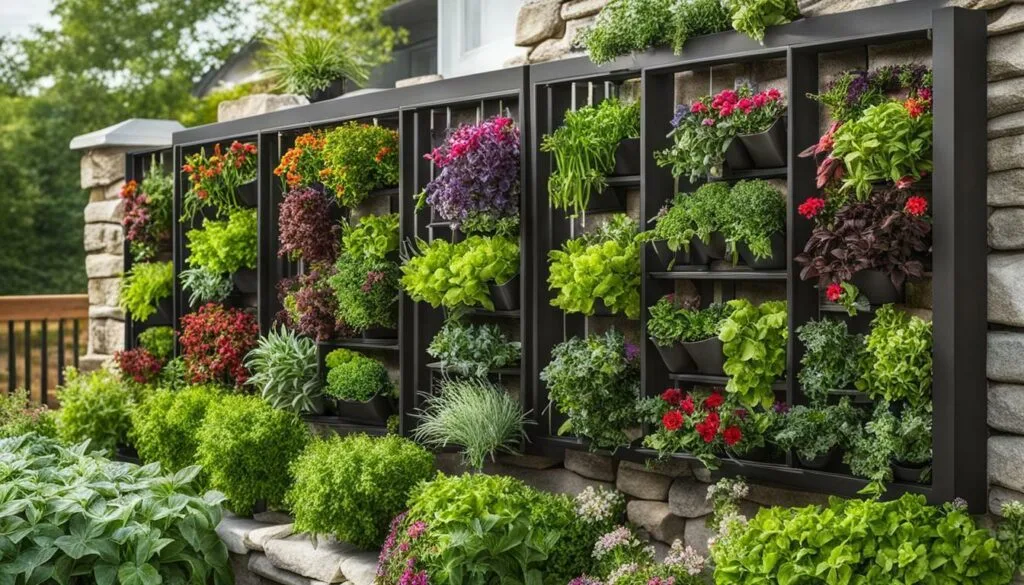
Wall mounted vertical herb garden kits are all about turning bare walls into productive green panels. Instead of a tower on the floor, you get a frame that hangs on a wall and holds pockets, pots, or modular planters.
Our vertical garden frame concepts typically involve sturdy panels that can carry several rows of herbs without sagging. You can mount them on outdoor fences, brick walls, or balcony railings, depending on your setup.
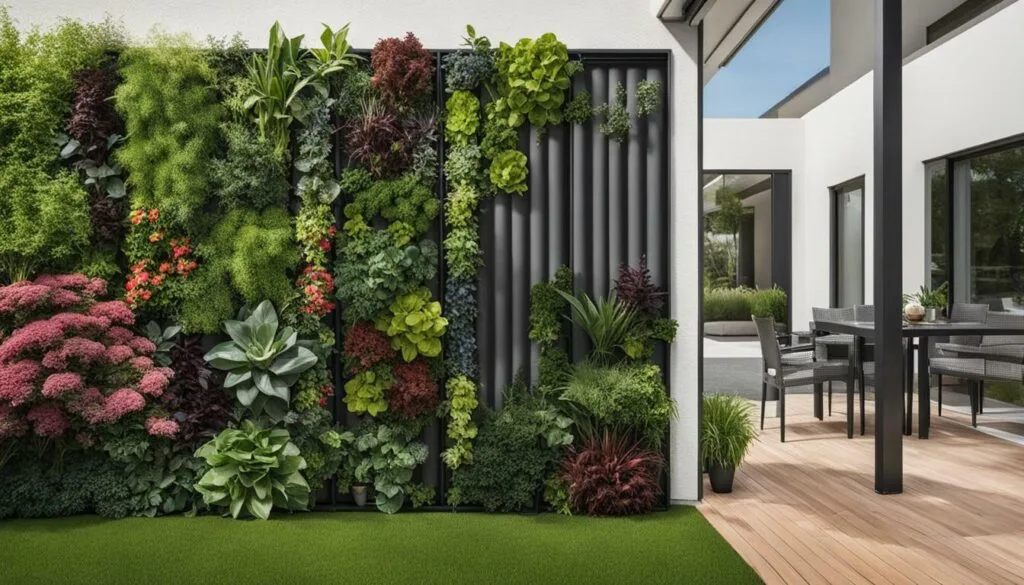
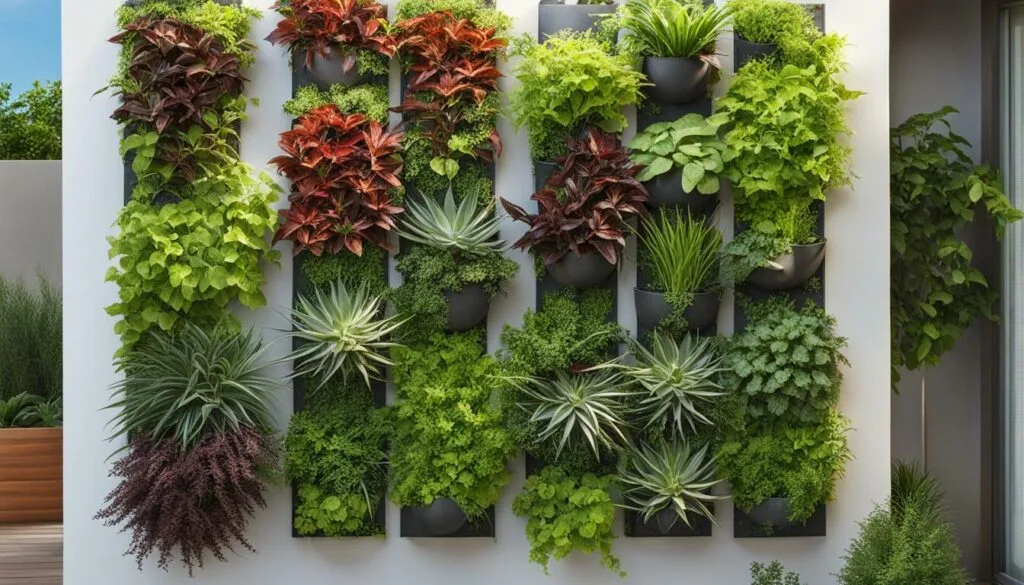
Wall systems work especially well for trailing herbs like thyme or oregano that can spill over the front of pockets and soften the look. They also put herbs closer to eye and hand level, which makes harvesting much easier.
If you already have a drip line or hose connection close to your wall, pairing a frame kit with self watering components from our other systems creates a very low effort herb wall.
Indoor Vertical Herb Garden Kits: Wall Farm And Smart Soil Concepts
Not everyone has outdoor space, so indoor vertical herb garden kits are becoming a big category. Our Wall Farm indoor vertical garden concept shows how far this can go, combining shelves with hydroponic or Smart Soil technology for precise growing.
The Wall Farm style system usually has three shelves and capacity for dozens of plant pods. Smart Soil keeps pH and nutrients in the right range, which takes the guesswork out of growing herbs under indoor lights.
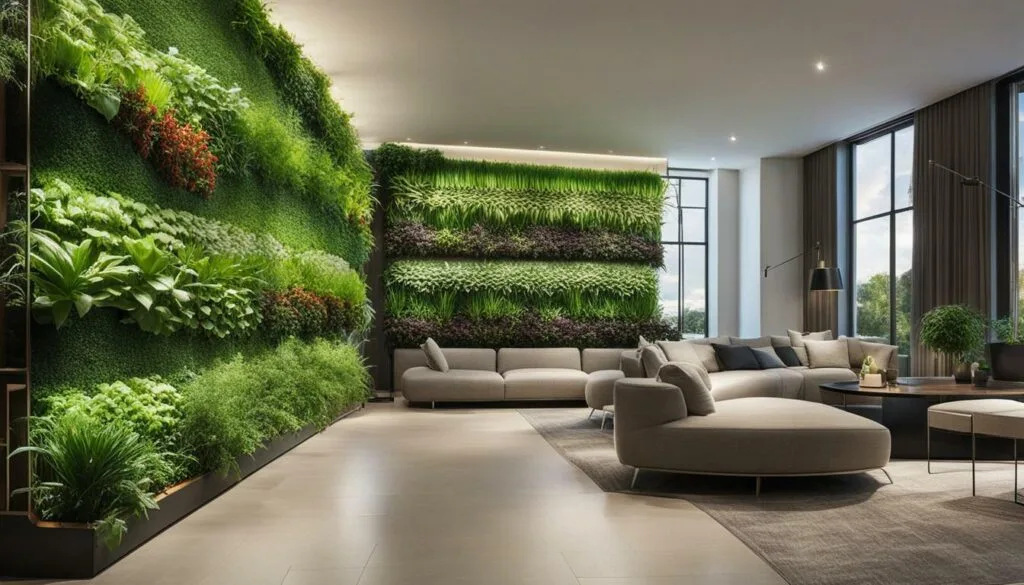

Indoor herb garden kits like this are great if you want consistent year round harvests of basil, mint, and leafy herbs, regardless of weather. They overlap with the smart indoor garden segment, where automation and tech support make herb growing almost hands off.
While these systems cost more than basic outdoor towers, they remove the constraints of seasons and climates, which is a big plus for serious home cooks.
Urban Vertical Herb Garden Kits For Balconies, Patios, And Apartments
In cities, almost every bit of outdoor space is precious, so vertical herb garden kits tailored to balconies and small patios are especially useful. Urban vertical garden setups use walls, railings, and corners that would otherwise stay empty.
Our urban vertical garden examples show how to combine trellises, pallets, and modular frames to build a full herb garden in a few square feet. The goal is to keep walkways clear while stacking greenery up surfaces that get decent light.

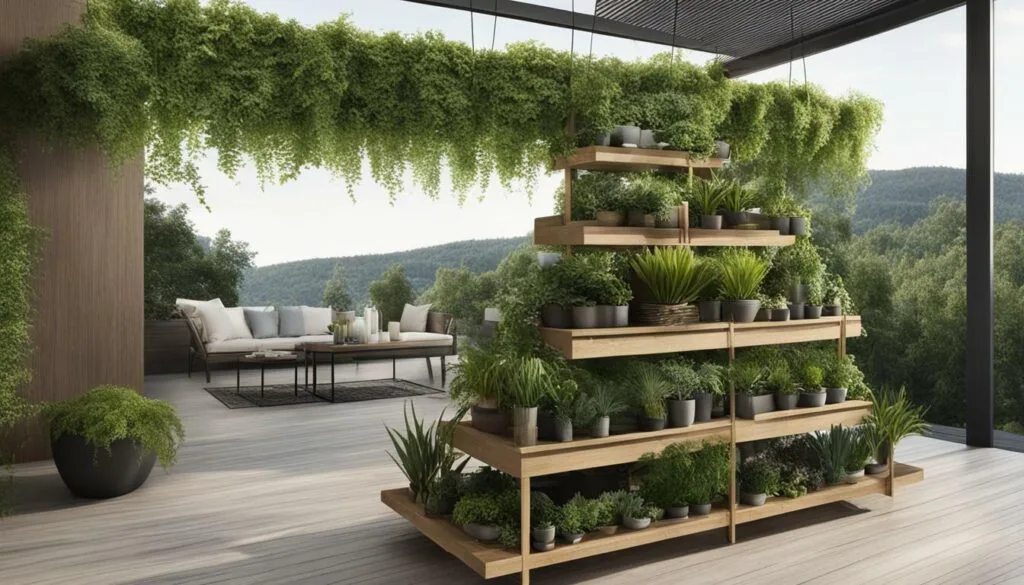
Freestanding herb stands with multiple shelves are popular here, because they do not require drilling into walls and can be moved when needed. They are perfect rental friendly options that still give you a lot of growing room.
We find that a mix of standing towers and wall frames works best on larger balconies, letting you keep herbs close while reserving some tower tiers for strawberries or salad greens if you like to mix crops.
Did You Know?
In a 2025 survey, 77% of people strongly agreed that vertical gardening has a positive impact on personal health, and 84% agreed that vertical gardening is easy to do.
Source: ScienceDirect
Hydroponic Vertical Herb Garden Kits For Fast Growth
Hydroponic vertical herb garden kits swap soil for nutrient rich water, which can speed up growth and keep things tidier indoors. Our vertical hydroponics visuals illustrate how water flows from the top down through stacked channels or cups.
In these systems, herbs grow in net pots filled with inert media like clay pebbles, and roots dangle into a circulating nutrient solution. A small pump moves water from a reservoir up through the system.

Hydroponic vertical herb kits are ideal if you want very clean, soil free growing in kitchens or living rooms. Basil, mint, and leafy herbs tend to respond especially well to hydroponic setups, putting on growth quickly under good lights.
The trade off is a bit more complexity around pumps, timers, and nutrient mixing, but many kits include clear instructions and pre calibrated nutrients so you can get started without prior hydroponic experience.
Yield Optimization: Getting More Herbs Out Of The Same Vertical Kit
Once your vertical herb garden kit is set up, the next question is how to get the most harvest out of that space. We focus heavily on yield optimization in our vertical gardens, and the same principles apply cleanly to herbs.
Key levers include plant density, airflow, light exposure, and nutrient availability. In vertical layouts, you can push density higher than in ground beds, as long as you keep airflow and pruning in mind.
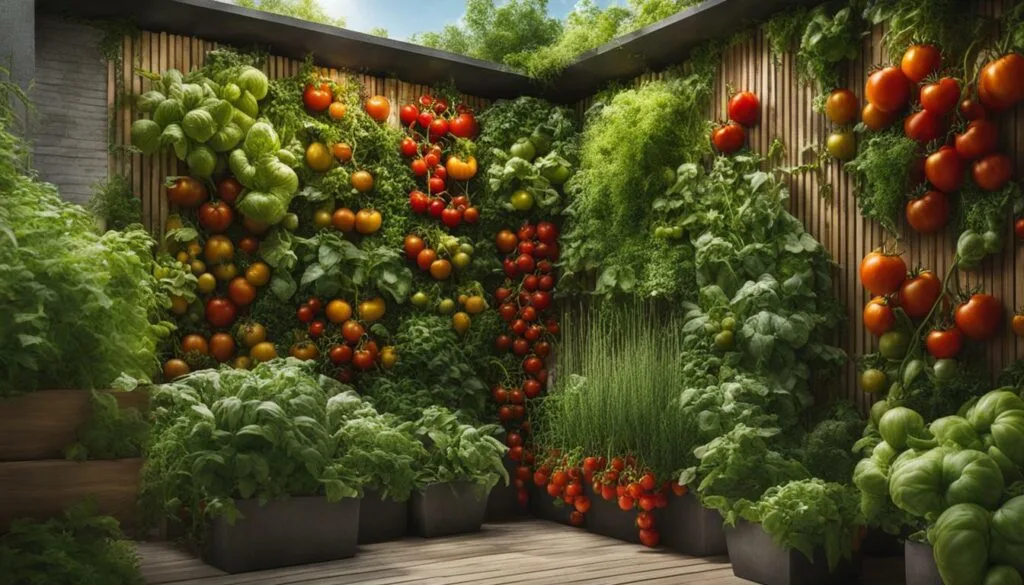

For herbs, we like to pack fast growers like basil fairly tightly, then keep slower woody herbs like rosemary a bit more spaced out. Regular harvesting also helps herbs stay compact and productive in close quarters.
Lighting is another big factor, especially indoors or on shaded balconies, so consider placing your vertical herb kit where it catches the strongest available light, or pairing indoor kits with dedicated grow lights.
Comparing Vertical Herb Garden Kit Types And Costs
With several styles available, it helps to compare vertical herb garden kits side by side. Below is a simple overview of the main categories we have talked about, along with typical use cases.
Prices vary widely by brand and materials, but this table gives a practical starting framework when you are choosing your first or next kit.
| Kit Type | Best For | Maintenance Level | Typical Price Range* |
|---|---|---|---|
| 5 tier plastic tower | Balconies, patios, small yards | Low to medium (hand watering unless upgraded) | Budget to mid range |
| Wooden frame (Gronomics style) | Permanent outdoor setups, design focused spaces | Low (with irrigation) to medium | Mid to premium (around $699.99 for some packages) |
| Wall mounted frame | Fences, walls, compact yards | Medium (watering depends on setup) | Budget to mid range |
| Indoor hydroponic / Wall Farm | Year round indoor herb production | Low to medium (monitor nutrients and pumps) | Mid to premium |
| Self watering outdoor panel | Busy gardeners, hot climates | Low | Mid range |
*Exact prices vary by retailer, brand, and included components. Gronomics pricing noted from our current product details.

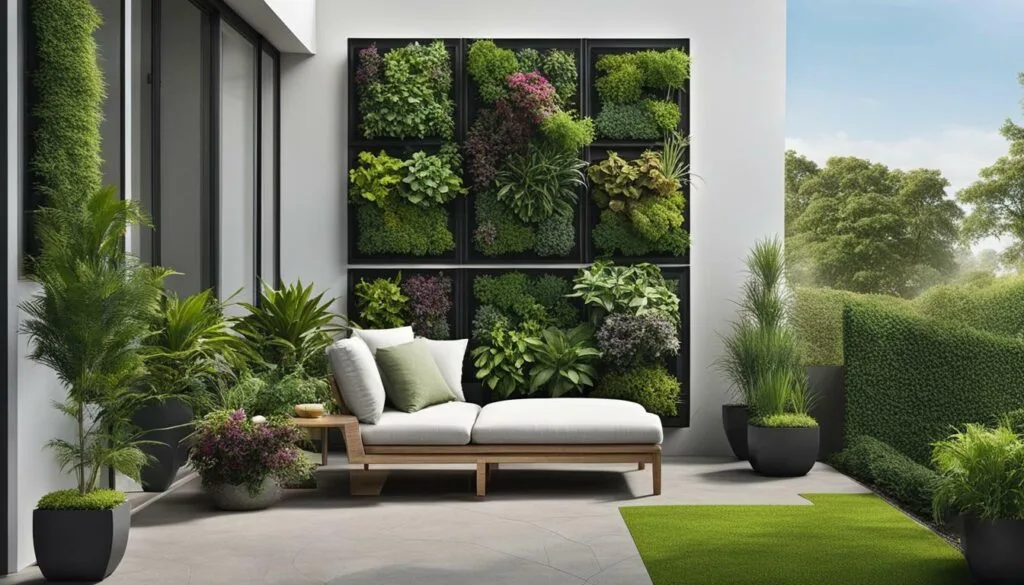
When choosing your kit, think about how often you want to water, whether you have access to power and water lines, and how permanent you want the installation to be. Those answers will usually point clearly to one or two ideal categories.
If you are starting from zero, a simple tower or small wall frame is often the most forgiving way to learn the basics of vertical herb gardening before moving to more advanced systems.
How To Set Up And Plant A Vertical Herb Garden Kit
Most vertical herb garden kits arrive with their own assembly instructions, but the general process is similar across systems. You start by assembling the frame or tower, then place it in its final location before adding soil or media.
For wall kits, we always recommend checking fixings and wall strength carefully, because water and soil add real weight once everything is filled. For towers and stands, pick a stable, level surface to avoid tipping.


Next, fill planters with a high quality, light potting mix that drains well. Herbs hate soggy roots, so avoid heavy soil dug from the ground and stick to mixes designed for containers.
Finally, plant herbs with similar needs together, place thirstier ones higher in self watering systems, and give trailing herbs the edges where they can cascade naturally.
Conclusion
Vertical herb garden kits make it realistic for almost anyone to grow fresh herbs, whether you have a big backyard, a tiny balcony, or just an empty kitchen wall. By choosing the right style, from self watering frames to indoor hydroponic walls and 5 tier towers, you can match your space, budget, and maintenance comfort level.
As interest in home gardening keeps rising and more people look for compact, productive solutions, we expect vertical herb kits to become a standard feature in modern homes. If you start small, pay attention to light and watering, and harvest often, your vertical herb garden will quickly pay you back in flavor, fragrance, and the simple satisfaction of cutting your own herbs just a few steps from your stove.