Vertical edible gardens can use up to 90–98% less water than conventional farms when irrigation is set up properly, which is huge if you are growing food in a small urban space with a tight water budget.
Key Takeaways
Question
Short Answer
How do you water a vertical edible garden efficiently?
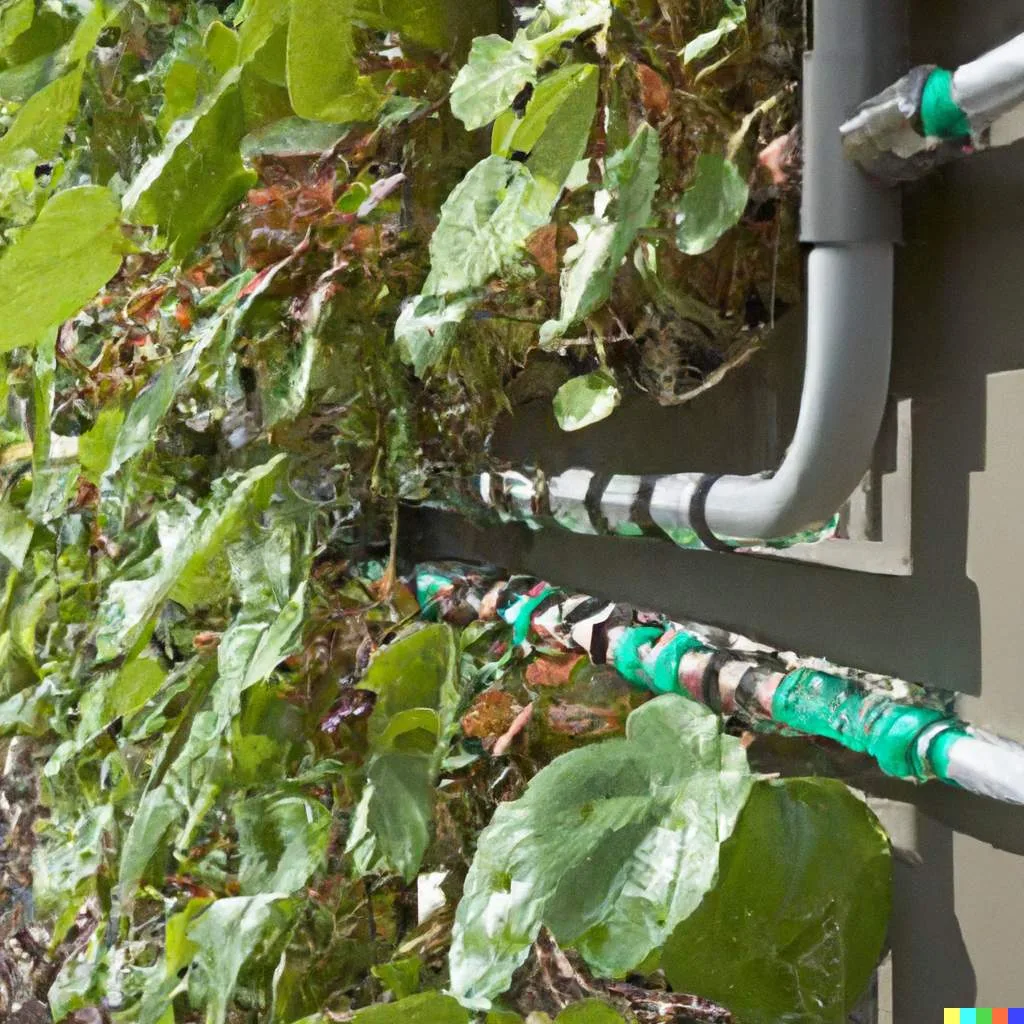
Use simple drip lines or a self watering system that delivers water directly to plant roots, like the setups we describe in our self watering vertical garden guide.
Is drip irrigation worth it for small balcony gardens?
Yes, even tiny edible walls benefit from low-pressure drip lines because they avoid runoff and dry pockets, and they can connect to timers.
What is the easiest irrigation system for beginners?
Pre-built self watering vertical garden kits with integrated pumps and timers are the most plug-and-play option, especially indoors.
How often should I water a vertical herb wall?
Most edible walls do well with short, frequent irrigations, often daily in summer; adjust based on moisture checks and the tips in our living wall maintenance guide.
Can vertical irrigation systems handle compost teas or organic feeds?
What if I want a vertical system that basically waters itself?
Look at kits with built in reservoirs, pumps, and timers, similar to the self watering systems highlighted across our vertical gardening guides.
1. Why Irrigation Is The Make Or Break Factor For Vertical Edible Gardens
With vertical gardens you are stacking plants, so water moves differently than in a flat bed and mistakes show up faster in droopy leaves and bitter salad. We design irrigation first, then build the wall around it, because getting water to the top and catching it at the bottom decides how well your greens and herbs actually produce.
In a vertical edible setup, water has to move uniformly from top cells to bottom pockets without flooding some plants and starving others. That is why we lean on low pressure drip, self watering reservoirs, and smart soil mixes instead of just spraying the front of the wall with a hose.
Irrigation rule of thumb: In a vertical edible garden, if the top row is happy but the bottom row is pale or waterlogged, the irrigation layout is wrong, not the plants.
2. Core Irrigation Options For Vertical Edible Gardens
Most vertical edible gardens use one of three irrigation styles, gravity fed drip, pumped recirculating systems, or hand watering with clever reservoirs. We usually match the method to your space, crop list, and how automated you want things to be.
Here is a quick comparison to help you see the differences before we go deeper into each one.
Irrigation Type
Best For
Pros
Cons
Gravity drip
Outdoor walls, balcony rails
Low tech, cheap, easy to repair
Less precise, height limited
Pumped recirculating
High density herb and salad walls
Very water efficient, timer friendly
Needs power, pump maintenance
Reservoir & hand top up
Small indoor systems
Simple, good for renters
Not fully automatic, more checking
Whichever style you choose, the goal is the same, consistent moisture around edible roots, not wet foliage and not dry pockets inside the wall. Once that is stable, you can fine tune nutrients and light to push yield.
3. Self Watering Vertical Garden Kits: Easiest Path For Beginners
Pre built self watering kits take a lot of guessing out of irrigation, so they are our go to recommendation for people who want salad and herbs without tinkering with tubes. Our favorite style uses a rear mounted drip grid plus a small pump and timer that pulls from a base reservoir.
On systems like the self watering vertical garden kit described on our site, you get a wire panel, irrigation lines, pump, and timer bundled so you only worry about where to hang it and what to plant. Typical pricing for full vertical garden kits in this category lands around $219.00 to $289.00, which is reasonable compared to piecing together pumps, timers, and fittings one by one.
Great for mixed edible walls with herbs, leafy greens, and strawberries.
Short, regular watering cycles keep root zones moist but not soggy.
You can hide the reservoir inside a bench or cabinet for indoor setups.
Checklist: Before you buy a self watering kit, tick these off:
Do you have an outlet within 2–3 meters for the pump timer?
Can you safely support the weight of wet soil plus water on the wall?
Do you have a spot to hide or access the reservoir for refills?
Click for our starter watering schedule tip
An at-a-glance guide to three irrigation methods for vertical edible gardens. Learn how to optimize water use in compact spaces.
4. Gronomics Vertical Garden: Classic Soil System With Integrated Irrigation
The Gronomics Vertical Garden is a cedar framed, soil based unit that includes irrigation tubing along the tiers, so it is a nice bridge between raised beds and full living walls. With roughly 17 feet of linear growing space in a 32 inch wide frame, it gives you plenty of room for lettuce, basil, and compact peppers while staying manageable for patios or courtyards.
We like that the irrigation is simple, you connect a low flow line at the top, and each trough receives water evenly, then excess drips out rather than pooling behind the frame. Many gardeners pair it with a basic timer so watering becomes totally hands off during hot months.
Why we like Gronomics for edible irrigation
Wood frame buffers moisture, which helps avoid big wet dry swings.
Soil volume per cell is generous, so roots can store some water between cycles.
You can retrofit with a small inline fertilizer injector if you want precision feeding.
Did You Know?
Vertical farms can yield about 97 kg of lettuce per m² per year, over 20x the 3.3 kg/m² observed in field farming, which is why precise irrigation matters so much in stacked systems.
5. Living Wall Irrigation Basics: From Indoor Herb Walls To Outdoor Edible Facades
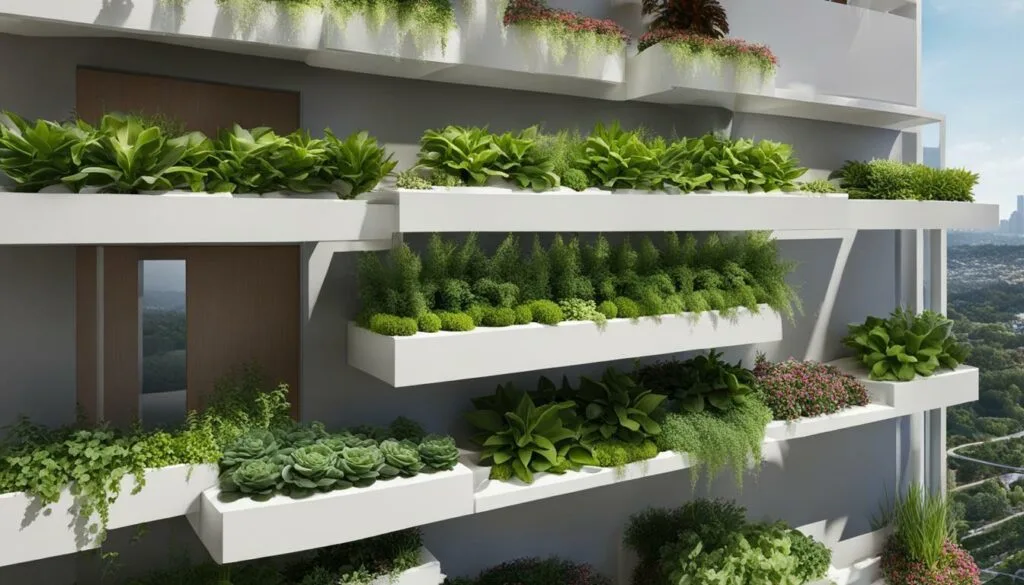
Living wall panels for edibles usually combine shallow planting pockets with a backing layer that distributes water, which means irrigation has to be gentle but frequent. In our Living Wall Maintenance Guide for Beginners we walk through the core tasks, checking emitters, watching for dry corners, and calibrating timers for seasons.
For indoor herb walls you often use a top feed drip rail or a perforated pipe that trickles water down through the felt or soil pockets, then a catch tray or reservoir collects excess at the bottom. Outdoor edible walls can drain freely if you protect the wall structure behind and keep nutrient runoff under control.
Pro tip: In vertical edible walls, under watering shows first as limp, slightly bitter leaves, while over watering shows as yellowing from the bottom up.
Quick troubleshooting guide:
Top rows dry, bottom rows soggy → reduce flow rate and add more emitters higher up.
Algae and smells in indoor trays → shorten watering times and increase air movement.
Uneven growth by column → flush that column, then check for clogs or kinks.
6. Indoor Systems Like The Wall Farm: Smart Soil And Controlled Irrigation
Indoor vertical systems such as The Wall Farm use Smart Soil or similar media to spread moisture evenly around roots, which makes irrigation more forgiving for beginners. Instead of soaking pots from above, you are usually feeding nutrient solution into channels or wicks that bring water up to each plant slot.
Because these systems sit inside your living space, irrigation has to be clean, contained, and quiet. That means sealed reservoirs, low voltage pumps, and overflow safeguards so you can grow basil and lettuce in the living room without worrying about leaks.
Great for year round salad and microgreens close to the kitchen.
Consistent irrigation supports very high planting density on each shelf.
Works best with filtered water to protect pumps and sensors.
Try this micro-interaction: Rate your indoor irrigation confidence.
If you are a complete beginner, start with a kit that has a single preset watering program.
If you are comfortable tweaking, choose a system with programmable timers and adjustable flow.
If you like data, add a cheap moisture sensor strip to track how your Smart Soil behaves.
7. 5 Tier Vertical Garden Towers: Watering From The Top Down
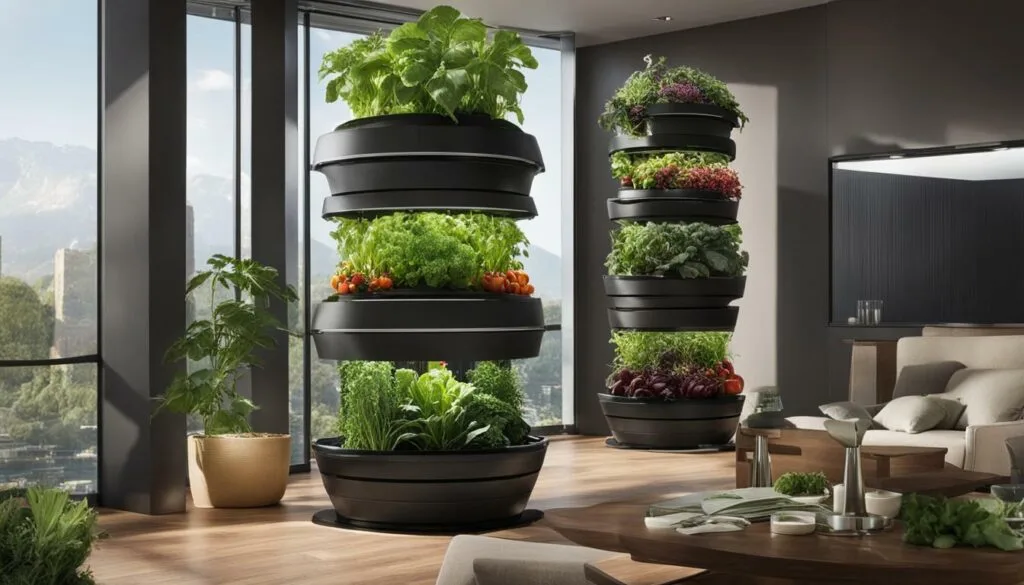
Stacked towers, like the 5 Tier Vertical Garden Tower, water from the top and let gravity do the work through distribution disks and channels in each tier. For edible gardens, that makes irrigation very predictable, you pour into a top reservoir or connect a drip head, and water cascades through all 30 pockets.
Because roots in towers share a central column of moist media, these systems are surprisingly drought tolerant as long as you do not let the core dry completely. Many growers integrate a simple drip line at the top tied to a timer so herb and strawberry towers get a daily soak without any manual watering.
Ideal for patios and balconies where floor space is limited.
Water moves straight through, so there is less risk of hidden pooling.
Easy to pair with composting cores or worm tubes for nutrient rich irrigation.
DIY watering hack for towers: Use a 2 liter bottle with small holes in the cap as a gravity dripper into the top pocket if you do not want to install a full drip line yet.
8. Vertical Composting Garden Towers: Irrigation Plus Nutrients In One Stack
The vertical composting garden tower takes irrigation and feeding and merges them, you water the tower, and as the liquid filters past the compost core it picks up nutrients before reaching edible roots. This design is perfect for closed loop balcony gardens where you want to turn kitchen scraps into salad fuel.
From an irrigation angle, the key is balance, enough moisture to keep the compost core active and leaching nutrients, but not so much that you create anaerobic sludge. We usually suggest shorter, more frequent watering events and occasional manual inspection of the core to see how fast it is breaking down.
Reduces or replaces bottled liquid fertilizers for greens and herbs.
Encourages deep rooting into the moist central zone of the tower.
Works well with collected rainwater if you filter out debris first.
Did You Know?
Water use in vertical farms is about 0.9 m³ per kg of lettuce, versus up to 7.3 m³/kg in some field farms, thanks to controlled irrigation and recirculating systems.
9. Dialing In Schedules, Timers, And Water Use For Edible Walls
Once your hardware is in place, the real art of irrigation for vertical edible gardens is schedule tuning, how long and how often you run water. Instead of following generic rules, we always suggest a simple test cycle, run the system until the first drips reach the bottom tray, note the time, then use that as a baseline cycle length.
From there, you can use seasonal tweaks and plant feedback to refine things.
Season / Setting
Typical Frequency
Notes
Indoor, moderate light
1–3x per day
Short cycles, watch for mold in low airflow rooms.
Outdoor spring / fall
1x per day
Bump up during windy spells.
Outdoor hot summer
2–4x per day
Shade sensitive greens or water more often.
A simple programmable timer is usually enough, especially if you combine it with weekly manual checks for clogged emitters, leaks, and root overgrowth around irrigation lines. Over time, you will get a feel for how much water your wall uses and can even plan rainwater collection volumes around it.
10. Maintenance, Cleaning, And Long Term Care Of Irrigation Systems
Vertical irrigation hardware lives right next to soil particles, roots, and fertilizer residues, so maintenance is part of the deal if you want consistent harvests. In our living wall maintenance content we highlight a simple rhythm, quick weekly checks, deeper monthly flushing, and an annual line inspection or replacement.
Here is a straightforward maintenance schedule you can adapt to your own edible wall.
Weekly – Check for leaks, drippers that stopped flowing, and overly dry pockets.
Monthly – Run a flush cycle with clean water, and if needed, a mild vinegar solution to reduce mineral buildup.
Seasonally – Trim roots that invade emitters, and clean or swap filters on pumps and reservoirs.
Top Tip: Set a recurring reminder on your phone right now labeled “Flush vertical garden irrigation” once a month. This single habit probably adds years to your pump and tubing.
Forgetful Author
Conclusion
Irrigation for vertical edible gardens looks technical from the outside, but once you see the patterns it is mostly about steady, gentle water at the roots and a layout that lets gravity help instead of fight you. Whether you pick a self watering wall kit, a Gronomics style cedar frame, or a composting tower, planning how water moves through your system will decide how much fresh food you pull from that tiny footprint.
As you set up or upgrade your own vertical garden, treat irrigation as the main infrastructure, not an afterthought, and your lettuce, herbs, and strawberries will pay you back in reliable harvests in a surprisingly small space.
Want a yard that hums with wings and color all summer? Lantana brings nonstop nectar, bold clusters, and a zero-drama personality. Plant a few, and butterflies will RSVP yes to your garden party....
Want height, movement, and butterflies without blocking the view? Verbena bonariensis brings all that drama with a featherlight touch. These “see-through” towers float purple clouds over your...

 .
.