
Urban vertical systems can deliver up to 390 times more food per square foot than open fields, so an urban tomato vertical garden is one of the most efficient ways to turn a balcony or wall into a serious harvest zone.
Key Takeaways
| Question | Short Answer |
|---|---|
| What is an urban tomato vertical garden? | It is a stacked or wall-mounted system that lets us grow tomatoes upward instead of outward, perfect for balconies, patios, and small yards. For a deep dive into tomato-focused setups, see our guide on maximizing yield with a vertical garden for tomatoes . . |
| Which tomato types work best vertically? | Indeterminate vining tomatoes are ideal for tall systems, while compact bush types fit shorter towers and balcony frames, which we cover in our vertical tomato garden basics. |
| Do I need a special system or can I DIY? | You can DIY with simple trellises, or use purpose-built systems like towers and wall planters. Our overview of the best vertical garden systems for your home compares popular options. |
| Can I grow vertical tomatoes indoors? | Yes, with good light and support structures, especially using wall gardens and indoor stands like those in our indoor vertical wall garden guide. |
| How do I keep a vertical tomato garden healthy? | Consistent watering, pruning, and seasonal checks are key, which we break down in our urban vertical gardening maintenance essentials. |
| Is a balcony enough space for vertical tomatoes? | Yes, most balconies can host compact towers or wall-mounted containers, similar to what we show in our vertical balcony vegetable garden ideas. |
1. What An Urban Tomato Vertical Garden Actually Is
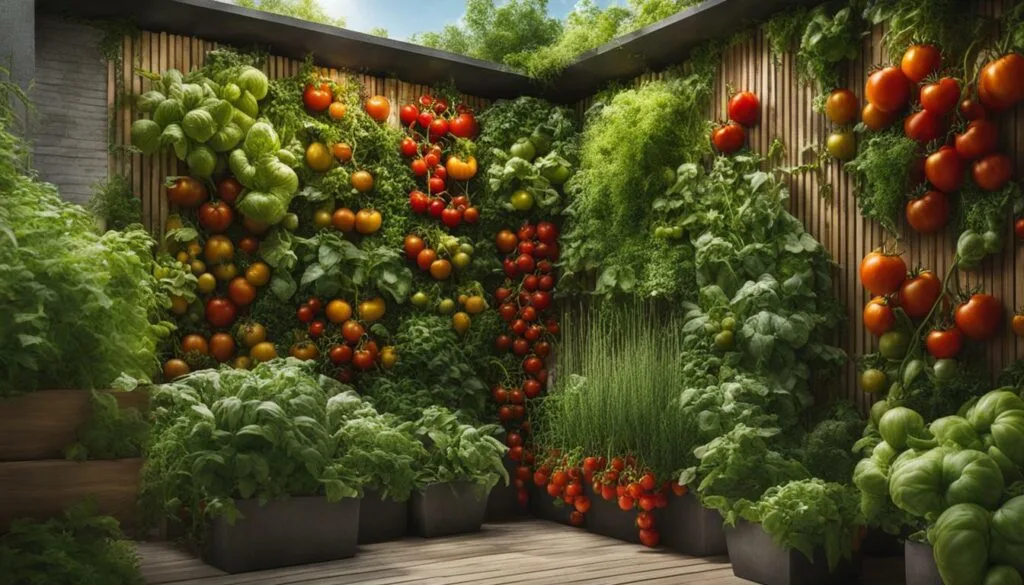
When we talk about an urban tomato vertical garden, we mean any setup that lets tomatoes climb or stack upward so you can grow more plants in a small footprint. That might be a tower, a wall rack, a trellis on a tiny patio, or an indoor vertical frame next to a window.
Instead of a big ground bed, you are working with containers, pockets, or troughs that go up in tiers. Vertical gardening focuses on airflow, compact root zones, and strong support, which tomatoes love when they get it right from the start.
Vertical tomato gardens vs traditional beds
In a traditional bed, each tomato can sprawl across several square feet, so one or two plants quickly eat your whole balcony. In a vertical setup, you trade horizontal space for height, and you stack several plants in roughly the same footprint.
That layout fits urban life, because you keep your floor clear for seating while still getting a serious tomato harvest. With smart design, you also get better airflow and easier pruning compared to crowded ground beds.
2. Choosing Tomato Varieties For Vertical City Gardens
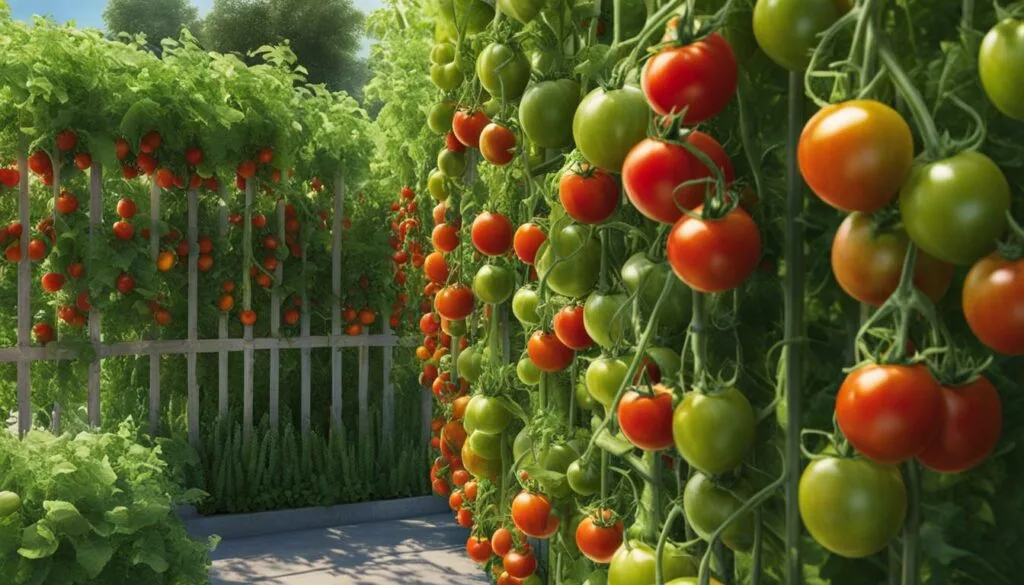
The tomatoes you choose make a huge difference to how easy your vertical garden is to manage. In vertical systems, indeterminate vining types like to climb and fruit for months, while determinate bush types stay compact and finish sooner.
For tight balconies, patio cherries and dwarf vines are usually the easiest option. They give plenty of fruit without turning into a jungle that overpowers your supports.
Vining vs bush tomatoes in vertical systems
Indeterminate vines keep growing all season, which works well with tall towers or wall frames if you stay on top of pruning and tying. Determinate bush tomatoes fit nicely into shorter towers and small wall planters where height is limited.
Smaller-fruited types, like cherry or grape tomatoes, handle containers and fluctuating urban conditions better. They typically set more reliable clusters compared to giant beefsteaks in cramped pots.
3. Picking The Right Vertical System For Tomatoes In The City
There is no single best vertical system for urban tomatoes, but some designs are clearly more tomato friendly than others. We usually look at three things first: root volume, support strength, and how easy it is to water.
Wall pockets that are too shallow will dry out fast and stress tomatoes, while tower pockets or troughs with enough soil let roots spread. Strong frames are just as important, because a mature tomato full of fruit gets heavy quickly.
Comparing common urban vertical options
| System type | Best for tomatoes? | Key advantage in cities |
|---|---|---|
| Stacked tower | Yes, especially cherries | Great yield per square foot on patios and rooftops |
| Wall pockets | Only compact or dwarf types | Uses vertical wall space that would be wasted |
| Freestanding cedar frame | Good for several bush tomatoes | Looks neat on decks, easy to access both sides |
In apartments, we usually suggest a tower or a compact frame that sits against a wall. Indoors, you can lean on purpose-built vertical systems designed for living rooms or kitchens.
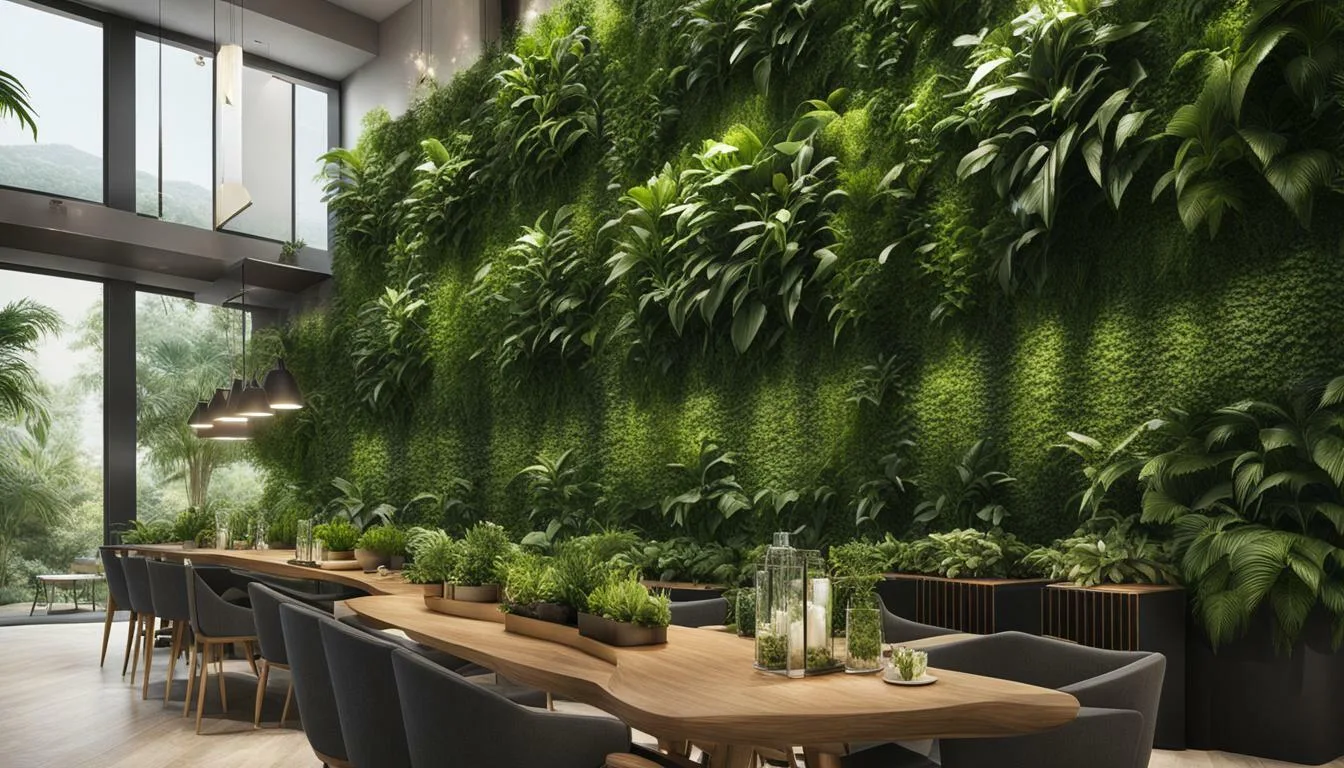
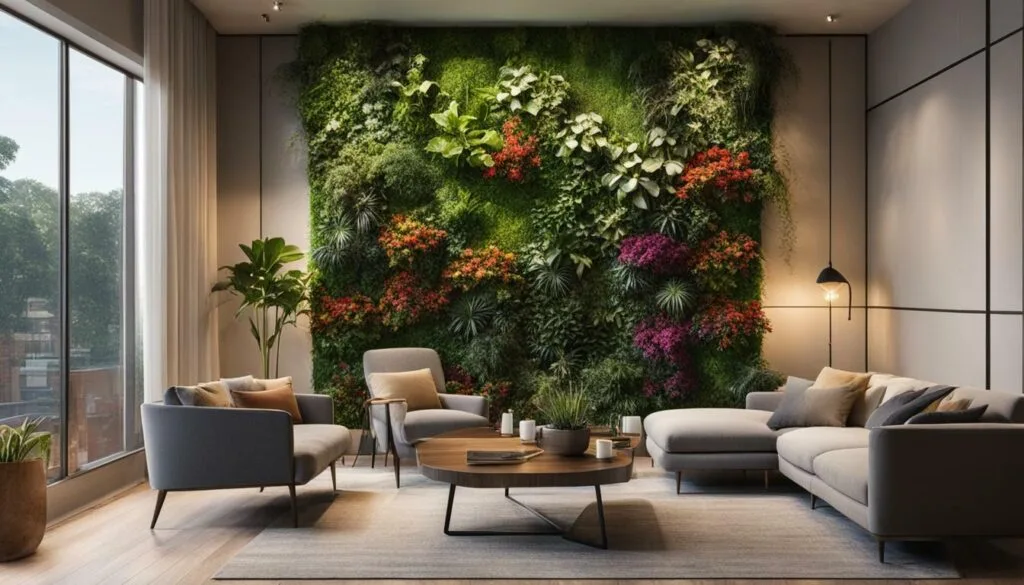
A compact guide showing how growing tomatoes vertically in urban spaces saves room and boosts yield.
4. 5‑Tier Vertical Garden Towers For Balcony Tomatoes
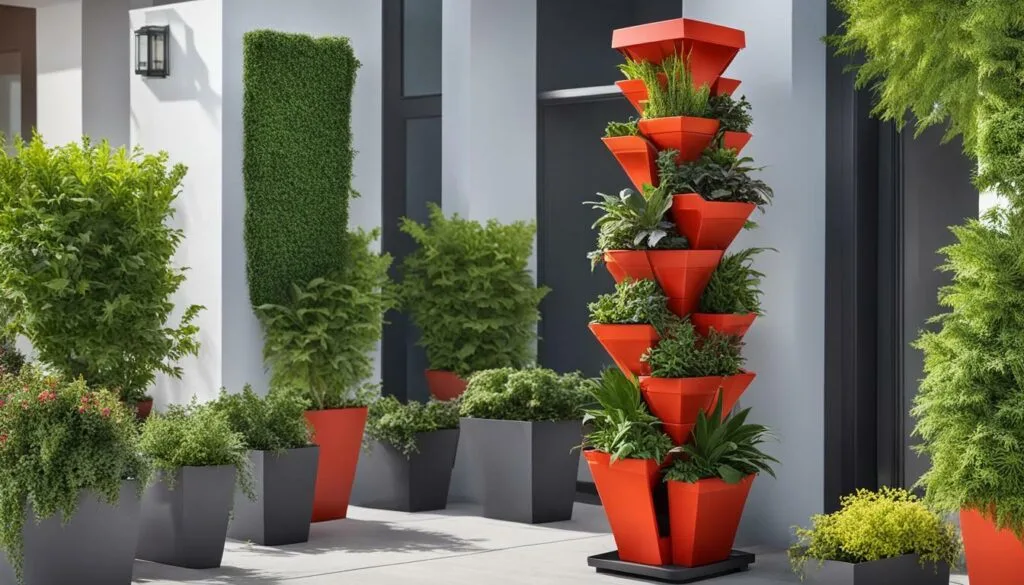
Stacked towers are one of our favorite ways to build an urban tomato vertical garden on a balcony or rooftop. The 5 Tier Vertical Garden Tower design, for example, uses multiple levels with planting pockets that share a top water reservoir.
Each tier adds more growing sites without expanding the footprint, so you can mix tomatoes with basil, lettuce, or flowers in the same tower. Eco-friendly materials and simple setup make it friendly for new growers in small apartments.
Why a 5 tier tower suits tomatoes
Tomatoes in the middle and top tiers get better light and airflow, while you can tuck herbs and leafy greens into the lower pockets. The shared watering system helps keep moisture consistent, which tomatoes need to avoid blossom end rot.
Because everything is in one vertical column, it is easy to prune, inspect, and harvest from a small standing area on your balcony. You can also rotate the tower a little during the season to even out sun exposure if one side of your balcony is brighter.
Did You Know?
65.1 kg m⁻² year⁻¹ is the current maximum tomato yield measured in vertical farming, giving urban growers a real benchmark for what efficient systems can achieve.
Source: Frontiers in Plant Science
5. Indoor Urban Tomato Vertical Gardens With Wall Systems
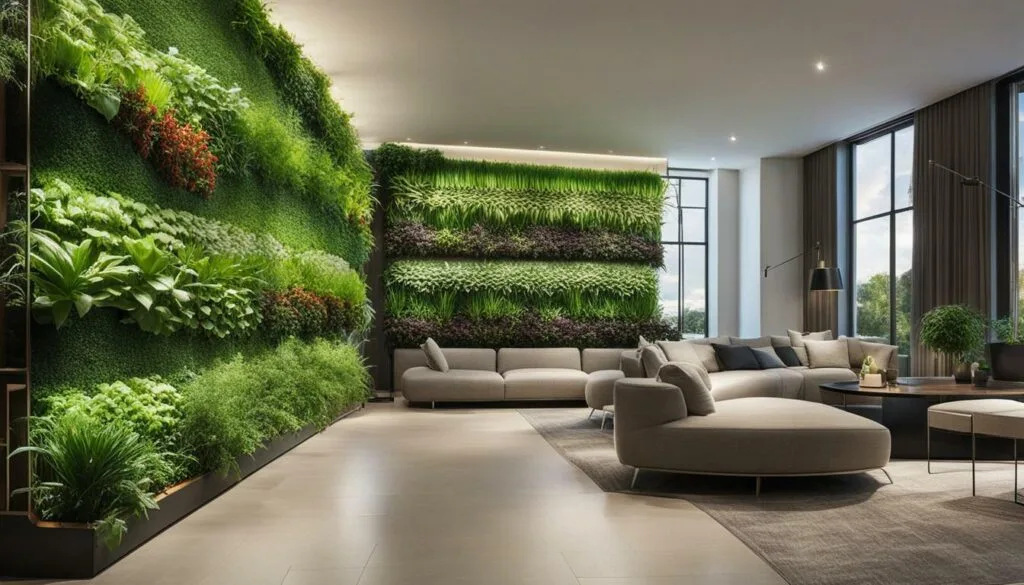
If your outdoor space is limited or your climate is harsh, you can still grow tomatoes vertically indoors with wall-mounted systems. These setups use panels, pockets, or shelves that sit against a wall, often near a bright window or under grow lights.
Indoor vertical gardens also look good, so your tomato plants double as living decor in a kitchen or living room. You just need to match plant size to pocket depth and make sure your supports can handle the weight once fruit sets.
Wall Farm and similar indoor systems for tomatoes
Three shelf style indoor vertical gardens, like Wall Farm type systems, give you room for compact tomatoes in deeper troughs on the lower shelves. Upper shelves can host herbs and greens that enjoy the same light and watering routine.
These systems are built for year round growing, which suits cherry and grape tomatoes that fruit over long periods. With smart soil or hydroponic modules, you also get more consistent moisture than basic pots on a windowsill.
6. Freestanding Frames Like The Gronomics Vertical Garden
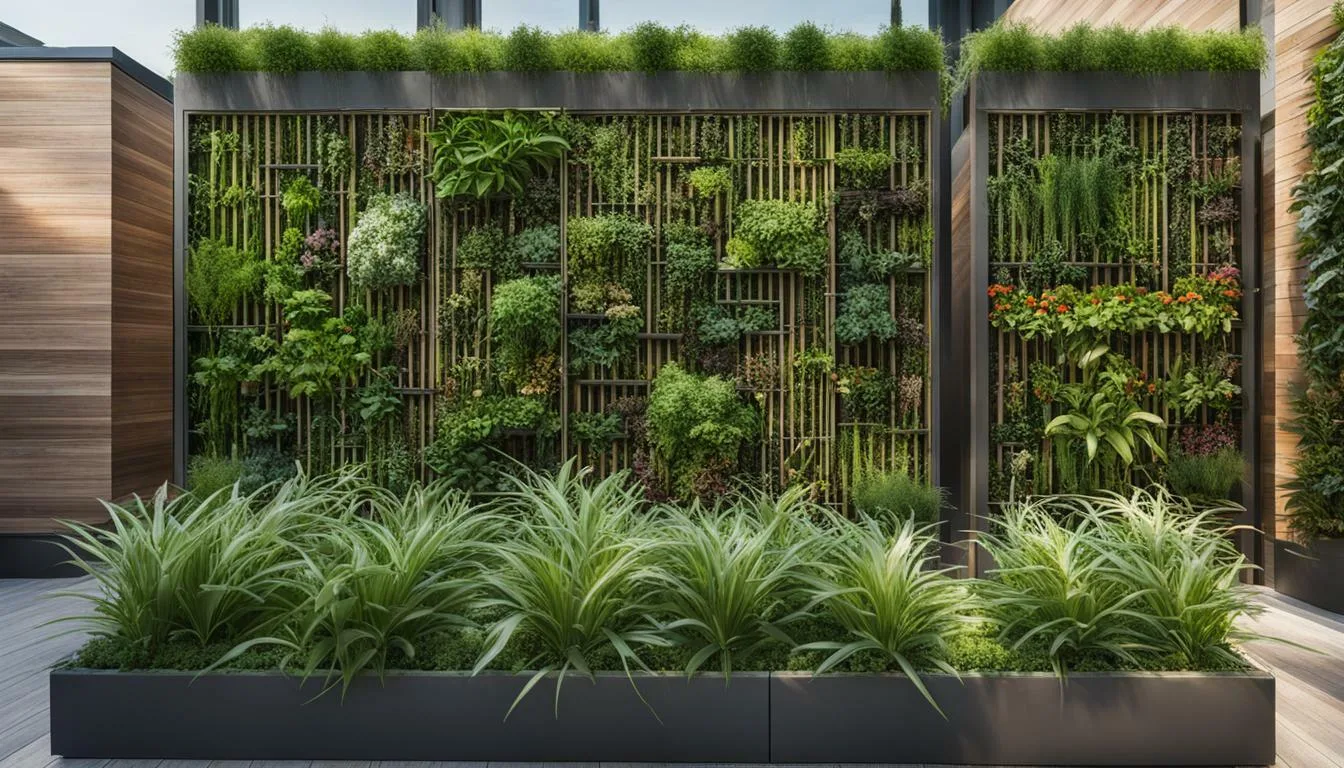
If you prefer a more traditional wood look for your urban tomato vertical garden, freestanding frames like cedar systems work well. A cedar frame with tiered boxes gives tomatoes deeper soil and a sturdy structure while still keeping everything compact.
These are ideal for patios, courtyards, and small yards where you have a bit of floor space but still need to stack plants up instead of out. The natural wood also blends nicely with outdoor furniture.
How a cedar frame supports tomato growth
Each tier can host one or two tomato plants, with trellis wires or stakes attached to the frame so vines have something solid to climb. You can underplant with basil, marigolds, or lettuce to make use of the shaded areas near the base.
Cedar resists rot, so with basic care you get a system that lasts several seasons. That is useful in cities where you do not want to rebuild your garden structure every year.
7. Balcony‑Friendly Tomato Layouts In Vertical Gardens
On a balcony, we always start with layout before adding plants, because space is tight. Your urban tomato vertical garden should leave enough room to walk, sit, and open doors, while still giving the plants full sun.
Most balconies handle one main vertical structure plus a couple of side containers, rather than a crowded forest of pots. Keeping the design simple makes watering and pruning realistic in daily life.
Practical balcony layout tips
- Place your tallest vertical system against the sunniest wall or railing.
- Use rail planters or slim wall planters for companion herbs, not more big tomatoes.
- Leave at least 45 to 60 cm of clear walking space so you can access plants safely.
- Keep a small staging area for a watering can, fertilizer, and pruning tools.
We also suggest keeping heavier systems closer to support posts or walls, which helps with stability in windy conditions. Always check your building’s weight and railing rules before stacking lots of soil and water on a balcony.
Did You Know?
Vertical tomato farms typically target 100–300 kg m⁻² year⁻¹, a range that shows how productive a well planned urban tomato vertical garden can be.
Source: Cultivation Ag
8. Watering, Feeding, And Daily Care For Vertical Tomato Gardens
Tomatoes in vertical systems are usually in smaller soil volumes than ground beds, so they rely on you more. Regular watering, steady feeding, and simple pruning are what keep an urban tomato vertical garden productive instead of stressed.
Because balconies and rooftops get extra wind and sun reflection, containers can dry much faster than you expect. That is why we like systems with built in reservoirs or consistent hydroponic flows for busy urban growers.
Basic care checklist
- Check moisture daily in hot weather, and water deeply rather than with tiny sips.
- Feed every 1 to 2 weeks with a balanced or tomato specific fertilizer during flowering and fruiting.
- Prune excess side shoots on vining tomatoes to keep air moving and focus energy on fruit clusters.
- Inspect leaves for pests or disease spots and remove affected foliage early.
For hydroponic or self watering setups, follow the manufacturer guidelines, and flush systems occasionally to avoid salt buildup. Simple habits like these make vertical tomatoes far easier to manage in a tight urban schedule.
9. Hydroponic And Wall‑Mounted Options For Compact Tomato Setups
If you are short on soil storage or want cleaner indoor growing, hydroponic vertical systems are worth a look for tomatoes. These use nutrient solutions instead of soil, feeding roots directly in a recirculating setup.
In urban homes, the main advantages are precise control over water and nutrients and less mess inside. Compact cherry tomatoes tend to do best in these systems, especially when you keep pruning tight.
Hydroponic vertical gardens for tomatoes and herbs
Many hydroponic vertical herb gardens can also support small tomato varieties on the lower tiers, as long as you give them support stakes. Automated watering and dosing help keep conditions stable, which tomatoes appreciate.
If you pair a vertical hydroponic column with a sunny window or quality grow lights, you can harvest tomatoes in the off season in a city apartment. Just plan ahead for pump noise and electricity access when you choose a location.
10. Planning, Budgeting, And Getting Started With Your Urban Tomato Vertical Garden
Before you buy hardware or plants, it helps to plan your urban tomato vertical garden on paper. That way you match your space, sunlight, and budget with a system that you will actually use and enjoy.
We like to start with three questions: how much sun do you get, how much time can you give weekly, and do you want indoor, outdoor, or both. Your answers will steer you toward simple towers, more advanced hydroponic frames, or a basic wall system.
Simple first season plan
- Measure your space and note sun hours at different times of day.
- Pick a single primary vertical system that fits easily without crowding.
- Choose 2 to 4 compact tomato varieties suited to containers.
- Set a light maintenance routine with watering and pruning days.
- Keep notes on what works so you can adjust next season.
If you enjoy the first year, you can always expand with more pockets, better lighting, or an extra tower. The goal in urban settings is a setup that fits into your routine rather than a huge project that becomes hard to manage.
Conclusion
An urban tomato vertical garden lets you grow serious harvests in spaces that most people ignore, from balconies and patios to kitchen walls. By choosing the right tomato varieties, matching them with a suitable vertical system, and building a simple care routine, you can turn a small footprint into a productive and good looking food source.
Whether you lean toward a 5 tier tower on your balcony, a cedar frame in a courtyard, or an indoor wall system for year round cherry tomatoes, the basic ideas stay the same. Grow up instead of out, keep plants supported and well watered, and enjoy how much fresh fruit you can pull from a compact urban space.