
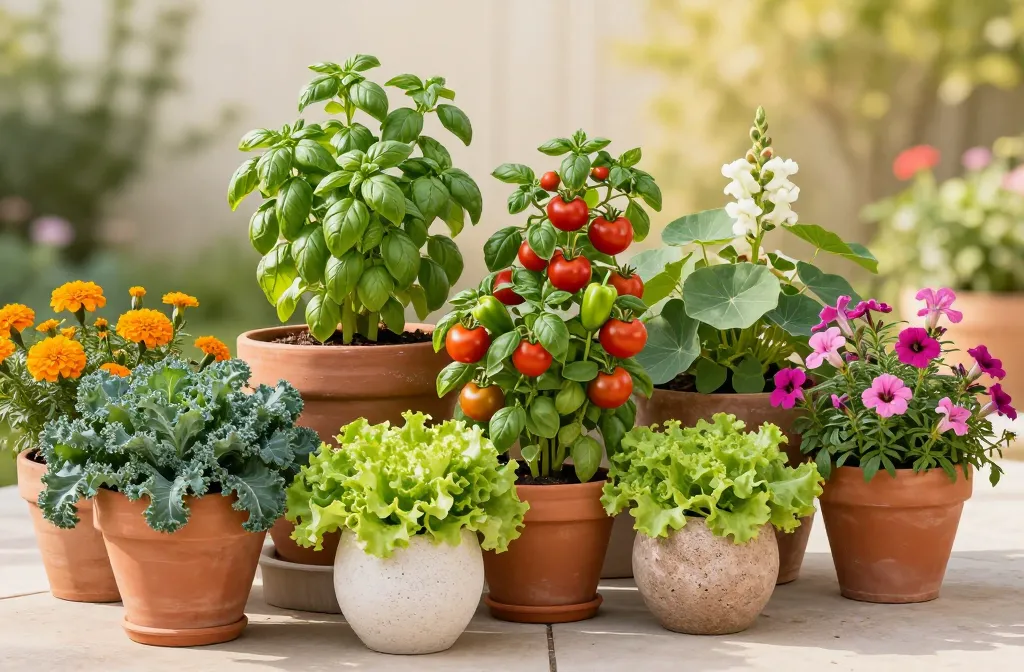
Ready to turn your patio into a nonstop produce-and-blooms factory? Zone 9–11 gardeners get long seasons, warm nights, and yes—endless choices. The trick is timing, containers, and a little ruthless editing. Let’s map out a full year so your pots stay thriving, colorful, and productive—without you babysitting them 24/7.
You’ll get what to plant, when to plant it, and how to rotate like a pro. We’ll keep it simple, practical, and pretty—because aesthetics matter when you’re sipping iced tea next to your basil jungle.
1. Build Your Year: Warm, Shoulder, And Cool Seasons On Repeat
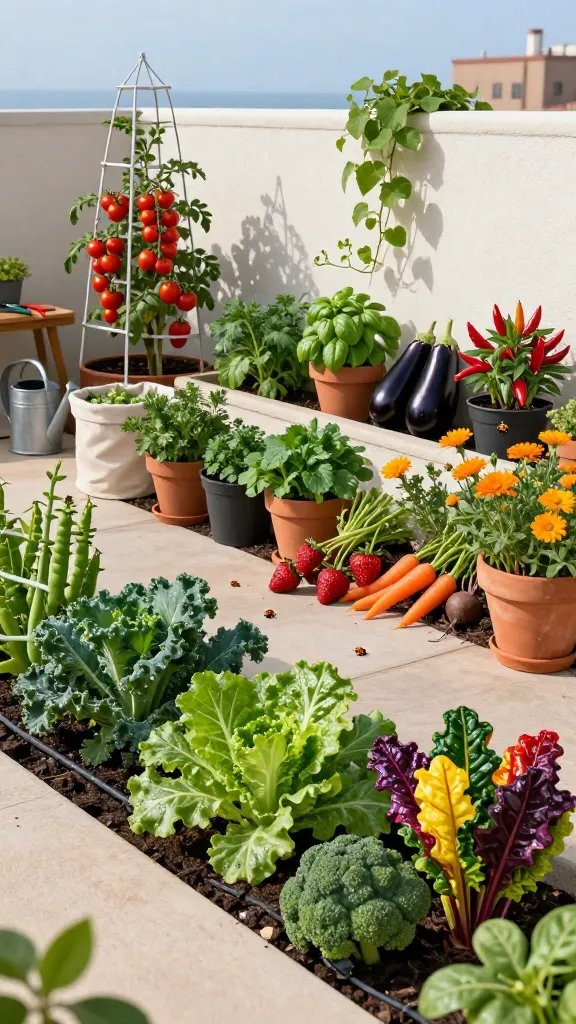
Zones 9–11 don’t do winter the way other regions do. You get three usable planting windows: cool season, shoulder season, and warm/hot season. Nail these and you’ll harvest year-round from containers without burnout.
Think of it like a playlist: cool crops slide in after peak heat, shoulders bridge the gaps, and heat lovers headline the summer show.
Seasonal Windows (Approximate)
- Cool Season (Late Fall–Early Spring): Oct–Mar (Zone 9), Nov–Feb (Zone 10), Dec–Jan (Zone 11)
- Shoulder Season (Spring/Fall Transitions): Mar–Apr and Oct–Nov (adjust earlier for Zone 11)
- Warm/Hot Season (Late Spring–Early Fall): Apr–Oct (Zone 9), Mar–Nov (Zone 10), Feb–Dec (Zone 11)
Why This Rocks
- Constant harvests with fewer pest blowups
- Efficient rotations so containers stay full and happy
- Better flavor because you respect heat and daylight shifts
Use these windows to schedule sowing and transplanting. Your containers stay on rhythm, and your plants won’t throw tantrums. Perfect for patios, balconies, or anyone who hates empty pots.
2. The Planting Schedule: What To Grow Month-By-Month
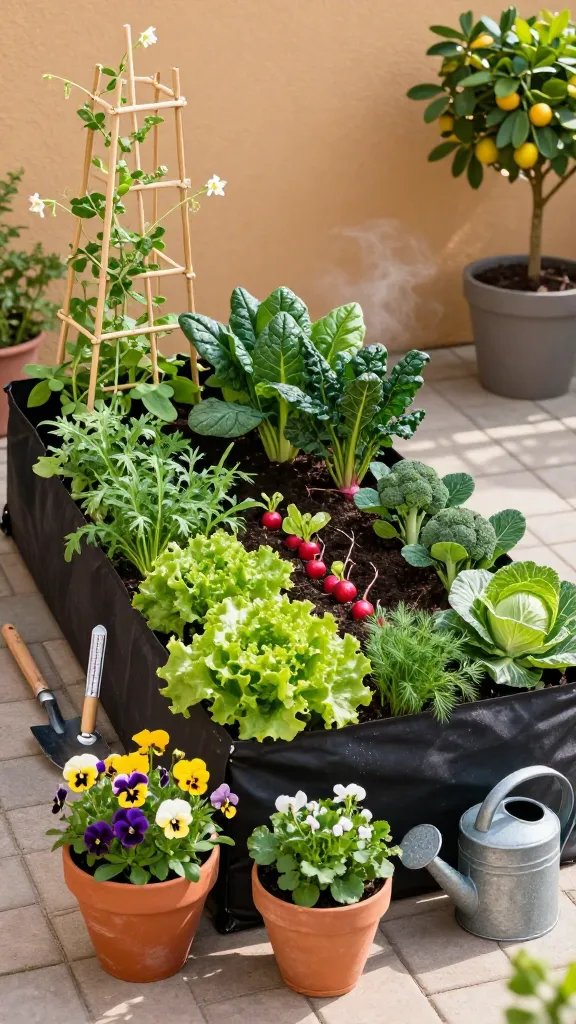
Here’s your high-level, no-drama planting schedule for Zones 9–11. Adjust one month earlier for Zone 10 and two months earlier for Zone 11, FYI. Go by soil temperature and day length if you want to get fancy.
January–February (Cool Season Focus)
- Direct sow: arugula, spinach, lettuce mixes, radish, peas (snap/snow), cilantro
- Transplant: kale, broccoli rabe, cabbage, chard, pansies, violas, calendula
- Herbs: parsley, dill, chives (great container anchors)
Use fabric grow bags for root veg and peas on a small trellis. Crisp salads now, bragging rights later.
March–April (Shoulder Into Warm)
- Direct sow: bush beans, zucchini, cucumbers, sunflowers, nasturtiums
- Transplant: tomatoes, peppers, eggplant, basil, marigolds, cosmos
- Last cool sowings: one more round of lettuce and radish before heat
Start staking tomatoes on day one. Add basil at the base for a living mulch and big pesto vibes.
May–June (Heat Lovers Take Over)
- Direct sow: okra, cowpeas (black-eyed peas), Malabar spinach
- Transplant: sweet potatoes (slips), lemongrass, roselle hibiscus, heat-tolerant basil
- Flowers: zinnias, portulaca, vinca, pentas
Lean into drought-tough winners. Malabar spinach climbs and thrives when regular spinach says “nope.”
July–August (Peak Heat, Play It Smart)
- Succession: okra, yardlong beans, Thai basil, hot peppers
- Start indoors/shade for fall: broccoli, kale, cauliflower, beets (Zone 9 especially)
- Herbs: Mexican tarragon, oregano, thyme (thrive in heat with drainage)
Give afternoon shade or shade cloth to stressed containers. Keep potting mix moist but never soggy. Seriously.
September–October (Second Spring)
- Direct sow: carrots, beets, turnips, arugula, cilantro
- Transplant: kale, cabbage, broccoli, chard, violas, snapdragons
- Tomato hail mary: cherry tomatoes if your fall stays warm enough (Zones 10–11)
This is the magic window for salads, roots, and pretty winter color. Your porch looks like a mini market.
November–December (Cool And Cozy)
- Direct sow: spinach, mache, mustard greens, peas in Zone 9–10
- Transplant: onions/shallots (starts), garlic (Zone 9–10), pansies, calendula
- Cut-and-come-again greens: keep harvesting every week
Fewer bugs, more flavor. Your soups and roasts will thank you.
Use this schedule as your base. Micro-adjust by microclimate—balcony shade, wind corridors, and reflected heat all matter.
3. Containers, Mixes, And Watering: Dial In The Setup
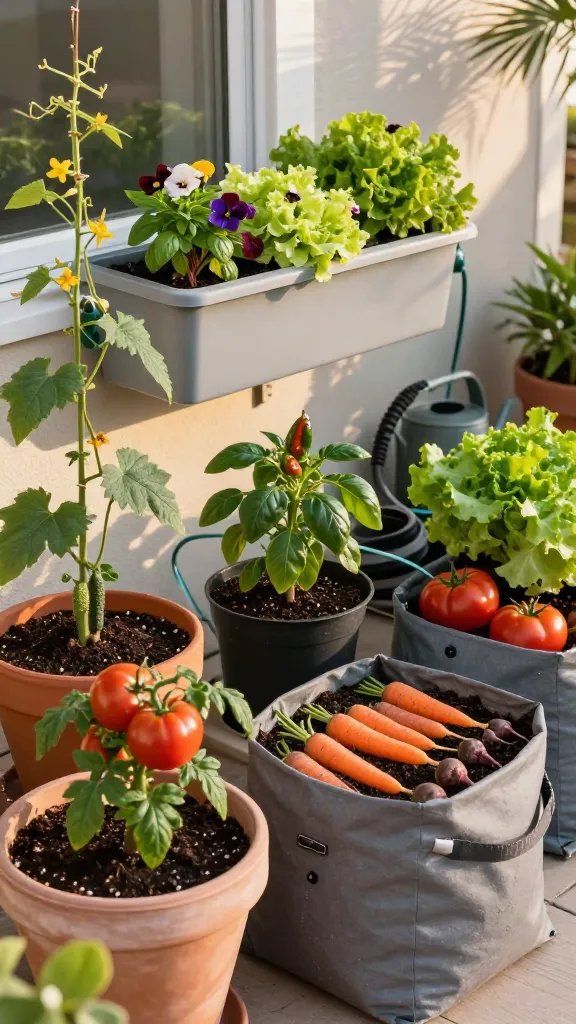
Great containers make great gardens. The right pot size, potting mix, and watering setup will make your plants act like they live in raised beds—just prettier and easier to rearrange.
Container Sizes That Work
- 5–7 gallons: peppers, bush tomatoes, eggplant, small dahlias
- 10–15 gallons: large tomatoes, zucchini, cucumbers (with trellis), sweet potatoes
- Grow bags (7–10 gallons): carrots, beets, potatoes, salad greens
- Window boxes (8+ inches deep): lettuce mixes, herbs, flowers
Use light-colored pots in summer to prevent root toast. Dark pots look chic but they cook roots in August.
Potting Mix Formula (Fast-Draining)
- Base: high-quality peat- or coir-based potting mix (not garden soil)
- Aeration: 20–30% perlite or pumice for heat seasons
- Nutrition: slow-release organic fertilizer + a handful of compost for biology
Top-dress with worm castings every 4–6 weeks. It’s like a probiotic smoothie for your plants—minus the blender mess.
Watering Strategy
- Daily check in summer; water when top 1–2 inches feel dry
- Morning watering beats evening in humid areas; reduces fungal issues
- Drip lines or simple battery timers = massive sanity saver
- Mulch with shredded bark, straw, or coco chips to stabilize moisture
Consistent watering keeps fruit from cracking and greens from going bitter. IMO, drip irrigation is the best garden gift you can give yourself.
4. Smart Rotations, Companion Planting, And Quick Fixes
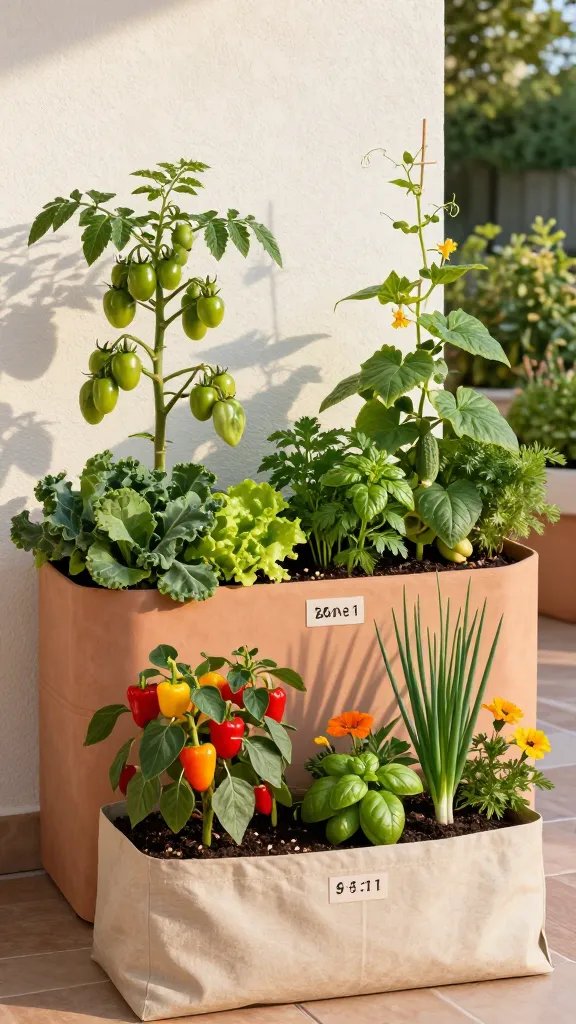
Containers still benefit from rotations and companion planting. You don’t need to overthink it—just don’t plant tomatoes in the same pot three times in a row and you’ll dodge most headaches.
Simple Rotation Pattern (By Pot)
- Pot A: tomato → fall greens → beans → tomato
- Pot B: cucumbers → herbs → peas → cucumbers
- Pot C: peppers → onions/garlic → basil/flowers → peppers
Refresh the top third of the mix between major crops. Add fresh slow-release fertilizer and compost to keep nutrients flowing.
Best Container Companions
- Tomatoes + basil + marigolds: flavor, pollinator magnet, and pest deterrent
- Cucumbers + dill + nasturtium: attracts beneficials, shades soil, looks cute
- Peppers + thyme/oregano: aromatic herbs confuse pests and love the same conditions
- Eggplant + basil + alyssum: alyssum draws hoverflies that control aphids
Keep companions small so they don’t cannibalize nutrients. You want allies, not frenemies.
Fast Fixes For Common Issues
- Blossom end rot (tomatoes/peppers): inconsistent watering; stabilize moisture, add calcium if mix is low
- Powdery mildew (squash/cukes): improve airflow, water soil not leaves, remove worst leaves, re-sow resistant varieties in summer
- Leggy seedlings: more light, less heat; plant deeper when possible (tomatoes love this)
<liAphids: blast with water, follow up with insecticidal soap, bring in ladybugs or plant alyssum
Quick responses save harvests. Don’t wait a week hoping it fixes itself; plants appreciate decisive action.
5. Decorative Meets Edible: Designing A Gorgeous, Productive Patio
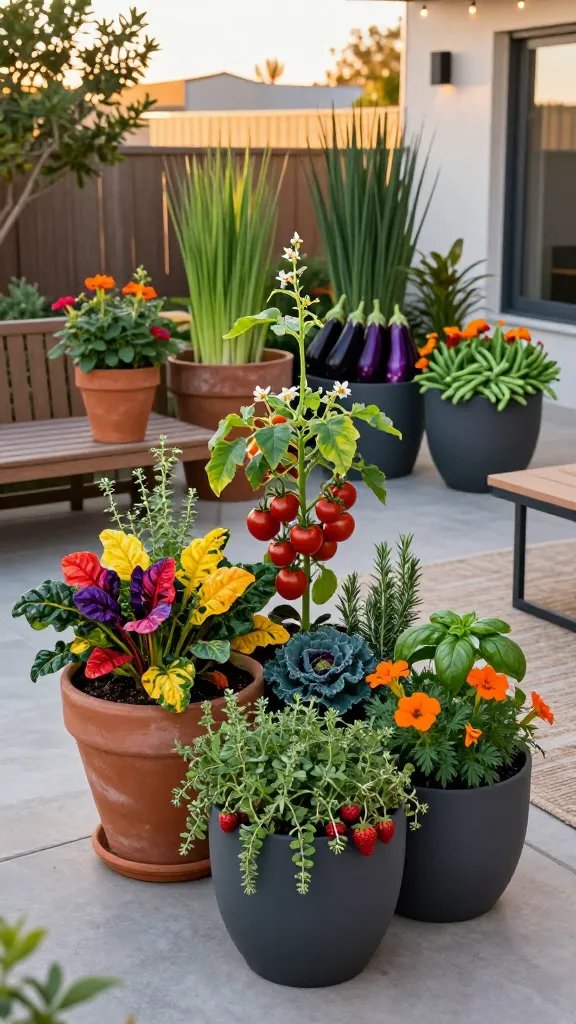
You can have beauty and food in the same pot. Design your containers like mini bouquets that happen to feed you. The result? A patio that looks curated, not cluttered.
Thriller, Filler, Spiller (Edible Edition)
- Thriller: dwarf tomatoes, eggplant, okra, lemongrass, ornamental peppers
- Filler: basil, chard, kale, bush beans, marigolds, zinnias
- Spiller: thyme, oregano, trailing rosemary, strawberries, nasturtiums, sweet potato vines
Match light needs. Don’t pair shade-loving lettuces with sun-worshipping peppers unless you enjoy drama.
Color And Texture Combos That Pop
- Heat Wave Pot: Thai basil, red okra, orange marigolds, trailing nasturtium
- Mediterranean Mix: dwarf tomato, rosemary, oregano, trailing thyme
- Salad Station: red romaine, frilly mizuna, green butterhead, violas for edible flowers
- Pollinator Party: cosmos, pentas, salvia, lavender—park near fruiting crops
Use clusters of three containers at varying heights for instant magazine vibes. Trust me, it looks intentional and lush.
Maintenance That Keeps It Cute
- Weekly tidy: deadhead flowers, harvest herbs, remove yellow leaves
- Monthly refresh: top-dress with compost or worm castings, re-mulch
- Succession sow: every 2–3 weeks for lettuces and beans to avoid feast-or-famine
This plan keeps containers productive and photogenic. Entertaining-ready, any day of the week.
There you have it: a Zone 9–11 container plan that actually fits your climate and your schedule. Start with a few pots, follow the season windows, and rotate like a boss. Your patio will turn into an edible paradise before your neighbors can say “Where’d you get those tomatoes?”
Go plant something today—future you (and your dinner plans) will be very happy.