
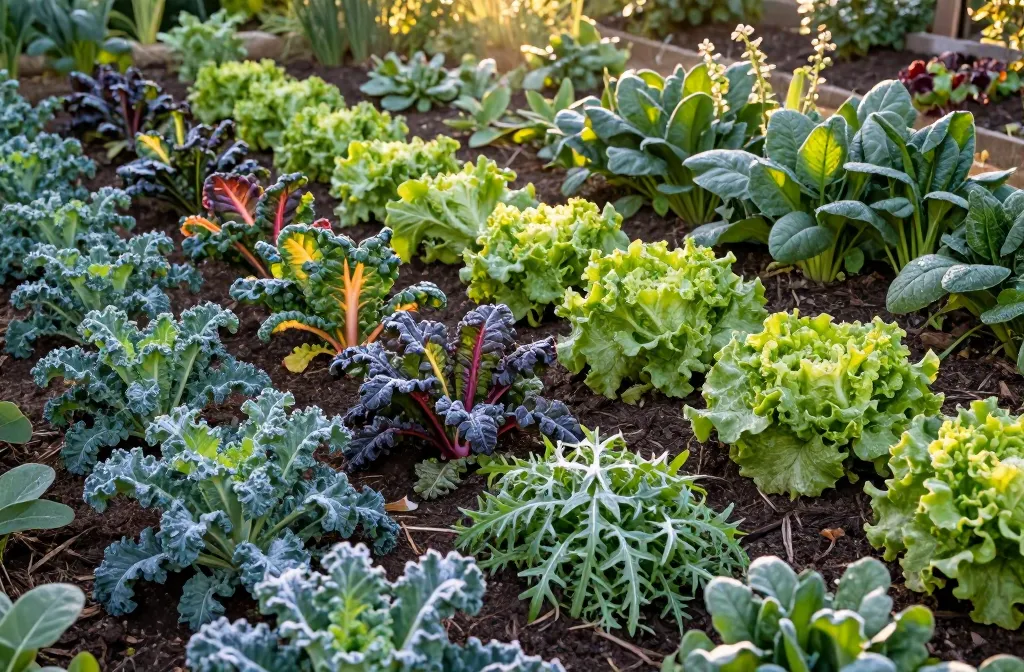
Cold snaps don’t mean your garden retires—fall planting can be absurdly productive. Cooler temps sweeten flavors, pests chill out, and you get harvests when everyone else thinks the season’s over. This guide spotlights 15 tried-and-true crops that love sweater weather. Ready to turn chilly days into steady harvests? Let’s dig in.
1. Leafy Legends: Spinach, Arugula, Kale, Swiss Chard, Lettuce
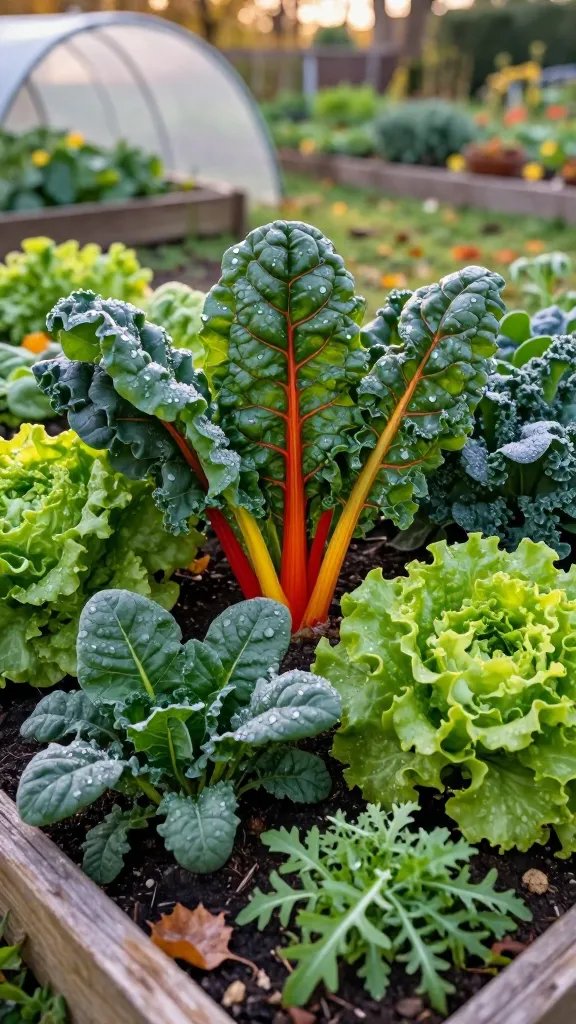
Greens are the fall MVPs—they grow fast, shrug off frost, and taste better when the nights get nippy. You’ll get tender salads now and cut-and-come-again harvests for weeks. Plus, these greens don’t ask for much beyond decent soil and consistent moisture.
Standout Picks
- Spinach: Thrives in cool soil; frost boosts sweetness. Sow every 10–14 days for steady harvests.
- Arugula: Peppery and speedy—ready in 3–4 weeks. Great for quick meals when daylight shrinks.
- Kale: Dinosaur or curly types handle hard frosts. Leaves get sweeter after a chill—seriously, candy kale.
- Swiss Chard: Colorful ribs and buttery texture. Tolerates light frost and keeps going.
- Lettuce: Loose-leaf and romaine do best in fall. Head lettuce needs longer, so start early.
Planting Tips
- Timing: Sow 6–10 weeks before your first frost. Transplant lettuce and kale for a head start.
- Soil: Rich, well-drained, and slightly acidic (pH 6–6.8). Mix in compost for fluff and nutrients.
- Water: Keep evenly moist. Dry spells make greens bitter—no thanks.
- Protection: Use row cover or cold frames to push growth into winter.
When you want quick, dependable harvests with minimal drama, plant these. They’ll keep your salad bowl full long after summer ends.
2. Root Royalty: Carrots, Beets, Radishes, Turnips, Rutabaga
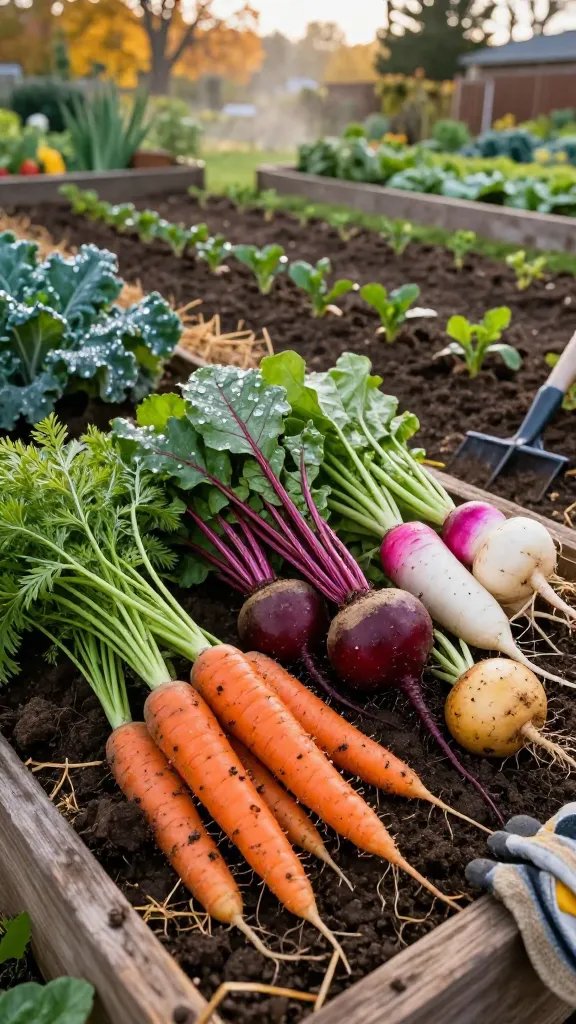
Roots love fall because cool soil builds sweetness and crunch. Many of them can even overwinter in the ground under mulch—nature’s fridge. If you want pure flavor with zero fuss, this is your crew.
Best Varieties For Fall
- Carrots: ‘Napoli,’ ‘Yaya,’ or ‘Bolero’ for fall sweetness. Sow thinly and keep moist until germination.
- Beets: ‘Detroit Dark Red’ or ‘Chioggia’ for color and flavor. Eat the greens too—bonus crop!
- Radishes: Fast and forgiving; ‘French Breakfast’ or ‘Daikon’ for variety.
- Turnips: ‘Hakurei’ stays tender and mild—killer raw or roasted.
- Rutabaga: Slower but worth it; plant early fall for winter stews.
Planting and Care
- Timing: Sow 8–12 weeks before first frost for carrots, beets, rutabaga; 4–6 weeks for radishes and turnips.
- Soil Prep: Deep, rock-free beds. Mix in compost, avoid fresh manure to prevent forking.
- Thinning: Essential. Give carrots 1–2 inches and beets 3–4 inches to size up.
- Moisture: Keep soil evenly damp for uniform roots and less splitting.
- Harvest: After a frost for sweeter flavor. Store in damp sand or peat in a cool place.
Roasting pan on standby? These roots deliver sweet, earthy flavor with almost zero attitude. FYI, fall-grown roots taste better—fight me (nicely).
3. Brassica Powerhouses: Broccoli, Cabbage, Cauliflower, Brussels Sprouts
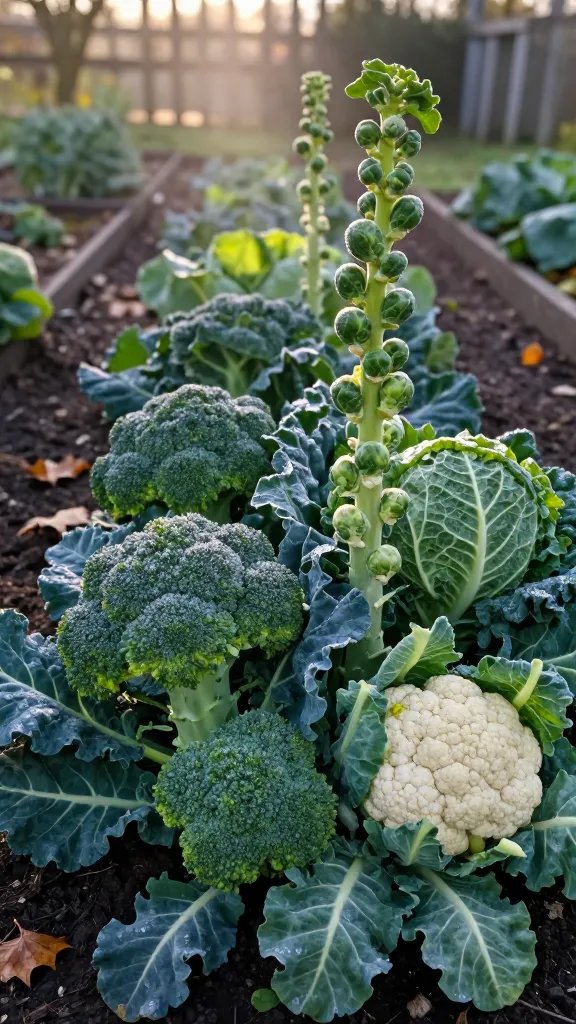
Brassicas love the chill and reward you with dense heads and crisp leaves. They’re nutrient-dense, frost-tolerant, and wildly versatile in the kitchen. If you want that “I actually know what I’m doing” garden vibe, plant these.
Top Performers
- Broccoli: Plant transplants for timing control. After the main head, side shoots keep coming.
- Cabbage: Savoy types handle cold like champs and store well.
- Cauliflower: More finicky—pick self-blanching varieties and keep stress low.
- Brussels Sprouts: Slow and steady; sweetest after hard frosts. Top plants a month before harvest to size up sprouts.
Success Strategy
- Timing: Start indoors mid-summer, transplant 8–10 weeks before first frost.
- Spacing: Give them room—18–24 inches between plants, good airflow prevents disease.
- Feeding: Heavy feeders. Add compost and a balanced organic fertilizer at transplant.
- Pests: Use row cover early to block cabbage worms. Remove yellowing leaves promptly.
- Frost: Light frosts improve flavor; protect cauliflower heads from hard freezes with row cover.
These crops bring show-stopping harvests and serious meal prep potential. When you want hearty dinners from your backyard, brassicas deliver.
Quick Note On Season Extension
- Row Covers: Lightweight fabric bumps temps a few degrees and keeps pests off.
- Cold Frames: Great for broccoli side shoots and late lettuce.
- Mulch: Insulates roots and reduces soil splash, which helps with disease.
Use these tools when nights dip below freezing and you still want steady growth.
4. Allium Allies + Legume Lifesavers: Garlic, Shallots, Onions, Peas
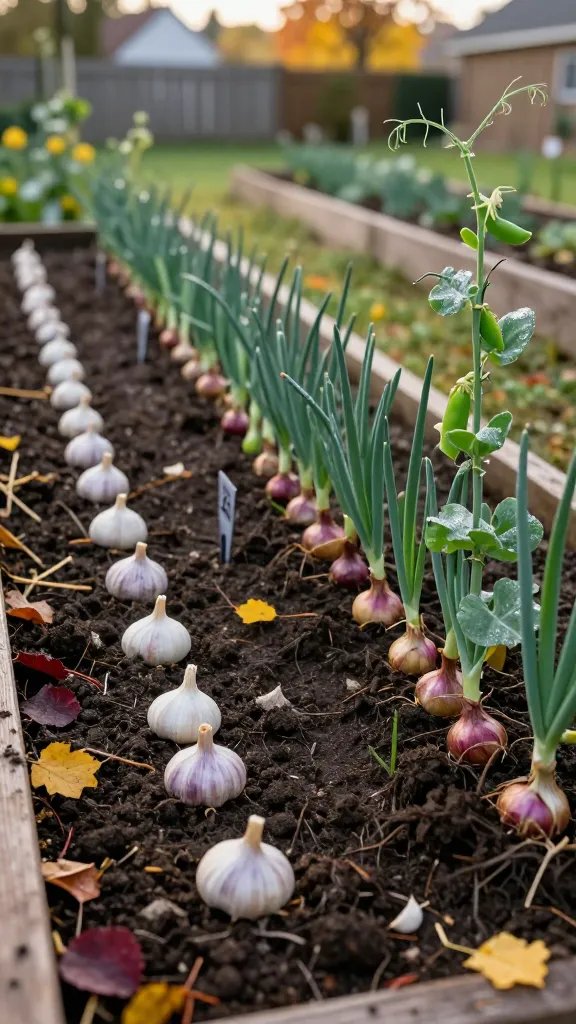
Fall is prime time for bulbs and a sneaky second round of peas. Garlic and shallots go in now for blockbuster harvests next summer. And peas? They’ll sprint through cool weather and give you sweet pods before deep winter.
Alliums To Plant In Fall
- Garlic: Plant cloves pointy end up 2–3 inches deep, 6 inches apart. Hardneck types for cold climates; softneck for milder zones.
- Shallots: Similar to garlic—set cloves in clusters; great for rich sauces and roasts.
- Overwintering Onions: In mild zones, plant sets or seedlings now for early summer bulbs.
Don’t Sleep On Fall Peas
- Snow and Snap Peas: Sow 8–10 weeks before first frost. They handle light frosts and love cool soil.
- Support: Use netting or a simple trellis—don’t let vines flop.
- Inoculate: Optional but helpful; encourages nitrogen-fixing bacteria for stronger growth.
Care Tips
- Soil: Loose, fertile beds with good drainage. Alliums hate soggy feet.
- Mulch: Add straw over garlic after the ground cools to prevent heaving.
- Water: Keep peas evenly moist; stop watering garlic once the tops start to yellow in late spring.
Plant these when you want easy wins now and stacked returns next year. Garlic alone makes you feel like a pro, IMO.
5. Cold-Tolerant Herbs + Overwinter Pros: Cilantro, Parsley, Mâche, Claytonia, Asian Greens
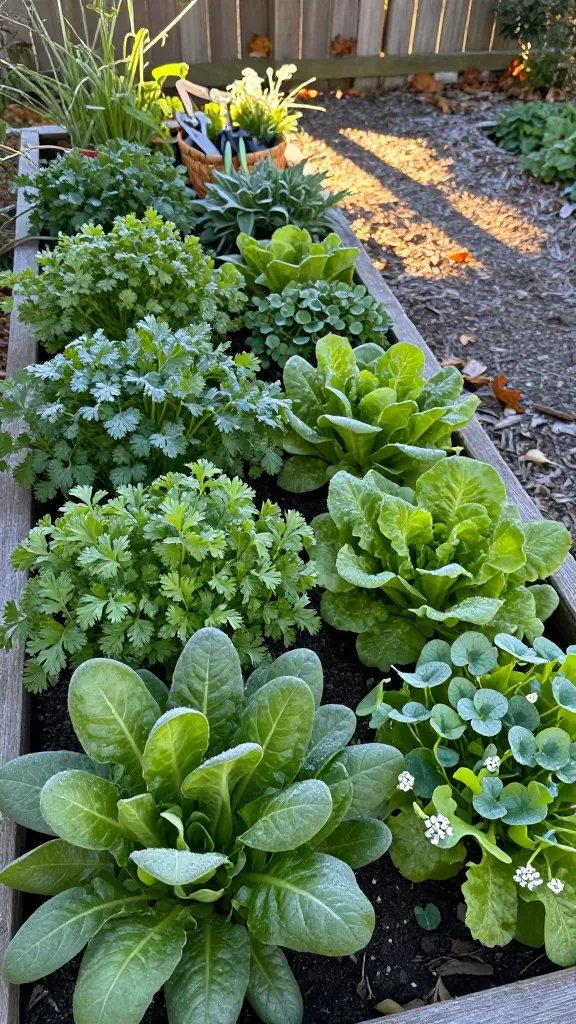
Herbs and specialty greens shine in fall—no bolting, richer flavors, and minimal pests. You’ll snip fresh herbs for soups while everyone else buys sad bunches at the store. Plus, these greens thrive in low light, which is perfect as days shorten.
Herbs That Love Chill
- Cilantro: Sow every 2 weeks. Cool weather keeps it from bolting and boosts aroma.
- Parsley: Slow to start but tough; curls or flats both handle frost and even light snow.
Salad Superstars
- Mâche (Corn Salad): Silky leaves, nutty flavor, and unbeatable cold tolerance. Will overwinter under light cover.
- Claytonia (Miner’s Lettuce): Tender, succulent leaves that thrive in shade and cold.
- Asian Greens: Mizuna, tatsoi, komatsuna, and pak choi love fall. Quick growth, mild flavors, great in stir-fries.
How To Grow
- Timing: Sow 6–10 weeks before first frost; keep sowing greens in trays for backup transplants.
- Light: These tolerate low light, but give them 4–6 hours for best growth.
- Cover: A simple low tunnel or cold frame turns these into winter-long harvest machines.
- Harvest: Cut outer leaves and leave the center to regrow. Repeat every week or two.
Use these when you crave herb-packed soups, ramen toppings, and luxe winter salads. They make cold-weather cooking way more exciting, trust me.
Ready to plant like a fall legend? Cooler temps, fewer pests, and sweeter flavors make this the sneaky-best season to grow. Grab some seeds, toss on a hoodie, and turn your garden into an autumn harvest buffet.